REVIEW · PARIS
Paris: Small Group Moulin Rouge & Sacré Cœur Montmartre Tour
Book on GetYourGuide →Operated by Danis Tour · Bookable on GetYourGuide
Montmartre always feels like backstage Paris. This guided walk connects the Moulin Rouge area to the hilltop Sacré-Cœur with story-driven stops and big city-picture payoffs. You also get a route that focuses on the neighborhood’s creative side, not just the usual photo checklist.
I especially liked the way the guide explains what you’re seeing. Daniel, the English-speaking guide, takes his time, speaks French and English very well, and even helps with photos when you want them. It feels less like a lecture and more like someone showing you their favorite corners.
One heads-up: this is a walk with uphill portions, and it is not suitable for wheelchair users. Plan for uneven ground around the hills and know you’ll be climbing more than you might expect in only 2 hours.
In This Review
- Key things to know before you go
- Why this Montmartre walk hits the right notes
- Getting oriented: Blanche Station meeting spot near Moulin Rouge
- Moulin Rouge: seeing the cabaret landmark and the neighborhood around it
- Cobblestones, artist homes, and the Café des Deux Moulins moment
- Place des Abbesses, the Wall of Love, and a church you’ll want to pause for
- Bateau Lavoir, Maison Rose, and Montmartre’s last vineyard
- Place du Tertre: street-artist atmosphere without losing your way
- Climbing to Sacré-Cœur: gardens, statues, and panoramic views
- Group size, pace, and photo time during the 2-hour walk
- Price and value: what you get for $2.27 and what costs extra
- Who should book this Montmartre tour
- Should you book Paris: Small Group Moulin Rouge & Sacré Cœur Montmartre Tour?
- FAQ
- Where does the tour start?
- How long is the tour?
- What language is the guide?
- What’s included in the price?
- Are food and drinks included?
- Is the tour wheelchair accessible?
- How do I pay tips?
- Can I cancel for a refund?
Key things to know before you go
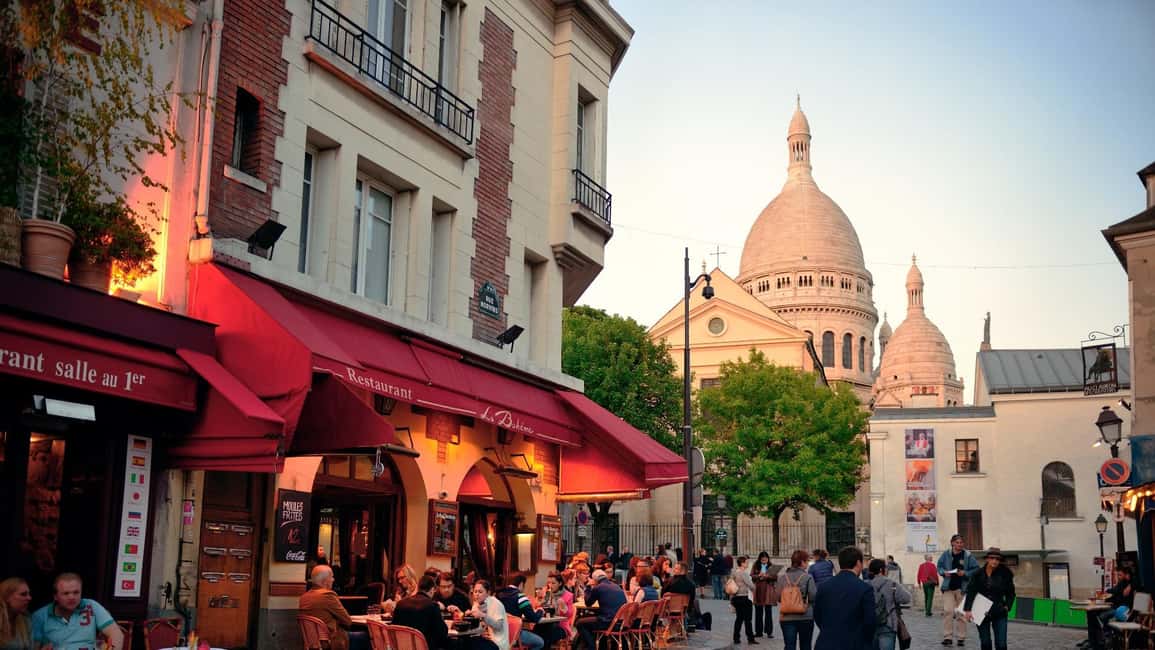
- Blanche Station start: Meet at Starbucks in front of the Moulin Rouge area, across from Five Guys (Metro line 2 / M2 to Blanche).
- Moulin Rouge as the anchor: You’ll see the most famous cabaret of the world and hear what makes this area matter.
- Artists and cafés with real names: Expect stops linked to the Amélie connection at Café des Deux Moulins and the House of Van Gogh.
- Montmartre landmarks in a tight loop: Place des Abbesses, the Wall of Love, Bateau Lavoir, Maison Rose, and the last vineyard.
- Place du Tertre energy: You’ll pass through the area associated with street artists and that classic Montmartre scene.
- Sacré-Cœur payoff views: Gardens, a fountain, statues of French heroes, and panoramic views from the basilica.
Why this Montmartre walk hits the right notes
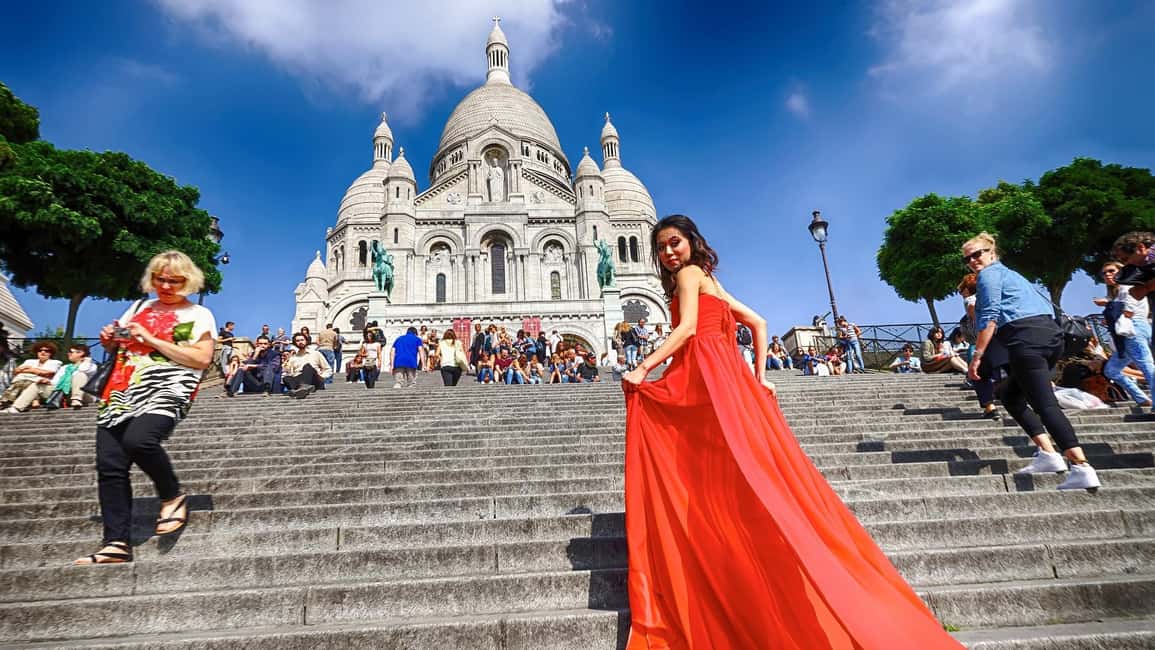
If you only see Montmartre from one viewpoint, you miss what makes it special. This tour walks you through the neighborhood the way the artists and performers did—by moving between landmarks, not by sitting still. That means you get the “from below to the top” story arc, with the hill acting like a natural storyline.
The big win is the combination of Moulin Rouge and Sacré-Cœur. The first is all about performance and spectacle; the second is about overlooking the entire city from a quiet, elevated setting. The guide ties those two worlds together with specific locations tied to creativity—cafés, studios, and places associated with painters and singers.
You’ll also appreciate the pacing for a short tour. With only 2 hours, the route is designed to keep you moving, while still stopping long enough to understand what you’re looking at. It’s a good fit when you want Montmartre highlights without spending an entire day on them.
You can also read our reviews of more tours and experiences in Paris.



Getting oriented: Blanche Station meeting spot near Moulin Rouge
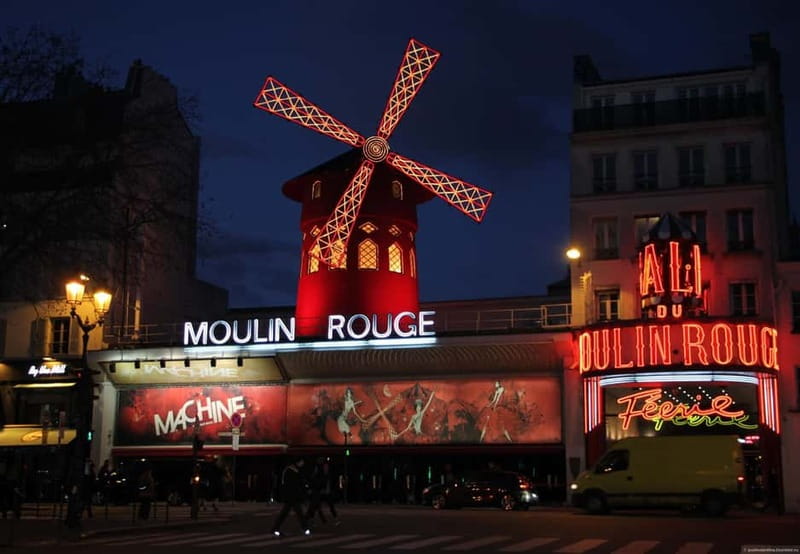
The meeting point is easy to find once you know the landmark. Take Metro line 2 (M2) to Blanche Station. When you exit, look left across the road; you should see Starbucks and Five Guys, opposite the Moulin Rouge area.
Meet in front of the Starbucks café. This is helpful because it gives you a clear visual reference point right at the start. Since the tour ends back at the same meeting spot, you can plan a meal or drink afterward without figuring out transit from a different neighborhood.
One practical tip: arrive a few minutes early. Paris Metro crossings can be quick, but there’s often foot traffic right around Montmartre’s entrances.
Moulin Rouge: seeing the cabaret landmark and the neighborhood around it

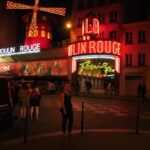
Starting near the Moulin Rouge matters because it sets your expectations for the whole area. This is the most famous cabaret of the world, and the energy of the streets around it is different from quieter corners of Montmartre.
You won’t just look at the building and move on. The guide’s job here is to connect the cabaret vibe to Montmartre’s reputation for performers and artists. That changes how you experience the streets—suddenly those facades and apartments feel like part of a larger creative scene.
Also, expect a lot of photo-friendly sightlines early in the walk. Cobblestone lanes and classic Montmartre angles tend to produce better pictures than you’d get from a single street corner. If you care about photos, this is where you’ll start seeing results.
Cobblestones, artist homes, and the Café des Deux Moulins moment
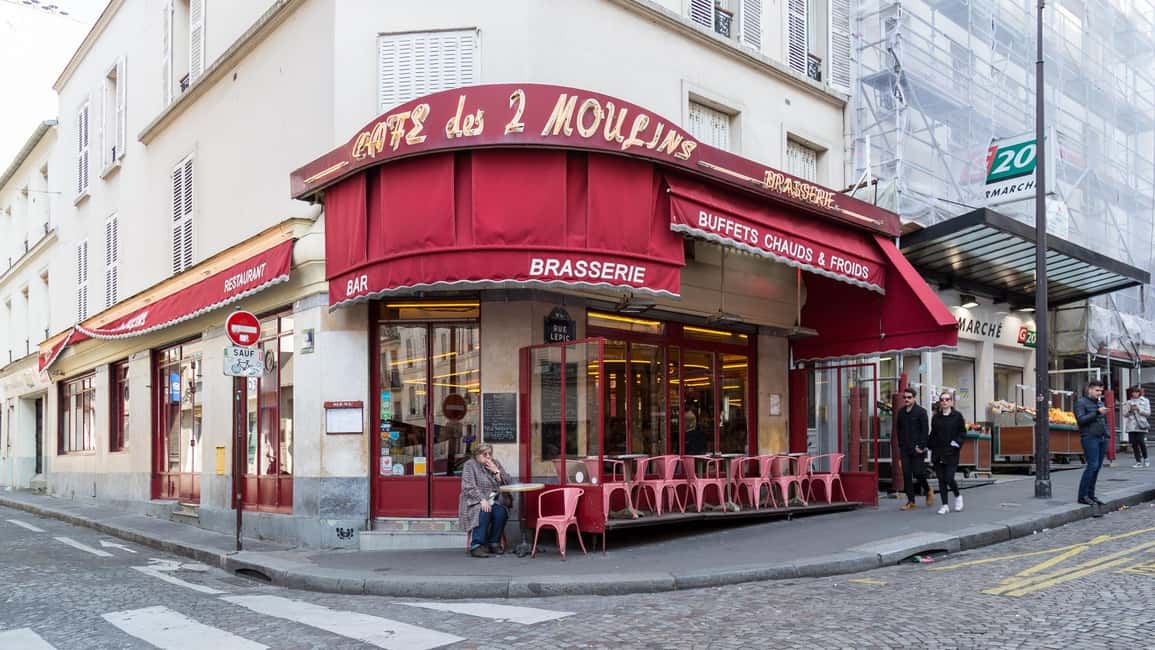
As you head away from the loudest frontages, you’ll see the quieter residential side of Montmartre—apartments, small streets, and places tied to famous artists, singers, and painters. The guide highlights where creative figures lived and worked, so the neighborhood feels less like scenery and more like a map of ideas.
Two stops I found especially worth paying attention to are:
- Café des Deux Moulins, linked with the Amélie connection
- The House of Van Gogh
Even if you’re not chasing movie or art trivia, these are useful because they give you a concrete anchor for the story. You can stand there and picture the creative lives behind the walls, instead of only hearing general talk.
You’ll also get suggestions about famous cafés and restaurants. The value here is not the names themselves—it’s having a guide steer you toward places that feel “classic Montmartre,” rather than the ones that only exist for tourists.
Place des Abbesses, the Wall of Love, and a church you’ll want to pause for
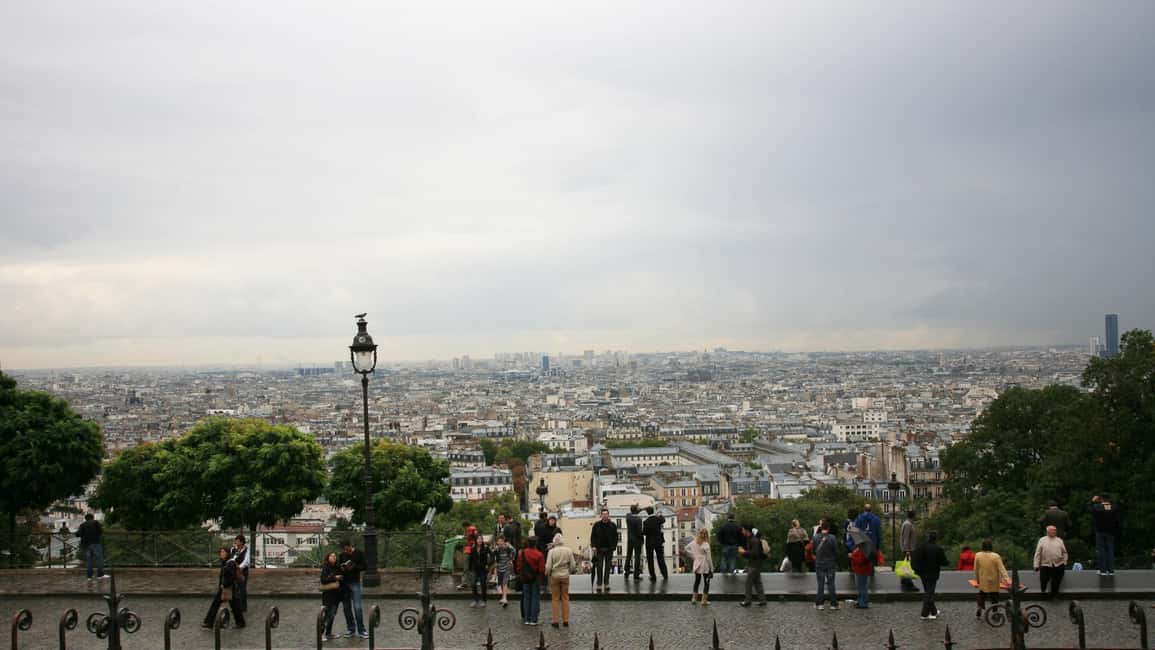
Place des Abbesses is a great mid-tour reset. It’s one of the oldest surviving churches in Montmartre, which helps you feel the contrast between the entertainment district and older, more grounded landmarks.
Then there’s the Wall of Love, which is exactly the kind of Montmartre stop that’s more than a photo wall. It adds color and personality to your walk, and it’s an easy way to understand why people love Montmartre even after the big sights fade from view.
This part of the tour is also where your legs start to appreciate shorter stops. It’s not just an in-and-out photo stop; it’s a place to slow down, orient yourself, and get your bearings for the climb ahead.





Bateau Lavoir, Maison Rose, and Montmartre’s last vineyard
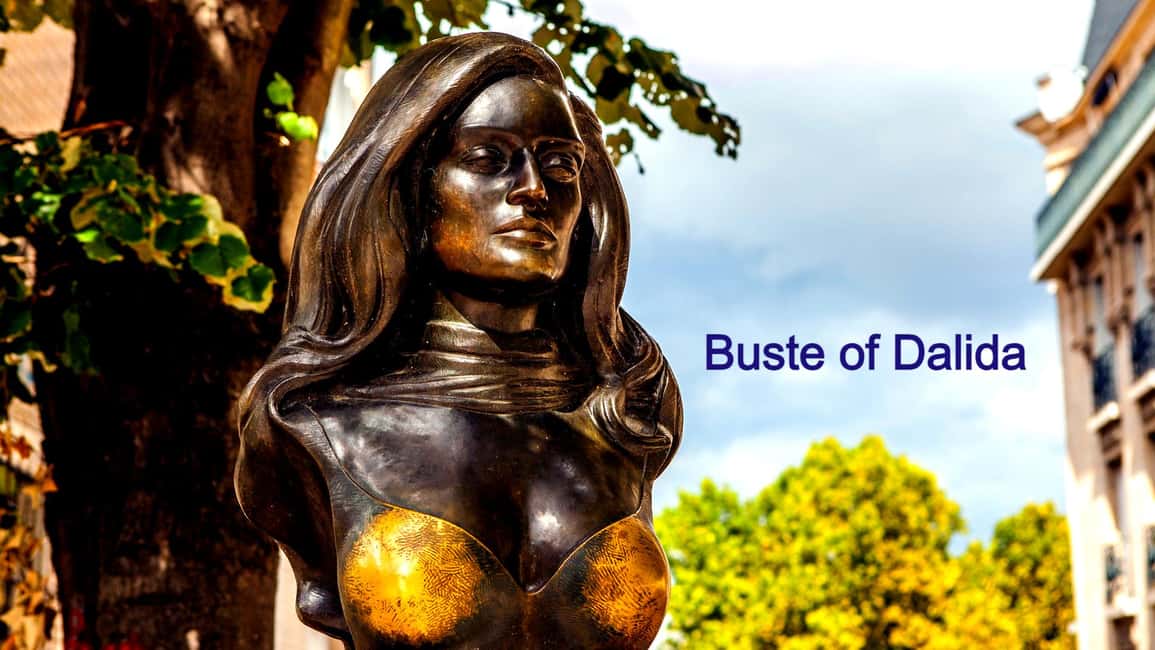
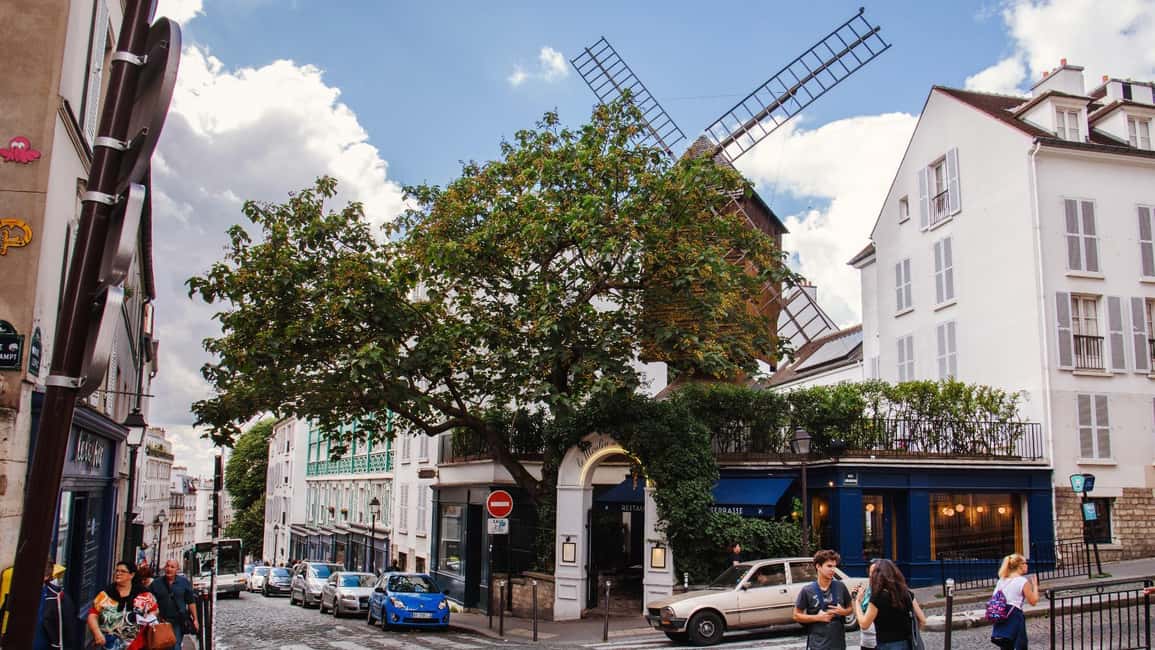
This is where the tour starts feeling like a real neighborhood walk. You’ll pass by or visit places including Bateau Lavoir and Maison Rose, both named landmarks that people associate with Montmartre’s artistic past.
You’ll also hear about the area’s last vineyard. That detail is small, but it’s a big reason to do this guided route. Montmartre can look like only stone, shops, and stairs. A vineyard reference reminds you that the district had a different working rhythm at one time.
These stops are valuable because they’re specific. When you leave, you’re not just thinking Montmartre is artsy—you’re thinking of named places you can point to. That makes the whole experience more memorable, and it helps you recognize these spots later if you return on your own.
Place du Tertre: street-artist atmosphere without losing your way
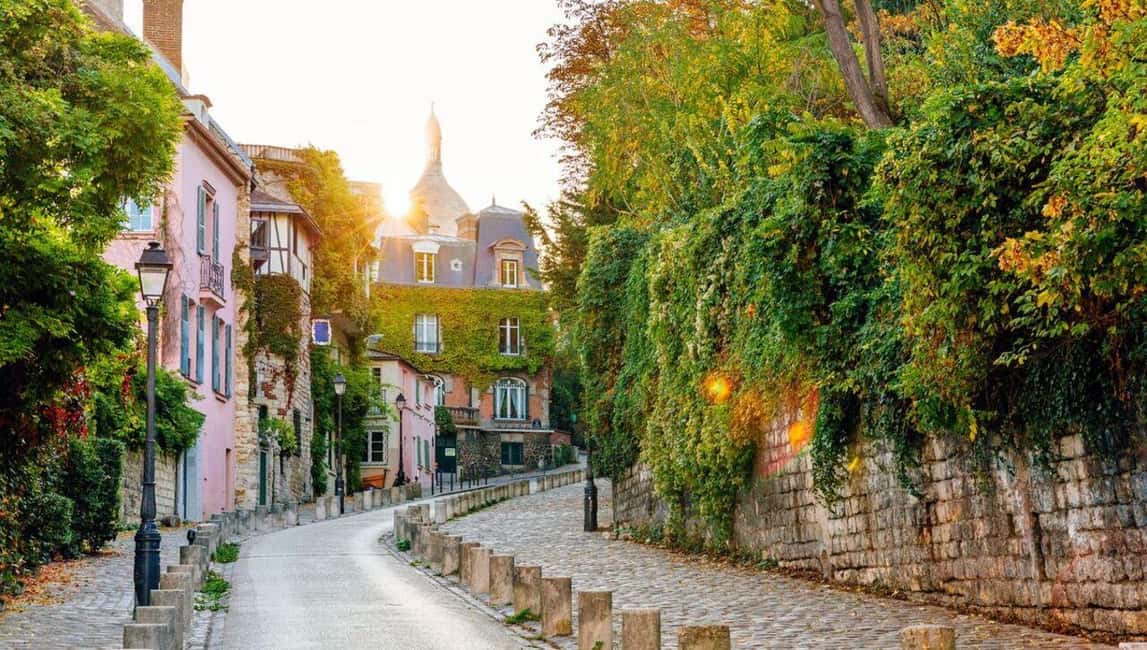
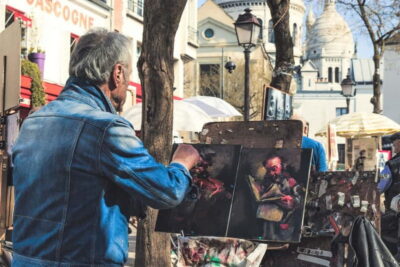
Place du Tertre is one of Montmartre’s classic meeting points for street art culture. You’ll spend time in the area where the sidewalk scene is part performance, part tradition, and part local routine.
If you like people-watching, this section is a highlight. The guide’s presence helps here because they can point out what’s going on around you, instead of you having to figure out the vibe from scratch.
If you’re more practical, this is also where you can decide whether to buy anything, take a quick look, or just use the spot as a landmark. Either way, it fits well inside a 2-hour tour because it gives you flavor without eating the whole schedule.
Climbing to Sacré-Cœur: gardens, statues, and panoramic views
The payoff arrives at Sacré-Cœur Basilica. The climb to the top is the natural reward for the earlier walking, and it’s where the tour delivers on the biggest visual moment.
Inside and around the basilica, you’ll see:
- Statues of French heroes
- Gardens
- A fountain
- Panoramic views from the basilica’s dome area
The views are compared to the Eiffel Tower for best city panoramas, and standing up here does change your mental map of Paris. From Montmartre’s height, you understand how different neighborhoods connect, and you can spot where you’ll want to go later.
Even if you’ve seen Sacré-Cœur from far away, this is different. From the basilica, you’re looking across the city in a way that feels personal and close-up, not distant and postcard-like.
Group size, pace, and photo time during the 2-hour walk

This is a short tour, so the pace is steady. It’s built for walking between key landmarks, with enough stops to make sense of what you’re seeing.
One reason I think it works is the guide’s approach. Daniel’s style in English and French is patient, and he explains as you go. He also offers to take beautiful photos, which is useful if you don’t want to keep asking strangers or fiddling with your camera.
Keep expectations realistic: 2 hours means you won’t tour museums or linger for long. You’re here for the neighborhood story, the landmarks, and the views—not a deep museum-style visit.
Price and value: what you get for $2.27 and what costs extra
The price listed is $2.27 per person, which is unusually low on paper. At that rate, the value is clearly in the guided storytelling and the structure of a walk that hits major Montmartre highlights efficiently.
What’s included is straightforward: a professional guide and a walking tour. The tour description also includes happiness, which sounds like a slogan, but it fits the overall vibe—this doesn’t feel like a rushed drive-by.
What’s not included is where you’ll spend your own money: food and drinks, plus tips. Tips are cash only, so bring some cash if you want to show appreciation.
If you’re traveling on a tight budget, this tour is a practical way to get a lot of Montmartre recognition without paying for separate attraction tickets.
Who should book this Montmartre tour
This works best for you if:
- You want an organized introduction to Montmartre in only 2 hours
- You like art-and-performance neighborhood stories tied to named locations
- You want help with photos and direction, not just a route
It may not be the best choice if you need accessibility accommodations. The tour is not suitable for wheelchair users, and the hills and uneven surfaces in Montmartre are part of the experience.
It’s also a good fit if you’re mixing neighborhoods in one day. Starting near Blanche gives you a convenient launch point, and ending back at the same spot helps you plan your next stop without added transit stress.
Should you book Paris: Small Group Moulin Rouge & Sacré Cœur Montmartre Tour?
If you want Montmartre’s biggest landmarks plus artist-linked stops in a compact time window, I’d book this. You get the classic face-off of Moulin Rouge to Sacré-Cœur, with named places like Café des Deux Moulins and the House of Van Gogh, and you end with wide-open city views.
I’d only hesitate if you’re dealing with mobility limits or you know you struggle with uphill walking. Otherwise, this is the kind of tour that helps you understand a neighborhood fast—and makes it easier to wander it later on your own.
FAQ
Where does the tour start?
The tour starts at Metro line 2 (M2) to Blanche Station. Exit the station and look left; wait in front of Starbucks across the road from Moulin Rouge.
How long is the tour?
The walking tour lasts about 2 hours.
What language is the guide?
The live tour guide speaks English.
What’s included in the price?
It includes a professional guide and a walking tour.
Are food and drinks included?
No. Food and drinks are not included.
Is the tour wheelchair accessible?
No, it is not suitable for wheelchair users.
How do I pay tips?
Tips are cash only.
Can I cancel for a refund?
Yes. You can cancel up to 24 hours in advance for a full refund.