REVIEW · PARIS
Paris: “The Live Thriller” Hunt down a Serial Killer
Book on GetYourGuide →Operated by Borderlive concepts · Bookable on GetYourGuide
Follow the clues, not your phone. This Paris thriller turns you into the heroes, with professional actors and four possible endings. I love the film-level mood of the sets and how your choices actually change what happens next. I also like that it is 90% indoors, so the pace stays intense even when Paris weather does its thing. One drawback to flag early: it is dark, tense, and not a good match if you get spooked by claustrophobic spaces or have a heart condition.
I went in expecting an escape-room vibe, but this is different. It is a 100% interactive investigation where you act, observe, and decide as the story unfolds, from interrogation to tense street surveillance. Your group stays private, with no other customers mixing in, so you’re not stuck watching someone else’s show.
If you hate horror movies, you might still find this worth it. It’s more thriller than slasher, and the actors never touch you. But the realism and high-tension moments can bother sensitive people.
In This Review
- Key Things to Know Before You Go
- Meeting Inspector Gambale by Jules Joffrin
- The Case File: Missing Persons, Mannequins, and Real Decisions
- Scenes That Feel Like a Dark Movie Set
- Actors Run the Show, Not a Scripted Video Loop
- Ending Choices: Four Ways the Investigation Can Land
- Price and Value for a Private Group
- Who This Thriller Suits Best (and Who Should Skip)
- What to Wear and Bring for a Smooth Investigation
- Should You Book The Live Thriller in Paris?
- FAQ
- How long is The Live Thriller in Paris?
- How many people can join a group?
- Where does the experience start?
- Do you play in English or French?
- Is it an escape room?
- Are there actors involved?
- How much of the experience is indoors versus outdoors?
- How many endings are there?
- Is it suitable for people who hate horror movies?
- Who should not book?
Key Things to Know Before You Go
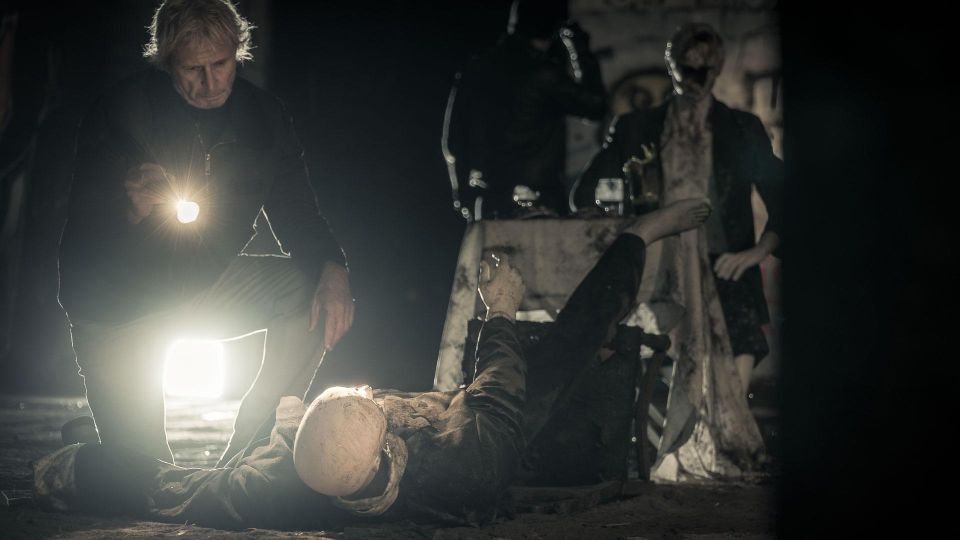
- Inspector Gambale meets you near Jules Joffrin at the corner of rue Duc and rue de Trétaigne
- 150 minutes of a case file you actively shape, not a locked-room puzzle session
- 90% indoor scenes, including abandoned basements and crime-scene style analysis
- Professional actors for every group, so you’re not dealing with weak improv
- Four different endings, and you cannot count on a mainstream happy result
- Not wheelchair accessible and not recommended for claustrophobia, heart conditions, or pregnancy
Meeting Inspector Gambale by Jules Joffrin
Your case starts close to Montmartre, but far from the postcard postcard zone. The meeting point is the corner of rue Duc and rue de Trétaigne, and you’re looking for a man dressed in black. That’s Inspector Gambale, and he is your entry into the whole investigation.
Once you arrive, you’ll join a session set up for a private group. The format is simple: bring 2 to 6 people, show up on time, and get ready to operate like you’re part of a criminal case. Sessions run every hour from 9:30am to 11:30pm, 365 days a year, so you can pick a time that fits your Paris day. If you like the full thriller mood, later starts tend to feel sharper, because the atmosphere leans dark even before you enter the story spaces.
Two details make this meeting feel less like a tour and more like a handoff. First, the appointment is tied to a specific location near a major transit hub, so you’re not wandering through side streets guessing where the “mystery entrance” might be. Second, you’re not just given instructions and left to figure things out. You’re brought in, briefed, and brought into the investigation rhythm.
Tip: come with a calm, ready mindset. This is not the kind of activity where you want to be late, distracted, or still half in sightseeing mode.
You can also read our reviews of more tours and experiences in Paris.



The Case File: Missing Persons, Mannequins, and Real Decisions
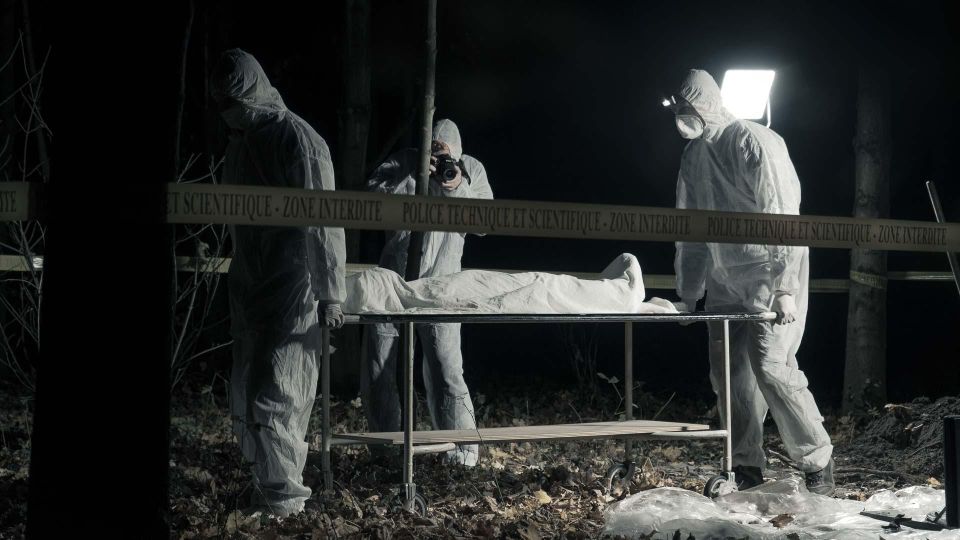
The premise is what hooks you fast. The inspector is dealing with nine missing persons and nine crime scenes, but the corpses have been replaced by store mannequins. That mix of mundane and unsettling is part of the brilliance. It doesn’t rely on gore. It relies on dissonance. Something is off, and you’re expected to notice it.
What I like most is that you don’t just walk through scenes. You take on the role of investigators in a story that demands choices. The experience is interactive, not a theatre sit-and-watch thing. You’ll be pushed into key moments that change your outcome, including leading you toward one of four endings.
And yes, the ending vibe matters. The team notes that you should not assume the mainstream happy version. That’s not a gimmick. It shapes how you’ll approach decisions, because you feel the weight of each call you make. In other words, it’s not only about solving. It’s about committing to a direction.
You can play in French or English, which matters if your vocabulary gets thin when tension rises. If you want the story in English, plan for that ahead so you’re not scrambling in the moment.
A good way to think about the experience is this: you’re not hunting a serial killer with logic alone. You’re hunting with attention, timing, and the ability to stay steady when the story escalates.
Scenes That Feel Like a Dark Movie Set
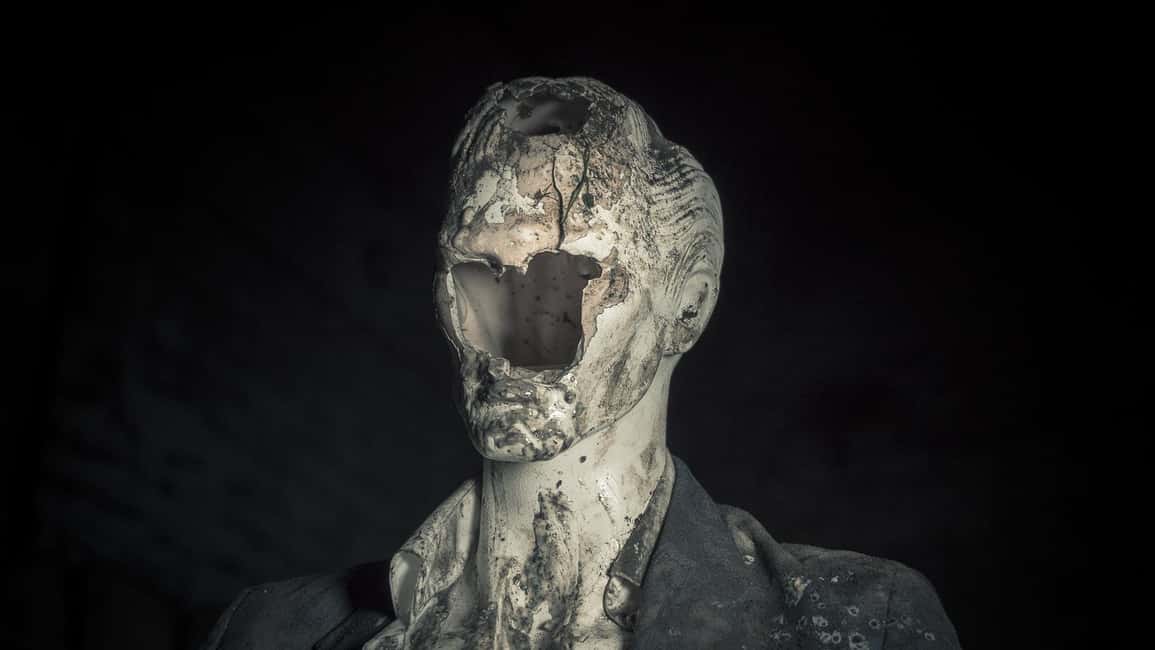
The experience is designed across multiple venues, and the details aim for realism rather than cartoonish jumps. About 90% of the time happens indoors, with roughly 10% outdoors. That indoor focus is useful for two reasons: the story stays controlled, and the pace doesn’t get delayed by crowds or weather.
Here are the kinds of scenes you can expect to move through:
- crime scene analysis moments where you act like you’re assessing evidence
- brutal interrogation style sequences where your responses matter
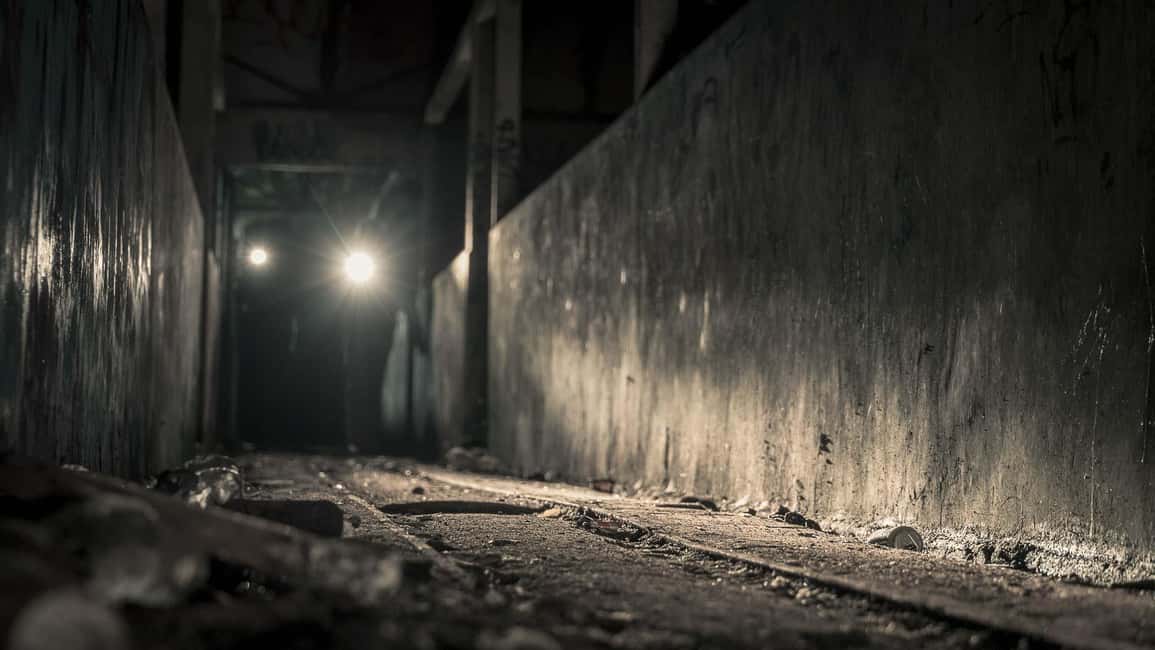
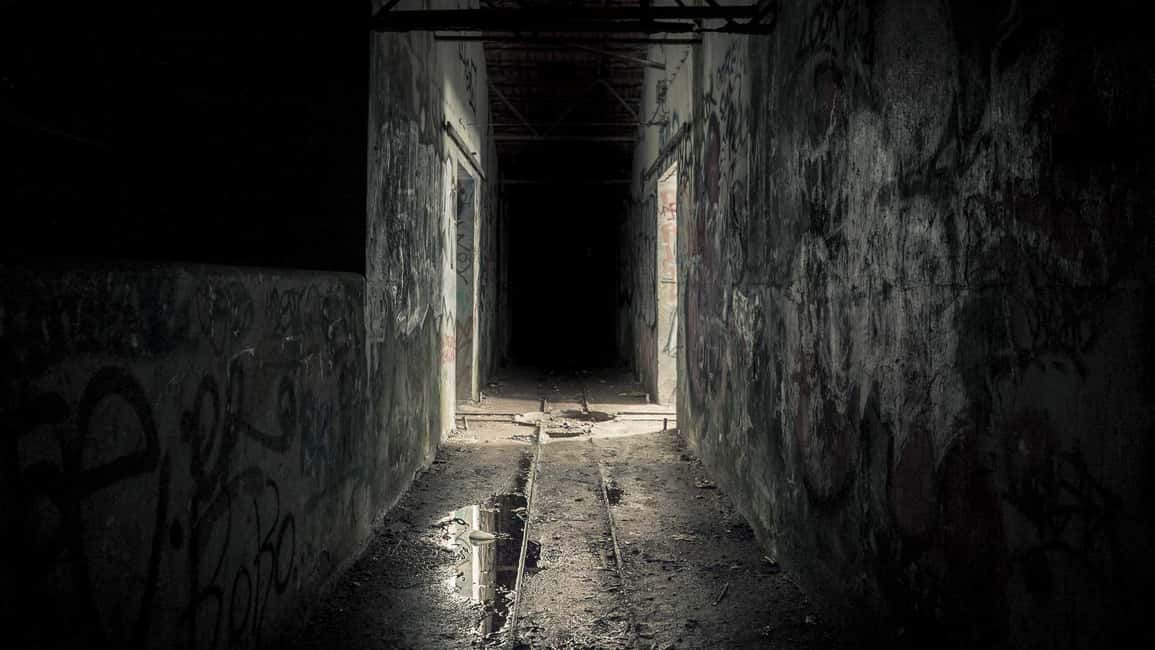
- exploration of abandoned basements, which is exactly the sort of space that makes your brain go quiet and alert at the same time
- street surveillance beats that shift you from “room mindset” to “watch and react” mindset
- environments that range from a dilapidated shop to an insalubrious squat, with mood created by dim light and unsettling décor
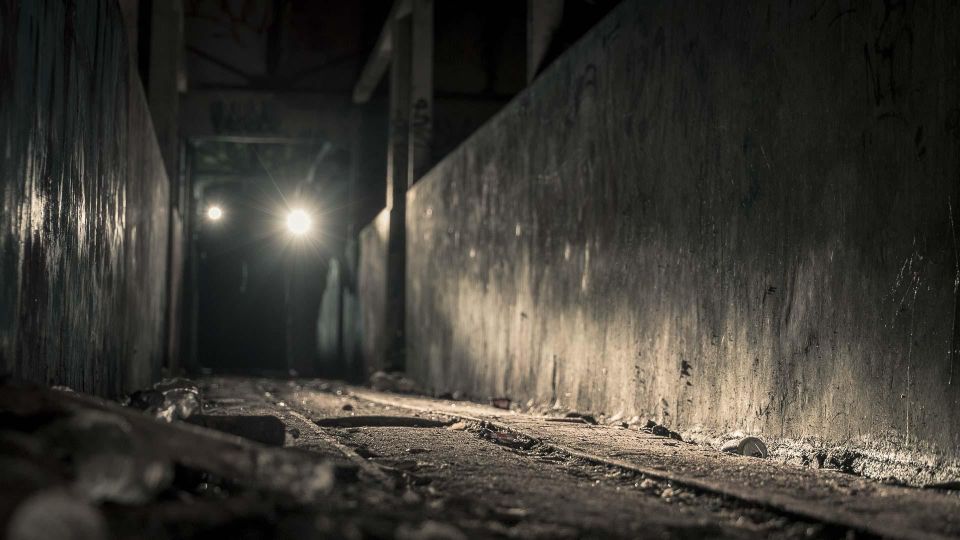
Even if you stay perfectly safe, the staging works on the nervous system. Tiny beams of light, damp-feeling atmospheres, and rooms that look lived in all help you suspend the normal tourist brain. It’s not about cheap scares. It’s about tension that grows because you can’t predict the next minute.
Safety note you should keep in mind: the actors will never touch you. That’s important, especially for people who dislike close-contact acting. They may pressure you into responses and decisions, but you’re not in a physical confrontation.
If you’re sensitive to psychological stress, pace yourself once you’re inside. You can enjoy it more when you’re not trying to “power through” fear.
Actors Run the Show, Not a Scripted Video Loop
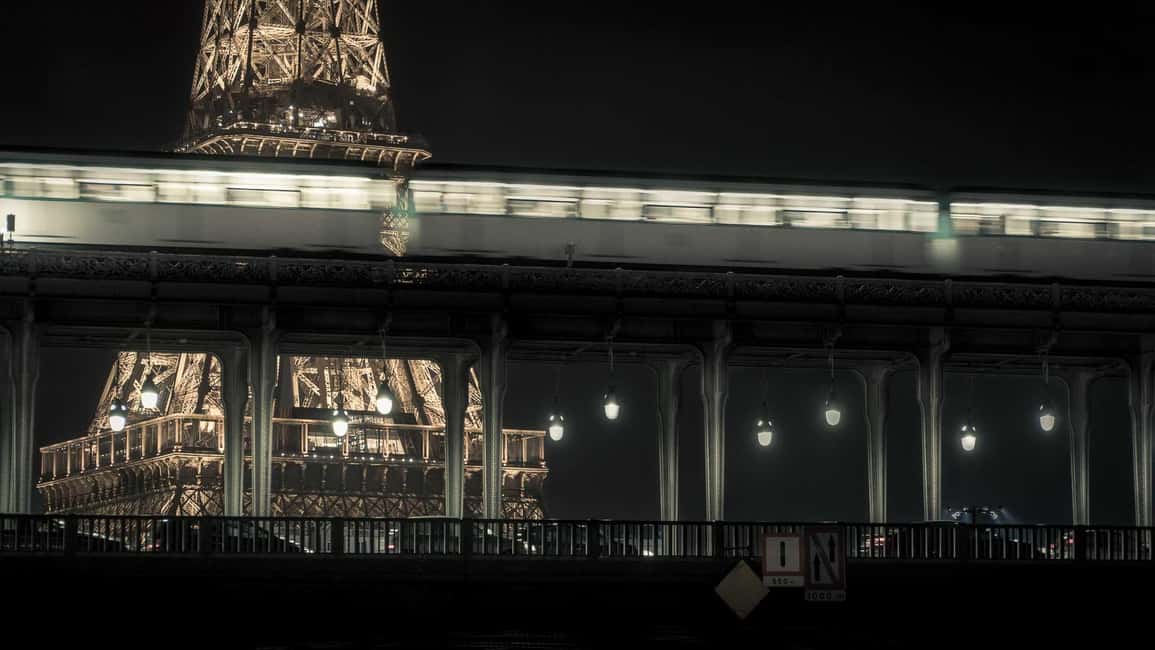
This is where the experience earns its high marks. There are professional actors for your group, and they are dedicated to your session. That means you’re not watching a generic performance that plays the same way for everyone. The story feels alive because the acting responds to your choices and timing.
You’ll meet multiple characters under Inspector Gambale’s umbrella. Some of the standout performances people mention include actors such as Anthony and Corentin, credited for credibility and strong character work. Even if your cast differs, the key point is consistent: the roles are played by trained performers.
This matters for your enjoyment because interactive thrillers can go wrong in two ways:
1) acting feels stiff, or
2) interaction becomes clunky.
Here, the production seems built to avoid both. The goal is that you forget you’re watching actors and start acting like you’re in a case.
Also, you stay with your group. The experience is privatized for your group, and you won’t see other customers during the whole run. That privacy keeps the tone serious and helps you hear and follow everything happening around you without distraction.
If you like projects where you’re part of the story, not just observing it, this casting choice is a big win.
Ending Choices: Four Ways the Investigation Can Land
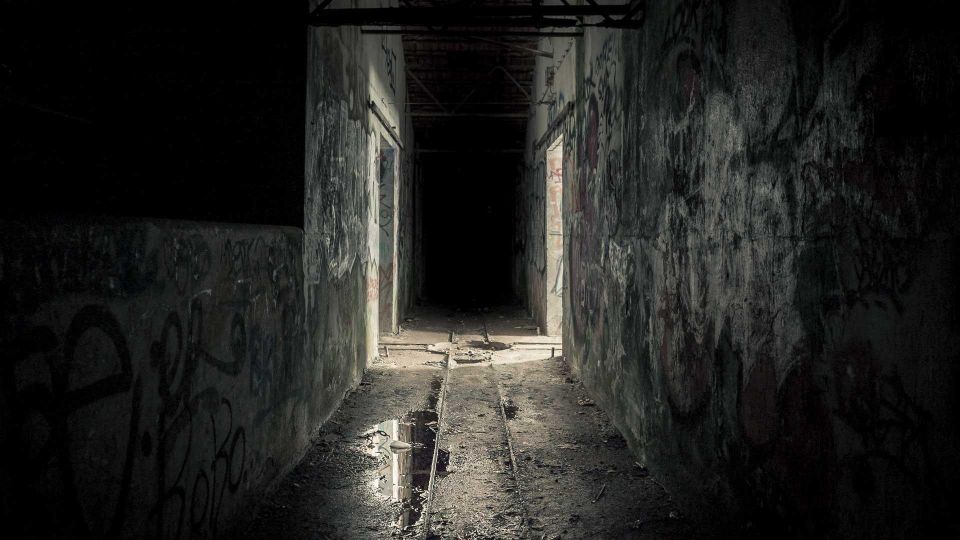
The “four endings” detail is not just marketing. It changes how the story feels while you’re in it, because you realize your decisions are steering the direction. That means you might leave with a different final tone than another group that went earlier.
You cannot guarantee the mainstream happy outcome. The team frames it that way, and it matches the thriller mood. Instead of treating endings like a prize, the story treats them like consequences.
One practical implication for you: if you love mysteries, don’t rush. Pay attention to what characters say and how they react. Interactive moments work best when you take in details rather than trying to brute-force your way forward.
Another implication: if you do this with friends, talk fast inside your group but don’t debate endlessly. The production will push you into decisions. The best results tend to come from a team that can agree quickly and commit.
It’s also worth thinking about language and how that can affect your choices. In a high-pressure moment, reading subtext in a second language can slow you down. If you’re more comfortable in French, go French. If English is your strength, go English.






Price and Value for a Private Group
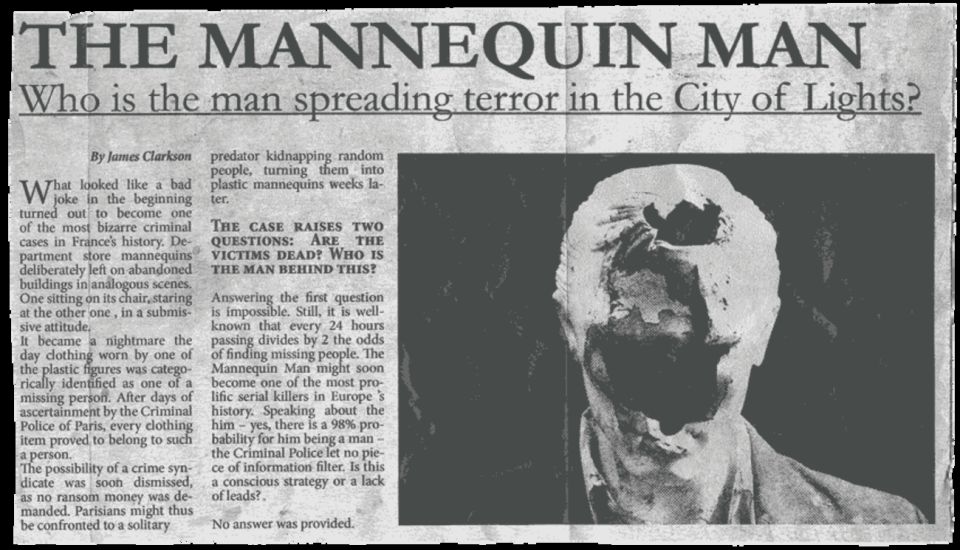
The price is $233 per group up to 2, and the experience runs about 150 minutes (with a fully privatized immersive experience listed as 135 minutes). That might sound steep if you compare it to a standard museum ticket. But you should compare it to what you’re buying: actors, staging, multiple venues, and a story built around your decisions.
Here’s the value angle that makes the number feel less random:
- Private group experience means you’re not stuck sharing attention with strangers
- Professional actors for your group means the investment is in live performance quality
- Dedicated venues and realistic sets mean you’re not solving puzzles on one flat floor
- Four endings mean it’s not a “been there, done that” repeat in the same way a basic escape-room can be
If you have two people and you split the cost mentally, it becomes more like buying two tickets to a top-tier live event, except you also actively participate. If you’re a family or a group of friends, the value also rises because you’re paying for shared role-play time with no outsiders in your space.
Who it’s best for on price alone: couples, small friend groups, or anyone who wants a memorable night activity without the randomness of a regular show.
Who This Thriller Suits Best (and Who Should Skip)
This one is for thriller-minded adults and teens. The minimum age is 13 if there is an adult in the group, and 18 otherwise. Content is described as no more shocking than typical movie or video game thriller genres, but it’s more immersive, which is a fancy way of saying your brain has less distance.
It’s not suitable for wheelchair users and it’s not recommended for people with claustrophobia. That indoor layout can include tight, enclosed-feeling areas like basements and disorderly spaces, so if your trigger is small places, you could end up stressed instead of engaged.
It’s also not recommended for:
- pregnant women
- persons with a heart condition
because of high-tension sequences.
Even if none of those apply, you should consider your general comfort with dark, disturbing stories. It’s not horror like a gore-fest, but the tone is dark and psychological, and it can make people feel unsettled in the moment.
On the flip side, it’s strongly recommended for everyone else who likes tense, interactive storytelling. If you can handle a serious thriller film, you’ll likely be okay here.
What to Wear and Bring for a Smooth Investigation

This is one of those activities where clothes matter more than you’d think. The venues can include uneven spaces and possibly damp or cold indoor environments, and you’ll be moving and reacting quickly.
Plan on:
- wearing comfortable clothes
- bringing layers if it’s cold
- choosing waterproof options if rain is in the forecast
- avoiding high-heels and open shoes
Also, avoid bringing bags and luggage when you can. The production asks you to keep things light, which will help you focus and move without friction.
Finally, bring your “investigation brain,” not your “tourist brain.” The biggest mistake people make in any role-play thriller is trying to treat it like a photo walk. Put the camera down more often than you think you need to. Your attention will pay you back with better decisions and a stronger final payoff.
Should You Book The Live Thriller in Paris?
Book it if you want a Paris night (or day) with real stakes, sharp acting, and story choices that affect your ending. It’s especially good if you like crime mysteries, psychological tension, and situations where you’re not just watching. The private group setup and professional cast make it feel like a tailored movie experience instead of a bargain attraction.
Skip it if you are sensitive to dark atmospheres, claustrophobic spaces, or heightened physical tension cues. And if you have a heart condition or are pregnant, this one isn’t a safe bet based on the stated guidance.
If you do go, choose the right time, go in with a team mindset, and be ready to make decisions. The best part is not finishing first. It’s leaving thinking about what you chose and how the investigation turned out.
FAQ
How long is The Live Thriller in Paris?
The experience lasts about 150 minutes.
How many people can join a group?
You can book a private group for 2 to 6 people.
Where does the experience start?
The appointment is at the corner of rue Duc and rue de Trétaigne, near Jules Joffrin station. Look for a man dressed in black (Inspector Gambale).
Do you play in English or French?
Yes. The experience can be played in English or French.
Is it an escape room?
No. You are not locked in a room to solve puzzles. It is built around active investigation and decisions.
Are there actors involved?
Yes. Professional actors portray characters for every group, and they are dedicated to your session.
How much of the experience is indoors versus outdoors?
About 90% is indoors and about 10% is outdoors.
How many endings are there?
There are four different endings.
Is it suitable for people who hate horror movies?
It is described as a dark thriller with adrenaline, not horror in the slasher sense. Still, the atmosphere can be frightening for sensitive people.
Who should not book?
It is not recommended for pregnant women and people with a heart condition. It is also not suitable for wheelchair users and people with claustrophobia. The minimum age is 13 if there is an adult; otherwise 18.