REVIEW · PARIS
Paris: VR Experience “L’Horizon de Khéops”
Book on GetYourGuide →Operated by Eclipso Paris · Bookable on GetYourGuide
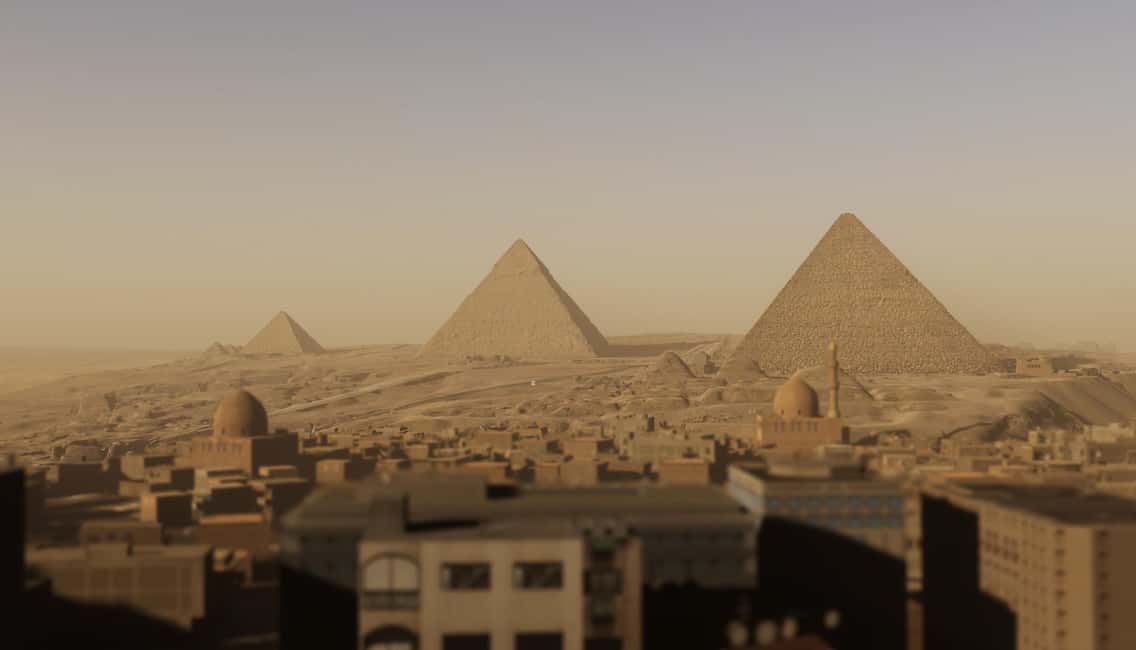
VR can feel like time travel. L’Horizon de Khéops turns Giza’s legends into a real sense-of-place VR stroll, starting at sunrise over the Giza Necropolis and ending with a nightfall look at the pyramids. The 3D visuals are crisp enough that you keep glancing around like you might spot the real Sphinx nearby.
What I liked most is the balance between spectacle and clarity. You move as a giant avatar across the plateau, guided through key landmarks like the Sphinx and the Pyramid of Giza, with a story that feels cultural rather than just flashy. One thing to consider: at 45 minutes of VR time, the experience is strong but can feel a bit short in a few of the longer stretches.
In This Review
- Key points you should know before you go
- From sunrise to VIP nightfall at Giza
- The giant-avatar walk across the Giza Plateau
- Reaching the Sphinx and then the Pyramid of Giza
- Why the script and 3D quality matter
- Your body in VR: movement, comfort, and safety
- Price and value: is $37 for 45 minutes worth it?
- Who should book this VR show?
- Booking with flexibility: keep your plans sane
- Should you book L’Horizon de Khéops?
- FAQ
- How long is the VR experience?
- What’s included with the ticket?
- Where does it take place?
- What languages are offered?
- Is it wheelchair accessible?
- Can I cancel or pay later?
Key points you should know before you go
- A 1,000 m² free-roam VR space designed for you to move around, not just stand in place
- Sunrise to nightfall storytelling with a VIP moment near the Pyramid of Giza
- Realistic 3D visuals and solid script that keep the trip feeling educational
- You access areas that are normally closed to the public through the virtual set
- 45 minutes in-headset inside a 1-hour overall experience window
From sunrise to VIP nightfall at Giza
The show begins at sunrise over the Giza Necropolis, where the three Great Pyramids anchor the scene. You’re not starting on a calm, empty set either. You’re placed among silhouettes of mastabas, tombs tied to deceased royalty and the families in their inner circles. That opening matters because it sets expectations: this isn’t just about seeing famous monuments. It’s about feeling how the site connects people, power, and time.
Then the pacing kicks in. You’re guided from location to location as the story moves from morning light into the shadows of evening. That sunrise-to-nightfall arc gives the experience a shape, almost like a mini day at Giza—except you get the meaning of key spots in a way regular sightseeing often skips.
You can also read our reviews of more tours and experiences in Paris.


The giant-avatar walk across the Giza Plateau
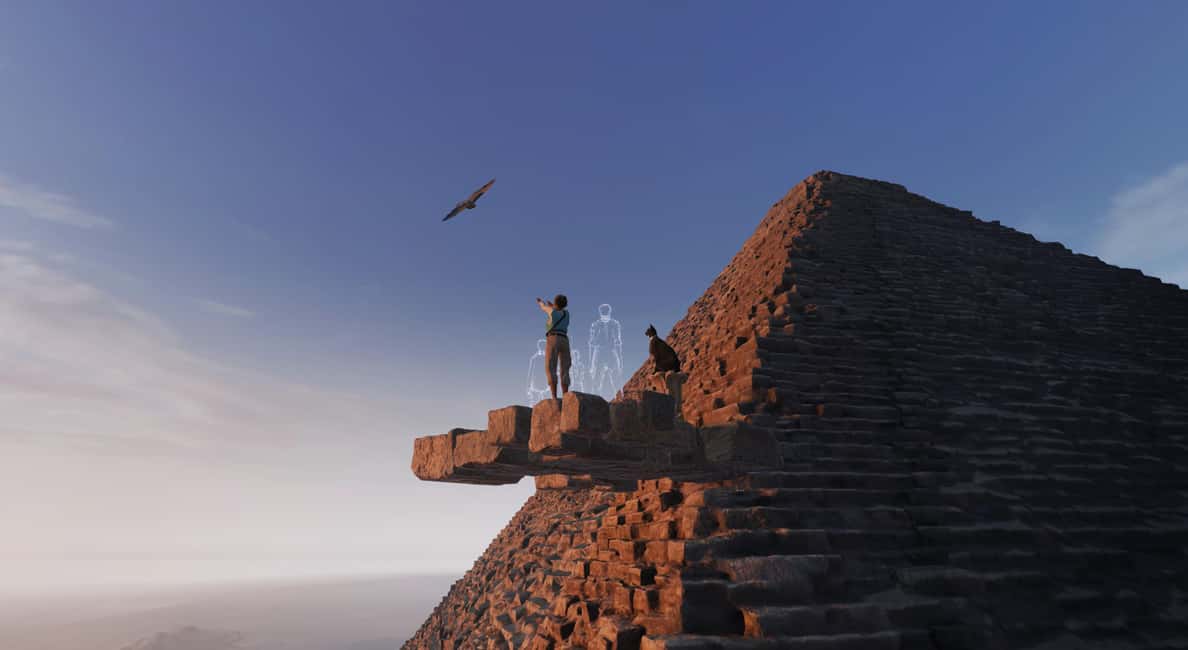
Once you’re in, you start as a giant avatar. That detail changes everything. Being larger-than-life helps your brain understand scale fast: the pyramids don’t just look big, they dwarf everything around them. You’re treading the eternal sand of the Giza Plateau, reaching the Sphinx before turning toward the Pyramid of Giza.
The trip’s value here is practical. VR can easily turn into a video game. This one pushes you to use movement to orient yourself—step forward, turn toward landmarks, and notice how views shift as you approach key points. It’s a good way to get your bearings quickly, especially if your real-world plan is to visit Giza later and you want the layout to make sense.
You’re also not alone in the experience. There’s a virtual guide and other visitors working through the same adventure. That combination of guidance and shared presence makes it easier to follow what’s happening, and it keeps the story from feeling like you’re watching alone.
Reaching the Sphinx and then the Pyramid of Giza
The Sphinx is where the show shifts from “wow” to “okay, I get it.” The scene puts you close enough to notice how the site reads as a whole, not as three separate photo stops. When you’re moving around, the Sphinx becomes a landmark that organizes the rest of the route. You feel why people describe Giza as a connected complex rather than just a collection of icons.
From there, you make your way to the foot of the Pyramid of Giza for what the experience calls a VIP visit at nightfall. That nightfall part is a big deal because it changes the emotional tone. Daytime sightseeing is all about clarity—seeing details, getting angles, collecting photos. Nightfall is about atmosphere. In VR, it’s not the real cold or real darkness, but the show still uses the lighting shift to help your brain slow down and take in the monumental scale.
Also, this is one of the places where the experience hints at access. The adventure includes spaces previously closed to the public. So even if you know the basics of Giza, you get the feeling of going somewhere you normally cannot.
Why the script and 3D quality matter
Some VR shows look impressive but leave you with nothing to hold onto afterward. This one is designed so the story actually sticks. The scripting is cultural and educational, not just a narration line. You get context as you move, which makes the landmarks more than eye-candy.
From the quality side, people consistently highlight the realism and the 3D look. I’d take that seriously if you care about VR clarity. When 3D quality is solid, you stop fighting the display and start noticing details—edges, proportions, and how distant elements relate to what you’re standing near. That’s the difference between VR as a gimmick and VR as a learning tool.
There’s also an honest sense in the way the experience is described: the technology is already good, and it’s the kind of setup that should keep improving. Even if you’re already VR-savvy, the show doesn’t feel like it’s trying to wow you at the expense of understanding.
Your body in VR: movement, comfort, and safety
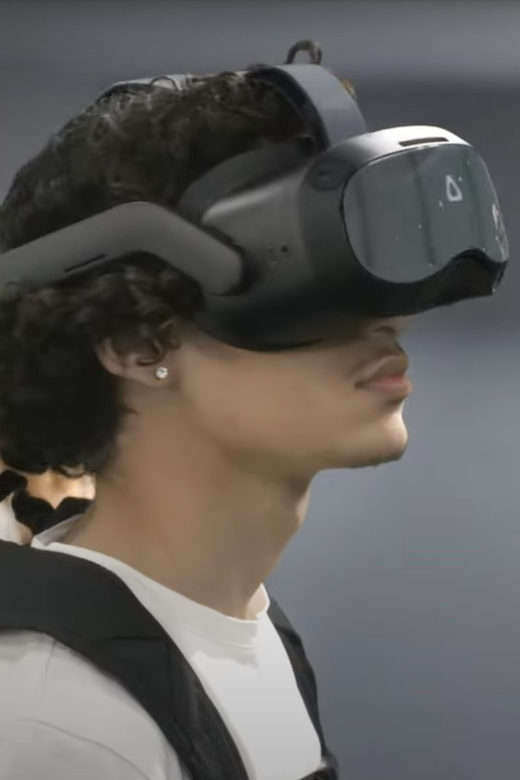
This experience is built around movement. You get 45 minutes in a 1,000 m² space, and you move freely rather than staying fixed. That setup is part of the reason it feels more physical and less passive. It’s also exactly why you should be sensible about comfort.
A few practical notes from the safety info provided: it’s not suitable for people with heart problems or people with epilepsy. Also, it’s not for children under 8. If you’re unsure where you land on that scale, trust the guidelines. VR can be a lot for the body and the nervous system, even when the content is gentle.
Also, consider the pace. The show moves across major points on the plateau—Sphinx, then the pyramid—so you should expect periods of active turning and walking-in-place style movement. If you’re sensitive to motion or have balance concerns, it’s worth thinking ahead before you commit.






Price and value: is $37 for 45 minutes worth it?
At about $37 per person, the value question comes down to what you’re buying: time, uniqueness, and access. You’re getting a full VR headset experience, plus 45 minutes of guided story, inside a total visit window of 1 hour.
Is it cheaper than a full museum day with transit and tickets? That depends on your plans, your pace, and what you’d do otherwise in Paris. But I do think the value holds for a specific type of traveler: the person who wants something different from standard sightseeing, and who likes learning without adding heavy research hours.
The strongest value is the combination of:
- Unique access through the VR set, including spaces normally closed
- Realistic 3D that improves comprehension, not just spectacle
- A structured route with sunrise-to-nightfall storytelling, not random wandering
If you love Egypt, love big visuals, or just want a high-impact, low-time commitment experience while you’re in Paris, this is a clear buy.
Who should book this VR show?
This is a great fit if you:
- Want a fast education on the Giza layout and major landmarks
- Prefer guided experiences over self-guided wandering
- Like VR that uses movement and isn’t purely seated entertainment
- Are visiting Paris but still want a meaningful Egypt-themed stop
It may not be the right fit if you:
- Are under 8
- Have heart problems or epilepsy
- Know you struggle with motion and VR comfort, even when the movement looks simple
On the language side, it’s French and English, and there’s a French/English host or greeter. So you can expect a guided experience you can actually understand, not a track that’s only partially translated.
Finally, the experience is listed as wheelchair accessible, which is a helpful plus if mobility is a concern. If you’re traveling with a wheelchair user, you’ll still want to plan with care for how movement in VR works practically—but the accessibility claim is there.
Booking with flexibility: keep your plans sane
The entry options are designed for people who don’t want tight constraints. You can reserve and pay later, which helps if your Paris schedule is still evolving. There’s also free cancellation up to 24 hours in advance for a full refund. That combination makes it easier to book now and adjust later without a big financial gamble.
Since the experience runs with starting times, it’s also smart to check the schedule so you don’t end up picking a slot that’s awkward with the rest of your day.
Should you book L’Horizon de Khéops?
If you’re excited by Egypt, short on time, and you like VR that has a real story, I’d book it. This isn’t a random VR game. It’s a structured route that takes you from sunrise at Giza to nightfall VIP views, with guidance and a script that aims to educate as it entertains.
If you’re sensitive to VR comfort or fall into the health categories listed, skip it even if the visuals sound tempting. Safety comes first.
The big decision for you is whether you want your Egypt fix to be visual-and-guided rather than purely historical reading or museum-only visits. For a $37 price point and a 1-hour overall window, this is one of those experiences that gives a lot of scene-setting without eating your whole day.
FAQ
How long is the VR experience?
You get 45 minutes in the VR experience, and the total visit time is about 1 hour.
What’s included with the ticket?
Your ticket includes the virtual reality experience with a headset.
Where does it take place?
The experience is in Ile-de-France, France, provided by Eclipso Paris.
What languages are offered?
The host or greeter is available in French and English.
Is it wheelchair accessible?
Yes, the experience is listed as wheelchair accessible.
Can I cancel or pay later?
You can reserve now and pay later, and you can cancel up to 24 hours in advance for a full refund.
If you tell me your travel dates and whether you’re planning a real-world Egypt day trip or just want an Egypt-themed stop in Paris, I can suggest the best way to slot this into your itinerary.