REVIEW · PARIS
From Paris: Reims and Champagne Tasting Full-Day Tour
Book on GetYourGuide →Operated by GO GO TOURS SARL · Bookable on GetYourGuide
Champagne starts before the first sip. I love the hotel pickup that clears the hassle of meeting points, and I love pairing Reims Cathedral with real vineyard time.
You get a full day of comparison: a grand Champagne house tour, a second stop at another producer, and a vineyard-side blind tasting that trains your palate without labels. There’s also a 3-course lunch that keeps the day from feeling like only tasting, tasting, tasting.
The schedule is tight for an 11-hour day, and you’ll want a jacket since the cellars are often cold and damp.
In This Review
- Key things I’d circle on your map
- A door-to-door Champagne day from Paris that actually feels doable
- Épernay and the two-house format: big name history, smaller grower reality
- The first Champagne house stop
- The second Champagne house stop (and the value of the contrast)
- Why this two-house approach is smart
- Cellars, terroir, and the vineyard blind tasting that sharpens your palate
- What makes the blind tasting feel special here
- Don’t ignore the cellar comfort factor
- Épernay lunch: the included 3 courses that keep the day from tipping into just drinking
- Reims Cathedral of Notre-Dame: where the royal story meets the Champagne story
- The Marne photo stop and the vineyard-side finish
- Practical notes that make or break your day
- Should you book this Reims and Champagne tasting tour?
- FAQ
- How long is the tour?
- Does the tour include hotel pickup and drop-off?
- What food is included?
- How many Champagne tastings and house visits are included?
- What should I bring or wear?
- Can I cancel or reserve without paying right away?
Key things I’d circle on your map
- Door-to-door pickup and air-conditioned minivan make this day trip feel smooth from the first minute
- Two Champagne houses plus a smaller estate gives you real comparison, not just one brand story
- Blind tastings in the vineyards help you notice differences you’d normally miss
- Reims Cathedral of Notre-Dame ties Champagne back to French royal history
- A well-timed 3-course lunch in Épernay keeps energy up for the second tasting block
A door-to-door Champagne day from Paris that actually feels doable
This is the kind of Paris day trip that works because you don’t lose time to transit logistics. The tour includes pickup from your hotel (they confirm the time the day before), then you ride in an air-conditioned minivan toward the Champagne region. With a full day (about 11 hours), that comfort and organization matter. It’s also a big reason the transport gets such strong marks.
Once you’re on the road, you’re not just traveling—you’re getting context for what you’re about to drink and see. Expect a guided experience in English, and plan for a guide who keeps things moving without turning the day into a lecture. Many groups also report a friendly, upbeat vibe from guides such as Tomer, TJ, Alex, and Arthur, with commentary throughout the drive.
Practical tip: wear comfortable shoes. You’ll be on and off vehicles, walking through sites, and moving between tasting areas. Also, bring a layer. Even if it’s mild outside, cellars can feel like a different climate.
You can also read our reviews of more food & drink experiences in Paris
Épernay and the two-house format: big name history, smaller grower reality
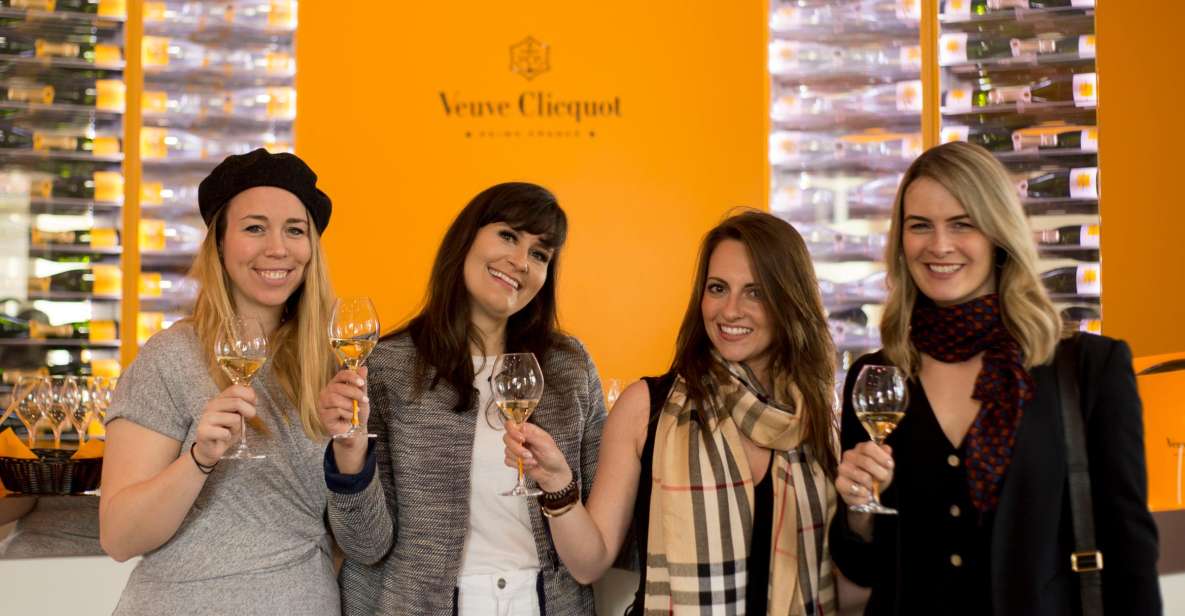
The day is built around comparison. You start with a guided tour and tasting at a major Champagne house (availability decides which one), then later you return for another producer visit that often includes a smaller estate. The experience is set up so you can see how Champagne branding and Champagne craft can share the same glass, but not the same personality.
The first Champagne house stop
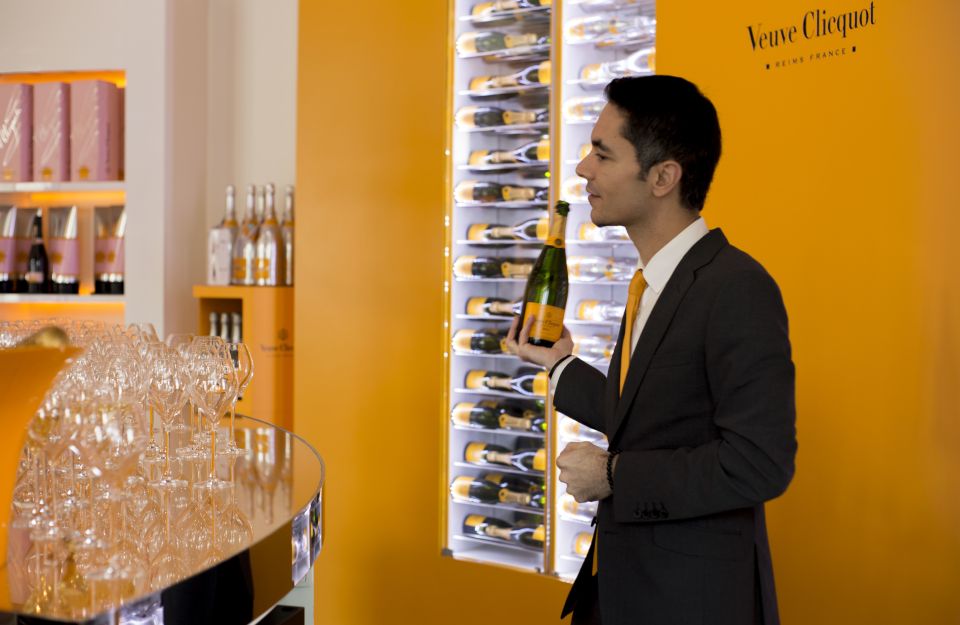
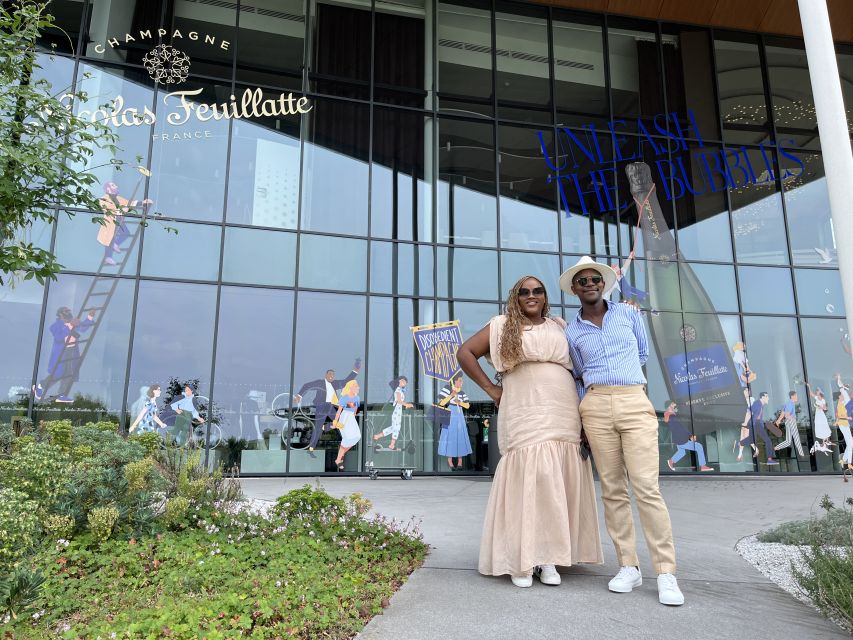
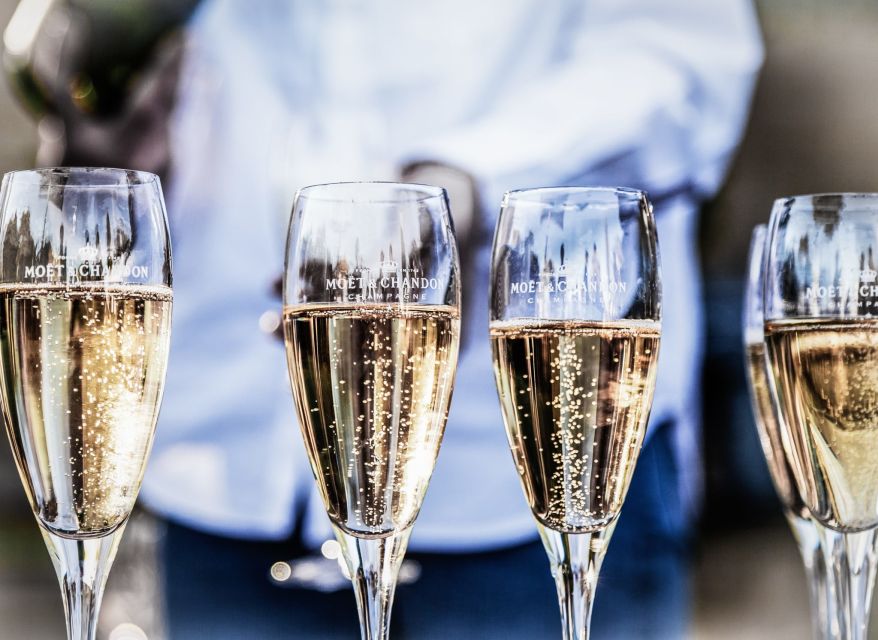
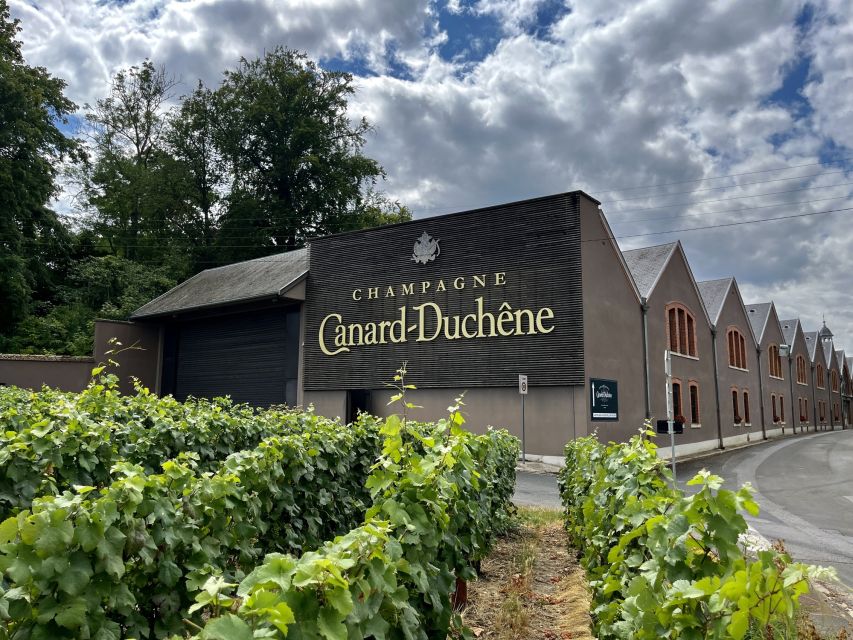
Typically you’ll head to the Épernay area first, then do a guided visit at one of these well-known names: Mercier, Nicolas Feuillatte, Veuve Clicquot, Taittinger, Moët & Chandon, Boizel, or another famous house based on what’s open that day. You’ll tour areas like the cellars, then taste the Champagne on-site.
What I like about this opening is that the guide usually frames the story in human terms—how the house grew, what they focus on, and what makes their style recognizable. You don’t just stand in a showroom and sample; you get cellar access and a real sense of production scale.
The second Champagne house stop (and the value of the contrast)
Later, you’ll visit another Champagne producer, and this is where the day gets more interesting for wine lovers. Some itineraries lean into a smaller grower-style estate after a big-brand house, so you can compare how grape sourcing, aging decisions, and house style land in the glass.
Your tastings are guided, and you’ll also hear about the history of the estate and how the Champagne is made. In a few cases, groups have had extra showmanship—like learning about saber techniques to open Champagne—so if your group gets a moment like that, enjoy it, but don’t count on it as guaranteed. The core promise is the guided tours, cellar access, and tastings.
Why this two-house approach is smart
If you only visit one famous producer, you come away with one viewpoint. Here, you’re meant to see how Champagne can be consistent in method, yet vary in expression. That’s a big part of why the later blind tasting works so well.
You can also read our reviews of more wine tours in Paris


Cellars, terroir, and the vineyard blind tasting that sharpens your palate
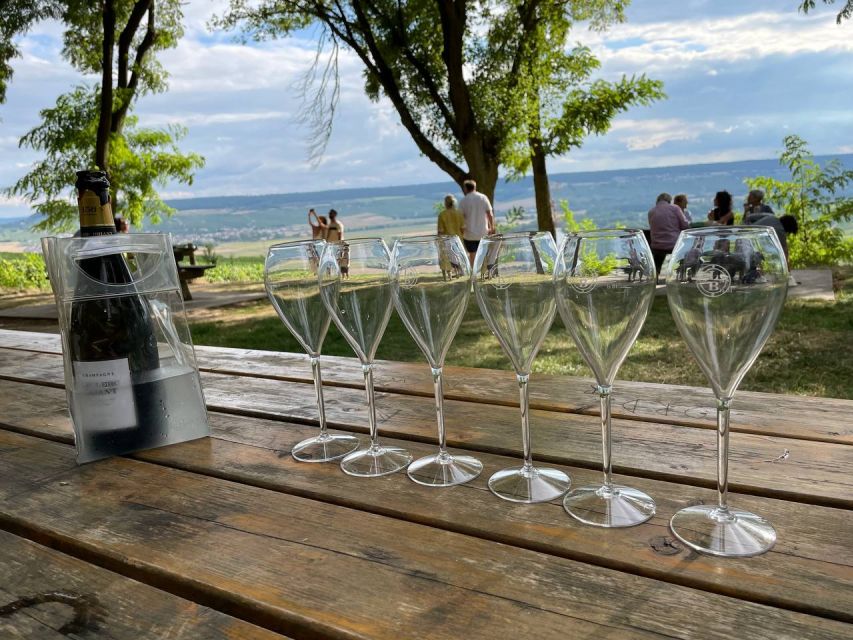
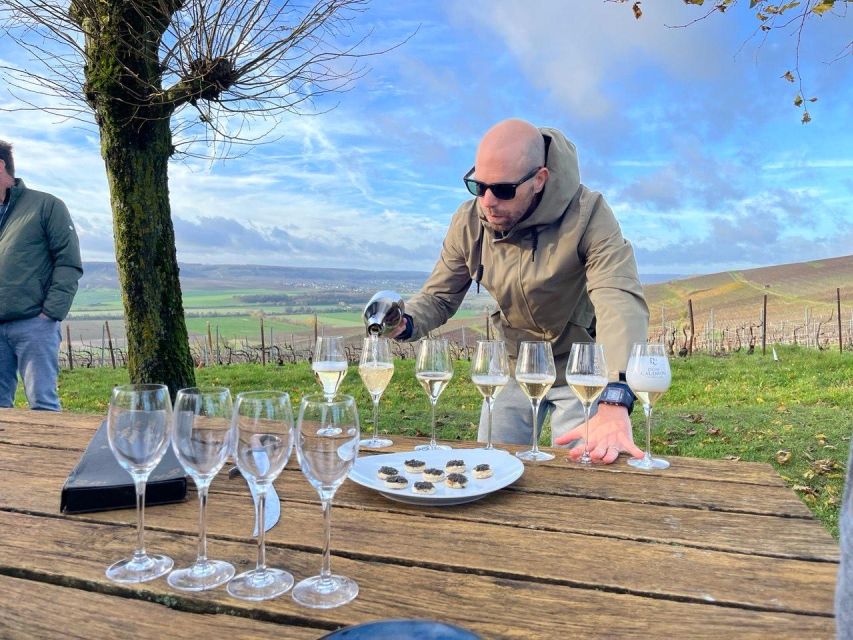
One of the most memorable parts is the blind tasting set in the region’s vineyard scenery. You’ll taste without brand cues, which forces your brain to focus on actual differences: how the bubbles feel, the balance, the fruit notes, and the overall style.
This part is more than fun. It’s practical training. Once you’ve heard the guide explain grape varietals and terroir during the day, the blind tasting becomes your test run. After a couple tastings, you start noticing patterns faster—like how one Champagne reads lighter and crisper, while another tastes rounder or more structured.
What makes the blind tasting feel special here
You’re not sitting in a lecture room. You’re often right near the vines with the landscape around you (weather permitting for any vineyard time). That matters because Champagne is tied to place, not just production steps. When the guide points out what to look for—then you taste without labels—you’re learning a skill you can use later when you order Champagne back in Paris.
Don’t ignore the cellar comfort factor
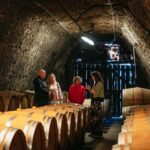
If you haven’t toured Champagne cellars before, plan for the temperature. The tour notes that cellars are often cold and damp. Bring a jacket or second layer. It’s not glamorous, but it will keep the experience pleasant instead of your teeth chattering through history.
Épernay lunch: the included 3 courses that keep the day from tipping into just drinking
Lunch is included, and it’s not a sad afterthought. You’ll enjoy a 3-course lunch at a local restaurant in the area—commonly around Épernay. Names like Le Théâtre and Le Clos Corbier show up as examples of the style of place you might be sent to, and at least some lunches are reported as genuinely outstanding.
For value, lunch helps justify the cost. You’re not paying for transportation and a guide only; you’re also getting a full meal that keeps the day comfortable. Also, since you’re doing multiple tastings, eating well at the right time protects you from the classic let’s-get-through-the-day feeling.
A useful mindset: treat lunch as part of the tasting program. If the guide suggests pairings or explains what you’re likely to notice later, it’s easier to remember those cues once you’ve actually fueled up.
Reims Cathedral of Notre-Dame: where the royal story meets the Champagne story
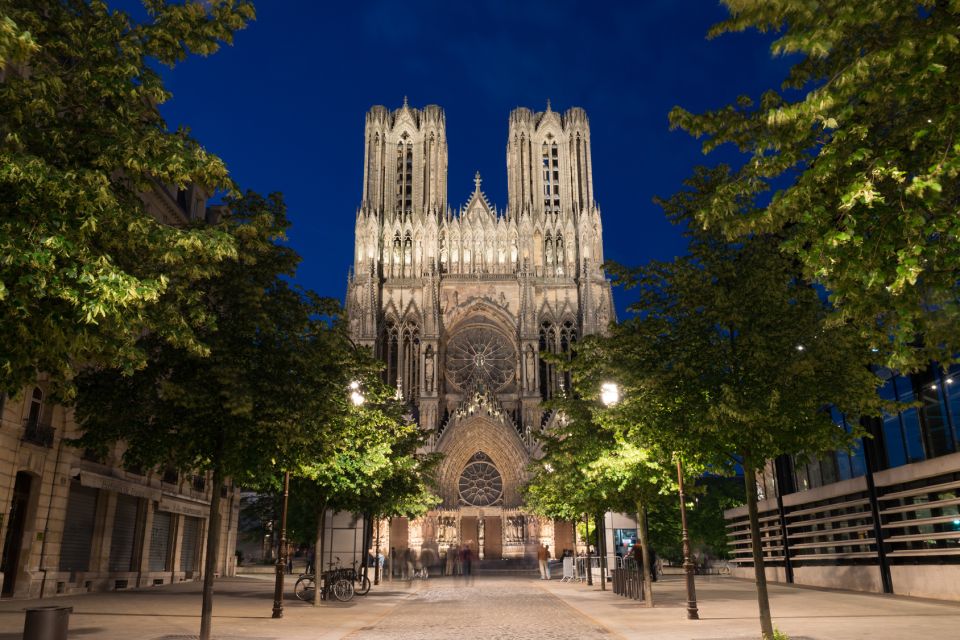
After Champagne, you head to Reims, where you’ll see the Reims Cathedral of Notre-Dame. This isn’t a quick photo stop from the outside only. You get sightseeing time (about 30 minutes) with a guided look at the Gothic architecture and the cathedral’s role in French royal history—specifically, the place where French royalty were crowned.
This is one of those stops that adds meaning. Champagne often feels like a modern luxury product, but Reims brings you back to the broader regional story: power, ceremony, and the long relationship between place and prestige. You’ll also learn about treasured items housed in the cathedral, and many visits focus on details like the stained glass windows.
If you’re short on time in Reims, this is still a solid introduction. Just don’t expect it to replace a longer, museum-like visit. The point here is to connect the day’s tastings to the region’s historical center.
The Marne photo stop and the vineyard-side finish
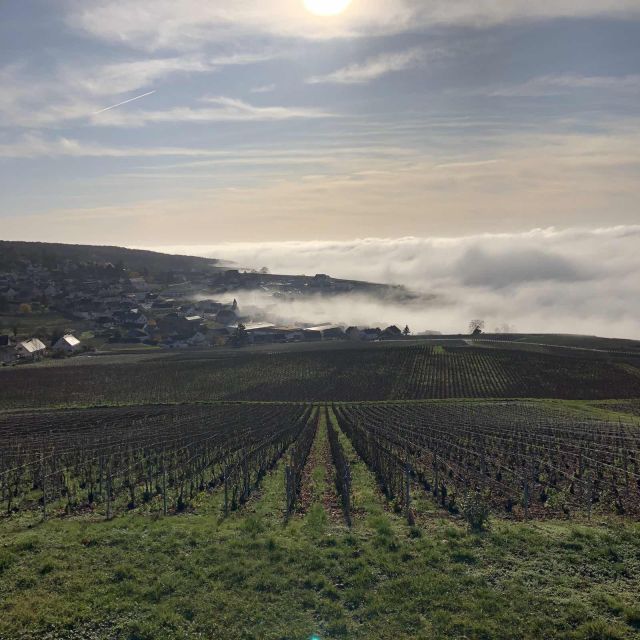
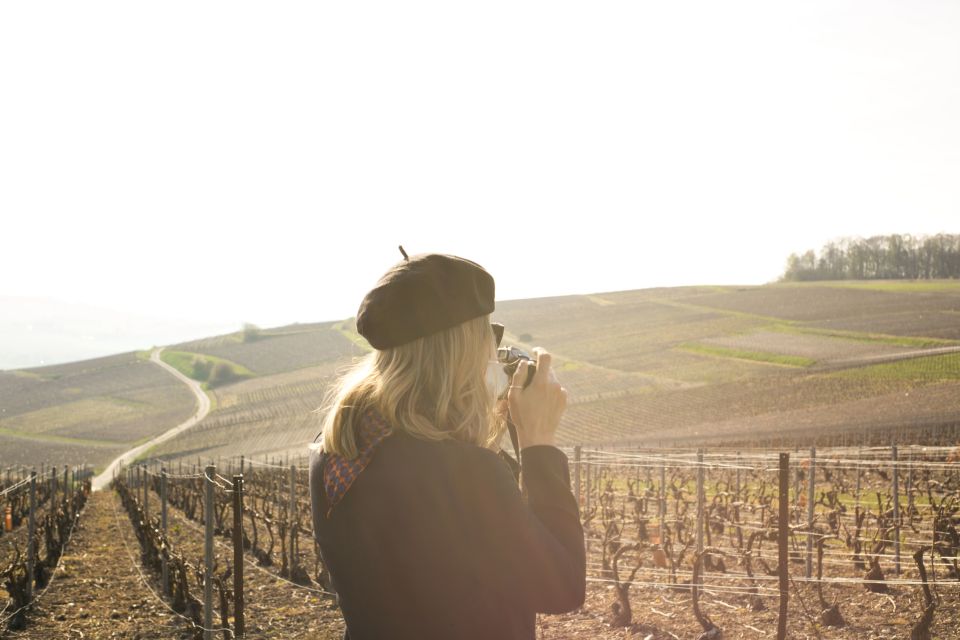
Between tastings and cathedral time, you get a photo stop along the Marne (with an extra block that can include tasting moments). This break helps reset your brain after the first producer visit. It also gives you a chance to look at the countryside that makes the Champagne region what it is—rolling vines, village edges, and that unmistakable sense of why these grapes matter.
Weather can affect the exact flow. The tour notes that the order may shift depending on timing and traffic, and that sometimes vineyard time may not be possible. When that happens, the goal remains the same: you still do the scheduled visits and tastings, but the scenery component can change.
The day often ends with a vineyard-related tasting moment that ties back to what you learned earlier. That’s the payoff: you arrive at the end with a few tasting comparisons already in your pocket, so the blind tasting feels like a real conclusion—not just another pour.
Practical notes that make or break your day
A great tour can still feel annoying if you show up unprepared. Here are the details worth planning around:
- Cellars run cold and damp. Bring a jacket or second layer.
- It’s a long day. Expect transfers and keep dinner reservations flexible. One rain-and-traffic scenario can stretch the ride back toward Paris.
- Vines might depend on the schedule. The day is packed, and sometimes vineyard timing changes.
- Alcohol rules for younger guests: the tour isn’t suitable for children under 16, and those under 18 may be offered non-alcoholic grape juice.
- Comfort first: comfortable shoes matter more than you think on a day like this.
Should you book this Reims and Champagne tasting tour?
Book it if you want a high-structure day that mixes history and wine without you needing to plan logistics. The big wins here are the door-to-door pickup, the cellars-and-tastings pacing, and the blind tasting in the vineyard setting. It’s also a strong pick if you like the idea of comparing a major house with another producer rather than staying locked into one brand story.
Skip it (or consider another style of trip) if you want lots of free time for independent wandering. This itinerary is designed to fit major sights and multiple tasting moments into one day, so it doesn’t leave long gaps for shopping or slow roaming.
If your goal is to leave Paris with a clearer sense of what Champagne means—beyond labels—this day trip is a solid bet.
FAQ
How long is the tour?
The duration is 11 hours.
Does the tour include hotel pickup and drop-off?
Yes. Hotel pickup and drop-off are included.
What food is included?
A 3-course lunch is included, along with bottled water.
How many Champagne tastings and house visits are included?
You’ll have Champagne tastings and guided tours at champagne houses, including cellar access. The day includes tastings across the stops, with a blind tasting as part of the experience.
What should I bring or wear?
Wear comfortable shoes, and consider bringing a jacket or second layer because the cellars are often cold and damp.
Can I cancel or reserve without paying right away?
The tour offers free cancellation up to 24 hours in advance for a full refund, and it also supports reserve now & pay later.