REVIEW · PARIS
Louvre & Mona Lisa Morning Tour with Reserved Access
Book on GetYourGuide →Operated by City Wonders Ltd. · Bookable on GetYourGuide
Three hours, one massive museum. The real win here is reserved morning access paired with an English speaking expert guide, so you’re not wasting your prime time just figuring out where to go.
I especially like the way this tour targets the Louvre’s highest-demand highlights, including Mona Lisa and the big-ticket classical sculptures like Venus de Milo and the Winged Victory of Samothrace. It also helps that you travel with a headset, so the commentary stays clear even when you’re moving through tight galleries.
One drawback to think about is guide quality. When the guide’s English is hard to follow or the pacing gets jumpy, it can make the museum feel less coherent for a first visit, even if the reserved access is solid.
In This Review
- Key highlights to know before you go
- Reserved morning access: how this 3-hour plan actually helps
- Meet-up at Arc de Triomphe du Carrousel: don’t miss your group
- Security and “skip the ticket line” reality check
- What you’ll see: Mona Lisa and the museum’s must-hit corridors
- Da Vinci’s Mona Lisa
- Classical power: Venus de Milo and Winged Victory
- Renaissance names: Caravaggio, Michelangelo, Raphael, and more
- Apollo Gallery and Napoleon Apartments: palace vibes included
- The guide factor: what makes the experience soar or wobble
- How I’d judge the value: $80 for speed and a curated route
- Who this tour fits best (and who should rethink)
- Quick practical tips before you book
- Should you book this Louvre morning tour?
Key highlights to know before you go
- Reserved entry helps you get moving fast, but you still must pass Louvre security
- Headset audio keeps the guide’s explanations usable in crowded rooms
- Mona Lisa focus so you don’t end up sprinting last-minute
- Major collections covered in one run: classical sculpture plus Renaissance painting and art
- Royal-palace context through stops like the Apollo Gallery and Napoleon Apartments
- Route efficiency matters because the Louvre rewards planning more than stamina alone
Reserved morning access: how this 3-hour plan actually helps
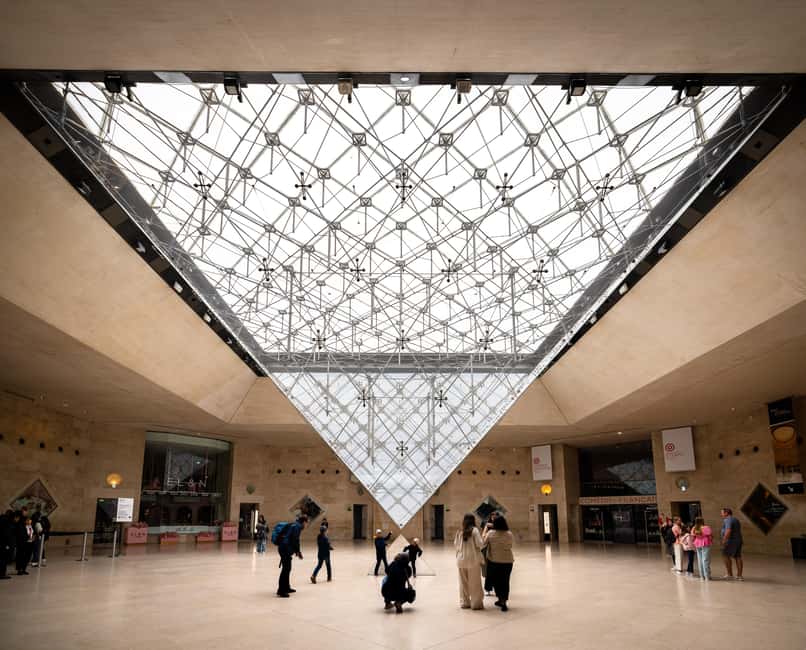
The Louvre is the kind of museum where “I’ll just wing it” can turn into “I walked for two hours and saw three rooms.” This tour is built for the opposite problem: you want the big names and the best-known rooms without spending your whole morning stuck in slow-moving lines and indecision.
The reserved access is the core value. You’re not relying on standard walk-in entry flow, which is usually the real bottleneck when you’re aiming for the Louvre’s most crowded attractions. That matters most in the morning, when you still have the mental energy to move briskly and the museum hasn’t fully swelled.
And the tour’s format is practical: you have a guide and you have a headset. The headset part sounds minor until you’re standing in a gallery where people talk, phones buzz, and kids ask questions at full volume. With the headset, you can keep following the story while you navigate.
This is not a “sit and admire everything for hours” experience. It’s closer to a fast, guided highlights circuit with stops chosen to connect art, context, and the Louvre’s layout. If you like structure in big museums, you’ll appreciate that.
You can also read our reviews of more tours and experiences in Paris

Meet-up at Arc de Triomphe du Carrousel: don’t miss your group
Your meeting point is not at the Louvre entrance, which is exactly how meet-ups go wrong. You’ll meet the team in blue attire beside the Arc de Triomphe du Carrousel.
Here’s the orientation trick: stand with your back to the Louvre Pyramid. Look across the road—your arch landmark is just before the entrance to the Tuileries Garden. Your coordinators stand to the left of the arch along the wall railing.
This detail is worth taking seriously because the tour includes a reserved plan, and everyone’s timing matters. If you’re even a little late, you may lose the flow of entering on schedule. Aim to arrive a bit early so you can check that you’ve found the correct blue-shirt team.
Also, groups of 7 or more people may be split into different groups at the meeting point. That’s not a problem, just know that you won’t necessarily all stay together as one single train of people.
Security and “skip the ticket line” reality check
This tour is designed to skip the ticket line, and that can save a lot of stress. But “skipping tickets” doesn’t mean “no security.” You still have to pass through Louvre security before entering galleries.
So plan your mindset like this: tickets and reservations can speed up the start, but security is still part of the equation. If you carry a bag, expect inspection and slow moments at the checkpoints.
It’s also smart to pack lightly. The tour does not allow baby strollers, and it does not allow luggage or large bags. There’s also a museum item size rule: anything bigger than 55 x 35 x 20 cm isn’t permitted. If you’re traveling with a bigger backpack or shopping bags from earlier in Paris, you’ll want to change plans.
What you’ll see: Mona Lisa and the museum’s must-hit corridors
Even in a condensed tour, the emphasis is clear: your route is built around the Louvre’s most recognizable sights and the art that gives them context.
Da Vinci’s Mona Lisa
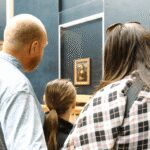
The star stop is Da Vinci’s Mona Lisa. The big challenge at the Louvre isn’t finding the painting—it’s that the area around it can get uncomfortably crowded.
A guided morning approach helps because you’re more likely to hit it as part of a timed plan rather than arriving when the crowd is at peak density. Add the headset, and you get explanations without needing to stand in silence and guess what you’re looking at.
If you’ve been excited about Mona Lisa, this is the reason to book this kind of tour: you’re not only hoping you’ll see it, you’re building the morning around actually getting there.





Classical power: Venus de Milo and Winged Victory
From there, the tour shifts into the classical collection, where sculpture does the heavy lifting.
You’ll see Venus de Milo and the Winged Victory of Samothrace. These works are famous enough that they can feel almost myth-like in photos, but the real experience is scale, surface detail, and the way the Louvre presents them as major masterpieces rather than “museum display objects.”
In a short tour, classical sculpture stops are smart. You don’t need lengthy reading to appreciate what you’re looking at—your guide helps connect style, time period, and why these pieces became poster children for Western art.
Renaissance names: Caravaggio, Michelangelo, Raphael, and more
Renaissance art is where the Louvre can feel like a door into a whole new way of painting and storytelling.
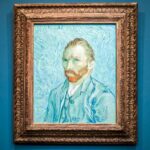
This tour includes major Renaissance references such as Caravaggio and Michelangelo, plus Da Vinci and Raphael. You’ll also hear about specific sculptures and works like Michelangelo’s Dying Slave and Canova’s Psyche Revived.
You might not get long, slow gallery time for every single piece. Instead, you’ll get a focused set of stops where the guide’s job is to make each work understandable fast: what you’re supposed to notice, how the artist’s approach differs from the next one, and how the Louvre’s rooms place these works side by side.
If you’re the type who wants a framework for later exploration, this is exactly that. After the tour, you’ll know where to go back and linger.
Apollo Gallery and Napoleon Apartments: palace vibes included
The Louvre isn’t just an art warehouse. It has palace DNA, and that matters when you’re moving quickly through the building.
This tour includes stops in areas that show the museum’s former royal role, including the Apollo Gallery and the Napoleon Apartments. When you’re used to museums that feel like neutral boxes, walking through spaces that once served power and court life changes your perception.
Even if you mostly care about paintings, these palace-room contexts help you understand why the Louvre is laid out the way it is. It’s one of those subtle upgrades: the building itself becomes part of the story, not just the backdrop.
The guide factor: what makes the experience soar or wobble
This is where your expectations need to match how tours like this work.
On the upside, when the guide is strong, the tour becomes a smooth set of connections. One guide named Lily is described as enthusiastic, cheerful, accommodating, and professional, with explanations that were clear and simple. Another guide named Summer is praised for being knowledgeable and amazing.
That’s the best-case scenario: you get fast orientation, useful art context, and a sense that the tour has a direction.
On the downside, there have been cases where the guide’s English wasn’t easy to follow. In one example, a booking for an English tour had a guide whose first language was Russian and whose spoken English was described as broken, making it hard to enjoy. That kind of mismatch can turn a 3-hour highlights plan into a frustrating listening task.
So here’s my practical advice: if you’re booking specifically for English storytelling, you’re right to care. This tour includes headset audio, which helps a lot, but comprehension still depends on the guide’s clarity and pacing. If you’re someone who needs a tight, consistent narrative, you’ll get more out of it when the guide’s delivery is strong.
How I’d judge the value: $80 for speed and a curated route
At about $80 per person for 3 hours, the math depends on what you value most:
- You’re paying for reserved access and the planning advantage of a guide route.
- You’re getting an actual entrance ticket plus a reservation fee included in the price structure (ticket is listed as 22€, and the reservation fee is 70€ per group).
- You’re also paying for the headset so the guide isn’t competing with museum noise.
If you’re a first-time Louvre visitor, the money can feel justified because the Louvre is hard to navigate solo. A good guide doesn’t just show you what to see; they prevent wasted time in the wrong corridors and help you prioritize rooms with the biggest payoff.
If you’re an EU citizen aged 18 to 26, your museum entry can be free on the Louvre side, which can change the value you’re getting from the included ticket. In that case, you’re still paying for the reservation and the guide route—but you might want to mentally separate your “ticket value” from your “guide and access value.”
Also remember: the tour involves a fair amount of walking. If you’re expecting a low-effort stroll, adjust your expectations. You’ll want comfortable shoes and a pace that can handle tight crowds.
Who this tour fits best (and who should rethink)
This is a good fit if you:
- Want a high-efficiency morning to see the Louvre’s biggest hits
- Like guided interpretation rather than only reading placards
- Appreciate being helped with navigation and timing in a huge museum
- Can handle crowds and are comfortable walking
It’s probably not the best fit if you:
- Need wheelchair access, since this tour is listed as not suitable for wheelchair users
- Plan to bring big luggage or you rely on strollers
- Want a slow, deep, unstructured museum experience
If you’re traveling with kids or someone who gets overwhelmed by pace, it could go either way. The headset helps, but the Louvre route still moves with urgency.
Quick practical tips before you book
These are small things that can save your morning:
- Wear comfortable shoes. The Louvre route plus security and crowd flow add up fast.
- Pack within the item size limits. Anything over 55 x 35 x 20 cm isn’t allowed.
- Bring minimal bags. You’ll lose time if you have to rethink your packing on the spot.
- Arrive early at the meeting point near the Arc de Triomphe du Carrousel. The group needs to form and move.
And if you’re hoping to focus heavily on Mona Lisa, keep your expectations aligned with the format: you’re seeing it as a major stop on a timed plan, not as a long, relaxed session with nobody around.
Should you book this Louvre morning tour?
Book it if you want the Louvre’s headline sights in one organized 3-hour push, with reserved access, headset audio, and an English guide who can point you toward what matters.
Skip it or look closely at your needs if you:
- require wheelchair access (not suitable here)
- plan to travel with large bags or strollers
- prefer to explore at your own pace and can handle lines and navigation alone
My bottom line: this tour is worth considering when your top goal is to get to Mona Lisa and other famous works without spending your morning guessing. The main gamble isn’t the museum—it’s the guide’s communication and pacing. If you’re the kind of visitor who thrives with a clear narrative, you’re likely to enjoy it a lot.