REVIEW · PARIS
Montmartre Walking Tour in English
Book on GetYourGuide →Operated by Walkative Tours · Bookable on GetYourGuide
Art is on a hill, and it walks.
This 150-minute English tour turns Montmartre into a moving story, with stops that blend film, art, and the neighborhood’s legends. I love how the route connects the Saint Denis beheading legend and the hill’s vineyard-and-mill past to the streets you see today. I also love the art hits, especially Van Gogh’s house and the Picasso/Modigliani studio area. One possible drawback: the format can feel a bit speech-heavy, so if you want lots of silence and quick photo stops, you may find the pacing slower.
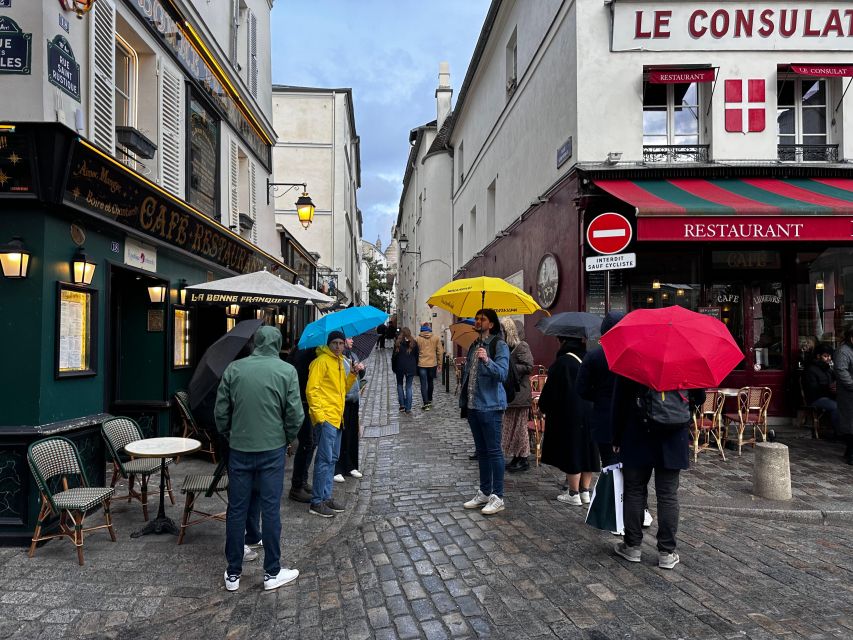
You start right by Métro Blanche and look for the yellow umbrella. If the weather turns, the guide keeps things going and finds cover so you don’t just get soaked and cold for 150 minutes. And based on what past guests highlighted, guides like Eva and Raj tend to bring humor, patience, and real detail about what you’re seeing.
In This Review
- Key Stops and What They Mean
- The Hill of Martyrs to the Artist Hill: How the Tour Frames Montmartre
- Where You Start by Métro Blanche (and How Not to Miss the Group)
- Cafe des Deux Moulins: Movie-Spot Energy Meets Real Neighborhood Life
- Van Gogh’s House: Seeing the Creative Pull in Plain Sight
- Picasso and Modigliani Studios: Why This Stop Changes How You Read Montmartre
- Vineyards and the Oldest Cabaret: From Day Crops to Night Shows
- Moulin Rouge: The Icon Stop That Tells You Why the Hill Became Famous
- How the Guide Style Affects Your Experience (and When It Might Feel Too Talky)
- Weather, Timing, and What 150 Minutes Feels Like
- Price and Value: The $31 Booking Fee and the Pay-What-You-Wish Setup
- Who This Tour Fits Best
- Should You Book This Montmartre Walking Tour?
- FAQ
- How long is the Montmartre walking tour?
- Is the tour guided in English?
- Where do I meet the tour?
- Is hotel pickup included?
- How much does the tour cost?
- Does the tour run in bad weather?
- Can I cancel for a full refund?
- Can I reserve now and pay later?
- Are there multiple start times?
Key Stops and What They Mean
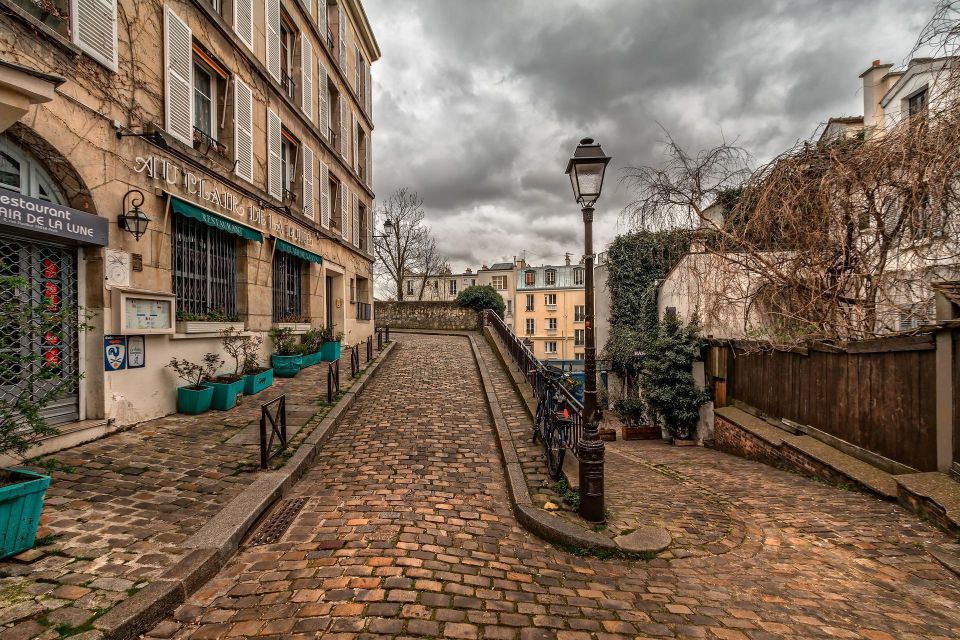
- Cafe des Deux Moulins (Amélie vibes): A pop-culture landmark you can use as a warm-up for Montmartre’s mood.
- Van Gogh’s house: A direct art connection that helps you picture the creative pull of the hill.
- Studios of Picasso and Modigliani: A reminder that Montmartre wasn’t just famous for one artist.
- Vineyard + oldest cabaret reference: A look at the shift from vineyards and mills to nights out.
- Moulin Rouge: The big, final icon that ties the cabaret era back to the streets around it.
The Hill of Martyrs to the Artist Hill: How the Tour Frames Montmartre
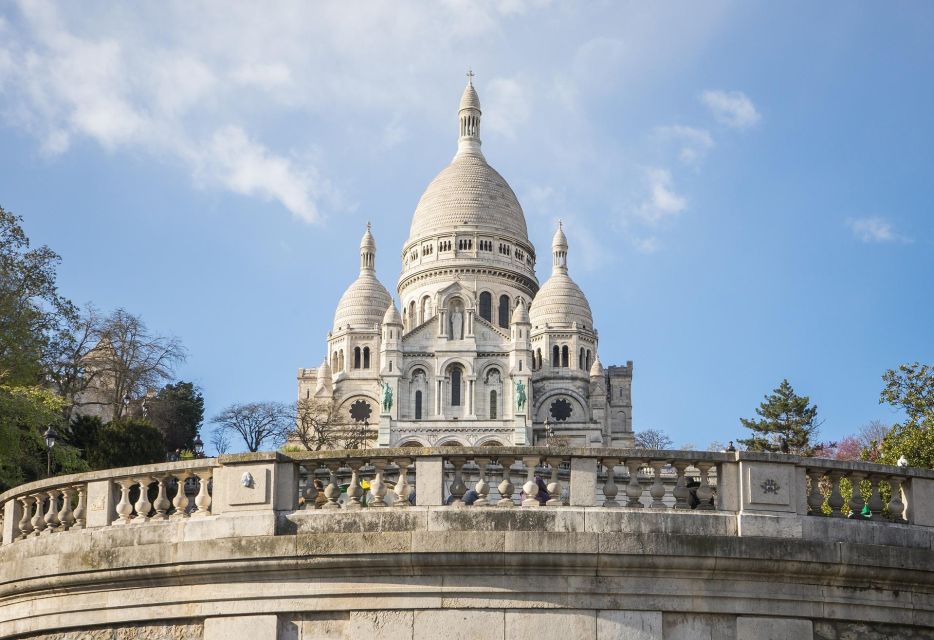
Montmartre’s name comes from Latin Mons Martyrum, meaning Hill of Martyrs. The story most people hear starts with Saint Denis, the first bishop of Paris, who was beheaded and then, in legend, carried his head as he walked down the hill before he finally dropped dead.
That legend sounds dramatic, and it is. But the tour’s smart move is to use that darkness as a doorway into the earlier Montmartre you almost never think about: a quiet village surrounded by vineyards, gardens, and orchards. On this walk, you’re not just collecting facts. You’re learning how a place can shift from sacred hill to everyday countryside, then finally into the artist magnet Paris became at the turn of the 19th and 20th century.
The guide also brings in the mills angle, which I really like because it makes Montmartre feel real, not postcard-only. At one time, as many as 13 mills were built on the slopes to grind wheat, barley, and rye, and only two survived to become the neighborhood symbol people recognize today. When you hear that while you’re standing near the slopes and winding streets, it clicks: this area wasn’t always about cabarets and crowds.
You can also read our reviews of more walking tours in Paris



Where You Start by Métro Blanche (and How Not to Miss the Group)
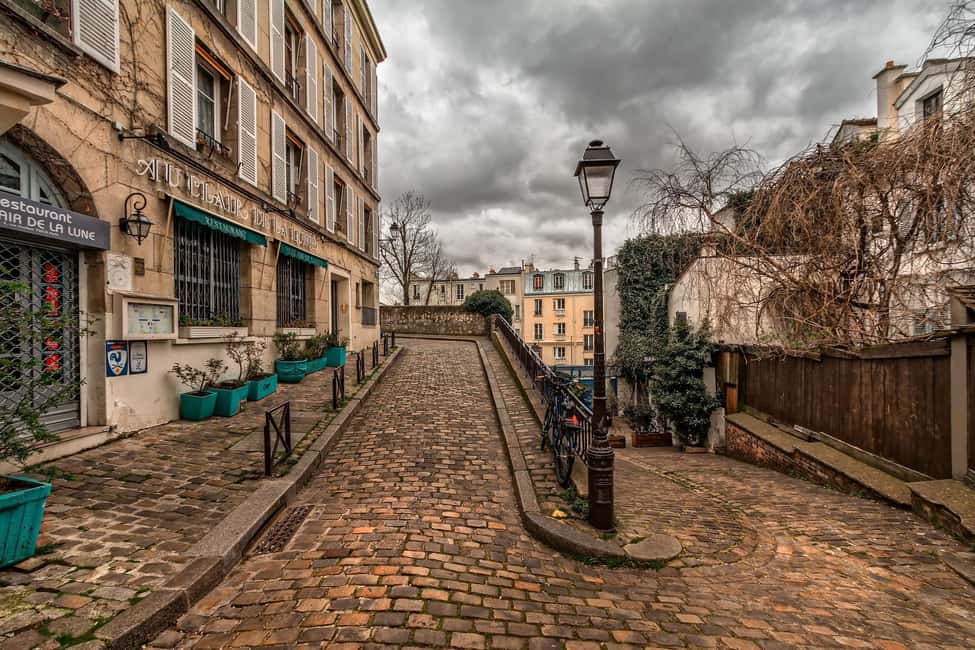
Your meeting point is in front of the Metro Blanche, at the only exit. Look for the yellow umbrella and you’re set.
This matters more than it sounds. Montmartre streets can twist and scatter quickly, and arriving already oriented helps you enjoy the storytelling instead of spending the first ten minutes figuring out where you are.
The tour is 150 minutes long, which is a sweet spot for Montmartre. It’s long enough to cover multiple iconic points and still feel like you’re following a coherent narrative, not sprinting for photos.
Cafe des Deux Moulins: Movie-Spot Energy Meets Real Neighborhood Life
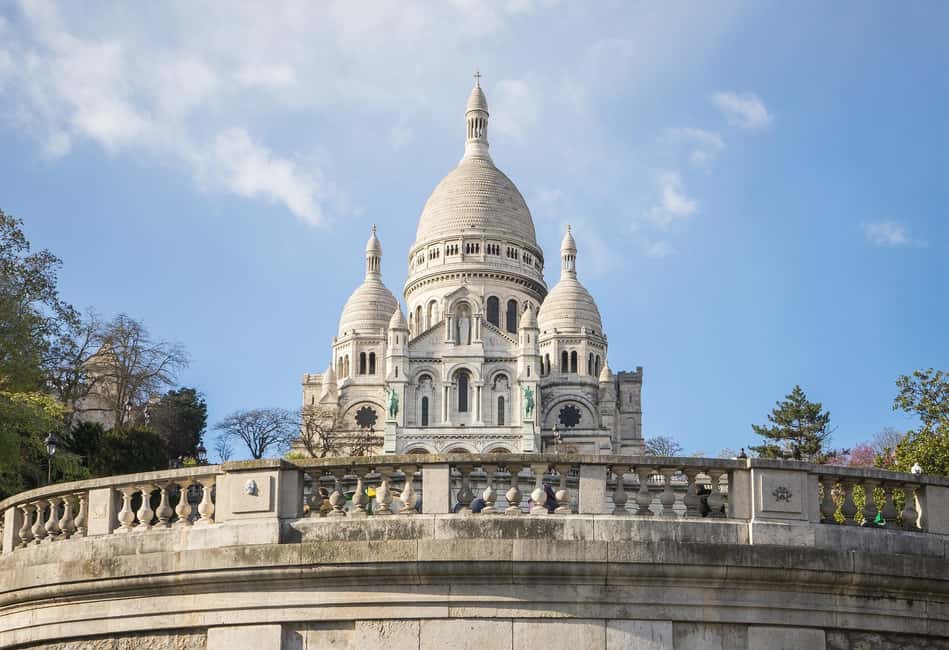
One of the highlights is Cafe des Deux Moulins, a café known from the film Amélie. Even if you’re not watching the movie right now, the location works as a quick emotional switch: it tells your brain to expect whimsy, charm, and that Montmartre feeling of slightly theatrical streets.
What’s practical here is how this stop acts like a warm-up. You’re in a neighborhood that loves cafés, and Montmartre’s reputation is tied to its drinking establishments, relaxed atmosphere, and cheap wine. The guide’s narrative uses places like this to explain why artists kept returning to the hill. It wasn’t just the view. It was the social rhythm.
If you like taking photos, plan for a couple of quick shots from angles that include street context. A café name alone is fun, but the best photos include how the lane curves and how the streets feel steep and old-world.
Van Gogh’s House: Seeing the Creative Pull in Plain Sight
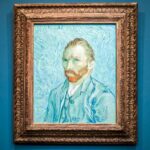
Van Gogh’s house is another highlight, and it’s a powerful one because it’s not abstract. You’re not just hearing names of painters; you’re walking the kind of neighborhood that helped bring their work to life.
Here’s the angle I’d pay attention to: Montmartre became a hotbed where artists from many places flocked in. Low rents and lots of drinking establishments were part of it, yes, but the bigger point is atmosphere. When you hear the story while standing near the places tied to those artists, the neighborhood stops being a background and becomes a character.
In your head, try to connect three things the tour keeps returning to:
- the shift from mills and vineyards to nightlife,
- the mix of cafés, cabarets, and street life,
- and the way artists turned all of that into subject matter.
Picasso and Modigliani Studios: Why This Stop Changes How You Read Montmartre
The tour also includes the Studios of Picasso/Modigliani. Even without going full art-lecture mode, this stop does something important: it widens the lens beyond one famous name.
Montmartre is often marketed as a single-artist story, but the neighborhood actually worked as a magnet for many creative figures. The tour’s framing encourages you to think in clusters: artists, cafés, cheap wine, and a relaxed environment that let experimentation happen.
I like this stop for a very practical reason. It helps you avoid the “I saw one place, I’m done” trap. Instead, it turns your walk into a chain of connections. You start to see Montmartre as an ecosystem, not a checklist.





Vineyards and the Oldest Cabaret: From Day Crops to Night Shows
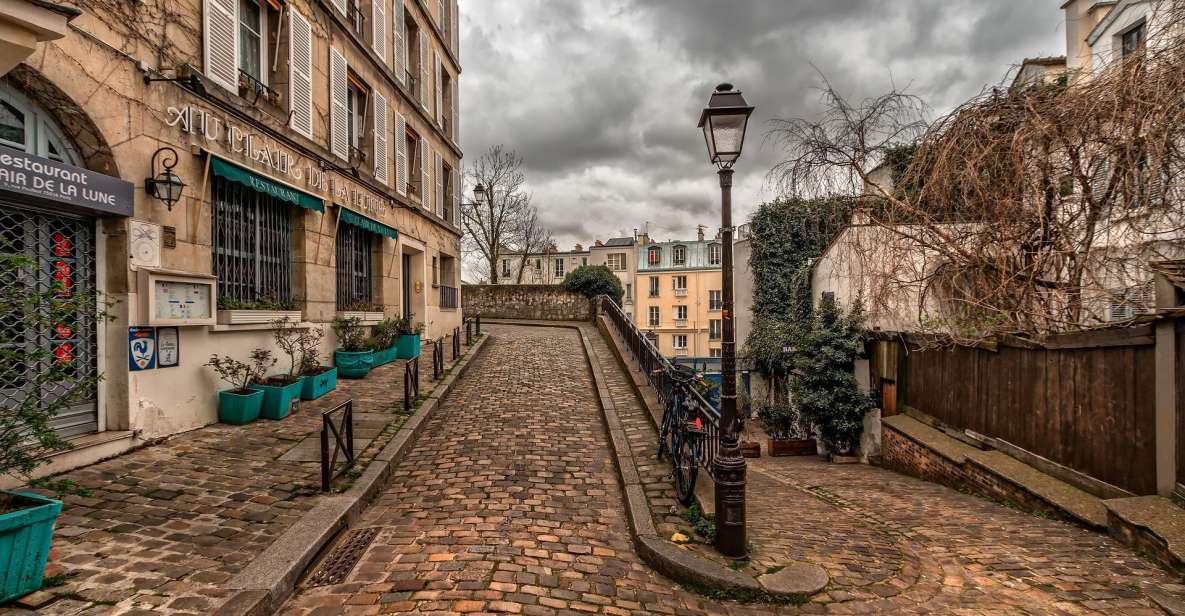
One of the most interesting highlights is the mix of vineyard time and cabaret time. Montmartre used to be surrounded by vineyards, gardens, and orchards. Then, once drinking establishments and low rents took over the social scene, the hill’s identity shifted.
The tour leans into that transformation. You’ll hear about how the cabaret world became part of Montmartre’s fame, with references to venues like Le Chat Noir and the later big-name Moulin Rouge. The guide ties this to the atmosphere that pulled in artists and visitors alike.
This is also where the neighborhood’s legend and its real-life grit meet. Montmartre’s story includes scandals and late-night energy, the kind of environment where people came for art, attention, and escape. The vineyard angle keeps you grounded in the idea that this place had a working side long before it turned theatrical.
If you want photos that feel like you’ve captured a time shift, watch for points where the street view shows a steep climb or long slope. That physical shape is what makes the vineyard-to-cabaret story feel believable.
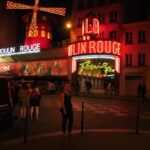
Moulin Rouge: The Icon Stop That Tells You Why the Hill Became Famous
You’ll finish with Moulin Rouge, the cabaret icon most visitors picture when they hear Montmartre.
This stop works best when you treat it as a payoff, not a final destination. The earlier parts of the walk explain why the cabaret era happened in the first place: cheap wine, relaxed culture, and a crowd that didn’t mind the arts, the theatrics, or the edge.
Then Moulin Rouge gives your brain something concrete. It’s a loud symbol, but the tour makes it meaningful by linking it to the smaller, earlier pieces: the mills, the vineyards, and the shift from quiet village to nightlife magnet.
If you’re the type who likes to understand what you’re looking at, pause and look for how the surrounding streets channel people toward the big sight. Montmartre’s layout helps turn nightlife into a walkable experience, and Moulin Rouge sits in that flow.
How the Guide Style Affects Your Experience (and When It Might Feel Too Talky)
This is a narrative-style tour, guided live in English, and it’s designed to connect the dots. That’s usually a plus for me, because Montmartre can otherwise feel like a string of famous spots with no reason to link them.
Still, there’s a real consideration: pace. One guest noted it could be faster with less speech, and that lines up with the idea that you’re getting stories rather than just directions from stop to stop. If you’re comfortable with a guide who explains, great. If you prefer minimal talk and maximum roaming, know that this tour is more explanation than free-wander.
The upside is that several reviews highlighted guides who combine information with humor and patience. One guest praised Eva for passionate, funny storytelling. Another praised Raj for lots of good information. That mix matters because Montmartre is layered, and a guide who knows how to pace their story can keep it fun instead of heavy.
Weather, Timing, and What 150 Minutes Feels Like
The tour runs rain or shine. If it gets cold or rainy, the guide finds cover, which is key in Paris weather. You’re walking, so comfortable shoes matter, but the plan isn’t to march through bad weather with no relief.
With 150 minutes, you’ll likely have enough time at each major point for:
- brief context (why this place matters),
- a quick look around for visuals,
- and a few photos without feeling like you’re racing the clock.
But remember: Montmartre streets are steep and uneven in feel, so you’re not just doing a straight-line walk. The duration includes that slow-down effect.
Price and Value: The $31 Booking Fee and the Pay-What-You-Wish Setup
The price is listed as $31 per person, but this comes with an important twist. It’s a general pay what you wish tour, and the amount you pay now is only a small online booking fee. The payment you ultimately decide for the guide is based on the value you feel you received.
That structure can be a good deal if you care about a storytelling guide who shapes your understanding of what you see. It also means you should think of your payment as your way of saying yes or no to the style: are you enjoying the narrative, the pace, and the effort the guide puts into connecting each stop?
If you’re the kind of traveler who usually books tours for context, this can be a strong value. You’re paying to get interpretation and a route that ties Montmartre together, not just to stand near famous names.
If you’re unsure, set a rough personal budget in advance. Since you’re free to choose what you give, having a number in mind helps you avoid overthinking once you’re already on the hill.
Who This Tour Fits Best
This tour is a great match if you:
- want Montmartre explained in an English, story-driven way,
- like art references tied directly to the places in the neighborhood,
- enjoy film and pop-culture stops like Cafe des Deux Moulins,
- and prefer a guided route over self-navigation through steep side streets.
It may be less ideal if you:
- want a fast, quiet walk with minimal commentary,
- get tired of explanation and would rather spend more time roaming independently,
- or strongly prefer to control the pacing stop by stop.
Should You Book This Montmartre Walking Tour?
If you like your Paris with both art context and neighborhood atmosphere, I think this booking is worth your time. The biggest value is how the tour connects the hill’s legend, its vineyard-and-mill past, and the cabaret era into one readable route. Stops like Van Gogh’s house, the Picasso/Modigliani studio area, Cafe des Deux Moulins, and Moulin Rouge aren’t just famous; they’re part of a single story you can follow on foot.
Book it if you want a guided narrative that helps you see Montmartre as more than scenery. Skip it only if you’re trying to keep talking to a minimum and want a faster, lighter pace.
FAQ
How long is the Montmartre walking tour?
It lasts about 150 minutes.
Is the tour guided in English?
Yes, it’s a live guided tour in English.
Where do I meet the tour?
Meet in front of the Metro Blanche, at the only exit. Look for the yellow umbrella.
Is hotel pickup included?
No, hotel pickup and drop-off are not included.
How much does the tour cost?
It’s $31 per person as the booking price shown, and it’s part of a pay what you wish setup where the amount you pay now is described as a small online booking fee.
Does the tour run in bad weather?
Yes, it takes place rain or shine. If it rains or gets cold, the guide finds cover.
Can I cancel for a full refund?
Yes. You can cancel up to 24 hours in advance for a full refund.
Can I reserve now and pay later?
Yes. You can reserve now & pay later.
Are there multiple start times?
Starting times depend on availability, so you’ll need to check available time slots.