REVIEW · PARIS
Paris: Centre Pompidou Skip-the-Line Guided Museum Tour
Book on GetYourGuide →Operated by Babylon Tours LLC · Bookable on GetYourGuide
Paris can be overwhelming. This tour makes it work.
You’ll get skip-the-line entry to the Pompidou in a small group (max 8), then focus on what matters in 2.5 hours: the museum’s radical architecture outside and the best modern-to-contemporary art inside.
I especially liked how the guide turns art history into a story you can track—like the way Tanya explains how movements connect to the wars and everyday life. I also love the hands-on lineup: you’ll see major names and touchstones such as Picasso (Cubism), Matisse (Fauvism), Salvador Dalí (Surrealism), Marcel Duchamp, and Pop Art stops like Andy Warhol.
The main thing to plan around is rules. You can’t bring luggage or large bags, and some areas are “silent rooms,” so keep your voice low and your phone on hand for timing.
In This Review
- Key highlights worth aiming for
- Entering Pompidou without the stress: small-group timing that actually fits
- Where this tour can disappoint
- Renzo Piano’s “inside-out” exterior: the museum you see first
- The modern art route: Picasso, Matisse, war, and why Dada exists
- A nice bonus: silent-room awareness
- Surrealism to Pop Art: Dalí, Duchamp, Warhol, and the art of provocation
- Names you’ll recognize, plus artists that widen your map
- Contemporary galleries: Fluxus, Minimalism, and Dubuffet’s winter garden
- Why this section feels valuable in real life
- Roof time and the Paris panorama: your last 10 minutes matter
- Price and value: is $371 per person worth it?
- Who should book this Pompidou guided tour
- Should you book this Pompidou skip-the-line tour?
- FAQ
- Where do I meet the guide?
- How long is the tour?
- Is this tour skip-the-line?
- How large is the group?
- What language is the tour in?
- Is there wheelchair access?
- What do I need to bring?
- What items are not allowed?
- What if the museum closes or opening is delayed?
- Can I cancel and get a refund?
Key highlights worth aiming for
- Max 8 people: more time with the guide and fewer awkward side conversations.
- Renzo Piano’s inside-out idea: you’ll learn why the Pompidou looks like it does.
- Modern art timeline in 2.5 hours: Cubism to Fauvism to Dada to Surrealism.
- Big-name anchors: Picasso, Matisse, Dalí, Duchamp, Warhol, plus others like Pollock and Mondrian.
- Contemporary galleries with recent movements: Fluxus and Minimalism get real explanations.
- Rooftop Paris views: plan on some serious looking time up top.
Entering Pompidou without the stress: small-group timing that actually fits
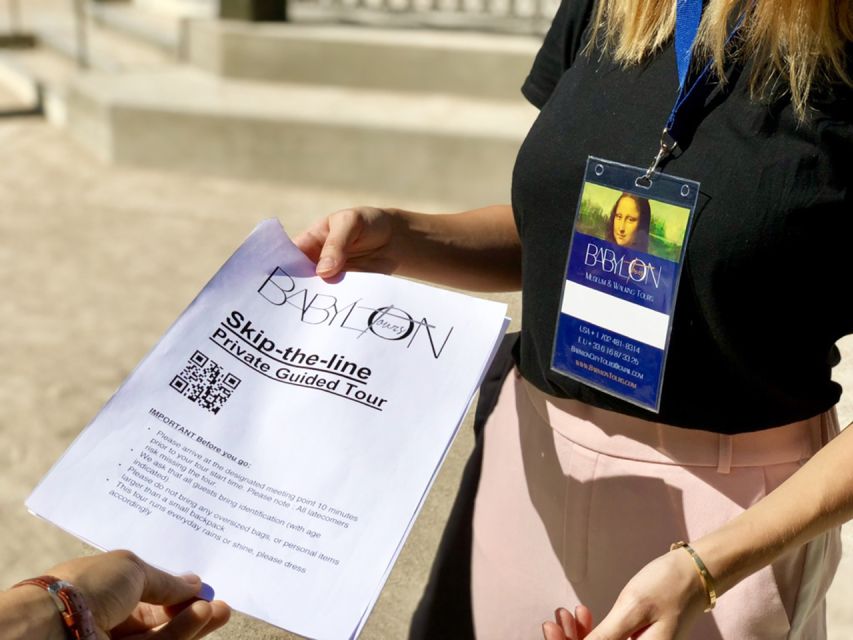
The Pompidou National Museum of Modern Art can feel like a lot. It’s huge, it’s busy, and it’s easy to wander for an hour and still not “get” what you’re looking at. This is why I like the format: 2.5 hours with a guided plan, for a group capped at 8.
You meet your guide at street level by the blue parking sign on the corner of Rue Beaubourg and Rue Rambuteau. That’s a helpful detail because it keeps you from playing guess-the-entrance while the crowd thickens. From there, the tour moves at a human pace: not rushed, not slow, and built around you seeing a sequence of movements and works rather than skimming galleries at random.
And yes, there’s the practical win: skip-the-line entrance is included. Even if you’re comfortable navigating big museums, saving time matters here because you want your energy for the art and the rooftop view.
You can also read our reviews of more guided tours in Paris


Where this tour can disappoint
If you’re hoping for a totally relaxed stroll with long self-guided breaks, this isn’t that. The structure is the point. Also, remember the museum’s silent rooms rule. You’ll be asked to keep noise down in those spaces, so come ready to treat the interior like a library, not a city street.
Renzo Piano’s “inside-out” exterior: the museum you see first
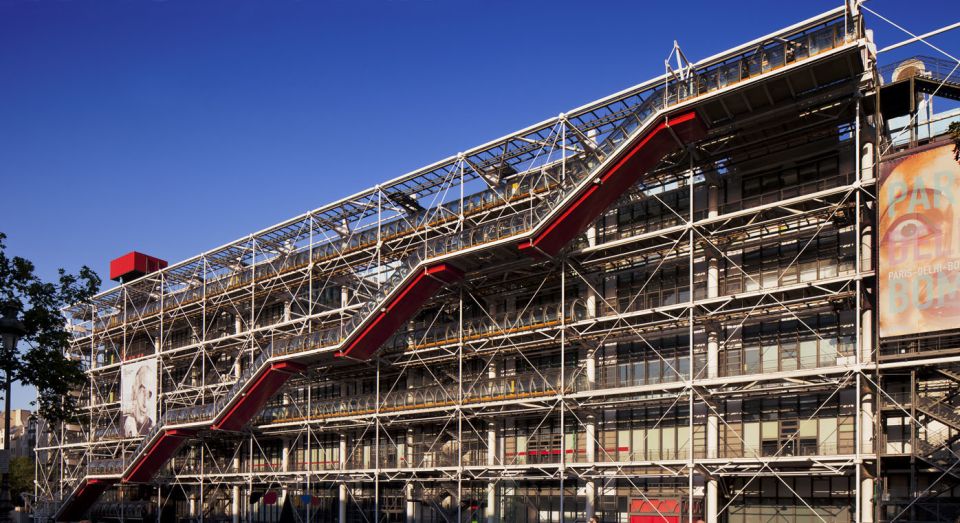
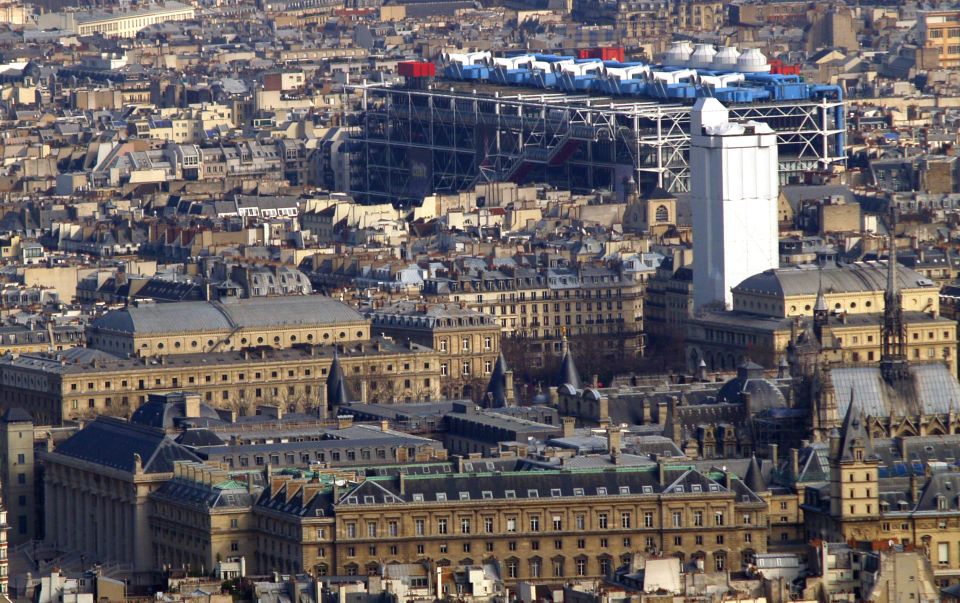
Before you even hit the galleries, the guide anchors you with the museum’s striking exterior and explains the “inside-out” design idea. The Pompidou Center was designed by Renzo Piano, and the building concept is basically: let the functions show, and let structure become part of the visual experience.
That sounds abstract, but it clicks fast once someone ties what you’re seeing to how the building works. The exterior uses bright color and visible elements so the museum isn’t just a box you enter. It’s a landmark that announces itself even from across the street.
I like doing this first because it changes how you feel once you’re inside. You stop thinking, I’m in a museum. You start thinking, I’m in a machine for modern life and modern ideas—built to hold art that doesn’t always behave politely.
The modern art route: Picasso, Matisse, war, and why Dada exists
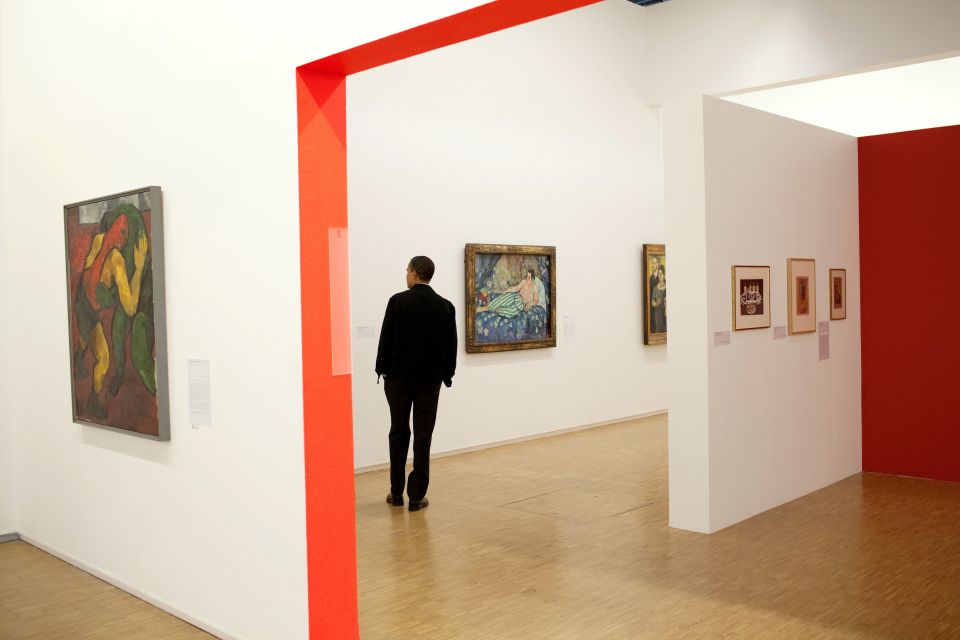
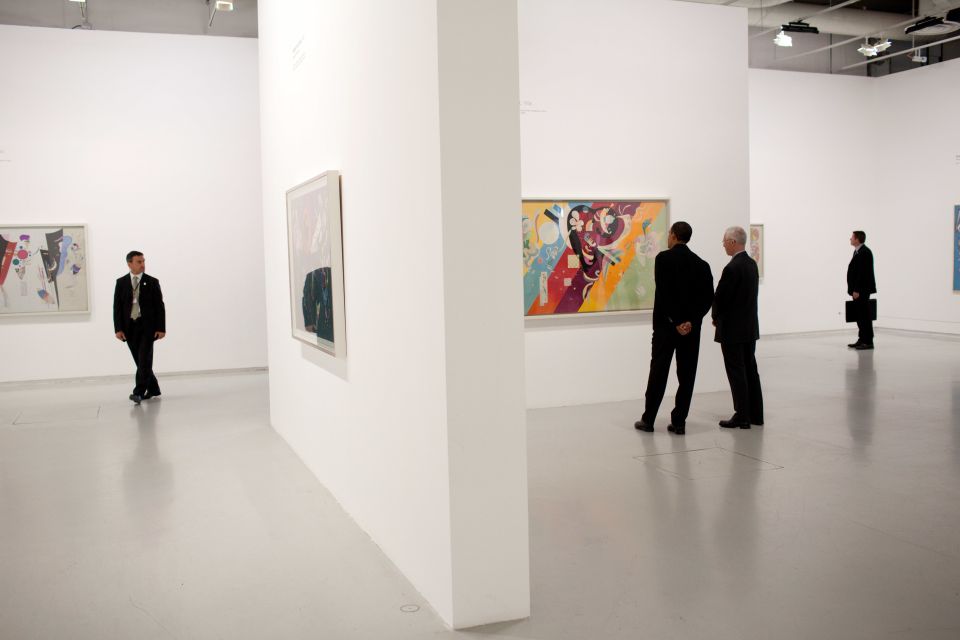
With the museum origin explained, you move into the modern art collection housed at the Pompidou Centre. The guide frames it as a collection with nearly 3,200 works, which is an important reality check. You’re not seeing everything. You’re learning how to look at the major shifts without getting lost.
One of the most useful parts is that the tour treats art movements like reactions. You’re not just told a style name—you’re shown what’s going on in the world that caused artists to change how they painted, arranged, or even messed with the idea of art.
Expect stops that follow the timeline:
- Cubism: you’ll spend time in front of a Picasso painting and talk about what Cubism tries to do to space and perspective.
- Fauvism: you’ll look at a Matisse and connect the bold color choices to how artists pushed beyond realistic color.
- World Wars and their impact: this tour makes room for the idea that major global conflicts didn’t just change politics. They changed art too—what artists believed, what they thought was acceptable, and what they refused to ignore.
Then you hit Dada, and this is where the tour earns its keep. Dada can feel random until you understand the motive. The guide links it to the gore and horror of World War I, and the strange humor that comes out of trauma. Suddenly Dada stops being a joke and starts being a coping strategy and a protest.
A nice bonus: silent-room awareness
Because you’re moving through multiple galleries, you’ll likely encounter spaces with the museum’s quieter rules. The tour doesn’t ignore that. You’ll learn quickly that some rooms are “silent rooms,” where noise and talking aren’t allowed. So it’s a good reminder: even on a guided tour, follow the museum’s pace and boundaries.
You can also read our reviews of more museum experiences in Paris

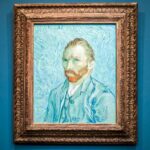

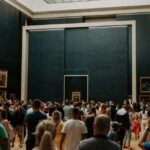

Surrealism to Pop Art: Dalí, Duchamp, Warhol, and the art of provocation
After the early 1900s and the shock movements, the tour continues into the kind of art that makes people ask, Wait… is this supposed to be serious?
You’ll see works and discussion around:
- Surrealists such as Salvador Dalí, where dream logic and symbolism become tools for exploring fear, desire, and imagination.
- Marcel Duchamp, which matters because his influence touches so much modern art thinking. Even if you’ve heard the name before, it’s different when you stand in front of a key work and talk about the bigger idea behind it.
- Pop Art, including Andy Warhol works, with an explanation of why everyday mass culture ends up in the museum.
What I like here is balance. The guide doesn’t act like modern art is either pure genius or pure nonsense. It’s presented as human choices—sometimes brilliant, sometimes weird, often tied to media, politics, and the era’s mood.
And that’s also how you start understanding why modern art can look like it’s breaking rules on purpose. This tour helps you see provocation as a language, not just a trick.
Names you’ll recognize, plus artists that widen your map
If you’re worried you’ll only get the highlights and nothing else, don’t. You’ll get a core lineup of famous names, but the guide also points to artists that help you place the movements.
The tour mentions artists such as:
- Georgia O’Keeffe
- Jackson Pollock
- Piet Mondrian
- Plus works by French artists alongside international names
You’ll also cover movements like Bauhaus and Abstract Expressionism, with explanations that connect the style choices to the artists’ goals—structure and design on one side, gesture and emotion on the other.
This is where I found the guide skills most useful. When art history gets taught like a list of styles, it doesn’t stick. Here, the guide gives you a way to group what you see. So by the time you move into the contemporary galleries, you’re not starting from zero.
Contemporary galleries: Fluxus, Minimalism, and Dubuffet’s winter garden
Once the modern art portion sets your foundation, the tour shifts into the contemporary galleries and helps you understand newer directions. This is a key moment because people often think the museum is only about early-20th-century breakthroughs. But contemporary art has its own rules and experiments.
You’ll hear about recent movements such as Fluxus and Minimalism. Even if you’ve only heard the names in passing, the guide’s job is to show what these approaches value—often the idea, the process, the reduction of form, or the push against traditional art categories.
And then there’s a standout experience: Dubuffet’s winter garden installation. The way installations work is different from a painting. Instead of studying brushwork, you study space, texture, and how an artwork uses your attention. On a timed tour, you still get enough time for it to register rather than becoming a quick stop.
Why this section feels valuable in real life
Modern and contemporary art can be exhausting when you don’t know what you’re looking for. This part of the tour gives you quick orientation so you can decide what you personally respond to. That’s real value—because you leave knowing how to keep looking even after the tour ends.
Roof time and the Paris panorama: your last 10 minutes matter

At the end of the museum visit, the tour includes time on the roof/top floor. This is not just a nice view. It’s a reset.
Standing outside over the city helps your brain connect what you learned about the Pompidou’s architecture to what you’re actually seeing in Paris. You get a unique view of Paris, and it’s also a good moment to reflect on the day’s theme: modern art and modern structure living in the same city as old stone and classic views.
It’s also a practical win. After hours indoors, you likely want a break for your legs and eyes. Roof time does that without turning the tour into a sightseeing detour.
When the tour wraps, it ends back at the meeting point by the blue parking sign on Rue Beaubourg and Rue Rambuteau.
Price and value: is $371 per person worth it?
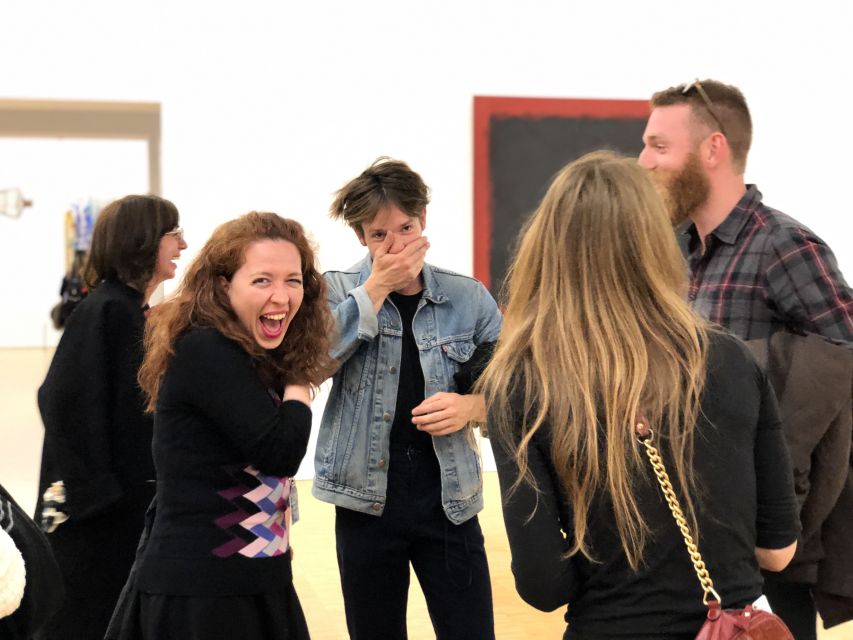
At $371 per person, this isn’t a budget add-on. So let’s talk value in plain terms.
You’re paying for:
- Skip-the-line entrance (real time savings)
- A professional English-speaking guide
- A small-group format (max 8) that supports questions and pacing
- Guided access across modern and contemporary themes (not just a quick highlights tour)
If you’re the type of person who likes structure—someone to explain why movements matter and where to stand—this cost starts to make sense. The Pompeu is too big to “figure out” efficiently on your own if you want modern art to click.
If you’re the type who prefers wandering with no guidance, you might feel boxed in. But if you want to leave with a mental timeline (Cubism → Fauvism → war impact → Dada → Surrealism → Pop → Bauhaus/Abstract Expressionism → contemporary movements like Fluxus and Minimalism), the guide is doing the heavy lifting.
Also, the reviews you can’t ignore point to one theme again and again: the guides connect art to context, not just facts. If you want that, you’ll likely feel the price was fair.
Who should book this Pompidou guided tour
This experience is a great fit if you:
- Want modern and contemporary art explained in English
- Appreciate a guided timeline with recognizable artists
- Prefer small groups (max 8) over crowded, fast museum circuits
- Care about both architecture and art, not just one or the other
- Want a rooftop view included without extra planning
It may be a poor fit if you:
- Need to travel with large bags or suitcases (they’re not allowed)
- Are sensitive to rules around silent rooms
- Require a wheelchair-specific arrangement (the tour option notes that it’s not suitable for mobility impairments or wheelchair use, though tours suitable for wheelchair users are available upon request only)
Should you book this Pompidou skip-the-line tour?
I’d book it if you want the Pompidou to make sense quickly. The building story at the start, the art timeline through major movements, the contemporary stops, and the roof panorama at the end form a complete arc. For $371, you’re buying a guide who helps you see modern art rather than just look at it.
Skip this if you’re planning to spend most of your time wandering alone or you’re traveling with baggage you can’t leave behind. In that case, you may be better served by a flexible museum day and your own pacing.
If you do book, bring your ID, travel light, and come ready to treat the museum like a serious conversation—not a museum selfie sprint.
FAQ
Where do I meet the guide?
Meet your guide by the blue parking sign on the corner of Rue Beaubourg and Rue Rambuteau.
How long is the tour?
The tour runs for about 2.5 hours.
Is this tour skip-the-line?
Yes. Skip-the-line entrance is included.
How large is the group?
It’s a small-group tour with a maximum of 8 guests.
What language is the tour in?
The tour is offered in English.
Is there wheelchair access?
The activity notes wheelchair accessibility, but it also says the tour option is not suitable for people with mobility impairments or who use a wheelchair. Tours suitable for wheelchair users are available upon request only, so check that detail before you book.
What do I need to bring?
Bring a passport or ID card.
What items are not allowed?
Luggage or large bags are not allowed.
What if the museum closes or opening is delayed?
Occasional closures can happen without warning. If the museum opening time is delayed more than 1 hour from the tour starting time, guests are provided an appropriate alternative, but refunds or discounts are not provided.
Can I cancel and get a refund?
Yes. You can cancel up to 24 hours in advance for a full refund.