REVIEW · PARIS
Paris: Latin Quarter Guided Walking Tour in German
Book on GetYourGuide →Operated by HelpTourists · Bookable on GetYourGuide
Latin Quarter goes back in time. This German-language walk pairs Roman remains with the Latin Quarter’s student-energy, so you see the famous names and the quieter corners in one smooth 2-hour loop. I like the way the guide connects buildings to daily life, not just facts, and I also like the pace: relaxed, walkable, and not a rushed photo sprint. One possible drawback: 2 hours is short, so you’ll cover highlights rather than going deep on any single site.
You’ll do it as a private group, which usually makes it easier to ask questions and get answers tailored to your pace. In one recent tour, the German guide was Soléne, and the feedback leaned hard on friendly, competent guidance with useful anecdotes.
You start at a very practical spot (Cardinal Lemoine), end near two major icons, and you spend part of the time cooling off in one of the area’s nicest green spaces—an underrated break from Paris stone and traffic.
In This Review
- Key takeaways before you go
- Latin Quarter in German: what makes this 2-hour format work
- Starting at Cardinal Lemoine: easy meeting point, quick momentum
- Arènes de Lutèce: Roman remains in the middle of modern Paris
- Pantheon: a landmark that ties into the student quarter
- La Sorbonne: world-famous university energy, explained on foot
- Musée National du Moyen Age–Thermes et Hôtel de Cluny: medieval layers you can name
- Shakespeare & Company: the literary stop that changes the tone
- A green break in the Latin Quarter: park time matters
- Finishing at Notre-Dame de Paris: the emotional landing spot
- Price and value: is $94 worth it?
- Who this tour fits best (and who might want something else)
- Should you book the German Latin Quarter walking tour?
- FAQ
- How long is the Latin Quarter guided walking tour?
- What language is the guide speaking?
- What is the meeting point?
- Is this a private group tour?
- What’s included in the price?
- Is pickup included?
- Does the tour include food and drinks?
- Is the tour wheelchair accessible?
- Can I cancel for a full refund?
- How much does it cost?
Key takeaways before you go
- German-led tour with a guide who explains the Latin Quarter’s history and everyday life in plain language
- Roman layers in the city: you’ll stop at the Arènes de Lutèce remains
- Major sights without the museum-only feeling: Pantheon, Sorbonne, and more on foot
- Literary stop at Shakespeare & Company that’s more than a quick storefront photo
- Medieval-meets-everyday vibe around Musée National du Moyen Age–Thermes et Hôtel de Cluny
- A real green break in one of the Latin Quarter’s most beautiful park areas
Latin Quarter in German: what makes this 2-hour format work
If your goal is to understand Paris beyond the postcard route, this is a smart size. Two hours is long enough to connect dots between eras, but short enough that you’re not exhausted by the end. The best part is the structure: you get famous landmarks (Pantheon, La Sorbonne) alongside quieter stops like smaller cafés and squares, plus a park break that changes the mood.
Because the tour is German-language, the explanations land differently. You’re not relying on summaries you overhear or reading fast signage. You can follow the story of the neighborhood—student life, long-ago layers, and what still feels familiar today.
One thing to keep in mind: this is a walking tour through the 5th arrondissement, so expect urban sidewalks and lots of “look-and-listen” time. You’ll want comfy shoes, especially if you’re the type who stops often to look up at facades.
You can also read our reviews of more walking tours in Paris



Starting at Cardinal Lemoine: easy meeting point, quick momentum
You meet by the entrance to Cardinal Lemoine metro station. The instruction is simple: find your guide holding a HelpTourists bag.
This matters more than it sounds. A clear meeting point reduces the usual first-10-minutes stress. Instead of spending your energy searching, you can get moving and start learning right away. Also, starting at a metro-accessible spot makes this tour feel realistic even if your day is already packed.
The guide’s job at the beginning is usually to set expectations: where you are in the Latin Quarter, what time layers you’ll see, and what kind of stops you’ll make. If you like tours that explain the “why” before the “what,” this format tends to feel good.
Arènes de Lutèce: Roman remains in the middle of modern Paris
The first major sightseeing stop is Arènes de Lutèce. The tour highlights the remains of the Romans in Paris, and that’s exactly why this stop is worth your attention.
Seeing Roman remnants in the middle of a living neighborhood hits differently than a standalone archaeological site. You’re not just looking at stones in isolation. You’re watching the city keep building around earlier eras, which is a very Paris kind of lesson.
What to focus on here: look for the scale and the feeling of time layers. Even without a lecture, the contrast is obvious—this is ancient Paris sitting inside today’s Latin Quarter streets. If you like history that you can walk through (not history trapped behind ropes), this stop delivers.
Pantheon: a landmark that ties into the student quarter
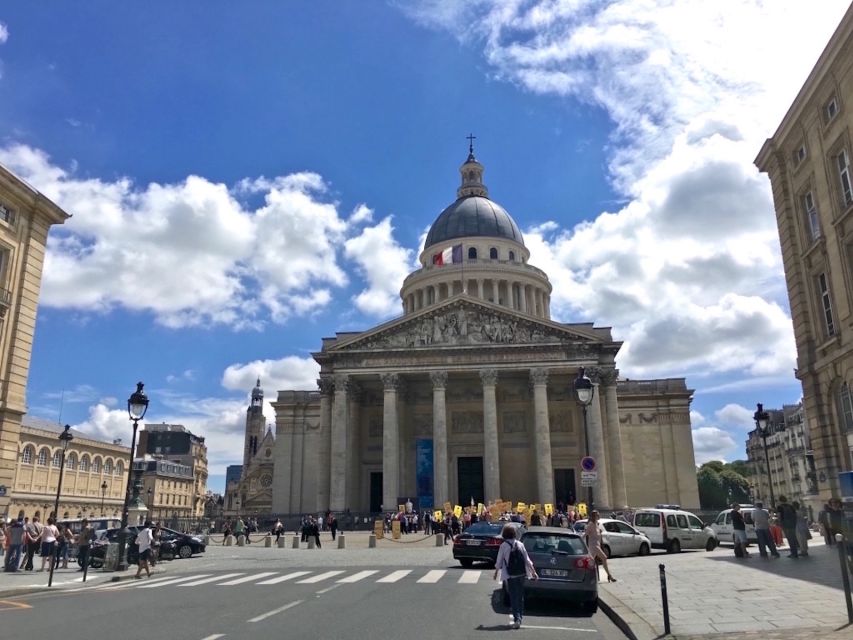
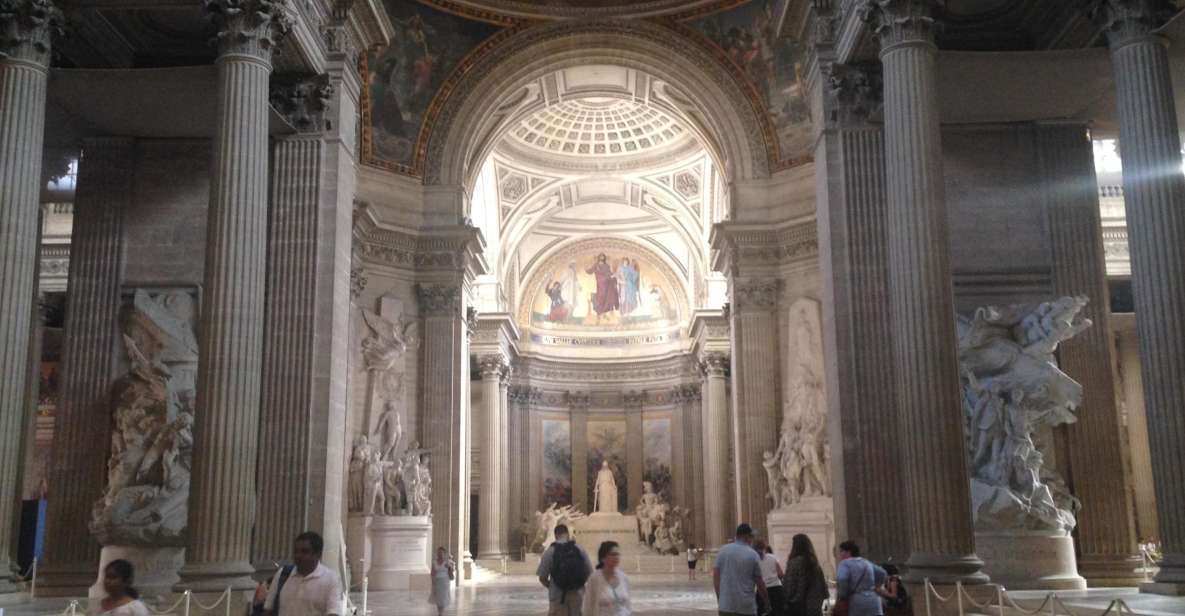
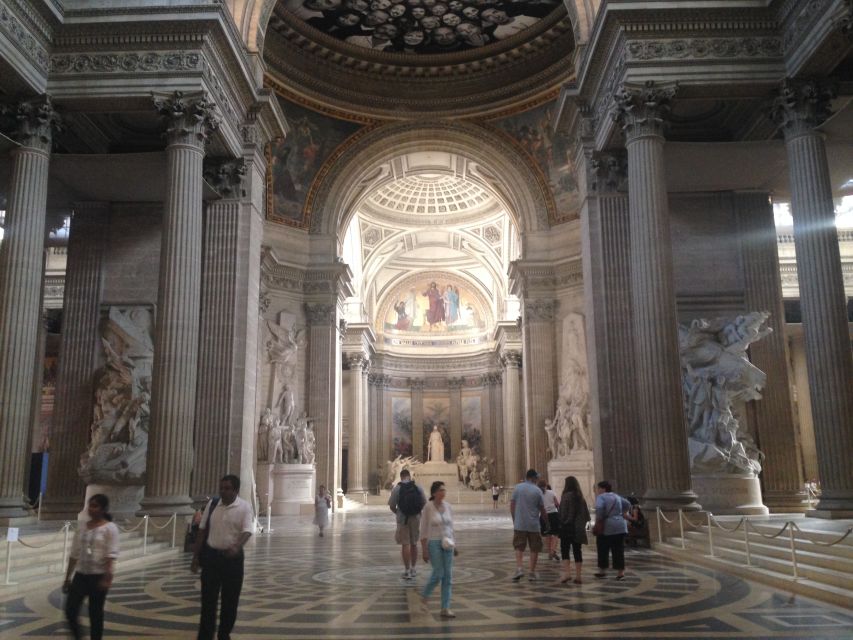
From there, you move to the Pantheon, one of the big headline sights of the Latin Quarter. The Pantheon is described as a domed neo-classic mausoleum, and that phrasing matters because it tells you what you’re looking for.
The practical value of including the Pantheon on this kind of tour is not just seeing a famous building. It’s understanding how the Latin Quarter’s identity—especially its university culture—shares space with national-scale monuments. The guide’s explanations about the district and its sights are the glue here. You get context so the stop becomes more than a landmark check.
If you’re trying to connect the neighborhood’s “student quarter” reputation to real physical places, the Pantheon is one of the clearest anchors on the route.
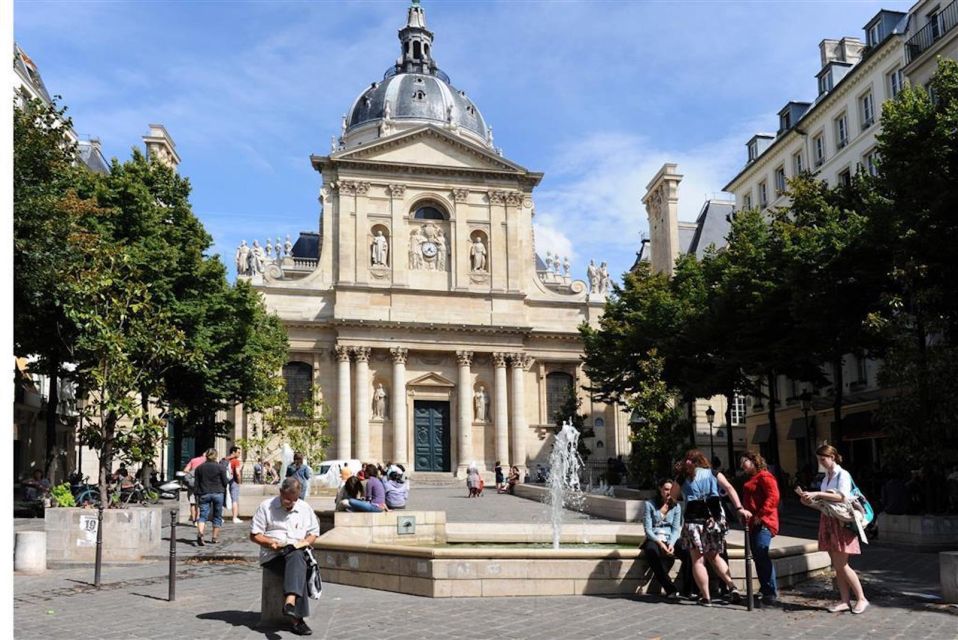
La Sorbonne: world-famous university energy, explained on foot
Next up is La Sorbonne. This is the other major name in the story, and the tour treats it as part of the Latin Quarter’s everyday rhythm, not as a distant attraction.
I like when tours include at least one stop that makes you picture student life—how people move, what streets feel like at different times, and how the neighborhood’s identity shapes daily behavior. Even on a short walk, the Sorbonne stop helps you understand why locals and visitors call this area a student quarter.
Drawback to consider: because Sorbonne and the Pantheon are landmark-scale places, you may notice more people around you here. It’s not a deal-breaker, but it can affect how quiet the listening feels. If you prefer total calm, lean into the guide’s directions and choose a spot where you can hear.
You can also read our reviews of more guided tours in Paris




Musée National du Moyen Age–Thermes et Hôtel de Cluny: medieval layers you can name
Then the route moves to the Musée National du Moyen Age–Thermes et Hôtel de Cluny. The full name is a clue to why this stop works: it connects the medieval era with the theme of thermal baths and the Hotel de Cluny setting.
On a guided walk, this is a win because you get the basics without committing to a long indoor session. You can still appreciate what makes the area significant, and the guide’s commentary helps you make sense of why these places matter together.
What I’d pay attention to: the way the tour links past to present. Even if you only do a look-from-outside experience here, the stop gives you a vocabulary for what you’re seeing. That means you can revisit later, on your own terms, with better context.
Shakespeare & Company: the literary stop that changes the tone
Shakespeare & Company is next. This is one of those Paris locations where people take photos first—and then, if you’re lucky, understand what the place represents.
In this tour, it fits the broader theme: the Latin Quarter is not only universities and monuments. It’s also publishing, books, and the ongoing culture that grows in student areas. The guide’s anecdotes help keep it from feeling like a quick photo stop.
If you’re the kind of visitor who enjoys a “small story” more than a long lecture, this stop tends to deliver. It also works well psychologically: after history-heavy sights, you get a more human-scale atmosphere.
A green break in the Latin Quarter: park time matters
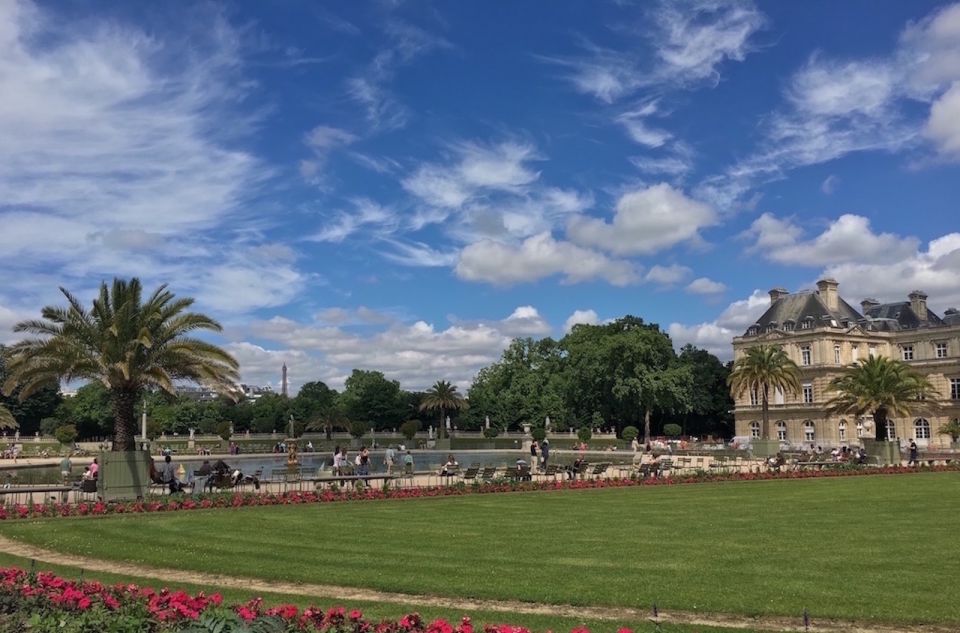
The highlights include relaxing in one of the most beautiful green spaces in Paris. The itinerary doesn’t name the park in the details you have, but the promise is clear: you’ll get a break from stone streets.
This is more than comfort. A park stop gives your brain a reset. It also changes the way you absorb the neighborhood. When you’re walking in tight historic streets, everything is vertical and built-up. In a green space, you finally get perspective: sky, trees, and open room to reflect on what you just learned.
Practical tip for you: use the park moment to slow down. Ask a question while you’re sitting or standing quietly. That’s often when guides have the easiest time going beyond the script.
Finishing at Notre-Dame de Paris: the emotional landing spot
You end at Kathedrale Notre-Dame de Paris. That’s a powerful closer because it’s one of the most recognizable symbols in the whole city.
Ending here makes sense for a walking tour because it feels like a natural “capstone.” You’re tying your Latin Quarter story to a larger Paris landmark. Even if you’ve seen Notre-Dame before, finishing there can change how you remember the day: the neighborhood you studied becomes one part of a bigger map of Paris.
If you want to keep exploring after the tour, finishing at a landmark like this is useful. You can plan your next move with less uncertainty about where you are and what direction you want to head.
Price and value: is $94 worth it?
At $94 per person for a 2-hour private German walking tour, the value depends on what you want from your time.
Here’s the practical math:
- You’re paying for a guided experience (not self-guided wandering).
- It’s German-language, which can be a real convenience if you want full explanations.
- It’s a private group, which typically boosts the usefulness of the guide’s attention.
For me, this price looks fair if you’ll actually use the guide’s strengths: history and everyday life connections, plus the ability to ask questions. The reviews you have reflect that kind of payoff, with comments about friendly companionship, being informed and varied, and tours that feel personal and interesting.
If you only want quick exterior views with minimal explanation, a cheaper self-guided plan might tempt you. But if you want clarity—why these stops belong together—this format is a good use of money for a short visit.
Who this tour fits best (and who might want something else)
This tour is ideal if:
- you want your Latin Quarter orientation with German-language guidance
- you like mixing major sights with smaller streets, cafés, and squares
- you enjoy a tour that includes a park break instead of nonstop walking
It may be less ideal if:
- you need long time at one site (this is a 2-hour overview route)
- you’re hoping for food included or a full day plan (food and drinks are not included)
- you want English or multi-language content (the tour language is German)
Also, it’s wheelchair accessible, which is a real plus if mobility is part of your planning. It’s still a walking tour, so check your own comfort with urban sidewalks, but the accessibility note is there for a reason.
Should you book the German Latin Quarter walking tour?
I’d book it if you’re visiting Paris and want to understand the Latin Quarter fast, in German, with a guide who keeps things personal. The strongest signal from the feedback is how people felt during the walk: friendly guidance, informative commentary, and a style that makes the area feel less like a checklist and more like a place.
You should also book it if you like Roman-to-medieval-to-literary-to-modern layers in one route. The stop choices help you see the neighborhood as an evolving story rather than separate attractions.
If you’re the type who hates group movement and wants full freedom to linger, then you might prefer a slower, self-guided day. But for a focused 2 hours that pays off intellectually and visually, this one is a solid bet.
FAQ
How long is the Latin Quarter guided walking tour?
The tour lasts 2 hours.
What language is the guide speaking?
The guide speaks German.
What is the meeting point?
You meet by the entrance to Cardinal Lemoine metro station, and you should look for your guide with a HelpTourists bag.
Is this a private group tour?
Yes, it’s a private group.
What’s included in the price?
The tour includes a 2-hour guided tour and a German-speaking tour guide.
Is pickup included?
No, pickup is not included.
Does the tour include food and drinks?
No, food and drinks are not included.
Is the tour wheelchair accessible?
Yes, it is wheelchair accessible.
Can I cancel for a full refund?
Yes. You can cancel up to 24 hours in advance for a full refund.
How much does it cost?
It costs $94 per person.