REVIEW · PARIS
Paris: French Revolution Walking Tour
Book on GetYourGuide →Operated by Mon Petit Paris · Bookable on GetYourGuide
Guillotine stories start on Paris stones. This French Revolution walking tour turns the years of conspiracy and upheaval into a street-level narrative that you can actually follow. You walk the older parts of central Paris while the guide connects causes to consequences, ending in the moments people still argue about.
What I like most is the mix of storytelling + physical clues: you’re not just hearing dates, you’re spotting small things and learning how they fit into the larger plot. I also like that the guide work is built for a tight 2-hour window, with clear pacing and variation at each stop. One thing to consider: the route isn’t a strict, stop-by-stop timeline, so if you want only named landmarks in exact historical order, this may feel a bit more interpretive than linear.
In This Review
- Key things to know before you go
- Meeting at Place du Châtelet: finding Fontaine au Sphinx fast
- A street “treasure hunt” that makes the Revolution feel real
- Paris in 1789: watching the city change in real time
- Louis XVI and Marie Antoinette: the guillotine section that hits hard
- Leading up to Bastille Day: building tension instead of listing dates
- Le Marais and the feel of old Paris streets
- Pacing in 2 hours: comfortable flow and a mid-tour break
- The guides are the difference: Louis, François, Fran, and more
- Price and value: $46 for a guided 2-hour story-walk
- Who should book this tour, and who might not love it
- Should you book this French Revolution walking tour?
- FAQ
- How long is the Paris French Revolution Walking Tour?
- How much does the tour cost?
- Where do I meet the guide?
- Is the tour in English?
- Is there a live guide?
- Is hotel pickup or drop-off included?
- Is the tour wheelchair accessible?
- Can I cancel and get a refund?
- Is reserve and pay later available?
- What kind of experience should I expect?
Key things to know before you go
- Start at Fontaine au Sphinx on Place du Châtelet, a practical meeting point in the center of town
- A treasure-hunt style walk, focused on hidden details and forgotten stories rather than a lecture
- You’ll hear the big 1789 transformation of Paris, plus the grim arc around Louis XVI and Marie Antoinette
- Guides use lively, first-person style at times, which helps dense material feel immediate
- Expect a mid-tour comfort break, so the pace stays workable
- You can still ask questions, and the guides aim for nuance and accuracy
Meeting at Place du Châtelet: finding Fontaine au Sphinx fast
You’ll meet your guide in front of the Fontaine au Sphinx on Place du Châtelet. It’s central, which matters, because you don’t want to burn your tour time hunting for the group in a busy square. I’d show up a little early here. One reviewer mentioned it could be tricky to spot the guide at first, so arriving a few minutes ahead is a simple fix.
This start point also sets the tone. Châtelet sits right in the thick of Paris movement, and it’s a good reminder that revolutions don’t happen in museums. They happen where people gather, travel, argue, and exchange news.
You can also read our reviews of more walking tours in Paris



A street “treasure hunt” that makes the Revolution feel real
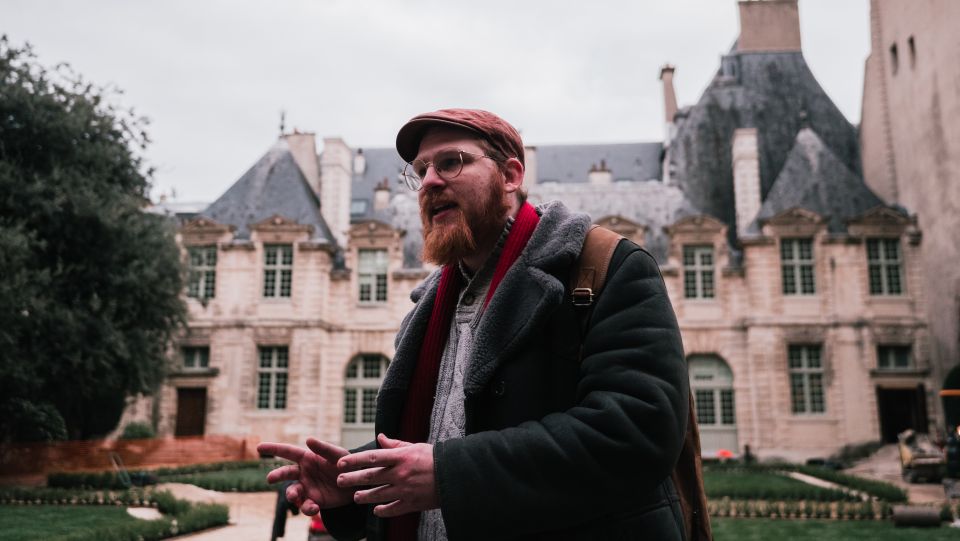
The heart of the experience is a guided walk that plays like a treasure hunt. Instead of dumping facts, the tour has you looking for small objects and less-obvious details that connect to larger events. That approach works for two reasons.
First, it keeps attention where it should be: on the street you’re standing on. Second, it helps you remember the story because you link it to a location and a detail, not a paragraph in a textbook.
Guides also bring energy into the telling. Reviews mention guides frequently using first-person framing and describing scenes as they might have felt at the time. That doesn’t turn the event into fantasy. It just helps you picture how ordinary people could move from rumor to fear to action.
Paris in 1789: watching the city change in real time
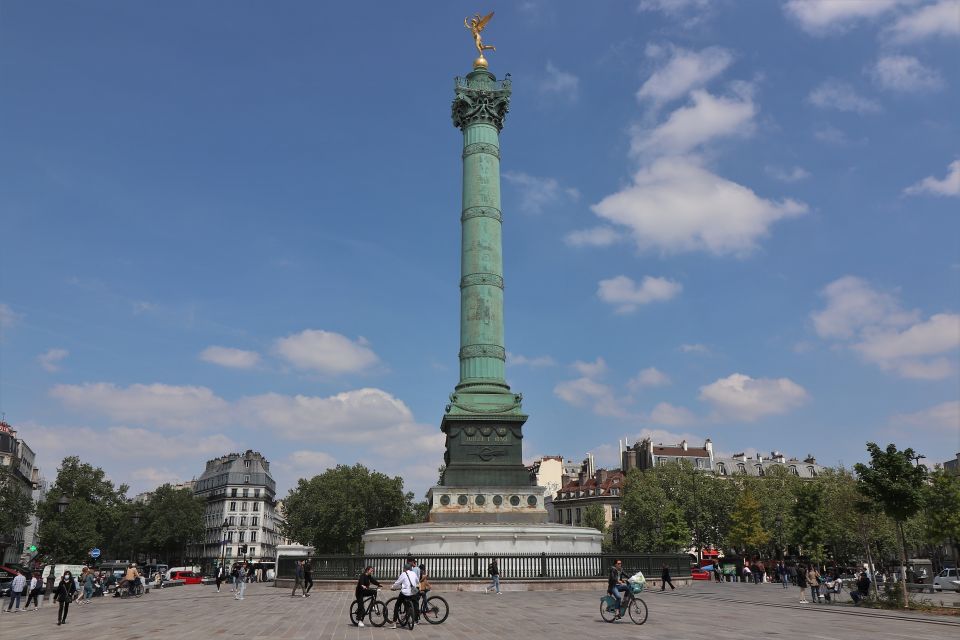
The tour is built around how the 1789 Revolution transformed Paris. You don’t get just one battle scene. You get the shift in mood and power that made the city different from day to day.
You’ll hear about conspiracy, intrigue, mystery, and mass murder in a way that tries to stay coherent within the 2-hour format. The guide’s job is to condense a complicated chain of events so you walk away with a clear sense of cause and effect—what pushed people to act, what institutions cracked, and what followed when violence became part of the political language.
One review also noted that churches and the local impact of the Revolution show up along the way. Even if you’re not a worship-site person, that detail helps you understand how politics reshaped public space, not just royal palaces.
Louis XVI and Marie Antoinette: the guillotine section that hits hard
Yes, the tour goes to the dark places. You’ll learn about when Louis XVI and Marie Antoinette met the guillotine, and you’ll hear about additional grim elements tied to revolutionary plotting. This is the part of the story where the Revolution stops being only about ideology and becomes about consequences that are immediate and irreversible.
What I appreciate here is that the material is presented with balance. Several reviews specifically mention nuance and accuracy, and that the guides aim for a story that isn’t one-sided propaganda. That matters, because the French Revolution is not only famous—it’s also heavily mythologized. A guide who sticks to careful explanation helps you separate dramatic storytelling from real historical complexity.
Also, the tour includes a “dark prophecy” element tied to a key turning point. The way that thread is described matters because it ties fear, expectation, and rumor to what people believed was coming next.
Leading up to Bastille Day: building tension instead of listing dates
One of the most praised parts of the experience is how the guide leads you through the run-up to the storming of the Bastille. You get a day-by-day account in a condensed form, and it’s designed to build tension rather than repeat the same famous moment.
If you only know the Revolution from the headlines, this style is a big upgrade. You start to see how a crowd moment becomes possible: how distrust grows, how institutions lose credibility, and how events push people into choosing sides.
A key detail: the route may not be strictly chronological. One reviewer mentioned it wasn’t ordered like a perfect timeline, but they still liked it because the guide kept the stories anchored. That tells me the tour prioritizes understanding over strict sequencing—which can actually be the better approach when time is limited.






Le Marais and the feel of old Paris streets
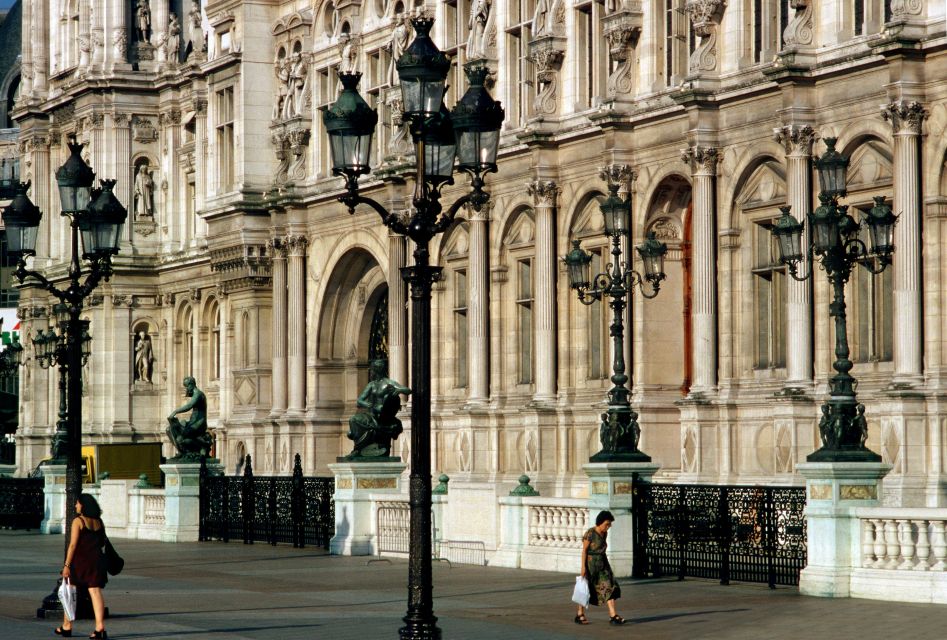
The tour also spends time around older parts of central Paris, including the Le Marais area (mentioned in reviews). The point isn’t shopping or architecture spotting for its own sake. It’s atmosphere.
Le Marais has that dense, lived-in feeling—streets where you can imagine news spreading quickly and where the scale of action is smaller than palace-centered history books. When you connect political events to streets like these, the Revolution stops being a distant tragedy and becomes a street-level chain of choices.
You’ll also get local touches from the guide’s knowledge. Reviews highlight guides weaving in modern French perspectives on the Revolution alongside the events themselves. Even if you’ve studied the basics before, that layer helps you see how history keeps working after it ends.
Pacing in 2 hours: comfortable flow and a mid-tour break
At 2 hours, the tour needs discipline. It can’t be everything, so the guides work hard to keep momentum without racing you past key ideas. Reviews mention a nicely paced walk with varied stops and an intentional break in the middle.
That “comfort brake” detail is underrated. If you’ve ever tried to do multiple short attractions in Paris, you know how quickly your legs and attention give up. A planned pause helps you reset so you can keep absorbing the heavier story parts.
The overall pacing also matters for questions. Multiple reviews say the guide can handle detours depending on what people ask, while still keeping the tour on track.
The guides are the difference: Louis, François, Fran, and more
The experience stands or falls on the person leading it, and the reviews are consistent about that. Guides named across the feedback include Louis, François, Fran, Guillaume, Ilan, Amber, and Sam. The common thread is style: strong grasp of the topic and the ability to condense it into something you can follow.
Reviews also praise the guides for being easy to hear on noisy streets and for speaking clear English. In Paris, that can make or break an urban walking tour, because you’re sharing space with constant traffic and crowd noise.
If you care about accuracy, it’s also worth noting how often people mention the guide’s commitment to nuance, and that the narrative isn’t simplistic. That’s exactly what you want when the Revolution has been told in extremes for centuries.
Price and value: $46 for a guided 2-hour story-walk
The tour costs $46 per person for a 2-hour guided walk. That price isn’t just paying for someone to point. You’re paying for a guide who organizes a complicated period into a route you can navigate, plus the effort of keeping the story coherent while you’re moving.
For value, I think you’re getting three things:
- Guided structure for a topic that’s otherwise easy to get wrong or oversimplify
- Multiple location-linked moments, so you remember more than you could from a single attraction
- A live English guide, with the option to ask questions and get answers in context
If you’re the kind of traveler who likes to read plaques but doesn’t want to figure out the story thread alone, this is a sensible use of time.
Who should book this tour, and who might not love it
This tour is a strong fit if you want:
- A guided way to understand the Revolution beyond famous names and dates
- A walking format that uses visible details and street-level storytelling
- A narrative that includes the grim arc, including the guillotine and the lead-up to Bastille Day
You might be less satisfied if:
- You want only a strict, chronological checklist of specific named monuments
- You expect a light, non-graphic historical overview (this story goes into murder and massacre)
- You’re hard to please with stories that prioritize interpretation over exact landmark order
Should you book this French Revolution walking tour?
I’d book it if you want Paris to feel like a living textbook. The format is designed for understanding, not memorizing, and that makes the Revolution click. The biggest wins for most people seem to be the guide quality—energy, clear English, and a careful effort to keep the story nuanced while still entertaining.
If you only have two hours and you want a route that adds meaning to the streets you walk anyway, this works. Just arrive on time at Fontaine au Sphinx, keep expectations realistic about the timeline, and plan to bring mental energy for the heavier parts of the story.
FAQ
How long is the Paris French Revolution Walking Tour?
The tour lasts 2 hours.
How much does the tour cost?
The price is $46 per person.
Where do I meet the guide?
Meet your guide in front of the Fontaine au Sphinx on Place du Châtelet.
Is the tour in English?
Yes. The tour guide provides the tour in English.
Is there a live guide?
Yes. It includes a live tour guide.
Is hotel pickup or drop-off included?
No. Hotel pickup and drop-off are not included.
Is the tour wheelchair accessible?
Yes. The tour is wheelchair accessible.
Can I cancel and get a refund?
Yes. Free cancellation is available up to 24 hours in advance for a full refund.
Is reserve and pay later available?
Yes. You can reserve now & pay later.
What kind of experience should I expect?
You’ll take a guided walking tour focused on revolutionary-era stories, including key events like the guillotine and the lead-up to the storming of the Bastille, with a treasure-hunt style approach and varied stops along the way.