REVIEW · PARIS
Paris : French wine tasting in Montmartre
Book on GetYourGuide →Operated by LES PIQUEURS · Bookable on GetYourGuide
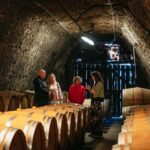
Sacré-Cœur and a tasting room. This is one of those Montmartre experiences where the setting feels romantic, but the wine lesson stays practical, thanks to guides such as Jean-Luc. I love tasting Burgundy, Bordeaux, Rhône, and Loire concepts in just one hour, and I also like how approachable the explanation feels (even if you’re new to wine). One thing to consider: it’s adult-focused and the tasting moves fast—5 wines in 1 hour.
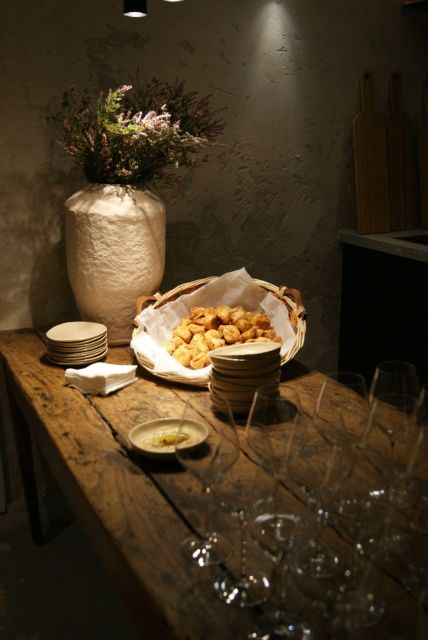
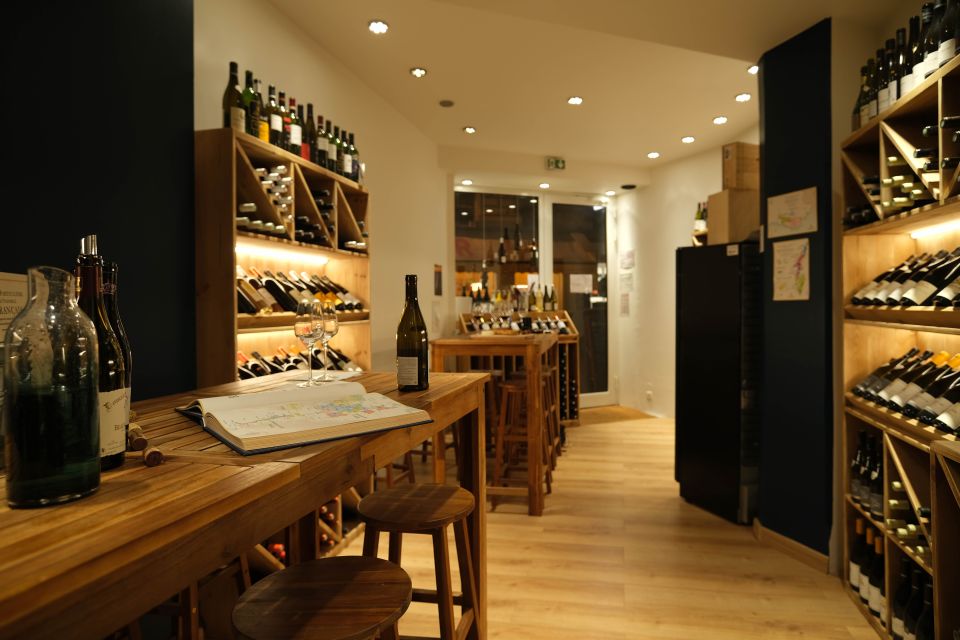
You meet at 6 Rue Tardieu, right by the cave Les Piqueurs, so you can roll in, get started quickly, and still have time to wander Montmartre afterward. This is a private group experience with a live guide in French and English, and the small-cave vibe makes it easy to ask questions without feeling rushed.
You’ll taste 2 whites, 2 reds, and 1 sparkling, with the session ending on a celebratory fizz (champagne or Crémant-style options from places like Burgundy or the Loire). The hour is short, but the point is to help you notice the differences across French terroirs, not to flood you with facts.
In This Review
- Key Things I’d Bet You’ll Notice
- Montmartre’s Sacré-Cœur Setting: Why the Location Changes the Taste
- Finding Les Piqueurs at 6 Rue Tardieu: How the Hour Starts Smoothly
- The 1-Hour Flight: 2 Whites, 2 Reds, Then Sparkling
- Burgundy, Bordeaux, Rhône, Loire: Learning Terroir Without the Lecture Hall
- The Commentary Is the Real Attraction: Jean-Luc and Roman’s Friendly Style
- Price and Value at $81: What You’re Actually Paying For
- Who Should Book This Montmartre Wine Tasting (and Who Shouldn’t)
- Should You Book? My Take
- FAQ
- How long is the Paris French wine tasting in Montmartre?
- What wines are included?
- Where do we meet for the tasting?
- What languages is the tour guide available in?
- Is there free cancellation?
- Is the experience suitable for children or pregnant women?
Key Things I’d Bet You’ll Notice
- Foot-of-Sacré-Cœur atmosphere makes the tasting feel special before you even sip.
- Five wines in one session (2 white, 2 red, 1 sparkling) keeps things focused.
- Bilingual guide commentary in French and English means you won’t miss the subtle parts.
- Clear, friendly explanations make it easier to understand what you’re tasting.
- Nibble-style pairings show up alongside the wines and keep the tasting comfortable.
- You can talk longer than planned—the guide’s approachable and questions are welcome.
Montmartre’s Sacré-Cœur Setting: Why the Location Changes the Taste
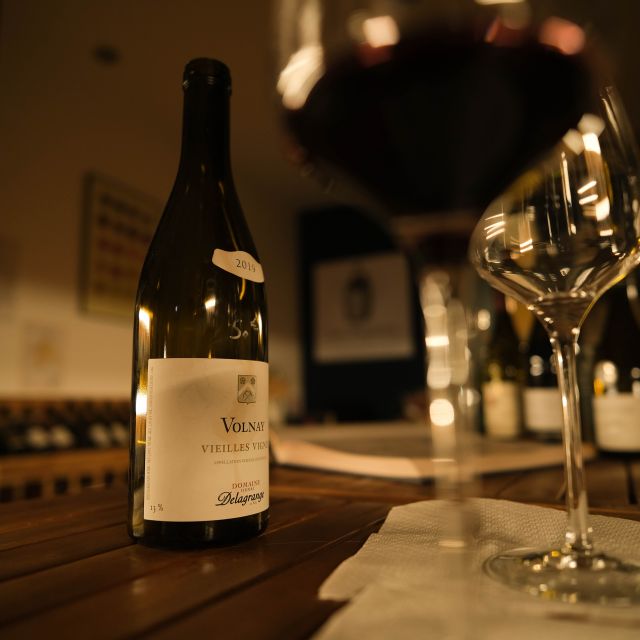
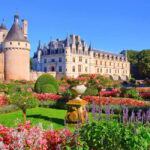
Montmartre is packed with views, stairs, and postcard energy. This tasting uses that energy in a smarter way: you’re not just walking around it. You’re tasting wine right at the foot of Sacré-Cœur, which turns the hour into a calmer pause in a neighborhood that can feel like nonstop motion.
I like this setup because it gives you an easy “start point.” You can treat the tasting as a mini-escape from the noise. And when the wines start arriving, your brain already feels like it’s in a story—romantic France meets real-world wine education. That combination is exactly why this works for first-timers who don’t want to spend days researching.
One practical thought: Montmartre’s streets can be uneven, and you may be doing some walking right before or after. Wear something comfortable, because wine time is better when your feet aren’t angry.
You can also read our reviews of more food & drink experiences in Paris


Finding Les Piqueurs at 6 Rue Tardieu: How the Hour Starts Smoothly
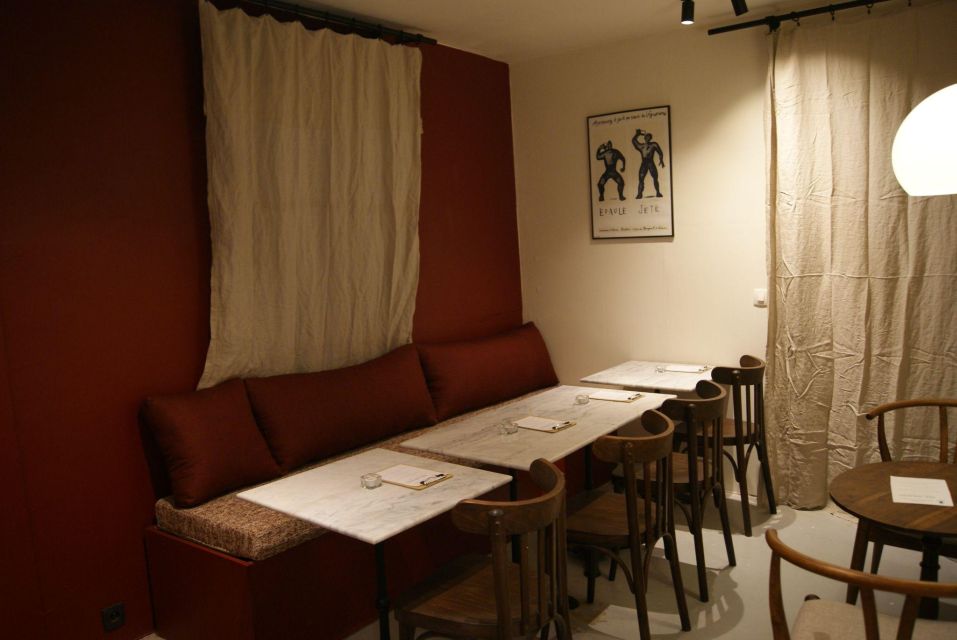
The meeting point is directly at the cave Les Piqueurs, with the starting location listed as 6 Rue Tardieu. The good news here is that you don’t have to hunt across multiple addresses or deal with complicated transfers.
Since it’s a private group with a live guide, you’re not fighting for attention or joining a rotating crowd. That matters for wine tastings because the best part isn’t just the wine—it’s the back-and-forth. If you want the guide to explain why a wine tastes the way it does, a private format makes that easier.
Also, because the guide speaks French and English, you can expect the explanation to stay clear and structured. That’s huge if you’re learning on the fly. If you’ve ever tasted wine and thought, I like it but I can’t explain why, this kind of session is built for you.
The 1-Hour Flight: 2 Whites, 2 Reds, Then Sparkling
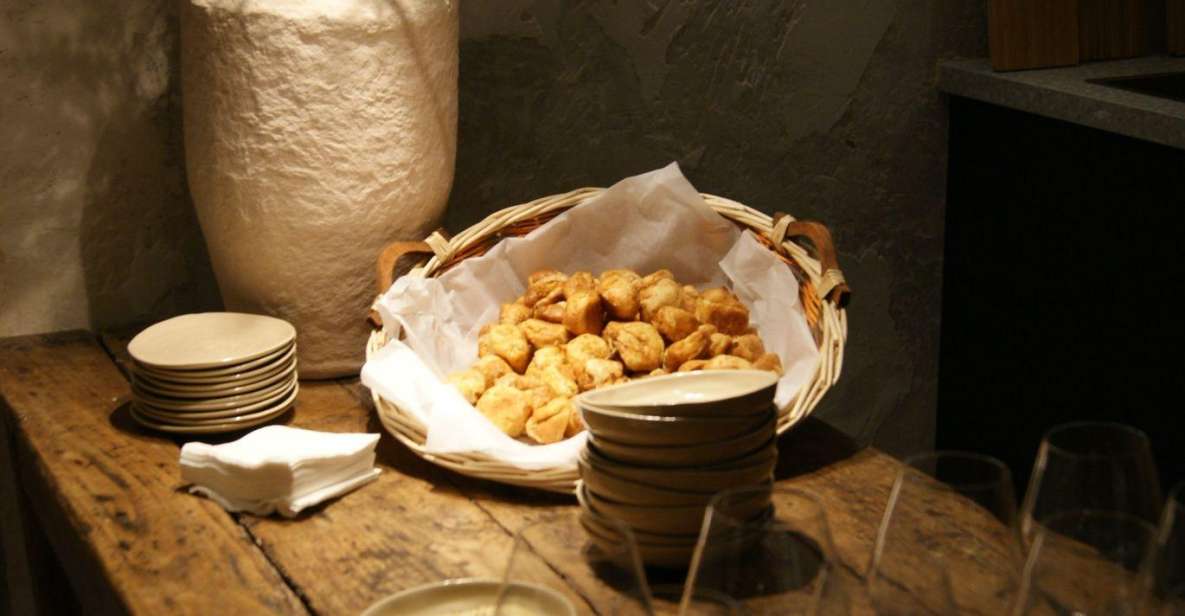
This tasting is built like a guided sampler with a clear shape. You’ll spend the hour tasting 2 white wines, followed by 2 red wines, and then finishing with 1 sparkling wine.
Why this order works:
- Whites first keep the palate clean as you start. If you’re trying to understand acidity, freshness, and how “light vs. structured” feels, this makes it simpler.
- Reds next shift you into the world of texture—think how a red can feel smoother, drier, or more tannic. You’ll get the contrast between styles as the session progresses.
- Sparkling at the end is the reset button. Ending with champagne-like sparkle (or Crémant from Burgundy or Loire) helps the tasting feel upbeat instead of heavy.
What I like about the structure is that it’s not random. You’re getting a “taste lesson” rather than a sip-and-go. And because the tasting is only 1 hour, the guide’s commentary tends to stay focused on the differences that matter.
There’s also mention of food bites alongside the wines. That’s practical. Wine tastes better when your mouth isn’t completely dry and you’re not thinking only about thirst.
Burgundy, Bordeaux, Rhône, Loire: Learning Terroir Without the Lecture Hall
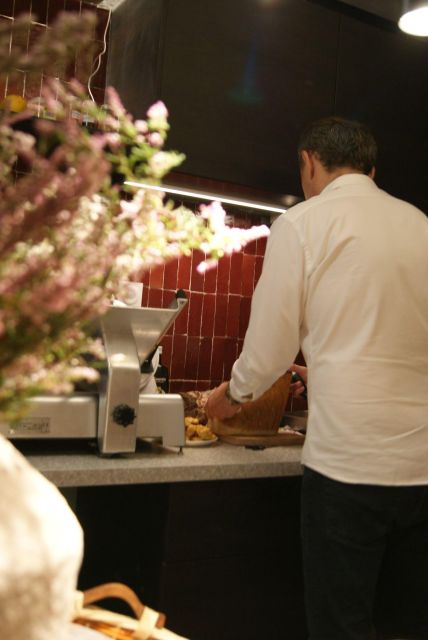
The tour is designed to help you understand the subtleties behind major French regions. You’ll specifically cover Burgundy, Bordeaux, the Rhône valley, and the Loire valley.
Even without getting overly academic, this kind of tasting can teach you the core idea: when people talk about terroir, they’re pointing to how a wine’s flavor and structure reflect where it comes from. So instead of memorizing labels, you start training your senses.
Here’s the practical way to experience it:
- Pay attention to how each wine feels in your mouth—freshness vs. weight.
- Notice if a wine tastes more about fruit, more about spice, or more about earthy or savory notes.
- Compare how whites and reds behave differently, even when the “region lesson” is the same.
The best value in this part isn’t that you’ll somehow become a wine expert in an hour. It’s that you’ll leave with a mental map you can use later. Next time you see a Burgundy-style bottle or a Loire-style bottle, you’ll know what to look for: the kind of balance you tasted here.
The Commentary Is the Real Attraction: Jean-Luc and Roman’s Friendly Style
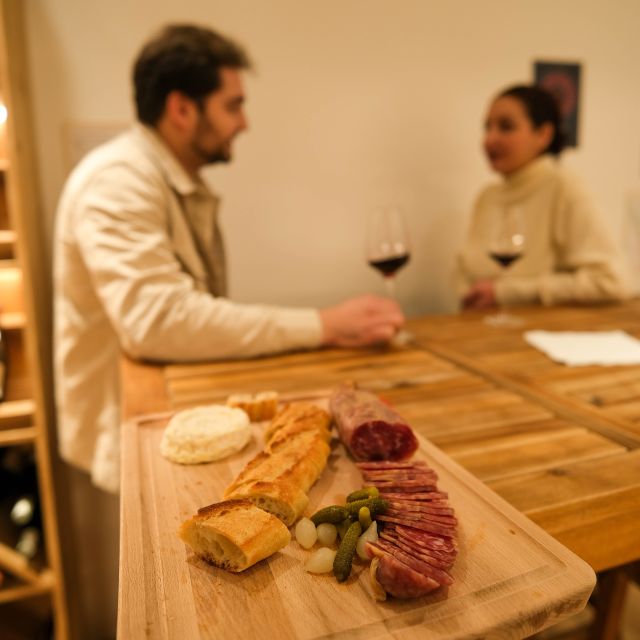
If you remember one thing from this experience, make it the guide’s tone. The most praised aspect is the thorough commentary, and the vibe is consistently friendly. In real examples, guides named Jean-Luc and Roman show up as approachable, and people end up staying longer than the planned hour just because the conversation is that easy.
That matters more than you might think. A tasting can fail if the guide sounds like a textbook. This doesn’t. The commentary is described as thorough, but it also feels interactive—like you can ask questions and actually get answers that connect to what’s in your glass.
So come in ready to participate a little. Ask what the guide thinks makes a wine taste the way it does. If you’re unsure what to ask, start with the simple stuff:
- Why does this wine feel different from the last one?
- What should I pay attention to—acidity, tannins, or aromas?
- How would you describe this region in plain language?
And yes, if you love something, you may want to consider taking a bottle home. There’s at least one mention of buying a wine to take away, which tells me the shop side of the experience is very much part of the deal.
You can also read our reviews of more wine tours in Paris


Price and Value at $81: What You’re Actually Paying For
At $81 per person for a 1-hour tasting, the real value isn’t just the number on the receipt. It’s what you get inside that hour:
- Five wines (2 white, 2 red, 1 sparkling)
- A live guide in French and English
- Commentary that aims to explain terroir differences, not just name wines
- A setting that’s hard to beat—right by Sacré-Cœur
- A private group format, which usually means you get more attention
If you’ve done tastings before, you know some are little more than self-guided sips. This is different because the lesson is part of the price. You’re not just trying to like wine—you’re learning how to taste it.
Who this value makes sense for:
- You want an organized introduction without planning a full afternoon
- You’d like a guide to explain the differences across French regions
- You like the idea of tasting enough to decide what you genuinely enjoy
Who might feel it’s not the best deal:
- If you already know exactly what you want and prefer a longer, heavier tasting with more bottles
- If you dislike tasting formats that move through several wines quickly
Who Should Book This Montmartre Wine Tasting (and Who Shouldn’t)
This experience is not suitable for children under 18 and it’s also not suitable for pregnant women. So it’s clearly an adults-only wine-focused setting.
It fits especially well if you:
- Want a romantic Montmartre moment that isn’t just sightseeing
- Like hands-on learning with a guide
- Prefer a short experience that still feels substantial (5 wines in 1 hour)
It may be less suitable if you:
- Want a long, slow tasting with many more pours
- Don’t drink alcohol and aren’t interested in wine-flavor education through tasting
Should You Book? My Take
Yes, I’d book it if you want a tight, high-quality way to understand French wine through the lens of Burgundy, Bordeaux, Rhône, and Loire—without turning it into a college course. The strongest draw is the thoughtful, approachable guide commentary, with people repeatedly highlighting that they loved the explanations and had fun talking during and even after the scheduled time.
The only real reason to skip is if you can’t do alcohol tastings, if the adults-only nature is a problem for your group, or if you want a longer tasting format than one focused hour.
If you’re planning a Montmartre day anyway, this is a smart add-on. It turns one hour into something you’ll actually remember—not just another stop with good views.
FAQ
How long is the Paris French wine tasting in Montmartre?
It lasts 1 hour.
What wines are included?
You’ll taste 2 white wines, 2 red wines, and 1 sparkling wine.
Where do we meet for the tasting?
The rendez-vous is directly at the cave Les Piqueurs, starting from 6 Rue Tardieu.
What languages is the tour guide available in?
The guide speaks French and English.
Is there free cancellation?
Yes. You can cancel up to 24 hours in advance for a full refund.
Is the experience suitable for children or pregnant women?
No. It’s not suitable for children under 18 and it’s not suitable for pregnant women.