REVIEW · PARIS
Paris : Highlights of Parisians’ Paris guided tour
Book on GetYourGuide →Operated by CONNECTING FRANCE · Bookable on GetYourGuide
Paris money trails are more fun on foot. This 2-hour guided stroll through the right bank turns famous landmarks into a story about money, style, and power, starting at Hôtel de Ville and ending near the Galeries Lafayette dome.
I love two things most: first, the way the guide connects “glamour” to real places and real timelines, so the walk feels logical instead of random photo stops; second, the slow pace of a max 11-person group, which makes it easy to actually look around (and not get steamrolled by the crowd). The main drawback: it’s flat walking, but it isn’t suitable for mobility impairments or wheelchairs.
In This Review
- Key highlights you’ll feel right away
- Starting at Hôtel de Ville: the “beginning” of Paris’ market power
- Hôtel de Ville to the Halles area: where daily commerce meets high style
- Passing through an 1826 passage: Paris style hiding in plain structure
- Palais-Royal: atmosphere, arcade life, and the pleasure of walking slowly
- Chic storefront streets near Place Vendôme: status made visible
- Opera Garnier from the outside: the theater story behind the spectacle
- Galeries Lafayette dome: a clean finish with a big visual moment
- Group size and guide energy: the difference between a walk and a show
- Price and value for $66: what you’re really buying in 2 hours
- Practical tips to make the most of it
- Who this tour suits best
- Before you book: quick reality check
- Should you book this Paris wealth-and-glamour walk?
- FAQ
- How long is the tour?
- What does the tour cost?
- How big is the group?
- Where does the tour meet?
- Which metro station should I use?
- Is the tour guided in English?
- Is it easy walking?
- Are monument or museum entrances included?
- Does the tour include pick-up or drop-off from my hotel?
- FAQ
- Can I cancel for a full refund?
- Is there an option to pay later?
Key highlights you’ll feel right away
- A tight, semi-private group (up to 11) that moves at a human pace
- Right-bank luxury storytelling that explains why Paris looks the way it does
- Covered passages and Palais-Royal atmosphere you can walk through comfortably
- Place Vendôme and the Napoleon statue as a quick hit of power and symbolism
- Opera Garnier’s story plus a Galeries Lafayette dome moment to cap it off
Starting at Hôtel de Ville: the “beginning” of Paris’ market power
Your walk kicks off at Place de l’Hotel de Ville, right by Bistrot Marguerite, near the river side. Look for your guide holding a sign for Connecting France. If you’re using the metro, Hôtel de Ville is served by Lines 1 and 11, so it’s easy to reach without complicated transfers.
What makes this opening work is the framing. Instead of launching into architecture facts, you get the idea of how this area grew into a magnet for merchants, money, and status. Your guide sets the tone by talking about Paris’s first market and how that early trading energy shaped the right bank into the place where wealth and glamour take center stage.
Even if you’ve been to Paris before, this kind of “why it’s here” start helps everything else click. You stop seeing landmarks as isolated postcard scenes and start seeing them as parts of one long development story.
You can also read our reviews of more guided tours in Paris


Hôtel de Ville to the Halles area: where daily commerce meets high style
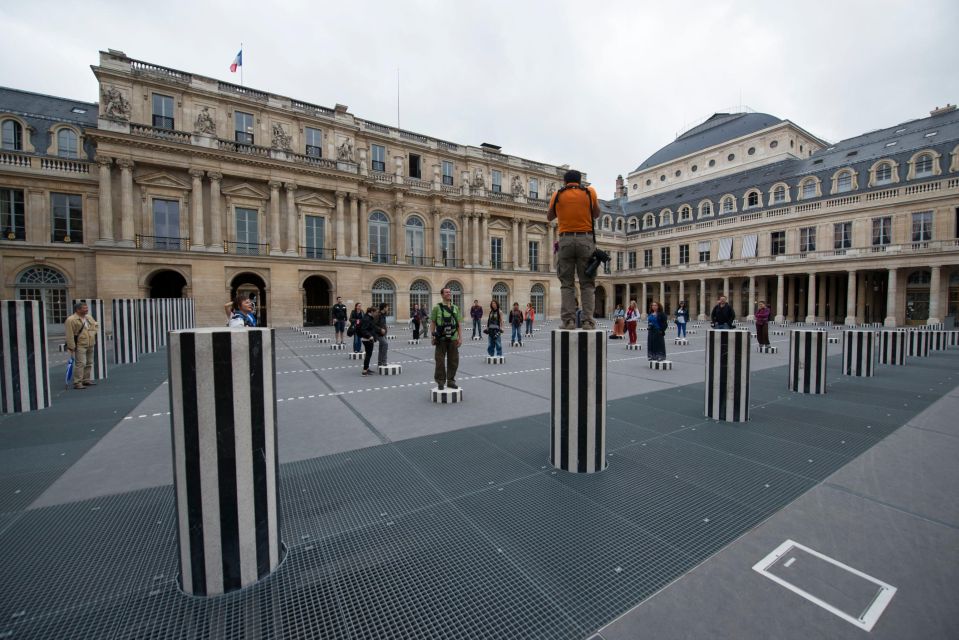
From Hôtel de Ville, the route flows into the surrounding streets toward Halles. This is the kind of area where you can feel Paris as both everyday and aspirational at the same time. The streets are lively, but the key point is that you’re learning how the city’s commercial roots evolved into the modern image of luxury.
You’ll also notice the walking rhythm: it’s paced so you can follow along without sprinting between corners. The guide keeps the group together, but you’re not jammed shoulder-to-shoulder. For me, that’s what makes a short tour actually enjoyable—your eyes have time to adjust to the details (signs, façades, small architectural touches) instead of only catching the big names.
Passing through an 1826 passage: Paris style hiding in plain structure
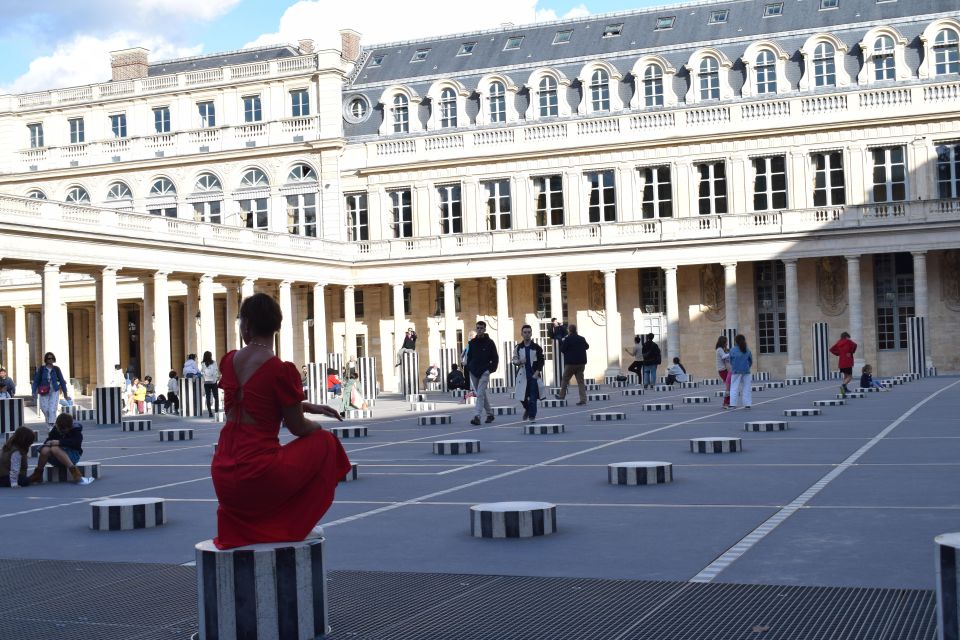
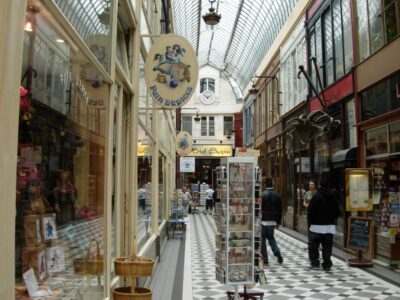
One of the most memorable parts is the covered passage element—specifically a passage dating to 1826 that your guide points out and shows in very good condition. This is the sort of thing you might walk past on your own without realizing why it matters, because it looks like “just another street connector” until someone explains how these passageways shaped pedestrian life, shopping, and shelter from weather.
Why this matters: in Paris, the in-between spaces often tell you the most about how people actually moved through the city. Covered passages are practical, but they’re also a mood—soft light, enclosed shopfront energy, and a calmer pace than the open streets.
If you like architecture and city planning (or you just enjoy figuring out what you’re seeing), this stop gives you that “oh, that’s how it works” feeling.
Palais-Royal: atmosphere, arcade life, and the pleasure of walking slowly
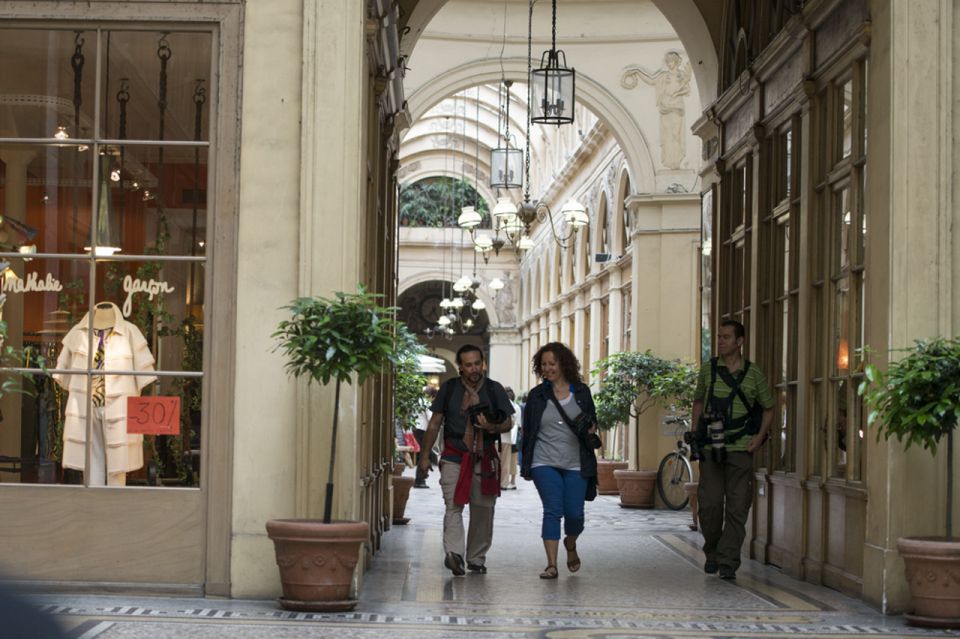
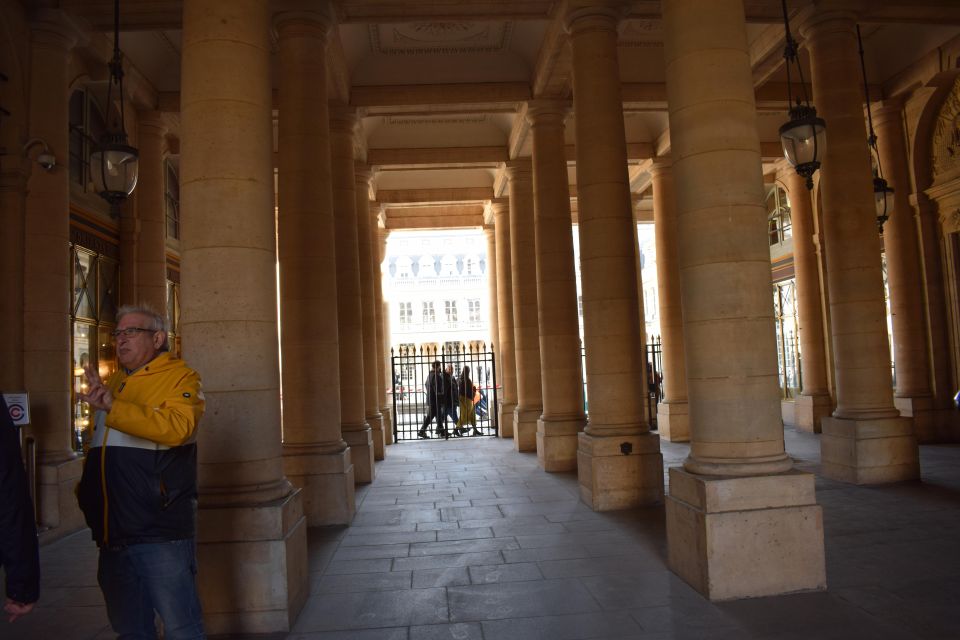
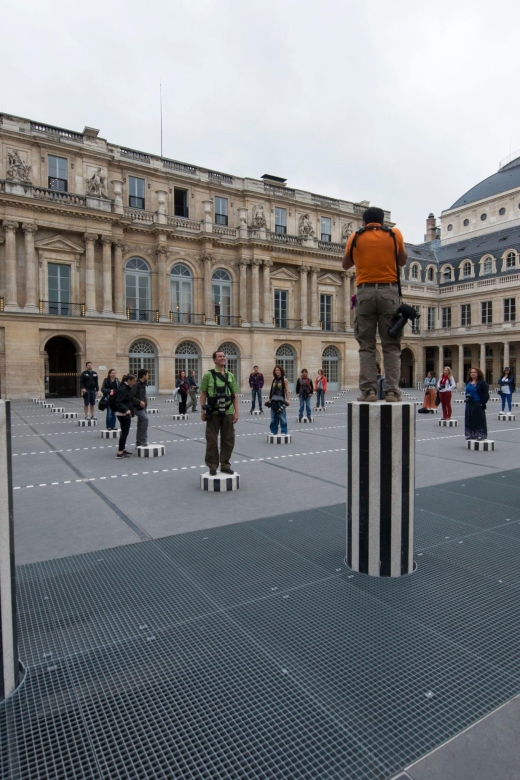
Next comes Palais-Royal, and this is where the tour really leans into atmosphere. Your guide leads you through the area with an eye for elegance that doesn’t scream. You get to experience how these spaces feel designed for wandering—arcades, walkways, and the kind of Paris calm that can’t be reproduced in a hurry.
What you’ll likely appreciate here is the balance between story and strolling. The guide doesn’t only list names; you get the sense of how Palais-Royal became a stage for culture, influence, and fashionable life. And since you’re walking, you’re not stuck looking at a single façade from a distance—you’re moving through the space.
This section is also great if you’re shopping-curious but not shopping-committed. You can browse without pressure, and you’ll still learn what you’re seeing.
Chic storefront streets near Place Vendôme: status made visible
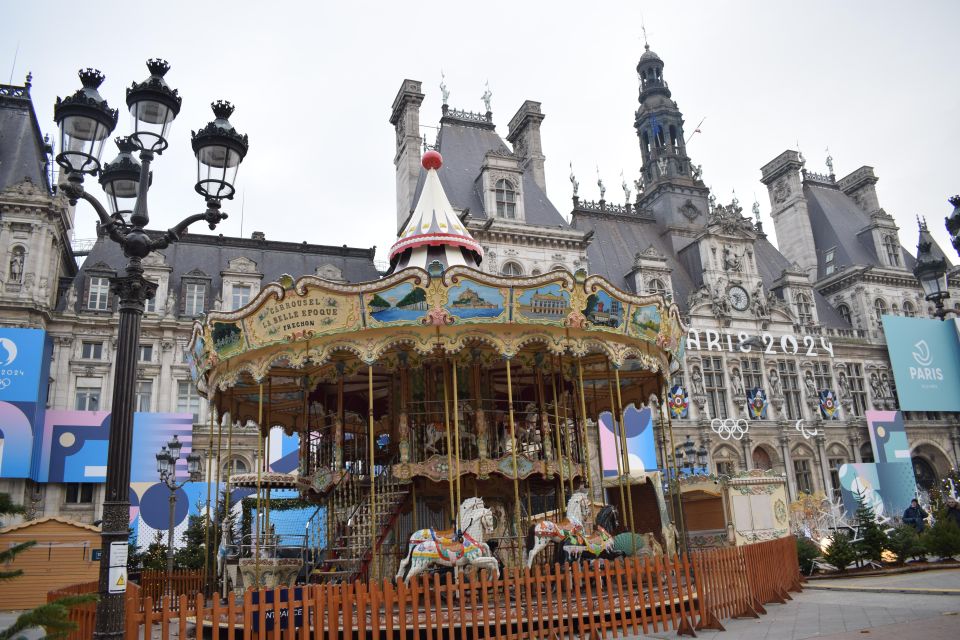
As the walk continues, you pass streets known for high-end boutiques. The route is designed so the glamour isn’t abstract—you’ll see the scale of luxury retail and the way it lines up with Parisian prestige.
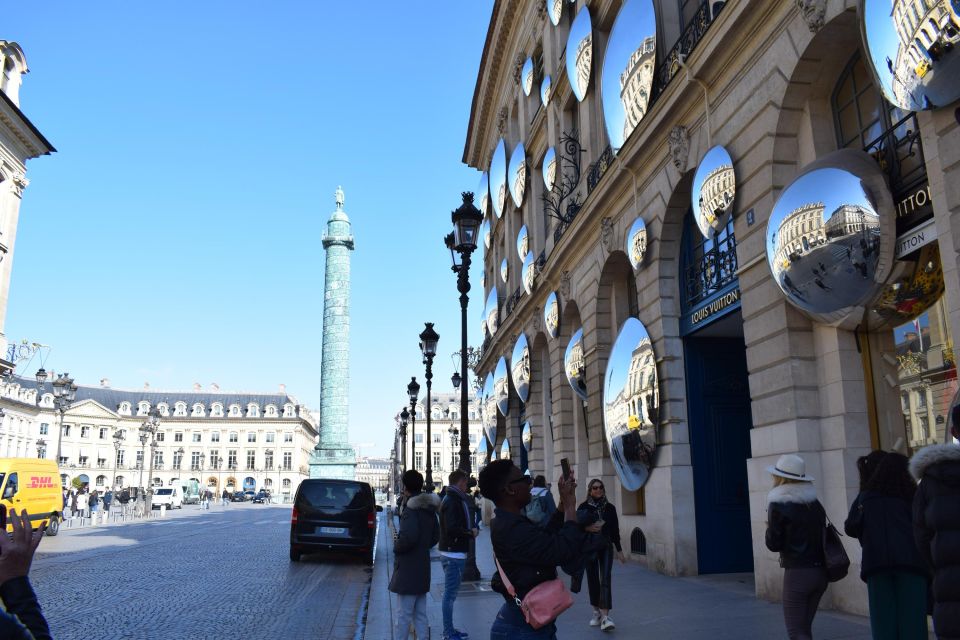
On your path, names like Cartier, Chanel, Louis Vuitton, and even references connected with the Ritz-style world appear along the way. You don’t need to buy anything for this to feel worthwhile. Think of it as a guided lesson in how Paris markets taste: storefronts, materials, and location all work together.
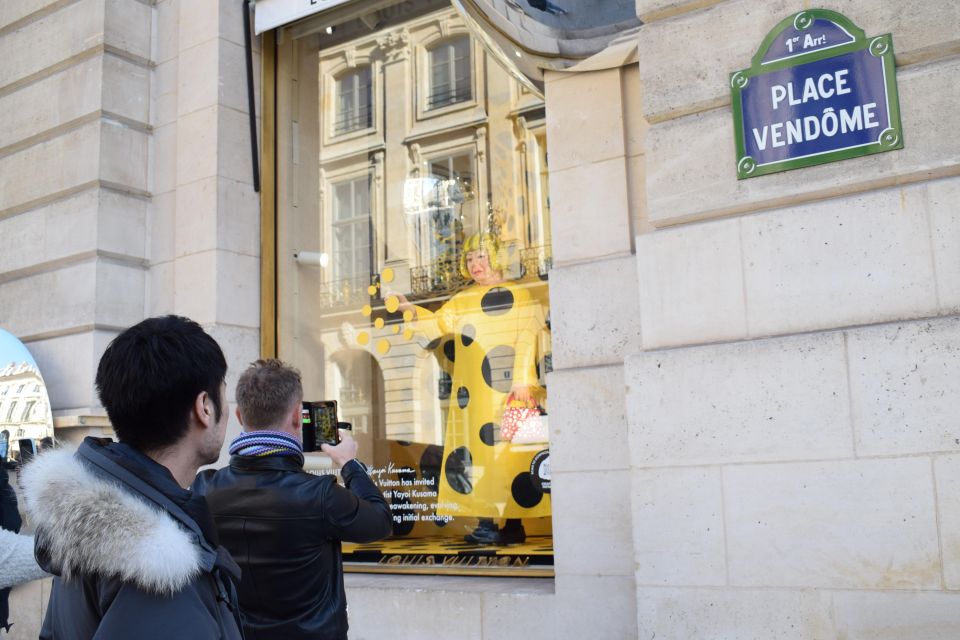
Then you reach Place Vendôme. This square is built by Louis XIV, and your guide connects its grandeur to the idea of power placed in public view. You’ll also see the statue of Napoleon as part of that message—an easy stop to take in quickly, but one that lands because you know what it’s trying to say.





Opera Garnier from the outside: the theater story behind the spectacle
From Place Vendôme, you head toward Palais Garnier (Opera Garnier). You pass by it as part of the flow, and your guide adds context—why it looks the way it does, and how the opera became part of Paris’s cultural image.
Even without going inside (entrances aren’t included for monuments and museums), this is still useful. Opera Garnier is one of those buildings where the outside can feel like pure drama, but it gets much more interesting when someone gives you the logic behind the design and reputation.
If you’re the type who likes seeing the “why” behind a famous façade, this stop will feel like a strong payoff. And because your walk is short overall, you’re not stuck waiting around for long entrances or ticket lines.
Galeries Lafayette dome: a clean finish with a big visual moment
The final stretch leads you to Galeries Lafayette, where your guide brings you in to see the famous dome. This is the kind of destination that works even if you’re not a dedicated shopping person. The dome is a visual reset: you go from street-level Paris to an interior grandeur moment that feels unmistakably Paris.
This stop also matches the tour’s overall theme. Luxury here is not just fashion—it’s architecture, craftsmanship, and a kind of public display that turns commerce into spectacle. Your guide helps you understand what you’re looking at so the dome moment feels earned, not random.
You’ll also have time on the spot for browsing and scenic views along the way, which is a nice balance after the heavier story parts earlier.
Group size and guide energy: the difference between a walk and a show
The tour works best because it’s small—semi-private or private service, with up to 11 people. That matters in Paris. Large group tours can turn into “see it, rush it, forget it.” Here, you can actually hear the explanation, and the guide can pace for the group without leaving you behind.
The guide quality is a big part of why the reviews are so high. I’m especially encouraged by the consistent praise for guides like Benjamin and Antoine for being well-prepared and energetic. One review even notes how friendly the guide was at the start, which matters because meeting points can be chaotic in any big city.
Tip for you: when you arrive, don’t stand in one place hoping someone appears magically. Check the sign and be ready to look for it immediately. That single habit saves time and keeps the tour from starting with stress.
Price and value for $66: what you’re really buying in 2 hours
At $66 per person for a 2-hour guided walk, you’re not paying for a full-day museum schedule. You’re buying two things: expert narration and a smart route that compresses multiple major landmarks into one coherent “wealth and glamour” theme.
Is it expensive? Paris tours can range a lot, but for this experience the value is in the structure. You get a guided story that starts in the city’s early market context, connects to luxury retail streets, and then lands at major visual icons like the Opera Garnier area and the Galeries Lafayette dome. You’re also not stuck with long downtime—this is a walking tour that keeps moving at a pace that lets you watch and listen.
If you want the best value, aim to do this early in your trip. It gives you a mental map of the right bank and a feel for how different areas evolved. Then, when you walk on your own later, you’ll understand what you’re seeing faster.
Practical tips to make the most of it
- Bring comfortable shoes. The tour is flat, but it still adds up.
- Expect a walking style that’s easy to follow but not slow enough for long stops everywhere.
- Camera time is best at anchors: Palais-Royal atmosphere, Place Vendôme, Opera Garnier exterior views, and the Galeries Lafayette dome.
- If you’re picky about where you stand for photos, pick a spot and then listen—don’t try to do both at once.
Who this tour suits best
This is a smart choice if you want a quick, story-led walk through Paris’s wealth-and-style zone without committing to a big ticket museum day. It also fits you if you like city atmosphere—covered passages, elegant streets, and the kind of architecture you’d miss without guidance.
It’s less ideal if your priority is deep museum content or long sit-down breaks. This is primarily a narrative walking tour, not a slow “linger all afternoon” experience.
Before you book: quick reality check
This tour is English guided, and it’s not suitable for people with mobility impairments or wheelchair users, even though the route is described as flat-walking. If that affects you (or your traveling companion), it’s worth looking for a more accessible option elsewhere.
Also note that entrances to monuments or museums in the area aren’t included. That doesn’t kill the experience—Opera Garnier and the Galeries Lafayette dome can still be seen in a meaningful way—but it’s best to plan around “view and learn” rather than expecting full interior monument access.
Should you book this Paris wealth-and-glamour walk?
I’d book it if you want a focused 2-hour orientation to the right bank—one that connects the dots between early markets, covered passages, high-end shopping streets, and the big iconic visuals at the end. The small group size, the emphasis on atmosphere, and the consistent praise for guides like Benjamin and Antoine make it a strong pick for a first or second visit.
Don’t book it if you need wheelchair-friendly routing or if you’re hunting for a heavy, museum-style day. But for a classy, efficient introduction to Paris’s most money-soaked neighborhoods—with enough story to make it stick—this is a practical win.
FAQ
How long is the tour?
The guided walking tour lasts 2 hours.
What does the tour cost?
The price is $66 per person.
How big is the group?
The tour is semi-private or private, with a maximum group size of 11 persons.
Where does the tour meet?
The meeting point is Place de l’Hotel de Ville, close to the river side, in front of Bistrot Marguerite.
Which metro station should I use?
Use the Hôtel de Ville metro station on Lines 1 and 11.
Is the tour guided in English?
Yes, the live tour guide speaks English.
Is it easy walking?
It’s described as flat-walking, but it is not suitable for persons with mobility impairments or wheelchair users.
Are monument or museum entrances included?
No. Entrances to monuments or museums in the area are not included.
Does the tour include pick-up or drop-off from my hotel?
No pick-up / drop-off services from your accommodation are included.
FAQ
Can I cancel for a full refund?
Yes, it offers free cancellation up to 24 hours in advance for a full refund.
Is there an option to pay later?
Yes. You can reserve now and pay later.