REVIEW · PARIS
Skip-the-line Rodin Museum Tour with Artist
Book on GetYourGuide →Operated by That Time in Paris · Bookable on GetYourGuide
Rodin feels alive through an artist’s eye. This skip-the-line, private tour is interesting because it pairs an artist-guide with a fast, focused route through the Musée Rodin and its gardens, so Rodin’s technique makes sense in real time. What I love most is how the guide (for example, Blerta, based on past groups) translates big ideas into specific details, and how the skip-the-line entry keeps your time spent looking, not queuing.
The main thing to consider is the pace: you only have 2 hours, so if you want to read every label and wander slowly, you may feel slightly time-crunched.
In This Review
- Key things you’ll notice on this Rodin tour
- Starting at Musée Rodin: how the skip-the-line actually helps
- Meeting your artist-guide (and why their perspective changes everything)
- The iPad tool: using images to read sculptures faster
- Inside the Rococo mansion: where Rodin’s world becomes tangible
- Antique fragments: the surprising key to Rodin’s style
- “Unfinished masterpieces” and the drama of process
- The practical pace shift: café stop at L’Augustine
- Leaving the indoors: scenic views and a slower kind of looking
- Rodin’s Sculpture Garden: bronzes you recognize, explained you didn’t expect
- Price and value: is $234 per person worth it?
- Who should book this Rodin skip-the-line artist tour?
- Should you book this Rodin Museum artist tour?
- FAQ
- How long is the Rodin Museum skip-the-line tour with an artist?
- Where do we meet the guide?
- Does the tour include skip-the-line entry?
- What’s included besides the guided tour?
- Are food and drinks included?
- What languages is the tour offered in?
Key things you’ll notice on this Rodin tour
- Skip-the-line entry through a separate entrance so you start the museum part quickly
- Artist-guide explanations tied to technique, not just names and dates
- A museum-and-gardens route that balances indoor masterpieces with outdoor Sculpture Garden views
- Rodin’s antique fragments collection, framed as part of his creative process
- Short “reset breaks” (including coffee at L’Augustine) to keep the tour enjoyable
- Iconic bronzes like The Thinker placed in context, not treated like a photo stop
Starting at Musée Rodin: how the skip-the-line actually helps
The day begins right at the Musée Rodin entrance. The biggest practical win here is that you don’t have to stand in the general entry line, because the tour uses skip-the-line tickets and a separate entrance.
That matters for two reasons. First, Rodin is best when you’re fully in looking mode, not half-awake while waiting. Second, this tour is only 2 hours, so time saved at the front end can be spent inside on the sculptures and in the gardens where the light changes what you see.
If you’re the type who likes to get oriented fast—find the key works, get your bearings, then explore further later—this style of start fits well.
You can also read our reviews of more museum experiences in Paris
Meeting your artist-guide (and why their perspective changes everything)
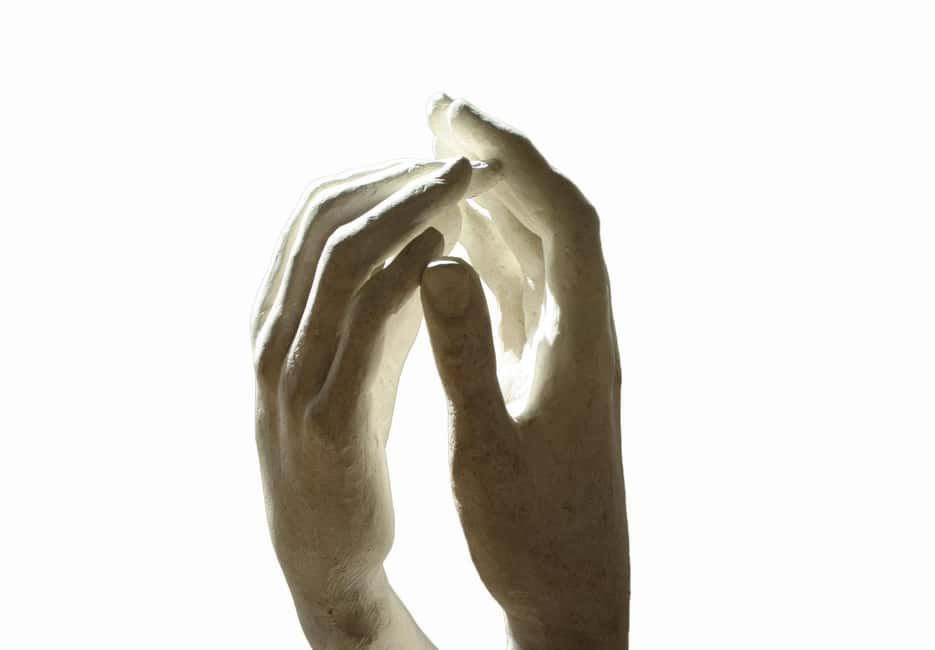
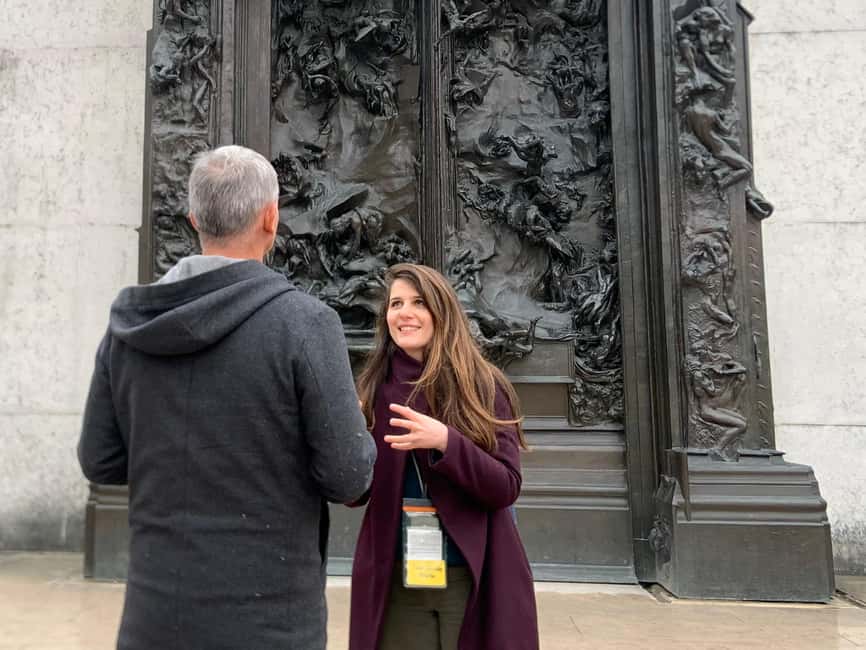
What you’re paying for isn’t just access. It’s the point of view of an artist-guide who can talk about the work like someone who’s made things, not just studied them.
This is where the tour has a real edge: you’re guided through Rodin’s creative arc—from his classical beginnings to the world of unfinished masterpieces—and you’re shown how he pushed sculpture into something more physical and more emotional. Instead of treating Rodin as a monument, the tour frames him as an experimenter.
In past tours, the guide Blerta has been praised for being personable, engaging, and able to connect historical context with hands-on style explanations. Even if you don’t get her, the format is built around the same idea: the guide uses clear, artist-to-artist language to help you see how shapes and surfaces create meaning.
The iPad tool: using images to read sculptures faster
You get a curated iPad collection included in the tour. The point isn’t to replace the real sculptures; it’s to help your brain “see” what you might miss at first glance—Rodin’s process, the evolution of an artwork, and the larger story around the pieces.
In practice, this kind of visual support works well when you’re moving through a museum on a timer. You can focus your eyes on the real surfaces, then use the iPad moments to anchor what you’re looking at.
Think of it like a field guide for artists’ eyes: it helps you interpret form, not just admire it.
Inside the Rococo mansion: where Rodin’s world becomes tangible
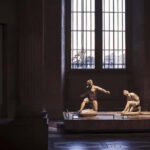
The tour takes you into the rococo mansion that houses Rodin’s greatest masterpieces and an antique collection. That setting is more than a pretty shell. The rooms help you understand how Rodin’s sculptures live with light and space—how shadow, angles, and distance shape the feeling of movement.
Your indoor portion is about 1 hour, focused on a guided visit of the museum. This is the section where you’ll trace Rodin’s evolution and understand why his approach feels so modern, even though sculpture is an ancient medium.
You’ll also get a sense of the studio process through the guide’s explanations. Rodin isn’t presented as someone who created a single polished final product. You’re shown how his thinking includes variation, fragments, and even the energy of what’s left incomplete.
Antique fragments: the surprising key to Rodin’s style
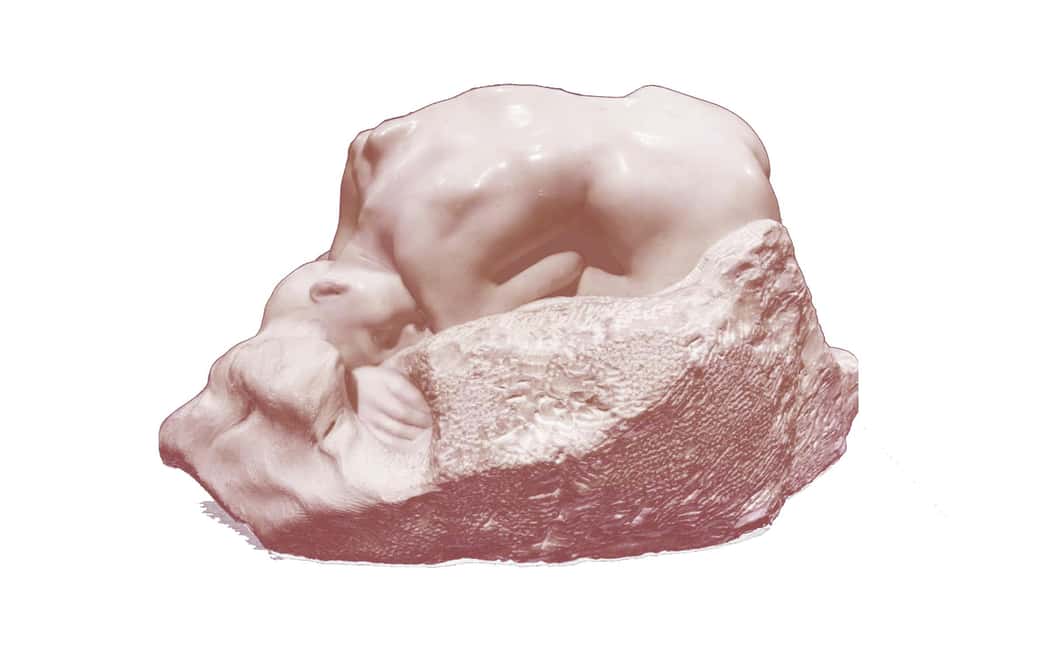
One of the most interesting parts of this experience is that you’re not only looking at famous bronzes. You’re also guided to Rodin’s collection of antique fragments and the way they fit into his creative journey.
This helps because it explains why Rodin’s forms feel both familiar and strange. Antique fragments connect him to tradition, but Rodin treats them as raw material for new ideas.
When you understand that link, the sculptures stop feeling like isolated masterpieces and start looking like steps in an ongoing method. You’ll likely find yourself looking at arms, torsos, and drapery-like forms with more attention—how the body twists, how surfaces catch light, and how texture can look like skin or stone depending on where you stand.
You can also read our reviews of more tours and experiences in Paris


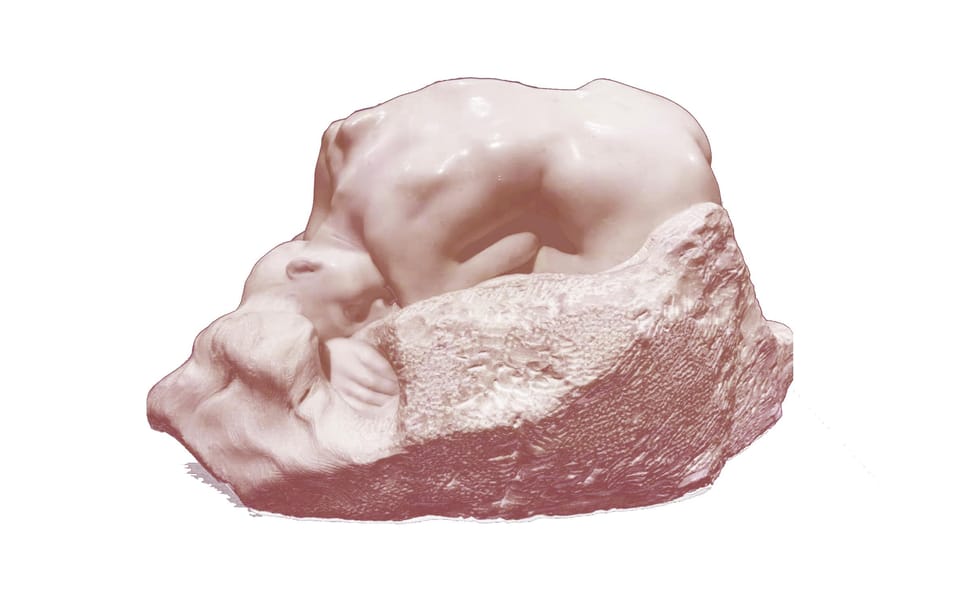
“Unfinished masterpieces” and the drama of process
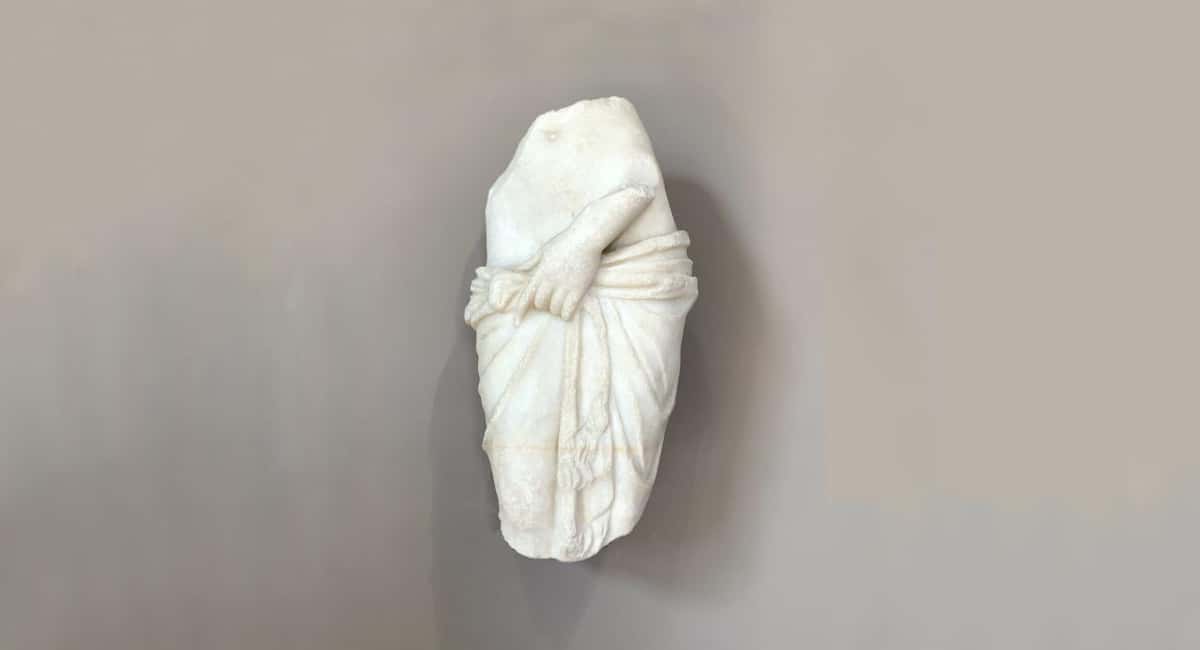
Rodin’s unfinished works can feel frustrating at first. Many people expect polished edges and finished details before they can call something a masterpiece.
This tour nudges you past that expectation. You’ll be guided from his classical beginnings toward the more experimental side of his work, including the energy of unfinished forms. The big idea is that Rodin’s process matters—his choices about what to emphasize, what to cut back, and what to leave in motion.
If you’ve ever wondered why sculpture can feel like it’s breathing, this is where you start getting an answer. The guide’s artist lens connects the dots between twisted limbs, monumental enlargement, and the push-pull of raw stone and polished surfaces.
The practical pace shift: café stop at L’Augustine
After the museum time, you get a short break: 10 minutes at Café – Restaurant L’Augustine for coffee. It’s not a full meal stop, and you should plan accordingly, but it’s a smart reset.
Museums can blur together, especially when you’re learning a lot at once. This pause helps you regroup so the garden part doesn’t feel like “more of the same.”
Also, it’s a relief if you’re sensitive to crowds or noise. Even a quick sit down can bring your attention back to the art.
Leaving the indoors: scenic views and a slower kind of looking
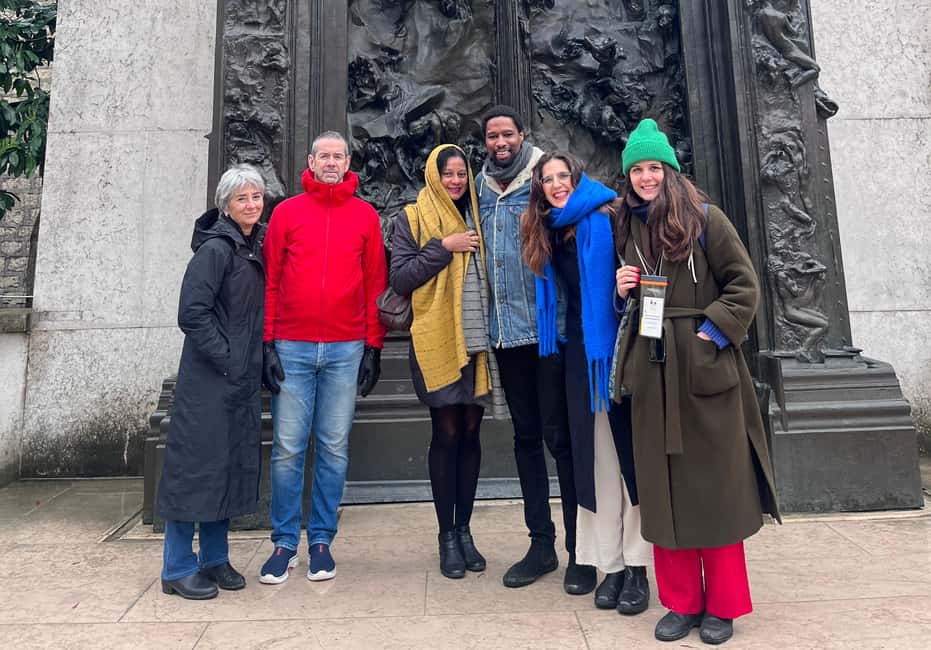
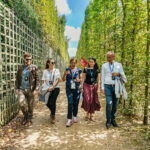
Once you’re done with the museum segment, you’ll have about 50 minutes of walking, with scenic views along the way. This portion is valuable because Rodin’s work often changes with distance and light.
The gardens are not just an add-on. They’re part of how the sculptures are meant to be seen—spaced out in ways that let you notice how shapes relate to walking routes and shifting perspectives.
If you love photography, you’ll likely enjoy this stretch because angles matter here. If you don’t care about photos, it’s still worthwhile: the outdoor route gives your eyes a break from indoor ceilings and label text.
Rodin’s Sculpture Garden: bronzes you recognize, explained you didn’t expect
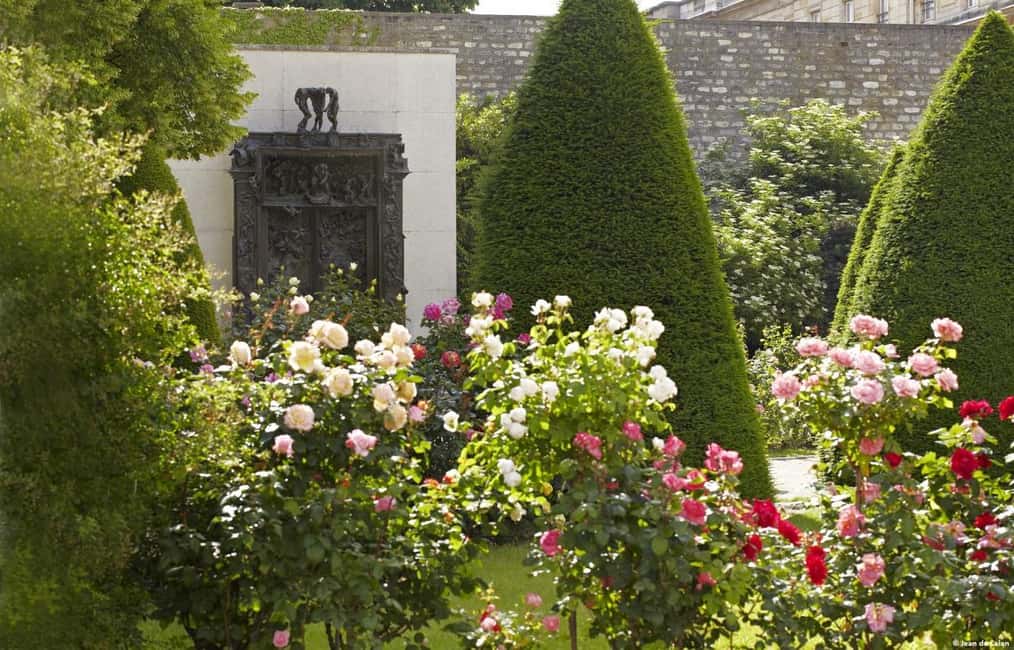
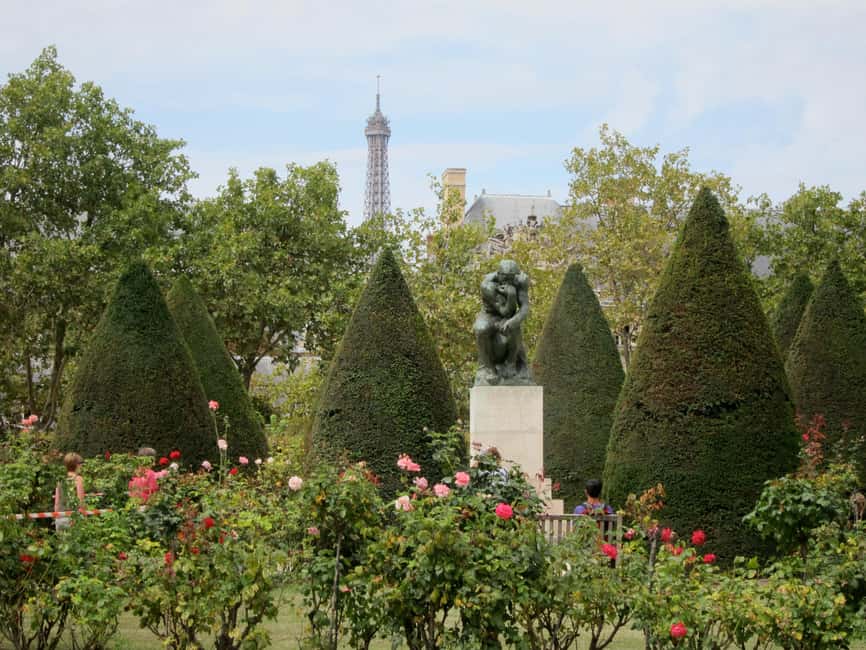
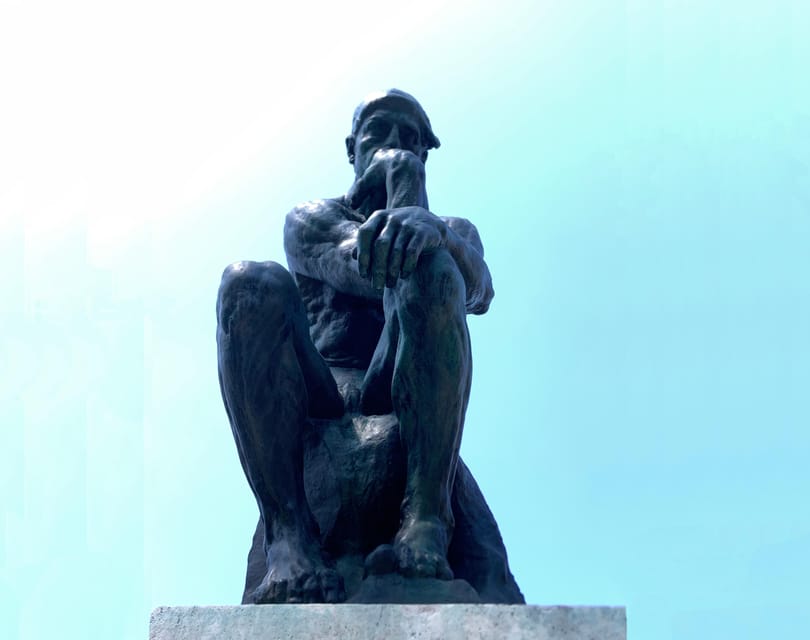
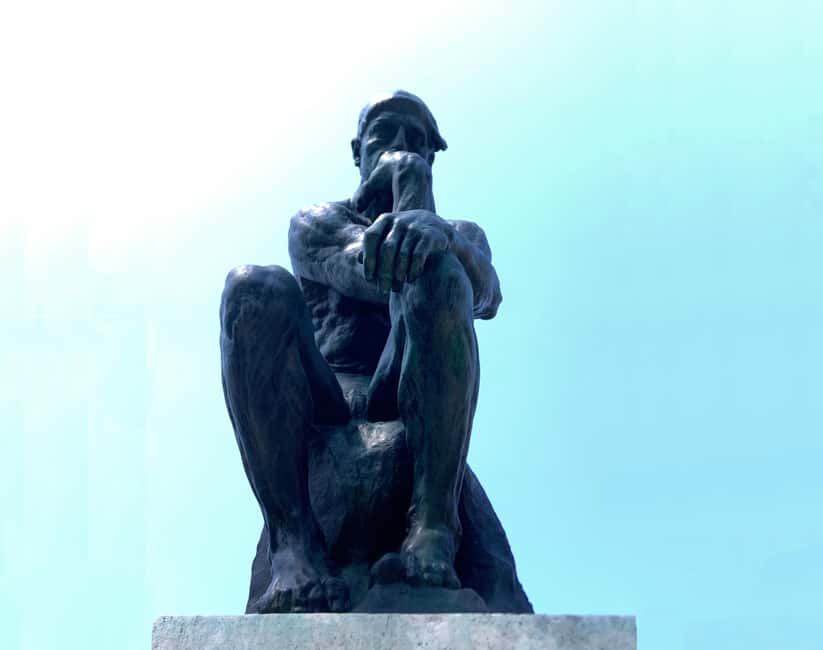
The tour highlights the majestic gardens, dazzling views, and iconic bronzes like The Thinker. The key difference in this experience is that you’re not only arriving at a famous sculpture for a quick picture.
You’re guided to connect it to Rodin’s broader approach—how he builds tension in a pose, how he turns the idea of thought into an entire physical landscape, and how surface texture can suggest both weight and motion.
That’s the kind of context that makes a bronze feel more than a landmark. You start noticing structure: where the body compresses, where it expands, and how the composition holds your attention like a scene.
If you usually find outdoor sculptures harder to appreciate than paintings, don’t skip this garden portion. The tour’s explanation style is built to help your brain read sculpture in motion, not just in stillness.
Price and value: is $234 per person worth it?
At $234 per person for a 2-hour private-leaning experience, you’re not buying a bargain. You’re buying focus.
Here’s the value case that makes sense for this tour:
- Skip-the-line access helps you protect your limited time at the museum
- An artist-guide means you’re paying for interpretation, not just entry
- The included iPad visuals reduce the “blank space” feeling you can get in museums
- You get both museum + gardens, so you’re not piecing together everything on your own
If you’re visiting on a tight schedule, this can actually feel efficient. You’re getting a structured route with a guide who explains technique and evolution, which is hard to replicate on your own in the same short time.
If you’re the kind of traveler who loves wandering with a guidebook and spending hours on your own, you might not need this level of support. But if you want Rodin to click—fast—this is the kind of guided format that tends to pay off.
Who should book this Rodin skip-the-line artist tour?
This tour fits best if you:
- Want artist-level explanations and clear visual context for famous works
- Prefer a structured route so you don’t miss key parts of the museum and gardens
- Are short on time but still want a meaningful experience, not just photos
- Like the idea of seeing Rodin’s process, including unfinished works and fragments
It also helps that the tour is wheelchair accessible and that private group options are available if you want a more tailored experience.
If you’re traveling with someone who loves art but gets impatient with long, generic museum tours, this guide-led approach tends to keep attention moving.
Should you book this Rodin Museum artist tour?
Yes—if you want Rodin to make sense quickly. This experience is designed for momentum: skip-the-line entry, an artist-guide who connects technique to specific works, and a route that moves from indoor masterpieces to outdoor bronzes without wasting time.
Skip it only if you’re planning to do a very slow, self-guided museum day. With just 2 hours, you won’t have the luxury of lingering over every label or building your own path from scratch.
FAQ
How long is the Rodin Museum skip-the-line tour with an artist?
The tour duration is 2 hours.
Where do we meet the guide?
You meet in front of the entrance of the Rodin Museum.
Does the tour include skip-the-line entry?
Yes. You get skip-the-line entry tickets to the Rodin Museum and the gardens, using a separate entrance.
What’s included besides the guided tour?
In addition to the guided tour of the museum and gardens, you get a local artist-guide, a handpicked iPad collection to imagine the work and life of Rodin, and the skip-the-line tickets.
Are food and drinks included?
No food and drinks are included, but there is a short coffee break stop at L’Augustine.
What languages is the tour offered in?
The live tour guide is available in English and French.
If you want, tell me your travel dates and whether you’re more into sculptures, photography, or art history—and I’ll help you decide if you should pair this with extra time on your own in the gardens.