REVIEW · PARIS
Paris: Latin Quarter and Saint Germain Guided Walking Tour
Book on GetYourGuide →Operated by Black Cat Tours Paris · Bookable on GetYourGuide
Left-bank Paris hits different when you walk it. This Latin Quarter and Saint-Germain-des-Prés guided tour strings together famous landmarks and human-scale stories, from artists’ studios to the French Revolution, ending near Notre-Dame.
What I like most is how the route turns well-known sights into something you can actually picture. I also love the guide energy—people rave about guides like Ewan, Laleh, and Johnny for pacing and story-telling. The one thing to watch: it’s a mostly on-foot outing, and it’s not set up for people with mobility impairments or wheelchair needs, plus the Pantheon is outside-only.
In This Review
- Key highlights you’ll care about
- Why this Saint-Germain + Latin Quarter route feels practical
- The starting moment: Saint-Germain-des-Prés and the left bank mood
- Saint-Germain streets: writers, artists, and the kind of “Paris you can picture”
- The Luxembourg Gardens stop: why this park isn’t just a pretty break
- Latin Quarter energy: Sorbonne and the neighborhood of classrooms
- The Pantheon area: Revolutionary ideas without the inside crowds
- Notre-Dame finish: timing your next step
- What the guides do that makes the tour feel worth it
- Pace, duration, and what to pack so it stays fun
- Price and value: $41 for a guided Left Bank day-plan
- Who should book this tour (and who should rethink it)
- After the tour: how to keep the day rolling
- Should you book this Latin Quarter and Saint-Germain walking tour?
- FAQ
- Where does the tour start?
- How long is the walking tour?
- What’s included and what isn’t?
- What language is the tour offered in?
- What should I bring?
- Is it wheelchair accessible?
Key highlights you’ll care about
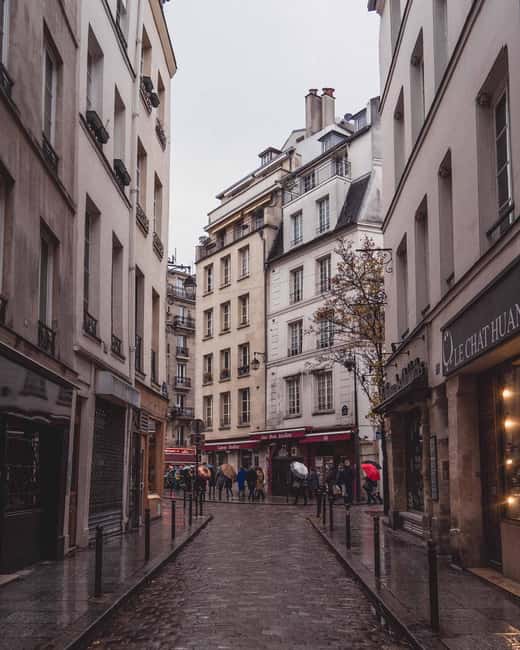
- Start at Saint-Germain-des-Prés and get quick context for why the Left Bank matters
- Luxembourg Gardens stop for atmosphere plus political and cultural backstory
- Sorbonne and the university zone—you’ll connect street corners to real education-era influence
- Pantheon from outside with Revolutionary clues you’ll actually remember
- Finish near Notre-Dame so you can keep exploring right after the tour
Why this Saint-Germain + Latin Quarter route feels practical
Paris can be overwhelming if you only hit big-ticket spots. This tour helps you do something smarter: it links places that are close together, then explains why they’re connected. You get a sense of the Left Bank as a working neighborhood—not just a museum you pass through.
At the heart of it is a simple idea: walking at human speed. The streets in Saint-Germain and the Latin Quarter make you slow down without thinking about it. That’s when stories land. A building becomes a clue. A square becomes a moment. A church or university facade becomes the backdrop for what people argued about, wrote about, or got punished for.
This is also a value-friendly way to see a lot in a fixed time. You’re paying for a guide’s time plus access to the “how and why” behind major sites like Notre-Dame and the Pantheon area—even if the Pantheon interior isn’t included.
You can also read our reviews of more walking tours in Paris



The starting moment: Saint-Germain-des-Prés and the left bank mood
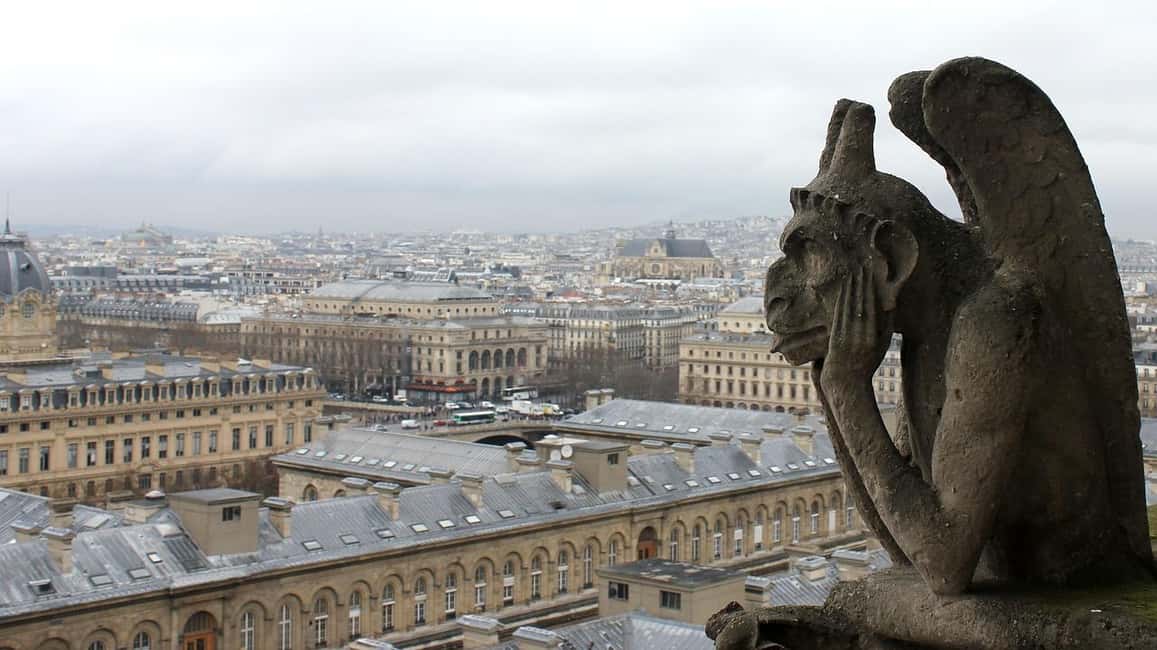
You begin near Church of Saint-Germain-des-Prés, meeting outside the door. That matters more than it sounds. The church anchors the tour in real time—old stones, daily life nearby, and the feeling that you’re starting in the oldest layer of the neighborhood.
From there, you’ll walk through the 6th Arrondissement and shift into the 5th, which is where the Latin Quarter identity really shows up. The guide’s job is to keep you oriented as the geography changes: different streets, different vibes, different types of landmarks.
Early on, you’ll also get used to what this tour does well: it mixes major Paris icons with the smaller, more personal places linked to writers and artists. It’s the difference between seeing a church and understanding what it represented in the community around it.
Saint-Germain streets: writers, artists, and the kind of “Paris you can picture”
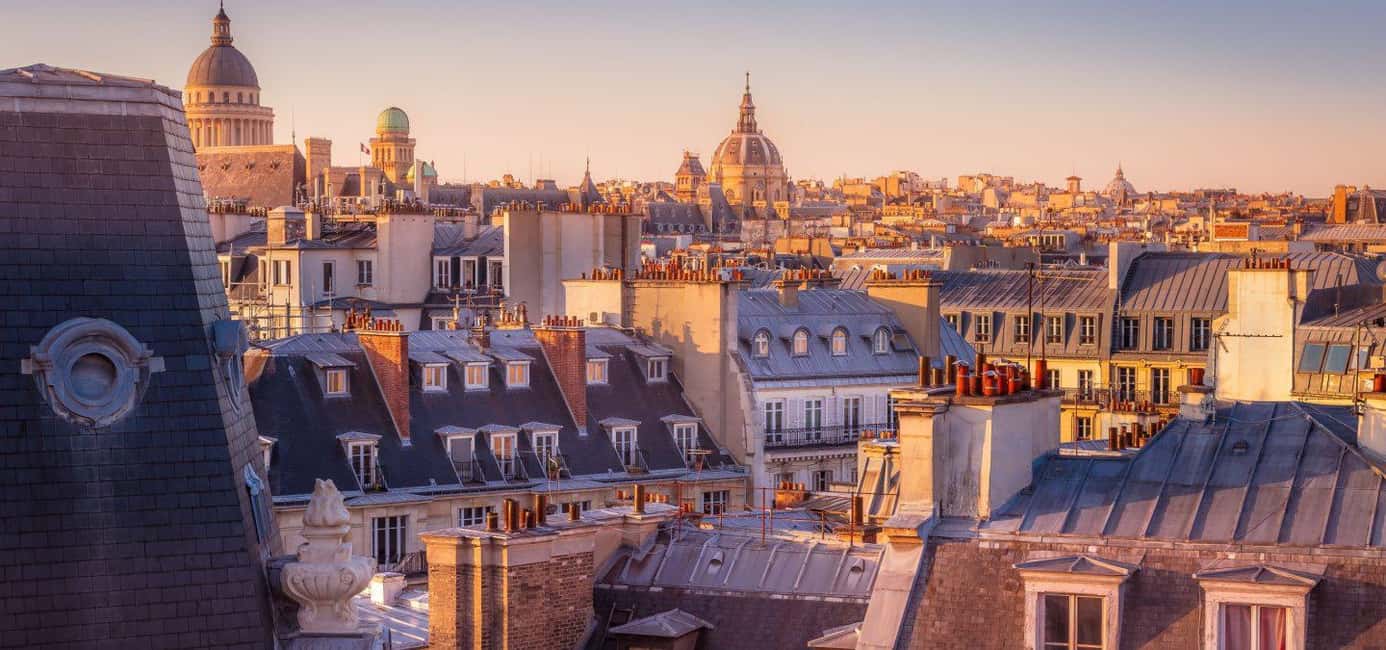
The Saint-Germain stretch is the part you’ll likely remember most clearly because it’s so atmosphere-heavy. The guide threads together the neighborhood’s creative reputation with actual sites you can stand in front of.
In particular, you might pass references tied to famous artists and writers—things like an area connected to the Romantic painter Eugène Delacroix, and links to homes associated with writers such as Ernest Hemingway. Even when you’re not going inside a place, the guide’s explanations help you understand why a “simple” facade mattered.
You’ll also get a sense of how cafés and public spaces shaped conversations. One review highlighted pairing the tour with lunch at Les Deux Magots, which is nearby in the spirit of the neighborhood. I like that this kind of tour doesn’t trap you in museum mode. You can keep moving afterward and make the day yours.
The Luxembourg Gardens stop: why this park isn’t just a pretty break
After Saint-Germain’s literary and artistic vibe, the route pushes toward the Luxembourg Gardens. This is not just a scenic pause. It’s a strategy stop.
Gardens in Paris often served as more than decoration. They were places for watching, debating, learning, and performing public life. With the guide’s explanation, you start to connect the green space to the social energy of the Left Bank.
You’ll also appreciate the practical side: gardens give your legs a chance to reset. You’re still walking, still seeing, but with a natural slowdown. That helps on a three-hour tour, especially if the weather is warm or the pavements are crowded.
If you like when a tour gives you a “mental movie,” the Luxembourg section is where it tends to click. It’s also a nice zone for taking photos without feeling like you’re sprinting from one landmark to the next.
Latin Quarter energy: Sorbonne and the neighborhood of classrooms
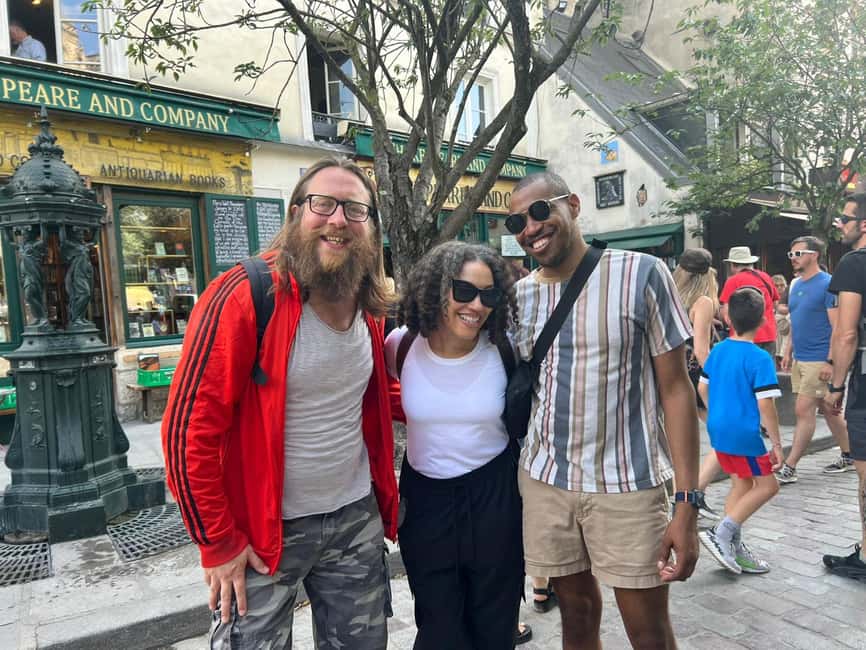
Next comes the university atmosphere. The tour includes the Sorbonne area, and that’s where you’ll start noticing how education shaped power and identity on the Left Bank.
Even if you’re not a student of history, you can feel the theme: ideas move here. People built reputations, argued in public, and created influence that extended beyond Paris. The guide’s storytelling style matters because it turns “that’s a big building” into a place you understand in context.
A nice bonus is that you’re not limited to a single campus view. You’ll pass through street-level Paris around the university zone, which helps you see the contrast between grand institutions and everyday life.
This part of the tour also tends to work well for first-timers. If you’ve only heard about the Latin Quarter in broad terms, the Sorbonne area gives you something concrete to map.
You can also read our reviews of more guided tours in Paris




The Pantheon area: Revolutionary ideas without the inside crowds
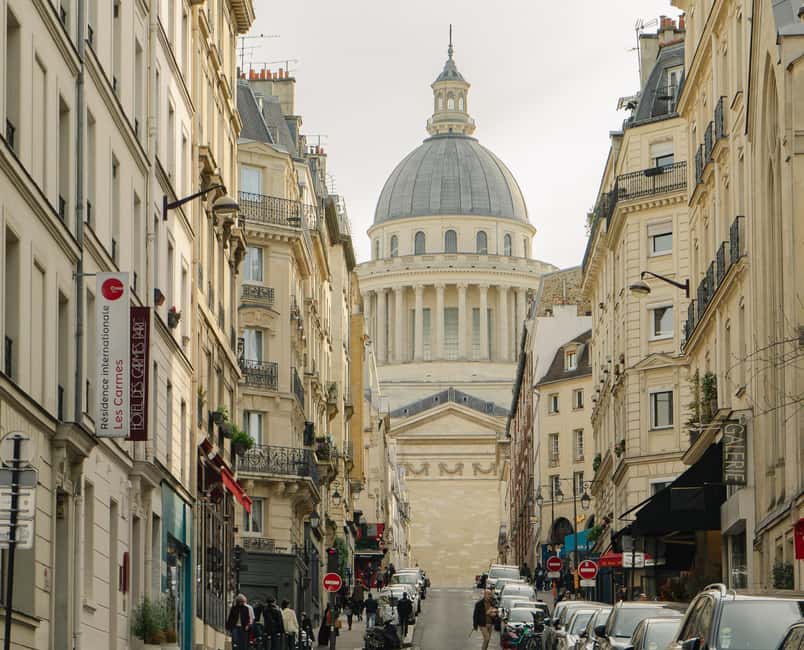
The tour includes Pantheon sights from outside. Entry is possible but not included in the tour price.
That outside-only approach is actually a good fit for most people. Interiors can be impressive, but they also pull you into a different type of visit—tickets, timed entry, and the reality of lines. By staying outside, you get the big visual landmark and the historical framing, while keeping the pacing of the walking route intact.
You’ll also connect the Pantheon to the larger Revolution-era narrative: who challenged authority, what changed, and how Paris rebuilt its identity after political upheaval. When the guide brings those threads together, the area feels less like “just a monument” and more like a marker of what the city wanted to remember.
One practical note: the Pantheon’s interior can be affected by events. Even if interior access isn’t smooth, you’ll still get the key exterior view and explanation as part of the walk.
Notre-Dame finish: timing your next step
The tour ends near Notre-Dame, which is a smart finish line. You’re not stuck waiting for a late train afterward—you’re right where the rest of the day can happen.
This ending is useful because Notre-Dame is usually a destination people want to explore further on their own. Walking tours are great for orientation and context, but you may want extra time for photos, lingering, or just taking in the square-level atmosphere at your own pace.
If you plan to keep exploring immediately, wear shoes you trust. Cobblestones and foot traffic around Notre-Dame can be tough even on a good day.
What the guides do that makes the tour feel worth it
A big reason this experience holds a strong rating is the guide delivery. Names like Ewan, Laleh, and Johnny show up in the kind of feedback that matters: patient teaching, relaxed storytelling, and pacing that doesn’t bulldoze your comfort level.
Here’s what that looks like in real terms:
- You get clear explanations that connect streets to events.
- The pace helps you absorb, not just march.
- The guide’s personality makes the walk feel like you’re moving with a friend who knows the city’s backstories.
That’s not guaranteed on every walking tour. Here, it seems to be a consistent strength.
Pace, duration, and what to pack so it stays fun
The tour runs about 3 hours. It’s long enough to see meaningful sections of the Left Bank, but short enough that you’re not trapped for half a day.
Because it’s a walking-heavy format, your comfort will drive your enjoyment. Bring:
- Comfortable shoes (seriously)
- Water
- Weather-appropriate clothing
- A camera for church facades, gardens, and the Notre-Dame finish
And yes, it’s Paris. That means weather can change fast, so plan layers.
Price and value: $41 for a guided Left Bank day-plan
At about $41 per person for a 3-hour guided walk, the value comes from what’s included:
- A guided walk through Saint-Germain and the Latin Quarter
- Stops around Luxembourg Gardens, Sorbonne, and Notre-Dame area
- Context for the French Revolution and the area’s shifting identity
- Story-driven stops tied to artists, writers, and key historical moments
What’s not included is also part of the value equation: the Pantheon interior isn’t included. But you still get the major exterior sight and explanation.
For me, the “worth it” test is simple: does the guide help you see more than you could alone with a map? On this route, the answer is yes, because the city’s story is not obvious from the street. The tour gives you handles—names, events, and reasons—that make the neighborhood click while you’re still there.
Who should book this tour (and who should rethink it)
This is a great fit if you:
- Want an easy way to connect major landmarks with the surrounding neighborhoods
- Like stories that involve artists, writers, and political change
- Prefer walking tours with clear pacing over rushing through stops
You might rethink it if:
- You need wheelchair use or mobility support along a mostly older-street walking route
- You expect included entry into the Pantheon (it’s outside-only for this tour)
Also, it’s not suitable for people over 95 per the tour’s conditions.
After the tour: how to keep the day rolling
Because you end near Notre-Dame, you can easily continue without changing plans. I’d treat the tour as your “left bank orientation pass,” then spend your remaining time choosing your next move:
- linger near Notre-Dame and soak up the area on your own
- head toward nearby cafés for a slower pace
- keep walking if you’re in the mood, since you now understand how the neighborhood pieces connect
The best part is you don’t leave the tour with just photos. You leave with a map in your head: churches, gardens, education, monuments, and revolutionary energy all tied together.
Should you book this Latin Quarter and Saint-Germain walking tour?
If your goal is to understand Paris’s Left Bank in a way that feels human and not just checklist-style, I’d book it. You get a strong mix: Saint-Germain-des-Prés, Luxembourg Gardens, Sorbonne, and the Pantheon area, with a guided storyline that connects art, writing, and the Revolution. The fact that the tour finishes near Notre-Dame is practical, too.
I’d only hesitate if mobility is a concern for you or if you’re specifically hoping for Pantheon entry included. For most people, though, the combination of time, guidance, and the “why” behind the streets makes it a smart use of a morning or afternoon in Paris.
FAQ
Where does the tour start?
The meeting point is outside the door of the Church of Saint-Germain-des-Prés.
How long is the walking tour?
It lasts about 3 hours.
What’s included and what isn’t?
Included are the guided walking tour of the historic Left Bank, stops around Luxembourg Gardens, the Pantheon area (from outside), the Sorbonne, and it ends near Notre-Dame. Pantheon entry is possible but not included in the price.
What language is the tour offered in?
The tour is in English.
What should I bring?
Bring comfortable shoes, a camera, water, and weather-appropriate clothing.
Is it wheelchair accessible?
The activity info lists wheelchair accessibility, but it also states it’s not suitable for wheelchair users or people with mobility impairments. If mobility is a concern, check suitability carefully before booking.