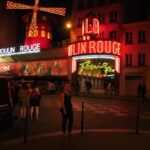
REVIEW · PARIS
Paris: Chocolate and Pastry Tour with Tastings
Book on GetYourGuide →Operated by Essor · Bookable on GetYourGuide
Paris can feel like a buffet of everything, but this tour stays focused on chocolate and pastry right where locals snack. You’ll walk Montmartre’s hill streets with an English-speaking guide and hit multiple tasting stops before you reach the area around Sacré-Cœur. The big win for me is the mix of classic French hits with a couple surprises that you may not find on your own.
What I really like is the variety: you start with a light meringue, then move into an artisan-chocolatier stop, a proper crêpe tasting, and end with macarons plus hot or ice cocoa. I also like the guide energy I’ve seen reflected in repeat favorites like Aicha, Olivia, Nell, Alison, Lorca, Zara, and Lisa—friendly, organized, and ready to explain what you’re eating without making it stuffy.
One consideration: this is still a walking food tour through Montmartre, and dietary needs aren’t automatically guaranteed. If you have restrictions, you’ll want to check with the local operator before booking.
In This Review
- Key things to know before you go
- Montmartre on Foot: Why a Chocolate Tour Works Here
- Your Starting Point by Metro Blanche (Orange Umbrella Included)
- Stop One: Fluffy Meringue and the Art of Light Bites
- Meet the Artisan Chocolatier: How Paris Turns Beans into Treats
- Crepe Time: French Street Food Flavors in Montmartre
- Secret Dish, Fresh from the Oven
- Seasonal Sweetness: Ice Cream in Summer, Pastry in Other Seasons
- Éclair Tasting: The Classic You Can Actually Compare
- Macarons and Cocoa Near Sacré-Cœur
- How Much You’ll Eat—and How to Plan Your Day
- What the Reviews Reveal About the Guides
- Price and Value: Is $116 Worth It?
- Who This Tour Fits Best (and Who Might Skip It)
- FAQ
- How long is the Paris Chocolate and Pastry Tour in Montmartre?
- Where does the tour meet?
- What’s included in the ticket price?
- What sweets will I try on the tour?
- Do I get ice cream?
- Is the tour guided and in English?
- What should I bring?
- Can the tour accommodate dietary restrictions?
- Is there free cancellation?
- Should You Book This Montmartre Chocolate and Pastry Tour?
Key things to know before you go
- Orange-umbrella meetup outside Blanche Metro (Line 2) makes it easy to spot your guide.
- 5 to 6 tasting stops over about 2 to 2.5 hours, with enough food to count as a snack-meal.
- You’ll taste the classics: crêpe and éclair, plus French chocolate in multiple forms.
- There’s a season swap: ice cream in summer, or a freshly baked pastry/chocolate option outside peak summer.
- Stops are designed around Montmartre’s local cafés, brasseries, and small shops, not just big-brand tourist counters.
Montmartre on Foot: Why a Chocolate Tour Works Here
Montmartre is one of those neighborhoods where walking makes sense. You’re not just moving between attractions—you’re moving between the places that feed the local dessert routine. That’s exactly what this tour leans into: short strolls, frequent tastings, and a guide who helps you connect what you eat to where you are.
I like that the food theme doesn’t turn into a museum lecture. You get to sample multiple sweet styles—meringue, chocolate, crepe, baked pastry, éclair, and macarons—so you can actually compare textures and flavors. By the end, you’ll know what kind of sweets you personally crave in Paris, not just what sounds good on paper.
The route is also built for views and atmosphere. Near the end, you’re moving toward the famous monument area around Sacré-Cœur, so the walk feels like a reward, not just a commute between shops.
You can also read our reviews of more tours and experiences in Paris

Your Starting Point by Metro Blanche (Orange Umbrella Included)
This tour starts at the outside of the Blanche Metro station on Line 2. The good news is that Blanche has only one exit, so the meetup is straightforward. Look for your guide holding an orange umbrella.
Plan to arrive a little early. Even if you know Paris metro well, it’s worth giving yourself time to orient, especially since you’re aiming for a group departure that begins the tastings quickly. If you’re traveling with kids or teens, arriving on time matters even more because everyone’s hunger clocks will start ticking.
What to bring is simple and practical: comfortable shoes for Montmartre’s walking and a camera for the streets and shop-front vibes you’ll pass along the way.
Stop One: Fluffy Meringue and the Art of Light Bites
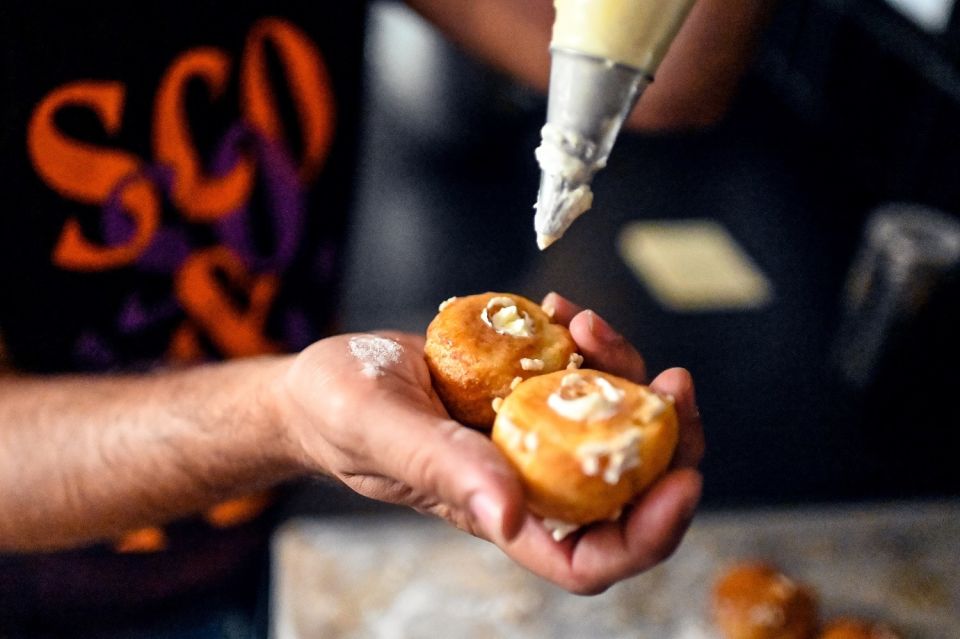
The tour kicks off with a meringue tasting—fluffy, airy, and a great way to set the tone. Meringue is a smart first stop because it tells you a lot fast: how sweet the pairing is, how the texture holds, and whether the shop leans toward crisp edges or softer centers.
You also start this way because it’s a palate warm-up. It’s not heavy, and it doesn’t bury your ability to enjoy what comes next—especially chocolate.
If you’re the kind of eater who wants to understand the basics, this opening is a helpful anchor. It’s also a friendly option if you’re sharing with kids who are still learning what they like.
Meet the Artisan Chocolatier: How Paris Turns Beans into Treats
Next comes an artisan-chocolatier stop, where you see and enjoy some of the best chocolates Paris has to offer. This is where the tour shifts from general sweetness to craft.
I like this part because it’s not just about taste. You’re guided through what makes different chocolates different, and you get to sample your way into preferences—milk versus darker profiles, smoother versus more intense flavors, and what happens when chocolate is paired or shaped differently.
This stop is a big part of the value. One reason chocolate tours can feel repetitive is that they only offer prepackaged treats. Here, the guide leads you toward an artisan experience that’s meant to feel like a real Paris stop, not a quick photo op.
Crepe Time: French Street Food Flavors in Montmartre
After chocolate, the tour moves into a classic: crêpe. Crepes are the perfect middle act because they’re portable street food, but they also come with tons of flavor directions—sweet variations that range from delicate to indulgent.
The guide helps you understand what you’re eating in context of the neighborhood. Montmartre is famous for pastry-and-snack culture, so this is more than dessert; it’s a lens on how locals eat between museums and errands.
If you’re doing this as a couple, crepes are also a natural share point. You can trade bites and agree on what works before the tour gets richer again with baked items and chocolate pairings.






Secret Dish, Fresh from the Oven
The next stop is described as a secret dish, and the key detail is that it’s freshly baked for you. That phrasing matters. You’re not just tasting something that’s been sitting under lights or behind glass for hours—you’re eating at the point where freshness still matters.
This is also a great moment to slow down. With a secret dish, you’re more likely to pay attention to aroma and texture: how the crust behaves, how fillings react, and whether it’s best eaten warm or at a quick temperature.
One small drawback here: because it’s a surprise element, people with very specific preferences might want to note allergies and restrictions in advance. The tour does warn that dietary accommodations are not always possible, so planning ahead is smart.
Seasonal Sweetness: Ice Cream in Summer, Pastry in Other Seasons
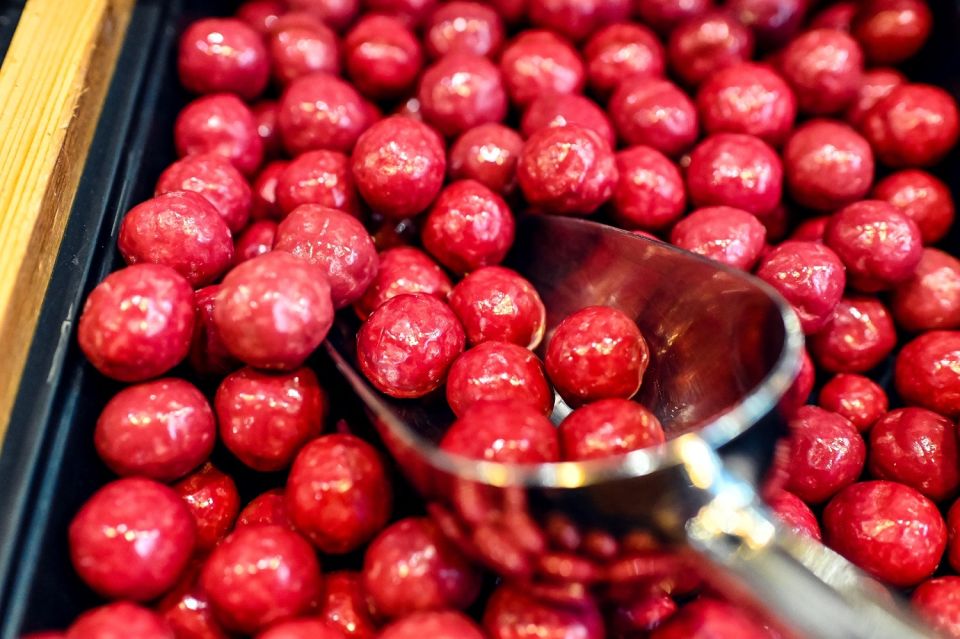
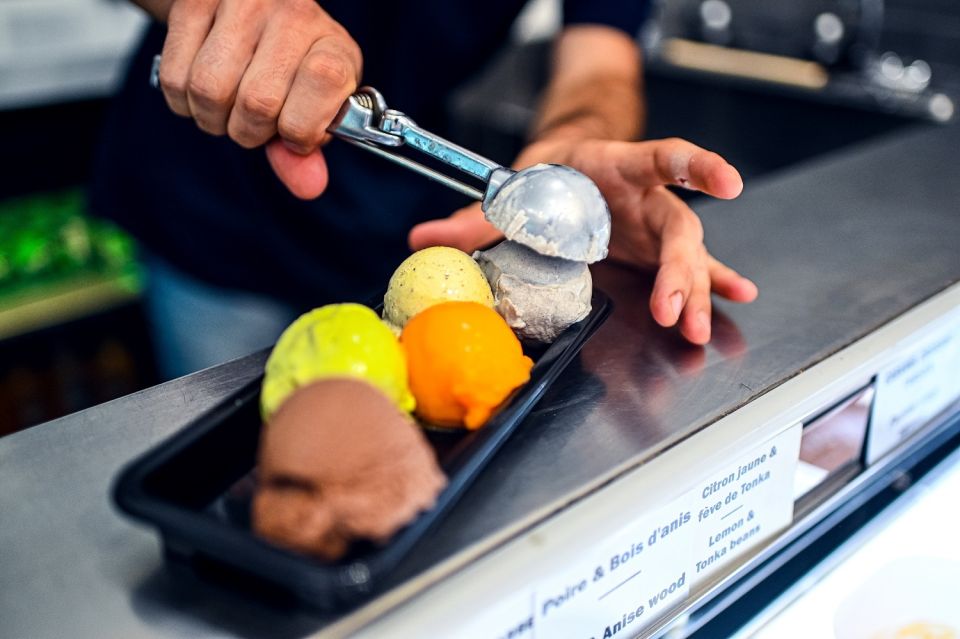
Then the tour gives you a seasonal refreshment. In summertime, you’ll get ice cream. Outside summer, the stop shifts to a freshly baked pastry or chocolates.
I like that design because it acknowledges real travel conditions. Hot Paris days make ice cream feel like the right reset, while colder weather calls for something warm and baked. Either way, the tour keeps your tasting variety without feeling like it’s recycling the same type of sweet.
If you’re visiting in a shoulder season, this is also a plus for planning. Your tour experience stays aligned with the season, not stuck with one fixed menu that might not match the weather.
Éclair Tasting: The Classic You Can Actually Compare
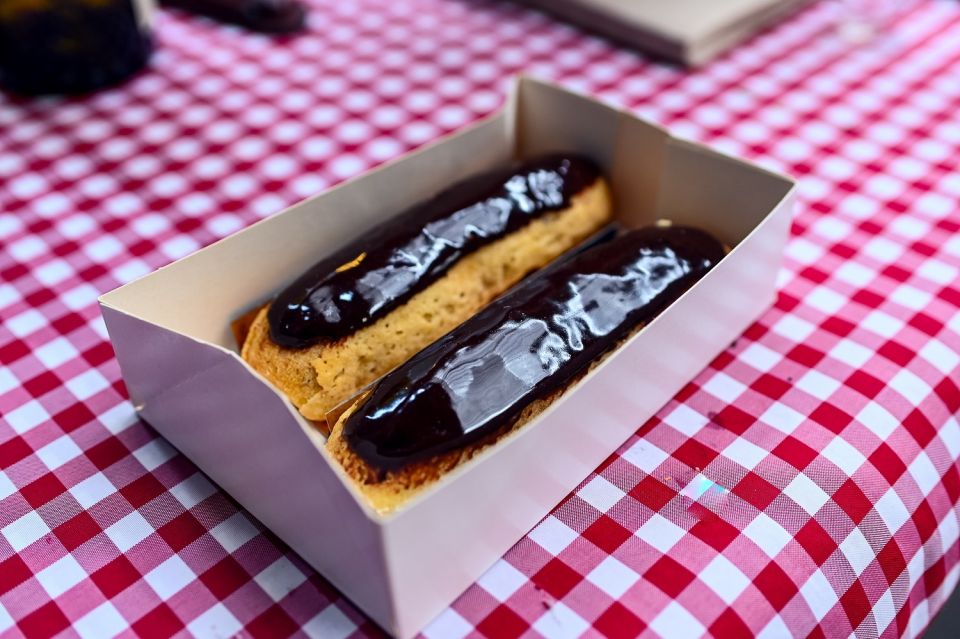
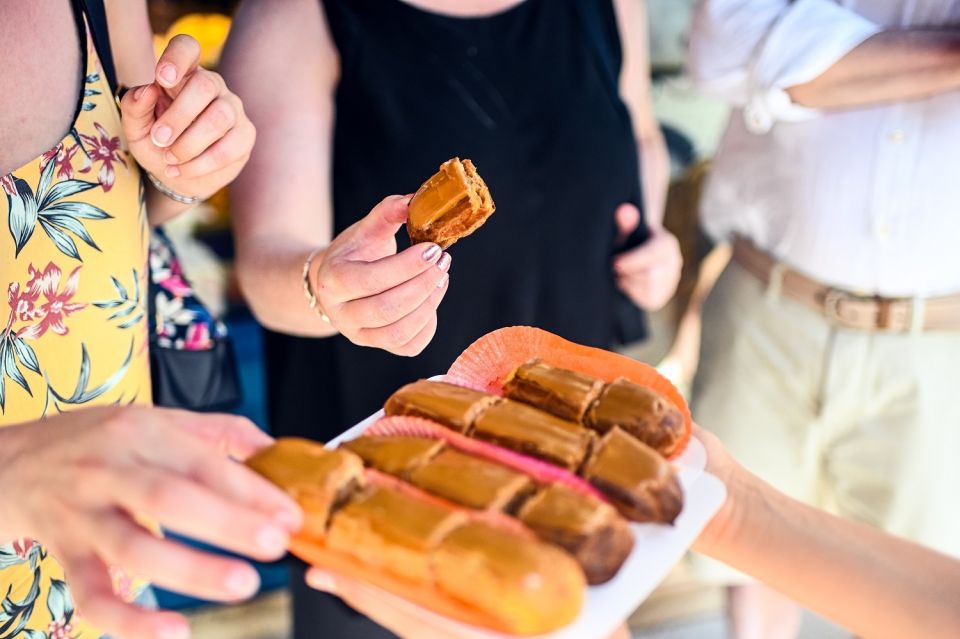
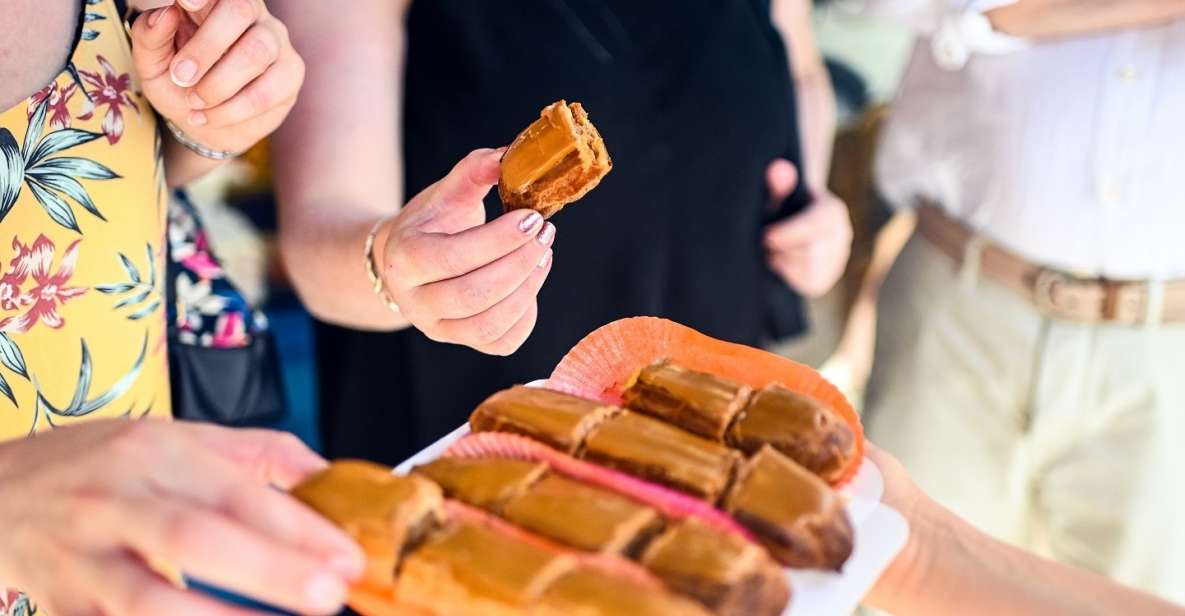
You can’t do Paris sweets without an éclair. This stop is a classic for a reason: an éclair is structured, deliberate pastry. It’s a test. The filling should taste balanced, the pastry should hold up, and the chocolate or icing should not overwhelm the cream.
This is also one of the easier ways to understand what you like in French pastry. If you love custardy fillings, you’ll recognize the style. If you prefer brighter flavors or lighter sweetness, you’ll feel it fast.
And because the guide is walking you through multiple categories, this éclairs stop doesn’t feel random. It lands like a culmination of what you’ve been tasting: light sweetness from earlier, chocolate depth, then a cream-based classic.
Macarons and Cocoa Near Sacré-Cœur
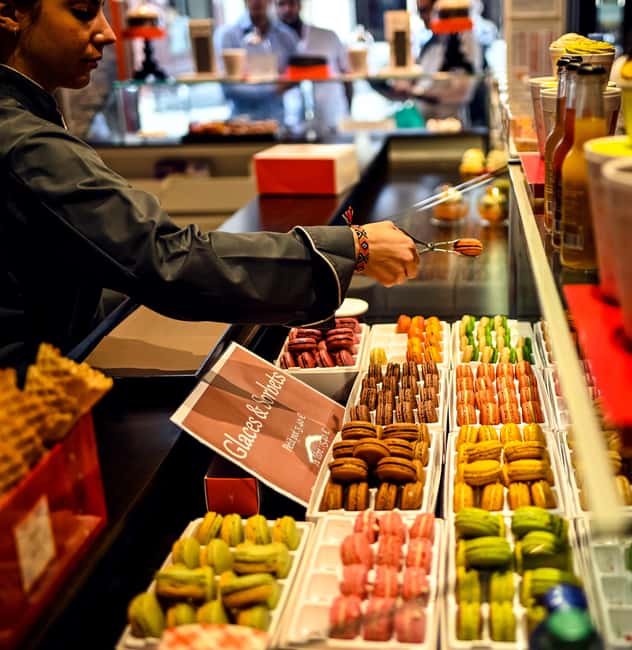
Near the end, you get macarons paired with either hot or ice cocoa tasting. This pairing is a smart finish. Macarons are crisp and delicate; cocoa rounds things out with warmth and chocolate depth.
I especially like the cocoa choice because it’s flexible. Hot cocoa makes sense if the day is cool. Ice cocoa works as a cooling counterpoint if it’s warm. Either way, you end with a sweet that feels complete rather than a random last bite.
By now, you’ll also be close to the famous monument area around Sacré-Cœur. That means your final tastings happen while the neighborhood is giving you its iconic Paris energy—streets, views, and that classic Montmartre vibe.
How Much You’ll Eat—and How to Plan Your Day
This is built as a short walking tour with 5 or 6 tasting stops over roughly 2 to 2.5 hours. That usually means you won’t need a full lunch right after, but you might still want a real meal later depending on your appetite.
I suggest keeping your schedule light before the tour. The walking through Montmartre is part of the experience, and the tastings stack up. You’ll likely walk, stop, taste, and talk at a good pace, so avoid scheduling something tight right before or immediately after.
If you’re bringing kids, this duration is often a good sweet spot. Multiple guides in past groups have done well with younger travelers, including a 6-year-old, and the tour rhythm works because each stop has its own identity.
What the Reviews Reveal About the Guides
The strongest repeated theme is that the guide experience is the reason people want to book again. Names like Aicha, Olivia, Nell, Alison, Lorca, Zara, and Lisa come up with consistent praise for being friendly, engaging, and genuinely invested in the food and the neighborhood.
Another recurring point: guides don’t just drop facts. They explain what you’re eating and connect it to Montmartre. That’s why the walk feels more than a shopping route. You’re picking up context—how the area supports pastry culture and how French sweets differ by style—without it turning into a lecture.
If you’re worried about whether a food tour will feel awkward or overly scripted, this kind of guide track record is reassuring. People describe the sessions as fun, organized, and attentive to both adults and kids in the group.
Price and Value: Is $116 Worth It?
At $116 per person, this isn’t a budget snack. But it is also not just paying for sweets by the pound. You’re paying for:
- A focused tasting menu with multiple categories (meringue, chocolate, crêpe, baked item, éclair, macarons, cocoa)
- A guided walk through Montmartre, including local shop stops you might not find on your own
- An English-speaking guide who adds context to the tastings
So the value question comes down to you. If you like food tours and you want a guided tasting in one morning or afternoon block, this makes sense. If you’d rather do self-guided browsing with no structure, the same price could feel steep because you won’t automatically get the expertise and pacing that the guide provides.
A good way to decide: think about what you’d spend if you ate your way through these sweets on your own, plus the time you’d spend searching for places that fit the exact theme. This tour compresses that into a single walk with curated stops.
Who This Tour Fits Best (and Who Might Skip It)
This is ideal for chocoholics, pastry fans, and first-time visitors to Paris who want a food-centered neighborhood experience instead of another landmark-only route. It’s also a strong pick if you’re traveling with teens or kids, since guides have a track record of keeping families engaged and handling different age ranges.
You might consider skipping or reassessing if you:
- Have dietary restrictions that require careful ingredient control, since the tour notes many restrictions can’t be accommodated without checking first
- Prefer minimal walking. Montmartre is hilly and the tour lasts about 2 to 2.5 hours, so comfortable shoes aren’t optional
If you want Paris dessert without thinking too hard about planning each stop, this tour does that work for you.
FAQ
How long is the Paris Chocolate and Pastry Tour in Montmartre?
The tour lasts about 2.5 hours. The walking portion is described as lasting between 2 and 2.5 hours, and starting times vary by availability.
Where does the tour meet?
Meet outside the Blanche Metro station on Line 2. The guide will be waiting with an orange umbrella.
What’s included in the ticket price?
The price includes chocolate and pastry tastings.
What sweets will I try on the tour?
You can expect tastings including meringue, artisan chocolate, crêpe, a secret freshly baked dish, an éclair, and macarons with hot or ice cocoa.
Do I get ice cream?
Yes, if your tour runs in summertime. In other seasons, the seasonal stop is a freshly baked pastry or chocolates instead.
Is the tour guided and in English?
Yes. It includes a live tour guide and the language is English.
What should I bring?
Bring comfortable shoes and a camera.
Can the tour accommodate dietary restrictions?
The tour notes that many restrictions may not be accommodated for a balanced gastronomy experience. Contact the local operator prior to booking to ask about your specific needs.
Is there free cancellation?
Yes. You can cancel up to 24 hours in advance for a full refund.
Should You Book This Montmartre Chocolate and Pastry Tour?
If your Paris plan includes eating real pastry and chocolate in a smart, guided way, I’d book it. The stop lineup hits both classics and surprises, and the guide quality is a big deal here—people repeatedly praise how the guides keep things fun while explaining what you’re tasting.
I’d only hesitate if you’re very sensitive to dietary issues or you don’t want to walk through Montmartre for a couple hours. Otherwise, this is a straightforward win: you get a neighborhood stroll, serious sweetness, and enough variety to leave with clear favorites.