REVIEW · PARIS
Paris: Montmartre Drawing tour with a local artist
Book on GetYourGuide →Operated by iN ARTS · Bookable on GetYourGuide
Montmartre is all curves and character. This Montmartre drawing tour turns the postcard views into something you can take home: a sketchbook full of your own work. You’ll walk a classic-to-quirky route while stopping often to draw, learn names of places tied to artists, and practice different materials like pencils, markers, and watercolor.
Two things I really like: the individualized guidance (so you’re not guessing what to do), and the fact that the guide builds in drawing exercises that work whether you’re brand-new or already sketching. One thing to consider is that the teaching can include feedback on technique, so if you want totally hands-off creative freedom, you may need to set that expectation early.
In This Review
- Key highlights at a glance
- Why this Montmartre walk is different from a standard sightseeing tour
- Starting at Place des Abbesses: where you get your sketchbook and stool
- Vineyards and hilltop views: turning Montmartre’s textures into sketch practice
- Sacré-Cœur area to Bateau-Lavoir: learning the neighborhood through artist-linked stops
- Moulin de la Galette: where your sketch becomes a memory
- The teaching style: what personalized advice means in real life
- What’s included in the $93 price, and why it can be good value
- Weather-proof creativity: what happens if it rains or turns cold
- Who should book this, and who might want a different style of class
- Should you book the Paris Montmartre Drawing tour with a local artist?
- FAQ
- Where is the meeting point?
- How long is the tour?
- What is included in the price?
- Do I need to bring drawing supplies?
- What languages does the instructor speak?
- What should I wear or bring?
- Is the tour suitable for beginners?
- What happens if it rains?
- Is transportation included to and from the activity?
- Is the tour wheelchair accessible?
Key highlights at a glance
- Small group of 10 means you get real attention instead of being lost in the crowd
- All materials included (pencils, markers, watercolor) plus a foldable stool
- Sketchbook offered at the start and yours to keep at the end
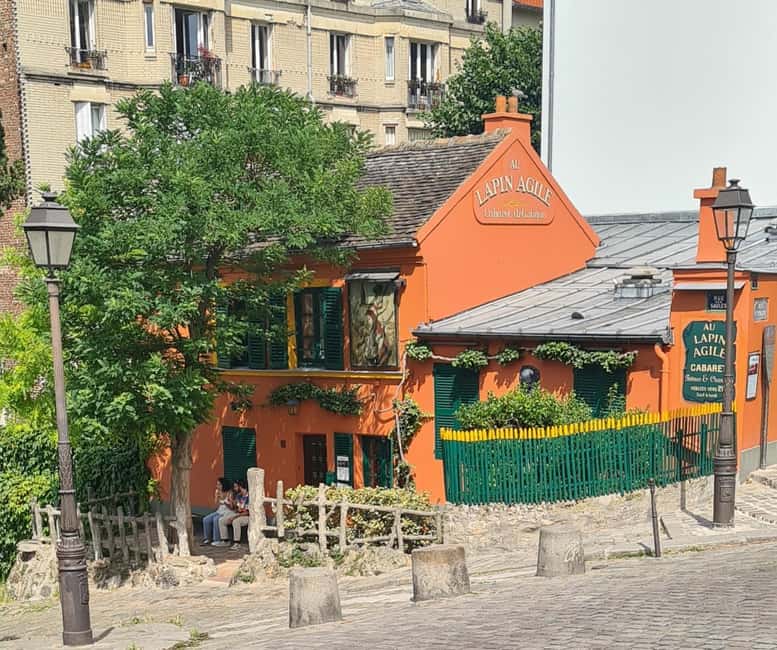
- Iconic Montmartre stops like vineyards, Sacré-Coeur, Bateau Lavoir, and Moulin de la Galette
- Weather plan built in: on rainy or cold days, drawing shifts into a cosy café
- English and French instruction, with smooth switching between languages for the group
Why this Montmartre walk is different from a standard sightseeing tour
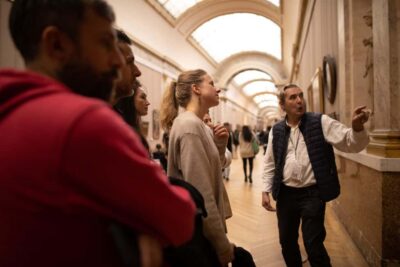
Paris is great at letting you watch. This experience asks you to participate. Instead of only photographing Montmartre’s steep streets, you’ll learn how to “read” a scene—light, shapes, and perspective—then translate it onto paper while you walk.
And yes, it’s Montmartre. You’re in the artistic neighborhood people talk about for a reason. You pass places tied to the district’s painters and studios, so the route feels more meaningful than just a scenic loop. You’re not studying art history in a classroom; you’re using it to guide what you draw.
The format helps. You’re in a small group, and the guide gives specific educational objectives that are still approachable for non-artists. That matters in a city where a lot of “creative” activities turn into: watch someone else do it, hope it works out.
You can also read our reviews of more tours and experiences in Paris.


Starting at Place des Abbesses: where you get your sketchbook and stool
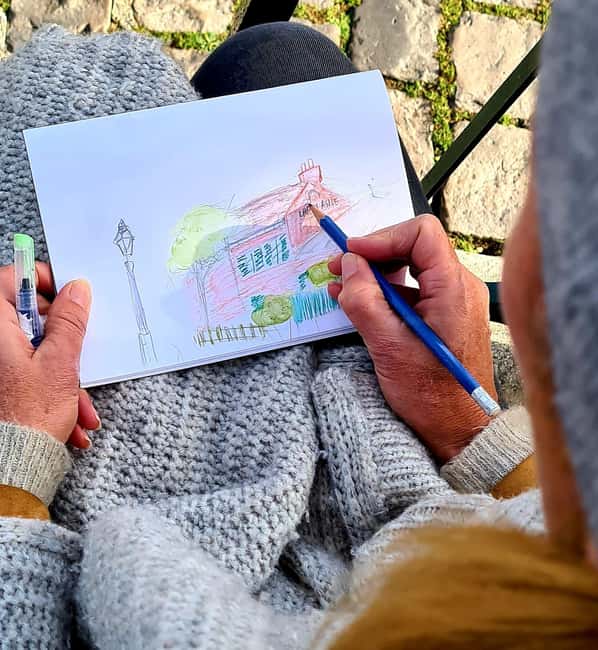
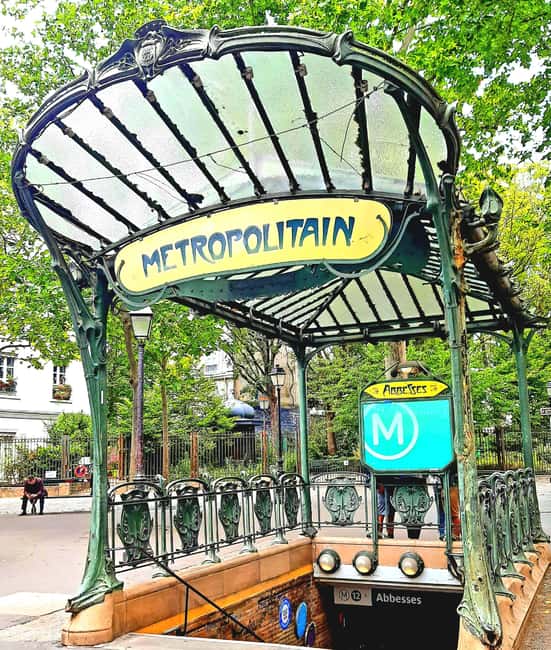
Your tour begins at Place des Abbesses, right in front of the entrance to metro line 12. It’s an easy-to-find starting point, and it sets the tone: you’re about to walk on foot, not sprint between landmarks.
Once you meet your instructor, you’ll get a sketchbook offered at the start plus a quick setup for the day. The materials are loaned to you, so you don’t need to travel with anything bulky. You’ll also have a foldable stool for drawing breaks, which is quietly one of the smartest inclusions. If you’ve ever tried to sketch while standing on uneven pavement, you’ll appreciate having a stable seat option.
What you can expect next is a guided rhythm. There’s walking, then short drawing exercises, then more walking. This keeps you from feeling like you’re “performing art.” It’s more like learning a skill in small bites while you explore.
If you’re worried about language, note this: the instructor works in English and French. One tip from real-world experience—don’t be surprised if you hear some French during the walk even when your booking is English. If that’s a deal-breaker, it’s smart to mention your preference at the start.
Vineyards and hilltop views: turning Montmartre’s textures into sketch practice
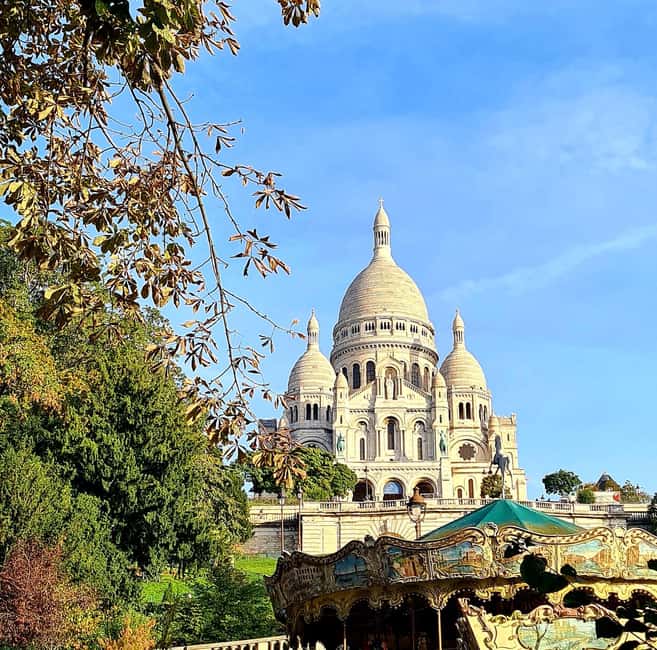
One of the first treats is the way the route works with your eye. You pass the vineyards of Montmartre, and suddenly you’re not just drawing buildings—you’re drawing landscape edges and rhythms. Vineyards are perfect for training because the lines repeat, the shapes feel organic, and the scene gives you plenty to simplify.
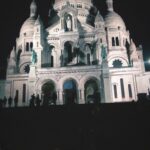
Then you’ll head toward Sacré-Cœur. Even if you’ve seen photos, drawing it changes how you notice it. You stop looking for the perfect angle and start breaking the area into forms: broad shapes first, then details. That’s a big win for beginners. You don’t need to be “good at drawing.” You need to be willing to start with big shapes and build from there.
There’s also a practical side. Hilltop viewpoints can be windy and bright, and that’s where a guide’s advice helps. The instructor’s role is to steer you toward choices that work outdoors—how to handle your paper, what to emphasize, and how to switch techniques without making your day a stressful art project.
Sacré-Cœur area to Bateau-Lavoir: learning the neighborhood through artist-linked stops
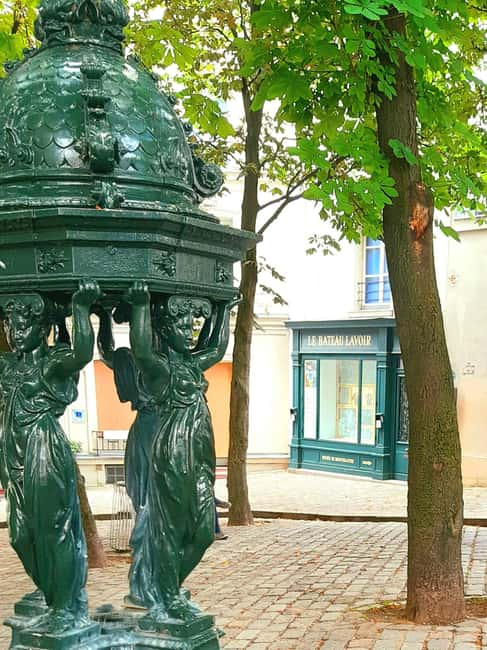
As you move off the most obvious tracks, you’ll pass through a layer of Montmartre that feels more lived-in. The stop at Bateau Lavoir is especially good for understanding why this district became a magnet for artists. The “why” matters here, because it’s what helps your drawings feel connected to place rather than just copying a view.
What I like about this portion is that it gives your sketching a narrative. You’re not only capturing scenery; you’re capturing the feeling of a working art area—rooms, studios, and the sense that creativity was part of daily life.
Drawing in these areas can be more challenging than at big viewpoints, because the visuals are busier. That’s where small-group teaching makes a difference. You’ll get individualized advice, so you can ask questions without feeling awkward. The goal is not to police your art. It’s to help you make choices that translate what you see.
Here’s a fair caution: teaching can include technique-focused feedback. Some people want that structure. Others want a looser, less corrective approach. If you’re the second type—think of it as “I’m doing this for fun, not to improve”—tell the guide early. You’ll likely get better results when the instructor knows what you want from the session.
Moulin de la Galette: where your sketch becomes a memory
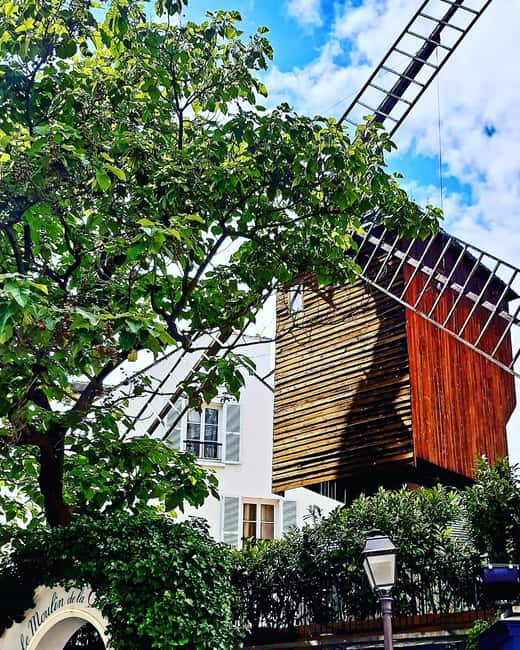
The route brings you to Moulin de la Galette, another Montmartre icon that’s visually strong and full of details. If you’ve got a pencil in hand, it’s also a great place to practice decision-making: what gets detail, what stays simplified, and what you can skip without ruining the drawing.
This stop is memorable because it’s a classic image, but your final page won’t look like anyone else’s. Even if two people draw the same windmill view, they’ll differ in line weight, shading choices, and what they choose to emphasize. That’s the point of the format. The guide helps you use the tools, but your hand is doing the work.
And you’re not just taking home sketches in your head. You’re taking home the sketchbook itself. That matters because it turns Montmartre from “a place I visited” into “a day I made something from.”




The teaching style: what personalized advice means in real life
The best part of this tour is the balance between structure and freedom. The guide uses drawing exercises and creative activities, but the pace stays human. You’re not stuck copying a pre-made image.
In a small group, it’s easier for the instructor to notice what’s tripping you up—like whether your lines are too dark, your proportions feel off, or your shading is getting muddy. Then you get targeted suggestions. If you ask for feedback, you’ll receive it. If you don’t, you’ll still have enough guidance to keep moving forward without feeling judged.
That non-judgmental tone is big. Lots of people worry they’re not “real artists,” and that worry can steal the joy. The approach here is built to keep the pressure off. You’re learning tools and seeing techniques in context, not auditioning for an art school.
Still, two realistic considerations. First, because drawing objectives are part of the plan, you may do some exercises that feel more instructional than “just draw whatever.” Second, outdoor sketching takes patience. If you go in thinking you’ll finish a masterpiece in 90 minutes, you may feel frustrated. If you go in thinking you’ll build a visual memory and practice techniques, you’ll likely have a great time.
What’s included in the $93 price, and why it can be good value
At $93 per person for about 3 hours, this isn’t a budget activity, but it’s not overpriced for what you get. Your money goes toward a trained instructor, a small group (limited to 10), and the full kit: sketchbook, drawing materials loaned, and the foldable stool.
The value part is the combination. If you were to buy supplies in Paris—especially higher-quality paper and a set of workable watercolor items—your cost could add up fast. Here, you’re using the materials during the session and leaving with the sketchbook. That reduces friction and spending.
Also, instruction quality matters in creative tours. You don’t just get “a walk.” You get guidance that helps you actually produce something, which is the difference between a nice outing and a satisfying one.
Two things to keep in mind. Transportation to and from the meeting point isn’t included, so plan how you’ll reach metro line 12 at Abbesses. And if you’re very sensitive to correction, remember the tour includes educational objectives—so bring your preferred level of feedback up front.
Weather-proof creativity: what happens if it rains or turns cold
Montmartre weather has moods. The good news is this tour runs whatever the weather. If rain or cold shows up—especially in winter—you’ll still do the drawing activities, just in a cozy café along the route.
This matters more than it sounds. Outdoors, paper gets damp, hands feel stiff, and sketching becomes a frustration parade. The café option helps you keep momentum while still doing the exercise with a workable setup. You’re not losing the “creative day” to bad weather.
Pack smart for that mix of walking plus sitting. Wear comfortable shoes and dress for conditions. If it’s cold, gloves can help for marker and pencil work. If it’s wet, consider a light layer that still lets you move quickly when the group shifts indoors.
Who should book this, and who might want a different style of class
This tour is ideal if you want:
- A guided way to explore Montmartre that includes hands-on art practice
- A small group setting where you can ask questions
- Techniques with pencils, markers, and watercolor without buying supplies first
- A take-home sketchbook as a personal souvenir
It’s also a solid choice for beginners because the tour is designed for everyone, regardless of drawing level. If you’ve never sketched before, you’ll still get an entry point. If you already draw, you’ll likely enjoy the structured exercises that help you think differently.
Consider a different option if you mainly want:
- Total freedom with zero technique talk
- A walk where you can ignore objectives and simply freestyle the whole time
One last note for accessibility: this tour is not suitable for wheelchair users, so plan accordingly if mobility is a concern.
Should you book the Paris Montmartre Drawing tour with a local artist?
If you like the idea of turning a famous neighborhood into something personal, this is a great bet. The small group, the materials loaned, and the fact you leave with a sketchbook make it feel like more than a souvenir walk.
I’d book it if you’re open to guided exercises and at least a little technique coaching. If your art style is “leave me alone and let me draw,” you can still enjoy it—just be upfront on what you want from the guide.
Bottom line: for $93, you’re paying for guided creativity, not just sightseeing. And in Montmartre, that’s exactly how you get a memory you can actually hold.
FAQ
Where is the meeting point?
You meet your guide just in front of the entrance of the metro station on line 12.
How long is the tour?
The experience lasts 3 hours.
What is included in the price?
You get a sketchbook for each participant, drawing materials loaned during the workshop, and a foldable stool for each participant.
Do I need to bring drawing supplies?
No. Drawing materials are provided for you to use during the workshop.
What languages does the instructor speak?
The instructor offers the tour in English and French.
What should I wear or bring?
Bring comfortable shoes and weather-appropriate clothing.
Is the tour suitable for beginners?
Yes. The activities are designed to be accessible to everyone regardless of drawing level, and you receive individualized advice.
What happens if it rains?
The tour continues in bad weather. If it’s rainy or cold, especially in winter, the drawing activities are done in a cozy café along the route.
Is transportation included to and from the activity?
No. Transportation to and from the start/end point is not included.
Is the tour wheelchair accessible?
No. It is not suitable for wheelchair users.