REVIEW · PARIS
From Paris: Prestige Champagne Tour and Tastings
Book on GetYourGuide →Operated by My Winedays · Bookable on GetYourGuide
Champagne day trips can feel like a blur. This one is built around prestige house cellar time plus a 3-course Michelin-star château lunch, so you learn the craft and still get the big, classic Champagne mood. I like that the day blends the famous names (like Ruinart, Bollinger, Moët & Chandon, or Veuve Clicquot depending on availability) with a second, smaller producer, so you taste range, not just one style. One key thing to think about before you book: it is not wheelchair accessible, and the underground galleries involve a lot of steps, with caves that run cold and damp.
You also get the best part of Champagne: the road view. You’ll drive past the named sub-regions of Montagne de Reims, Cote des Blancs, and Vallée de la Marne between Reims, Ay, and Épernay, which helps the grapes and flavors make sense fast.
Finally, you’ll taste multiple Champagnes that are typically hard to find elsewhere, plus you’ll hear how the three grapes work: Chardonnay, Pinot Noir, and Pinot Meunier. The experience is guided by a private wine expert, and some past groups got especially great energy from a driver named Joel, which is a reminder that the day’s tone can hinge on your guide.
In This Review
- Key highlights I’d circle before you book
- A Paris-to-Champagne day that treats you like a private group
- The drive through Montagne de Reims, Cote des Blancs, and Vallée de la Marne
- Inside the world-famous Champagne house: cellars, process, and guided tasting
- Lunch at a Michelin-star château restaurant: the high point or the letdown?
- The second visit: boutique producer tastings with a craft-focused lens
- Hautvillers and Dom Pérignon’s abbey: history you can actually picture
- What you taste and why the three grapes matter
- Comfort, timing, and what to pack for 11 hours of caves and tastings
- Who should book this Prestige Champagne Tour from Paris
- Should you book it or look for another option?
- FAQ
- How long is the tour?
- Where does hotel pickup happen?
- How is transportation handled?
- Which Champagne producers will I visit?
- What is included in the lunch?
- How many Champagne tastings are included?
- Is the tour wheelchair accessible?
- What should I wear or bring?
- What languages are available for the live guide?
Key highlights I’d circle before you book
- Hotel pickup from Paris with private black car or luxury minivan, so you can relax from the start
- A world-famous Champagne house visit with a cellar tour and guided tasting in the underground galleries
- 3-course Michelin-star lunch in a château setting, paired with wine and including Champagne tasting
- A second boutique Champagne producer stop for a more hands-on look at the craft
- Hautvillers + the abbey connection to Dom Pérignon, for real historical context
- Road time through key Champagne zones (Montagne de Reims, Cote des Blancs, Vallée de la Marne) so the terroir sticks
A Paris-to-Champagne day that treats you like a private group
This tour is priced like a premium day because you’re paying for the whole machine: private pickup, a dedicated driver/wine expert, and time that’s built around two Champagne visits plus one top restaurant lunch. If you’ve ever done a public bus tour where you’re herded through tastings, you’ll feel the difference here. You can actually keep up with what you’re tasting because the pace is guided, not rushed.
The duration is 11 hours, and the structure is fairly efficient: you leave Paris, spend a chunk of time at the first major Champagne house, get lunch, then head back for a second winery and the Hautvillers abbey stop. That rhythm works well if you want variety in one day without turning it into a sprint.
One smart mindset: treat this as an education day with a Champagne payoff. The goal isn’t only to drink. It’s to understand what you’re tasting—especially once you hear how the region’s grapes and production choices shape the final style.
You can also read our reviews of more wine tours in Paris

The drive through Montagne de Reims, Cote des Blancs, and Vallée de la Marne
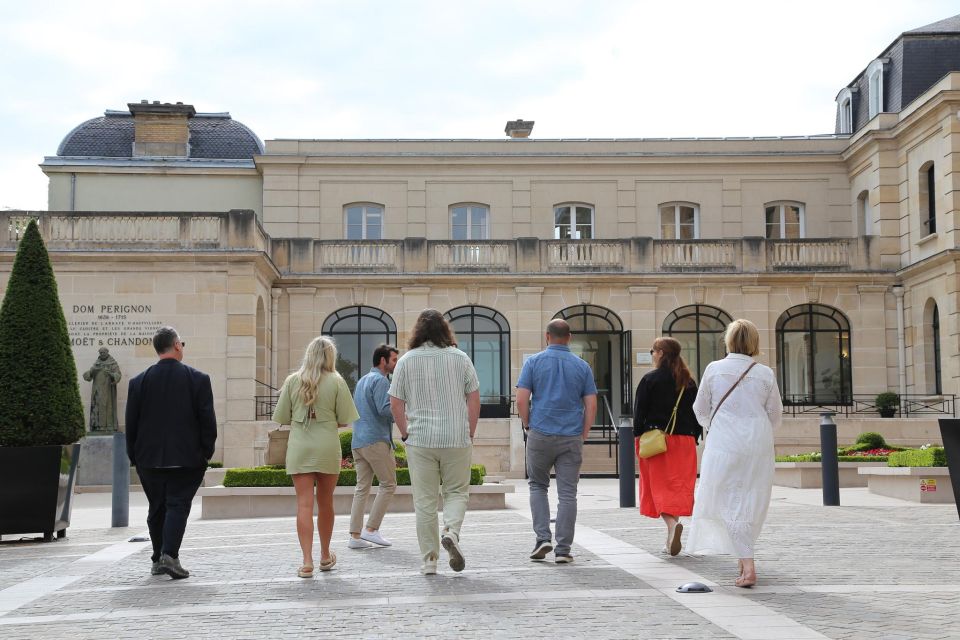
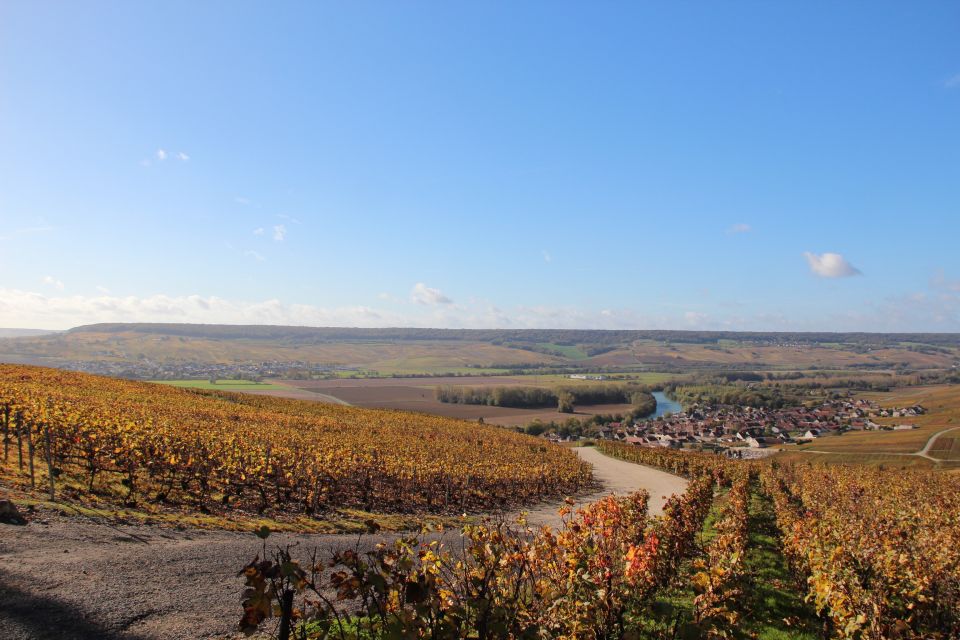
The transportation isn’t just logistics. The drive is part of the learning. You’ll travel through the areas between Reims, Ay, and Épernay, including Montagne de Reims, Cote des Blancs, and Vallée de la Marne. Seeing these names on the map matters because Champagne is not one flat product—each zone carries a different grape mix and feel.
If you care about terroir, this is where it becomes real. You’re not just reading labels later. You’re associating what you saw (vineyard landscapes and regional stops) with the wines you tasted that day. Even if your taste buds don’t “prove” the theory, the context helps you shop more confidently once you’re back home.
The other plus: a private driver means you don’t think about timing. You’ll have a straightforward schedule and fewer stress points, which is especially valuable for a long day leaving from Paris.
Inside the world-famous Champagne house: cellars, process, and guided tasting
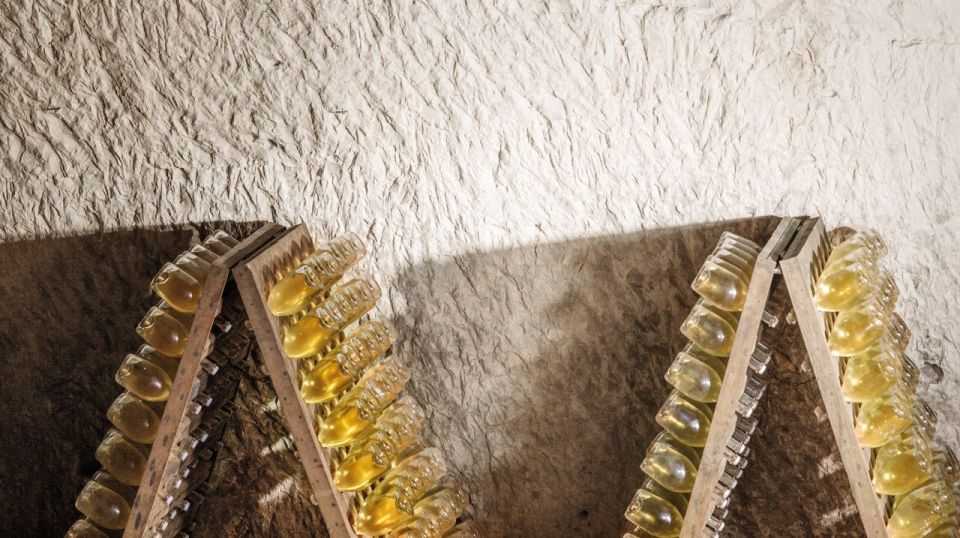
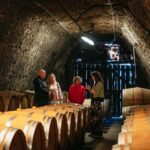
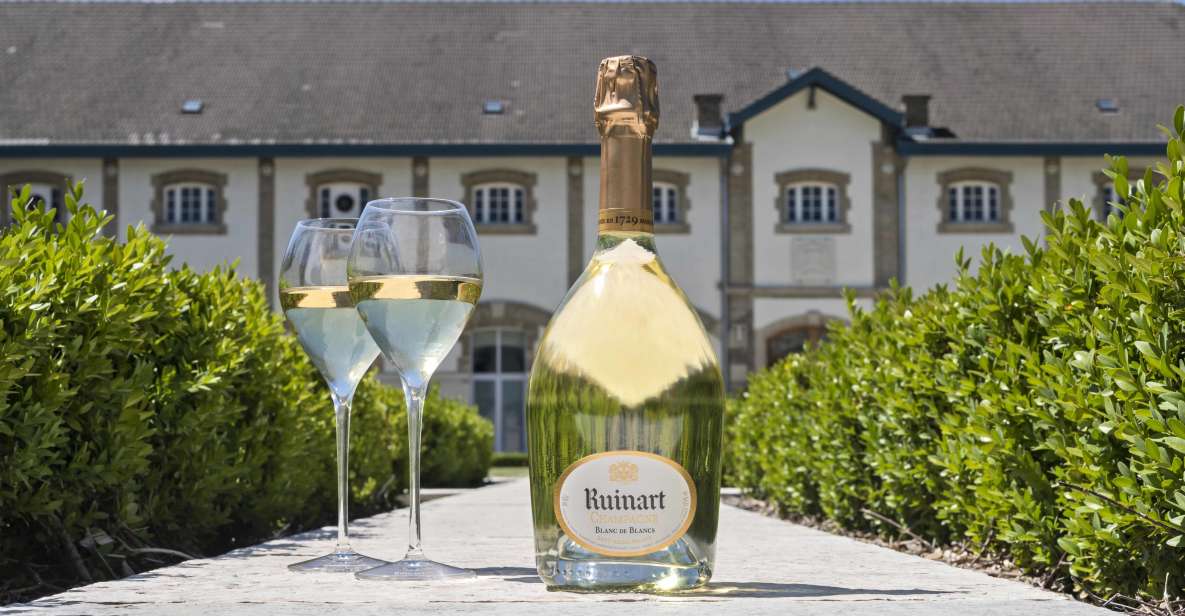
This is the flagship moment. You’ll visit one of the big prestige houses—examples can include Ruinart, Bollinger, Moët & Chandon, or Veuve Clicquot—based on availability. At this stop, you’re looking at a guided visit and tasting, with time inside the underground galleries.
What makes this valuable is the contrast: a top house runs on refined consistency, but their cellars are still a working, sensory education. You’ll learn how sparkling wine is made and hear about the role of the region’s grapes—Chardonnay, Pinot Noir, and Pinot Meunier—before or alongside tasting.
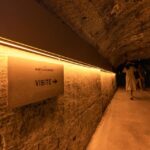
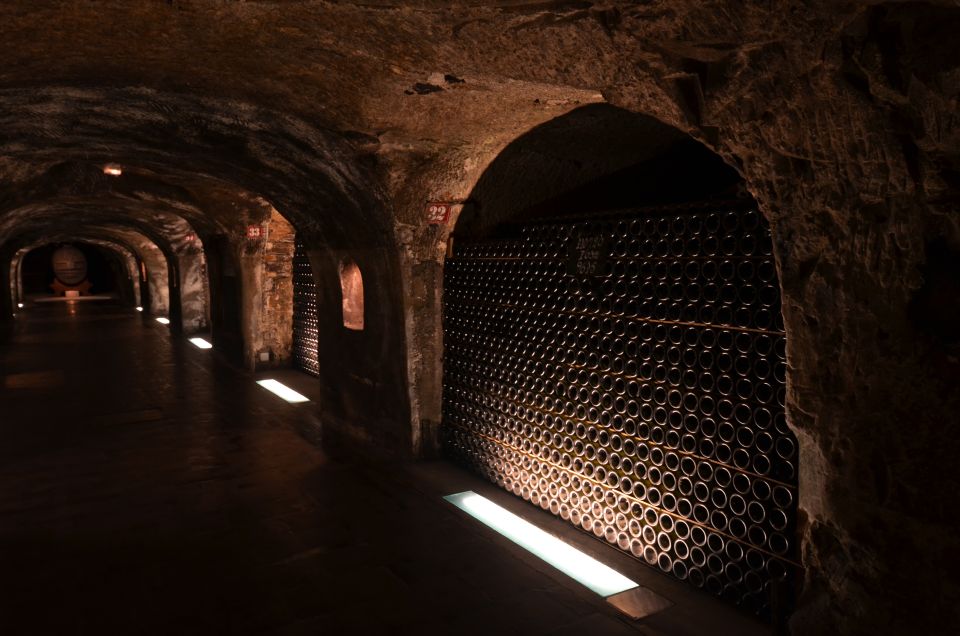
Here’s the practical part to keep your expectations grounded. Underground galleries are cold and damp (around 45°F/10°C), so you’ll want warm layers even if Paris feels mild that day. Also, there are many stairs to access galleries, which is one reason the tour isn’t wheelchair accessible.
One note for your plan: the exact Champagne house can vary. In at least one past experience, a well-known producer stop felt less impressive due to a disruptive moment during the tasting. That doesn’t mean it will happen to you, but it’s a reminder to go in with a flexible mindset and focus on the guide and your personal pacing.
Lunch at a Michelin-star château restaurant: the high point or the letdown?
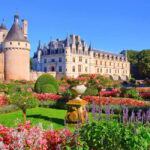
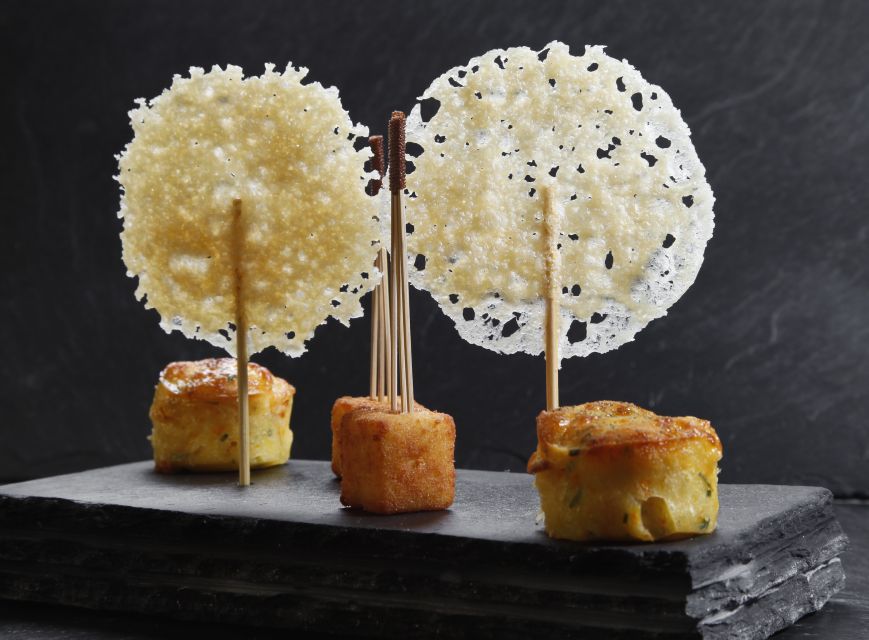
Lunch is one of the headline features: a 3-course meal in a Michelin-star restaurant located in a château and park setting, with wine pairing and Champagne tasting. That’s a big promise, and when it lands well, it’s the perfect reset after cellar time.
I like the structure here. You’ve got enough Champagne context by then to appreciate why the pairing matters. Then you get a full meal rather than snack-size “tour food,” which helps you stay fresh through the afternoon.
Still, I’m going to be honest about one risk: the setting and service quality can affect how memorable the lunch feels. In one experience, the room view disappointed because the windows faced a blocked garden patio rather than an open panorama, and there were small service issues like fruit flies near food and wine. Another guest described the wine pairing as not noteworthy and the service as bland.
You can’t control the day-to-day details, but you can control your approach: if you’re sensitive to service hiccups or your ideal lunch is a spectacular view, consider that this stop is a restaurant first, not a guaranteed postcard. Your best defense is attitude plus warm patience—Champagne days move through multiple environments, and smoothness is never 100% guaranteed.
The second visit: boutique producer tastings with a craft-focused lens
After lunch, the tour shifts gears. You’ll head to a boutique Champagne house for a guided tour and tasting. This is the part I think many people underestimate, and it’s why the day feels more complete.
The big brand visit shows scale and tradition. The boutique producer visit usually gives you a different lens: you can pay attention to tools used, production decisions, and how small choices can change texture, balance, and finish. Even if you’re not a “wine nerd,” you’ll likely notice that the tasting range feels broader once you’re out of the big-house comfort zone.
You’ll be tasting multiple Champagnes through the day—some typically hard to find elsewhere. That matters because it’s not just about drinking. It’s about training your palate on styles you can’t easily compare when you’re only shopping in your local bottle store.


Hautvillers and Dom Pérignon’s abbey: history you can actually picture
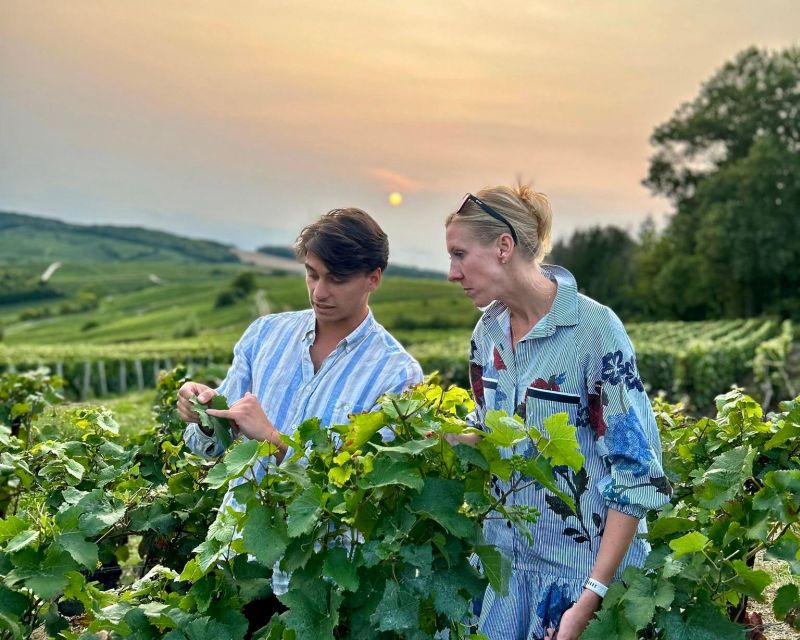
Then comes the story stop that makes the Champagne world feel human. You’ll visit the enchanting village of Hautvillers and stop at the abbey where Dom Pérignon worked as a cellar master over 300 years ago.
This visit works best if you connect it to what you learned underground. When you hear about production tools and the evolution of method, Dom Pérignon becomes more than a name on a label. The abbey stop gives you a setting where the past is visible, not just described.
Practical reality check: abbeys and village areas involve walking and uneven spaces depending on the day and exact stop points. Bring comfortable shoes, even if you’re mostly “tour-walking,” because you’re mixing cellars, château spaces, and village paths.
What you taste and why the three grapes matter
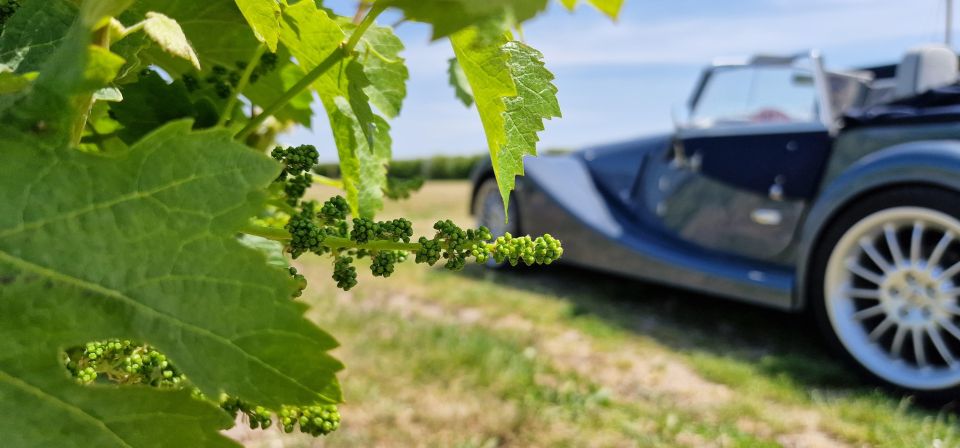
Champagne is built on three grape types, and this tour is designed to make that concept stick. You’ll hear about Chardonnay, Pinot Noir, and Pinot Meunier, and you’ll sample Champagnes tied to the region’s style range.
Here’s how I’d use what you’re tasting. If you can identify which wine feels lighter and more citrusy, you’ll have a starting point for Chardonnay-forward bottles. If you find structure and a more textured feel, you’re probably sampling styles that lean on Pinot Noir and its impact on body and character. Pinot Meunier often brings a different kind of drinkability and fruit tone, and tasting it in the regional context helps you stop guessing later.
The best value of the tasting isn’t memorizing grape percentages. It’s building intuition. By the time you head back toward Paris, you should feel more confident ordering Champagne that matches your palate, not just the label’s reputation.
Comfort, timing, and what to pack for 11 hours of caves and tastings
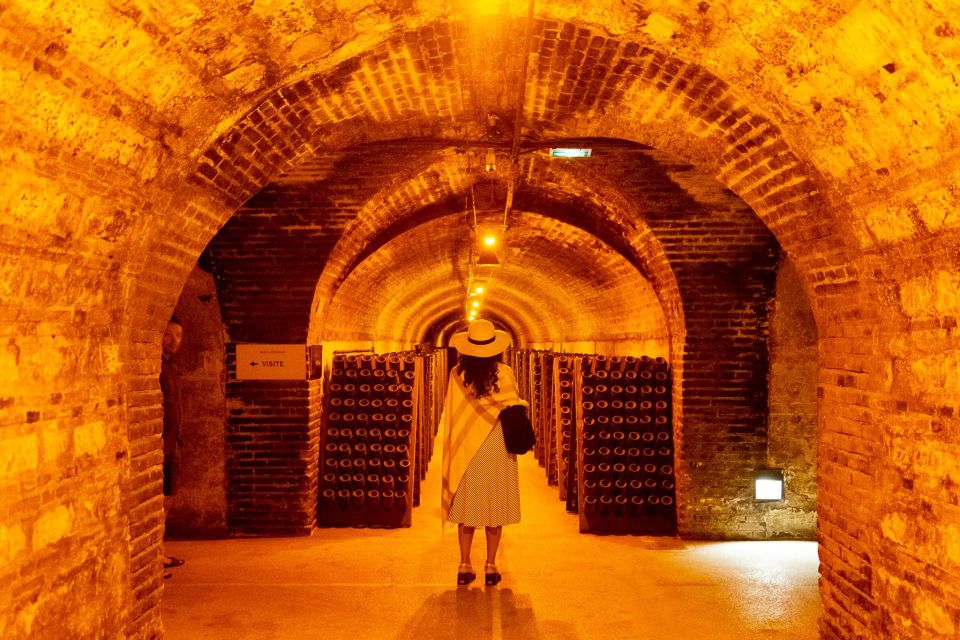
This is a long day. You’ll be on the van for long enough that you’ll want a comfortable outfit. Then you’ll step into cold caves and damp underground galleries, where temperature can feel dramatically different from street-level.
Bring:
- Comfortable shoes for stairs and walking
- Warm layers for cellars (around 10°C / 45°F is the benchmark)
- Something you can slip on quickly for the damp cold
Also, the schedule includes multiple tasting moments and a full lunch, so you may want water breaks and a light snack mindset before the day starts. Pace matters when you’re tasting several Champagnes back to back.
One more practical tip: this tour is not wheelchair accessible because of stairs in underground galleries. If you’re using mobility aids, confirm alternatives with the provider before you book.
Who should book this Prestige Champagne Tour from Paris
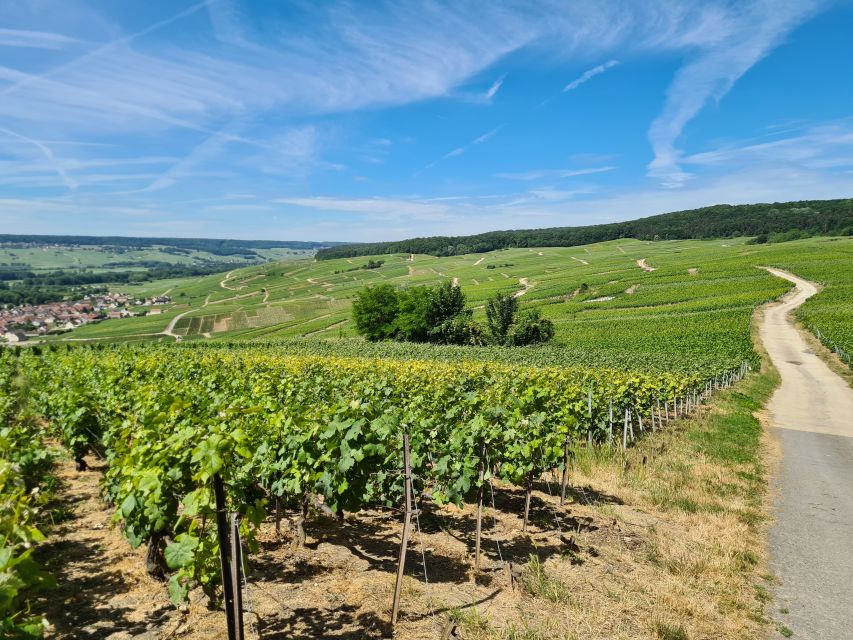
I think this tour is a great fit if you want a high-end day without spending hours planning. You get two Champagne experiences (a top producer and a boutique producer), a Michelin-star château lunch, and a history stop tied to Dom Pérignon, all with private transportation from Paris.
It also suits couples and wine-focused groups who enjoy structure: guided tastings, explanation, and a clear sequence rather than wandering. If you’re the type who likes to learn one thing deeply in each place—cellars here, vineyards there—this format is built for you.
I’d think twice if:
- You need wheelchair access (there are lots of stairs)
- You are very sensitive to service or room ambience during lunch, since lunch experiences can vary in how scenic and smooth they feel
Should you book it or look for another option?
Book this tour if you want a premium, guided Paris-to-Champagne day with real cellar access, strong regional context, and a Michelin-star meal. It’s the kind of experience that makes Champagne feel understandable, not mysterious.
Pass or compare first if your top priority is guaranteed scenic lunch views or hassle-free comfort in stairs and cold caves. The tour can be excellent, but a long day means small details matter, and not every lunch room or tasting moment will match your ideal.
If you go, go prepared: warm layers, comfy shoes, and a relaxed attitude. With that, you’ll get a full Champagne education plus a memorable day out of Paris.
FAQ
How long is the tour?
The experience runs for 11 hours.
Where does hotel pickup happen?
Pickup is included from your hotel in Paris.
How is transportation handled?
You travel by private black car or luxury minivan, with a private driver/wine expert guide.
Which Champagne producers will I visit?
You’ll visit a world-famous Champagne house and a boutique Champagne house. The specific big-name house can vary depending on availability, with options such as Ruinart, Bollinger, Moët & Chandon, or Veuve Clicquot.
What is included in the lunch?
You get a 3-course lunch at a Michelin-star restaurant, with wine pairing, subject to availability, plus Champagne tasting.
How many Champagne tastings are included?
There is a tasting at the world-famous Champagne house and a tasting at the boutique Champagne house. The lunch also includes Champagne tasting.
Is the tour wheelchair accessible?
No. It is not wheelchair accessible due to stairs for access to underground galleries.
What should I wear or bring?
Wear comfortable shoes. The caves and wine cellars are cold and damp (45°F/10°C), so bring warm clothes.
What languages are available for the live guide?
The live tour guide is available in Spanish, English, and French.