REVIEW · PARIS
Paris: Le Marais District Guided Walking Tour
Book on GetYourGuide →Operated by Z-Ocean Tours LLC · Bookable on GetYourGuide
Medieval Paris starts right in the Marais. This guided walk turns famous landmarks into a living story, with stops tied to Jewish history and the district’s Middle Ages roots. You also get the kind of on-the-ground explanation that helps the area make sense fast.
I like that the route is packed but still human at a 2-hour pace, so you don’t feel dragged from one photo spot to the next. Two standout wins: you pass major sights like Place des Vosges and Musée National Picasso, and you also move through the quieter streets that show what the neighborhood feels like beyond the postcards.
One consideration: it’s an English-language tour, and the pace of explanations can vary by guide. If you prefer French (or you need slower, extra-clear delivery), plan to ask questions early or bring your own expectations about language pace.
In This Review
- Key highlights you’ll care about
- Why the Marais feels like a time machine
- Meeting point and the 2-hour rhythm
- Hotel de Ville to Place des Vosges: the Marais spine
- Maison de Victor Hugo and Saint-Paul Saint-Louis: culture meets faith
- Musée National Picasso and Pont Marie: art in the middle of real streets
- Fontaine du Lycée Charlemagne and the street texture you remember
- Rue des Rosiers and Jardin Anne Frank: the Jewish quarter meaning
- The guide’s coffee and croissant finish
- Price and value: is $42 worth it for 2 hours?
- Who this tour suits best
- Should you book the Paris Marais District Guided Walking Tour?
- FAQ
- How long is the Paris Le Marais District Guided Walking Tour?
- Where does the tour meet?
- Is the tour guided in English?
- Is the tour wheelchair accessible?
- Is this tour suitable for pregnant women?
- Can I get a refund if I cancel?
Key highlights you’ll care about
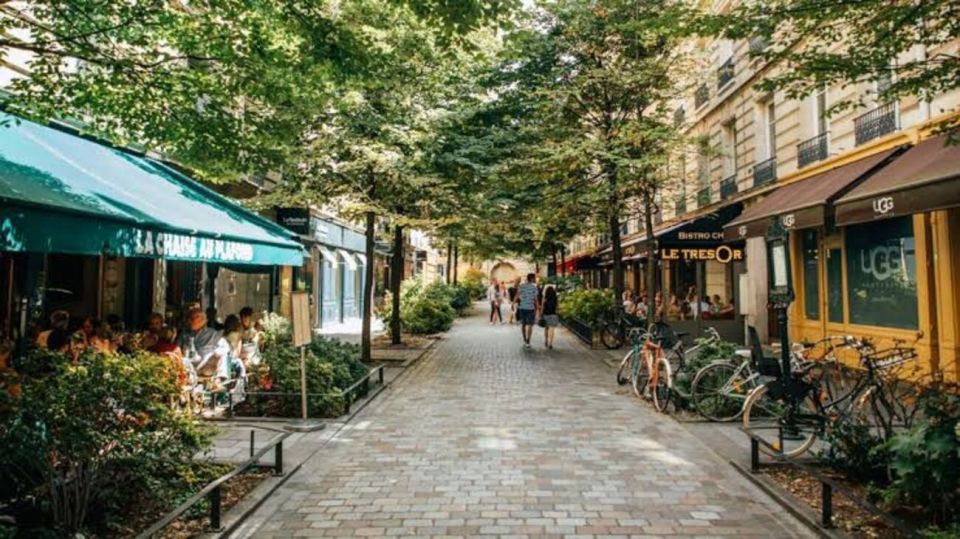
- A Marais route designed for quick understanding: major squares and churches, plus the streets between them
- Jewish quarter focus: Rue des Rosiers and the Anne Frank garden moment give the area context
- Art-and-architecture stops: Musée National Picasso and Pont Marie add visual variety
- Victor Hugo and Saint-Paul Saint-Louis: literature and faith landmarks in one loop
- Comfortable walking with a clear finish: end in time to relax with a coffee and croissant
Why the Marais feels like a time machine
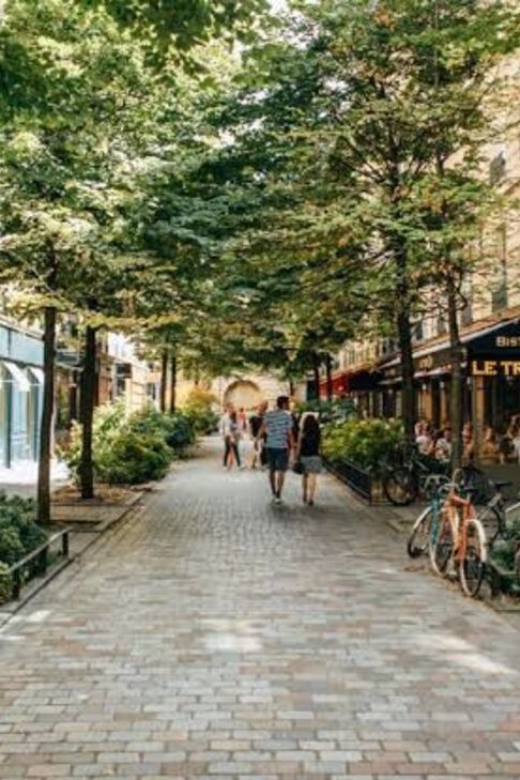
The Marais is one of those parts of Paris where the past isn’t locked behind glass. You walk from one centuries-old landmark to the next and the street layout itself starts telling you how this district worked. It once sat beyond the city’s center, and today it sits right in the middle of Paris life—so you get that neat contrast of old boundaries versus modern energy.
What makes this tour especially useful is the way it connects scenes you might already recognize with details that make them click. You’re not just passing buildings; you’re learning why they matter in a larger story of Paris. That includes a specific focus on the district’s Jewish neighborhood, which helps you understand the meaning behind places you might otherwise treat as scenery.
I also like the balance of your stops. You get famous stops (the kind you can point to on a map) and you get smaller moments that explain what you’re seeing right now. It’s a smart way to explore without needing a self-guided deep research project.
You can also read our reviews of more walking tours in Paris



Meeting point and the 2-hour rhythm
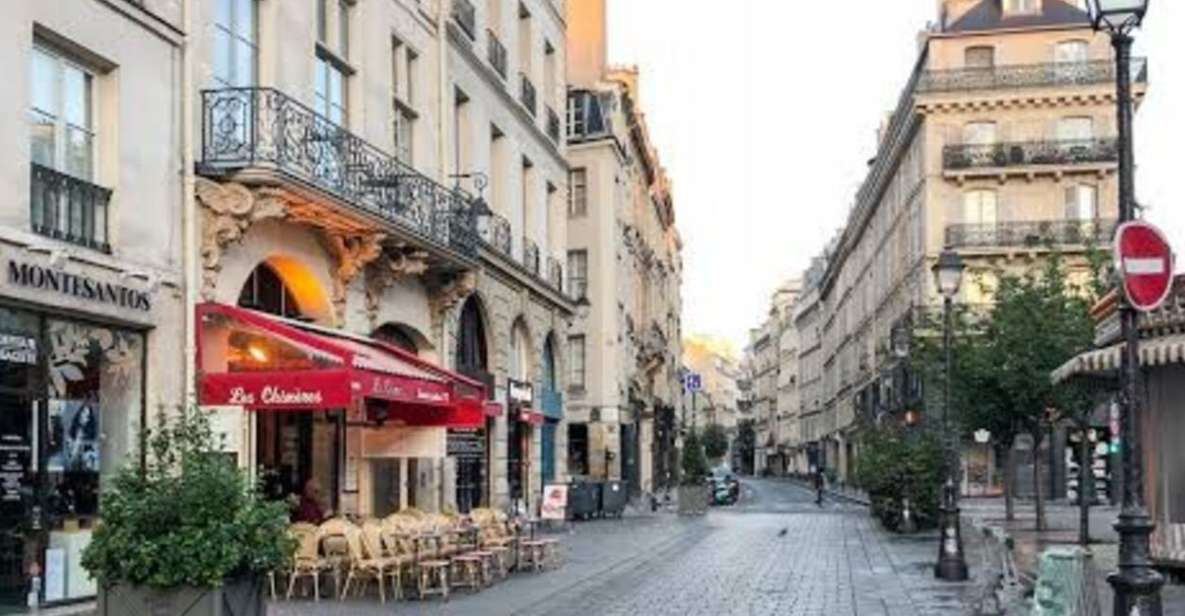
This walk starts outside the Quick restaurant, so you have a clear, easy-to-locate meeting spot. You’ll want to arrive a few minutes early with comfortable shoes—this is a walking tour, and the day will move faster than you expect once you’re on the route.
The total duration is 2 hours, which is a sweet spot for the Marais. Long enough to cover a meaningful loop, short enough that you can still keep your evening plans. If you’re building a Paris day, this kind of tour works well before dinner because you’ll already feel oriented.
One more practical note: the tour is not suitable for pregnant women. If that applies to you, look for a different format with less walking.
Hotel de Ville to Place des Vosges: the Marais spine
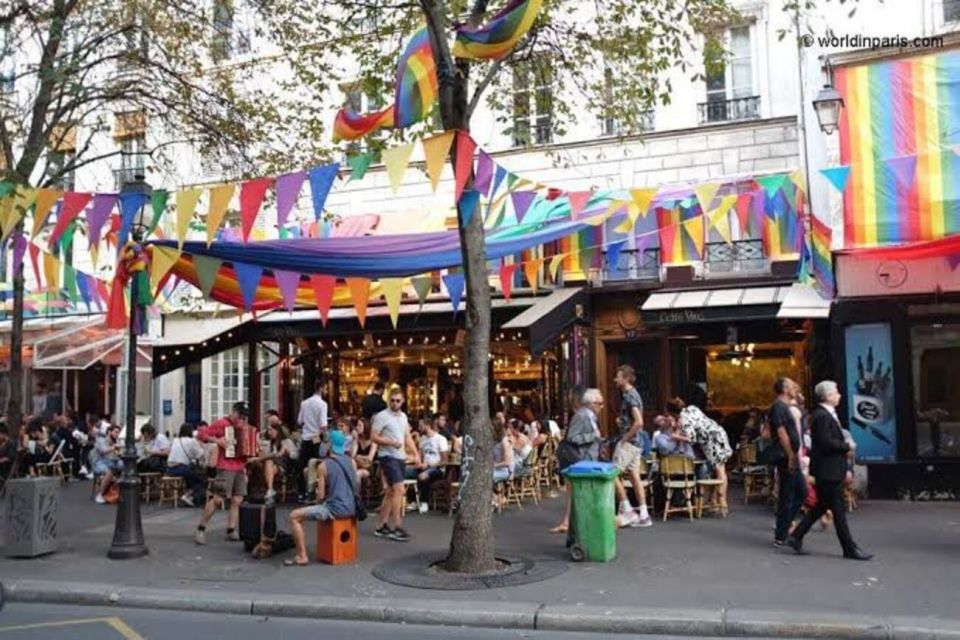
Your tour kicks off with the Hotel de Ville area, a natural starting point because it anchors you in Paris civic life. From there, you head toward Place des Vosges, which is the kind of square that instantly changes how you see the neighborhood. Even if you’ve seen it in photos, in person it’s easier to understand the geometry of the district—how open spaces shape what you feel while walking.
Place des Vosges also gives you an important contrast point. The Marais may be famous today, but you’re learning how it developed and why the district’s position mattered over time. This is where the tour’s “how did this place become this place?” angle really earns its keep.
If you like architecture and city layout, this section is a strong start. It gives you the bearings you’ll need for the narrower streets later—so the Jewish quarter stops won’t feel like a random change of scenery.
Maison de Victor Hugo and Saint-Paul Saint-Louis: culture meets faith
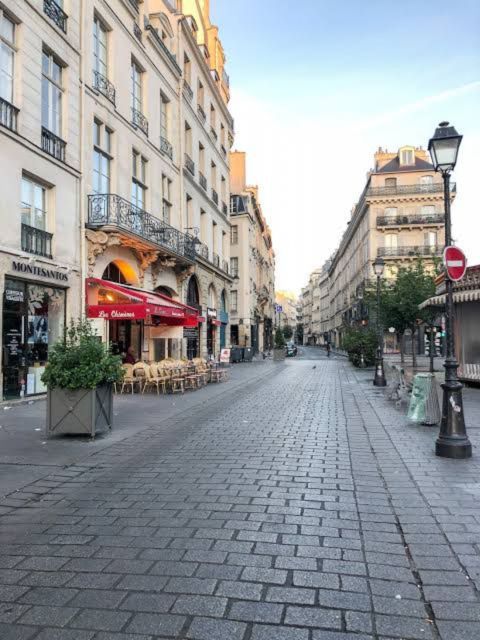
From the major square energy, you move into more characterful spaces. The Maison de Victor Hugo stop adds a literary layer that helps you connect the Marais to famous names tied to French culture. It’s not just a sightseeing stop; it’s a reminder that this district has long attracted artists, writers, and people drawn to Paris life.
Then comes Paroisse Saint-Paul Saint-Louis. A church stop can sound like a quick photo break, but in this kind of tour, it becomes a lens for understanding how communities have shaped the neighborhood. When you’re learning the religious and cultural layers of the Marais, a stop like this helps you see the district as more than one story.
This is also a good point in the walk to slow down mentally. Ask your guide about what connects these landmarks—how the Marais shifted roles over time. That’s usually where the tour turns from “I saw stuff” into “I understand why it’s here.”
Musée National Picasso and Pont Marie: art in the middle of real streets
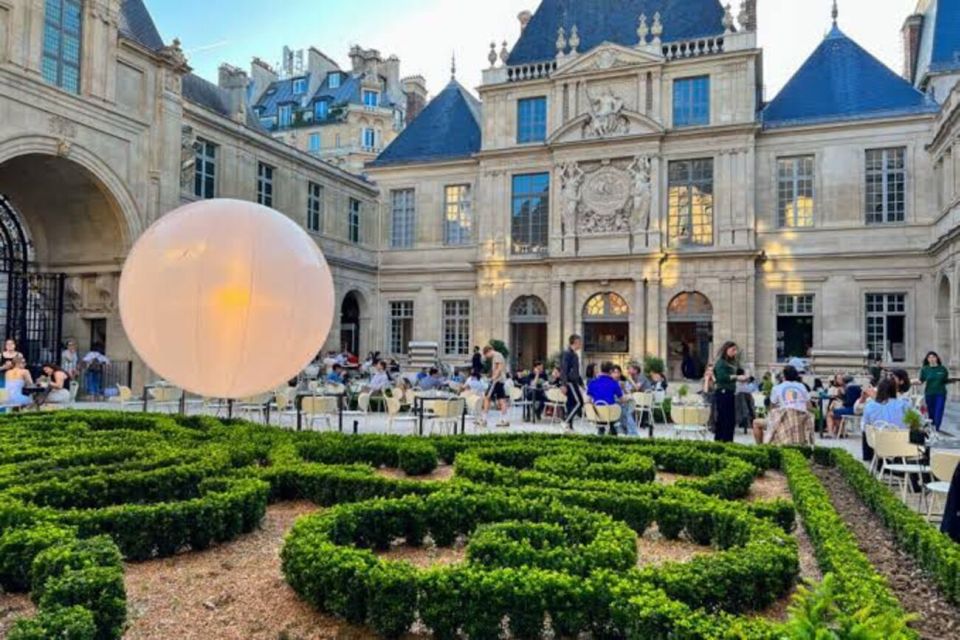
The Musée National Picasso stop brings a modern art anchor to a district that often gets labeled only as old-world Paris. It’s a useful pivot because it reminds you that the Marais isn’t frozen in time. Even as it keeps its historical bones, it keeps absorbing new cultural energy.
Next you cross to Pont Marie, a bridge that’s perfect for learning without needing a classroom. A bridge is a natural perspective change. You see how the street grid and the Seine relationship work together, and you can feel why the area’s layout mattered historically.
Then you reach Église Saint-Gervais, another church stop that adds to the layered feel of the walk. The value here isn’t the building alone—it’s how the guide connects the site to the district’s broader changes. If you’ve ever left tours wishing someone had explained why a place is placed where it is, this segment usually fixes that.
You can also read our reviews of more guided tours in Paris




Fontaine du Lycée Charlemagne and the street texture you remember
One of my favorite parts of any walking tour is the transition from landmark photos to real street texture. The Fontaine du Lycée Charlemagne helps with that. It gives you a change of pace and a chance to notice details that you might otherwise miss when you’re rushing between big stops.
This is also the moment where the Marais starts to feel more lived-in—narrow streets, local rhythms, and the kind of atmosphere you want when you’re exploring neighborhoods rather than ticking off a checklist.
Keep your eyes up and your camera ready, but don’t lock into that mode the whole time. Let the guide’s explanation shape what you’re looking at. In a district like this, small cues can make the biggest difference.
Rue des Rosiers and Jardin Anne Frank: the Jewish quarter meaning
The Jewish neighborhood focus is a highlight for a reason. Rue des Rosiers is the kind of street where history isn’t abstract; it’s woven into what’s around you.
This segment works especially well because it’s not just one stop. You move from the street experience into Jardin Anne Frank, which creates a powerful emotional and educational shift. Even if you know the name already, seeing how the area connects to that story gives it a grounded feeling.
What I like about this part of the tour is the way it makes the neighborhood easier to interpret. If you’ve ever walked through a culturally specific area and felt like you were missing the deeper context, this is where that gap closes.
Also, plan your attention here. This section tends to be the most memorable. Give it a few minutes to settle in, and don’t treat it like a quick stop for photos.
The guide’s coffee and croissant finish
After you complete the walking loop, your guide offers a café with a croissant at a nearby café shop. This is a great way to land the tour. You get a real break at a natural point—when your feet are tired and your brain has enough new information to process.
It’s also a smart social reset. You can ask a final question, review what you learned, and then head into your evening with a calmer pace. I like finishing like this because it makes the experience feel like more than movement. It becomes a moment.
Price and value: is $42 worth it for 2 hours?
At about $42 per person for a 2-hour guided walk, you’re paying for one main thing: interpretation. You’re not just buying entry tickets or museum time. You’re buying a guided route that connects major landmarks and neighborhood streets into a coherent story, including the Jewish quarter focus.
That value tends to make sense if:
- you want a structured way to explore the Marais without figuring out the order yourself
- you like historical context more than random stops
- you want someone to point out meaning behind what you’re seeing
Where it might not be the best fit is if you already know the Marais story well and you prefer to wander independently. In that case, you may not get enough new information to justify a guided price. But if you want your time in the neighborhood to count, this tour’s tight route and specific focus make it a good deal.
One more balance point: the tour is in English. Some people feel that English tours run at a comfortable pace; others prefer slower delivery. If you’re sensitive to speed in conversation, arrive ready to ask for clarification and don’t wait until the end.
Who this tour suits best
This is a strong choice if you want:
- an efficient Marais orientation with a real neighborhood focus
- a blend of major sights and street-level context
- a guided explanation of the Jewish neighborhood and its landmarks
It’s less suitable if:
- you’re pregnant (not recommended for this tour)
- you need a French-language guide (the tour is English)
Wheelchair accessible is listed, which makes it a better option than some tightly controlled old-street routes—still, you’ll likely be on uneven sidewalks, so plan accordingly.
Should you book the Paris Marais District Guided Walking Tour?
I’d book it if you want a guided walking loop that actually explains what you’re looking at, especially the Jewish quarter portion and the way the Marais connects medieval Paris to today. The combination of well-known stops (like Place des Vosges and Musée National Picasso) with meaningful neighborhood streets is a good use of a limited time window.
Skip it or think twice if you need French, you’re very strict about slow pacing, or you’re not comfortable with a solid walk. If you match the tour’s style—short, guided, focused—this one is a practical way to get more than photos out of the Marais.
FAQ
How long is the Paris Le Marais District Guided Walking Tour?
The tour lasts 2 hours.
Where does the tour meet?
The guide meets outside the Quick restaurant.
Is the tour guided in English?
Yes, the live tour guide speaks English.
Is the tour wheelchair accessible?
Yes, the tour is wheelchair accessible.
Is this tour suitable for pregnant women?
No, it is not suitable for pregnant women.
Can I get a refund if I cancel?
Yes. You can cancel up to 24 hours in advance for a full refund.