
REVIEW · PARIS
Paris: Musée de Montmartre and Gardens Entry Ticket
Book on GetYourGuide →Operated by Musée de Montmartre · Bookable on GetYourGuide
Paris can be loud. Montmartre can be crowded. This museum gives you a calmer way to understand why the neighborhood mattered, with audio-guided rooms inside the Bel Air House and peaceful time in the gardens.
I especially love how the museum connects small details (studios like 12 Cortot, the Chat Noir scene, the names behind the cabaret era) to the bigger story of how Montmartre became part of Paris in the 19th century. I also like that you get time to breathe in the Renoir Gardens and enjoy the view from a quieter corner of the hill.
One drawback to plan for: the museum is on a hill, so you may face a walk up before you reach the entrance, and some cafe hours can shift if it’s closed for private use.
In This Review
- Key highlights you should care about
- Musée de Montmartre and Renoir Gardens: what this ticket really delivers
- Getting there and finding the entrance fast
- Walking through the Bel Air House: why the setting matters
- The audio guide route: 90 minutes, but don’t force a finish
- Montmartre’s bohemian era: names, venues, and what they mean
- Artist studios and intimate spaces: what to look for inside
- Temporary exhibitions: a bonus when you want more than the basics
- Renoir Gardens and the Montmartre vineyard: the payoff after the rooms
- Café Renoir breaks: plan your rest without counting on it blindly
- How long should you plan, and when does it work best?
- Is it good value at $16? My practical take
- Who should book this Musée de Montmartre visit?
- Should you book? My straight answer
- FAQ
- What time is the Musée de Montmartre open?
- How long is the audio guide?
- What is included with the ticket?
- Do I need a live guide?
- Where do I go to enter?
- Is the venue wheelchair accessible?
Key highlights you should care about
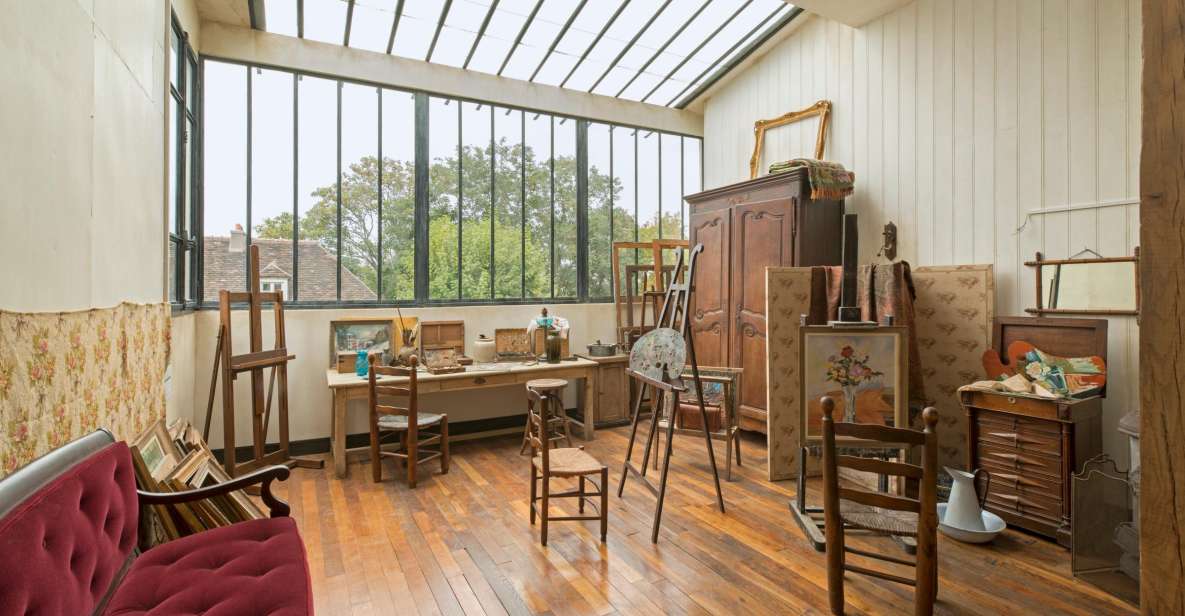
- Bel Air House (17th century): the oldest building in Montmartre frames the whole visit.
- Skip-the-ticket-line entry: you go straight in once you show your voucher at the entrance.
- Audio guide pace: about 90 minutes of narration, but you’re free to stay longer.
- Chat Noir and shadow theatre context: Henri Rivière and Henry Somm get credited in the story.
- Renoir private garden + Montmartre vineyard views: green spaces that feel like a breather.
- Temporary exhibitions included: you can catch changing shows alongside the permanent collection.
Musée de Montmartre and Renoir Gardens: what this ticket really delivers
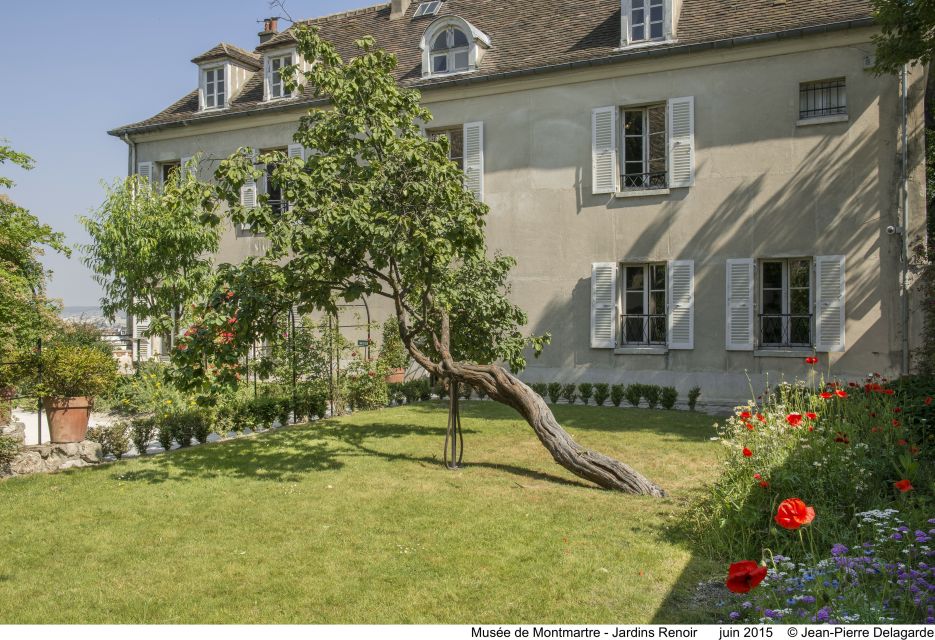
If you want the Montmartre story without getting dragged through ten souvenir stops, this is a strong choice. The Musée de Montmartre is not trying to be a mega-museum. It’s a focused, intimate museum housed in a historic home setting, and that matters. You move room to room the way artists once did: close, personal, and full of atmosphere.
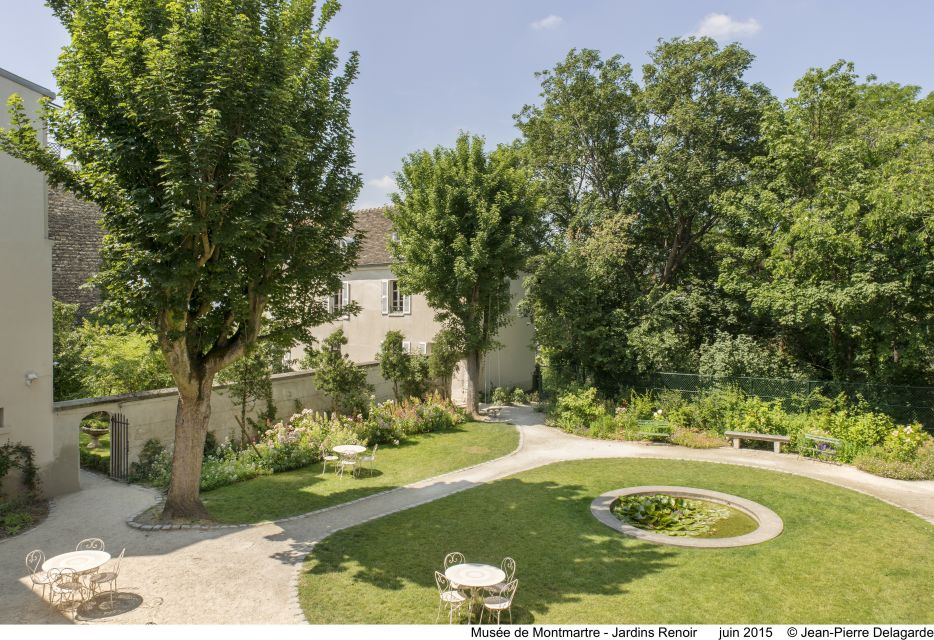
With your entry ticket, you get access to the permanent and temporary exhibitions, plus the museum gardens and the coffee shop areas. You also get access to the Renoir private garden. That combo is the real value: you’re not only learning, you’re stepping into the landscape that artists associated with Montmartre.
It’s also a smart time-saver. The ticket is designed so you can skip the ticket line and go directly to the museum once you arrive. For Paris, that is the difference between starting your visit on time and spending it waiting in a queue you didn’t come to enjoy.
Price-wise, this is positioned at about $16 per person for a full day pass. For what you get—exhibitions, gardens, and an included audio guide—that’s reasonable. You’re paying less for less stuff you don’t need (no live guide required) and more for self-paced access that you can fit into a day of sightseeing.
You can also read our reviews of more tours and experiences in Paris



Getting there and finding the entrance fast
You’ll show your voucher at the museum entrance and go in from there. The museum is open 10:00 AM to 7:00 PM, and the last entry is 45 minutes before the halls close.
Plan your arrival with the hill in mind. Montmartre is not flat. Even if you take public transport nearby, you’ll likely deal with some uphill walking to reach the building. If you have limited mobility or fatigue early in the day, I’d aim for a morning start so you’re not rushing during your museum time.
Also check the café schedule when you plan breaks. The Café Renoir is open 11:00 AM to 6:00 PM. On the practical side, that’s a good window for lunch or a sweet pause.
Walking through the Bel Air House: why the setting matters
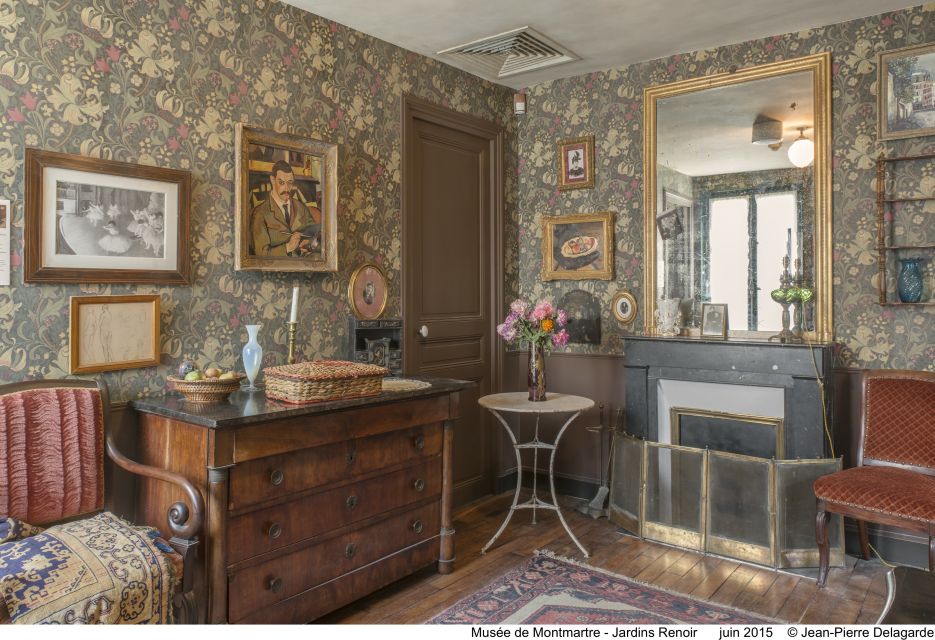
The visit starts with the building itself. The Bel Air House is a 17th-century home and the oldest building in Montmartre, so you’re not just looking at artifacts behind glass. You’re absorbing the setting where the story feels grounded.
From a visitor’s point of view, that’s huge. When a museum is in a place with age and character, your brain stops treating history like a lecture and starts treating it like a lived space. You get that sense here.
As you move through the permanent spaces, you’ll follow a guided story via the audio guide. The narration covers Montmartre’s transformation from countryside to a Paris neighborhood, and it does it with names and scenes that stick. You learn that Montmartre was annexed to the city of Paris—and once Paris moved in, the countryside rhythm changed fast.
The audio guide route: 90 minutes, but don’t force a finish
Your audio guide is designed for about 90 minutes, but you’re welcome to stay and explore at your own pace. That flexibility is important. Montmartre is a neighborhood where you might want to slow down—especially if you’re mixing museum time with walking through streets and viewpoints.
Here’s what the audio guide helps you connect:
- 19th-century shift: once Montmartre became part of Paris, the city reshaped the hill.
- Artist arrival: artists started moving to Montmartre around 1870.
- Bohemian explosion: in the 1880s, cafes and cabarets multiplied and the area became a magnet for performers and painters.
- Performance culture: theatre, music, circus acts, and dance all fed the Montmartre reputation.
You’ll also hear specific references tied to the era. The Théâtre d’Ombres—shadow theatre—was created in 1866 by Henri Rivière and Henry Somm, and it appears in the story of how venues like the Chat Noir helped define the neighborhood’s nightlife energy.
One practical tip: use the audio guide like a framework, not a timer. If you’re in a room you love, keep going. If you’re not connecting with a specific section, skip ahead to where the story turns more interesting for you.
Montmartre’s bohemian era: names, venues, and what they mean
This is where the museum shines. It’s not only about art objects; it’s about the stage Montmartre became. When you understand the cabaret and performance scene, you understand why painters, writers, and dancers were drawn to the same streets.
You’ll see the museum connect big cultural names with the atmosphere. For example, the story includes famous performers such as Aristide Bruant and Yvette Guilbert, and it points to dance performances linked to the Moulin Rouge like La Goulue, La Môme Fromage, and Grille d’Egouts.
The museum also brings in Henri de Toulouse-Lautrec as one of the artists who represented those performances. That’s a helpful bridge. If you know Toulouse-Lautrec’s work, this museum gives context for where that energy came from. If you don’t, it still makes sense because it explains the ecosystem: venues, performers, and artists all fueling each other.
The museum doesn’t treat Montmartre as one romantic postcard. It treats it like a system. Paris pushed in. Artists followed. Entertainment grew. And all of it became part of the neighborhood identity.






Artist studios and intimate spaces: what to look for inside
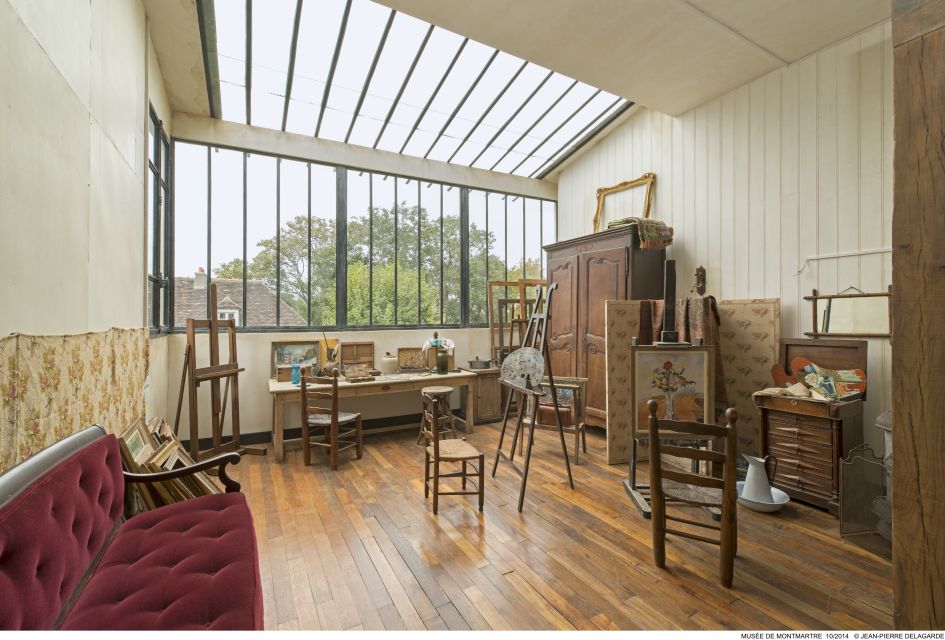
One of the most satisfying parts of the visit is the sense of studio life. You’ll encounter references to artists’ workspaces, including 12 Cortot, which is described as a place that witnessed the passage of multiple artists who painted their residences with affection.
Even without a long lecture, this kind of detail changes how you view Montmartre. The neighborhood stops being just a destination and starts being a working environment—where people lived, created, and collaborated close to each other.
If you like art history that explains the why, not just the what, lean into this section. Look for the way the museum ties the physical spaces to the creative community. You’ll get more out of it if you imagine the daily routine: the noise outside, the creative focus inside, and the constant exchange of ideas.
Also, take your time noticing how the museum’s layout encourages wandering. Some areas are easier to spot than others, so don’t rush past small transitions. If you want to maximize value, give yourself at least enough time to go back once and check for details you might have missed.
Temporary exhibitions: a bonus when you want more than the basics
Your ticket includes temporary exhibitions as well as the permanent collection. That means your visit can feel different on another day. Based on what’s been shown in recent seasons, you might encounter exhibitions focusing on specific artists, like Maximilian Luce or Herbin.
This is a good thing for two reasons:
- You’re not stuck with only the permanent storyline of Montmartre.
- If you’re already curious about a particular artist, temporary shows can turn the visit from a district overview into a deeper art experience.
There is one practical consideration: occasionally parts of the museum may have sections closed on a given day. If you’re working with limited time, plan to enjoy what’s open and don’t assume every room will be available.
Renoir Gardens and the Montmartre vineyard: the payoff after the rooms
After the indoor story, the gardens are where everything cools down.
You’ll have access to the museum gardens, including the Renoir private garden, and you’ll also encounter references connected to the Montmartre vineyard. This blend matters because it shows how the neighborhood wasn’t only about nightlife. It had living landscape too.
Gardens here work like a reset button. You step from rooms filled with narrative into open air with calmer pacing. If your Paris day is packed, the gardens give you room to sit and let the story settle.
Timing tip: if you can, aim for the gardens after you’ve done the main museum rooms. That way you get full context before you experience the quiet. If you do it the other way around, the gardens still feel nice, but you might not connect them as strongly to the Montmartre identity you just learned.
Café Renoir breaks: plan your rest without counting on it blindly
You’re also granted access to the coffee shop area. The museum’s café is a real part of the experience, especially if you like resting before you keep walking the hill.
The basics: Café Renoir is open 11:00 AM to 6:00 PM, and the food options include at least chocolate items that people seem to remember. One practical note: the café can close for private events, even within official hours. So if you’re traveling with strict meal timing (like kids or a fixed schedule), bring a backup plan.
For an easy rhythm, do this:
- Museum rooms first
- Gardens for a sit-down break
- Café for a drink or light snack
That keeps the day smooth and prevents you from running out of energy right when you want to enjoy Montmartre streets after.
How long should you plan, and when does it work best?
This experience is valid for 1 day, but the audio guide is around 90 minutes. In real-world terms, I’d plan more than that. You’ll want time to wander, take breaks, and move through the garden areas without feeling rushed.
A good visit flow looks like:
- Start soon after opening if you want a quieter pace.
- Use the audio guide for the story while you walk.
- Add time for temporary exhibitions, since they can take longer than you expect.
- Finish with the Renoir garden areas and sit down once.
When it works best:
- If you want Montmartre context but don’t want only viewpoints and tourist shops.
- If you love art history that connects to places and people.
- If you want a calmer indoor-and-outdoor experience before or after a busy day elsewhere in Paris.
If your day is packed with big-ticket museums, this is a nice counterbalance: smaller scale, focused storytelling, and an actual place to rest.
Is it good value at $16? My practical take
At about $16 per person, the value depends on how you like to travel.
You’ll likely feel it’s worth it if:
- You want an included audio guide rather than hiring a separate live guide.
- You’re interested in the specific Montmartre story: the annexation to Paris, the artist migration around 1870, and the nightlife boom of the 1880s.
- You care about gardens as much as galleries—because the ticket covers both.
You might hesitate if:
- You’re only interested in a short checklist of art pieces and don’t care about performance history, cabaret culture, or studio context.
- You’re expecting a huge museum campus. This one is compact and intimate.
For most people, the garden access plus the guided storytelling makes the ticket feel like more than the price suggests.
Who should book this Musée de Montmartre visit?
This works especially well for you if you:
- Like a self-paced museum visit where you control the speed.
- Want a clear introduction to what made Montmartre famous beyond postcard images.
- Enjoy learning through specific names, venues, and cultural references rather than only broad time periods.
- Want a break from crowds in a quiet setting with gardens.
It’s also a good fit for couples, solo travelers, and anyone traveling with teens who can manage an audio guide format. And because it’s wheelchair accessible, it can be a practical option when you need a museum that supports more mobility needs.
Should you book? My straight answer
Yes, book it if your goal is to understand Montmartre in a way that feels real, not just scenic. The mix of the Bel Air House, the included audio guide, and the Renoir Gardens gives you both story and space to breathe. At around $16, it’s also priced like a smart add-on that won’t derail your Paris budget.
Skip it only if you’re chasing big, high-gloss museum scale or you want a live guide-led tour style. For everyone else, this is a strong use of time on the Montmartre hill—especially when you want calm, context, and a garden payoff in one visit.
FAQ
What time is the Musée de Montmartre open?
The museum is open from 10:00 AM to 7:00 PM, and the last entry is 45 minutes before the halls close.
How long is the audio guide?
The audio tour is designed to last about 90 minutes, and you can stay longer to explore at your own pace.
What is included with the ticket?
Your ticket includes entrance to the museum’s permanent and temporary exhibitions, access to the gardens and coffee shop, skip-the-ticket-line entry, access to the Renoir private garden, and an audio guide.
Do I need a live guide?
No. This experience includes an audio guide, not a live guide.
Where do I go to enter?
Show your voucher at the entrance of the Musée de Montmartre.
Is the venue wheelchair accessible?
Yes, the museum is wheelchair accessible.