REVIEW · PARIS
Paris: Musée d’Orsay Private Guided Tour with Reserved Entry
Book on GetYourGuide →Operated by TOUR FRANCE EXPERIENCE · Bookable on GetYourGuide
Orsay makes more sense with a smart guide. I like the private expert guide format, and one guide named Antoine is often praised for tying Impressionism and Post‑Impressionism to the story of France and Paris. I also like reserved entry, which helps you start your museum time faster.
At $282 per person, the deal only feels right if you’re buying focused guidance rather than a full-day wander. The tour is only 2 hours and sticks to the permanent collection, so you won’t be spending that time on temporary exhibitions.
In This Review
- Key Things I’d Watch For
- Why Musée d’Orsay Hits Hard With Expert Attention
- Meeting at the Esplanade and Getting Started Smoothly
- The 2-Hour Structure Inside: Permanent Collection, Real Momentum
- Impressionism and Post‑Impressionism: How to Read What You’re Seeing
- Monet, Van Gogh, Degas, and More: Turning Big Names into Meaning
- Neoclassicism, Realism, and Symbolism: The Museum’s Momentum Shift
- Museum History and Architecture Notes You Can Use While You Walk
- Private Group Pacing: Conversation Beats Crowds
- Price and Value: Is $282 per Person Fair for Orsay?
- Languages and Comfort: Picking the Right Guide
- Accessibility and Extras: What You’ll Need to Know
- Who Should Book This Private Orsay Tour
- Should You Book This Musée d’Orsay Private Tour?
- FAQ
- How long is the Musée d’Orsay private guided tour?
- What’s included in the price?
- Is reserved entry or skipping the ticket line included?
- Which art periods and artists will the tour cover?
- What languages are available for the live guide?
- Is the tour wheelchair accessible?
- Are temporary exhibitions included?
- Can I reserve now and pay later?
- What are the cancellation and refund terms?
Key Things I’d Watch For
- Skip-the-line setup so you lose less time at the entrance
- Expert context that links paintings to the larger French story (with guides like Antoine noted for it)
- A curated run through 1848–1914, not a random loop of rooms
- Impressionist and Post‑Impressionist priorities plus other movements so you don’t miss the big picture
- Private pacing where you can react, ask, and share what you notice
Why Musée d’Orsay Hits Hard With Expert Attention
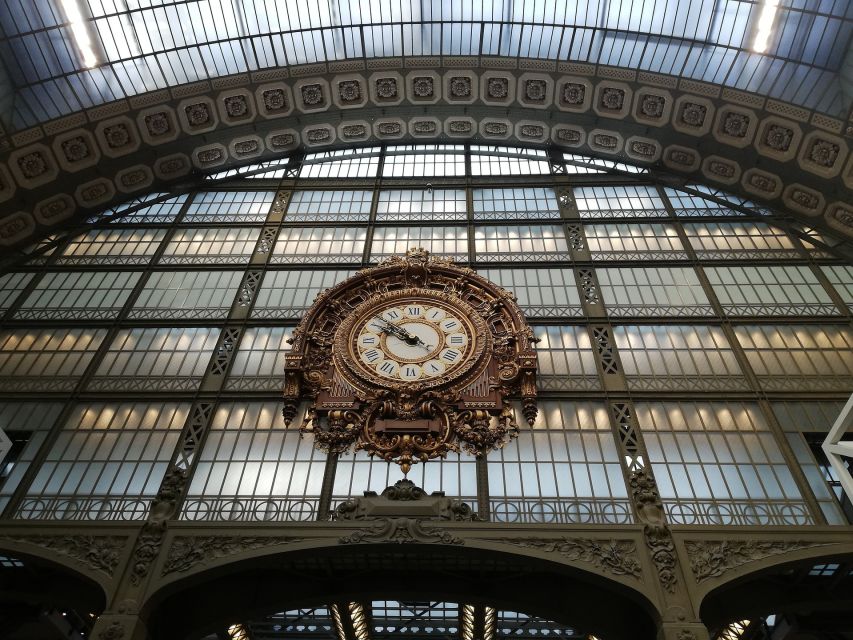
Musée d’Orsay can feel like a lot of art in a hurry. That’s exactly why a private, guided format works so well here. In a short time, you get someone who can translate what you’re seeing into something you actually understand.
I love the way this tour is built around commentary, not just a walk past paintings. You’re not left to guess why certain works sit near each other or what movement they represent. You also get flexibility: you can share your opinions as you go, and the guide can steer the conversation toward what interests you most.
One practical upside: the tour is designed for a focused visit, which matters in Paris. In two hours, you can still come away feeling like you saw the museum’s core ideas, not just a stack of famous names.
You can also read our reviews of more guided tours in Paris



Meeting at the Esplanade and Getting Started Smoothly
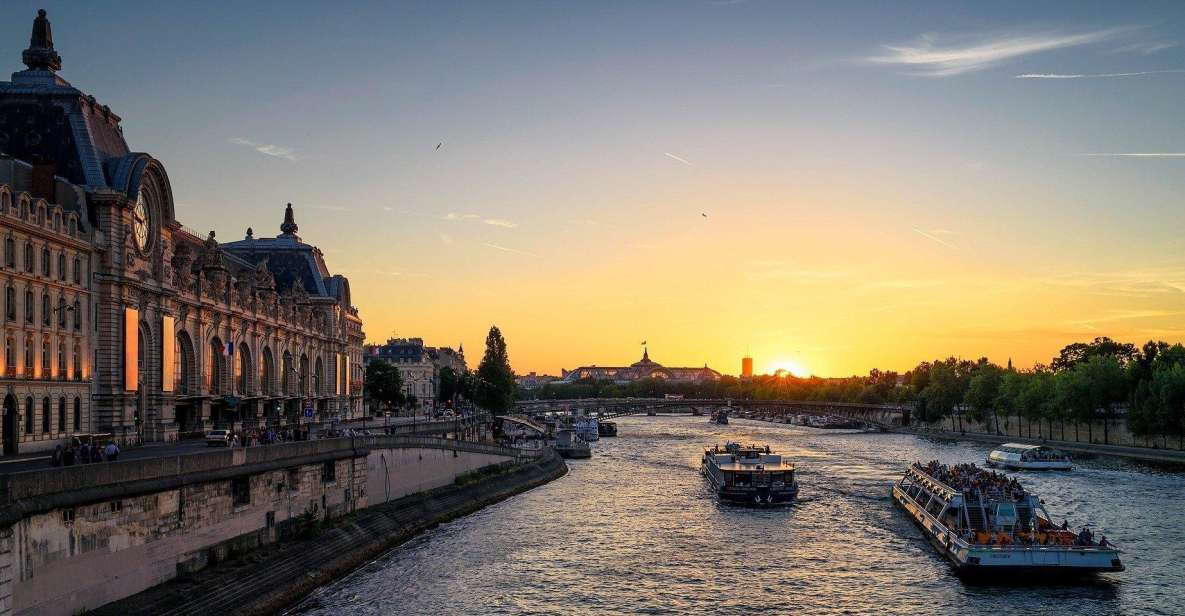
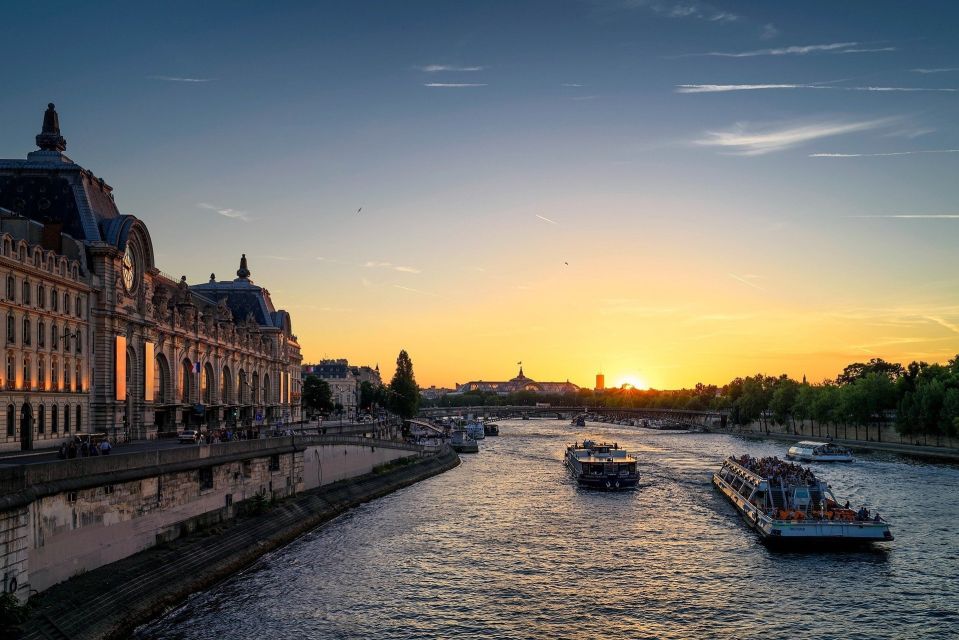
Your tour meets at the Esplanade du Musée d’Orsay. From there, the big point is simple: you’re set up for reserved entry and to skip the ticket line. That matters because museum entrances can eat up precious sightseeing time.
Because this is a private group, you’re not stuck waiting for a larger crowd to gather or shuffle. You’ll follow your guide directly into the experience, then spend your time where it counts: inside the permanent collection.
One more detail I like for planning: your meeting point can vary depending on the option you book. So when you confirm, double-check where you’re supposed to meet so you’re not hunting around outside.
The 2-Hour Structure Inside: Permanent Collection, Real Momentum
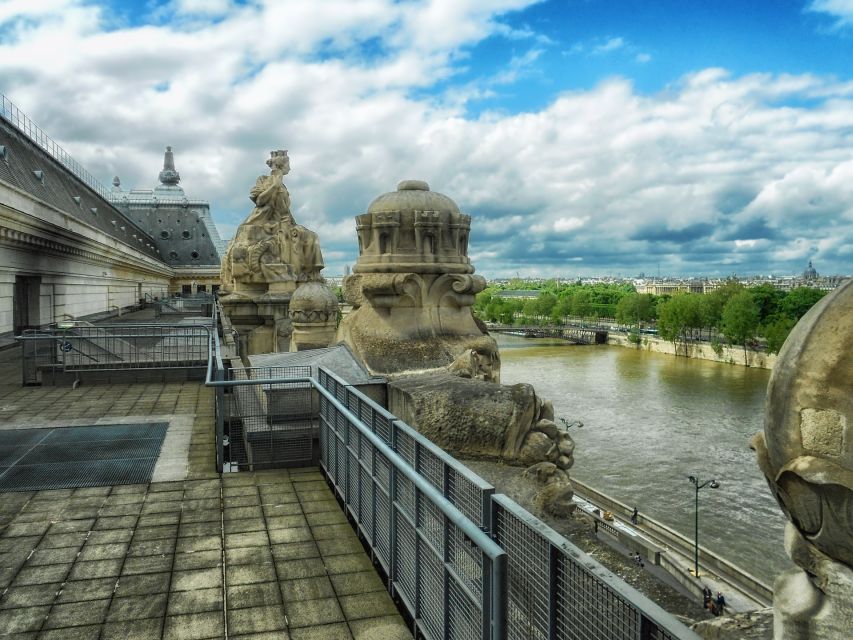
This is a 2-hour private guided tour of the museum’s permanent collection. The time window isn’t trying to cover everything—it’s trying to help you see the right things in the right order and understand why.
You’ll be led through the museum’s corridors while your guide comments on the works you’re looking at. You’ll also hear about the museum itself—its history and architecture—because that context changes how you read the art. Even if you don’t know French art history, the guide’s job is to make the connections clear.
What you get here is momentum. Instead of bouncing room-to-room at random, you move with purpose. And if a painting clicks with you, you can spend extra attention on it while still keeping the tour’s overall arc.
Impressionism and Post‑Impressionism: How to Read What You’re Seeing
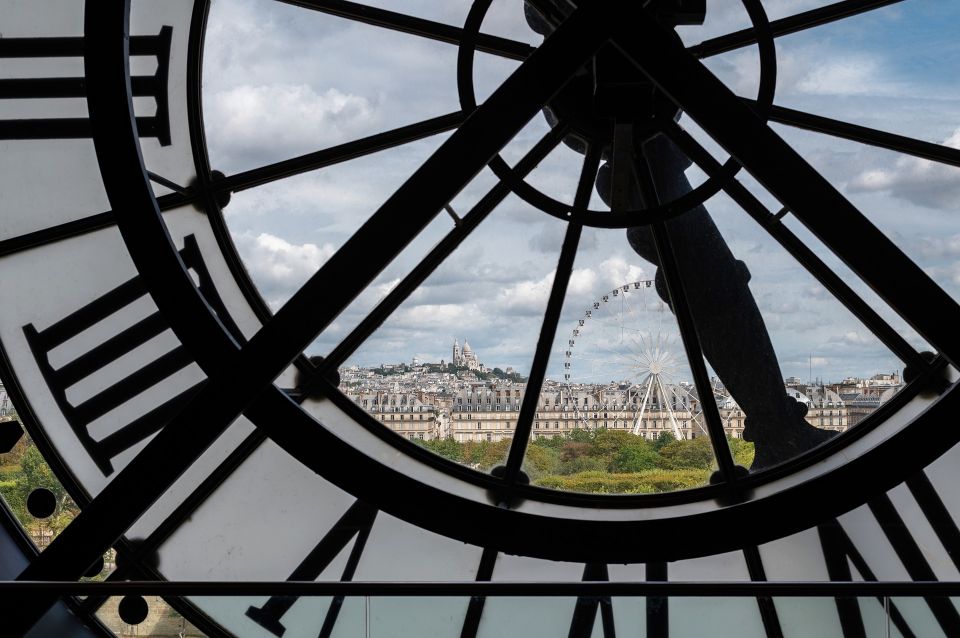
The core of the experience is the museum’s world-famous Impressionist and Post‑Impressionist works. The guide’s commentary helps you look past the surface wow factor and notice the choices artists made—light, color, brushwork, and mood.
Here’s how I’d think about it in your head while you’re walking: you’re not trying to memorize titles. You’re learning a way of looking. In Impressionism and Post‑Impressionism, that means paying attention to how the painting makes you feel, then asking how the artist built that effect.
Your guide also helps you connect pieces into a storyline. That’s useful because these works can feel similar at first glance—until someone points out what’s changing from one artist to another or from one movement to the next.
Monet, Van Gogh, Degas, and More: Turning Big Names into Meaning
Yes, you’ll see major artists like Monet, Van Gogh, Degas, and more. But the real value is what happens after the name drops. The guide gives you interpretation so those famous names don’t stay as just postcards in your memory.
I like tours where the guide builds themes. For example, instead of rushing through separate masterpieces as isolated “check marks,” you start noticing patterns—how different artists approach similar subjects or solve problems of color and style in their own way.
A guide like Antoine is specifically highlighted for putting the works into context with French and Paris history. That type of framing helps you understand why the art looks the way it does and why it mattered at the time. It also makes the museum feel less like a textbook and more like a living conversation.
You can also read our reviews of more private tours in Paris






Neoclassicism, Realism, and Symbolism: The Museum’s Momentum Shift
Orsay doesn’t only do one style. In your walk, you’ll also encounter works linked to Neoclassicism, Realism, and Symbolism. That’s a big deal because it prevents the visit from becoming one long Impressionism loop.
This is where expert guidance pays off. If you try to self-navigate, you might recognize styles by sight, but you can easily miss the “why now?” factor—how styles respond to changing ideas in society. With a guide, you can shift gears smoothly while still understanding what connects the movements.
Think of it like switching stations on the radio, but with a host who explains the format changes. You’ll still enjoy each sound, but you won’t feel lost when the music style changes.
Museum History and Architecture Notes You Can Use While You Walk
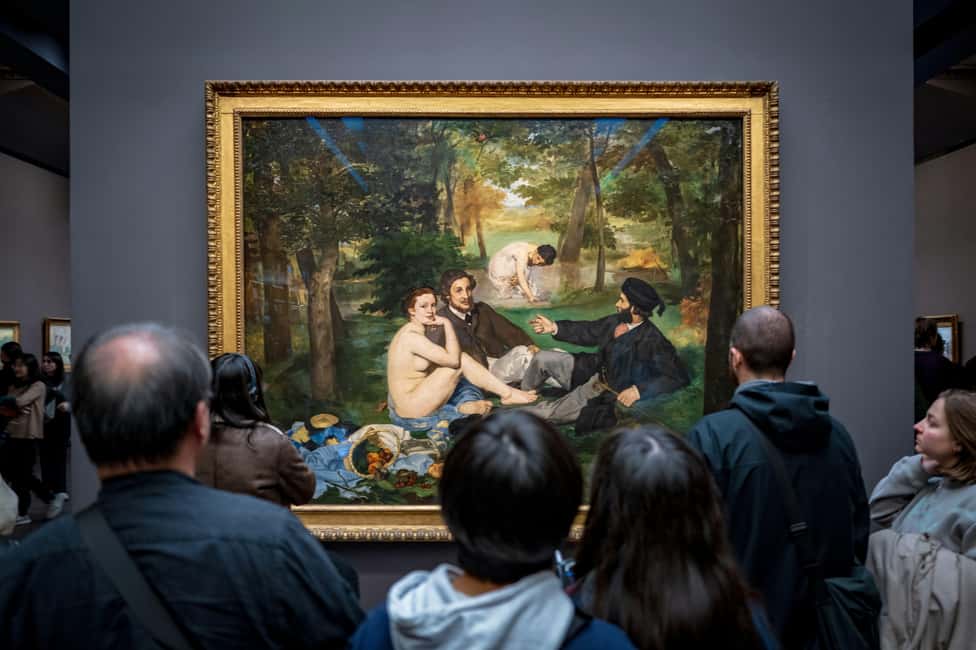
One of the praised parts of this experience is that the guide doesn’t stop at describing paintings. They also cover the museum’s history and architecture. That’s not just trivia. It helps you understand what you’re walking through and why the museum experience feels the way it does.
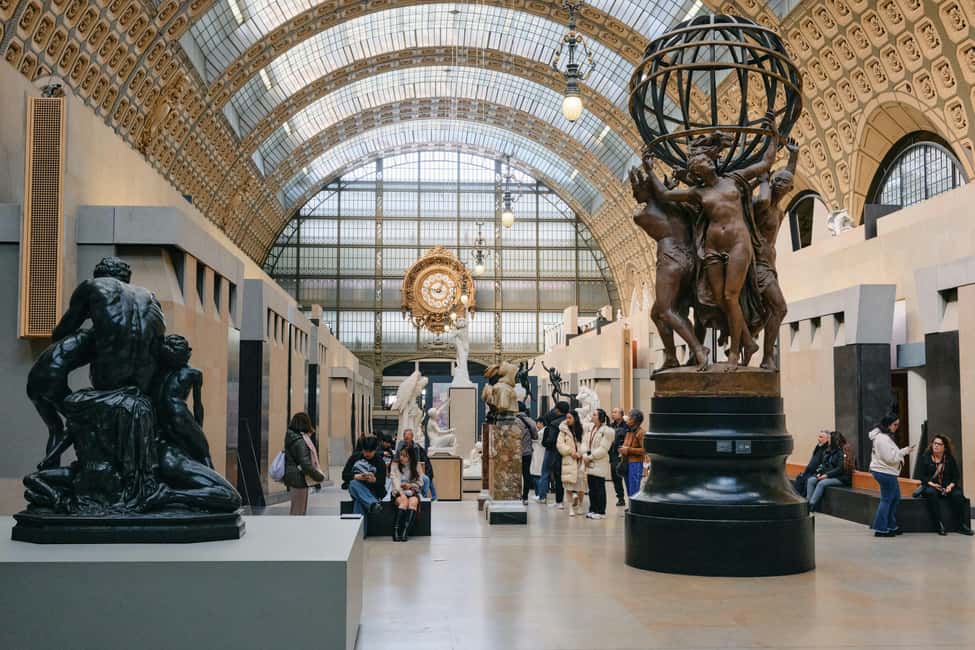
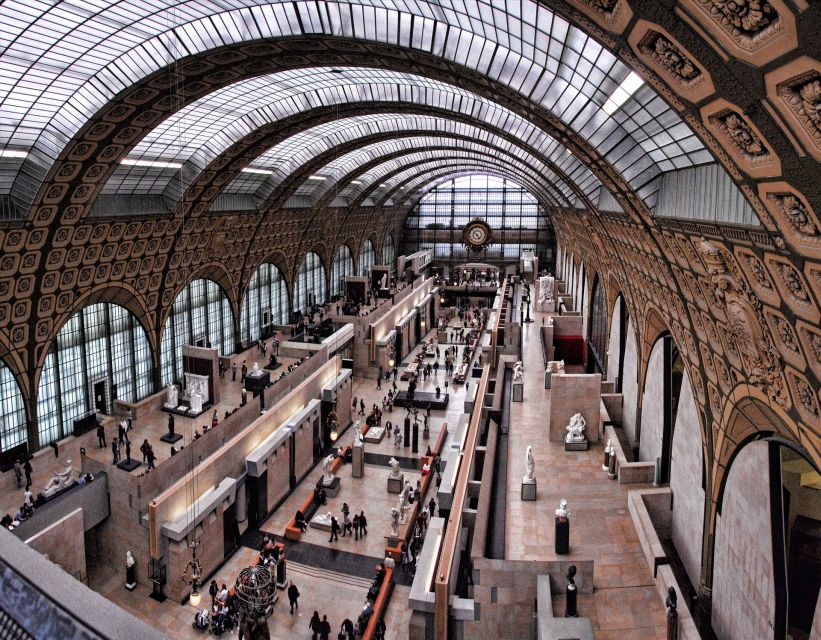
You’ll take in both the art and the museum spaces while you move. When you understand the building’s role in shaping the visit, it becomes easier to follow the guide’s route and to understand why artworks are presented the way they are.
If you’re the kind of person who likes context, this is the moment where you’ll feel the value of a private guide. You’re not only seeing masterpieces; you’re learning how to connect them to the larger story.
Private Group Pacing: Conversation Beats Crowds
This is a private group tour. That’s more than a comfort upgrade. It means your guide can respond to your questions and interests without worrying about keeping a larger group synchronized.
Also, you have room to share your opinions as you discuss works that interest you. I think that’s the secret sauce. When the tour becomes a conversation—rather than a lecture—you tend to remember more and enjoy the art more.
If you prefer structured sightseeing but don’t want to feel trapped, this format hits a sweet spot. You get expert direction, but you still have agency.
Price and Value: Is $282 per Person Fair for Orsay?
Let’s talk about the big number. At $282 per person, you’re paying for three things: a private guide, a reserved-entry approach that helps you skip the ticket line, and a ticket for the permanent collection.
Is it worth it? It is if you want to maximize your time and leave with understanding, not just images. Orsay is full of big names, but the museum can feel overwhelming without someone guiding your attention. In that case, the money buys clarity.
It may feel less worth it if you’re the type who enjoys wandering slowly and reading labels at your own pace. The tour is 2 hours and focused on the permanent collection. If you want a longer day and a lot of independent exploring, you might choose a different approach.
There’s also a smart cost-offset to know: admission is free for all EU citizens under 25. If that applies to you, the guide portion becomes the main expense and the math can feel easier.
Languages and Comfort: Picking the Right Guide
The tour is offered in many languages: Spanish, German, Italian, Portuguese, Russian, Chinese, Japanese, English, and French. That matters because art interpretation lands best when you’re fully comfortable with the language.
If you’re traveling with someone who struggles with English or you want nuance rather than simplified descriptions, language options are a real value boost. You can choose the tour that fits your comfort level, which makes the commentary more satisfying.
This also helps with Q&A. When you can ask questions smoothly, you get more out of the time.
Accessibility and Extras: What You’ll Need to Know
This tour is wheelchair accessible, with the note that you should inform the operator beforehand. That’s important because it affects how your experience will be handled.
Two small extras to be aware of: transportation isn’t included, and an audio phone costs EUR 4.00 if you want one. Also, temporary exhibitions aren’t included in this tour, so your time stays focused on the permanent collection.
That focus is good for many people. In two hours, it’s often better to see a well-chosen slice of the museum than to spread your attention too thin.
Who Should Book This Private Orsay Tour
Book this if you want:
- Expert commentary in a short, high-impact visit
- A plan that covers multiple movements, not just Impressionism
- A private pace with room to ask questions and share opinions
- To see major artists like Monet, Van Gogh, and Degas with guidance that explains why they matter
It’s also a strong choice for first-timers who feel nervous about museum overwhelm. And if you enjoy art history context tied to France and Paris, the tour’s approach fits that mindset.
If you already know a lot and you want to spend most of your day exploring rooms solo, you may prefer a less structured visit. The tour is designed to guide, not to replace a full day in the building.
Should You Book This Musée d’Orsay Private Tour?
I’d book it if you want to leave Orsay feeling like you understand what you saw. The combination of private guidance, reserved-entry convenience, and coverage across movements is built for results in two hours.
I wouldn’t book it if your ideal day is slow wandering, long label reading, and chasing temporary exhibitions. This tour is focused on the permanent collection, so make sure that matches your goals.
If you’re on the fence, the easiest way to decide is this: are you paying for time-efficiency and interpretation? If yes, this is a good match.
FAQ
How long is the Musée d’Orsay private guided tour?
The tour lasts 2 hours.
What’s included in the price?
You get a private 2-hour guided tour and a ticket for the permanent collection.
Is reserved entry or skipping the ticket line included?
Yes. The tour includes skip-the-ticket-line access with reserved entry.
Which art periods and artists will the tour cover?
You’ll focus on Impressionist and Post‑Impressionist works, and you’ll also see works tied to Neoclassicism, Realism, and Symbolism. Artists mentioned include Monet, Van Gogh, Degas, and more.
What languages are available for the live guide?
The tour offers live guidance in Spanish, German, Italian, Portuguese, Russian, Chinese, Japanese, English, and French.
Is the tour wheelchair accessible?
Yes, it can accommodate wheelchair users if you inform the operator beforehand.
Are temporary exhibitions included?
No. Temporary exhibitions are not included.
Can I reserve now and pay later?
Yes, the option is available to reserve now and pay later.
What are the cancellation and refund terms?
You can cancel up to 24 hours in advance for a full refund.