REVIEW · PARIS
Private Secrets of Paris Bike Tour
Book on GetYourGuide →Operated by Fat Tire Tours - Paris · Bookable on GetYourGuide
Paris secrets move faster on two wheels. This private bike tour lines up classic sights and then cuts into the lesser-known corners of the Latin Quarter for stories you do not get on the usual hop-on hop-off route.
I like the way the tour leans on real, specific stops—like the Roman Arena relic—and turns them into clear, memorable scenes. The main thing to think about is fit: this ride is for experienced city cyclists, with some hills, occasional road traffic, and about 12 km / 7.5 miles total, so it is not for everyone.
In This Review
- Key highlights you’ll care about
- From Dupleix to the Seine: how the tour gets you moving
- What I like about the setup
- Seine views and the monument warm-up
- The Roman Arena stop: a real Paris time machine
- Latin Quarter hidden details: more than street names
- Why the Latin Quarter angle works
- Pantheon: a stop with context you can actually use
- Historic walls and layered Paris: where the stories live
- Bike ride realities: cars, hills, and comfort
- Guide style: why the stories land
- Timing and what fits best around it
- Price and value: why $294 may make sense
- Should you book the Private Secrets of Paris Bike Tour?
- FAQ
- How long is the Private Secrets of Paris Bike Tour?
- Where do I meet for the tour?
- Is this tour private?
- What’s included in the price?
- Do I need to be an experienced cyclist?
- Does the tour run in rain?
Key highlights you’ll care about
- Seine start near the Eiffel Tower, then off main streets toward quieter Paris
- Roman Arena relic, a rare survival from an earlier city life
- Pantheon viewing, tied to France’s major figures and the city around it
- Latin Quarter details, including a forgotten Salvador Dalí sundial
- Small-history surprises, like a misplaced cannonball in a mansion wall
From Dupleix to the Seine: how the tour gets you moving
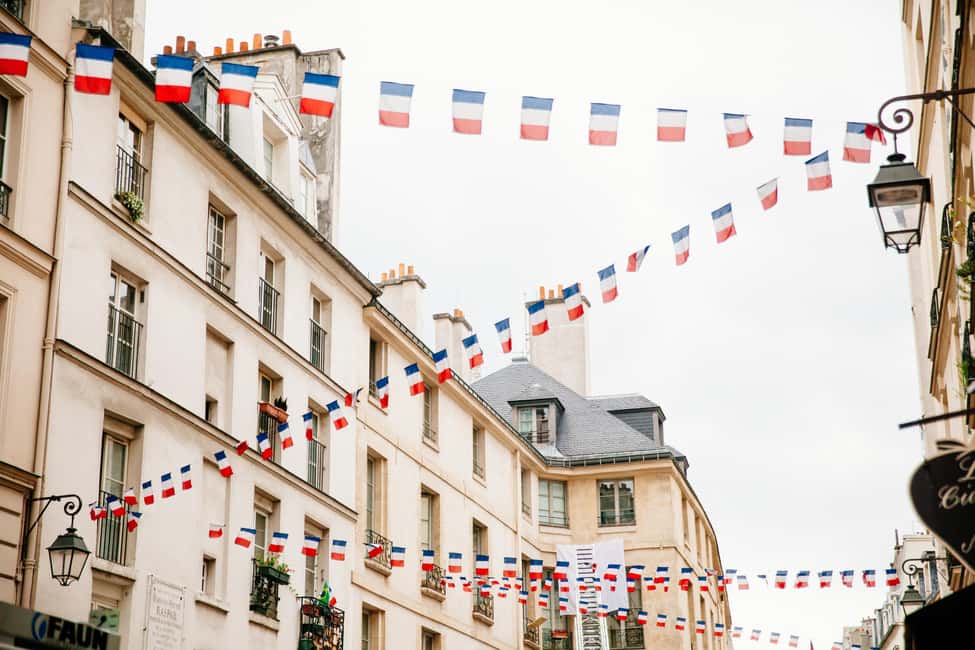
You meet near Dupleix Metro station (line 6), which is handy if you are staying anywhere on the left bank. From there, the ride starts close to the Eiffel Tower area and follows the River Seine. Even if you have seen Paris monuments by foot, doing the opening stretch by bike has a payoff: you get momentum, fresh air, and quick orientation while the guide points out what is coming next.
The pace is built around a guided experience, not a long haul. You are covered enough that you can get across key neighborhoods without spending your whole day in traffic lights or searching for the next stop. And because it is a private group, the guide can adapt to how you ride, not just to a pre-set script for a big crowd.
You can also read our reviews of more cycling tours in Paris

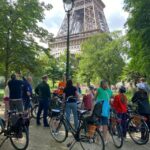

What I like about the setup
I enjoy tours that help you understand where you are, not just name what you pass. This one does that early. By the time you move away from the most obvious routes, you already know how the Seine and the left-bank streets connect—so the Latin Quarter feels like a coherent story, not a random list of photos.
Seine views and the monument warm-up
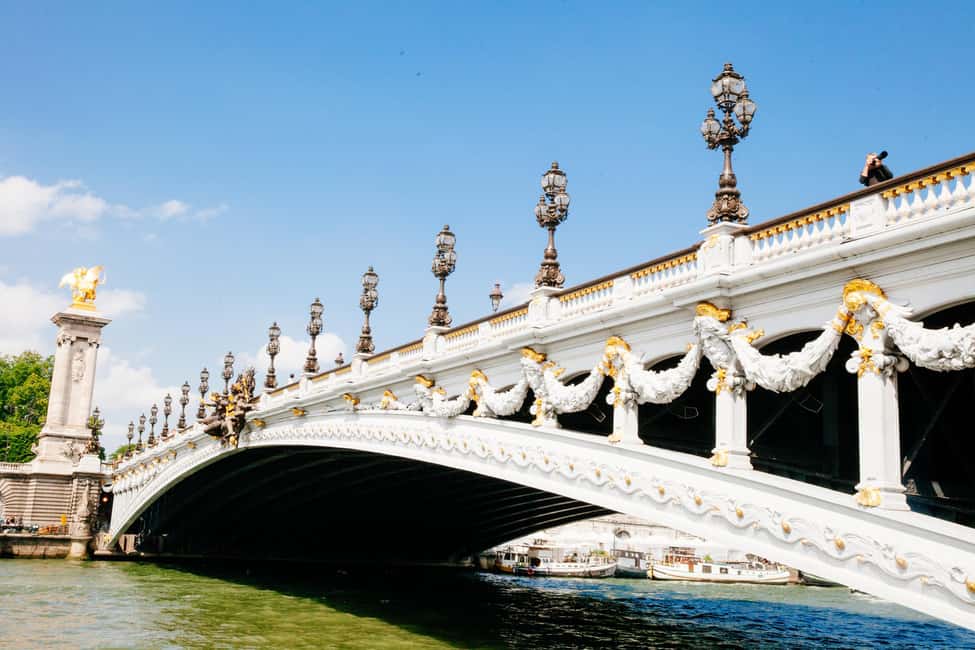
The first leg is a gentle way to settle in. You start with river riding and you wave past major monuments on the way. This matters because Paris can feel overwhelming. Even seasoned visitors get that moment where everything looks important, but nothing is in order. A guided bike start helps you get your bearings fast.
You also get the practical benefit of “seeing without stopping too much.” With bikes, you can pass viewpoints efficiently, then spend your time on the places where you actually need the explanation—like the Pantheon and the older layers of the city.
The Roman Arena stop: a real Paris time machine
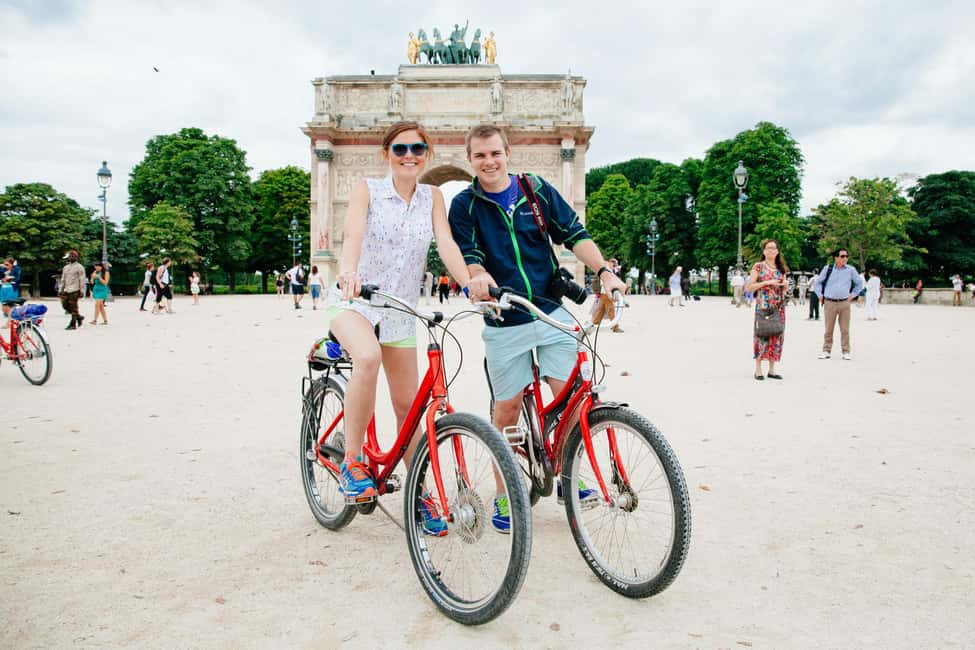
One of the biggest reasons to choose this tour is the presence of the Roman Arena, described as an ancient relic from Paris’s distant past. That kind of stop is exactly why I like “secrets” tours that still include weighty, verifiable landmarks.
Here’s the practical version of what the stop gives you:
- You get a break from the typical postcard chronology.
- You see how old Paris once worked, not just how it looks now.
- The guide can connect that older city life to what came later, which makes the rest of the neighborhood stops click.
It is the sort of thing that, if you are reading a guidebook, you might miss. On a bike tour like this, you end up at the right angle, at the right spot, with time to understand what you are looking at.
Latin Quarter hidden details: more than street names
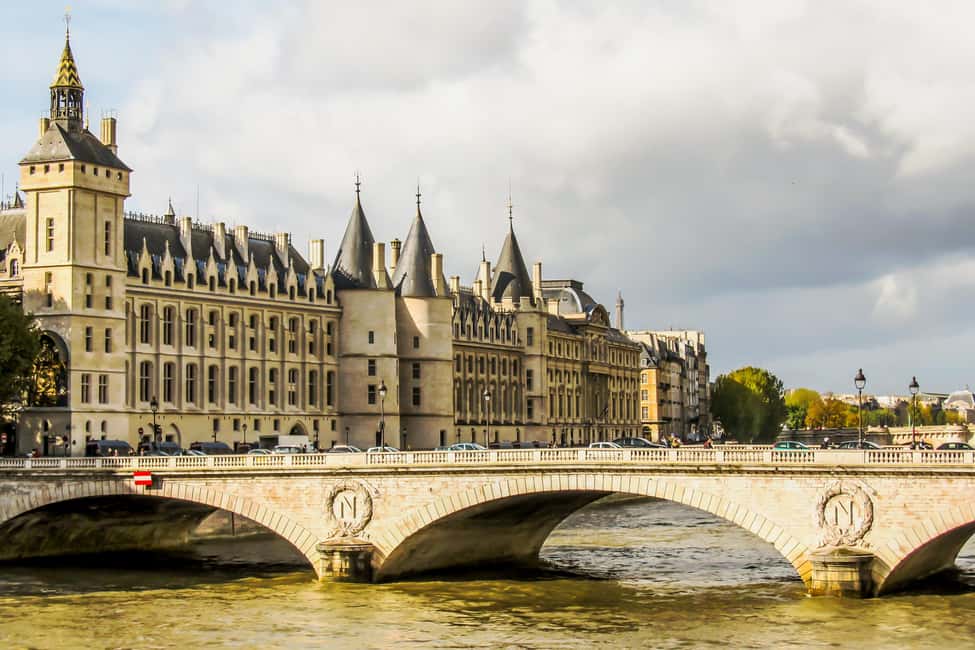
After the monument warm-up, the tour intentionally leaves well-trodden paths. The goal is the Latin Quarter’s quieter side—streets and corners where Paris feels layered, slightly mysterious, and very human.
This is where the tour leans into “small-story” history. You are told about oddities that sound like trivia until they explain something bigger about the city’s habits of reuse and reinvention. Examples included in the tour description:
- A forgotten Salvador Dalí sundial
- A misplaced cannonball in the wall of a mansion
Those details matter because they change how you walk through Paris afterward. You start noticing how buildings absorb time—old fragments, unexpected objects, and architectural surprises that do not fit the neat version of history.
You can also read our reviews of more private tours in Paris




Why the Latin Quarter angle works
The Latin Quarter can be a blur if you only visit for bookstores and cafés. On this ride, it becomes a geography of ideas. When the guide points out how certain streets and walls relate to earlier eras, you get a clearer sense of why the neighborhood still feels intellectually energized.
Pantheon: a stop with context you can actually use
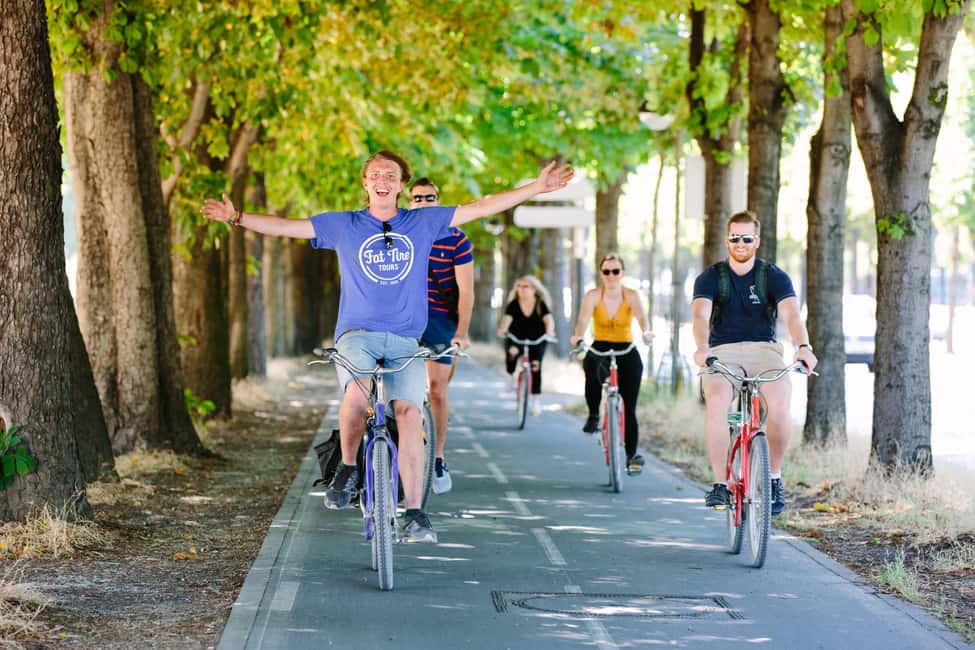
The ride includes the Pantheon, one of those monuments people photograph without always knowing how to read. The tour frames it as a monument to France’s great figures. That framing is more than narration—it changes what you look for.
When you understand that the site is tied to major figures, you naturally pay attention to the broader setting:
- the scale of the building in its streetscape
- the way the monument anchors the area around it
- the sense that this is not just a church-like exterior, but a public statement about national memory
If you love architecture, this is a strong stop. If you are more into storytelling than stonework, the guide’s explanation is still likely to keep you engaged.
Historic walls and layered Paris: where the stories live
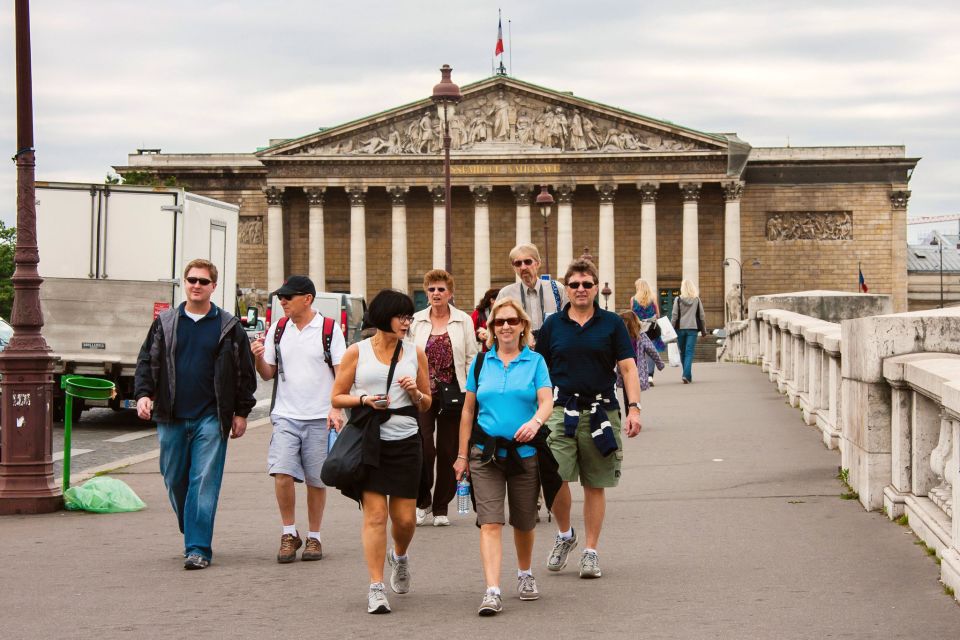
Paris’s best “secrets” are often not secret at all—they are just easy to overlook when you move too fast. That is what the wall stops are for. The tour highlights historic walls from past ages, with glimpses into Paris’s layered history.
A wall can sound boring until someone shows you why it is there, what period it points to, and how it fits into the neighborhood’s later evolution. The result is that you start seeing Paris as something built over time, not finished at one moment.
This is also where a private guide really helps. You can ask questions without feeling like you are interrupting a group flow. And the guide can tailor their explanation to what interests you most: the politics behind the monument era, the everyday city life angle, or just the odd physical details.
Bike ride realities: cars, hills, and comfort
Let’s talk logistics honestly. This tour is for bike riders who are experienced riding in a city. It says you will occasionally be on the road with cars, there are some small hills, and the total distance is about 12 km / 7.5 miles.
So if you are a confident urban cyclist, you will likely enjoy the ride feel—efficient and fun, with short pauses for history stops. If you are not, you may spend more energy staying relaxed and safe than taking in the stories. The tour is not positioned as a slow, beginner-friendly spin.
What to bring is straightforward:
- passport or ID card
- credit card
- weather-appropriate clothing
And it runs rain or shine, so plan for at least some damp conditions if the forecast looks uncertain.
Guide style: why the stories land
The most praised aspect in the provided feedback is the way the guides tell stories. Names that come up in those comments include Harrison, Aaron, Paul, Jason, Gil, and Sonia, with consistent praise for clear communication and enthusiasm.
That matters because this tour depends on narration. You are riding and looking at multiple stops—Roman relics, the Pantheon, Latin Quarter details, and historic walls. If the guide is good, you come away with mental pictures and a stronger sense of what each location meant. If the guide is just reading facts, the whole ride can feel like a moving checklist.
From what is shown in the review notes, the guide style that works best here is animated and question-friendly—guides who answer follow-ups and help complicated periods feel understandable.
Timing and what fits best around it
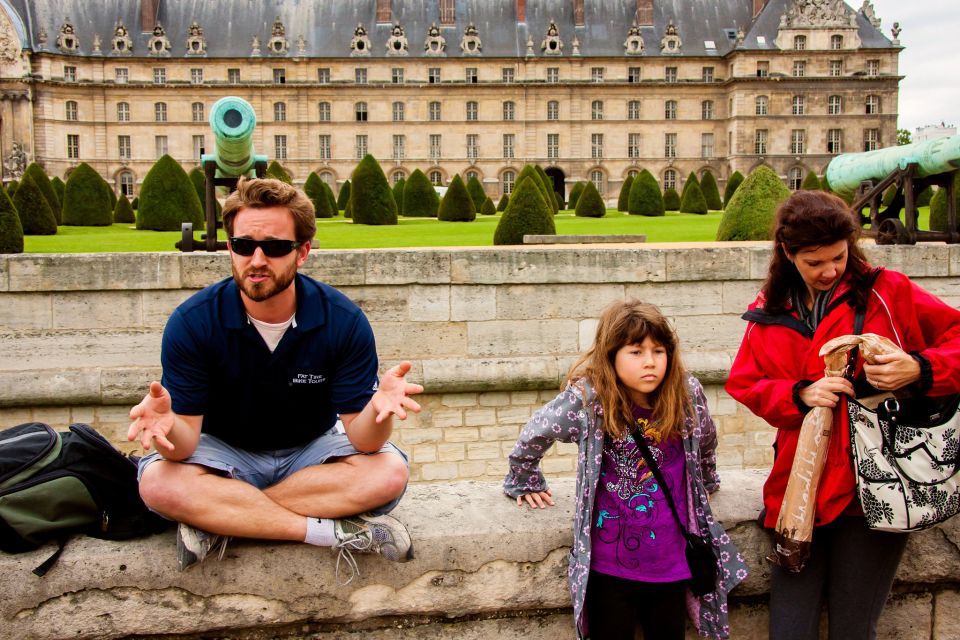
The tour is listed as 3 hours, but the tour description also references an about 3.5-hour guided ride. Either way, you should treat this as a half-day commitment in your schedule. It pairs well with:
- a longer lunch afterward in the Latin Quarter area
- an evening walk where you can notice what you just learned
- a museum visit later that same day, as long as you give yourself time to warm up if it is cool or rainy
Because it is private, you also do not have to worry about feeling rushed by a large group schedule. Still, plan your day so you are not sprinting off to a reservation the minute the bike comes back.
Price and value: why $294 may make sense
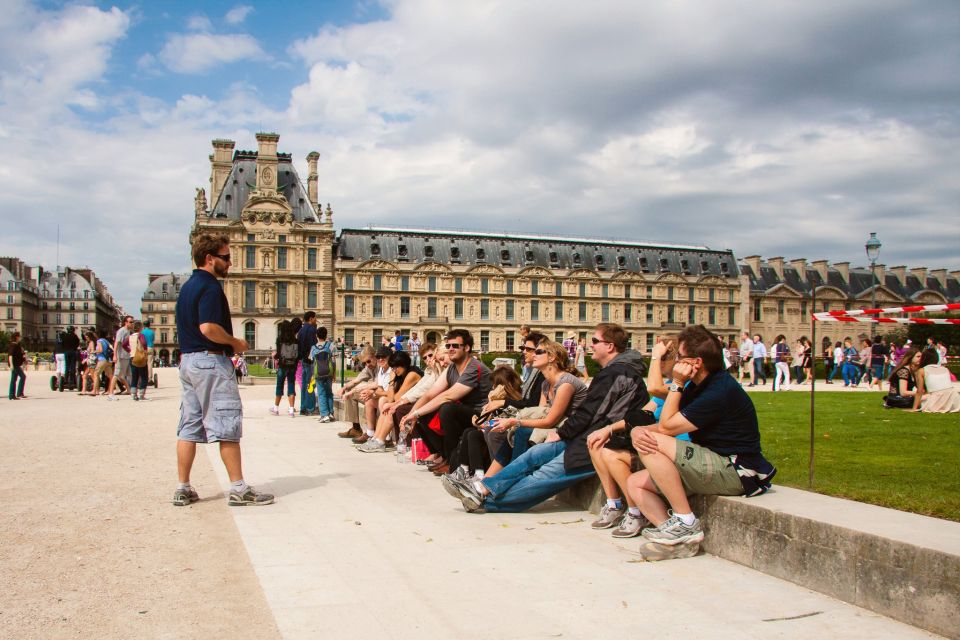
At $294 per person for a 3-hour private bike tour, this is not a budget add-on. You are paying for a private guide and for the bike and helmet included.
Here’s how I think about value for this specific format:
- You get stops that would be harder to assemble yourself safely by bike.
- You get narration timed to the locations, not just general explanations.
- You get a private setting where your questions and interests can shape what you focus on.
If you are splitting with a friend or partner, the “private” part becomes less painful. If you are traveling solo and want this level of guidance, it can still be worth it if you enjoy biking and you like history that feels specific rather than broad.
Should you book the Private Secrets of Paris Bike Tour?
Book it if you want a true Paris bike experience with a guide who can connect major monuments like the Pantheon to quieter, older corners like the Roman Arena and Latin Quarter details (including the Dalí sundial and the cannonball story). Also book it if you are an experienced city rider and you do not mind occasional road riding with cars.
Skip or look for another option if you are a new cyclist, you hate hills, or you prefer strictly car-free routes. This tour is built for people who can focus on the ride while still taking in the stories.
If you decide to go, bring ID, dress for the weather (rain is part of the deal), and show up ready to ride. You’ll leave with a better map in your head—and a Paris that feels older, stranger, and more connected than the standard highlights route.
FAQ
How long is the Private Secrets of Paris Bike Tour?
The tour is listed as 3 hours, and the description also refers to about a 3.5-hour guided ride.
Where do I meet for the tour?
The closest Metro station is Dupleix on line 6.
Is this tour private?
Yes. It’s a private group with a live English-speaking guide.
What’s included in the price?
The tour includes a private guided bike tour, plus use of a bike and helmet.
Do I need to be an experienced cyclist?
Yes. The tour is for bike riders experienced riding in a city. It includes some small hills and occasional riding on roads with cars.
Does the tour run in rain?
The tour operates rain or shine.