REVIEW · PARIS
Paris: Musée d’Orsay Walking Tour With Reserved Access
Book on GetYourGuide →Operated by Get Paris Tours · Bookable on GetYourGuide
Paris’s Orsay station story starts outside. This reserved-access Musée d’Orsay experience pairs a short exterior orientation with time inside to see Impressionist and Post-Impressionist art on your own. I especially like the focus on Beaux-Arts architecture and the fact it’s a small group (up to 8), so the outside briefing doesn’t feel rushed or chaotic.
The tour also includes an audio guide and access to both permanent and temporary collections, which helps you make the most of your 2 hours without needing an inside expert. One thing to consider: your entry experience can depend on how your timed ticket is issued, and the outside guide doesn’t accompany you inside.
In This Review
- Key things to know before you go
- Reserved Orsay Entry: What You’re Paying For at $49
- Meeting Outside: The 30-Minute Orientation That Sets the Tone
- The Orsay Building: Former Station to Beaux-Arts Icon
- Inside at Your Pace: Permanent Plus Temporary Collections
- Impressionists and Post‑Impressionists: How to Spend Your Time
- Skip-the-Line Promise vs. Timed‑Entry Reality (Learn From the Headaches)
- Small Group (Up to 8) and English Outside Hosting: Worth It When You Have Questions
- Comfort Notes: What Works and What Doesn’t
- Who Should Book This Orsay Experience—and Who Should Skip It
- Final Call: Should You Book This Musée d’Orsay Walking Tour?
- FAQ
- What’s the duration of the Musée d’Orsay walking tour?
- Is this tour with an inside guide?
- What’s included with the ticket?
- Do I get help skipping the ticket line?
- What art styles and collections can I see?
- What language is the host or guide?
- What should I bring?
- Are there any restrictions on what I can bring?
- Is it wheelchair or mobility accessible?
- Can I cancel for a refund?
Key things to know before you go
- Short outside orientation (about 30 minutes) before you get your entry tickets
- Beaux-Arts building context for a former railway station turned museum
- Audio guide included, so your in-museum time is self-paced
- Small group max 8, which is ideal for meeting points and question time
- Timed-entry details matter—entrance/queue can vary based on the ticket you hold
Reserved Orsay Entry: What You’re Paying For at $49
At $49 per person for 2 hours (listed as 2 hours to 150 minutes), you’re not buying a full guided walkthrough of every gallery. You’re buying something more practical: a head start outside the museum, plus reserved entry and admission to both the permanent collection and the temporary exhibitions.
That’s good value if you want to:
- Get oriented fast so the museum doesn’t feel like random rooms of famous paintings
- Spend your time inside looking at what you actually care about
- Avoid the stress of figuring out timing and ticket logistics right at the entrance
It’s less ideal if you expect an inside guide to shepherd you from painting to painting. The included plan is explicit: you’ll get a briefing outside, then receive tickets, and you explore inside on your own with the audio guide.
Also note what’s not included: transportation. That means you’ll want to already be in the Orsay area, ready for a walk and then museum time.
You can also read our reviews of more walking tours in Paris



Meeting Outside: The 30-Minute Orientation That Sets the Tone
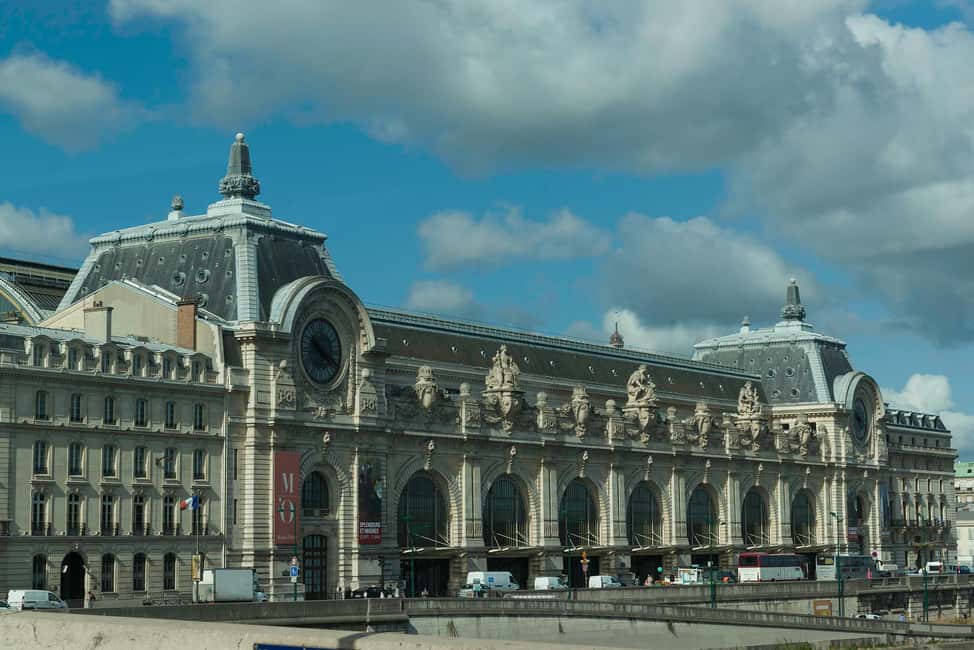
This tour starts with an English outside guide briefing—about 30 minutes outside—focused on the building and how it became what it is today. It’s the right rhythm for first-time visitors because it gives you something to “hang” your museum visit on: why this structure exists, why it looks the way it does, and why it matters to Paris.
Expect a walk-and-talk approach around the museum exterior, including origins and transformation into a world-renowned art space. The guide also points out key architectural features and tells stories connected to construction challenges and the building’s role in Paris’s cityscape evolution.
Two practical benefits:
- You’ll start to recognize the museum as more than a box housing paintings. It’s part of Paris’s public-works history.
- When you go inside, you’re less likely to drift. You’ll know what you’re looking at and why this place feels different from other major museums.
The catch: the guide does not join you inside. After the outside briefing, you’re on your own for the museum galleries.
The Orsay Building: Former Station to Beaux-Arts Icon

Even if you’re not an architecture person, you’ll probably feel this one immediately. The Musée d’Orsay is famous for its Beaux-Arts style—and that matters because it shapes your museum mood the moment you arrive.
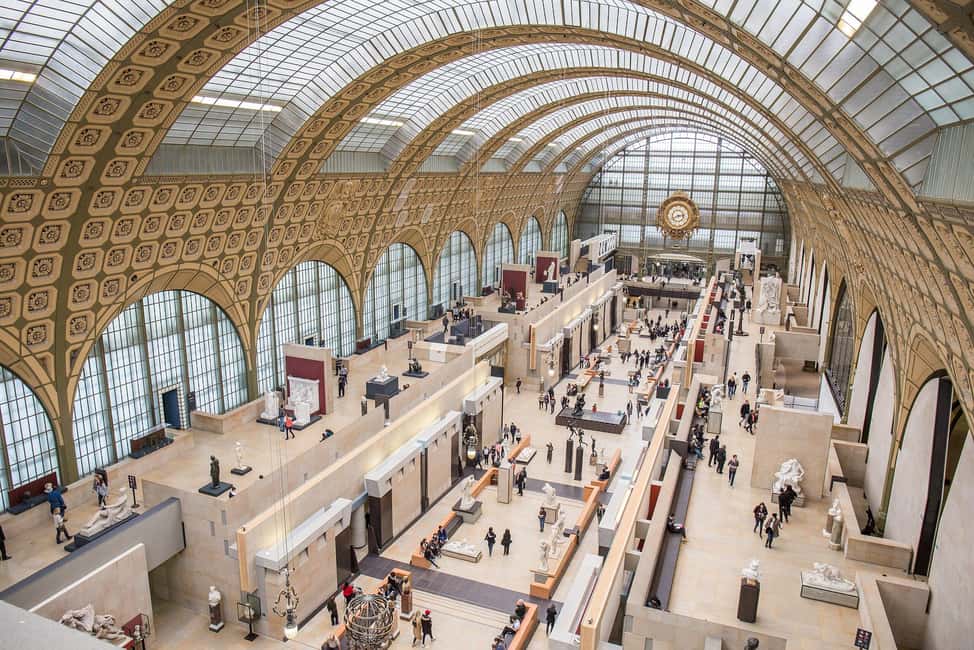
The exterior isn’t just a pretty facade. It’s part of the museum’s story: a former railway station repurposed into a home for art spanning the 19th and early 20th centuries. The outside guide’s job is to give you the context so those grand architectural lines and Parisian craftsmanship feel meaningful, not decorative.
Here’s what this helps with in real terms once you enter:
- The museum’s era matches the art you’ll see. You’re not time-traveling by accident; the building and the collection reinforce each other.
- The museum feels designed for looking. The architecture gives you a reason to slow down early, before you rush into the galleries.
If you like museums that mix culture with place—city history, not just paintings—you’ll probably enjoy the first part the most.
Inside at Your Pace: Permanent Plus Temporary Collections
Once you’re inside, you’re free to explore. The plan includes access to:
- Permanent collections
- Temporary collections
- An included audio guide (and you’ll use it while you roam)
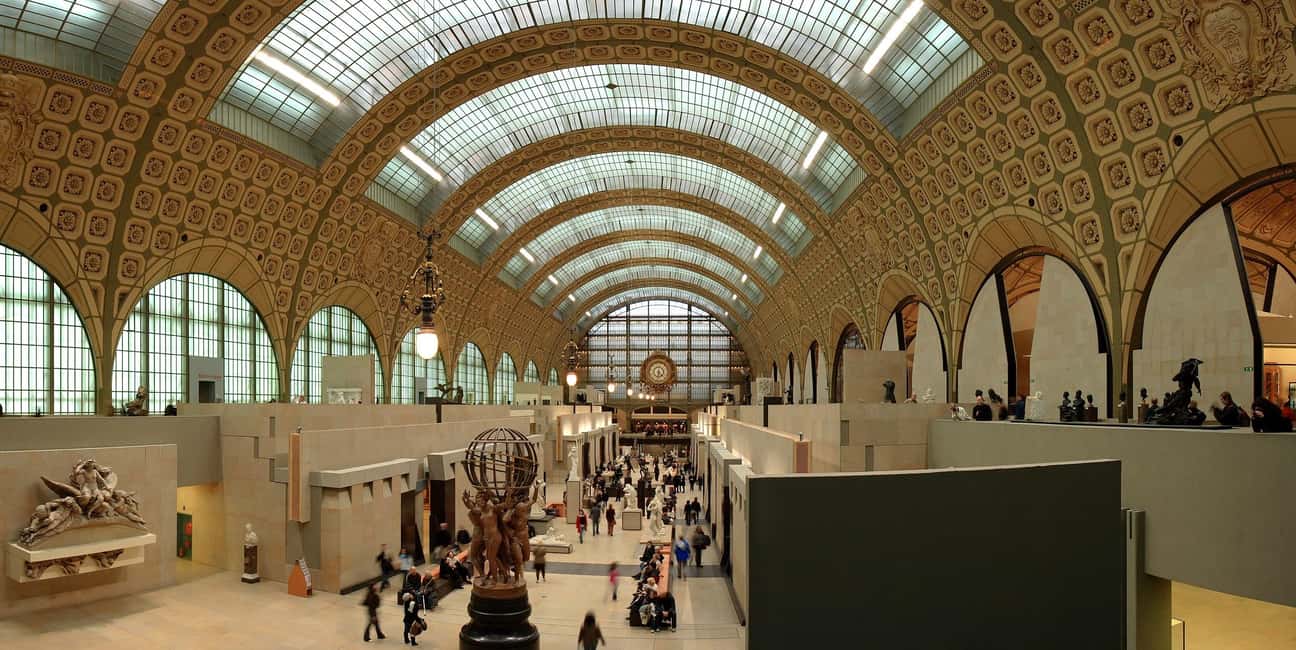
This “self-paced inside” approach can be great because the Musée d’Orsay can pull you in different directions. You might want paintings only. You might want decorative arts and sculpture. You might want a specific theme. This setup lets you follow your own energy.
It’s also why the audio guide is important here. Without an inside guide, the audio is what replaces the live explanation. You’ll get museum context while you’re actually standing in front of the work, which is where it counts.
The main art focus is Impressionist and Post-Impressionist masterpieces, plus sculptures and decorative arts across that key time period. In other words, it’s not just a painting museum. You’ll likely find yourself drifting into sculpture, decorative objects, and the kinds of details that make this museum feel different from a gallery of framed canvases.
Impressionists and Post‑Impressionists: How to Spend Your Time
You only have about 2 hours, and Orsay is big enough to swallow time fast. So plan your priorities before you walk in—or at least during the first few minutes.
A good strategy for your 2 hours:
- Pick one “must-see” area for Impressionist works
- Add one “must-see” area for Post‑Impressionist works
- Leave time for at least one stop beyond painting (sculpture or decorative arts)
If you’re using the audio guide, let it steer you toward what you find most interesting rather than trying to complete it like a checklist. The audio guide is there to help you understand what you’re looking at, but you’ll enjoy it more if you connect it to what grabs you in that moment.
Also, give yourself a small buffer. Museums in Paris can change pace fast depending on crowd flow, and Orsay entrances can funnel people in specific ways. Even with reserved access, your walking time and queue time can shift.






Skip-the-Line Promise vs. Timed‑Entry Reality (Learn From the Headaches)
Here’s the honest part: reserved access doesn’t automatically guarantee a smooth entry if your ticket doesn’t match the museum’s instructions.
Multiple issues show up in the experience accounts tied to how entry is handled:
- People reported standing in line for a long time and then being told their ticket didn’t match what they were expecting (example: they thought they had access, but it functioned like timed entry).
- Another situation involved being directed to a set of entrances (like doors labeled C1/C2) when a different door was shown on the entry instructions; it took extra back-and-forth to get routed correctly.
- One booking disappointment included difficulty entering earlier in the week with a different kind of ticket timing, then disappointment again after paying more for a timed ticket due to waiting.
So here’s how you protect yourself:
- Check that your entry is timed, not just a general admission. If the ticket type is timed, treat it like timed.
- Keep your ID/passport handy because the activity explicitly asks you to bring it.
- Be ready to follow the queue/door directions on your ticket instructions, even if it seems confusing at first.
- If anything feels off at the entrance, don’t wait too long to ask staff for the correct routing for your timed entry.
This matters because the tour includes reserved access, skip-the-line language, and a short outside briefing. When that logic is followed correctly, the experience can feel efficient. When it isn’t, you end up paying for a tour that can’t fix entrance confusion.
Small Group (Up to 8) and English Outside Hosting: Worth It When You Have Questions
The small group size—limited to 8 participants—works for a very specific reason: you get a chance to hear the outside briefing clearly and ask questions without feeling swallowed by a crowd. That outside portion is short (about 30 minutes), so clarity matters.
The guide/host or greeter is listed as English, and that’s a big plus for a building-history briefing. Even if your French is decent, it’s easier to absorb construction and transformation stories when you don’t have to translate in your head.
Just remember again: the outside guide is your briefing help, not an inside companion. Once you get your entry tickets, you’re responsible for the museum route.
Comfort Notes: What Works and What Doesn’t
This is a walking-oriented museum start, then a self-paced museum explore. A few practical realities:
- Bring comfortable shoes. You’ll be moving outdoors and then walking indoor galleries.
- Bring comfortable clothes. Orsay is a mix of big rooms and long corridors.
- You’ll want to plan around the fact that it’s not suitable for people with mobility impairments (based on the activity info).
Also, the rules are clear:
- No pets
- No alcohol and drugs
Transportation isn’t included, so build in time to get to the Seine-side museum area on your own.
Who Should Book This Orsay Experience—and Who Should Skip It
This tour fits best if you:
- Want a strong start with outside orientation and architecture context
- Prefer a self-paced museum visit rather than being marched through rooms
- Like Impressionist/Post‑Impressionist art but don’t need a minute-by-minute guide inside
- Are okay using an audio guide to fill in the explanation gaps
You might want to skip or choose a different format if you:
- Expect an inside guide to stay with you the whole time
- Are very sensitive to entrance delays and queue surprises
- Need guaranteed, frictionless entry at the exact time (because timed-entry routing depends on the ticket details)
If you’re an art-first visitor who wants to control your own route, this is a decent match. If you’re a logistics-first visitor, read the ticket instructions carefully and keep your expectations grounded.
Final Call: Should You Book This Musée d’Orsay Walking Tour?
I’d book it if your priority is quick orientation outside, then museum time inside with freedom. The combo of Beaux-Arts context, reserved access, and audio-guided self exploration can give you a satisfying Orsay visit in about two hours—especially if you’re excited about Impressionism and want to spend your attention where you choose.
I’d hesitate if you strongly rely on skip-the-line to be effortless. The entrance experience can hinge on whether your ticket is truly timed and how the museum routes you. If you’re the type who hates last-minute uncertainty, spend extra time verifying the ticket details before you go.
FAQ
What’s the duration of the Musée d’Orsay walking tour?
The tour runs about 2 hours, listed as 2 hours to 150 minutes. The outside briefing is part of that timeframe, and you then explore inside on your own.
Is this tour with an inside guide?
No. The guide provides a briefing outside (about 30 minutes) and gives you entry tickets, but the guide does not join you inside.
What’s included with the ticket?
You get access to the Musée d’Orsay permanent and temporary collections, an audio guide, and an outside guide if that option is selected.
Do I get help skipping the ticket line?
The experience is described as skip the ticket line / reserved access, but entry can still depend on timed-ticket routing at the museum entrance.
What art styles and collections can I see?
You can access Impressionist and Post‑Impressionist masterpieces, plus sculptures and decorative arts, across the 19th and early 20th centuries. Both permanent and temporary collections are included.
What language is the host or guide?
The host or greeter and outside guidance are listed as English.
What should I bring?
Bring a passport or ID card, plus comfortable shoes and comfortable clothes.
Are there any restrictions on what I can bring?
Pets are not allowed. Alcohol and drugs are also not allowed.
Is it wheelchair or mobility accessible?
The activity is listed as not suitable for people with mobility impairments.
Can I cancel for a refund?
Yes. Free cancellation is offered up to 24 hours in advance for a full refund.