REVIEW · PARIS
Paris: Notre Dame Exteriors and Ile de la Cité Walking Tour
Book on GetYourGuide →Operated by Global Tours And Tickets · Bookable on GetYourGuide
One hour on Île de la Cité saves days. This guided walk centers on Paris’s most iconic bends in the Seine, starting at Pont des Arts and moving through the sights that shaped French power, faith, and drama. You get to see Notre-Dame’s Gothic façade, plus Sainte-Chapelle and the Conciergerie area without wasting time guessing what matters.
I especially like how the route hits landmark after landmark in a logical flow, so the island stops feel connected instead of random photo ops. I also like that the guide brings the places down to street level with stories—right up to the Conciergerie’s link to Marie Antoinette.
One thing to keep in mind: the pace is part of the plan. The group moves on even if you arrive late, so wear comfy shoes and plan to stay with the flow.
In This Review
- Key Points Worth Your Attention
- Why Île de la Cité Works So Well in Just 1 Hour
- Meeting at Pont des Arts: Quick Start, Good Views
- From Pont Neuf and King Henri IV: Power Changes Over Time
- Place Dauphine: A Peaceful Square Break in the Middle of It All
- Saint Michel Fountain: Photo Backdrop Plus a Saint-Story
- The Conciergerie and Palais de Justice: Where History Gets Sharp
- Sainte-Chapelle: Gothic Architecture and the Stained-Glass Reputation
- Notre-Dame Cathedral: Facade Admiration and Free Admission
- Price and Value: What $29 Buys on a Short Walk
- What the Guide Adds: Aida’s Bubbly Energy
- Practical Tips for Staying Comfortable Around Notre-Dame and Friends
- Should You Book This Île de la Cité Tour?
- FAQ
- Where does the tour start?
- How do I recognize the guide?
- How long is the walking tour?
- Is the tour offered in English?
- Does the tour run in bad weather?
- What should I bring with me?
- Is Notre-Dame Cathedral admission included?
- Are entrance fees included for other sites?
- What if I arrive late?
- Can I cancel and get a refund?
Key Points Worth Your Attention
- Pont des Arts start gives you instant Seine views and an easy landmark to meet by
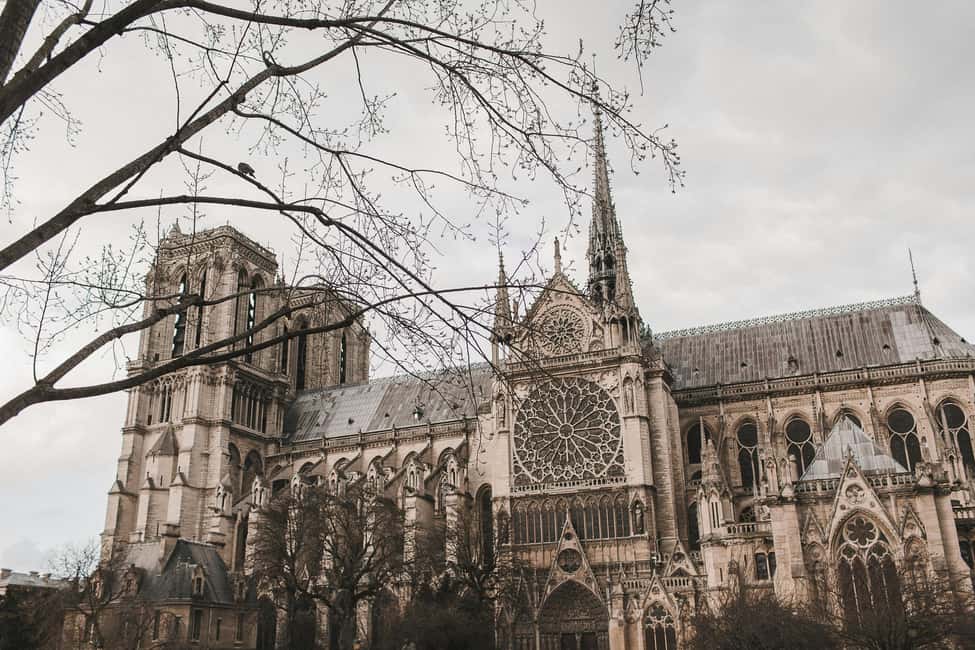
- Notre-Dame focus (exteriors and free admission) means you can enjoy the cathedral even without paid entry
- Conciergerie + Marie Antoinette context adds real momentum to what you’re seeing
- Sainte-Chapelle stop spotlights the Gothic church and its stained-glass reputation
- Aida’s style (bubbly and well-prepared) is the kind of guide energy that makes a short tour feel worth it
Why Île de la Cité Works So Well in Just 1 Hour
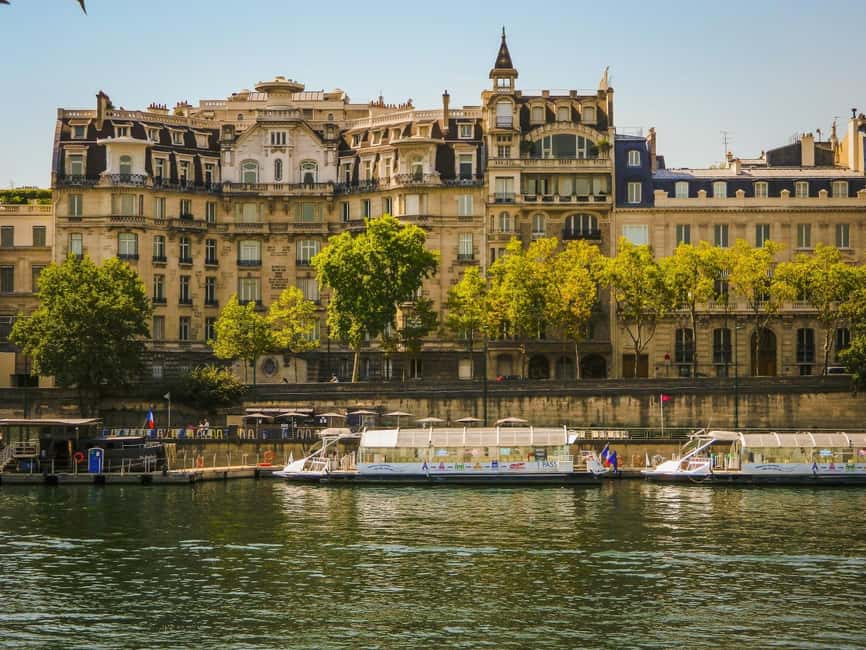
If you only have a morning or an afternoon gap in Paris, this is a smart use of time. Île de la Cité is where the city’s story starts to feel tangible: bridges, courts, churches, and royal buildings all packed into one compact island. A one-hour walking tour can’t cover everything, but it can help you understand what you’re looking at so your free time afterward feels easier.
I like that this one has a clear theme: the island as Paris’s center of gravity—religious, political, and legal. You’re not just checking boxes. You’re getting a guided route that teaches you how the different sites connect, from the medieval mindset to the Revolution-era aftermath.
And yes, the timing is tight enough to be efficient. That’s the point. You’ll see multiple headline sights—Notre-Dame, Sainte-Chapelle, and La Conciergerie—while still having a quick reset built into the walk.
You can also read our reviews of more walking tours in Paris



Meeting at Pont des Arts: Quick Start, Good Views
The meeting point is simple: in the middle of Pont des Arts, right where you can orient yourself immediately. Your guide holds a white flag, and the company sends a reminder by email the day before (including the meeting location and a flag photo).
This matters more than it sounds. Pont des Arts is busy, especially when it’s sunny. Meeting in the center and having a clear flag reduces the “where is the group?” stress that can eat into a short tour. You can start sightseeing right away.
A practical tip: plan to arrive a few minutes early. Not because you’ll need time to get checked in (the tour is designed to run smoothly), but because the area is crowded and it’s easier to find your guide before things get chaotic.
From Pont Neuf and King Henri IV: Power Changes Over Time
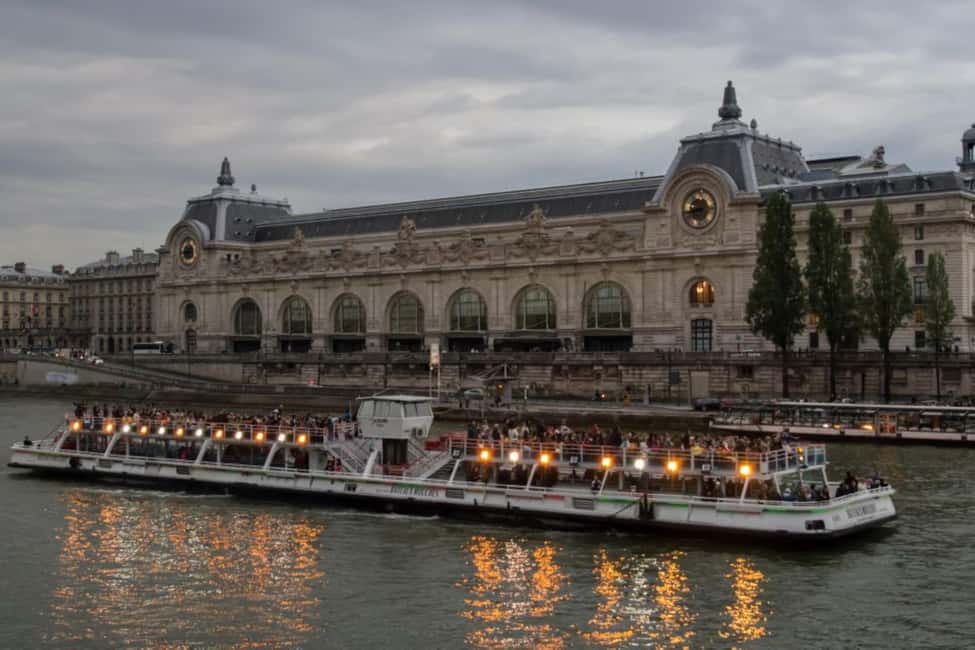
Your first major stop brings you near the Statue of King Henri IV, located by Pont Neuf, which is the oldest bridge across the Seine. This is a smart early choice. Pont Neuf anchors you in the idea that Paris isn’t just one era—it’s layers.
King Henri IV is a late 16th-century figure, and the guide’s job here is to connect a statue to the bigger historical arc. You’ll learn why he mattered and what his reign represents in French history. Even if you’ve read about him before, hearing how a guide ties him to this specific stretch of the Seine can make the details stick.
Also, the timing works: you’re early enough in the tour to still have fresh energy, and you’re near key views of the river and surrounding architecture.
Place Dauphine: A Peaceful Square Break in the Middle of It All
Next comes Place Dauphine, a calmer pocket with symmetrical design and lovely, restrained architecture. It’s not the “loudest” stop on the map, but it’s a useful one. After the bigger monuments and the riverfront intensity, you get a breather that feels distinctly Parisian.
I like that this pause gives you a chance to take photos without feeling like you’re constantly fighting foot traffic. It also gives your brain time to connect what came before. When you’re walking through history, small shifts in space—like moving from a bridge viewpoint to a quiet square—help you register what you’re seeing.
If you’re traveling with someone who gets impatient with nonstop sightseeing, this type of stop is where the tour stays friendly.
Saint Michel Fountain: Photo Backdrop Plus a Saint-Story
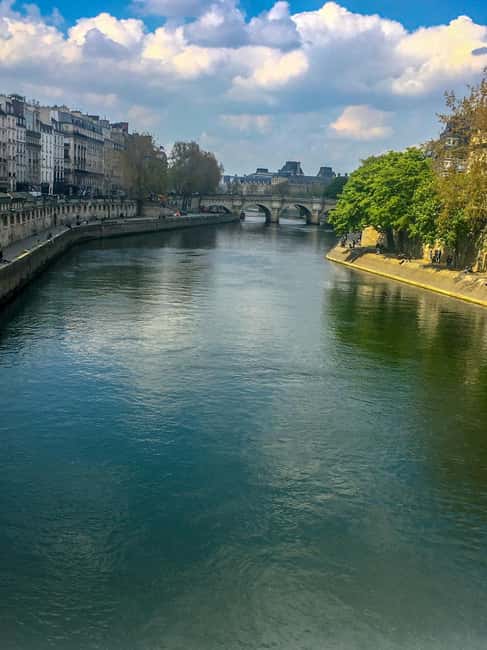
You’ll also pass the Saint Michel Fountain, dedicated to Saint Michael. This is one of those spots where you get a photo moment, but the tour adds context so it’s not just a pretty object.
The fountain’s sculptures make it worth a look up close, and the guide’s explanation gives you a reason it sits where it does. In Paris, you’ll often see religious and symbolic art scattered through public spaces. Here, the tour helps you read those choices.
If you care about composition, this is also a good photo angle: you’re still in the island’s core atmosphere, but you can capture a mix of sculptural detail and surrounding streets.






The Conciergerie and Palais de Justice: Where History Gets Sharp
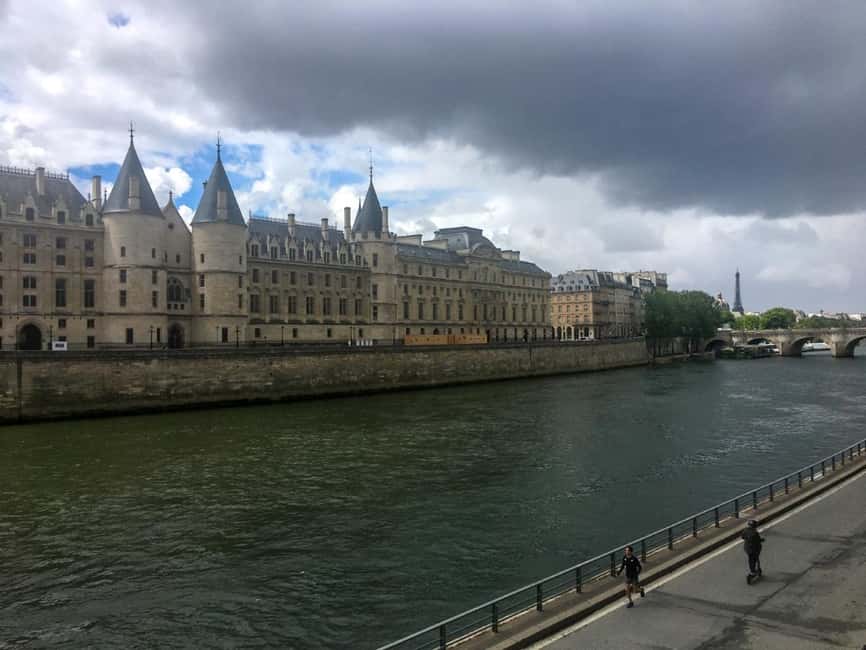
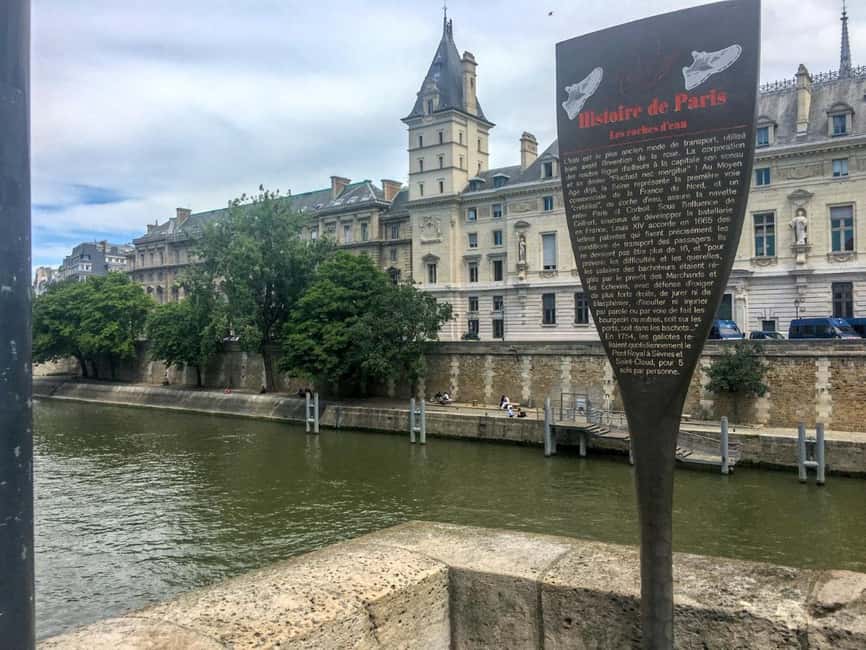
Then the tour turns to the Conciergerie. This building’s story is intense: it started as a royal palace, later became a prison during the French Revolution, and it’s closely linked with Marie Antoinette before her execution.
This stop is valuable because it changes the mood. Churches and royal façades are one kind of history. Prison history is another. Seeing the place (and hearing what happened there) makes it harder to treat French Revolution sites like generic “old buildings.” You feel the stakes behind the stone.
After that, you’ll see the Palais de Justice from the outside. It’s a reminder that Paris didn’t stop using legal power just because an era ended. The exterior views help you understand why the judicial area belongs right here on Île de la Cité—this island has been at the center of authority for a long time.
One small consideration: this is the part of the tour where crowds tend to be noticeable. Keep your belongings secure, and watch your footing. The route is easy, but the streets can be crowded.
Sainte-Chapelle: Gothic Architecture and the Stained-Glass Reputation
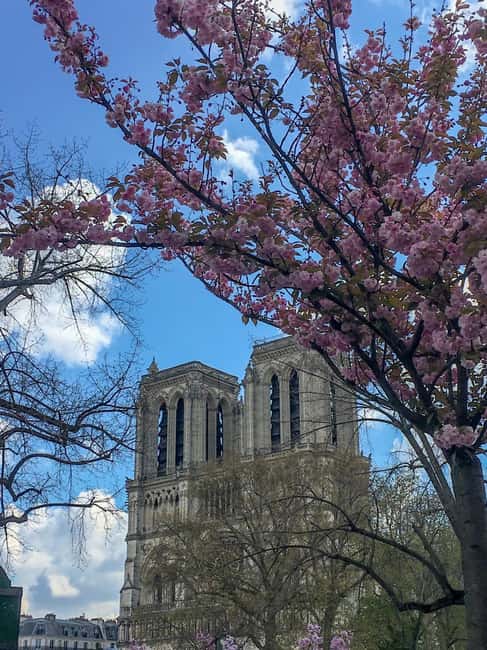
Next up is Sainte-Chapelle, introduced as a magnificent Gothic church famous for its stained-glass windows. Even if stained glass isn’t your thing, this stop works because it gives you a clear visual takeaway: Gothic design was built to make light feel meaningful.
The guide will explain the role this kind of architecture played for faith and status, and you’ll likely notice how the church fits the island’s overall identity. It’s religious art in a city center that also hosted courts and royal power.
This is also a classic Paris “stop and look up” moment. Give your neck a break, then look again. If you’re the type who loves details, you’ll enjoy how the building’s features reward close attention—at the very least from outside and from the viewpoints your walking route allows.
Notre-Dame Cathedral: Facade Admiration and Free Admission
The final big anchor is Notre-Dame Cathedral. The experience description notes that it’s open for visits after restoration, and it also highlights that admission to Notre-Dame is free of charge. That’s a big value point: you’re getting a prime highlight without needing a paid entry ticket.
Even when you’re focusing on exteriors, Notre-Dame is hard to ignore. The façade is monumental in scale and clearly designed to communicate importance. The guide explains its architectural and historical significance, including why it became the heart of Paris for nearly 900 years—religious, cultural, and civic all at once.
If you’re thinking of squeezing Notre-Dame into your trip on your own, this tour helps you avoid a common mistake: spending your time only taking pictures instead of understanding what you’re looking at. Here, you’ll likely know what features matter and why the cathedral is still so central to the city’s identity.
Price and Value: What $29 Buys on a Short Walk
At $29 per person for about 1 hour, this is priced like a “convenience with structure” activity. You’re not paying for a long, museum-style day. You’re paying for a guide to connect the dots across multiple headline sites in one compact loop.
That’s good value if:
- you’re short on time and want a route that makes sense
- you’d rather spend your energy understanding than reading signage
- you want photo stops with context (instead of random photos)
It’s less of a bargain if you prefer to wander with no guidance at all. But even then, this route can help you get oriented fast. Île de la Cité can look simple on a map, yet it holds more stories than you’d guess when you’re standing there.
What the Guide Adds: Aida’s Bubbly Energy
One guide named Aida stood out in the provided feedback for being bubbly, lively, and full of stories that made the tour feel worthwhile even for a parent and child. Another comment highlights a kind, well-prepared local guide. Put together, that points to one theme: the best part of this tour is how the guide turns landmark sightseeing into something you can actually remember.
If you tend to lose the thread when you’re walking around Paris landmarks, a strong guide makes the difference. You get a framework for the sights—what matters first, what connects, and what to look for next when you’re on your own.
Practical Tips for Staying Comfortable Around Notre-Dame and Friends
This is a walking tour, and the area around Île de la Cité can get crowded. The basics still matter:
- Wear comfortable shoes.
- Bring water and dress for the weather, since it runs in any condition.
- Keep valuables secure in busy areas.
- If you’re taking photos, don’t get stuck at one angle. The route is time-based.
One more timing note: the tour can be slightly shorter or longer by around 10 minutes due to circumstances. So keep your next plans flexible if possible.
Should You Book This Île de la Cité Tour?
Book it if you want a fast, guided way to understand Paris’s center of gravity in one hour—with Notre-Dame, Sainte-Chapelle, and La Conciergerie on the route. It’s especially worth it if you’re the type who likes seeing big sights but also wants the “why” behind them.
Skip it if you already know the stories and you’d rather spend that time longer inside specific sites on your own. Also, don’t pick this if you hate being on a schedule. The group moves to the next stop, and late arrival isn’t something the tour can adjust for outside the rules.
If you’re on a first trip and you’re trying to avoid aimless landmark hopping, this is a smart starting move.
FAQ
Where does the tour start?
The meeting point is in the middle of Pont des Arts, in central position on the bridge.
How do I recognize the guide?
Look for the company’s white flag. The meeting details and a reminder are sent by email one day before.
How long is the walking tour?
The tour lasts about 1 hour, and it may run around 10 minutes shorter or longer depending on circumstances.
Is the tour offered in English?
Yes, the guide provides the tour in English.
Does the tour run in bad weather?
Yes. The tour takes place in any weather condition.
What should I bring with me?
Wear comfortable shoes and bring a camera and water, plus weather-appropriate clothing.
Is Notre-Dame Cathedral admission included?
Admission to Notre-Dame de Paris Cathedral is free of charge, and the services offered are independent of admission to the building.
Are entrance fees included for other sites?
Entrance fees to private properties are not included. The tour does include guided visits and guided sightseeing at the listed stops.
What if I arrive late?
Late access won’t be possible because the group moves to the next stop, so you can’t reschedule outside the cancellation terms.
Can I cancel and get a refund?
Yes. You can cancel up to 24 hours in advance for a full refund. The option to reserve now and pay later is also available.