REVIEW · PARIS
Paris : Private guided tour in Rickshaw bike – Napoléon
Book on GetYourGuide →Operated by GoTurtle · Bookable on GetYourGuide
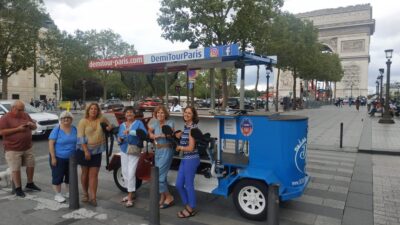
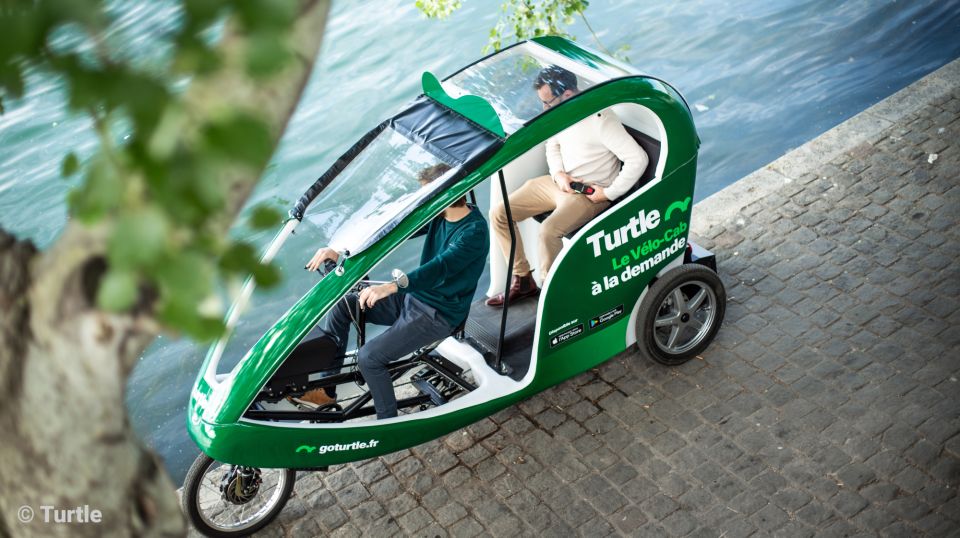
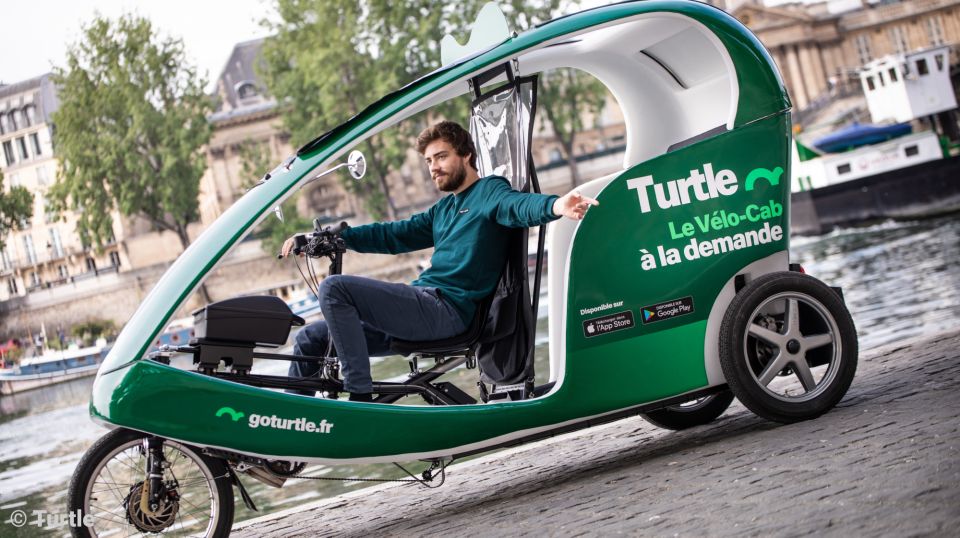
Paris looks better when you’re rolling. On a private rickshaw bike (pedicab), you glide along cycle lanes for an almost panoramic 180° view and a fast-hit set of top sights tied to Napoléon’s era. You cover a lot of ground in 30 to 60 minutes, with frequent chances to stop for photos and listen to what you’re seeing.
My favorite parts are the mix of big monuments and human-scale sightseeing: you get close enough to really read the details, but you’re still moving (no queue marathons). The other standout is how the experience is built for smooth learning—live narration in multiple languages plus an audio guide for extra context. One possible drawback: the quality of the ride depends heavily on the driver’s communication and driving style, so it’s worth doing a quick, calm check on expectations early on.
In This Review
- Key highlights worth your attention
- Why a Napoléon Pedicab Tour Works in Paris
- Getting On: Place de la Concorde Start (and what to look for)
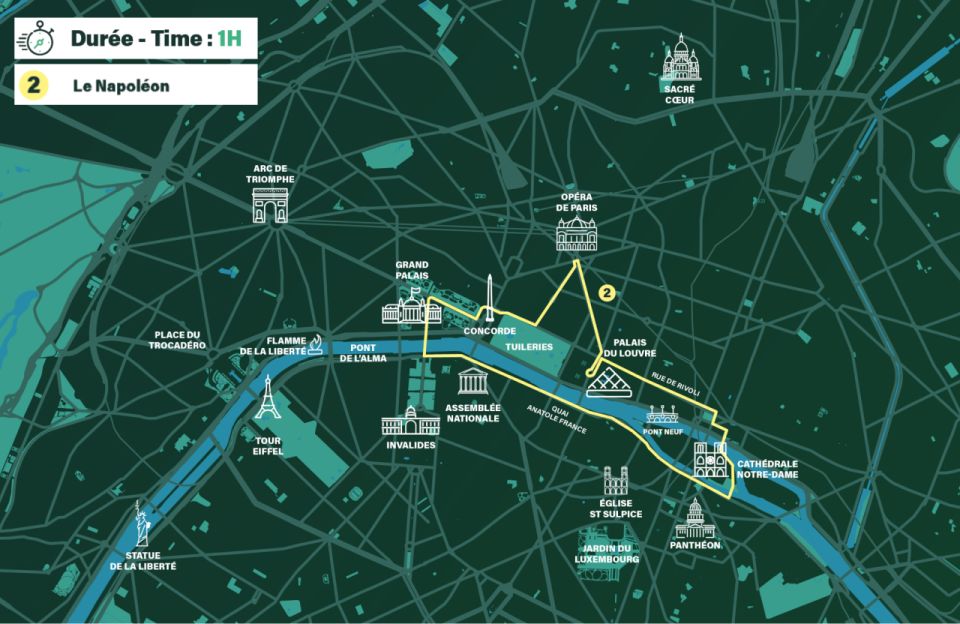
- The Route in 30 or 60 Minutes: Mini Napoléon vs Napoléon
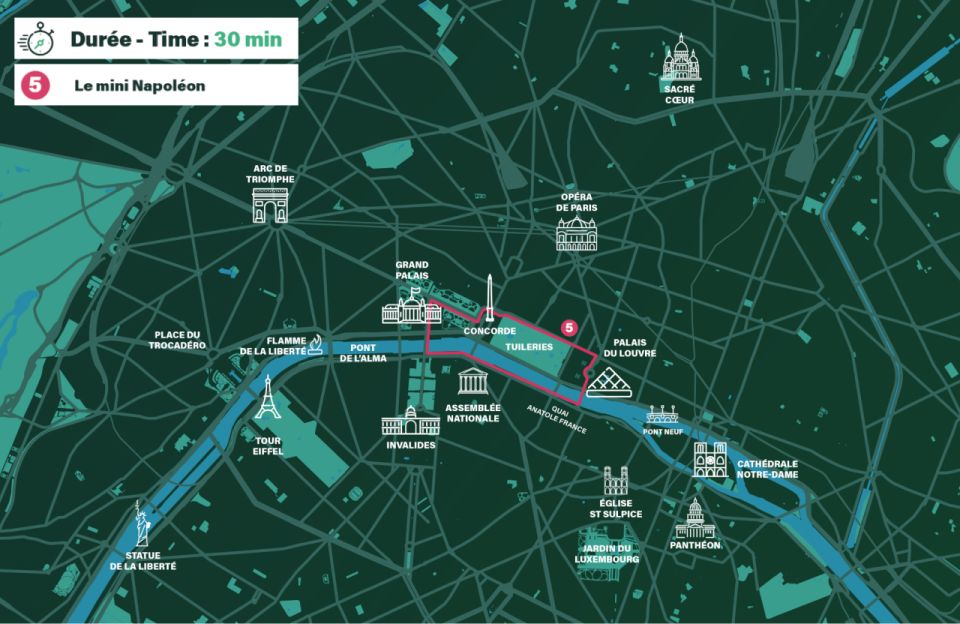
- Mini Napoléon (about 30 minutes): the tight classic highlights
- Napoléon (about 1 hour): more sights, more angles, more stories
- What You’ll Learn From the Driver and Audio Guide
- Photo Breaks, Wi‑Fi, and the 180° View
- Comfort, Weather Protections, and Riding Tips that Actually Help
- Language, Safety, and the Driver Quality Factor
- Price and Logistics: Is $23 Good Value?
- Who This Private Rickshaw Tour Is Best For
- Should You Book This Napoléon Rickshaw Tour?
- FAQ
- How long is the Napoléon pedicab tour?
- Where do we meet for the tour?
- Is this a private tour?
- What landmarks will we see?
- What languages are available for the guide and audio?
- Is there Wi‑Fi during the tour?
- Are there photo stops?
- Will the tour run in bad weather?
- Can I bring a pet?
- Is there a cancellation option and flexible booking?
Key highlights worth your attention
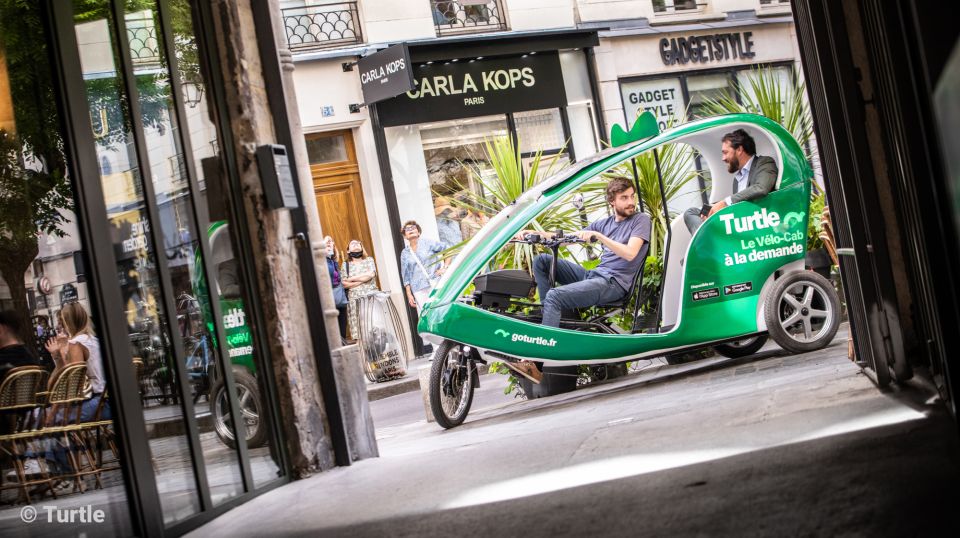
- Private pedicab comfort for up to 2 people with an experienced driver
- 20+ landmarks on the 1-hour Napoléon route, with photo breaks built in
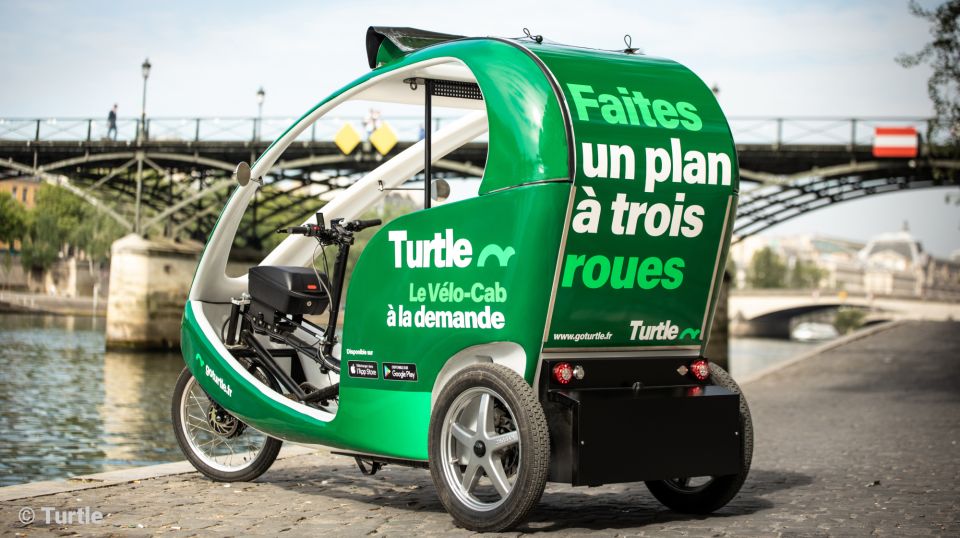
- 180° views from a comfortable seat while you roll through central Paris
- Live guide + audio guide in multiple languages (English, French, Spanish, and more)
- Wi‑Fi on board for quick photos and map sanity checks
- Weather protections so the tour runs rain or shine
Why a Napoléon Pedicab Tour Works in Paris
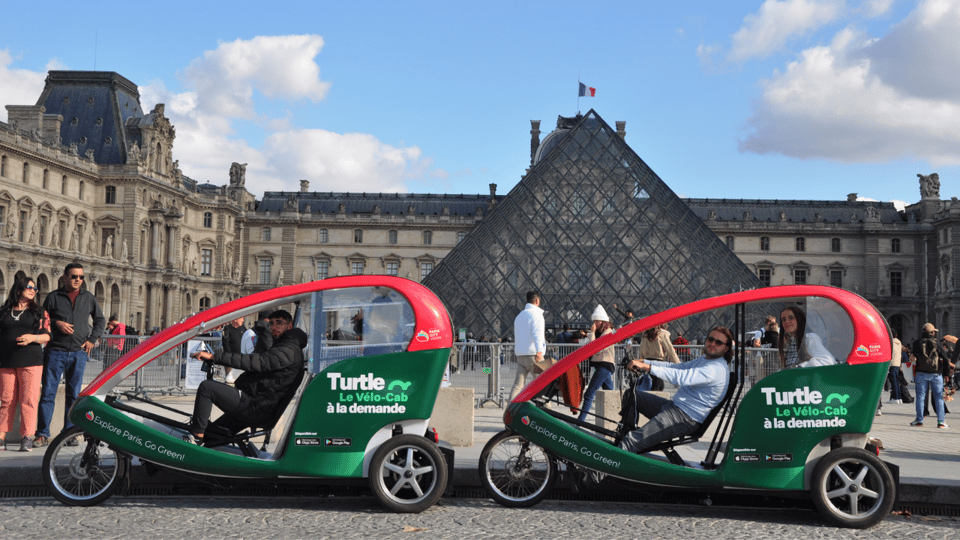
A lot of Paris tours try to do everything at once. This one does the opposite: it concentrates on a specific theme—Napoléon’s long shadow—and then lets you move between sights without wasting time stuck on foot.
What I like is the pace. In a short window, you’re not just seeing icons. You’re building a mental map of how they connect—Louvre to Tuileries, Concorde to the bridges, then into the grand civic heart of the city.
The pedicab format helps too. You’re up higher than you’d be walking, and you get that wide view that makes Paris feel big but still approachable.
You can also read our reviews of more cycling tours in Paris


Getting On: Place de la Concorde Start (and what to look for)
You start at Place de la Concorde, in front of the main exit of the Jardin des Tuileries. That’s a smart choice because Concorde is a natural hub: you can orient yourself fast, and the rest of the route fans out from there.
If you’re meeting late (jet lag happens), try to arrive a few minutes early anyway. With a private tour, you don’t want your timing to get compressed—especially if you want a smooth photo stop right at the beginning.
The Route in 30 or 60 Minutes: Mini Napoléon vs Napoléon
You can pick a shorter 30-minute loop or a fuller 1-hour tour. In both versions, you’re riding along cycle lanes with built-in stops, but the longer tour gives you more variety and more time to ask questions.
Mini Napoléon (about 30 minutes): the tight classic highlights
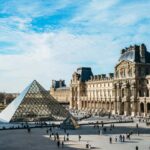
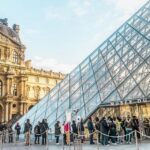
This compact route focuses on the grand center and major photo moments. You’ll start at Concorde, then head through the area around the Louvre (including the famous pyramids), slide past the Tuileries, and keep going toward the Bridge Alexandre III.
If you’re short on time or you want something that doesn’t feel like a “big commitment,” this version is the easiest win. It’s also a good first taste if you plan to explore the Louvre or the Seine on your own later.
Napoléon (about 1 hour): more sights, more angles, more stories
The longer route is where the value really shows. You’ll pass and stop at more than 20 landmarks, mixing royal-era grandeur, civic buildings, and major bridges.
Here’s how the tour feels stop by stop:
- Hôtel de la Marine (photo stop): You get a sense of the elegant waterfront vibe before you surge into the blockbuster sights.
- Champs-Élysées (photo stop): This is the Paris postcard axis. You’ll see the scale quickly from the road.
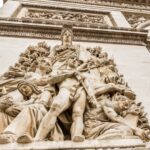
- Arc de Triomphe (photo stop): Even from a distance, it’s clear why this area matters in a Napoléon-themed story.
- Grand Palais (photo stop): The building reads like a monument within a monument—one of those structures that makes you pause even if you’ve seen pictures.
- Pont Alexandre III (photo stop): Bridges here aren’t just crossings; they’re designed statements.
- Les Invalides (photo stop): A stop that helps anchor the historical thread beyond sightseeing.
- L’Assemblée Nationale (photo stop): You shift from memorial to government—big power, big architecture.
- Musée d’Orsay (photo stop): You’ll get the Seine-side setting and a reminder that Paris repurposes its grand spaces.
- Pont des Arts (photo stop): One of the best areas for classic bridge photos.
- Musée de la Monnaie (photo stop): A smaller, more specialized stop that adds variety.
- Pont Neuf (photo stop): It’s a great contrast to all the newer-looking grandeur.
- Notre-Dame Cathedral (photo stop): A must-see focal point—worth slowing down for.
- Hôtel de Ville (photo stop): Another civic anchor that keeps the Napoléon theme grounded in city identity.
- Arc de Triomphe du Carrousel (photo stop): Slightly less “mainstream-famous” than the big one, but still a strong Napoléon-era visual.
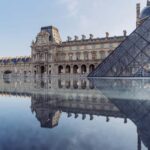
- Louvre Museum (photo stop): You get the pyramids angle and the feeling of standing at the center of the art and power story.
- Palais Garnier (photo stop): Opera-house drama in real life. This is where the tour’s visuals start to feel theatrical.
- Rue de la Paix (photo stop): A quick look at the luxury-shopping street energy.
- Place Vendôme (photo stop): Clean, symmetrical grandeur that photographs well from the moving vantage point.
You finish back at Place de la Concorde. The loop works because you see the “spokes” of central Paris without needing to manage transit.
You can also read our reviews of more guided tours in Paris



What You’ll Learn From the Driver and Audio Guide
This tour is designed around narration, not just motion. You get a live guide/driver and an audio guide option depending on your preferences during the ride.
Live narration is offered in English, French, Spanish, Arabic, Portuguese, Italian, and Polish. Audio guide languages include English, French, Spanish, German, Japanese, and Dutch. So even if your live guide is quieter on one stretch, you still have a way to follow along.
The best tours don’t just name monuments. They connect them—why they were built, what each place was meant to represent, and how the story shifts as you move from imperial grandeur to civic power. That’s the kind of context that makes you remember the route later, even after you’ve gone home.
And yes, you’ll likely want to ask questions. With a private setup, you’re not stuck waiting your turn.
Photo Breaks, Wi‑Fi, and the 180° View
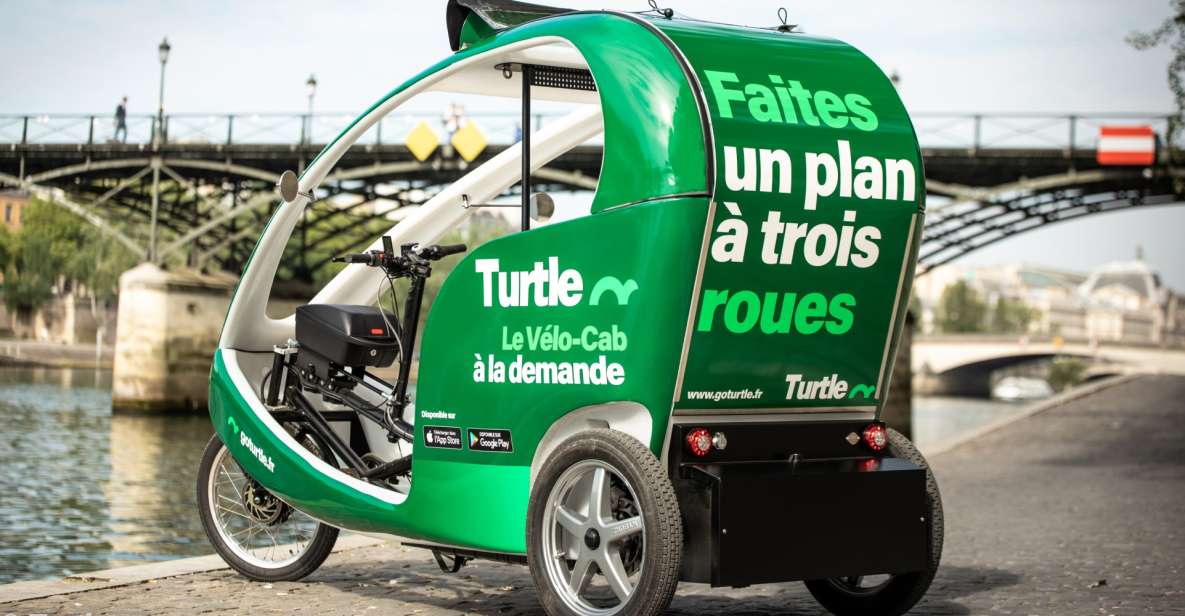
The photo breaks matter more than they sound. Paris streets can be crowded, and stepping off a pedicab at the right moment saves you from the worst “move two inches, block five people” frustration.
You also get Wi‑Fi on board, which is surprisingly useful. You can quickly check the light, confirm where you’re standing, or send a photo before your battery dies. (Paris has a way of draining phones fast—bridge photos and all.)
That 180° view isn’t just for bragging rights. It helps you see the relationship between buildings—how a palace facade frames the end of a street, or how a bridge aligns with a skyline line.
Comfort, Weather Protections, and Riding Tips that Actually Help
The seat is described as comfortable, and the tour includes weather protections for use any time of the year. That’s important because Paris weather is a mood, not a schedule.
Here’s how I’d plan practically:
- Dress for wind and sudden sprinkles. Even with protections, you’ll feel changes once you’re outside between photo stops.
- If you’re traveling with kids, teens, or elderly companions, the short duration options are your friend. The 30-minute Mini Napoléon route is a more manageable “first hit.”
- Bring a phone strap or small crossbody so you can grab photos without fidgeting.
Also note what’s not allowed: alcohol and drugs. That’s typical for a safe, family-friendly ride.
Language, Safety, and the Driver Quality Factor
A private tour lives and dies on the driver. And that’s the one variable you can’t completely remove.
From experience I’ve learned to treat the first few minutes as a mini audition:
- Can you understand the guide’s English (or your chosen language)?
- Is the commentary paced so you can hear it over the environment?
- Does the driver ride smoothly and confidently in traffic conditions?
There have been cases where a driver’s English was hard to follow, and cases where the riding style didn’t feel reassuring. There have also been situations where the guide didn’t speak much at all, which can be disappointing if your plan is “history with stops,” not “mostly scenic riding.”
If you want a better outcome, you can reduce uncertainty by being clear at the start about:
- what you care about most (Napoléon angle, Notre-Dame area, Louvre pyramids, bridges)
- how often you want to stop for photos
- whether you want more storytelling or more quiet sightseeing
Names can matter too. One standout mentioned was Joao Fernandez, described as amazing and patient, with history for each place and lots of photos. Another positive mention went to Ismael, who was punctual and very helpful.
That doesn’t guarantee every driver is the same, but it tells you where to put your expectations. If possible, request a driver with strong communication when you book.
Price and Logistics: Is $23 Good Value?
At about $23 per person, the big question is whether you’re paying for convenience or for something uniquely worth it.
Here’s why it can feel like strong value:
- You’re paying for private transport plus guiding, not just a seat.
- You pack more than 20 landmarks into roughly an hour, with photo breaks included.
- You get live multilingual narration and Wi‑Fi, which is not common on street tours.
- The pedicab is a “time-saver tool.” You cover sight-to-sight distance without managing parking, metro transfers, and walking gaps.
The main logistics trade-off is that this is centered around the start point at Place de la Concorde. Hotel pickup is available within a certain area near the start, but additional or extended pickup can vary depending on your situation.
So if you’re staying near the Tuileries/Concorde zone, you’ll probably feel the price more clearly. If you need pickup from farther out, factor in that you might pay more to make it happen smoothly.
Who This Private Rickshaw Tour Is Best For
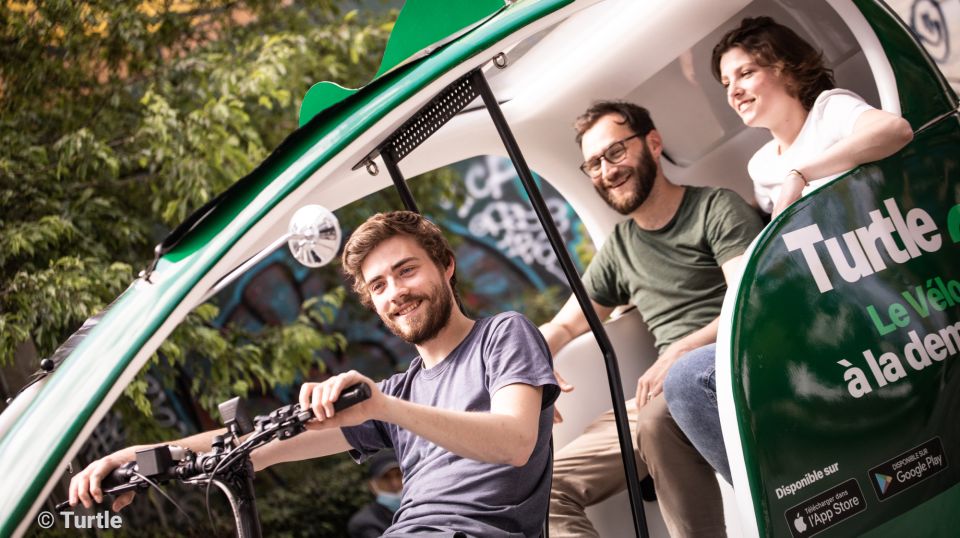
This works best for people who want:
- a first look at central Paris with minimal effort
- a themed narrative (Napoléon) without doing museum marathons
- lots of photo opportunities without hunting for the best angles yourself
- a private ride that’s easier for families than constant transfers
It can also be a solid choice if you travel with a pet, since the tour is pet friendly.
Where it may not fit is if you need full control over every route detail, or if you’re extremely sensitive to communication and want nonstop narration in your exact language from start to finish. In that case, go in ready to ask questions early, and confirm what the driver will focus on.
Should You Book This Napoléon Rickshaw Tour?
I’d book it if you want a simple, fast, photo-friendly way to connect Paris landmarks with a Napoléon theme—and you’re okay with the truth that the driver is the engine.
You’ll likely be happiest if:
- you’re choosing the 1-hour version for the full 20+ landmark sweep
- you care about getting context, not just snapping pictures
- you’re meeting at Place de la Concorde (or staying close enough for easy pickup)
Skip it (or be extra selective) if:
- you require precise, uninterrupted narration in your language and you can’t tolerate silence or awkward communication
- you strongly need custom pickup/drop-off far from the start area and want zero surprises
If you book, do one thing that improves everything: arrive on time at Place de la Concorde and tell your driver what you want most. With the right ride, this is one of those Paris experiences where you leave with photos and a mental map, not just tired feet.
FAQ
How long is the Napoléon pedicab tour?
You can choose between a 30-minute Mini Napoléon tour and a 1-hour Napoléon tour, depending on availability.
Where do we meet for the tour?
You meet at Place de la Concorde, in front of the main exit of the Jardin des Tuileries.
Is this a private tour?
Yes, it’s a private group experience, and the private transport is described as for up to 2 people with an experienced driver.
What landmarks will we see?
For the 1-hour Napoléon tour, you’ll visit more than 20 landmarks, including stops around major sites such as the Louvre, Notre-Dame Cathedral, the Seine bridges, and Place Vendôme.
What languages are available for the guide and audio?
The live guide is available in English, French, Spanish, Arabic, Portuguese, Italian, and Polish. The audio guide is available in English, French, Spanish, German, Japanese, and Dutch.
Is there Wi‑Fi during the tour?
Yes, Wi‑Fi is included on board.
Are there photo stops?
Yes, photo breaks are included during the tour.
Will the tour run in bad weather?
Yes. The tour takes place rain or shine, and there are weather protections designed to help in any season.
Can I bring a pet?
Yes, the tour is pet friendly.
Is there a cancellation option and flexible booking?
Free cancellation is offered up to 24 hours in advance for a full refund. You can also reserve and pay later to keep plans flexible.