REVIEW · PARIS
Paris: Private Skip-the-Lines Orsay and Louvre Museum Tour
Book on GetYourGuide →Operated by Tour Travel & More · Bookable on GetYourGuide
Two Paris museums, one smart guide plan. This private Orsay-and-Louvre route saves time with skip-the-line entry tickets and swaps guesswork for clear art stories as you move from the Seine to the Tuileries end of the day.
I particularly like the way the order works: you start at the Orsay to soak in the late-19th-century world of Impressionism and Post-Impressionism, then you shift centuries over at the Louvre. I also like the guide factor, with a real expert-led walking pace built for what you actually want to see, not a one-size-fits-all sprint.
One possible drawback to flag: skip-the-line is about entry tickets, not magical zero waiting. You may still line up briefly at the museum gates/security area before you get inside.
In This Review
- Key Things You’ll Notice on This Orsay + Louvre Tour
- A Private Orsay and Louvre Plan That Keeps Your Head Straight
- Pickup and the Real Meaning of a 5-Hour Walking Tour
- Musée d’Orsay: The Best Intro to Impressionism in Paris
- What makes Orsay feel different from the Louvre
- The drawback to consider at Orsay
- Skip-the-Line Entry Tickets: What They Do and Don’t Do
- Crossing Toward the Louvre: A Midday Reset in Paris
- The Louvre Museum: How to See the Mona Lisa Without Losing the Plot
- Why the Louvre time sweep helps
- What you’ll likely appreciate most
- A practical drawback to consider at the Louvre
- Artists You’ll Hear About (and How to Use That in Your Own Looking)
- Languages and Group Size: Why Private Here Feels Worth It
- Price and Value: Is $467 a Good Deal for Two Major Museums?
- Who This Tour Best Suits
- Should You Book It? My Honest Take
- FAQ
- How long is the Orsay and Louvre private tour?
- Do I get skip-the-line entry at both museums?
- Where does the guide meet us?
- Is transportation included?
- What languages are available?
- Is this tour a private group?
- What is the cancellation policy?
Key Things You’ll Notice on This Orsay + Louvre Tour
- Skip-the-line entry tickets at both museums to reduce the biggest bottleneck.
- Private guide attention as you tailor focus to artists and styles you care about.
- Musée d’Orsay first for the Impressionist and Post-Impressionist collection in a compact, memorable setting.
- Bridge-of-the-arts style crossing to connect the two museums with a natural mid-tour reset.
- Louvre highlights within a time sweep, from ancient civilizations to the middle of the 14th century—plus the Mona Lisa.
- Languages available in Spanish, English, or French, so you can match your comfort level.
A Private Orsay and Louvre Plan That Keeps Your Head Straight
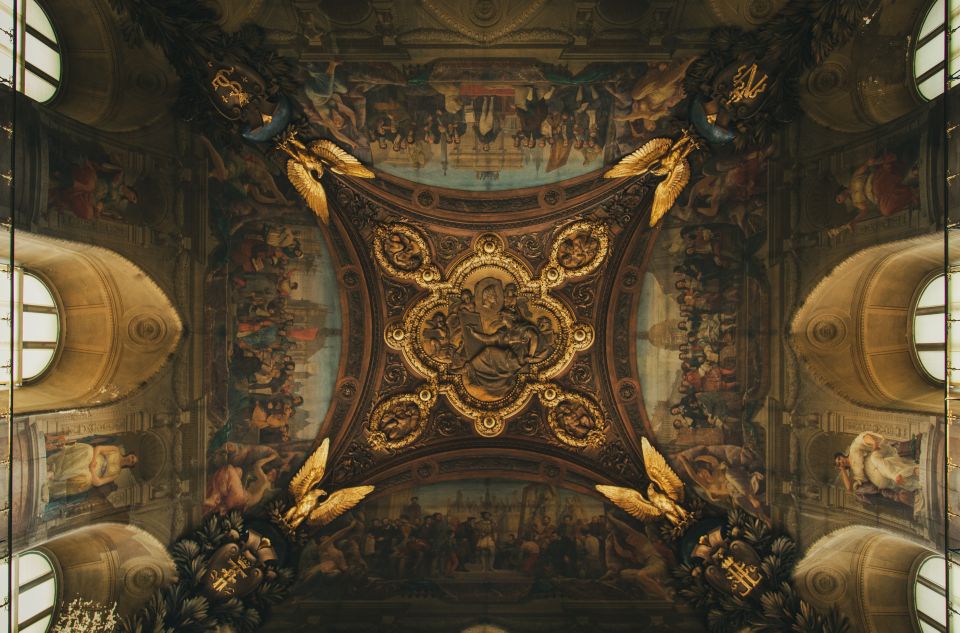
Paris museums can be overwhelming in two ways: the size and the noise. A private tour solves the first issue by giving you a shaped path, and it helps with the second because your guide turns artwork into a story you can follow. When you walk with one guide, it also feels less like you are rushing and more like you are learning how to look.
This tour is built around two places that complement each other. Orsay is all about the “near past” of modern art, while the Louvre covers a much longer timeline, including the Renaissance world where names like Leonardo da Vinci belong. That contrast makes the day feel coherent instead of random.
You can also read our reviews of more private tours in Paris



Pickup and the Real Meaning of a 5-Hour Walking Tour
You meet your guide either at a centrally located hotel or in front of the Orsay Museum, depending on what works best. Then your tour officially starts with a guided walk between the two major museum stops. No private transportation is included, so you’re counting on walking as the connector, plus the museums doing their part.
In practice, this kind of private pacing matters. You get a human who can steer you around the most crowded pinch points and keep the group together. If you hate museum chaos, you’ll appreciate having someone else handle the flow while you focus on the art.
The “5 hours” also hits a sweet spot. It’s long enough to see meaningful highlights in both places, but not so long that you lose your attention span to fatigue. Bring comfortable shoes. You’ll thank yourself later, especially around the Seine area and the museum interiors.
Musée d’Orsay: The Best Intro to Impressionism in Paris
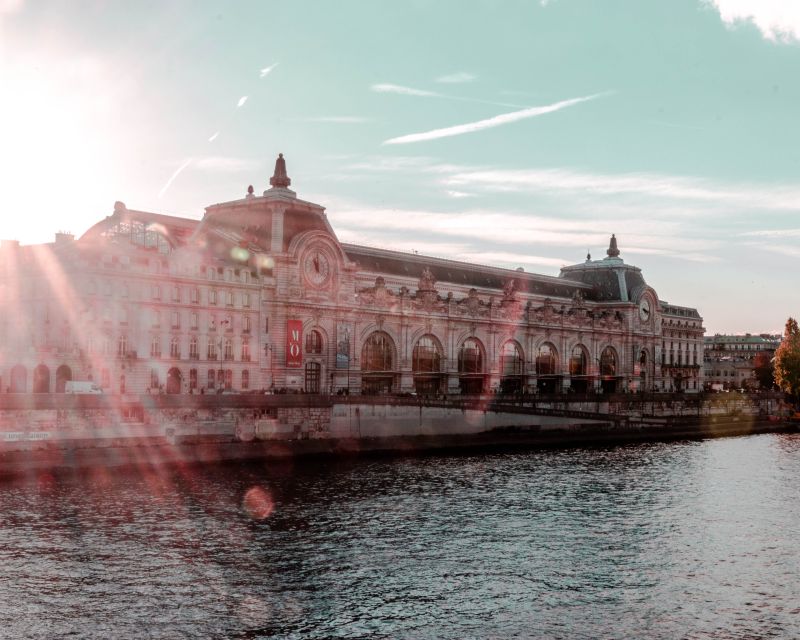
Orsay sits in the heart of Paris along the Seine, and it’s famous for housing the largest collection of Impressionist and Post-Impressionist masterpieces in the world. That’s not just marketing. It’s a powerful reason to start here: you’re walking into a museum where the style you came for is the main event.
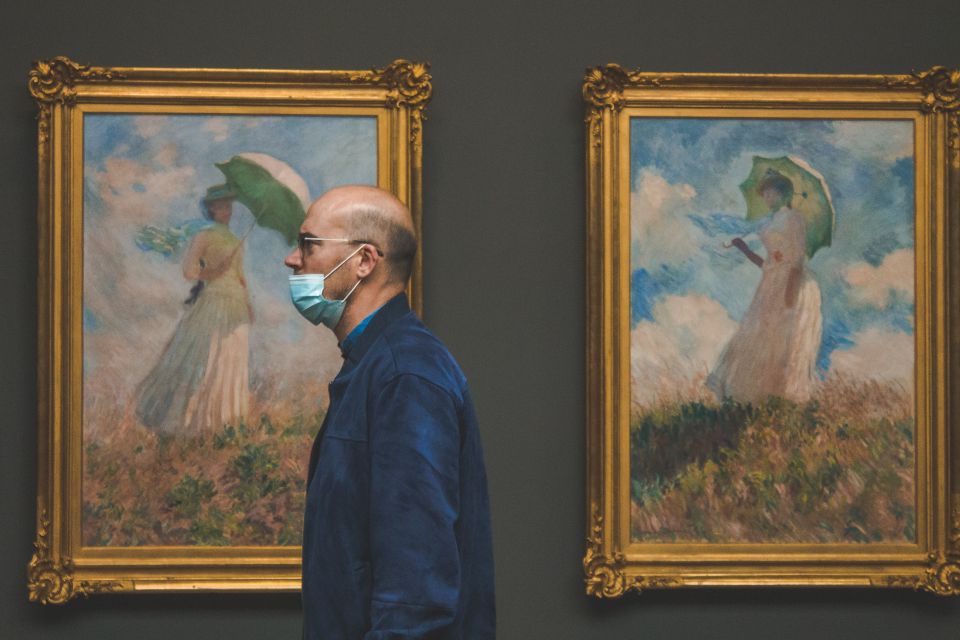
With your private guide, you stroll through the museum’s memorable halls and focus on key artists like Claude Monet, Gustave Courbet, Edgar Degas, Édouard Manet, Vincent Van Gogh, and Paul Cézanne. The guide’s role is practical: you don’t just see paintings, you learn what to look for in each artist’s approach. That turns a quick glance into a real “oh, that’s why this matters” moment.
What makes Orsay feel different from the Louvre
Orsay is where you feel the shift toward modern art, the last decades before major 20th-century changes. It’s also easier to digest than trying to tackle the Louvre first. If you start at the Louvre, you can end up feeling like you’re drowning in statues, rooms, and centuries. Orsay gives you a cleaner lane.
The drawback to consider at Orsay
Even with skip-the-line entry tickets, large museums still have busy circulation. If you’re sensitive to crowds, the best move is to let your guide set your pace rather than trying to time your own movements. When you do that, the day stays calm instead of stressful.
You can also read our reviews of more museum experiences in Paris





Skip-the-Line Entry Tickets: What They Do and Don’t Do
The tour includes skip-the-line entry tickets at both museums. That means you’re not stuck waiting for ticket purchase in the usual way, which is a big win. You can use that saved time to actually get oriented and start looking.
But based on real-world tour execution, skip-the-line doesn’t always mean you’ll avoid every line. You might still wait to enter the museum area at the gates or for security checks. It’s still an improvement, just not a total bypass of crowds.
If you like having a smooth start, show up a little ready to go—water bottle, phone charged, and a plan for how you want the day to feel. Your guide is there to make the time count, but your job is to be ready when the doors open.
Crossing Toward the Louvre: A Midday Reset in Paris
After Orsay, you cross the famous bridge of the arts to reach the Louvre. That short travel segment is more than “getting there.” It gives you a mental reset, so the Louvre doesn’t feel like a sudden drop into a totally different planet.
Also, it helps you stay oriented. You’re moving through the city as part of the tour rhythm, not just shuffling between indoor labyrinths. That matters, because by the time you reach the Louvre, you’re already mentally in Paris mode, not transit mode.
The Louvre Museum: How to See the Mona Lisa Without Losing the Plot
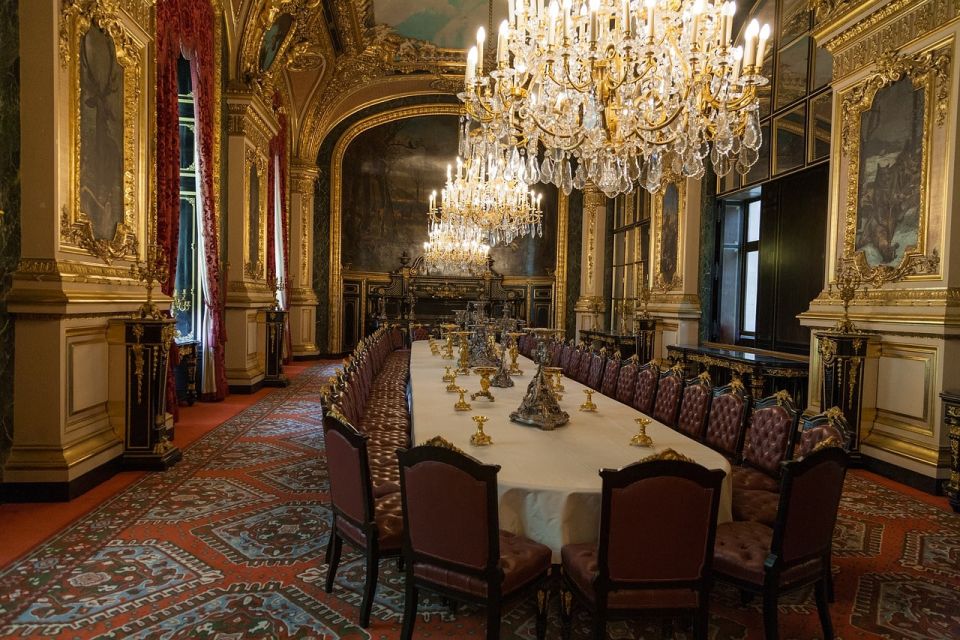
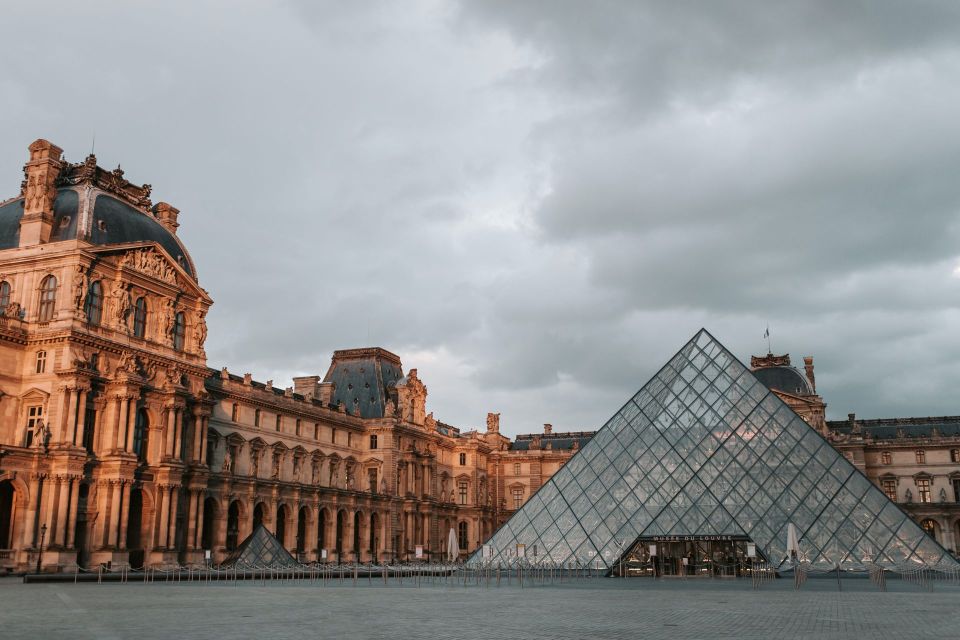
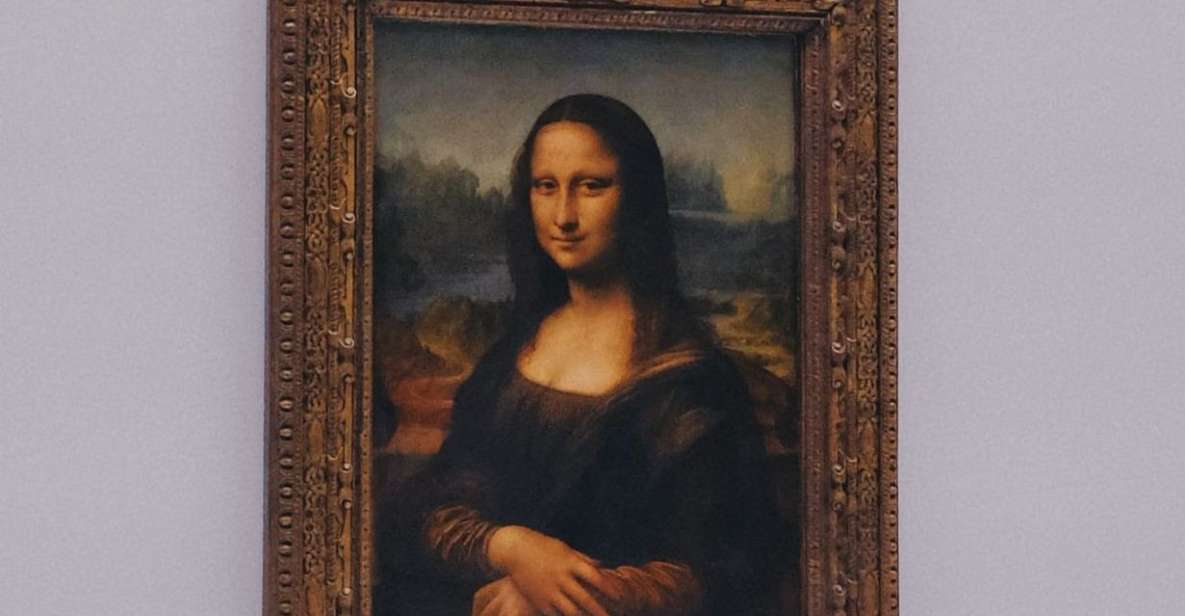
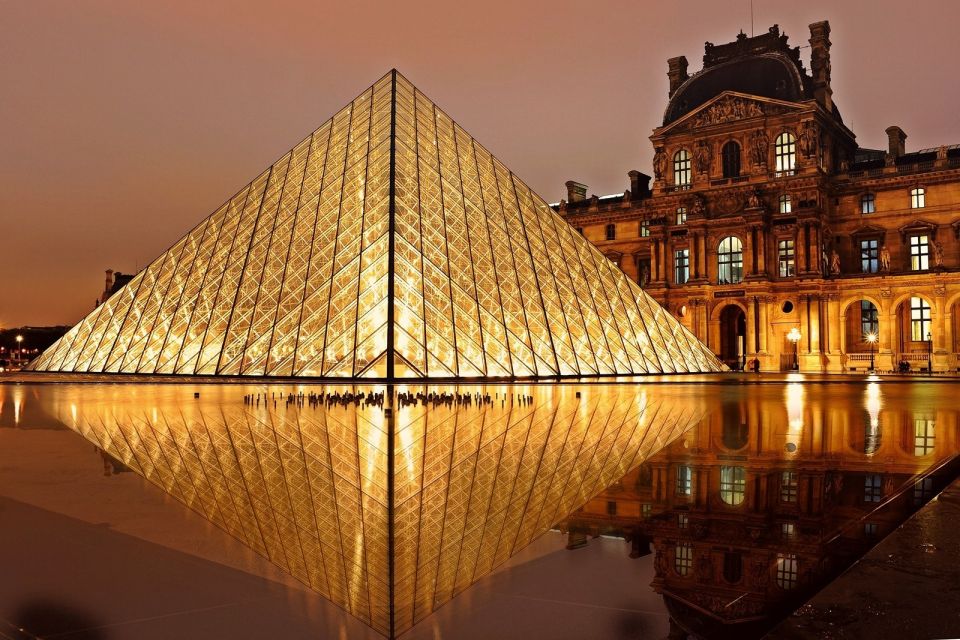
The Louvre is known as the most visited museum in the world, and it shows. Inside, you’re looking at one of the largest and most extensive art collections in the world. Your private guide anchors you with a time sweep that runs from ancient civilizations to the middle of the 14th century.
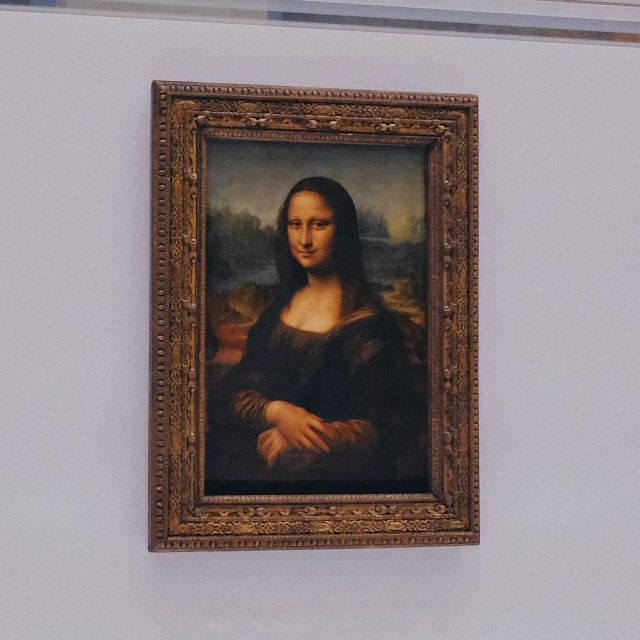
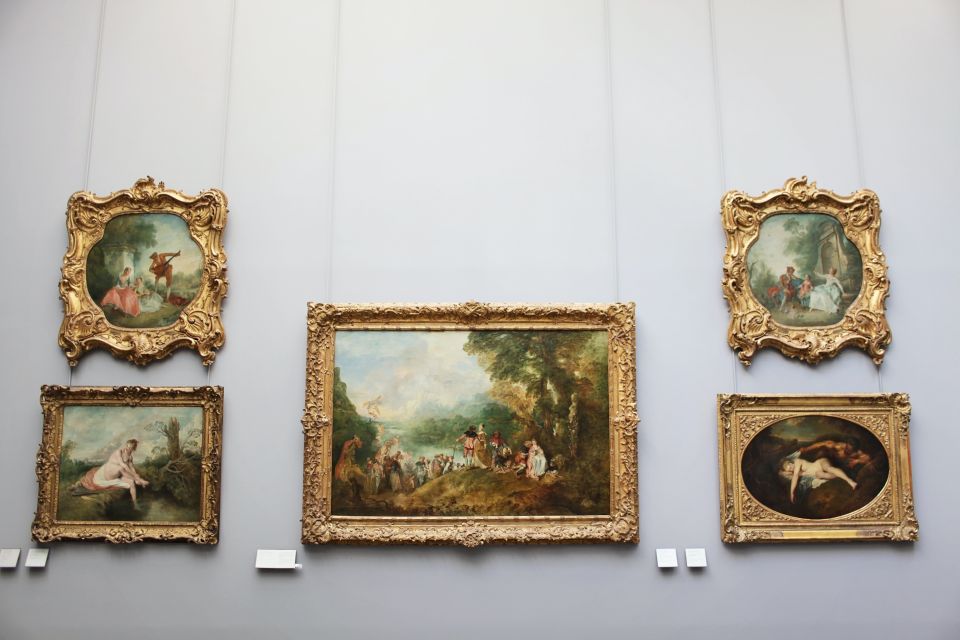
This tour’s Louvre focus centers on major names and big-picture themes. You’ll encounter prominent artists such as Leonardo da Vinci, Jacques-Louis David, François Boucher, and Hans Holbein. And yes, you’ll get the famous stop: the Mona Lisa.
Why the Louvre time sweep helps
The Louvre can be a mess if you go in cold. You can end up chasing famous works without understanding what comes before and after. A guide-driven timeline helps you place pieces in context, so the room feels like a story instead of a checklist.
What you’ll likely appreciate most
You’ll likely like the fact that you’re not just staring at one highlight and then drifting. The guide can connect works to artistic changes across centuries, helping you see why the Louvre feels different from Orsay. Orsay teaches you how art changed into modernity. The Louvre shows you earlier foundations and major turning points up through medieval history and beyond.
A practical drawback to consider at the Louvre
The Louvre’s scale is real. Even with a private guide, you won’t see everything. If your dream is to see a very specific list of artworks, tell your guide right away so your route matches your priorities within the 5-hour window. This tour works best when you treat it as curated highlights with context.
Artists You’ll Hear About (and How to Use That in Your Own Looking)
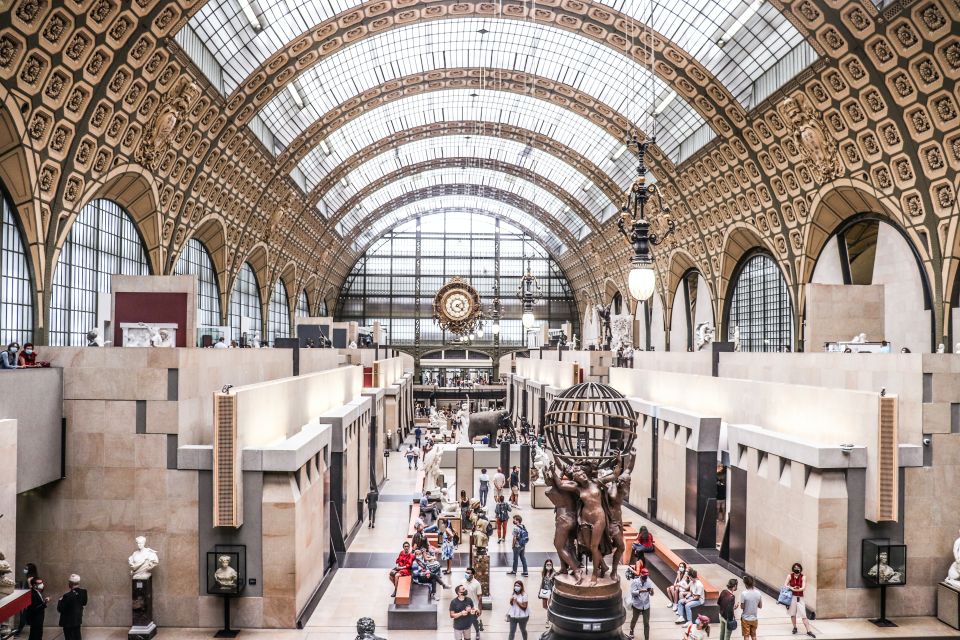
The tour highlights big names, and there’s a simple way to benefit from that list: use it as a lens. When you hear about Monet, Degas, Manet, Courbet, or Cézanne, you can start noticing brushwork, light, and subject choices rather than just admiring size and fame.
On the Louvre side, hearing Leonardo da Vinci and other major artists named gives you a frame for what to expect visually. Even if you’re not an art-history person, you can still watch for the guide’s cues about technique, era, and purpose.
This is where a private guide earns its keep. A slideshow in your head is nice. A person pointing out what to notice while you’re standing in front of the painting is the difference between seeing and understanding.
Languages and Group Size: Why Private Here Feels Worth It
Your guide speaks Spanish, English, or French, which is a big deal in a museum setting. Art discussions get better fast when you can follow the explanations without translating in your head.
The group is a private group, which keeps the experience intimate. You’re not waiting for a large group to move through a room, and you’re not stuck hearing over-talk that doesn’t match your interests. If you want a calmer, more personal museum visit, this format supports that.
Price and Value: Is $467 a Good Deal for Two Major Museums?
$467 per person for a 5-hour private, skip-the-line Orsay-and-Louvre tour is not cheap. But it can feel fair if you add up what you’re buying: two major museums, a personal guide for the full time, and skip-the-line entry tickets at both locations.
Here’s what that means for value in plain terms:
- Time saved matters in Paris. Long waits sap energy and make everything feel harder. Skip-the-line entry reduces that friction.
- Private guidance reduces wasted wandering. The Louvre especially punishes aimless roaming.
- Two museums in one means you’re not spending extra days trying to stitch together separate visits.
One more practical note: private transportation is not included. That’s fine if you’re comfortable walking and using central Paris pickup, but it means your “cost value” really comes from the guide and ticketing—not from being chauffeured around.
If you’re traveling with someone who shares your art interests, the private nature can also make the price feel more reasonable because you’re getting a full, tailored experience together.
Who This Tour Best Suits
I think this tour fits best if you want a smart highlights route and you hate chaos. You’ll enjoy it if you like art but also like your time to feel respected. The guide’s explanations turn famous names into something you can actually remember.
It’s also a good choice if you are short on days. Orsay and the Louvre can each take a whole visit. Doing both with a private guide helps you see key works without sacrificing the chance to understand what you’re seeing.
If you’re the type who wants to spend long stretches in one room with zero structure, a guided format might feel too focused. This tour aims for purposeful coverage within a set time, not total freedom.
Should You Book It? My Honest Take
Book it if you want the easiest path to two top-tier Paris museums with a guide who can connect the dots between centuries. The skip-the-line entry tickets help, and the private setup makes the day feel smoother than doing both on your own.
Skip it or choose something else if you have very specific, extensive artwork goals that require slow, room-by-room hunting. In that case, you might need more time than 5 hours or a more customized artwork list.
Most people in this “want highlights with real context” category will be happy. Especially if you’re excited about Impressionism at Orsay and Renaissance-level masterpieces at the Louvre, this is a clean, efficient way to do both in one go.
FAQ
How long is the Orsay and Louvre private tour?
The duration is 5 hours.
Do I get skip-the-line entry at both museums?
Yes. Skip-the-line entry tickets are included for both the Orsay Museum and the Louvre Museum.
Where does the guide meet us?
Your guide picks you up at a centrally located hotel in Paris or in front of the Orsay Museum, depending on what works best.
Is transportation included?
No. Private transportation is not included.
What languages are available?
The live tour guide is available in Spanish, English, and French.
Is this tour a private group?
Yes. It’s a private group.
What is the cancellation policy?
Free cancellation is offered up to 24 hours in advance for a full refund.