REVIEW · PARIS
Paris Writers and Painters Guided 1.30 hour Walking Tour
Book on GetYourGuide →Operated by Not a Tourist Destination · Bookable on GetYourGuide
Paris changes when you connect it to art. This Left Bank walk ties big-name painters and writers to the very streets, cafés, and squares where their ideas took shape. You’ll walk a tight route on foot with an English-speaking guide who keeps the pace human and the stories clear, without turning it into a lecture.
I also like the small group size (up to 8 people). That matters on a walking tour in Paris: you can actually hear details at café corners and you’re not stuck behind a wall of shoulders. One caution: the experience quality can vary. Some people report great guiding and solid coverage, while others mention missed expectations and even rare no-show issues—so come with a little patience and a plan for day-of communication.
In This Review
- Key Things You’ll Actually Get From This Tour
- From Café Flore to the Left Bank’s Writer-Walker Mood
- What the Guide Does With the “Writers and Painters” Theme
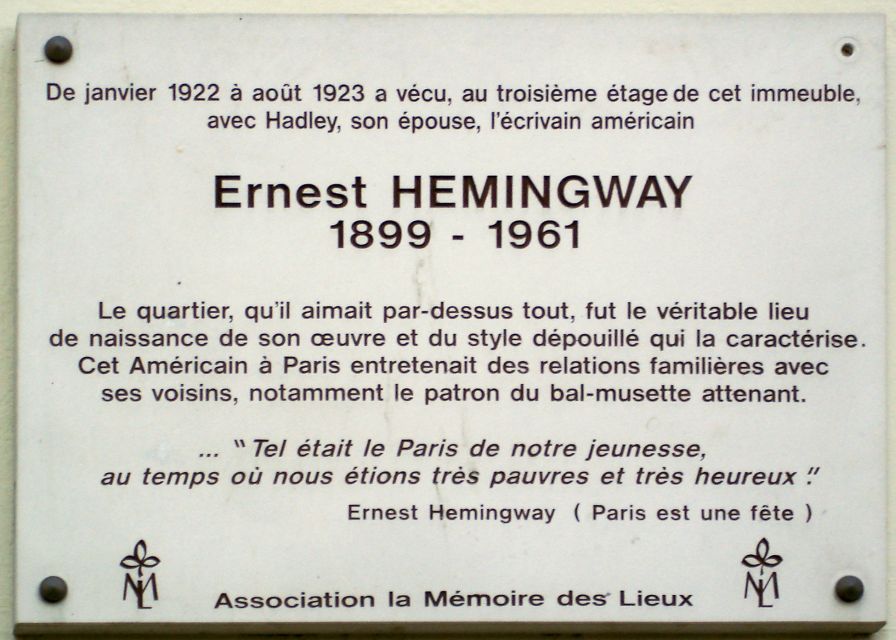
- The 1920s Paris Stops: Hemingway, Picasso, and the Café Life
- Saint-Germain-des-Prés and Latin Quarter: Why These Neighborhoods Work
- The Art and Studio Angle: How to Read What You See
- Price and Value Check for a 2-Hour Left Bank Walk
- Walking Comfort, Timing, and the Small-Group Advantage
- Who This Tour Is Best For (and Who Might Feel Underwhelmed)
- Should You Book Paris Writers and Painters?
- FAQ
- Where is the meeting point?
- How long is the walking tour?
- What languages are available?
- What’s included in the price?
- Is hotel pickup or drop-off included?
- How big is the group?
- What should I bring?
- Are luggage or large bags allowed?
- Can I cancel for a refund?
Key Things You’ll Actually Get From This Tour
- Café Flore is a strong starting point on Boulevard Saint-Germain, right where Left Bank literary energy starts.
- Hemingway and absinthe at Les Deux Magots is part of the storytelling you’ll hear on the walk.
- Picasso’s dinner scene at La Rotonde (and other period details) helps you picture the 1920s Paris mindset.
- The route links streets to ideas: Seine-area history, grand boulevards, cafés, squares, and artist-studio vibes.
- Guide focus may swing depending on who’s leading, so you should ask yourself what you want most: writers, painters, or both.
- You’ll be walking for 2 hours with comfy-shoe demand and no heavy luggage allowed.
From Café Flore to the Left Bank’s Writer-Walker Mood
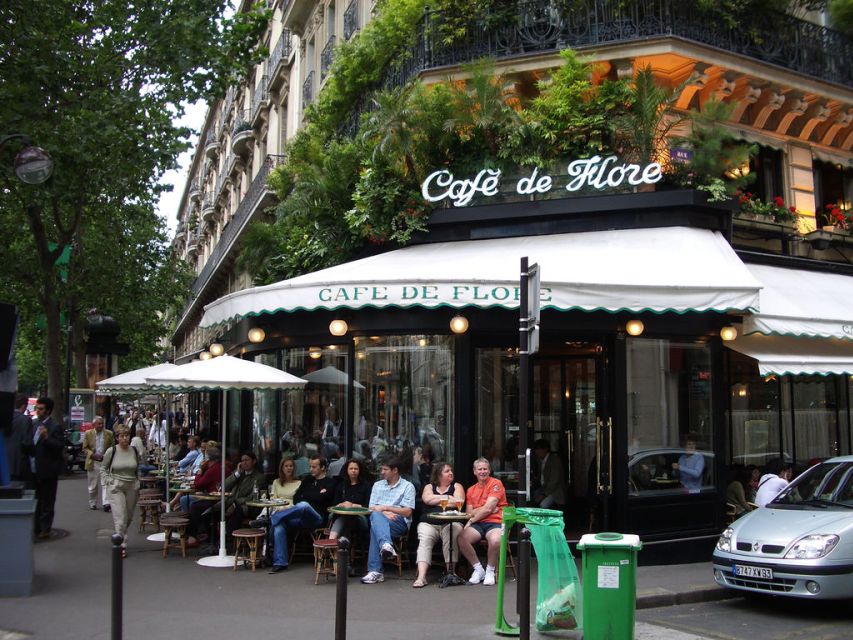
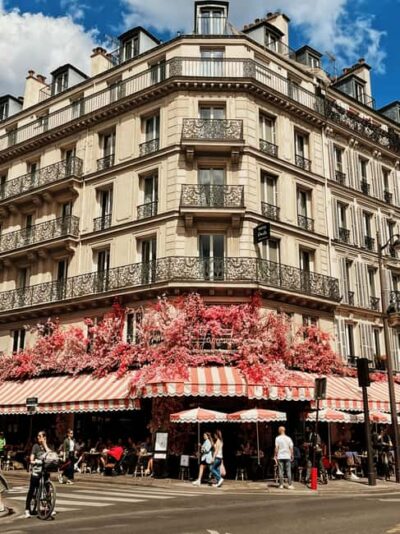
You start at Café Flore, 172 Boulevard Saint-Germain. That’s not random. The Left Bank’s pull comes from layers: 19th-century salons, early-20th-century cafés, and the places where artists and writers did their thinking in public. This tour is built to help you read Paris that way—less postcard, more “why this corner matters.”
The walk is designed to connect different parts of the city into one story arc: historic Paris along the Seine, then the feel of the grand boulevards, plus cafés and old squares where people actually sat, talked, and argued. The goal is simple: you should leave with mental images that match what you see later on your own.
One thing I appreciate is that the tour explicitly targets the overlap between art and literature. You’re not just learning who existed. You’re learning how the places helped shape what those people wrote and painted—especially around the 1920s, when Paris felt like it was in constant motion.
You can also read our reviews of more walking tours in Paris


What the Guide Does With the “Writers and Painters” Theme
This tour runs with an expert local guide and is offered in English and Spanish. In a small group, the guide’s job is to keep the story moving while you’re walking—point, pause, explain, and then transfer you to the next setting quickly enough that you still feel momentum.
From feedback, the best moments tend to happen when the guide has energy and uses names you recognize, then ties them to the street in front of you. One guide name that shows up in feedback is Susan, described as fun and story-driven. Another set of comments highlights the opposite: some guides focus heavily on only a couple major figures, like Oscar Wilde and Picasso, and don’t go far enough to include the broader writer roster they advertise.
So here’s the practical way to think about it: the tour’s value depends on the balance between (1) clear storytelling and (2) coverage across more than one big name. If your travel wish list includes both painters and major writers, you’ll want a guide who can weave the two threads together without shorting either side.
The 1920s Paris Stops: Hemingway, Picasso, and the Café Life
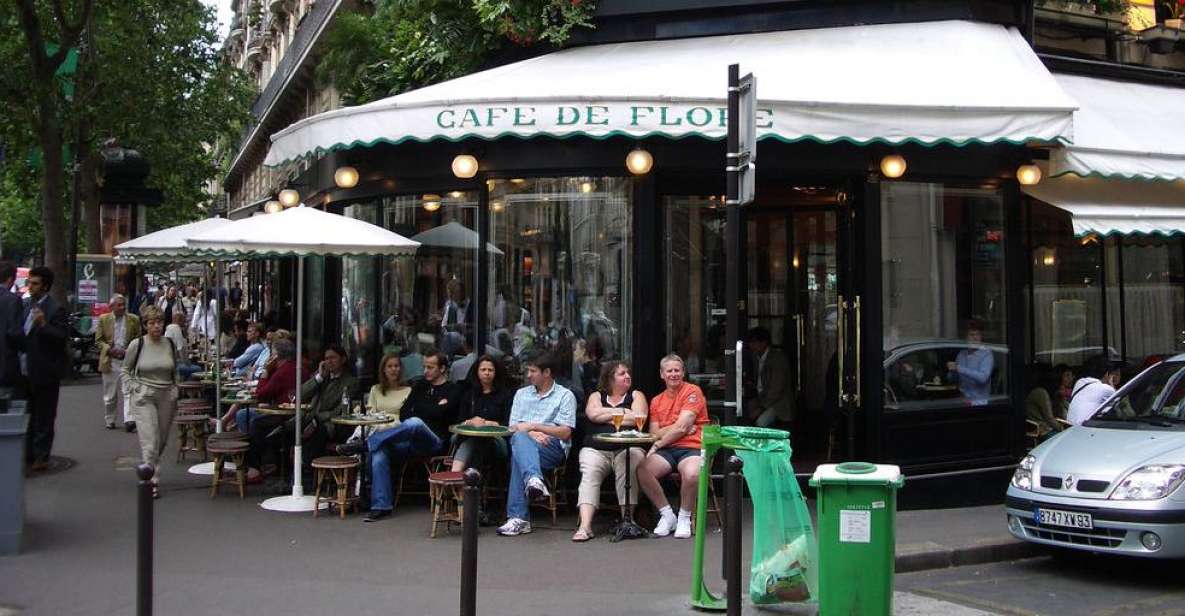
The tour leans hard into the Left Bank as a stage for the 1920s. You’ll hear set-piece stories like Hemingway sipping absinthe at Les Deux Magots and Picasso dining on choucroute garnie at La Rotonde. Even if you’re not a hardcore literature person, these details help you anchor the era in something concrete: drink, food, conversation, and that particular Paris habit of turning café life into creative fuel.
What I like about this approach is that it makes the neighborhood feel lived-in. Instead of “Hemingway was here,” you get the sense of why the café mattered. It’s also a useful way to understand how Paris became a magnet: writers weren’t just visiting—they were building networks and habits, one long table conversation at a time.
There’s also a side benefit if you plan to explore after the tour. Once you’ve heard those specific stories, you’ll recognize what you’re looking at when you pass other cafés later. The Left Bank starts to feel like a map of relationships rather than a grid of streets.
Saint-Germain-des-Prés and Latin Quarter: Why These Neighborhoods Work
The tour is built around the vibe of Saint-Germain-des-Prés and the Latin Quarter. Those areas are popular for good reason, but popularity can hide what makes them special. Here, the point is to link the neighborhood’s reputation to real creative life: cafés, old squares, and the kind of public space where ideas spread.
In plain terms, you’re walking through the “writer-and-artist” geography of the Left Bank. The streets can feel winding, and that helps the tour deliver what it promises: a sense of history that’s tied to movement. You’re not just standing still. You’re experiencing how a person might wander on an ordinary day and still end up near something important.
One caution: the walking route and café stops mean you’re sharing attention with the street scene. If you’re the type who hates hearing names in quick succession, you might want to take notes early—so you can sort it later when you’re not walking. A small notebook or notes app works fine.
The Art and Studio Angle: How to Read What You See
The description also mentions artist studios and the way the walk links “masterpieces” to where they were created. You won’t get museum-style labeling everywhere, so the guide’s storytelling becomes your translation tool. When it works, you’ll start connecting art to daily life—where the work came from, what the environment encouraged, and how conversation and observation fed the creative process.
From feedback, some guides did focus on places linked to artists and their lives and work, and that’s exactly the kind of explanation that makes this tour feel worth it. Still, coverage can vary. If your priority is specifically the “painters plus writers” mix rather than a narrower set of artists, be ready that the guide might spend more time on the individuals they know best.
The good news: even when the guide’s focus narrows, the Left Bank itself gives you plenty to notice—architecture, street layout, and the café pattern that shaped so much social life.
You can also read our reviews of more guided tours in Paris



Price and Value Check for a 2-Hour Left Bank Walk
At $100 per person for about 2 hours, this is not a budget stroll. The value depends on two things:
- How good the guide is at weaving multiple figures together
- How efficiently the tour uses the time to make the streets meaningful, not just name-droppy
If you get a guide who clearly connects writers and painters—think Hemingway-style café stories plus Picasso-era artistic life—you’re paying for context and interpretation. That’s worth it, especially in a city where a lot of self-guided walking can turn into “I see it, but I don’t know why it matters.”
If the guiding ends up too narrow (for example, focusing heavily on a couple names) or if the flow feels delayed, the price will feel steep. The feedback includes mentions of disappointment based on limited coverage, and there are rare reports of operational trouble like no one arriving at the meeting point. That doesn’t mean it’s common, but it does mean you should treat this as a day-of plan, not a set-and-forget reservation.
Walking Comfort, Timing, and the Small-Group Advantage
This is a walking tour with comfortable shoes as the main requirement. Since there’s no hotel pickup or drop-off, you’re responsible for arriving at Café Flore on time. That’s not a hassle, but it does mean your day has to run on a tight clock.
The group is small—limited to 8 participants. That’s the feature that helps you hear the guide and ask questions without the whole group turning into a shuffle-and-guess exercise. It also means the tour likely pauses more naturally at the best corners and café-adjacent spots.
One more practical detail: luggage or large bags are not allowed. If you’re touring with bulky items, plan to store them before you meet the group.
Who This Tour Is Best For (and Who Might Feel Underwhelmed)
This tour is best for you if:
- you like literary cafés and want Paris explained through writers and artists
- you want a guided Left Bank route that gives you names to connect to places
- you enjoy small-group pacing and short stops where you can actually process the story
You might feel underwhelmed if:
- you expect a deep, museum-level walkthrough of one specific art movement or one specific period
- you care most about French painting breadth and worry the tour might focus more on a smaller set of figures
- you’re highly sensitive to day-of surprises. Some people have reported cancellation-by-absence or long waits, so I’d treat this as something to confirm and monitor close to start time.
Should You Book Paris Writers and Painters?
I’d book it if your goal is to get your Paris bearings fast—through Left Bank art-and-literature storylines—and you’re happy paying for interpretation by an English/Spanish guide. The set-piece stories around Les Deux Magots and La Rotonde, plus the walk through Saint-Germain-des-Prés and the Latin Quarter, make it a fun way to turn “I’ve heard of them” into “I can picture them.”
But I’d be smart about it: double-check your day-of details, plan to arrive early, and set your expectations for a 2-hour walking experience that may vary in how many figures it covers. If you want a guaranteed “every major name” type of tour, this may not be the match. If you want a lively guided walk with strong place-based storytelling, it often sounds like the kind of tour that leaves you seeing the neighborhood with new eyes.
FAQ
Where is the meeting point?
You meet at Café Flore, 172 Boulevard Saint-Germain, Paris.
How long is the walking tour?
The tour is listed as 2 hours.
What languages are available?
The live guide offers English and Spanish.
What’s included in the price?
It includes the walking tour and an expert English-speaking guide.
Is hotel pickup or drop-off included?
No, hotel pickup and drop-off are not included.
How big is the group?
The group is small, limited to 8 participants.
What should I bring?
Wear comfortable shoes for walking.
Are luggage or large bags allowed?
No, luggage or large bags are not allowed.
Can I cancel for a refund?
You can cancel up to 24 hours in advance for a full refund.