
REVIEW · PARIS
Marais District of Paris Guided Walking Tour
Book on GetYourGuide →Operated by Babylon Tours LLC · Bookable on GetYourGuide
Marais feels like Paris at human scale. This guided walk turns the Marais streets into a story you can actually follow, with courtyards and historic mansions explained in plain language. I especially like how the guide uses an art historian lens to connect buildings, streets, and symbols, so the neighborhood stops feeling like random pretty facades.
I also love the rhythm of the tour: you start with older Paris landmarks, then move into the heart of the Jewish neighborhood (the Pletzl), and finish with the refined scene around Place des Vosges. Names like Eden and Agustina come up in the guide reviews for a reason: they’re the kind of guides who make facts sound like character and design.
One thing to plan around: the walking is moderate and this experience is generally not set up for people with walking disabilities or who use a wheelchair, even though wheelchair options are available only on request. Add in the no-large-bags rule, and you’ll want to travel light.
In This Review
- Key things to love about this Marais walking tour
- Entering the Marais on foot: how the tour helps you “see” Paris
- Saint Paul and Saint Louis to Hotel de Sully: starting with architecture you can recognize
- Place des Vosges: the square that explains the Marais’s “royal” side
- The Pletzl and the Jewish Marais: streets you’ll understand after one walk
- Mansion after mansion: how to spot what matters in old Paris façades
- Rue des Francs Bourgeois, then museums: what you gain from the mix
- When the route adds Hotel de Ville and Pompidou
- Price and time: is $53 worth 2.5 hours in the Marais?
- Who this walking tour suits best (and who might want a different option)
- Tips to get the most out of the morning or afternoon walk
- Should you book the Marais District guided walking tour?
- FAQ
- How long is the Marais District guided walking tour?
- How many people are in the group?
- Is the tour available in multiple languages?
- Does the price include food and drinks?
- What identification do I need to bring?
- Can I bring a large bag or luggage?
Key things to love about this Marais walking tour
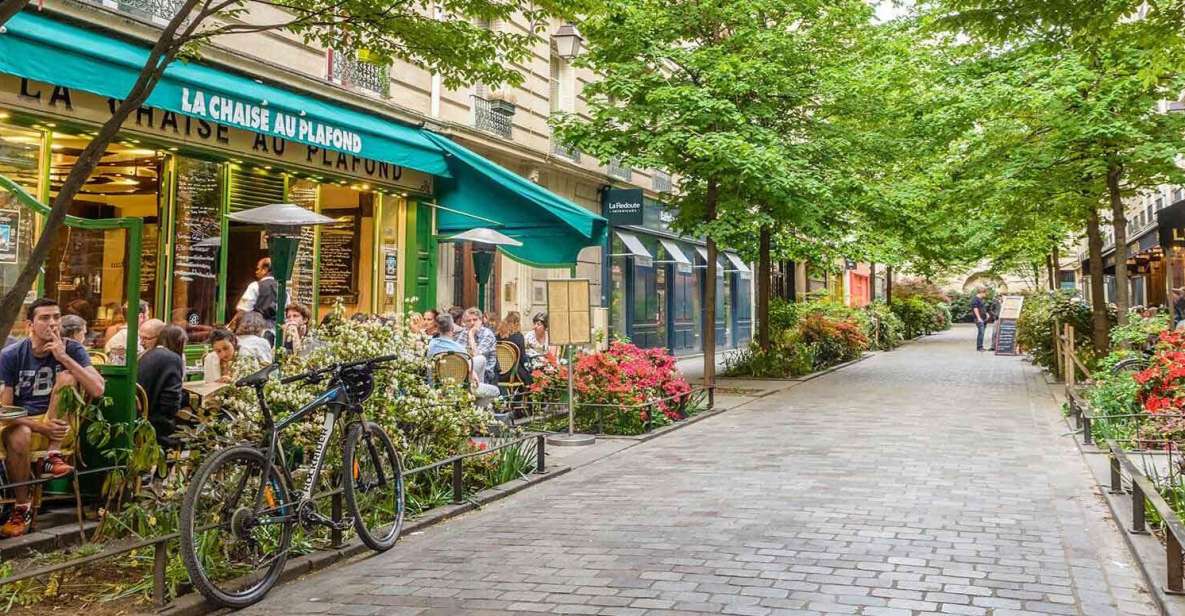
- Small group size (max 8 per guide) keeps the pace friendly and questions easy to answer
- Art historian guidance helps you read architecture and landmarks like a local
- Place des Vosges + Hotel de Sully courtyard give you two sides of “royal” Paris in one loop
- Pletzl focus explains why this area mattered to Jewish life in the 18th and 19th centuries
- Mansion-lined streets plus Musée Carnavalet show the Marais as more than just postcards
- Possible add-ons like Hotel de Ville and Pompidou let you catch different eras
Entering the Marais on foot: how the tour helps you “see” Paris

The Marais can be confusing if you wander alone. Streets twist, courtyards appear out of nowhere, and it’s easy to miss why specific corners mattered. This tour gives you a simple map in your head: start with where the district fit in Paris’s growth, then follow what changed—power, religion, and everyday life.
I like that it’s not a speed-walk. It’s built for noticing: stonework, street plans, and the way public squares and private courtyards shape how people move. In a neighborhood where a “quick glance” often turns into a 30-minute detour, having a guide keeps the detours fun instead of aimless.
You can also read our reviews of more walking tours in Paris



Saint Paul and Saint Louis to Hotel de Sully: starting with architecture you can recognize
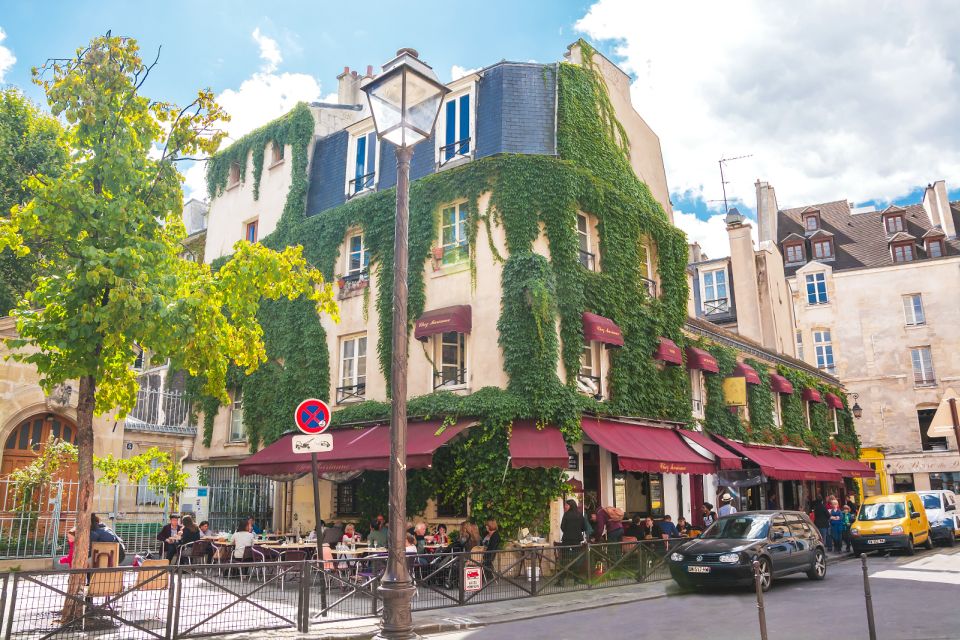
The tour typically begins with historic anchors that help you understand why the Marais matters. You’ll learn about the district’s importance as an area that once sat beyond central Paris and later became central. That timeline is more useful than it sounds—once you hear it, the neighborhood stops feeling like one single era.
From there, you’ll pass Church of Saint Paul and Saint Louis, which sets the tone for older Paris. Then the focus moves toward power and prestige with a stop at the courtyard of the Hotel de Sully. Courtyards are one of the Marais signatures, but they’re also easy to overlook on your own. Here, you’re guided to what to look for so you understand how these spaces served residents and institutions.
Practical note: museum-like rules can pop up during the route. Some rooms may require quiet, and your guide will tell you what’s expected before you enter those areas. That’s a small thing, but it improves the whole experience because you’re not left guessing in silence zones.
Place des Vosges: the square that explains the Marais’s “royal” side
Few places in Paris are as instantly recognizable as Place des Vosges. On this tour, it’s not just a pretty stop—it’s a turning point in the story. You’ll explore the square after the earlier historic landmarks, so the contrast lands: you see the Marais’s refined, planned aspect right after the older origins.
What makes Place des Vosges valuable here is context. The guide ties it to royal history and the evolution of the district. That matters because the square can feel like a museum set if you only look at it aesthetically. With explanations, you start noticing how the design supports social life: sightlines, the “frame” of the buildings, and the way the square acts like a stage.
If you like photos, you’ll get them. If you don’t, you’ll still enjoy it because the square works even when you’re not shooting pictures.
The Pletzl and the Jewish Marais: streets you’ll understand after one walk
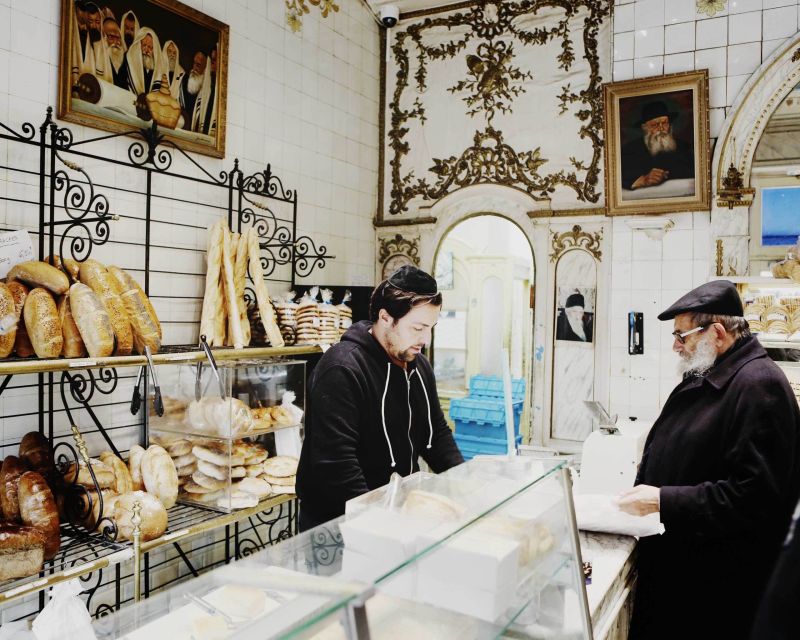
This tour really earns its “secrets of the Marais” tag when you reach the Jewish neighborhood known as the Pletzl. Instead of treating it like a separate side quest, the guide explains how Jewish community life put the Marais on the map during the 18th and 19th centuries. That historical arc is the difference between seeing storefronts and understanding the neighborhood’s identity.
You’ll stroll past the feel of day-to-day life—bakeries and boutiques—and then connect it to the bigger story. After that, you move toward rue des Francs Bourgeois, known for its shop-lined streets and historic setting. Walking here with your guide is a lot more efficient than trying to piece it together from guidebooks while you’re hungry or distracted by tempting windows.
One extra detail worth paying attention to: the tour can include a stroll past artistic tomb stones and graves. That’s not everyone’s favorite topic, but in this neighborhood it makes sense. Cemeteries and burial spaces are part of how communities leave records, and your guide helps you read what you’re seeing.
Mansion after mansion: how to spot what matters in old Paris façades
The Marais is famous for its mansion buildings—former homes of nobility that now serve different roles. Even if you’ve seen pictures, the street-level reality can feel overwhelming because there’s so much to notice: stonework, gates, windows, and the sense that private lives shaped public space.
Here’s where an art historian guide pays off. You’ll learn how the district’s mansions connect to power and wealth, and how their presence shapes the neighborhood’s layout. Museums are built into this story too. Musée Carnavalet is mentioned as a particularly worthwhile stop, so you get at least one “inside” perspective rather than relying only on façades.
Keep in mind: security and museum rules apply. The tour notes that no large bags are allowed inside museums—only handbags or small thin backpacks may be allowed through security. If you’ve got a daypack that’s chunky or bulky, it’s worth swapping it out before you head to the meeting point.
You can also read our reviews of more guided tours in Paris





Rue des Francs Bourgeois, then museums: what you gain from the mix
Many walking tours do “look only.” This one uses a blend of streets and museum time so you get both street-level atmosphere and deeper context. As you walk along rue des Francs Bourgeois, you’re getting the commerce layer—the way the Marais stays alive. Then when you hit places like Musée Carnavalet, you get the “why” behind the look.
This combination is also efficient if your time in Paris is limited. In 2.5 hours, you can cover multiple key themes:
- royal-era design and planned spaces
- a neighborhood identity shaped by Jewish community life
- the mansion culture that still defines the district
If you love architecture, the courthouse-like gates and courtyard entrances will keep your interest. If you love people stories, the Pletzl segment does that work.
When the route adds Hotel de Ville and Pompidou
Some versions of the tour may include stops past Hotel de Ville (City Hall) and the Pompidou Center. That’s a clever contrast: you’ll move from the Marais’s old texture to modern architecture and public energy.
Should you expect those every time? The tour info says the route may introduce them, so treat them as a bonus rather than guaranteed. Either way, the core Marais story stays the same: how the district grew, what it protected, and who used it.
Price and time: is $53 worth 2.5 hours in the Marais?
At about $53 per person for roughly 2.5 hours, you’re paying for three things that are hard to replicate on your own:
1) a professional guide who can explain what you’re looking at (not just point at it)
2) a compact route that covers multiple neighborhood chapters
3) a small group format, max 8 per guide, which keeps the tour interactive
This isn’t a deal-killer bargain, but it also isn’t overpriced for what you get. The Marais can burn time quickly because you’ll want to peek into courtyards and pause for photos. A good guide helps you spend that time on the right spots.
If you’re the type who likes to understand before you take pictures, the value jumps. If you only want a casual stroll and don’t care about context, you might prefer a self-guided plan—though you’ll likely miss how the guide ties it all together.
Who this walking tour suits best (and who might want a different option)
This one fits best if you want structure without feeling rushed. It’s great for couples, friends, and small groups who like city walking and care about architecture, neighborhood identity, and why places look the way they do.
It’s also a strong match if you’re museum-curious. The possibility of stops connected to Musée Carnavalet—and the way quiet-room rules are handled—suggests the guide knows how to steer you through without disrupting others.
If you have mobility limitations, plan carefully. The tour involves a moderate amount of walking, and it’s stated that it’s not accessible for those with walking disabilities or using a wheelchair. Wheelchair tours may exist only on request, so you’ll want to confirm your situation directly when you book.
Tips to get the most out of the morning or afternoon walk
Bring a passport or ID card as the tour requires valid photo ID. Wear shoes you can walk in for a few hours, because the Marais streets and courtyard entrances reward good footing.
Travel light. The tour notes that luggage or large bags aren’t allowed, and museum security limits what you can bring inside. If you’re traveling with a big bag, this tour is going to be a hassle rather than a treat.
Finally, come with at least a small curiosity. If you ask one question—about why the Marais became central, or what made the Pletzl historically important—you’ll likely get more out of the experience for the rest of your trip.
Should you book the Marais District guided walking tour?
I’d book it if you want the Marais to make sense fast. The mix of historic landmarks (like Saint Paul and Saint Louis), signature squares (Place des Vosges), and identity-rich streets (the Pletzl) is exactly how to turn a confusing neighborhood into a clear story.
It’s also a smart choice if you appreciate small-group attention. With a maximum of 8 guests per guide, you’re more likely to get real answers instead of hearing the story in a one-size-fits-all stream.
Skip it only if your travel style is purely casual walking and you don’t want guided context. Or if mobility or bag size is an issue, double-check what’s possible for your needs before you commit.
If those two conditions don’t apply, this is one of the more efficient ways to experience the Marais beyond the obvious highlights.
FAQ
How long is the Marais District guided walking tour?
It lasts about 2.5 hours.
How many people are in the group?
The tour has a maximum of 8 guests per guide for a more intimate experience.
Is the tour available in multiple languages?
Yes. The live guide is available in German, Spanish, English, Italian, French, and Russian.
Does the price include food and drinks?
No. Food and drinks are not included.
What identification do I need to bring?
Bring a valid passport or ID card.
Can I bring a large bag or luggage?
No. Luggage or large bags are not allowed. Only handbags or small thin backpacks are allowed through museum security.