REVIEW · PARIS
Montmartre for Art Lovers – Walking tour with Expert Guide
Book on GetYourGuide →Operated by Trivial Guides · Bookable on GetYourGuide
Montmartre has a way of making art feel close. This 2-hour walking tour turns the neighborhood’s famous corners into a story you can actually picture, with trivia games and a sketching moment. I like that it starts with Montmartre Cemetery and uses real places to explain how artists and entertainers shaped this hillside.
Another big reason I’m into this tour: you get a hands-on drawing session on a small canvas. The guide sets you up to draw from the same viewpoint as the artists connected to Montmartre, so it’s not just talk. One drawback to plan for is that the route includes steep streets, and it isn’t suitable for people with mobility impairments or who are pregnant.
In This Review
- Key things to look forward to
- Montmartre Art for Real People: What This Tour Actually Does
- Meeting at 20 Av. Rachel and Starting at the Cemetery Gate
- From Cemetery Stories to Moulin de la Galette: Where Views Become Clues
- Rue de l’Abreuvoir, Café Corners, and the Art-Scene Links You’ll Actually Remember
- Le Passe-Muraille and Square Suzanne Buisson: Tiny Stops With Big Payoff
- Dalida Statue: Turning Pop Culture Into Street-Level Art
- La Maison Rose and Lapin Agile: Old-World Charm With a Performer’s Pulse
- Your Sketch Session: Drawing From the Same Perspective as the Artist
- Place du Tertre to Saint-Pierre de Montmartre: The Art Market Meets Quiet Corners
- Ending at Sacré-Cœur: Big Views, No Ticket Required
- Trivia Questions, Small Prize Chance, and Why Games Work on This Hill
- Price and Value: Why $17 Can Feel Fair Here
- What to Bring, What to Expect on the Ground, and Who Should Go
- Should You Book Montmartre for Art Lovers?
- FAQ
- Where do I meet for the Montmartre for Art Lovers walking tour?
- How long is the tour, and are there different start times?
- What languages are offered?
- What’s included in the ticket price?
- Is entry to Sacré-Cœur included?
- What should I bring with me?
- Is this tour suitable for everyone?
Key things to look forward to

- Montmartre Cemetery: entry included, plus guided storytelling before you hit the streets
- A drawing session on a small canvas, using the same perspective as the artists
- Trivia questions and a small prize chance that keep you moving and paying attention
- Iconic sights without the checklist vibe: Moulin de la Galette, Dalida statue, La Maison Rose, Lapin Agile
- A guide who keeps the energy up (many groups praise Billy for clear, fun storytelling)
Montmartre Art for Real People: What This Tour Actually Does
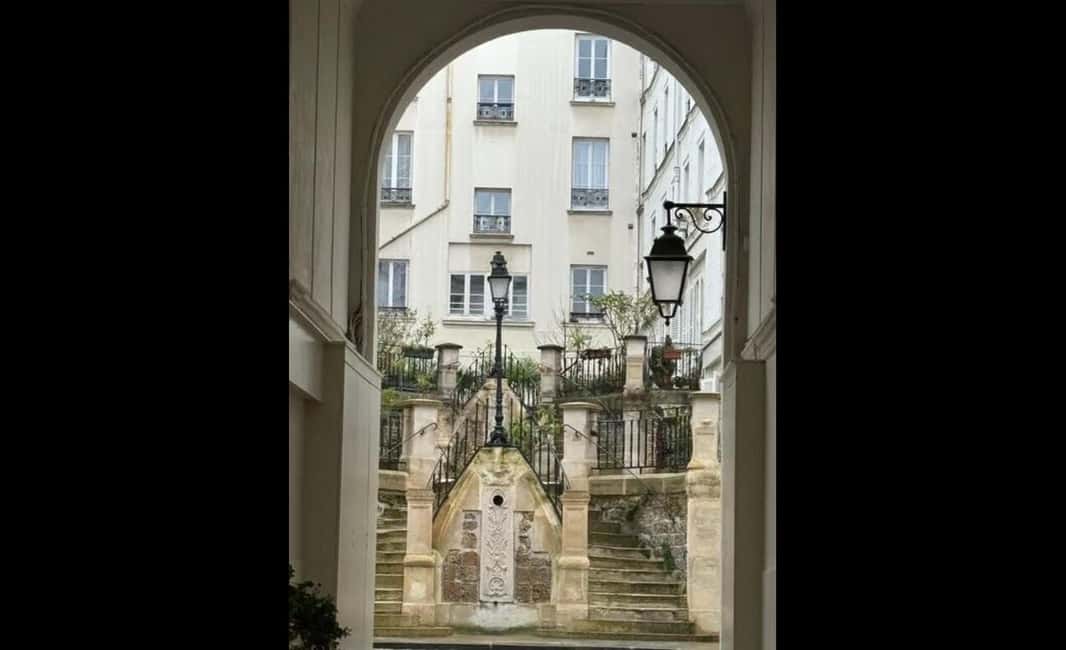
This tour works because it mixes three things that don’t usually go together: landmarks, quick art context, and a low-stress interactive game.
First, you get guided stops around Montmartre’s most recognizable spots. But instead of a dry lecture, the guide ties the setting to what made the area famous for artists. You’ll hear names linked to Montmartre’s creative pull, including Picasso, Toulouse-Lautrec, and Van Gogh.
Second, the trivia component matters more than it sounds. The questions force you to connect details as you walk. It turns the tour into an activity, not a stand-and-listen parade.
Third, the drawing session gives you something to take home that feels personal. Even if you’re not an artist, you’ll be guided through drawing from a set perspective, using a small canvas.
You can also read our reviews of more walking tours in Paris



Meeting at 20 Av. Rachel and Starting at the Cemetery Gate
You meet right in front of the Montmartre Cemetery entrance, at 20 Av. Rachel. This start point is a clever move. It pulls you away from the typical “straight to Sacré-Cœur” routine and drops you into the human side of Montmartre first.
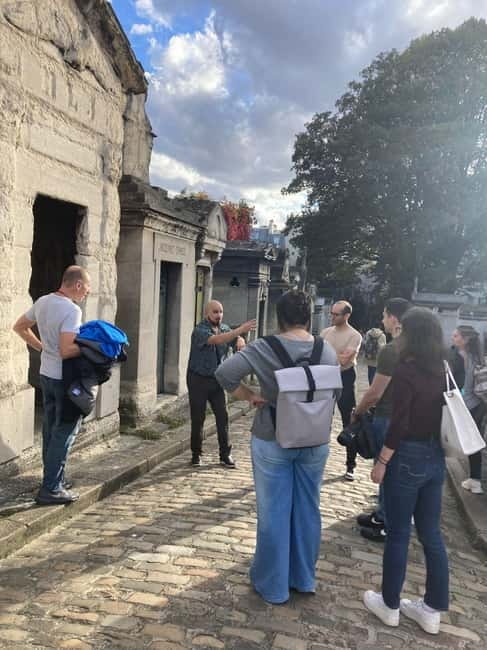
The cemetery stop is guided and lasts about 20 minutes, and entry is included. Expect a calmer moment than the street corners you’ll hit later. It’s also a smart setup for what comes next: Montmartre’s art scene wasn’t just about paintings and posters. It was about people—performers, artists, and entertainers—whose names you’ll hear again as you walk.
Practical tip: give yourself a minute to settle in before the climb starts. Wear comfortable shoes. You’ll be glad you did on day one.
From Cemetery Stories to Moulin de la Galette: Where Views Become Clues
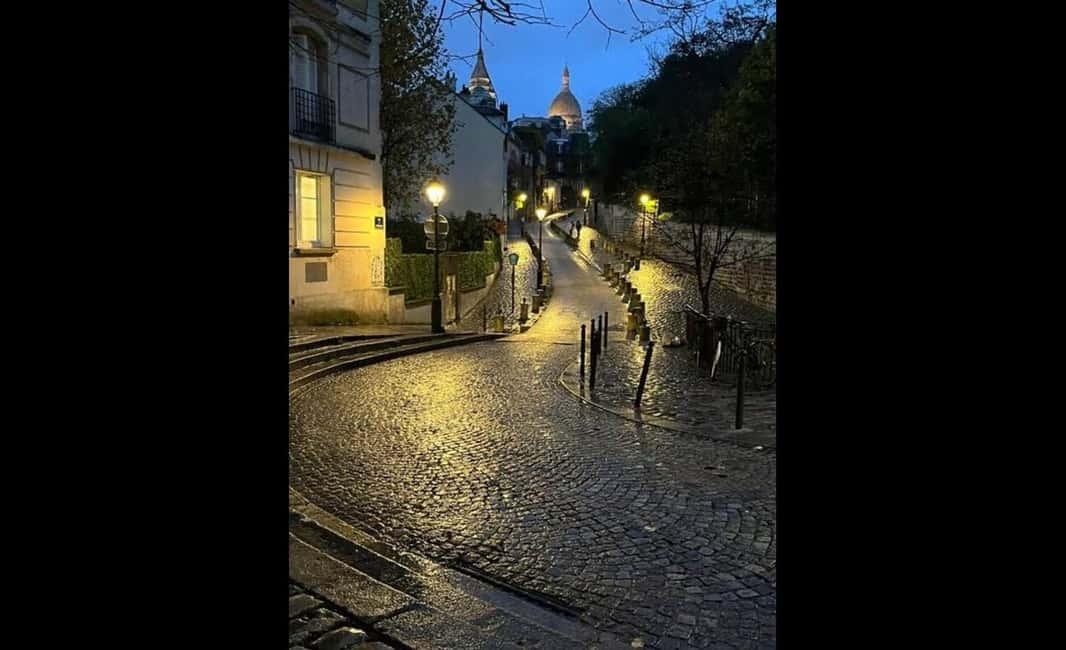
After the cemetery, the tour keeps a walking pace and adds short guided stops along the way. Some of these breaks are around 10 minutes each, designed for quick context and photo time rather than long detours.
One of the first headline sights is Moulin de la Galette. This is the kind of place you’ve probably seen in photos, but the guide’s job here is to help you see what made it memorable and how Montmartre’s look became part of its artistic identity.
If you like art that’s tied to everyday streets, you’ll enjoy the way the guide connects the physical surroundings to the ideas artists captured. Montmartre is famous for turning angles and curves into style. Walking with someone who points out those details makes a difference.
Rue de l’Abreuvoir, Café Corners, and the Art-Scene Links You’ll Actually Remember
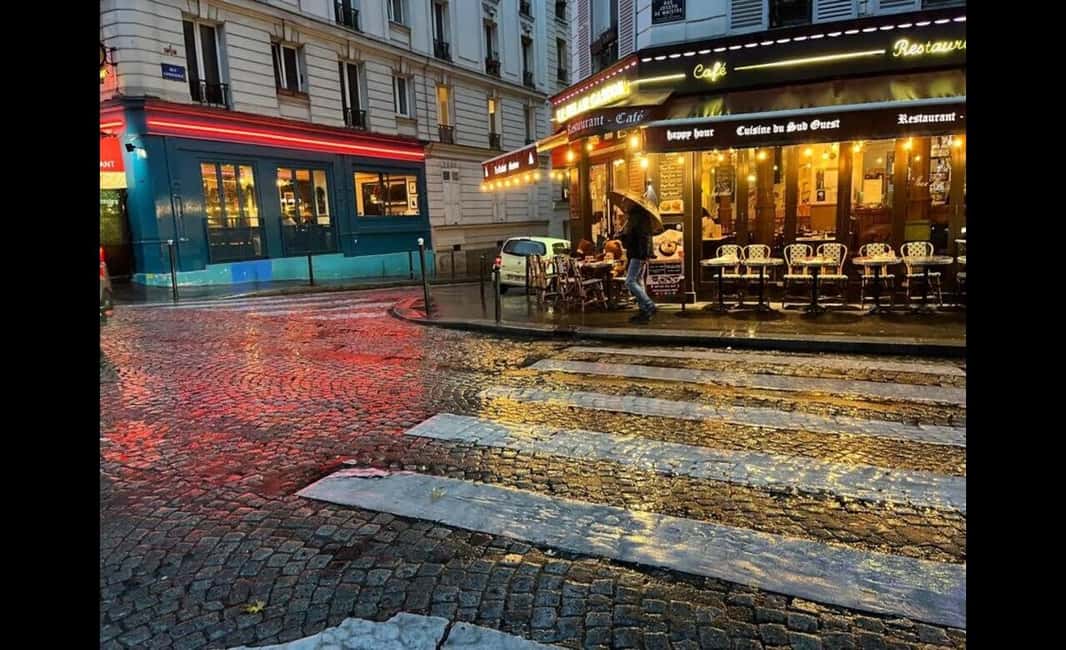
A highlight in the tour description is Rue de l’Abreuvoir, with its charming cafés and historic buildings. This is the part of Montmartre that feels lived-in rather than staged.
The guide doesn’t just point at buildings. You’ll get the kind of art-linked stories that help you remember what you’re seeing. Names like Picasso, Toulouse-Lautrec, and Van Gogh come up for a reason: they’re part of why people associate Montmartre with creativity in the first place.
And here’s the practical value: you’ll start noticing artistic “signals” in the street layout—views, terraces, and the way light and distance work on the hill. That makes your later photos better, and it makes your drawing session easier too.
Le Passe-Muraille and Square Suzanne Buisson: Tiny Stops With Big Payoff
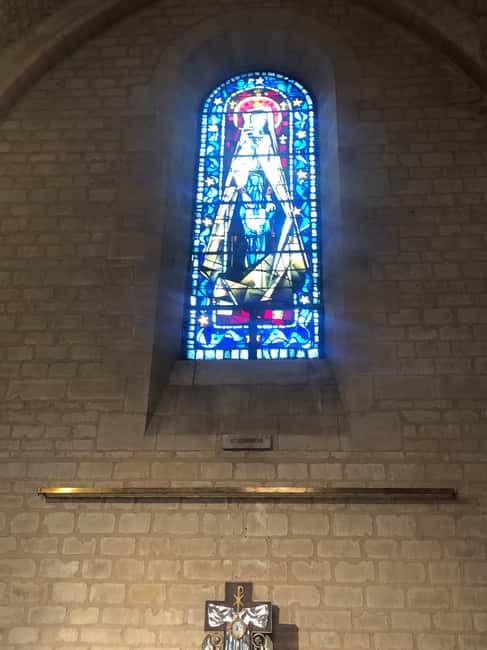
Montmartre can feel like a movie set if you rush through it. This tour keeps slowing down at small-but-meaningful points.
You’ll see Le Passe-Muraille, the statue linked to a local character legend, and Square Suzanne Buisson. These pauses are short, but that’s the point. The tour uses them like punctuation marks. Each stop gives you a story thread, so the walk becomes connected rather than random.
This is also where the guide’s pacing shines. Reviews praise guides (including Billy, in many cases) for being patient and for making the stops clear and engaging. In a neighborhood like this, that patience matters because people stop looking around the moment they feel lost.
You can also read our reviews of more guided tours in Paris





Dalida Statue: Turning Pop Culture Into Street-Level Art
Next comes the Dalida statue, described as a bronze tribute to the beloved French singer. It’s a fun contrast inside an art tour. Montmartre’s creativity isn’t stuck in one century. It keeps changing, and that shows up in public art like this.
What I like about including a pop-culture monument is that it broadens the definition of art. If you only think “painting,” you’ll still enjoy Montmartre, but you’ll miss part of why the hill has always attracted performers and creators.
The guide ties this kind of landmark back into the larger Montmartre story, so it doesn’t feel like a random photo stop.
La Maison Rose and Lapin Agile: Old-World Charm With a Performer’s Pulse
Two big Montmartre icons on this route are La Maison Rose and Lapin Agile.
- La Maison Rose is the pink facade everyone recognizes. What you gain on a guided walk is the context: why this look became part of the neighborhood’s identity and how it fits into Montmartre’s artistic branding over time.
- Lapin Agile brings the stage vibe. It’s the kind of place where Montmartre’s reputation for music, humor, and performance makes sense in real life. Even if you’re not hunting for nightlife, it helps you understand the creative atmosphere that drew artists here.
Between these stops, you’ll have additional guided moments—some unnamed on the route details, but designed for quick stories and orientation. This is where the tour keeps the “2 hours” feeling like a full experience instead of a rushed loop.
Your Sketch Session: Drawing From the Same Perspective as the Artist
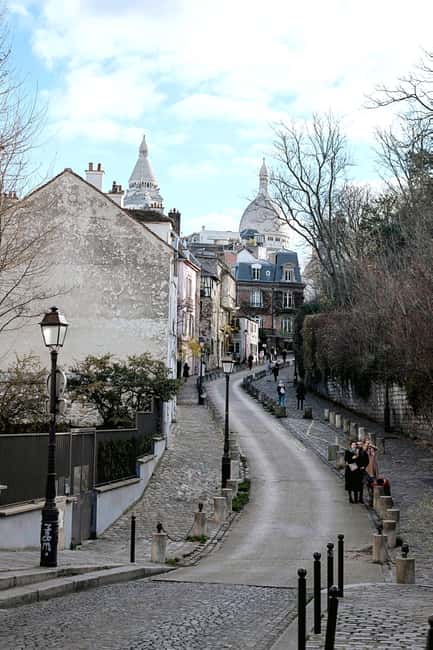
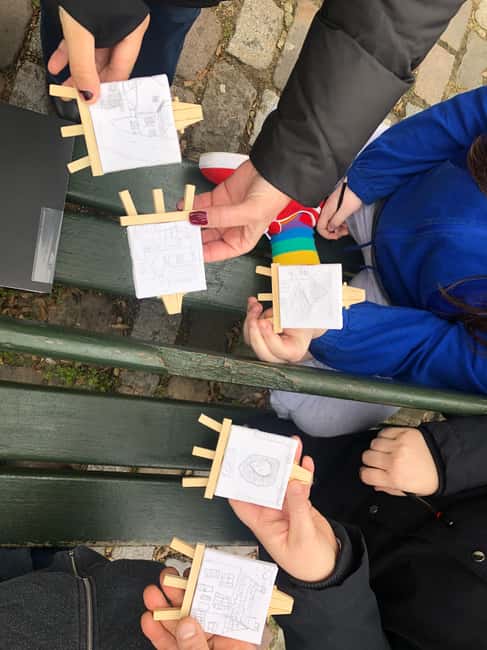
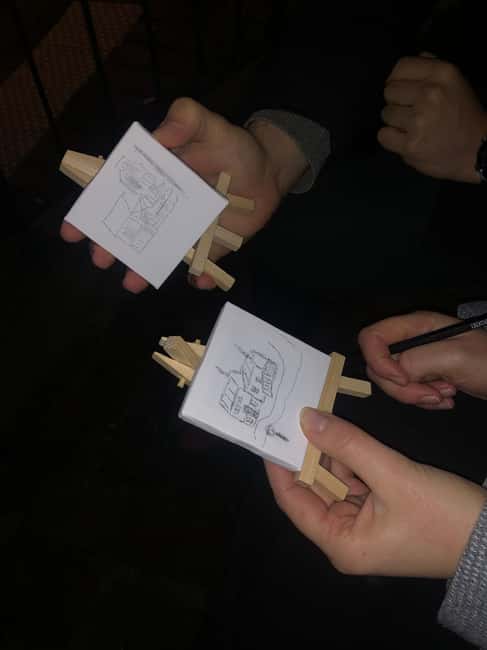
The included sketching session is one of the best reasons to book. You get a small canvas and a guided drawing activity where you’ll reproduce art from the same perspective as the artist connected to the scene.
Even if your drawing is more stick-figure than museum piece, this format is friendly. You’re not asked to freestyle. You’re given a viewpoint and a process. The end result matters less than the fact that you learned how artists translate what they see—distance, angles, and proportions—into something holdable.
Practical benefit: when you sketch, you look longer. You notice the street geometry. You spot details you’d normally miss while walking and reading signs.
Tip: since Montmartre is hilly, bring a mindset of slow and steady. You’ll draw faster if you’re not trying to rush your body along the route.
Place du Tertre to Saint-Pierre de Montmartre: The Art Market Meets Quiet Corners
You’ll reach Place du Tertre, a famous square strongly associated with Montmartre’s artist culture. This part can look busy, but on a guided walk it’s easier to understand what’s happening and why it matters.
From there, the route continues to Saint-Pierre de Montmartre, another stop that adds depth. The point isn’t just to see a building; it’s to understand how religious spaces and everyday street life coexist in this neighborhood. That mix is very Montmartre.
Short guided pauses keep you oriented. The guide also uses the trivia to keep momentum, which helps if you start to feel “hills fatigue.”
Ending at Sacré-Cœur: Big Views, No Ticket Required
Your walk finishes at Sacré-Cœur de Montmartre. You’ll be there for the atmosphere and the iconic views that make people come back to Montmartre again and again.
Important detail: entry to the Sacré-Cœur basilica isn’t included. So treat this like a finish at the viewpoint and monument area, not like a guaranteed interior visit.
If you want to go inside, you can plan that as a separate step afterward. The benefit of finishing here is that your brain is warmed up by the stories you picked up all along the way. You look at the hill differently when you’ve already heard why Montmartre became a magnet for artists.
Trivia Questions, Small Prize Chance, and Why Games Work on This Hill
The tour includes trivia questions about Montmartre’s history, art, and culture, plus a chance to win a small prize. It’s light competition, not a quiz night.
Here’s why it helps: it gives you a reason to listen while you walk. On a short tour, attention is everything. The game format keeps you engaged without forcing you into a lecture posture.
Also, it gives your group a shared topic. In reviews, people mention staying interested the whole time, especially families and mixed-experience groups. If you’re traveling with kids or art-curious beginners, trivia is often easier than making everyone read plaques.
Price and Value: Why $17 Can Feel Fair Here
At about $17 per person for a 2-hour guided walking tour, this is priced like a value activity rather than a premium museum day.
You’re paying for:
- an experienced local guide
- the trivia walking format
- entry to the Montmartre Cemetery
- and the sketching session with a small canvas
That combo is what makes the price feel sensible. A lot of paid walking tours give you stories only. This one adds a tangible art activity and includes an actual admission component at the cemetery. If you like tours that give you both context and a take-home moment, this is good value for the time you spend.
What to Bring, What to Expect on the Ground, and Who Should Go
What to bring: comfortable shoes is the big one. Montmartre has steep streets, and this tour is for people who enjoy walks with history built into the route.
Also, the tour isn’t suitable for:
- wheelchair users
- people with mobility impairments
- pregnant women
If you fit that accessibility description, plan a different day or a different format.
Who it’s best for:
- art lovers who want more than just postcard landmarks
- first-timers who need a guided route through Montmartre’s maze
- families who like interactive activities (the trivia and drawing session are key)
- anyone who wants photos and a better sense of direction for future wandering
Who might find it less fun:
- people who struggle with hills and steps should skip this one. Even if the stories are interesting, the physical pace matters here.
Should You Book Montmartre for Art Lovers?
Book it if you want a tour where art history becomes practical—things you can see, sketch, and remember. The cemetery start, the drawing session, and the trivia game create a full 2 hours without feeling like a rushed checklist.
Skip it if you need an easy, flat walk, since the route includes steep streets. And if you only want Sacré-Cœur interior time, note that basilica entry isn’t included, so you’ll likely add that separately.
If you’re on the fence, the decision is simple: if you enjoy hands-on activities and interactive guiding, you’ll probably love this format. If you prefer quiet self-paced wandering, you might prefer a lighter independent plan.
FAQ
Where do I meet for the Montmartre for Art Lovers walking tour?
You meet right in front of the Montmartre Cemetery entrance at 20 Av. Rachel.
How long is the tour, and are there different start times?
The tour lasts about 2 hours. Start times are listed when you check availability.
What languages are offered?
The tour is available in English and French.
What’s included in the ticket price?
Included items are an experienced local guide, a trivia walking tour, entry to the Montmartre Cemetery, and a sketching session on a small canvas.
Is entry to Sacré-Cœur included?
No. Entrance to the Sacré-Cœur basilica is not included.
What should I bring with me?
Wear comfortable shoes. The route includes steep streets.
Is this tour suitable for everyone?
It is not suitable for wheelchair users, people with mobility impairments, or pregnant women.
If you’d like, tell me your travel month and whether you’re going with kids or a mixed-experience group, and I’ll suggest the best time of day to do Montmartre for this kind of walking-and-drawing tour.