REVIEW · PARIS
Notre-Dame de Paris : the mysteries of reconstruction
Book on GetYourGuide →Operated by Cultival · Bookable on GetYourGuide
A cathedral’s comeback starts with clues. This 90-minute tour around Notre-Dame de Paris looks at the 2019 fire aftermath—what was protected, what was investigated, and why the reconstruction matters. The “mysteries” aren’t Hollywood drama. They’re practical questions: what burned, what survived, and how experts piece the story back together.
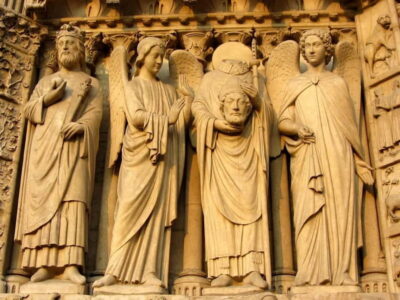
I especially like the way the guide keeps attention on the specific items that were saved—most famously the Crown of Thorns and the bell Emmanuel. I also like the archaeology angle, where the story moves from firefighters’ work to what archaeologists found under the cathedral’s flagstones.
One consideration: the visit stays on the outskirts and you don’t go inside, so if you’re chasing brand-new, very “inside-the-building” revelations, you may feel it stays a bit general.
Key things to know before you go
- Outskirts only: you get the story without entering Notre-Dame itself.
- Fire aftermath focus: it’s framed like an investigation, with methods and unanswered questions.
- Saved treasures get names: the guide highlights key items tied to the cathedral’s treasury.
- Archaeology is part of the plot: two sarcophagi were uncovered beneath the flagstones.
- French reconstruction expertise is the theme: you’ll see how planning and restoration translate into action.
In This Review
- Meeting at Pont au Double: the smart way to start
- The 2019 fire story, told like an investigation
- What firefighters saved: crown of thorns and bell Emmanuel
- Fire investigation techniques you can actually understand
- Archaeology under the flagstones: the two mysterious sarcophagi
- Reconstruction in motion: human courage meets French planning
- Price and value: is $17 a good deal for 90 minutes?
- Who this tour suits best (and who might want a different plan)
- Practical logistics that keep it smooth
- Should you book this Notre-Dame reconstruction walk?
- FAQ
- Where is the meeting point?
- How long is the tour?
- Does the tour include entry inside Notre-Dame?
- What languages are available?
- What is the tour about?
- Is transfer or transportation included?
- Where can I go for the nearest metro access?
- What happens if the weather is bad?
- Is free cancellation available?
Meeting at Pont au Double: the smart way to start
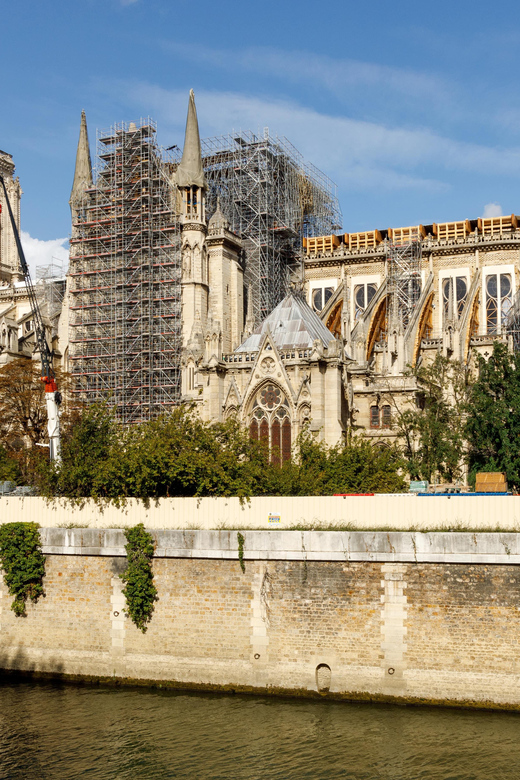
This tour meets at Pont au Double (75004 Paris), right by Square R. Viviani and the Notre-Dame forecourt. It’s a walk-and-talk format, so your first job is simple: arrive early enough to orient yourself and settle into a steady walking pace. Comfortable shoes matter here. You’ll be moving for the full 90 minutes.
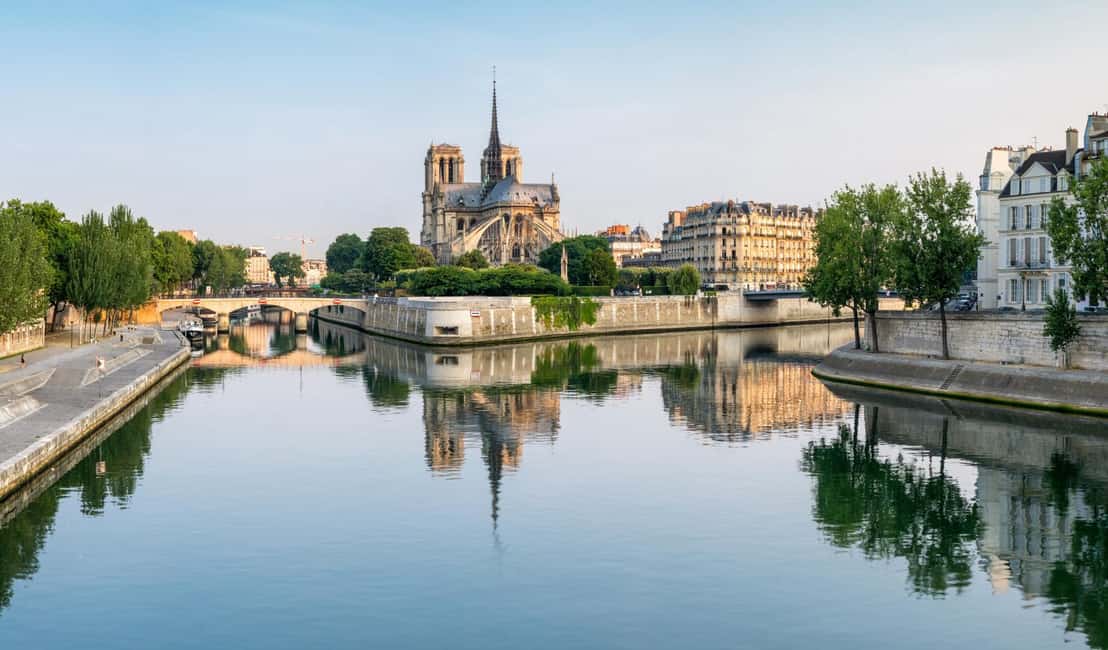
One small but important expectation: the group does not enter Notre-Dame. That changes what you’ll get. You’re not doing the classic “see the cathedral” experience. You’re doing “see the cathedral’s story from the outside,” then connect it to reconstruction work, investigation techniques, and discoveries that happened below the surface.
If you’re starting from Cité or Saint-Michel (Line 4), plan time so you’re not rushing at the end. The tour is short. A late arrival can feel like you’re missing the best part of the explanation.
The 2019 fire story, told like an investigation
Notre-Dame’s 2019 fire became a global moment, but this tour treats it differently. It doesn’t just ask what went wrong. It asks what comes next—how experts document, analyze, and reconstruct a chain of events after a major disaster.
You’ll hear about the night of 15–16 April 2019: the huge water hoses used by the fire brigade, and the stunned atmosphere along the Seine. From there, the emphasis shifts to the investigative phase. The exact cause of the fire was not settled at the time of this storytelling, and that matters. It means the tour doesn’t pretend to have a neat final answer. Instead, it explains how fire investigation works—what professionals look for and how they test possibilities.
This is one reason the experience can feel worthwhile even for people who’ve already seen plenty of Notre-Dame footage. You’re not just remembering the flames. You’re learning how the investigation process turns a tragedy into evidence, and evidence into decisions about restoration.
You can also read our reviews of more tours and experiences in Paris.


What firefighters saved: crown of thorns and bell Emmanuel
The most concrete part of the narrative is the “what was protected” list. It’s easy to focus only on the roof and the structure, but the guide zooms in on objects connected to Notre-Dame’s treasury.
Two highlights get front-and-center attention:
- The Crown of Thorns, described as the star of the cathedral’s treasury.
- Emmanuel, a bell that’s described as over 200 years old and weighs about 13 tonnes.
Why I think this matters: it turns the disaster into something more than architecture damage. You’re seeing how cultural and religious artifacts can be at risk even when the public’s attention is on the skyline.
And it’s not just those two. The tour also mentions many other works of art with a long paper trail—objects with identities tied to the cathedral over centuries. You don’t need to be an art expert to appreciate the point. The message is that reconstruction isn’t only about rebuilding stone. It’s also about safeguarding meaning, continuity, and memory.
Fire investigation techniques you can actually understand
A lot of disaster stories stop at the drama. This one keeps moving. After the discussion of the firefighting battle (described as about 15 hours), the guide explains what happens when the flames stop.
The key promise here is straightforward: you’ll learn about the techniques used in fire investigations. You won’t get lab-grade detail, but the tour aims to show you the logic behind evidence gathering—what investigators can do after such an intense event.
I like this angle because it makes the story feel less like a repeat of what you’ve seen online. Even if you know the headlines, the “how investigators work” framing gives you a different lens. It also reinforces something important: reconstruction begins with knowing what to fix, and knowing what to trust.
Archaeology under the flagstones: the two mysterious sarcophagi
Here’s where the tour adds a second mystery engine: archaeology.
The guide explains that two mysterious sarcophagi were unearthed beneath the cathedral’s flagstones. That detail is compelling because it expands the time scale. The fire is 2019. The sarcophagi point to something far earlier. The site isn’t just a monument that history visits—it’s ground that history sits inside.
This is also one of those moments where the tour’s limits (outskirts only) still work in your favor. Even without going inside, you’re being taught to look at the cathedral as a layered place. The reconstruction story isn’t only about restoring what was. It’s also about learning what was there before—and how earlier phases of the site shape the choices made now.
If you enjoy connections—between architecture, belief, and the physical ground—this section is likely to be one of the more satisfying parts.
Reconstruction in motion: human courage meets French planning
If you only take away the fire narrative, you’ll miss the point. The tour consistently brings you back to what’s being rebuilt and why it’s framed as a collective effort.
You’ll hear that Notre-Dame is about to be reborn more beautifully through a large project involving study, restoration, and reconstruction. The story also credits human courage—especially the firefighters who are described as protecting not just people, but a major witness to history over the centuries.
What makes this theme valuable for you as a visitor is that it turns reconstruction from a buzzword into a process. Restoration requires planning, expertise, and careful decisions. Reconstruction means choices about materials, design consistency, and long-term durability. And the “mysteries” aren’t only scientific. They’re cultural too: how do you restore something that holds collective meaning?
You’ll also get a sense of why France is so heavily associated with expertise in preserving landmarks like this. Not in a braggy way, just in the practical sense: big restorations take institutions, training, and time.





Price and value: is $17 a good deal for 90 minutes?
At $17 per person for 90 minutes, this is the kind of tour that’s priced for access, not exclusivity. You’re not paying for cathedral entry (you don’t go inside), and you’re not paying for transportation (transfers are not included). You’re paying for an expert guide to connect the dots between the fire, the investigation, saved treasures, and archaeological finds—while you walk the perimeter.
Here’s how I’d think about value:
- If you like Notre-Dame but want a fresh angle beyond basic sightseeing, this can feel efficient. You’re getting a narrative, not just a view.
- If you’ve already watched multiple documentaries or read a lot about the fire, you might find the content stays fairly close to what’s widely known. One concern raised is that the material can feel general.
- The short duration helps. Ninety minutes won’t drain your day, and it’s an easy fit before or after a bigger Notre-Dame visit plan.
So yes, $17 can be good value—especially if your goal is to understand the reconstruction story as a sequence of evidence and decisions, not as a single dramatic event.
Who this tour suits best (and who might want a different plan)
This experience is best for you if you:
- Want the Notre-Dame story told through investigation, restoration, and what survived.
- Like hearing specific names connected to the treasury (especially the Crown of Thorns and the bell Emmanuel).
- Enjoy archaeology tie-ins, especially discoveries like the two sarcophagi.
It may frustrate you if you:
- Already know the major talking points and want more interactive, highly detailed, or brand-new anecdotes.
- Expected to step inside and see internal restoration work up close.
Also, build in a little flexibility. A short tour like this is simple logistically, but it’s still subject to real-world disruption. There was at least one instance where a booking ended up not happening because of illness, so if timing is critical, keep a backup plan for the day.
Practical logistics that keep it smooth
The tour is offered in English and French, and it’s guided. The walk is around the cathedral area but stays on the outside.
Bring:
- Comfortable shoes (you’re walking).
- Layers. Weather around the Seine can shift quickly.
- A phone or camera, if you like to take notes for later when you compare what you heard to what you see from outside.
Bad weather can cause postponement by the operator, so check closer to the start time. If the weather changes, don’t treat the plan like a fixed appointment with guaranteed visibility.
Should you book this Notre-Dame reconstruction walk?
If your goal is to understand the “mysteries” in a practical way—what experts did right after the fire, what was saved, and what archaeologists uncovered—then this tour is an easy yes at $17. It’s short, focused, and designed to give you a narrative thread you can carry with you as you look at the building from different angles.
But if you’re the type who wants a deeply interactive, highly specific, never-before-heard version of the story, or if you came hoping to enter Notre-Dame, you may feel underwhelmed. In that case, consider pairing your day with an inside visit elsewhere and use this as the “exterior context” piece.
If you want a balanced plan: book this for the investigation-and-reconstruction framing, then spend your main time doing any interior seeing you want on your own schedule.
FAQ
Where is the meeting point?
Pont au Double (75004 Paris), on the pedestrian bridge between Square R. Viviani and the Notre-Dame forecourt.
How long is the tour?
The tour lasts about 90 minutes.
Does the tour include entry inside Notre-Dame?
No. The visit takes place on the outskirts of Notre-Dame de Paris Cathedral, and the group does not go inside.
What languages are available?
The live tour guide is available in English and French.
What is the tour about?
It focuses on the mysteries of Notre-Dame’s reconstruction after the 2019 fire, including what was investigated, key precious objects found or saved, and the story of Notre-Dame.
Is transfer or transportation included?
No. Transfer is not included.
Where can I go for the nearest metro access?
Use Cité or Saint-Michel station on Line 4.
What happens if the weather is bad?
The operator may postpone the visit in case of bad weather.
Is free cancellation available?
Yes. You can cancel up to 24 hours in advance for a full refund.