REVIEW · PARIS
Paris and the Art of Music, 1.30 hour Walking Tour
Book on GetYourGuide →Operated by Not a Tourist Destination · Bookable on GetYourGuide
Paris sings before you even buy a ticket. This 2-hour walking tour strings together Paris addresses tied to big musical names and eras, from medieval abbeys and Renaissance court music to cabarets and baroque organs. You start at the Relais Odeon Café and end in Furstenberg Square, with stops built for hearing the city’s past in real places.
I like the fact it’s a small group (up to 8), so the guide can keep the pace human and answer questions without rushing. I also like the way it centers on sound itself, especially at Saint-Sulpice Church with its 7,000-pipe organ and its special place in pop culture.
One possible drawback: at $99 for about 2 hours, this is best if you genuinely care about music history. If you mainly want classic Paris photo stops and nothing else, you might prefer a more general sights tour.
In This Review
- Key Things to Know
- How This Paris Music Tour Feels Different Than Usual Sightseeing
- Starting Off at Relais Odeon Café (Why the Location Matters)
- Stop 1: Saint-Germain-des-Prés Abbey and Medieval Music Places
- Stop 2: Luxembourg Gardens and Marie de Medici’s Court Music
- Stop 3: Carrefour de Buci and the Cabaret Era
- Stop 4: Cour du Commerce Saint-André and the Oldest Café
- Stop 5: Saint-Sulpice Church and the Organ That Fills a Cathedral
- Final Stop: Furstenberg Square, Piaf, and Maurice Chevalier
- Price and Value: Is $99 Worth It for a 2-Hour Walk?
- The Guide Factor: Personalization and Small Groups That Actually Matter
- What I’d Bring (and What Might Trip You Up)
- Who This Tour Is Best For
- Should You Book Paris and the Art of Music?
- FAQ
- Where is the meeting point for the tour?
- How long is the walking tour?
- How many people are in the group?
- What languages are available for the guide?
- Do I need to pay upfront?
- What is the cancellation policy?
- Are there any restrictions on what I can bring?
Key Things to Know
- Up to 8 people means you get real back-and-forth with the guide, not a headset shuffle
- Saint-Sulpice’s 7,000-pipe organ is a star stop, and the tour explains why it matters
- Cour du Commerce Saint-André + Paris’s oldest café connects music to daily life and the Revolution
- Carrefour de Buci frames the modern era, especially cabarets between WWI and WWII
- A Piaf-linked finale at Furstenberg Square gives you an emotional landing spot
- Comfortable shoes only and no luggage/large bags keeps the walk easy to manage
How This Paris Music Tour Feels Different Than Usual Sightseeing

Most Paris walking tours teach you landmarks. This one teaches you music places. You don’t just see buildings. You learn why specific corners mattered to performers, composers, and audiences.
That shift matters. When you connect a street to an era—French Revolution street musicians, WWI-to-WWII cabarets, or baroque religious sound—you start noticing details you’d normally skip. A church facade becomes a sound stage. A café turns into a meeting point, not just a stop for coffee.
And the names help you orient the story: Mozart and Stravinsky for the classical angle, Edith Piaf and Maurice Chevalier for the popular side, and George Gershwin and Cole Porter for the international music thread. You’ll see how the same city can host different styles of music without changing address.
You can also read our reviews of more walking tours in Paris



Starting Off at Relais Odeon Café (Why the Location Matters)
The tour meets at Relais Odeon Café, 132 Boulevard Saint-Germain, 75006. You’ll find it near Metro Odeon (line 4). This is a good start area because it’s already steeped in “old Paris” energy—Latin Quarter territory that works well for walking.
Also, starting at a café is practical. You’re not hunting for a random statue. You can get oriented fast, use the restroom if you need to, and then settle into walking rhythm.
There’s no hotel pickup or drop-off, so plan to arrive on your own. Bring comfortable shoes—this is a 2-hour walk with a lot of stop-and-listen moments.
Stop 1: Saint-Germain-des-Prés Abbey and Medieval Music Places
Early in the walk, you’ll visit Saint-Germain-des-Prés, described as a 6th-century Benedictine Abbey and Paris’s oldest church. The point isn’t trivia for trivia’s sake. It’s that medieval religious spaces weren’t quiet box seats. They were centers where music lived in daily rituals.
The tour frames the abbey area as a place where troubadours performed during the Middle Ages. Even if you’re not picturing medieval instruments perfectly, the logic lands: in a time before modern concert venues, churches and abbeys were key gathering points for structured sound and performance.
Practical note: churches often have uneven stone and lots of tourists at peak times. If you keep your shoes stable and your attention on the guide’s story, the stop works even when the area is busy.
Stop 2: Luxembourg Gardens and Marie de Medici’s Court Music
Next you’ll head to Marie de Medici’s Luxembourg Gardens and Palace, a site tied to court music during the Renaissance. This is where the tour quietly widens your understanding of what “music in Paris” can mean.
Court music wasn’t just about entertainment. It was about status, patronage, and ceremony. When you’re walking, that context changes the way you read the space: gardens become stages, palaces become systems of support for artists, and performance becomes part of governance and tradition.
This is also where the tour connects the era to a park linked to Edith Piaf. That creates a nice emotional contrast as you move forward through centuries: the same general area gets tied to different kinds of musical life, from courtly practice to later popular culture.
Stop 3: Carrefour de Buci and the Cabaret Era
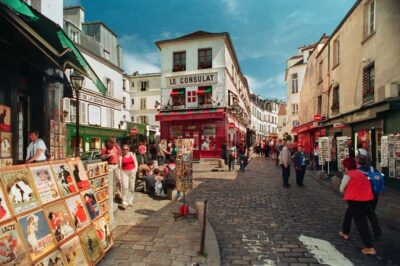
You’ll pass through Carrefour de Buci, a colorful crossroads known for cabarets between WWI and WWII. This is the part of the tour that makes music feel less like an archive and more like nightlife.
Cabarets weren’t just venues. They were social circuits—places where audiences formed habits and performers built reputations. When your guide points out this crossroads connection, you start understanding why certain streets earn their reputation and why they stay in memory.
If you like the Piaf-style Paris—songs, characters, late nights—this stop is likely to land hardest. It also helps the later Saint-Sulpice stop feel less “museum-ish,” because now you’ve got secular performance context.






Stop 4: Cour du Commerce Saint-André and the Oldest Café
Then comes one of the most charming stops on the whole route: Cour du Commerce Saint-André, a picture-perfect 18th-century street arcade. The payoff is that it’s home to Paris’s oldest café, described as a meeting point for street musicians during the French Revolution.
This is the kind of stop that turns background knowledge into a vivid mental movie. You can almost picture musicians mixing with everyday life, using familiar meeting points to connect with audiences and other performers.
The arcade itself also changes the feel of the walk. Instead of broad boulevards, you get a more intimate space that makes the guide’s story easier to follow. It’s a good moment to slow down and absorb without constantly battling traffic noise.
Small practical tip: don’t show up overdressed in uncomfortable shoes here. The pacing is stop-and-go, and you’ll want your feet to cooperate while you listen.
Stop 5: Saint-Sulpice Church and the Organ That Fills a Cathedral
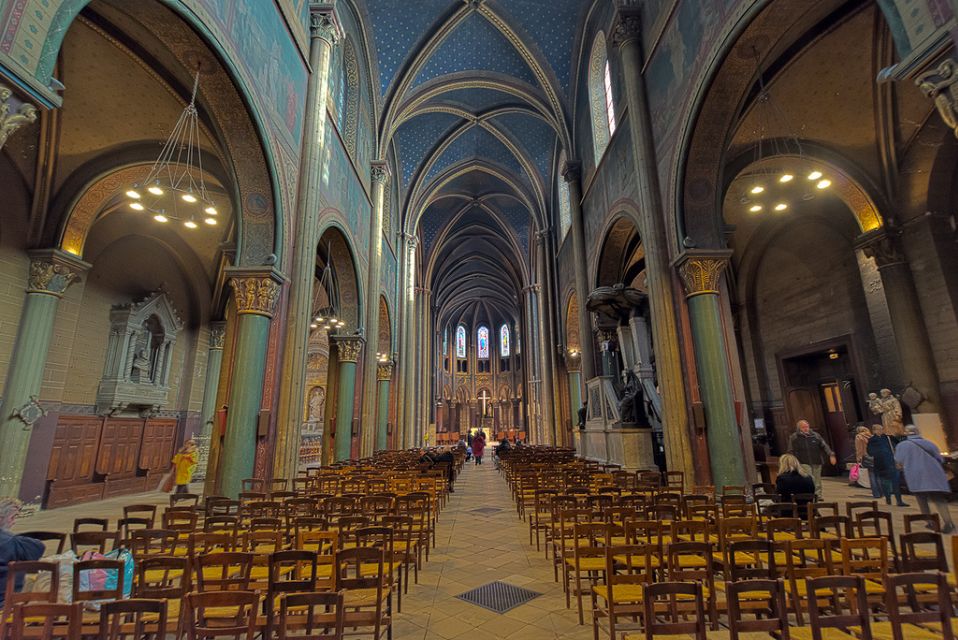
One of the biggest anchor moments is the 17th-century Baroque Saint-Sulpice Church, famous for its 7,000-pipe organ. The tour notes it’s one of only three 100-stop organs in the world, which is a specific detail worth remembering.
Why does that matter for you? Because organs aren’t just instruments. They’re architecture. A massive pipe setup changes how sound travels in the space, and that’s exactly what you want to think about in a place built for religious music.
The guide also connects the church to pop culture: the church’s most recent appearance in a supporting role in The Da Vinci Code. That kind of reference helps you file the site in your brain faster, even if you’re not an organ expert.
Also, even when churches are crowded, the guide’s music focus keeps you from feeling like you’re just staring at walls. You’re listening for meaning: where performance would happen, how the organ supports the space, and why the sounds mattered to worship.
Final Stop: Furstenberg Square, Piaf, and Maurice Chevalier
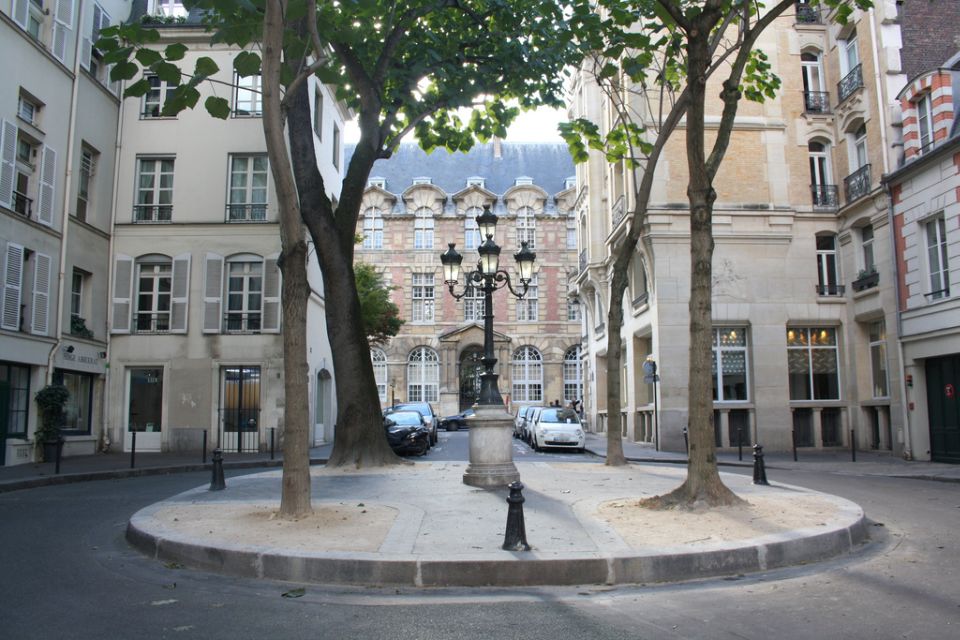
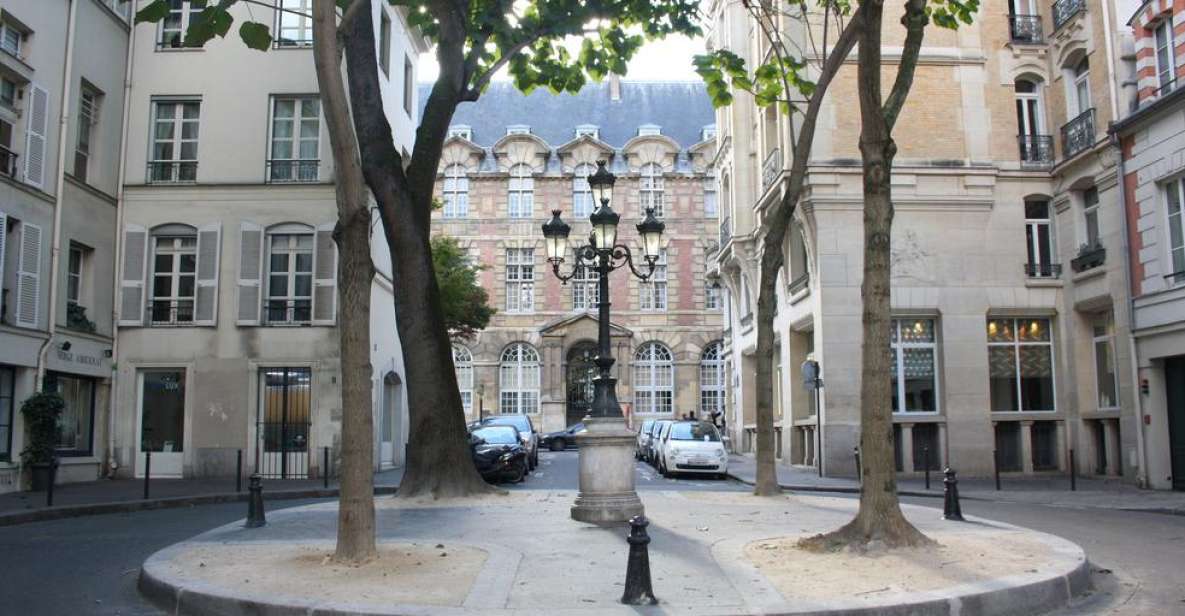
The tour finishes in Furstenberg Square, described as one of the smallest, most romantic squares in Paris and a favorite of both Edith Piaf and Maurice Chevalier.
This ending works because it gives you a quiet landing after louder, more crowded history stops. Squares in this part of Paris often feel like “one scene” from a film—small scale, emotional tone, and a break from continuous traffic.
It’s also a smart way to close the theme. You start with medieval religious music and court support. You move through cabarets. You end with a space linked to iconic performers. The arc feels complete: from structured sound to beloved songcraft.
Price and Value: Is $99 Worth It for a 2-Hour Walk?
At $99 per person for 2 hours, this isn’t a throwaway “quick look at Paris” deal. You’re paying for three things that usually justify the spend on a walking tour:
- An expert local guide who organizes the story around music sites, not just streets
- Small-group format (max 8), which usually means better questions and better pacing
- High-impact stops that are hard to connect on your own—like the Saint-Sulpice organ detail and the arcade café story
The value equation tilts even more positively if you like music enough to want context. This tour gives you names, eras, and place-based explanations that make the city’s soundtrack feel real.
If you’re more “show me the postcard views” than “teach me the cultural mechanics,” you may feel the price more than the history. Think of this as a themed walk for the ears, not just the eyes.
The Guide Factor: Personalization and Small Groups That Actually Matter
Two things stand out from how this tour runs: the guide is comfortable with personalizing the information, and the group size can stay very small.
In one recent experience, the guide adjusted the tour to the guest’s interests, and the pace felt quick in the best way—you cover a lot while still staying engaged. Another experience described the group being so small it basically became a private walk, with the guide taking time through the quarter and sharing a lot of knowledge.
For you, that means your enjoyment isn’t locked to a fixed script. If you care more about classical composers or more about cabaret-era stories, you should get traction. The small-group structure makes that possible.
If you’re planning to join, I’d treat this like a conversation. When you’re standing at a church or a café arcade, ask one question that matters to you. This kind of tour tends to reward curiosity.
What I’d Bring (and What Might Trip You Up)
This one is straightforward. You’ll want:
- Comfortable shoes (you’ll be walking and standing)
- A plan for no luggage or large bags
Also, because it’s a walking tour, you’ll want to dress for the weather. You don’t want to cut your attention short because you’re cold or stuck holding too much stuff.
Who This Tour Is Best For
This tour is a great fit if you’re:
- A music fan who likes knowing where composers and performers actually lived, worked, or performed
- The type of traveler who enjoys themed routes more than random sightseeing
- Interested in how Paris connects classical, popular, and international music traditions
It’s less ideal if you:
- Want a broad “greatest hits” tour of Paris attractions with lots of free time
- Don’t care much about musical context and prefer only iconic architecture
Should You Book Paris and the Art of Music?
I’d book it if you’re the kind of traveler who gets satisfaction from details—like why an organ is rare, why a café mattered to Revolution-era musicians, or why a crossroads became a cabaret hub.
I’d pause before booking if $99 feels steep for your style of travel. This tour trades breadth for focus. In two hours, you’ll learn a lot, but it’s centered on music sites and music stories, not a wide sweep of Paris must-sees.
If your ideal day is a guided, story-led walk with a small group and specific cultural payoff, this is a very strong pick.
FAQ
Where is the meeting point for the tour?
The tour meets at Relais Odeon Café, 132 Boulevard Saint-Germain, 75006. The nearest Metro station is Odeon (line 4).
How long is the walking tour?
The tour lasts about 2 hours.
How many people are in the group?
It’s a small group limited to 8 participants.
What languages are available for the guide?
The tour is offered with an English-speaking local guide, and Spanish is also listed as an available language.
Do I need to pay upfront?
You can reserve now and pay later, so you can book your spot without paying today.
What is the cancellation policy?
Free cancellation is available up to 24 hours in advance for a full refund. Tours canceled less than 24 hours in advance won’t be refunded.
Are there any restrictions on what I can bring?
You should bring comfortable shoes, and luggage or large bags are not allowed.