REVIEW · PARIS
Musée d’Orsay: Impressionists with skip-the-line ticket
Book on GetYourGuide →Operated by My Super Tour · Bookable on GetYourGuide
Orsay feels like stepping into 19th-century Paris. What I love most is the skip-the-line entry and the fact the building itself becomes part of the show. One small snag to plan for: the meeting point uses a statue of an elephant, and if it’s temporarily moved, finding the guide can be a little frustrating at first.
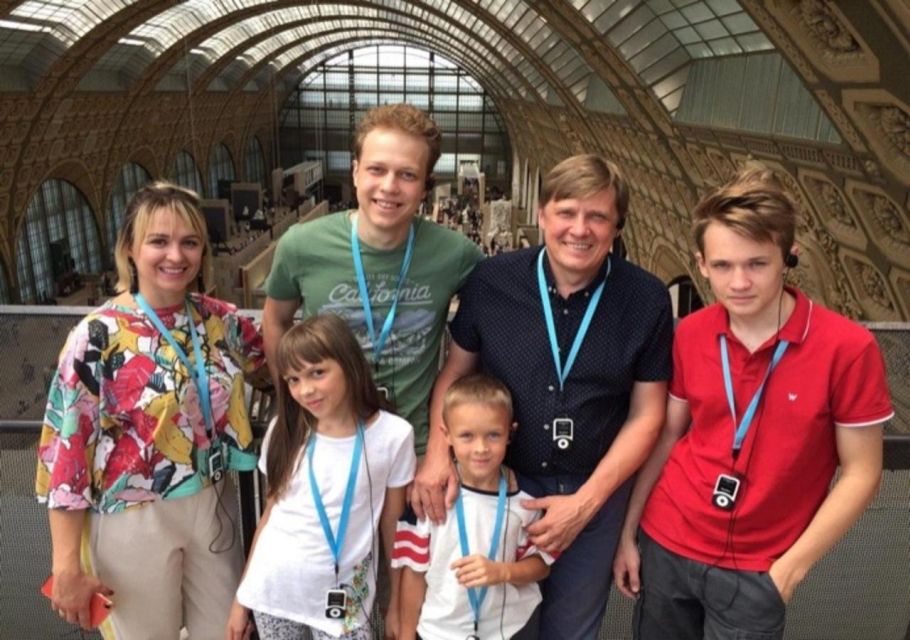
I also liked how the guide turns a museum visit into a story. You don’t just stand in front of paintings, you learn how Impressionism, Realism, Symbolism, and other styles all grew up in the same century, alongside new tech like early photography and film. Our guide, Sacha, kept the pace tight and the explanations clear; later I heard from another group guide (Deli) and a guide named Maria, and the pattern was the same: energetic, organized, and focused on key works.
Just know this is a 2-hour tour and not suitable for wheelchair users, so it’s best if you can do stairs and uneven museum floors comfortably. You’ll get a strong overview without trying to see absolutely everything the museum owns.
In This Review
- Key Things to Know Before You Go
- Orsay Works Because the Building Is Part of the Show
- Finding the Meeting Point Fast (When the Elephant Is Missing)
- Skip-the-Line Entry: Why That Matters in a Busy Museum
- What You’ll See: Impressionists, Cézanne, Degas, and the Big Names
- Rodin and Realism: Sculpture, Courbet, and a Shock of Honesty
- 19th-Century Architecture: Orsay, Garnier, and How Paris Got Designed
- The Technology Side: Early Photos, Film, and the Liberty Model
- How to Make the Most of Two Hours (Without Feeling Rushed)
- Price and What You’re Really Paying For ($104)
- Who This Tour Suits Best (and Who Should Skip It)
- Should You Book This Musée d’Orsay Tour?
- FAQ
- How long is the Musée d’Orsay skip-the-line tour?
- Where do we meet for the tour?
- What is included in the ticket price?
- What languages is the tour offered in?
- How many people are in the group?
- Is the tour wheelchair accessible?
- Can I get a refund if my plans change?
- Do I need to pay upfront?
Key Things to Know Before You Go
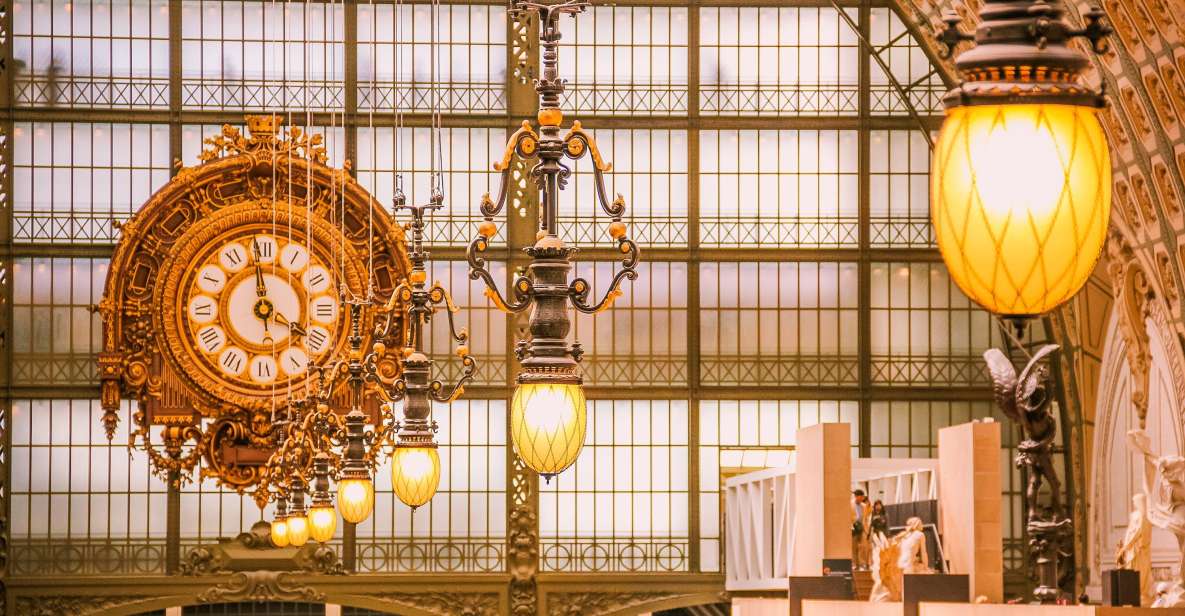
- Former electrical train station as an exhibit: the Orsay building is part of the experience, not just the container
- Skip-the-line entry through a separate entrance, so you spend time inside art rooms instead of waiting outside
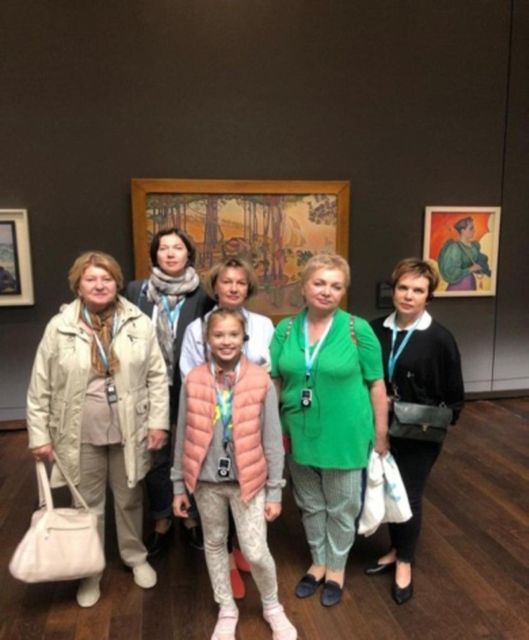
- Small group capped at 6, which makes it easier to hear your guide and ask quick questions
- Headsets included, a practical upgrade for crowded galleries
- A 19th-century “all-in-one” tour linking painting, sculpture, architecture, photography, and early film
- Meeting point uses a yellow My Super Tour sign under the elephant statue outside the main entrance
Orsay Works Because the Building Is Part of the Show

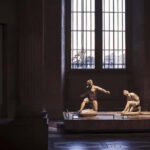
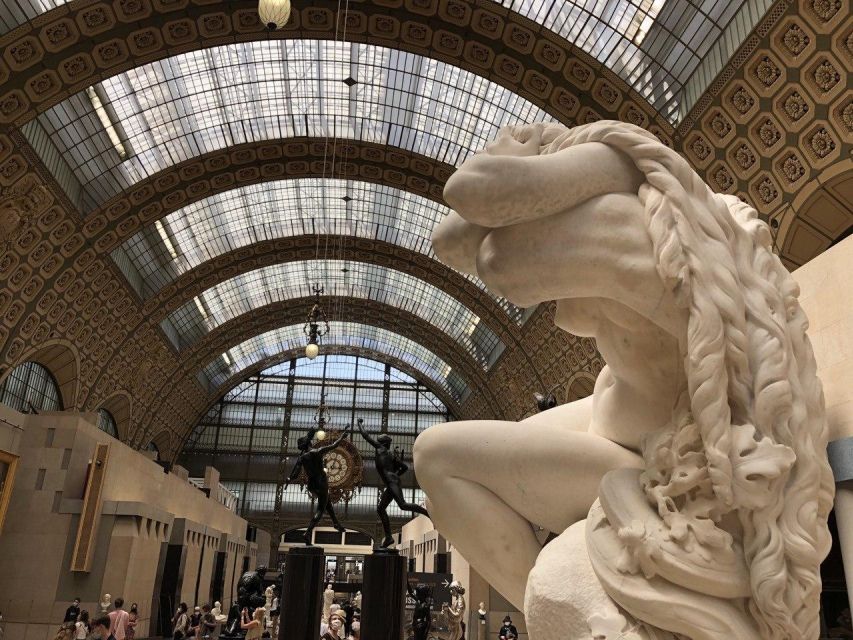
Most museums sit in buildings that politely watch you look. Musée d’Orsay is different. It used to be a railway station, and it was the first electrified urban terminal station in Paris. That detail matters because it sets the tone for the whole visit: the 19th century wasn’t only about art. It was also about power, engineering, and new ways to move through the city.
The best part is that the museum doesn’t treat architecture like background. You’ll see how the station’s design and structure connect to the wider 19th-century obsession with style. The century swung through neoclassicism, neo-Gothic, romanticism, eclecticism, Arts & Crafts, academism, realism, symbolism, and of course Impressionism—then your guide helps you understand how those labels overlap in real life.
You also get a quick lesson in how fast tech arrived. The tour includes moments like the first model of the Liberty Statue, and the beginnings of photography and movies created by the brothers Lumière. Even if you’re mainly there for painting, these tech side trips give the Impressionist era more context—why artists changed their subjects, how public life shifted, and why new images spread so quickly.
You can also read our reviews of more tours and experiences in Paris



Finding the Meeting Point Fast (When the Elephant Is Missing)

The tour meets at the main entrance of Musée d’Orsay, under the statue of an elephant, where you’ll look for the guide holding a yellow sign: My Super Tour. This is simple when the elephant is visible. If it’s not where you expect it to be, don’t waste 20 minutes wandering around the frontage.
Plan a quick, practical approach:
- Arrive a few minutes early so you can orient yourself.
- If you don’t spot the elephant statue immediately, use the operator’s contact method to get confirmation rather than guessing.
- Once you see the yellow sign, you’ll know you’re in the right place.
This matters more than you’d think. With a skip-the-line experience, you’ll have less “buffer time” for getting lost. The goal is to get into the museum and start working through the rooms while your legs are fresh and your attention is sharp.
Skip-the-Line Entry: Why That Matters in a Busy Museum
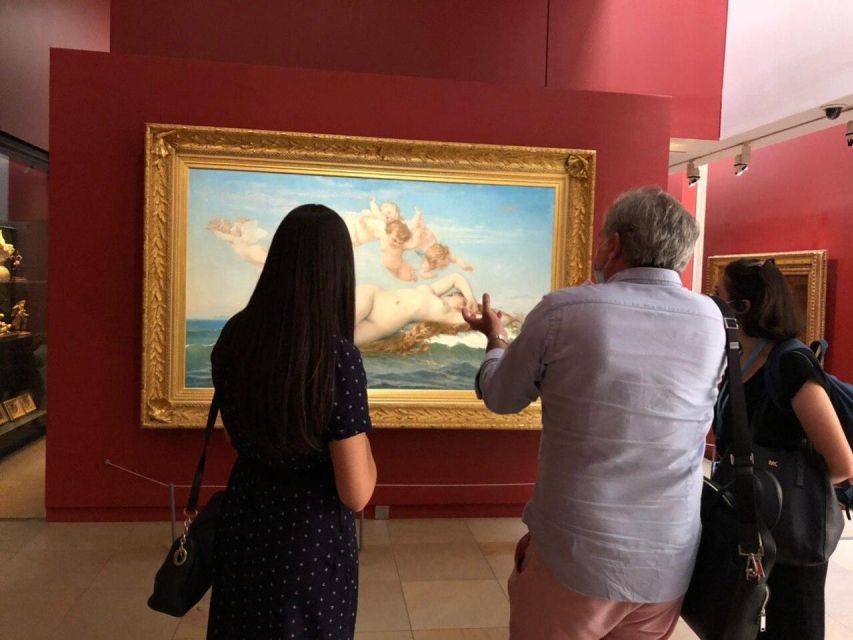
Skip-the-line sounds like a convenience—until you’re standing in a long queue and realizing half your day just evaporated. Here, it’s more than speed. With only 2 hours, timing is the whole game.
Your ticket includes entrance plus skip-the-line access through a separate entrance. That means you can move directly toward the art rooms instead of losing momentum at the front door. You also get headsets, which is a smart add-on in a museum environment where sound bounces and galleries can get packed.
So you’re not just saving time. You’re buying better focus. You’ll hear what your guide says about specific works and how to connect them to the bigger 19th-century story.
What You’ll See: Impressionists, Cézanne, Degas, and the Big Names
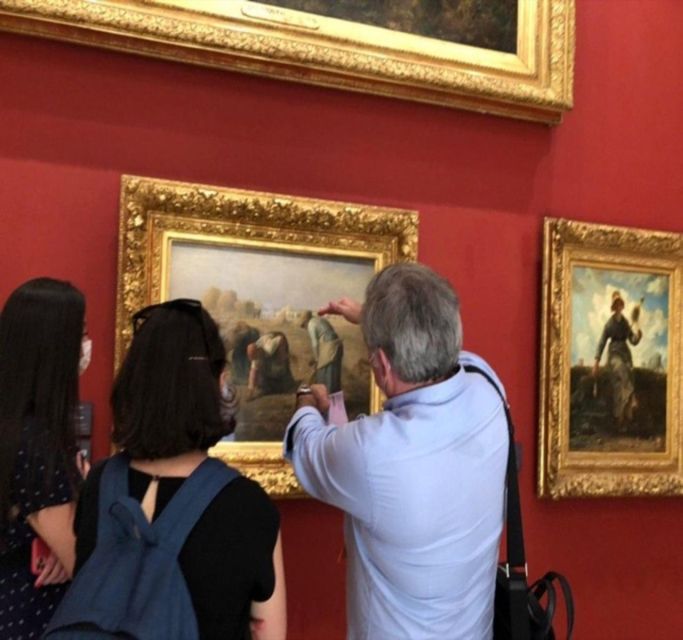
The heart of the experience is the art, and the guide keeps the emphasis on the major movements you came for. Expect to spend most of your time in the galleries featuring the Impressionists and the artists who shaped and complicated the same period.
Here’s the core set of artists and themes you can look forward to:
- Monet, Manet, Renoir, and other Impressionist painters, with the guide pointing out what makes their approach different
- Still lives by Cézanne, where form and structure start to feel more modern even when the subject looks everyday
- Ballet dancers by Degas, a reminder that Impressionism wasn’t only about light and outdoors, but also about indoor life and unusual viewpoints
- The connection and contrast between Van Gogh and Gauguin, helping you see how two artists could be in conversation with the same time and still head in different emotional directions
One of my favorite ways a guide can make Impressionism click is by explaining the decisions behind what you see. With a short visit, you don’t want vague talking points. You want specifics: brushwork, composition, subject choice, and what was changing in Parisian culture at the time.
This is exactly what the best moments of the tour aim for. When you know why a scene looks the way it does, you stop treating the paintings like pretty decoration and start reading them like visual arguments.
Rodin and Realism: Sculpture, Courbet, and a Shock of Honesty
Orsay also handles sculpture and Realism in a way that balances the Impressionist focus. You’ll see sculptures by Rodin, and the guide uses sculpture to show how ideas weren’t trapped in paint.
Realism is a big deal here too, with artists like Millet and Courbet. And yes, Courbet’s Origin of the World is part of what you’ll encounter. This is one of those artworks that can feel shocking even if you’ve seen images online. In person, its impact is about presence and framing—how the museum and the surrounding conversation shape how you react.
The practical takeaway: don’t treat it like a random “famous painting.” Let your guide give you the why. Courbet wasn’t just painting a subject. He was testing boundaries, pushing what could be shown, and challenging the comfort level of viewers who expected art to behave.
That’s the kind of historical context that turns a two-hour visit into more than a checklist.
You can also read our reviews of more tours and experiences in Paris





19th-Century Architecture: Orsay, Garnier, and How Paris Got Designed
This tour is unusually good at blending art with city design. The Musée d’Orsay building itself is the main example, but the guide also connects what you see here to other major 19th-century landmarks.
You’ll learn about the architecture and urbanism of the era through the example of:
- the station you’re standing in (Orsay)
- the opera house Palais Garnier
- and the Parisian quarter around the opera
This is valuable if you want a museum visit to also help you walk the city later. When you understand why buildings went big, why styles changed, and why rail and public space mattered, Paris starts making more sense street by street.
Even if you’re not a hardcore architecture person, you’ll probably notice the difference between styles faster once your guide gives you a “what to look for” filter. You can leave with a mental map of the 19th century’s visual habits.
The Technology Side: Early Photos, Film, and the Liberty Model
One of the more interesting parts of the tour is how it uses 19th-century technical developments to explain the art. The included stops touch early visual tech like the beginnings of photography and movies by the brothers Lumière.
You also get references like the first model of the Liberty Statue. That kind of detail doesn’t belong in a typical painting tour, which is why I liked it. It reminds you that this was a century of prototypes—new images, new machines, new symbols.
And it also helps answer a simple question you might have when you see so many styles in one museum: Why did artists keep changing? In a world where images can be reproduced and shared more widely, art has pressure. It has new competitors. It has new audiences. It has new ways to communicate.
So even if you came for Monet or Degas, you’ll walk away with an understanding of why the whole creative climate felt different.
How to Make the Most of Two Hours (Without Feeling Rushed)
Two hours is perfect for an overview. It’s also short enough that you’ll want to go in with a plan for how you’ll use your energy.
Here’s how I’d handle it in real life:
- Let the guide set the order. With headsets and a small group, you’ll keep moving at a good pace without needing to navigate.
- Pick one or two paintings (or artworks) that you want to really look at. Even in a guided format, you can pause longer once you know what to watch for.
- Use the guide’s comparisons. For example, when you see multiple Impressionists or the contrast between Van Gogh and Gauguin, that back-and-forth is where the learning sticks.
The tour includes headsets for hearing better comments, which is great because Orsay can be noisy. I’d rather you enjoy the experience than strain to catch details through a crowd.
Also, keep your expectations realistic: you’re not trying to see every work the museum holds. You’re learning how to see Orsay’s top chapters clearly.
Price and What You’re Really Paying For ($104)
At $104 per person, this isn’t the cheapest museum add-on. The price makes sense only if you care about efficiency and interpretation.
Here’s what you’re actually getting for the money:
- a professional licensed guide (the big one)
- the entrance ticket
- skip-the-line entry through a separate entrance
- headsets for better listening
- a small group limited to 6 participants
- a structured overview focused on major works across painting, sculpture, architecture, and 19th-century tech
If you’re the type of visitor who wants to read wall labels and wander slowly, you might prefer a self-guided ticket. But if you want a tight, high-impact visit where someone helps you connect Monet to the century that produced him, the guide component is the value.
And the skip-the-line part matters too because Orsay can be busy. With only two hours, waiting outside is a waste you can’t get back.
Who This Tour Suits Best (and Who Should Skip It)
This tour is ideal for you if:
- you want a focused Impressionist and 19th-century overview in a short time
- you prefer guided interpretation over solo wandering
- you like the idea of linking art with architecture and early technology
- you appreciate headsets and a small group setting
It’s not suitable for wheelchair users, based on the tour’s stated limitation. Also, if you’re the type who hates any structure and wants full freedom to roam for hours, a two-hour guided format might feel too directed.
If you’re somewhere in the middle—curious, time-limited, and open to context—this is a strong match.
Should You Book This Musée d’Orsay Tour?
If you’re going to Orsay and you only have a short window, I’d book it. The pairing of skip-the-line access with a guide-led route through the museum’s key themes is the reason this experience works. You get the Impressionists, the Realism highlights like Courbet, Rodin, and the big 19th-century story—plus the bonus of seeing why the station setting changes how you experience the art.
One more practical note: pay attention to the meeting point. If the elephant statue isn’t where you expect, don’t panic—get clarification quickly and move on.
If you want to leave Orsay with more than a few good photos, and you’d rather understand what you’re seeing than just see it, this is the kind of tour that pays off.
FAQ
How long is the Musée d’Orsay skip-the-line tour?
The tour duration is 2 hours.
Where do we meet for the tour?
Meet the guide under the statue of an elephant in front of the main entrance of the Musée d’Orsay. Look for the guide holding a yellow My Super Tour sign.
What is included in the ticket price?
You get a professional licensed guide, the entrance ticket, skip-the-line access through a separate entrance, and headsets for better hearing.
What languages is the tour offered in?
The live tour guide is available in English and Russian.
How many people are in the group?
The group is small, limited to 6 participants.
Is the tour wheelchair accessible?
No, it is not suitable for wheelchair users.
Can I get a refund if my plans change?
Free cancellation is available up to 24 hours in advance for a full refund.
Do I need to pay upfront?
You can reserve now and pay later, keeping your plans flexible.