REVIEW · PARIS
Paris City Center Self-Guided Walking Tour
Book on GetYourGuide →Operated by Rosotravel · Bookable on GetYourGuide
Paris goes fast, but this route gives you control. This self-guided walking tour is built around a prepared booklet and a simple map, so you can move at your pace while hitting a well-chosen set of 12 major Paris stops across about 12 km. I like that it doesn’t try to turn Paris into a rushed checklist—it’s designed for freedom, with practical details so you spend less time figuring things out.
The main trade-off is also baked in: this tour is for sightseeing outside only. If you want deeper explanations for places like the Louvre or Notre Dame, you may find the booklet’s notes a bit short and wish for more background per stop.
In This Review
- Key things to know before you go
- What you’re really buying: a self-guided route that reduces mental load
- Price and value: $11 is about planning, not guided storytelling
- Starting point: getting to Place de la Bastille on your own schedule
- Bastille to Le Marais: a smart shift from big identity to everyday Paris
- Hotel de Ville and the Circular Pavilion: the stop that turns architecture into a clue
- Île de la Cité and Notre-Dame: small streets before the big icon
- Pont Neuf to the Louvre Pyramid: river views and exterior time
- Tuileries Garden to Place de la Concorde: Paris’s long, human-scale walk
- Champs-Élysées to Arc de Triomphe: big boulevard energy
- Jardins du Trocadéro to the Eiffel Tower: the closer
- Inside visits are on you: how to use the booklet without getting stuck
- Who should book this Paris city center self-guided walk
- Should you book it?
- FAQ
- How long is the Paris city center self-guided walking tour?
- How far do I walk?
- Where does the tour start and end?
- Does this tour include entry tickets to attractions?
- What attractions are included on the route?
- How do I get the booklet and map?
- Can I cancel for a refund?
- Is the tour wheelchair accessible?
Key things to know before you go
- Marked route + simple map: You’re not guessing how to connect the sights.
- 12 attractions over ~12 km: Long enough to feel like a real city walk, not a quick hop.
- Booklet has planning basics: Addresses, opening times, and notes on admission/tickets help you schedule.
- Outside viewing only: Any museum/church entries are on you.
- Ends with Eiffel Tower views: You finish at the city’s most famous payoff.
- Low price for a prepared route: It’s aimed at value without paying for a live guide all day.
What you’re really buying: a self-guided route that reduces mental load
This experience is sold as a self-guided Paris walk, and the big value is that someone has already done the organizing for you. After you book, you’ll get a booklet by email about 24 hours before you start, and inside you get the basics you’d otherwise spend time searching: a short overview of Paris, a quick description for each stop, plus practical items like addresses, opening times, and notes about admission and tickets.
The format matters. Instead of trying to read a map while also deciding what you care about, the booklet gives you a ready-to-follow route with 12 marked attractions. You start at Place de la Bastille and end at the Eiffel Tower, and the walk is designed to take around 2–3 hours for most people.
One more detail that keeps the tour useful: it’s wheelchair accessible, which usually means the route and pacing are planned to be workable for different mobility needs. (You still choose your own stops and timing, because this is self-guided.)
You can also read our reviews of more walking tours in Paris



Price and value: $11 is about planning, not guided storytelling

The listed price is $11 per group (up to 25 people), which is remarkably low for a pre-built route through the center of Paris. The value comes from two things:
- You’re paying for a curated set of sights plus a ready booklet.
- You’re saving time you’d otherwise spend building your own plan.
What you should not expect at this price: a full guided lecture at every stop. The booklet gives enough context to help you appreciate what you’re seeing, but the review feedback suggests some people want more text and more insider-style side facts. If your goal is “I want a deep explanation at every location,” you might need to pair this with extra reading or choose a guided tour option for the places you care most about.
Also note what’s not included: no attraction tickets. You’ll decide what to enter on your own, and any costs are extra.
Starting point: getting to Place de la Bastille on your own schedule
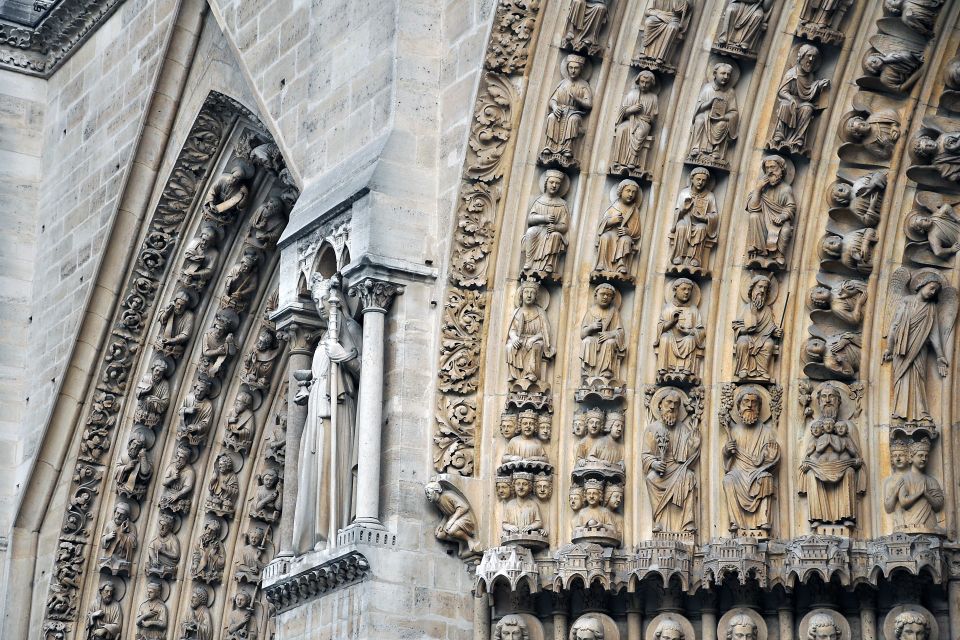
The meeting point is practical but flexible: you’re told to start from your accommodation and then reach Place de la Bastille, which is where the tour route begins. That means you’re not trapped waiting for a specific pickup time. You can walk over when it fits your day.
A smart way to use this start: treat Place de la Bastille as your “launch pad.” Before you go, skim the booklet’s first section so you know what you’re looking for early on. That way, the walk starts with momentum instead of a pause for orientation.
Bastille to Le Marais: a smart shift from big identity to everyday Paris
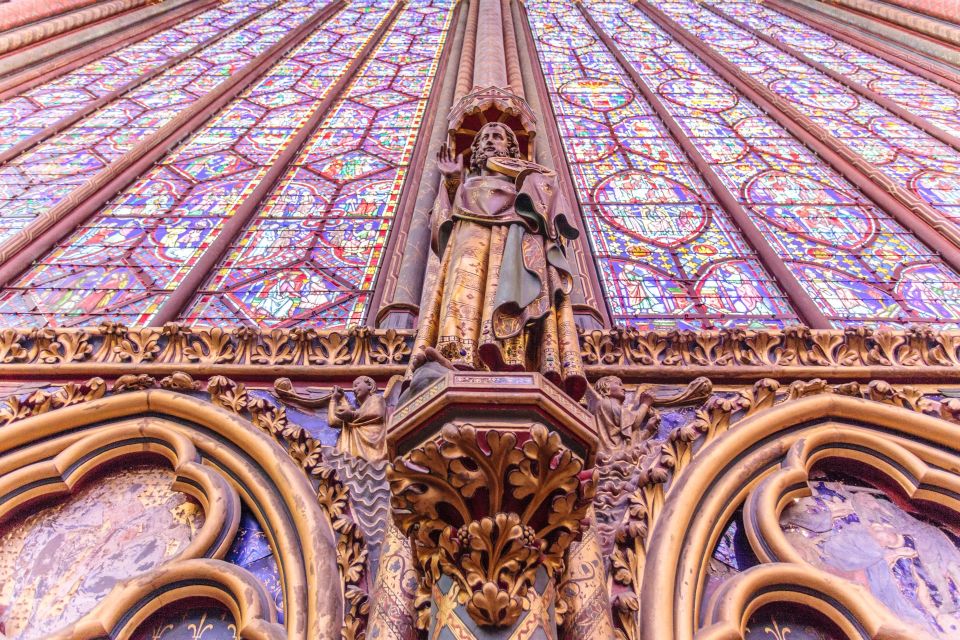
From Bastille, the route moves you into Le Marais, one of Paris’s most stylish historical neighborhoods. This is the part where the tour feels like it’s doing something right: you’re not just staring at monuments, you’re walking through the city’s texture—older architecture, small streets, and everyday Paris energy.
What I’d focus on here is the contrast. Bastille is tied to Paris’s major stories, but Le Marais is where those stories show up in buildings you can actually walk past. The tour highlights the area for its historical architecture, cafes, and shopping, which is exactly why this segment works well for different travel styles. If you want a quick snack break, you’ll find it. If you prefer photos and street wandering, the streets are built for that too.
Possible drawback to keep in mind: the tour gives you a set of stops, but it’s still a walking experience covering a lot of ground. If you stop for too long in cafes without managing time, you can end up feeling rushed later—especially near the biggest visual payoffs.
Hotel de Ville and the Circular Pavilion: the stop that turns architecture into a clue

Next up is Hotel de Ville and the Circular Pavilion. Even if you don’t go inside, these are the kinds of stops where the booklet helps you look at what you’d otherwise pass quickly. Paris has a habit of hiding the “why” behind the “what,” and having a small explanation can make the buildings feel less like scenery and more like context.
Here’s how to get more from this stop: don’t rush it. Stand for a minute, look around, and use the booklet’s notes to connect what you see to what the site represents. The tour’s strength is that it nudges you to do that with minimal effort.
If you’re the type who loves architecture details, you’ll likely enjoy the inclusion of this specific pairing, because it’s not just the usual postcard list.
You can also read our reviews of more guided tours in Paris





Île de la Cité and Notre-Dame: small streets before the big icon

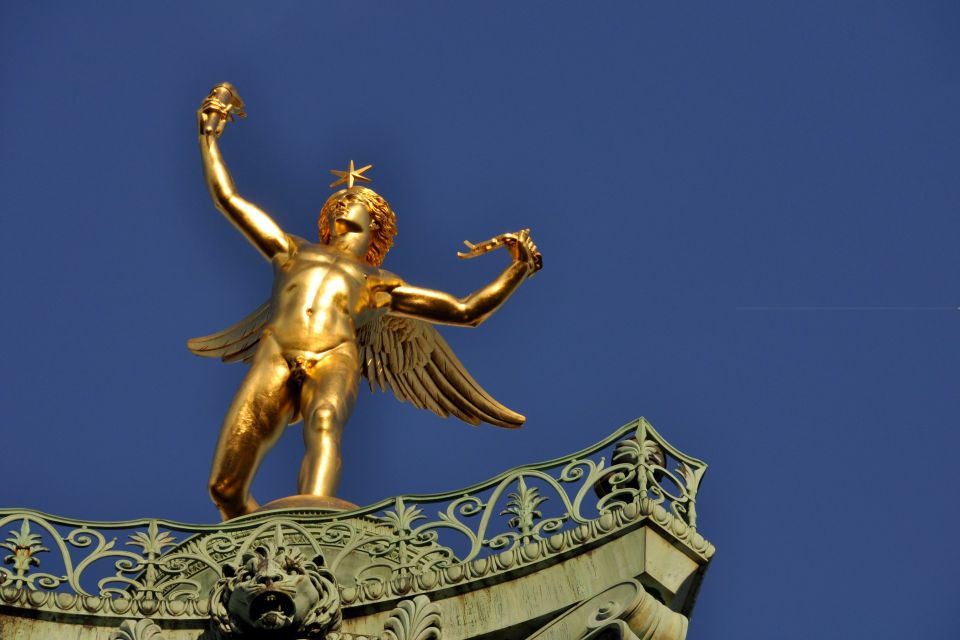
The tour specifically calls out the small streets of Île de la Cité, along with Notre Dame. This is a good reminder that Paris isn’t only its famous landmarks—it’s also its street scale and how neighborhoods shape views.
The walk here is where you feel “real Paris” most strongly: narrow ways, easy-to-miss corners, and the sense that you’ve stepped into a different pace. If you’re hoping to photograph without crowds every single second, this part can be a better rhythm than the widest famous avenues.
Now the trade-off: if you want lots of depth on the origins and reasoning behind the construction or major historical changes at Notre Dame, the supplied material may leave you wanting more. The practical solution is simple: use the booklet for orientation, then decide if you want to read more before you enter or before you head inside another nearby site.
Pont Neuf to the Louvre Pyramid: river views and exterior time
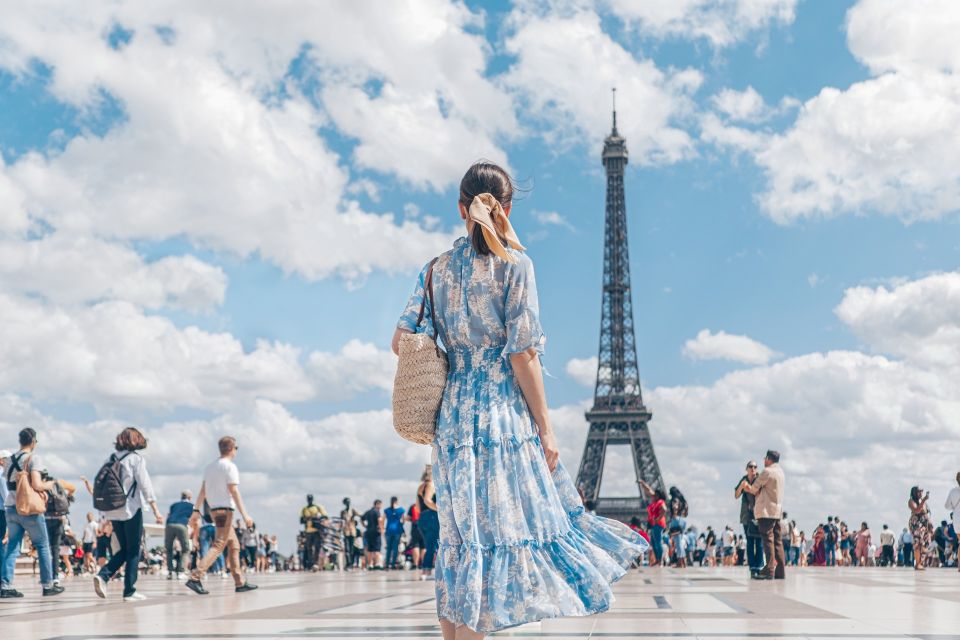
Crossing over to Pont Neuf and then toward Louvre Palace & Pyramid, you get a key payoff: the route links two of the most recognizable Paris silhouettes. Even without entrance tickets, this segment can still be satisfying because the Louvre Pyramid is very much about how it sits in the urban landscape.
What’s useful here is that the booklet is meant to help you plan your day around opening times and tickets. Since entries are your responsibility, you can decide:
- Are you treating the Louvre as exterior viewing only?
- Or are you using the info in the booklet to plan an entry at a time that works?
A practical tip for this section: if you only have a short window, prioritize the exterior views and the walking experience first. The Louvre area can swallow time fast because there’s just so much to see.
Tuileries Garden to Place de la Concorde: Paris’s long, human-scale walk
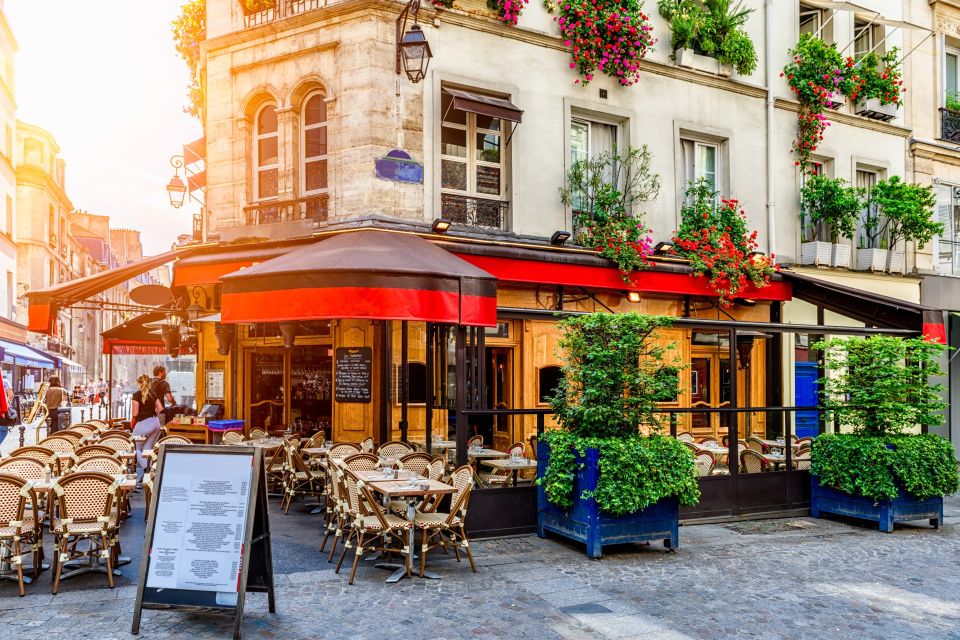
Then you hit Tuileries Garden and Place de la Concorde. This stretch is valuable because it’s not only about monuments; it’s about the walking corridor between them. You’ll get a sense of how Paris organizes sightlines and movement.
Tuileries Garden is also a mental reset. The tour stops after that feel like they expand in scale. In the garden area, you can breathe, slow down, and enjoy the fact that Paris gives you green space right in the middle of sightseeing.
Place de la Concorde is a different kind of moment: wide open space, big visual geometry, and a chance to step back from the details and see the city’s layout. If you’re the kind of traveler who likes to understand how Paris “is arranged,” these two stops help more than you might think.
Champs-Élysées to Arc de Triomphe: big boulevard energy
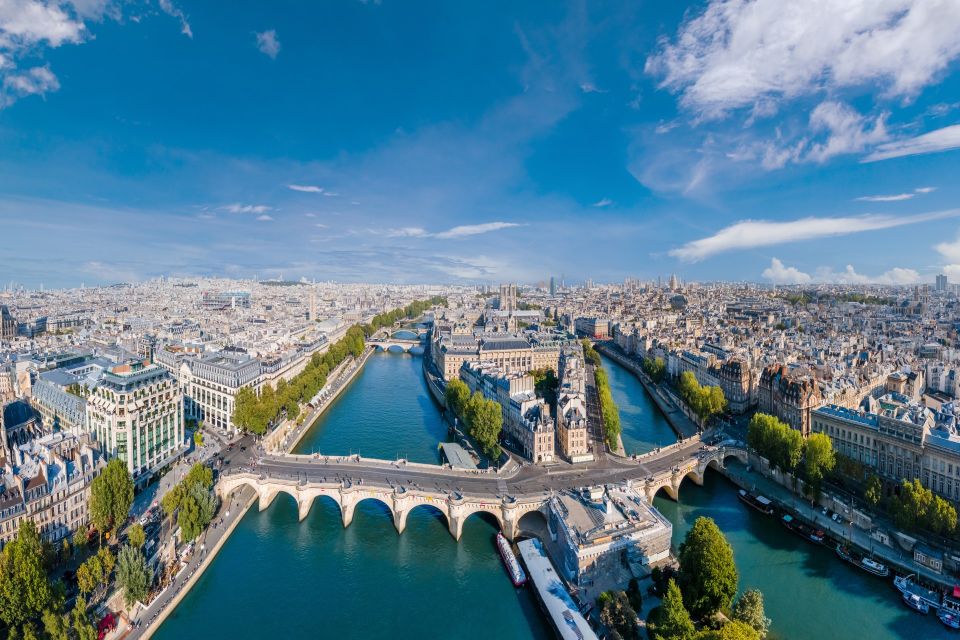
Next comes Champs-Élysées and Arc de Triomphe. This is where the walk becomes more dramatic. Champs-Élysées is a long, famous axis, and Arc de Triomphe is one of those landmarks that changes how you see the surrounding streets. It feels like you’ve entered the “major avenue” Paris.
The tour helps by putting these together instead of scattering them. It’s one continuous idea: boulevard → landmark → wide-angle understanding. For many people, this is where the day starts to feel like a movie scene.
Do keep one consideration in mind: this part of Paris can feel more commercial and more crowded than the earlier neighborhood streets. If you want quieter moments, keep your breaks short and purposeful—use the booklet’s next stop info so you don’t linger in the wrong place for too long.
Jardins du Trocadéro to the Eiffel Tower: the closer
Finally, the route lands at Jardins du Trocadéro and then ends at the Eiffel Tower. This is a strong ending because it’s a visual crescendo. Even if you’ve seen the Eiffel Tower in photos a hundred times, the experience of arriving at it while walking from the city center has a different feel. You’re approaching it with context—you’ve already passed through the neighborhoods, river crossing area, major museum zone, and major avenues.
Trocadéro gardens are useful here because they give you a chance to frame the Eiffel Tower properly before you reach it. That’s the kind of small planning detail that makes self-guided tours more enjoyable, because it helps you avoid arriving too quickly without setting yourself up for the best view.
Inside visits are on you: how to use the booklet without getting stuck
This tour is explicit: no entry inside attractions is included. That means you’re choosing what to do at each stop based on your interests, time, and ticket decisions.
The good news is that the booklet is designed to help you plan those decisions. It includes:
- basic site descriptions and why you might visit
- addresses
- opening times
- admission/ticket information to help you plan
So the best way to use it is not to treat the booklet as a script. Treat it as a menu. Read the section for each stop, decide quickly whether you’re going to:
- view only (spend your time walking and photographing)
- or plan an entry later during your trip
- or skip entirely if it doesn’t match your mood
That flexibility is part of the tour’s charm.
Who should book this Paris city center self-guided walk
This is a strong fit for you if:
- You want to explore central Paris on your own schedule.
- You like famous landmarks but also want the neighborhood feel of places like Le Marais and Île de la Cité.
- You don’t want the expense and rigidity of a full guided day.
- You’d rather spend money on a couple of chosen entries than pay for everything upfront.
It may be less ideal if:
- You want a long, text-heavy explanation at every single stop.
- You expect the booklet to cover deep origins and construction details for every major landmark.
In that case, you can still use this tour for pacing and route logic, then add a guided component or reading for the sites you care about most.
Should you book it?
Yes, if your goal is a value-focused Paris route that helps you see major sights from Bastille to the Eiffel Tower without heavy planning work. The marked route, map, and booklet details are exactly what you need to keep the day moving.
Skip booking or plan to supplement it only if you need deep, paragraph-by-paragraph history for each landmark. The tour’s job is to get you walking and oriented—not to replace a full guided lecture.
If you’re happy mixing light explanations with your own ticket decisions, this is a smart way to experience the center of Paris in a few efficient hours.
FAQ
How long is the Paris city center self-guided walking tour?
It takes about 2–3 hours.
How far do I walk?
The route covers about 12 km.
Where does the tour start and end?
It starts at Place de la Bastille and ends at the Eiffel Tower.
Does this tour include entry tickets to attractions?
No. Tickets are not included. Entry inside attractions is based on your choice, and any extra costs are on you.
What attractions are included on the route?
The booklet covers 12 attractions: Bastille, Le Marais, Hotel de Ville and the Circular Pavilion, Notre Dame, Pont Neuf, Louvre Palace & Pyramid, Tuileries Garden, Place de la Concorde, Champs-Elysées, Arc de Triomphe, Jardins du Trocadéro, and Eiffel Tower.
How do I get the booklet and map?
You receive the booklet by email about 24 hours before the departure time, and it includes a simple map with the route clearly marked.
Can I cancel for a refund?
Yes—free cancellation is available up to 24 hours in advance for a full refund.
Is the tour wheelchair accessible?
Yes, it’s listed as wheelchair accessible.