REVIEW · PARIS
Pairs: The Opera to Hotel des Invalides Guided Walking Tour
Book on GetYourGuide →Operated by europaguia.com · Bookable on GetYourGuide
Paris gets a lot smarter on this walk, linking Palais Garnier to Pont Alexandre III with Napoleon III stories, Revolution sights, and photo-ready views.
You’re moving through a tight strip of central Paris, so the history doesn’t feel like a museum lecture. It feels like the city is talking back.
I especially like the focus on Palais Garnier—not just the look, but why it exists and what it was meant to fix after a tragedy tied to the Emperor’s life. I also love the way the route uses major landmarks as real-life cues, like the Luxor Obelisk at Place de la Concorde and the grand Champs-Élysées framing.
One thing to plan for: the tour is Spanish-only, and entrance tickets aren’t included. If you want to go fully inside at Palais Garnier, you may need to sort ticket access on your own (or confirm what’s covered by the guide).
In This Review
- Key things to know before you go
- From Place de l’Opéra to Palais Garnier: where the story starts
- Rue de la Paix and Place Vendôme: luxury shopping street as a viewpoint
- Place de la Concorde: Luxor Obelisk and the guillotine reminder
- The Champs-Élysées pause: between Grand Palais and Petit Palais
- Pont Alexandre III finish: Seine views and a Russian Tsar tribute
- Spanish guide and audio guide: how to make the language work for you
- What you’re really paying for: $37 and the value equation
- Timing, walking comfort, and how to dress like an adult
- Who this walk suits best
- Should you book this Opera to Hotel des Invalides walking tour?
- FAQ
- How long is the Opera to Hotel des Invalides guided walking tour?
- Where does the tour start?
- Where does the tour finish?
- What is the price per person?
- Is there a live guide during the tour?
- What language is the tour in?
- Are entrance tickets included?
- Is transport included?
- Are food and drinks included?
- Is the tour wheelchair accessible?
Key things to know before you go
- Palais Garnier as the starting set: you get a guided orientation plus a bit of free time
- Napoleon III connections: the walk is built around his era and the places tied to Napoleon
- Place de la Concorde shock factor: guillotine history is part of the stop at the Egyptian obelisk
- Champs-Élysées with context: you’ll pause between Grand Palais and Petit Palais, including 1889 World Fair references
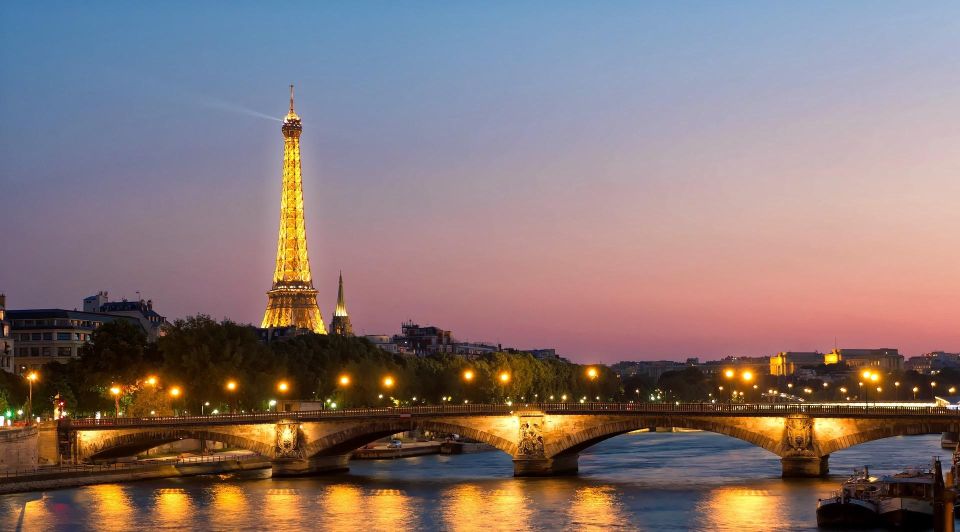
- Pont Alexandre III photo vantage: you’ll end where you can see the Seine and the Eiffel Tower
- Easy rendezvous point: meet outside the Opera métro with the guide’s red-flame white flag
From Place de l’Opéra to Palais Garnier: where the story starts
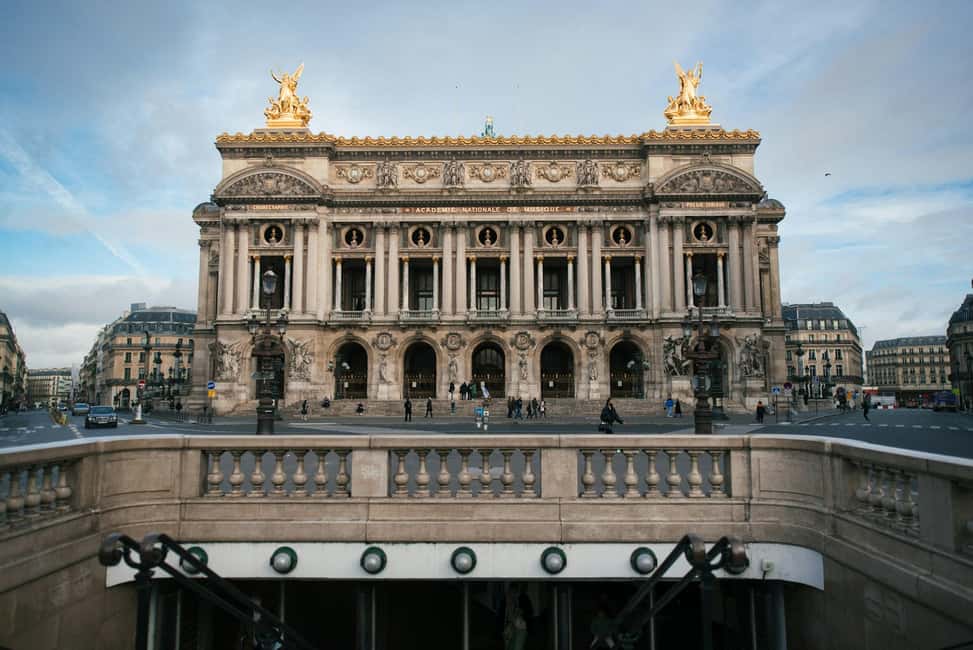
Your tour begins at Place de l’Opéra, outside the métro station. The guide waits at the exit in front of the Café La Paix area and the Garnier opera palace, holding a small white flag with a red flame logo, so spotting them is usually straightforward.
Then you’re at Palais Garnier, the big, dramatic starter scene. This stop isn’t treated like a quick snap-and-go. The guide explains the building as an answer to a tragic event connected to the Emperor’s life—so you’re not just admiring plaster, you’re understanding what pushed the project forward.
You’ll also have a bit of free time during this stop. That matters. You can step back from the crowd, look up at details, and decide what you want to study longer. If you’re the type who likes to read faces on façades (me), this is a good moment to do it.
One practical note: entrance tickets are listed as not included. So for anything beyond exterior viewing, check what the stop actually covers on the day. The schedule calls it a visit with guided time, but you don’t want surprise costs if you were picturing full access.
You can also read our reviews of more walking tours in Paris


Rue de la Paix and Place Vendôme: luxury shopping street as a viewpoint
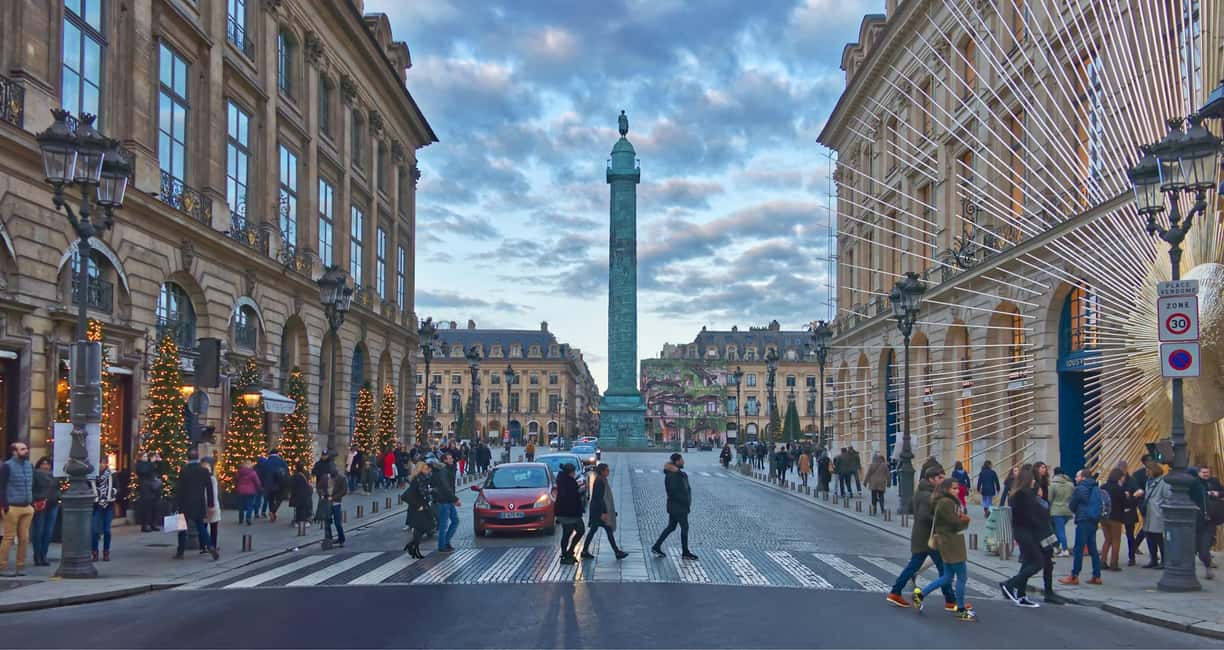
After Palais Garnier, the route tracks along Rue de la Paix and into Place Vendôme. This is where you swap “opera drama” for “Napoleon-era grandeur,” but without changing neighborhoods.
Place Vendôme is described as an opulent corner and a concentration point for high-end watch, jewelry, and fashion brands. Even if shopping is not your thing, the value here is perspective. You see how wealth and power show up in architecture and public space—not just in what people buy.
The Ritz Hotel is called out as a major presence in this area. It’s helpful because it gives you something to anchor on visually and historically as you walk. When you know what a place is “for,” you notice different details—entrances, sightlines, the way streets funnel attention.
Also, Rue de la Paix is a reminder that Paris doesn’t always announce its layers with museum signage. Sometimes the story hides in plain sight: the street looks like commerce, but it’s also a stage for status.
Place de la Concorde: Luxor Obelisk and the guillotine reminder
Next comes Place de la Concorde, bordered by the Tuileries Gardens. This stop hits a different note. The guide ties the square to the Revolutionary years, which changes how you’ll look at the space.
At the center is the Egyptian obelisk—the Luxor Obelisk—and the tour uses it as the visual anchor. You’ll also learn that during the Revolution, the guillotine was installed here. That’s a heavy fact, and you’ll feel it. It’s not presented as horror for horror’s sake; it’s there to explain why this square isn’t just scenic.
What I like about this kind of stop is the way it prevents “Paris as postcard” thinking. You can still enjoy the architecture and symmetry, but now you understand the interruptions and the consequences that shaped the city.
If you’re traveling with people who prefer lighter stops, this is the moment to prep a gentle heads-up. This square is beautiful, but it also carries a real-world sting.
The Champs-Élysées pause: between Grand Palais and Petit Palais
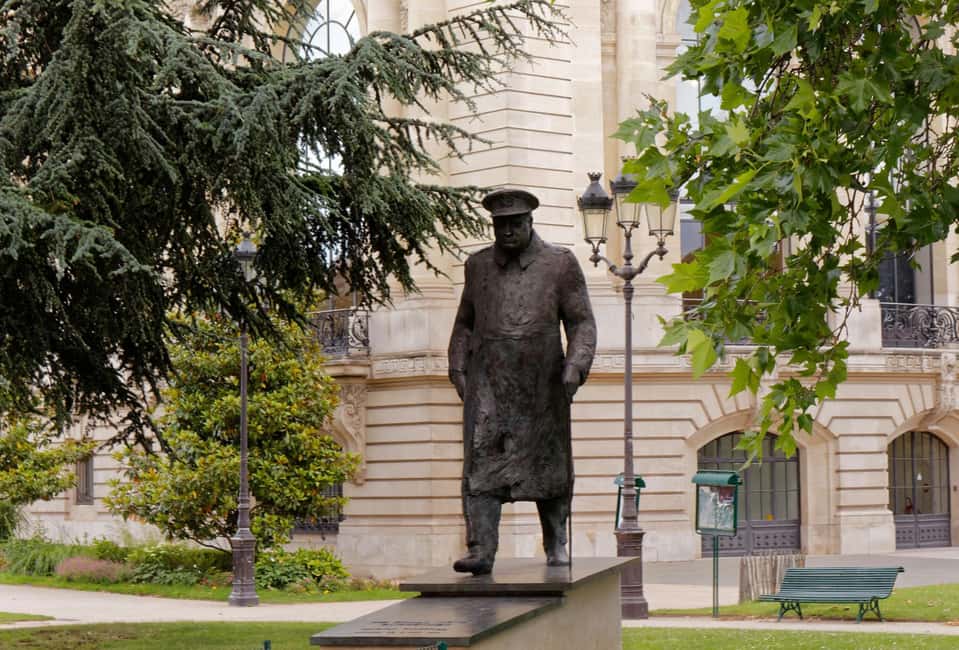
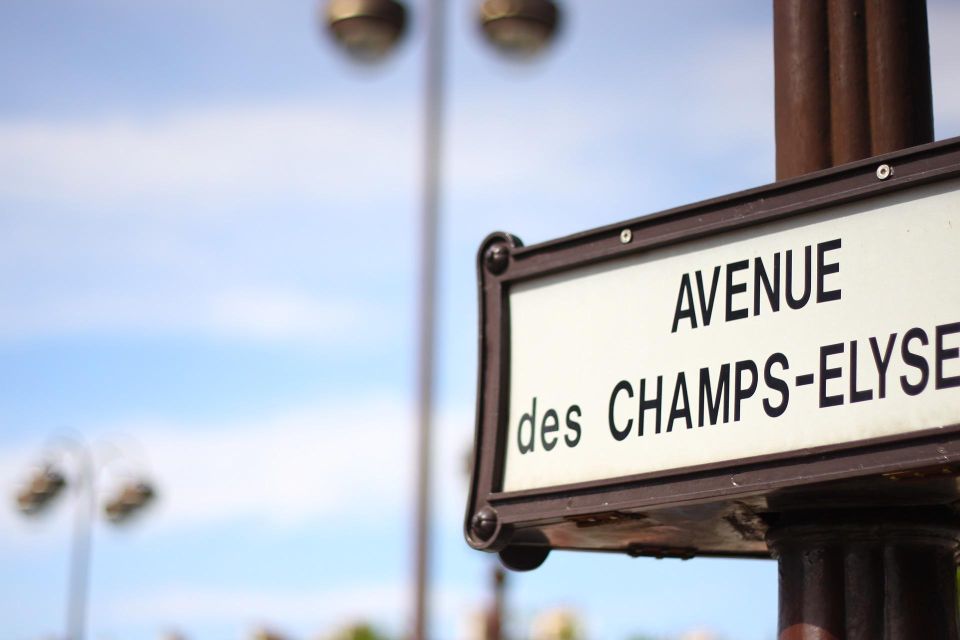
Then you move to the Champs-Élysées, called the most beautiful boulevard in the world on this tour route. The guide frames the boulevard as a meeting point between French cultural history and ancient Greece. It’s the kind of connection that makes a stroll feel less like aimless walking and more like guided “how Paris thinks.”
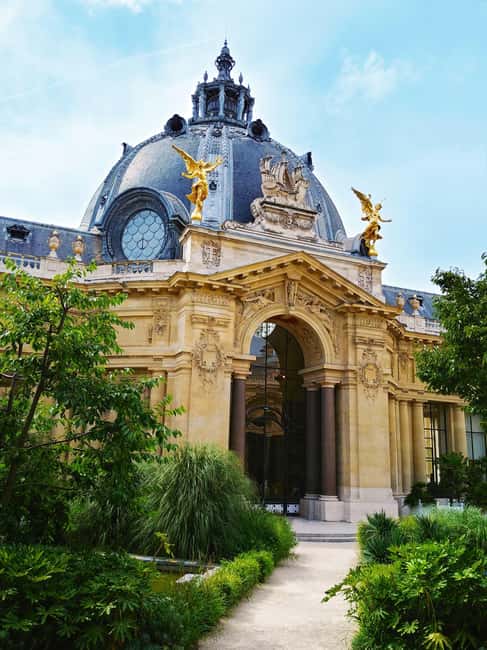
You’ll pause between two landmarks: Grand Palais and Petit Palais. Both are big names, but what you’ll remember is the tour’s connection to the 1889 World Fair hosted by Petit Palais. That detail helps you see the buildings not just as permanent monuments, but as results of a specific era of ambition.
This is also a nice chance for orientation. The Champs-Élysées can be overwhelming, even for people who love cities. A guided stop gives you a reason to slow down and look in the right direction.
Small practical tip: if it’s bright out, bring sunglasses. This area is open, and glare can make it harder to focus on façades and inscriptions.
Pont Alexandre III finish: Seine views and a Russian Tsar tribute
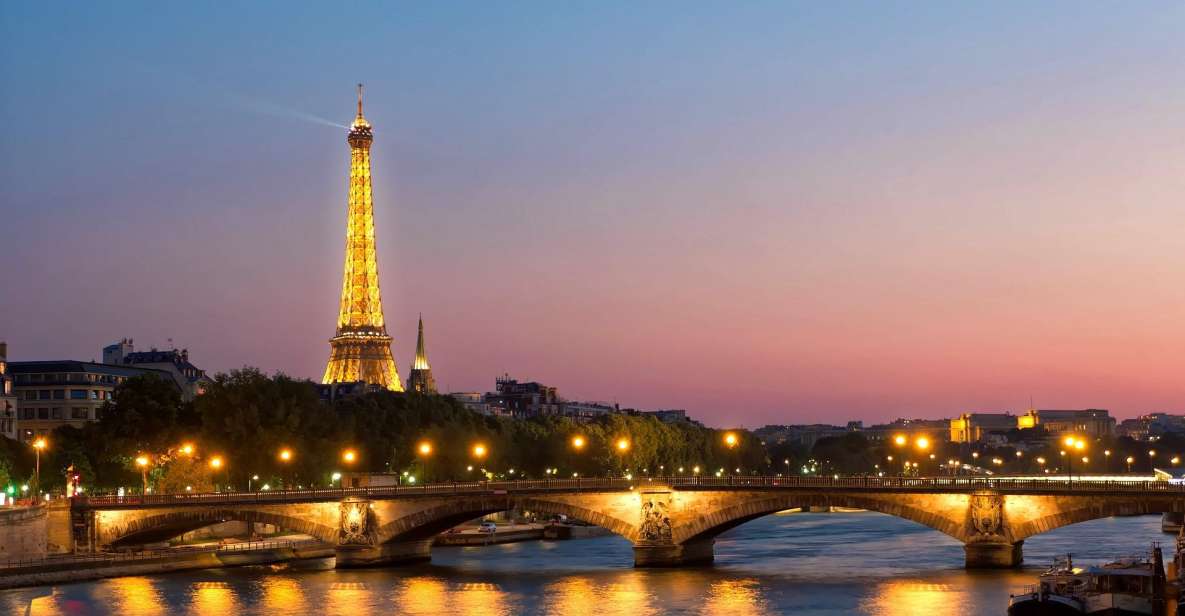
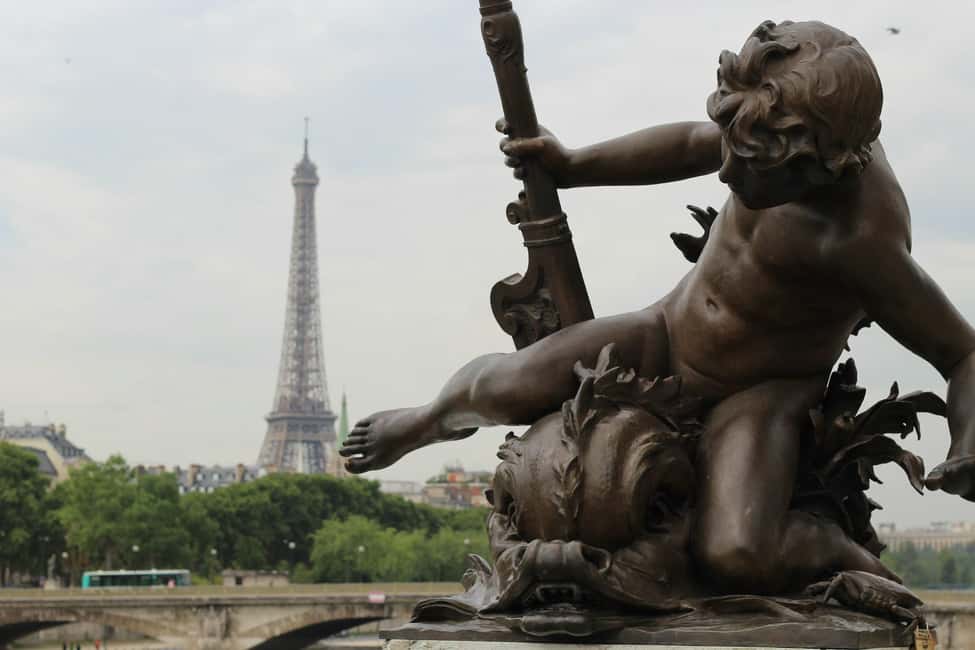
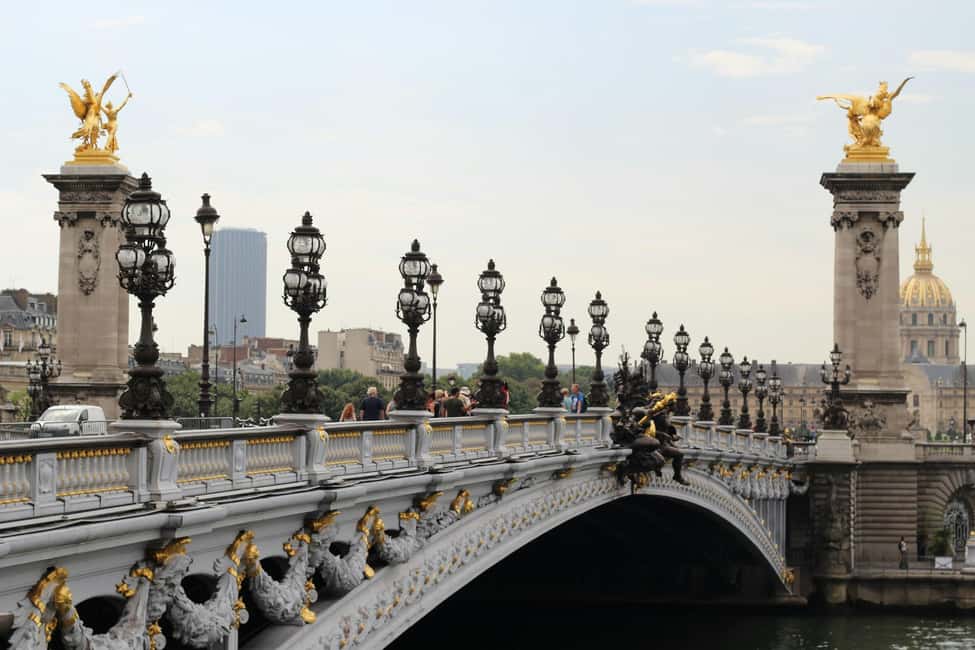
Your walking route concludes at Pont Alexandre III, a monumental bridge described as an architectural tribute to a Russian Tsar. Ending here works well because it’s both a story point and a viewpoint.
From the bridge, you can see the Seine and the Eiffel Tower. That’s a classic photo setup, but with an added bonus: you’re not just chasing the Eiffel Tower. You’re arriving at it with context about who influenced which Paris moments.
If you want to plan your next step, this ending location is useful. You’ll likely find it easier to pick up dinner, a café stop, or even a later sightseeing plan from this broader central area.
The tour also mentions nightlife suggestions afterward—dancing, eating, and enjoying. The key takeaway is that the walk ends at a spot that doesn’t trap you in a quiet dead end. You’re set up to keep enjoying Paris after the structured portion ends.
You can also read our reviews of more guided tours in Paris


Spanish guide and audio guide: how to make the language work for you
The live guide is Spanish-speaking, and there’s a Spanish audio guide included. That’s great if you speak Spanish or understand it comfortably. You’ll likely catch more of the nuance, especially when the tour shifts from architecture to Revolution-era facts.
If Spanish is not your strength, the experience can still be visually rewarding—Palais Garnier and Pont Alexandre III are big visual payoffs. But you might miss the reasoning behind the route’s choices, like why certain places are emphasized for Napoleon III’s Paris story.
My practical advice: if you’re not fluent, plan to lean on what you can observe. Look for the cues the guide highlights—obelisk placement, building façades, and the way the streets funnel you toward each main stop.
What you’re really paying for: $37 and the value equation
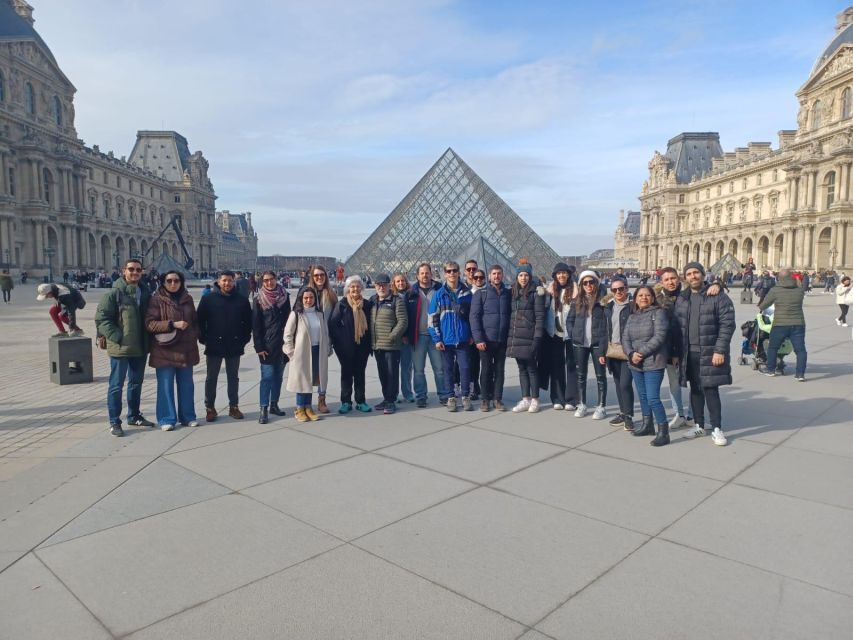
The price is $37 per person for a 2-hour guided walking tour. Entrance tickets, transport, and food or drinks are not included, so you’re paying primarily for the guide’s storytelling, route planning, and the Spanish audio support.
This is actually a smart value setup for Paris, because a walking route like this lets you see a concentration of landmarks without paying entry fees for every stop. The tradeoff is that you may still want separate tickets if you want full interior access at certain places—especially at Palais Garnier.
Here’s how I’d think about value for your own trip:
- If you love context (why buildings look the way they do), you’ll get your money’s worth.
- If you mostly want “wander and photograph,” you might feel the structure is less necessary.
- If you’re Spanish-comfortable, you’ll likely enjoy the narrative more fully, and that makes $37 feel more like a guide budget than a ticket cost.
Also, the tour includes local guidance, not just audio. That human element matters with stops like Place de la Concorde, where tone and pacing change how the fact lands.
Timing, walking comfort, and how to dress like an adult
Two hours sounds short, but central Paris walking adds up fast. Wear comfortable shoes. Pick layers if the weather is changeable, because you’re spending time outdoors along broad avenues.
Since the itinerary includes a major start at Place de l’Opéra and ends on Pont Alexandre III, you’ll also want to keep your energy up for the last viewpoint. Finishing with Seine and Eiffel views is a strong close, but only if your feet are still happy.
Bring a small bottle of water if you know you’ll need it. The tour doesn’t include food or drinks, so you’ll be responsible for breaks.
Who this walk suits best
This tour is a good match if you want Napoleon III-era Paris explained through real places, not just theory. It’s also great if you like architecture with a story attached—Palais Garnier in particular.
It’s especially helpful for visitors who:
- enjoy guided structure in a compact area
- want a route that mixes big famous sights with less-obvious framing (like Revolution context at Place de la Concorde)
- want an end point that sets you up for more sightseeing and dinner afterward
It’s less ideal if you:
- need a non-Spanish tour option
- expect entrance tickets to be covered for every major stop
- prefer long museum-style pacing instead of outdoor landmark walking
Should you book this Opera to Hotel des Invalides walking tour?
If you like learning why Paris looks the way it does, this is an easy yes. The route ties together opera grandeur, Napoleon-era storytelling, Revolution-era reality, and a strong photo finish at Pont Alexandre III, all in about two hours. The Spanish guide and audio are a big factor—if you can handle Spanish comfortably, you’ll likely get more out of every stop.
If you’re Spanish-leaning and don’t mind that entrance tickets aren’t included, you’ll probably find this a practical way to pack a lot of meaning into a short walk. If Spanish is a problem, consider a different tour format, because the value here is mostly in the narration.
FAQ
How long is the Opera to Hotel des Invalides guided walking tour?
It lasts 2 hours.
Where does the tour start?
The meeting point is outside the Opera métro station, at the exit in front of the La Paix coffee and the Garnier opera palace.
Where does the tour finish?
The tour ends at Pont Alexandre III.
What is the price per person?
The price is $37 per person.
Is there a live guide during the tour?
Yes. A local guide leads the tour.
What language is the tour in?
The live guide and the audio guide are both in Spanish.
Are entrance tickets included?
No. Entrance tickets are not included.
Is transport included?
No. Transport is not included.
Are food and drinks included?
No. Food or drinks are not included.
Is the tour wheelchair accessible?
Yes, the tour is wheelchair accessible.