REVIEW · PARIS
Paris 1h30-Hour Perfume Walking Tour
Book on GetYourGuide →Operated by Not a Tourist Destination · Bookable on GetYourGuide
Paris perfume sounds fancy. But it is also practical. In this small-group Paris perfume walking tour, you follow your nose through French fragrance history, then you stop at 3 iconic perfume shops to see how scents are presented today and how they’re explained.
Two things I really liked: the guide’s ability to connect big-name stories (like Chanel, Dior, Yves Saint Laurent, Guerlain, and Givenchy) to what you can smell in the shops, and the small size (limited to 8) that keeps questions from feeling awkward. One thing to consider: you are walking for about 2 hours, and you can’t bring luggage or large bags, so plan light.
The meeting point is Café Marly on Rue de Rivoli (easy to find if you’re already near central Paris). The tour runs with a live guide in English or Spanish, so you can actually follow the explanations and not just wander shop to shop.
In This Review
- Key things to know before you go
- How a Paris perfume walk turns smells into real knowledge
- Where you meet at Café Marly and how the timing works
- Stop-by-stop: what the 3 perfume shops teach you
- Stop 1: A first look at how French perfume is explained in-store
- Stop 2: Comparing different price points without the snob factor
- Stop 3: Smaller perfumeries and staff help (including a Killian stop)
- French perfume history you can actually use while smelling
- Learning to describe eau de cologne and fragrance families
- Guides and pacing: what makes the experience feel personal
- Price and value: is $82 a fair deal for 2 hours?
- Who should book this Paris perfume walking tour?
- Should you book this tour?
- FAQ
- How long is the Paris 1h30-Hour Perfume Walking Tour?
- Where is the meeting point?
- What languages is the tour offered in?
- How many people are in the group?
- What’s included in the price?
- Are meals and drinks included?
- Can I bring luggage or large bags?
- What is the cancellation policy?
- Is the tour offered if I’m traveling alone?
Key things to know before you go
- Small group (8 people max) keeps it personal and question-friendly
- 3 perfume shops means you get more than window-shopping
- French perfume history + current trends helps your brain connect the dots
- How to describe eau de cologne and perfume families so you can shop smarter
- Comfortable shoes matter since it’s a walking tour with multiple stops
How a Paris perfume walk turns smells into real knowledge
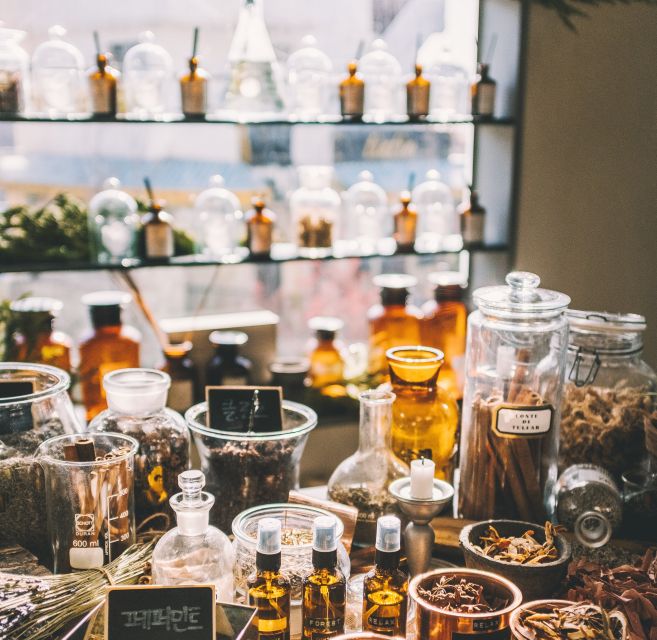
If you’ve ever smelled a fragrance and thought, I like it, but why, this tour helps you answer that. You’ll hear how perfume in France moved from sacred and ceremonial use to something people consider a privilege and style marker. That context matters because it changes how you interpret what’s in the bottle.
What I like about this format is the mix of story and technique. You’re not just hearing brand lore. You’re learning a way to talk about what you’re smelling, which makes shopping in Paris (and later at home) feel less like guessing.
You also get a clear angle on today’s market. The tour focuses on French perfume history and what’s trending now, so the conversation stays grounded in modern choices, not only old romantic ideas.
You can also read our reviews of more walking tours in Paris


Where you meet at Café Marly and how the timing works
You meet at Café Marly, 93 Rue de Rivoli, 75001 Paris. From there, you’ll walk between 3 iconic perfume shops during a tour listed at about 2 hours (you may see it described as a 1h30 guided experience, but plan on roughly 2 hours out).
That timing is useful. It’s short enough that your brain stays alert, but long enough to compare multiple scents with actual explanation. I also think it’s a good length if you’re fitting this into a sightseeing day around central Paris.
A practical tip: wear comfortable shoes. This is a walking tour, and you’re likely to pause often while the guide talks and the shop staff show scents.
Stop-by-stop: what the 3 perfume shops teach you
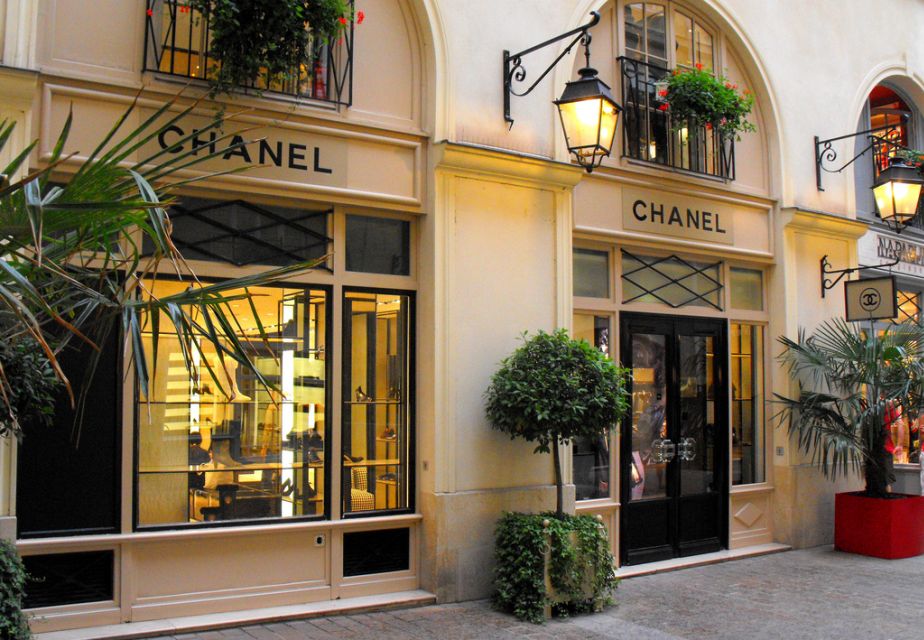
The tour includes stops at 3 iconic perfume shops. The exact shops can vary by date and guide, but the experience is consistent: you’ll compare styles, learn the language of fragrance, and get guidance so you’re not intimidated.
Stop 1: A first look at how French perfume is explained in-store
Your first shop stop is where you start connecting the history to what you’re seeing on counters today. Expect the guide to frame what you’re about to smell and how French brands often structure their storytelling—heritage, ingredients, and the mood the scent is meant to create.
This is where the small group size really pays off. With only up to 8 people, you’re more likely to get a direct answer to your specific question instead of watching from the sidelines.
Stop 2: Comparing different price points without the snob factor
One strong theme from the experience is that you can experience both high-end and more approachable options. One guide approach highlighted in past tours was making sure the group isn’t intimidated in the luxury stores, and that the stops include different price points.
For you, that means the tour can be useful even if you’re not planning to spend at the very top level. You can still learn what changes when you move across price tiers—presentation, concentration, sourcing stories, and the way staff guide selection.
It’s also a good reality check. You’ll learn how to decide what matters to you rather than buying what looks impressive.



Stop 3: Smaller perfumeries and staff help (including a Killian stop)
On at least some departures, the tour includes a stop at Killian, with staff help noted through Olga. Even when the names are big, the value often comes from how you’re treated in smaller, boutique-style spaces.
This last shop tends to feel more hands-on. Past groups have described getting tailored recommendations, and that usually means the guide listens to what you liked earlier and then steers you toward scents that fit your preferences.
If you care about finding something personal—a gift, a signature scent, or a perfume that feels like your style—this is where you can use the tools from earlier in the walk.
French perfume history you can actually use while smelling
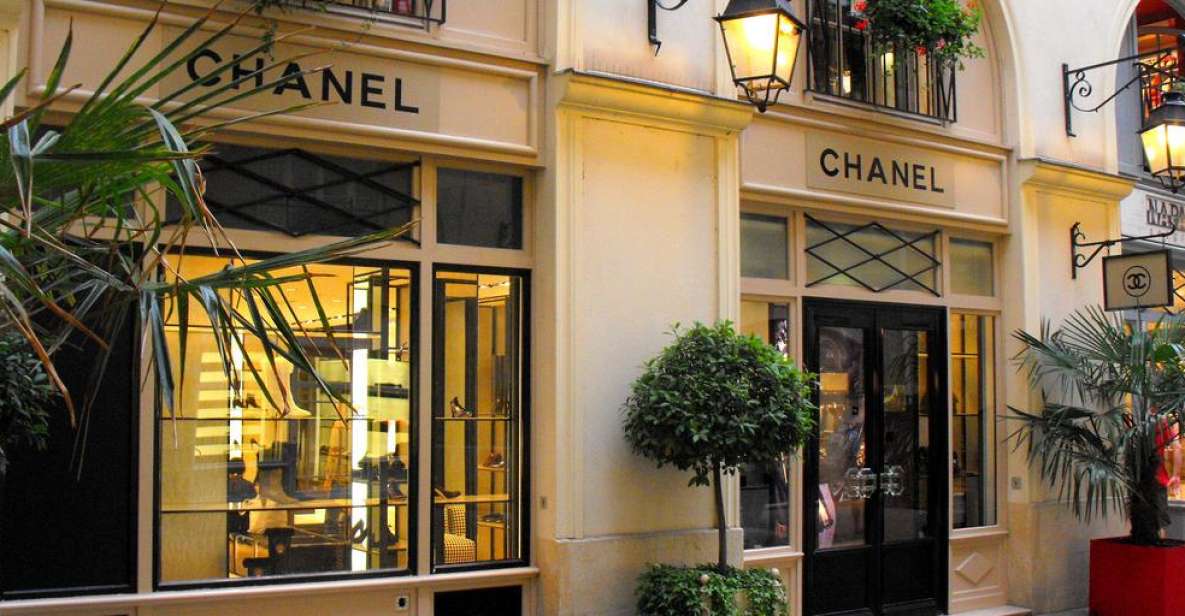
The tour doesn’t treat perfume history like a museum lecture. It connects a few major shifts to the way perfume is marketed and worn.
You’ll hear about a time when perfume use was tied to religious ceremonies and considered a privilege. That’s not just trivia. It sets up why many French brands lean hard into tradition and identity—even when they’re selling modern interpretations.
Then you’ll move into how perfume fits French history and traditions as you visit the shops. The guide ties past and present together so you understand why certain ingredients, packaging styles, and brand narratives repeat over time.
That approach makes the scents easier to interpret. Instead of only asking What does it smell like, you also get to ask What is it trying to represent?
Learning to describe eau de cologne and fragrance families
A standout part of this tour is the focus on fragrance language. You’ll learn how to describe the ingredients of eau de cologne, and you’ll get the basics for understanding the characteristics of different families of fragrances.
Why this matters: in Paris, you’ll hear staff use terms quickly. If you only know that you like something, you can still buy it—but you might miss why you liked it. Once you can describe the scent’s family and overall direction, you can compare options faster and make a better decision with less second-guessing.
I also like that this skill carries beyond the tour. Even if you don’t buy anything here, you’ll leave with a clearer mental checklist for the next time you smell something you might want to wear daily.
Guides and pacing: what makes the experience feel personal

This is a live tour with an English/Spanish guide, and the pacing is designed for a small group. That structure matters because perfume relies on conversation. You’re smelling, asking questions, and getting feedback right away.
Past guides named on the experience include Sandra and Amira. Sandra, in particular, was noted for giving engaging answers and for mixing historical context with practical in-store guidance. Another highlight: flexibility in showing fragrances from different houses so the group can compare styles without feeling forced.
If you have a strong preference—fresh versus deeper scents, everyday versus special occasion—you’re more likely to get recommendations that match. One group noted the tour being tailored, with help in choosing what fits individual tastes.
The only caution here is the same with any walking tour: you’re relying on the guide to run the experience. There is one reported issue about a guide not turning up as expected on a specific date. Most tours run smoothly, and refunds were handled professionally in that case, but if your day is tight, it’s smart to keep a bit of buffer.
Price and value: is $82 a fair deal for 2 hours?
At $82 per person for about 2 hours, this tour is priced like a guided specialty experience, not a casual walk. The included value is clear: a guided tour plus stops at 3 iconic perfume shops.
Here’s how I think about whether it’s worth it for you:
- If you’ll buy a perfume anyway, the education can help you avoid a purchase you regret.
- If you don’t plan to buy, the tour still has value because you’re learning how to describe what you like and why.
- If you want only the big names, you might get less value. The experience tends to focus on real comparisons across brands and shop types, including smaller boutiques.
For $82, you’re paying for time, guidance, and structure. The best-case outcome is that you leave with a better nose for fragrance families and a clearer sense of which houses match your taste.
If you’re a perfume fan and enjoy thoughtful explanations, it’s a good use of a morning or afternoon in central Paris.
Who should book this Paris perfume walking tour?
Book this if:
- You love fragrance and want a focused Paris perfume education session.
- You want more than brand shopping and want the history behind why French perfume feels different.
- You like small groups where questions are welcomed.
Consider a different option if:
- You hate walking in short bursts and prefer long museum-style pacing.
- You’re traveling with large bags or luggage you can’t leave behind (this tour doesn’t allow luggage or large bags).
- You only want to visit a single luxury house and nothing else.
This tour also works well as a birthday or special-occasion activity, especially if you’re traveling with someone who reads labels and loves how scent fits personality.
Should you book this tour?
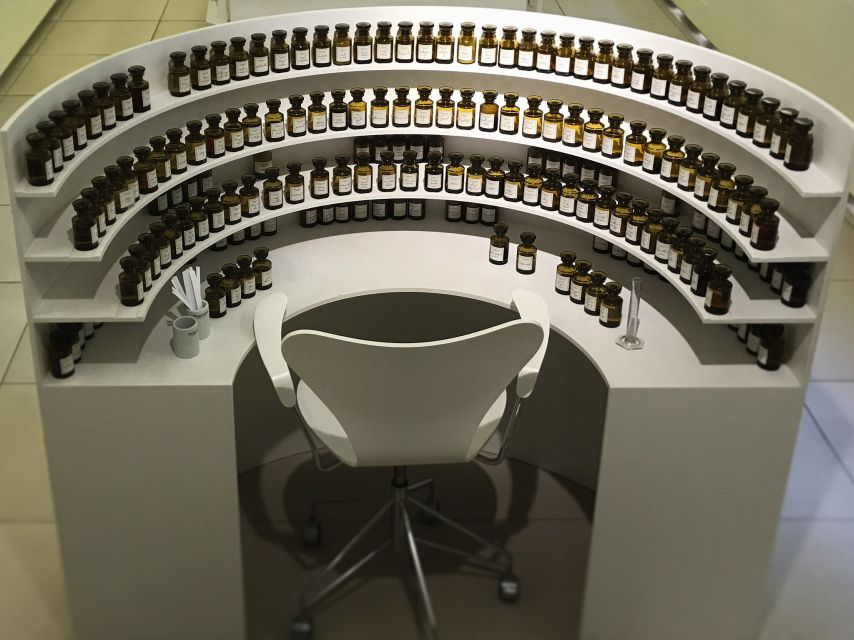
Yes, if you want a smart, guided Paris perfume experience that mixes history with practical in-store help. The combination of a small group, 3 shop stops, and an emphasis on how to describe scents (including eau de cologne and fragrance families) makes it more than just a stroll past famous names.
If you’re short on time, wear comfortable shoes and keep your day flexible. And if you’re picky about schedules, plan a little buffer, because any walking tour depends on the guide showing up and keeping time.
For many people, this is the kind of activity that turns perfume from a random purchase into a personal choice you understand.
FAQ
How long is the Paris 1h30-Hour Perfume Walking Tour?
The tour duration is listed as 2 hours. It’s a walking experience with a guided route and stops at perfume shops.
Where is the meeting point?
You meet at Café Marly, 93 Rue de Rivoli, 75001 Paris.
What languages is the tour offered in?
The live guide speaks English and Spanish.
How many people are in the group?
The tour is a small group, limited to 8 participants.
What’s included in the price?
Included are the guided tour and stops at 3 iconic perfume shops.
Are meals and drinks included?
No. Meals and drinks are not included.
Can I bring luggage or large bags?
No. Luggage or large bags are not allowed.
What is the cancellation policy?
You can cancel up to 24 hours in advance for a full refund.
Is the tour offered if I’m traveling alone?
A minimum of 2 persons per booking is required, so availability may depend on meeting that minimum.