REVIEW · PARIS
Paris: Charms of Montmartre Guided Walking Tour
Book on GetYourGuide →Operated by Mon Petit Paris · Bookable on GetYourGuide
Montmartre turns an art lesson into a stroll. I really like the artist-and-cabaret stories that make the neighborhood feel lived-in, and I also love the payoff at Sacré Coeur with that huge city view. The main thing to factor is the hill: you’ll climb stairs and slopes, so comfy shoes are not optional.
This is a 2-hour guided walk focused on the way creativity gathered on these streets—Picasso, Van Gogh, Renoir, Toulouse-Lautrec, and more. Expect cobblestones, leafy little squares, and quick stops that connect famous names to real corners and buildings. On a rainy day, I saw one verified booking where the tour was just two people with guide Camille, which is a nice reminder that you can sometimes get a more personal feel.
If you’re coming for quick photo ops only, you might find the pace a bit thoughtful. But if you like seeing how art, nightlife, and everyday life overlap, this tour gives you a clear path through Montmartre’s big moments.
In This Review
- Quick hits you’ll feel on this tour
- Starting at the Moulin Rouge: stories that set the tone fast
- Up the hill to Amélie and Van Gogh: cobblestones, stairs, and real corners
- Place des Abbesses and the I Love You Wall: romance in the middle of the climb
- Picasso’s studio and the guinguette world: where art met weekend life
- The last vineyard and Picasso’s tiny cabaret: the surprise side of Montmartre
- Outdoor artists at the square, then Sacré Coeur’s panoramic finish
- Price and value: what $57 gets you in 2 hours
- What the tour is really like on the ground
- Who should book this Montmartre walk, and who might skip it
- Should you book Paris: Charms of Montmartre Guided Walking Tour?
- FAQ
- Where is the meeting point?
- How long is the tour?
- Is the tour guided in English?
- What should I bring?
- Is the tour affected by bad weather?
- Are food and drinks included?
- What’s included in the sightseeing?
- What cancellation options do I have?
Quick hits you’ll feel on this tour
- Moulin Rouge start: you begin with the scandal stories right where the legend began
- Amélie + Van Gogh connections: film locations and artist footsteps in the same climb
- Place des Abbesses details: the I Love You Wall and the neighborhood’s romantic vibe
- Picasso studio and guinguette culture: art-world moments explained in plain terms
- Last vineyard in Paris: you’ll see grapes and vino where you might not expect them
Starting at the Moulin Rouge: stories that set the tone fast
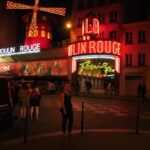
The walk kicks off in front of the Moulin Rouge, the classic red windmill you’ll recognize even before you know what you’re looking at. Your guide meets you there wearing a badge. If city works make that exact corner tricky, they may shift the meeting point to the square facing the Moulin Rouge. Either way, you’ll start with the right landmark and the right context.
This opening matters because it frames what’s coming next. Montmartre isn’t only painters and postcards—it has always had a nightlife edge. You’ll hear stories about the Moulin Rouge’s saucy and scandalous past, and that gives you a lens for the rest of the tour. Suddenly the next streets and squares feel less like random sights and more like places where people acted out ideas, ambitions, and sometimes bad decisions.
Practical note: plan to be ready to walk right away. There’s no hotel pickup, and no food is included. So I’d treat this like a focused sightseeing session, not a casual hang.
You can also read our reviews of more walking tours in Paris



Up the hill to Amélie and Van Gogh: cobblestones, stairs, and real corners
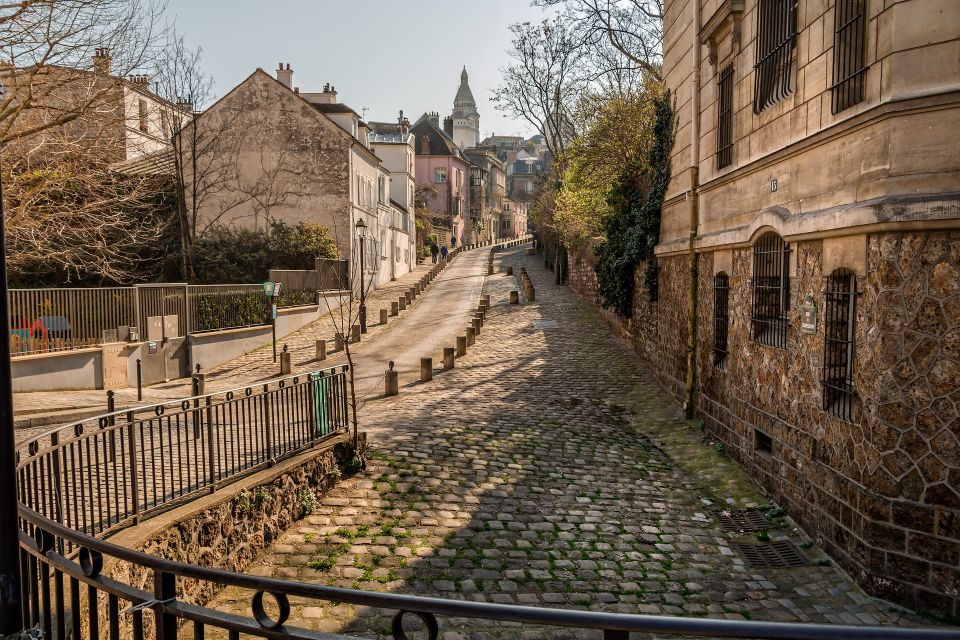
After the Moulin Rouge start, you begin your ascent up the hill. This is a physically moderate walk, and Montmartre is famous for doing that thing where you feel like you’re walking upward forever. Expect stairs and slopes, plus the usual cobblestone surfaces. Comfortable shoes help you enjoy it instead of thinking about your feet.
One of the early surprises is the connection to a film location from Amélie. Even if you’re not a hardcore movie person, it works because it shows how Montmartre got turned into a visual mood. You’ll start noticing details that you’d otherwise miss—street angles, small sightlines, and how the neighborhood looks from one step to the next.
Then you shift into Van Gogh’s old stomping grounds. The best part of this segment is that you’re not just hearing a name. You’re walking through the same kind of urban fabric that shaped his scenes: uneven streets, small squares, and neighborhoods where working artists could stay close to each other. It’s a quick way to understand why Montmartre mattered to artists beyond the simple fact that famous people lived there.
Place des Abbesses and the I Love You Wall: romance in the middle of the climb
As you keep climbing, you reach Place des Abbesses, and it feels like a little pocket of calm. This is where Montmartre shows its village side—leafy public spaces, quiet corners, and details that make the neighborhood feel intimate even when the city is right below.
One of the standout stops here is the I Love You Wall, a charming homage to lovers around the world. It’s also a good reset after the heavier art-and-nightlife talk from earlier. You get a change of pace: less about galleries and scandals, more about the neighborhood’s emotional branding. People come to Montmartre for romance, and this wall gives you a specific place where that idea became visual.
If you’re the type who likes meaningful details (not just landmarks), you’ll enjoy this stop. If you’re only trying to get to the biggest views, give it a minute anyway. It helps the whole hill feel coherent.
Picasso’s studio and the guinguette world: where art met weekend life
Next, you’ll visit Picasso’s famous studio. Your guide will discuss a momentous painting that changed the art world forever. Even without getting lost in art-history jargon, you’ll come away with the sense that Montmartre wasn’t only a backdrop. It was a workshop—ideas formed, styles shifted, and people competed and collaborated in the same spaces.
Then the tour leans into something I always find more useful than a museum lecture: the guinguette culture. This is where artists gathered to drink, dance, and set up their easels. You’ll learn how the works created on site—linked to Renoir, Van Gogh, Picasso, and Toulouse-Lautrec—helped capture the fleeting energy of weekends in Montmartre.
A small but important detail here is that there’s also an original windmill included on the route. It’s a reminder that Montmartre wasn’t purely “art district.” It had real rural features and working structures, even as it became a magnet for creative nightlife.
This section is valuable because it teaches you how to look. Instead of thinking of famous painters as distant geniuses, you start picturing them as people who lived in the same streets, chasing the next moment worth drawing or painting. That perspective makes later stops—especially the view at Sacré Coeur—feel like part of the same story.
The last vineyard and Picasso’s tiny cabaret: the surprise side of Montmartre
After the studio and guinguette stops, you’ll reach a part of the neighborhood that feels almost out of place: the last vineyard in Paris. It’s still producing vino today, and that fact alone changes how you interpret everything around it. Montmartre isn’t just steep streets and crowds. It has a working agricultural footprint, which helps explain how the area could feel like a village.
Then there’s mention of a tiny cabaret that was a favorite of Picasso’s. It’s tied to the origin of several outlandish adventures, and your guide will shine a light on those stories. This isn’t only gossip. It’s a way to show that creativity and nightlife fed each other here. A cabaret scene gave artists material, connections, and energy. And in return, the artists gave the cabarets a kind of legend.
If you like places that are a little unexpected, you’ll appreciate this portion. If you only want the most famous postcard sights, it may be the segment that feels slightly more niche. Still, it’s exactly the kind of detail that makes a guided walk worth it.
You can also read our reviews of more guided tours in Paris





Outdoor artists at the square, then Sacré Coeur’s panoramic finish
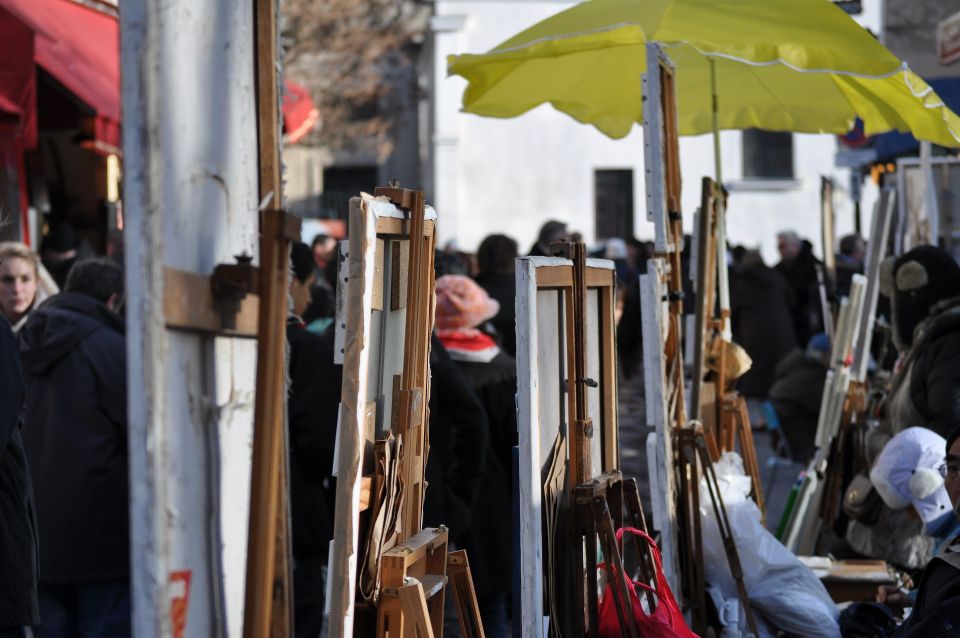
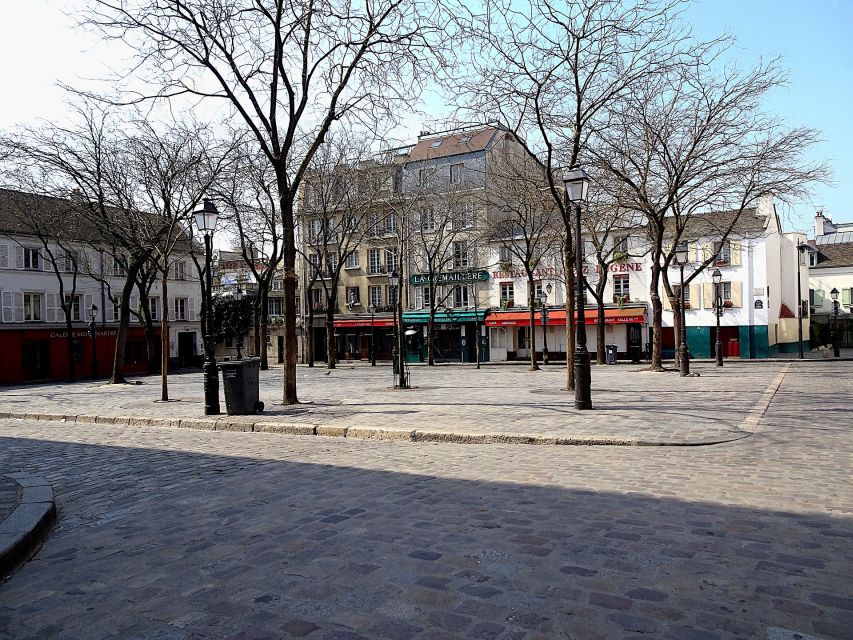
As you get higher, you’ll come to a famous square filled with outdoor artists. Each painter and drawing artist creates original artwork for sale. This is your practical moment to buy a souvenir that’s actually made in front of you. If you’ve ever bought a generic print and regretted it, this stop is your chance to grab something one-of-a-kind.
You’ll also get a real sense of how Montmartre works today: an area that still invites making art in public, not just viewing it indoors. The atmosphere feels continuous—like the neighborhood never fully stopped being a creative stage.
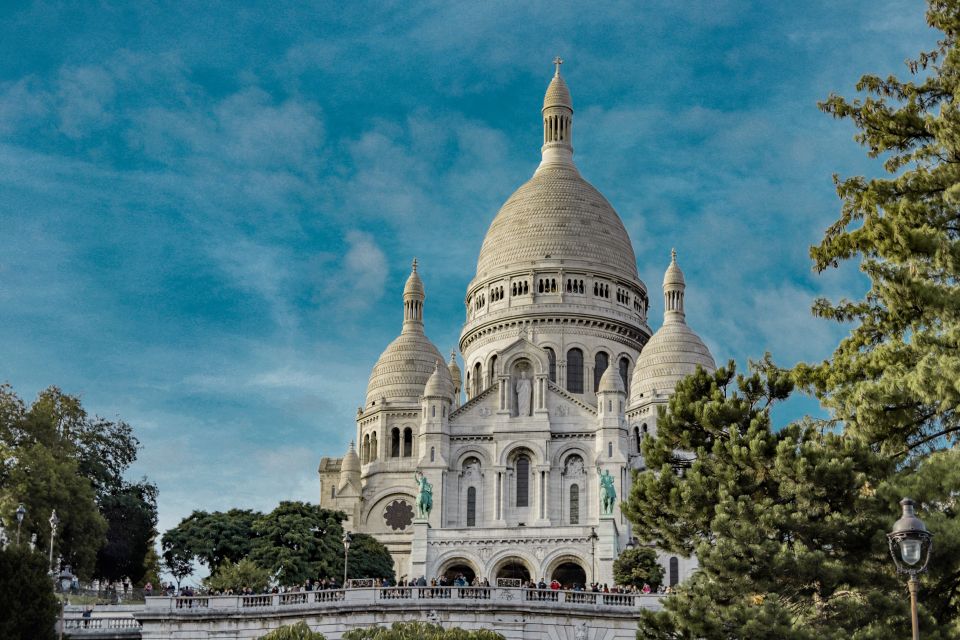
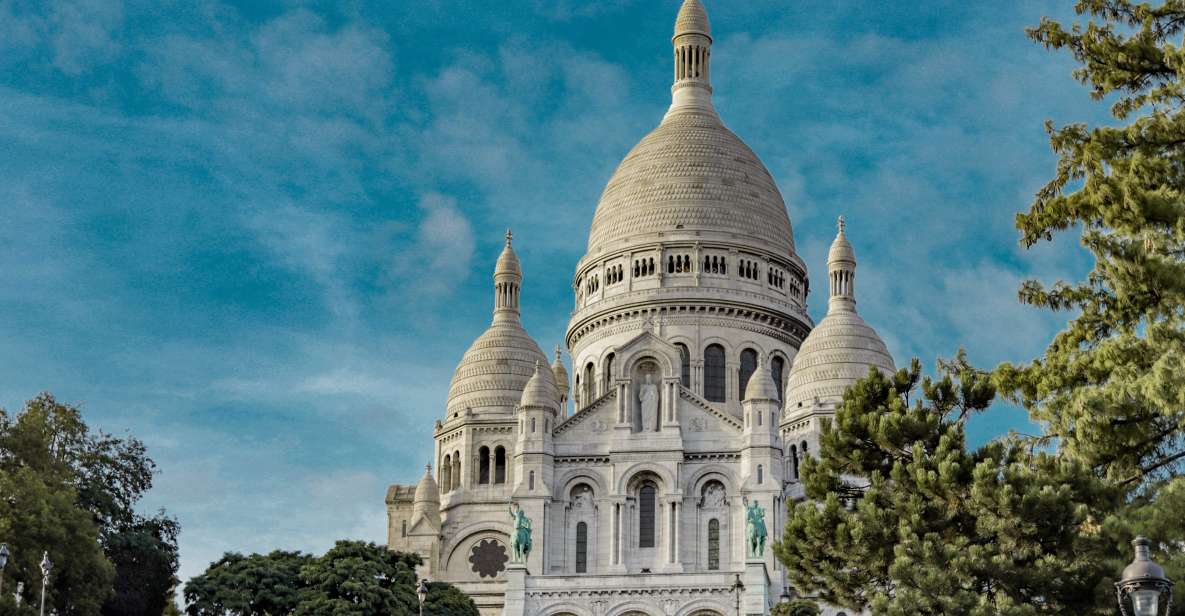
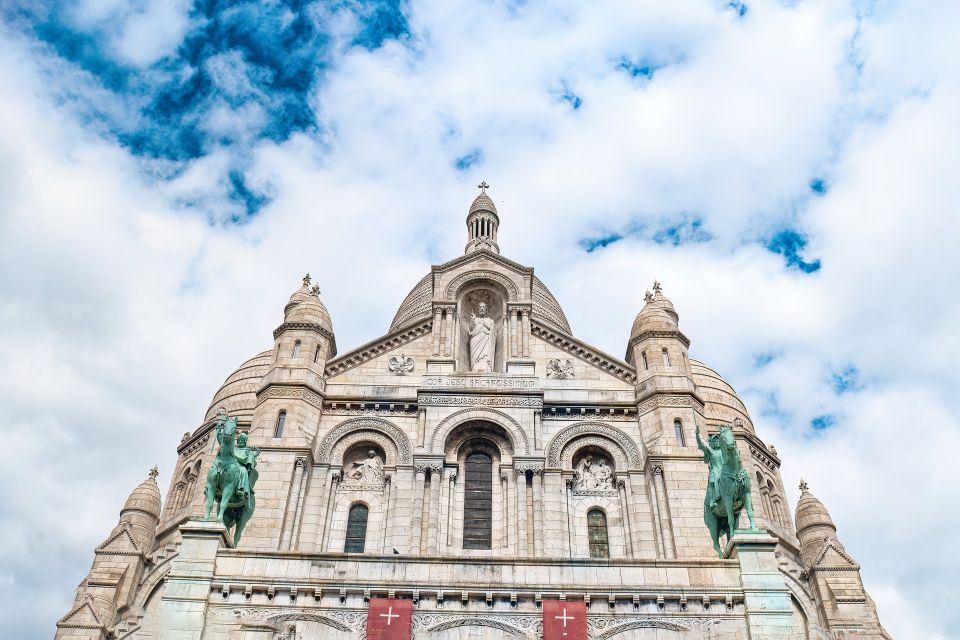
Finally, you’ll finish in front of the Sacré Coeur. It’s a shimmering example of Parisian fanciness sitting on the hill, and the payoff is the panoramic view of the city below. This is the moment you’ll likely pause longer than expected. The views aren’t just pretty; they make the climb feel meaningful. You can trace the logic of the neighborhood: hill, squares, winding streets, and the sense that you’re looking down from a creative perch.
Photo tip: the view at Sacré Coeur is where you’ll want to slow down. Take a few shots, then just stand for a minute. You’ll get more from it than from trying to rush every angle.
Price and value: what $57 gets you in 2 hours
At about $57 per person for a 2-hour guided walk, this is a mid-range price for a city neighborhood tour. The value comes from what’s included: major legendary sights like Sacré Coeur, Moulin Rouge, Picasso’s studio, and the Maison Rose, plus the guided narrative that stitches it together.
What you’re really paying for is interpretation. You’re not just moving from one photo stop to the next. Your guide connects the stories of famous artists and nightlife to the exact places where those ideas took shape. That’s the difference between “I saw buildings” and “I understand why these corners matter.”
Two other details make the cost feel more reasonable:
- You’re walking through a dense area where the landmarks would be hard to connect without help.
- The tour includes plenty of stops and context, not a quick pass-through.
What’s not included is food and drinks, so you’ll want to plan your meal schedule separately. Also, there’s no hotel pickup, which is normal for this kind of walking tour but helps you set expectations.
A nice real-world hint from one verified booking: on a rainy day, the group can be very small. If that happens to you, the guide’s explanations can land even better because you’re not competing with a large crowd’s attention.
What the tour is really like on the ground
This walk is designed for people who want a guided flow through Montmartre’s key zones. It mixes landmark time with story time. One stop feels like a scene, the next feels like a clue to understanding the neighborhood.
You’ll move through:
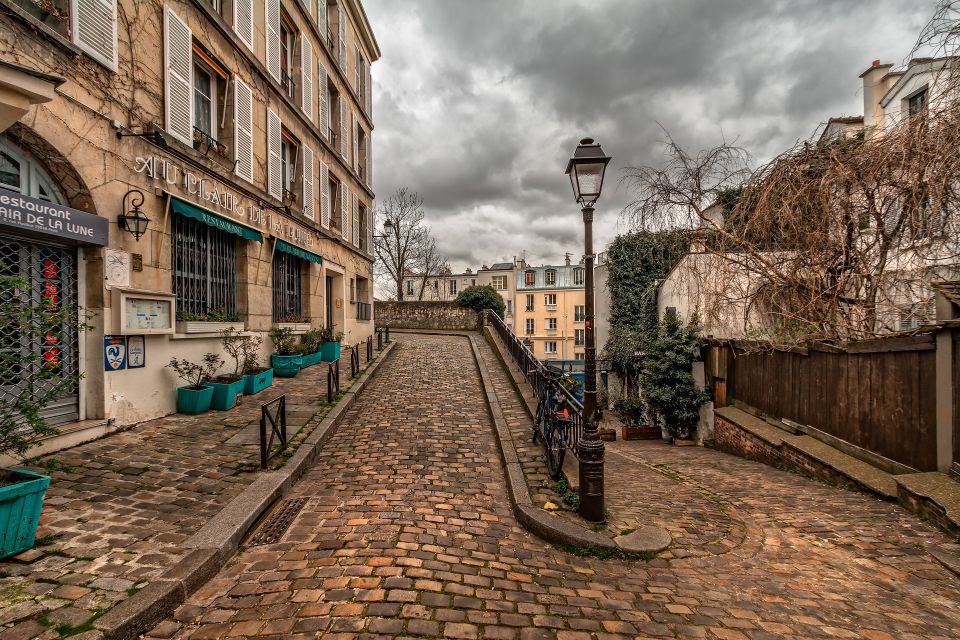
- Cobblestone streets and leafy public squares, which keeps it charming and not only stair-heavy
- Art-focused moments tied to Picasso, Van Gogh, Renoir, and Toulouse-Lautrec
- Bohemian nightlife energy, starting at Moulin Rouge and continuing through cabaret and guinguette themes
- Practical variety, like the vineyard and the outdoor artist square, so the tour doesn’t feel repetitive
Weather is “rain or shine” unless it’s really pouring rain. That matters because Montmartre sidewalks can get slick. Bring shoes that handle wet stone, and consider wearing a rain layer you can move in.
Who should book this Montmartre walk, and who might skip it
I think this is a great fit if you:
- Want Montmartre in a tight time window (2 hours is manageable)
- Like art stories that connect to real streets
- Enjoy iconic Paris views and want the hill climb to feel rewarding, not random
- Prefer an English guide with a walking route that hits multiple big names
I’d think twice if you:
- Struggle with stairs and slopes. The tour is physically moderate, and you should plan for climbing.
- Need a low-walking itinerary. This is a walking tour, not a sit-and-stroll.
- Only want museums or indoor stops. This is outside, focused on streets, squares, and landmarks.
If you’re in Paris for the first time and you’re trying to understand how neighborhoods turn into legends, this helps you connect the dots fast.
Should you book Paris: Charms of Montmartre Guided Walking Tour?
Book it if you want a guided Montmartre route that explains why Picasso, Van Gogh, Renoir, and Toulouse-Lautrec belong here—plus you want the famous view from Sacré Coeur at the end. The price makes sense for the amount of landmark coverage and the storytelling value you get in just 2 hours.
Skip it only if the hill climb is a dealbreaker for you. Otherwise, bring comfortable shoes, expect rain or shine, and treat the tour like an art walk with a strong sense of place. You’ll leave with more than photos—you’ll have a mental map of Montmartre’s creative life.
FAQ
Where is the meeting point?
Meet your guide in front of the Moulin Rouge. They will be wearing a badge. If city works prevent meeting at the Moulin Rouge, the meeting point may be moved to the square facing the Moulin Rouge.
How long is the tour?
The tour lasts 2 hours.
Is the tour guided in English?
Yes, the tour has a live guide in English.
What should I bring?
Bring comfortable shoes, since the route includes stairs and slopes.
Is the tour affected by bad weather?
The tour runs rain or shine unless it is really pouring rain.
Are food and drinks included?
No, food and drinks are not included.
What’s included in the sightseeing?
The tour includes sights such as Sacré Coeur, Moulin Rouge, Picasso’s studio, and the Maison Rose, along with stories about Montmartre’s bohemian side.
What cancellation options do I have?
There is free cancellation up to 24 hours in advance for a full refund. Reserve now & pay later is also available.