REVIEW · PARIS
Paris: Graffiti on Canvas Workshop at an Art Studio
Book on GetYourGuide →Operated by Graffiti Paris · Bookable on GetYourGuide
Spray paint in Paris feels strangely calming.
This graffiti-on-canvas workshop in the 14th arrondissement turns that street energy into something you can actually create, guided step by step by a real street artist. I like that you start with a concept and end with a finished canvas souvenir, so it’s not just watching paint happen. You’ll work in a studio with a black storefront, and you leave with a piece of your own Paris story.
Two things I really like: the hands-on street-artist coaching (not vague tips) and the chance to learn stenciling and lettering techniques you can use again later. The instructor sets up an individual model for each participant based on the session theme, which helps if you’re not sure where to begin.
One drawback to keep in mind: 2 hours goes fast, especially if you show up with a complicated idea. If you don’t have a simple plan—like a single word and a color direction—you may feel rushed and compromise your design.
In This Review
- Key things you’ll notice right away
- Where to meet: Graffiti Paris Atelier in the 14th
- The 2-hour flow: brainstorm, techniques, and a finished canvas
- The street-artist coaching that actually helps
- Stenciling and lettering: how you build a graffiti look fast
- Spray painting on canvas: feel the real process
- Drinks and comfort: small details that keep it fun
- Price and value: is $70 for two hours worth it?
- Who this workshop suits best (and who should skip it)
- Should you book this Paris graffiti workshop?
- FAQ
- FAQ
- How long is the Paris graffiti workshop?
- Where do I meet the instructor?
- What’s included in the price?
- What techniques will I learn?
- What languages are available during the workshop?
- Is it suitable for children or wheelchair users?
Key things you’ll notice right away
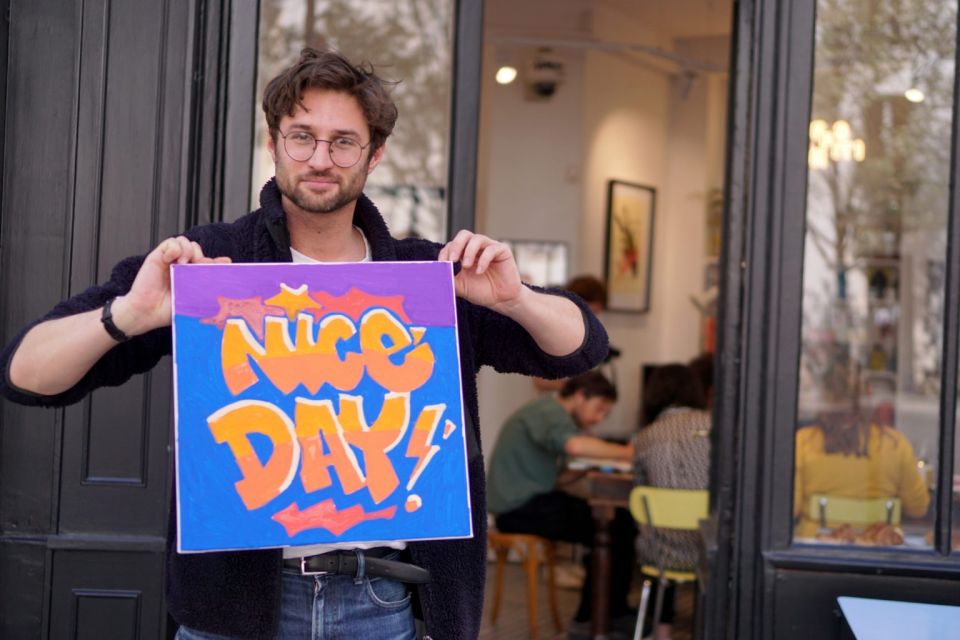
- A black-storefront studio meetup in the 14th arrondissement makes it easy to find once you’re there
- Individual models based on the session theme help you turn your idea into a canvas layout
- Stenciling, lettering, painting, and spray painting are all part of the practical workflow
- Your own canvas to take home means the effort becomes a real souvenir, not just photos
- Coffee, tea, and water (plus soft drinks) keep the vibe relaxed during the workshop
Where to meet: Graffiti Paris Atelier in the 14th
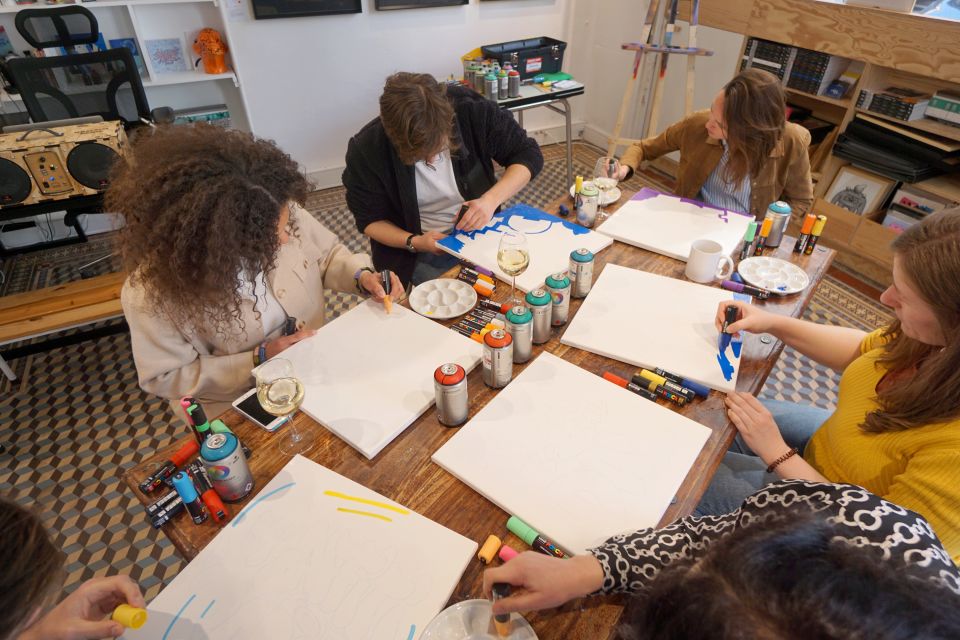
This workshop meets in front of Graffiti Paris Atelier. Look for the black storefront—it’s your visual cue that you’re in the right spot. It’s in Paris’s 14th arrondissement, a good area for a short experience like this because you can pair it with an easy afternoon or evening plan before or after.
No hotel pickup is included, so you’ll want to plan your own way there. The upside is you stay in control of your schedule, and you don’t have to wait on a shared transport route. If you like showing up calmly (and not sprinting through Paris streets), build in a little extra time to find the door and get settled.
You can also read our reviews of more tours and experiences in Paris



The 2-hour flow: brainstorm, techniques, and a finished canvas
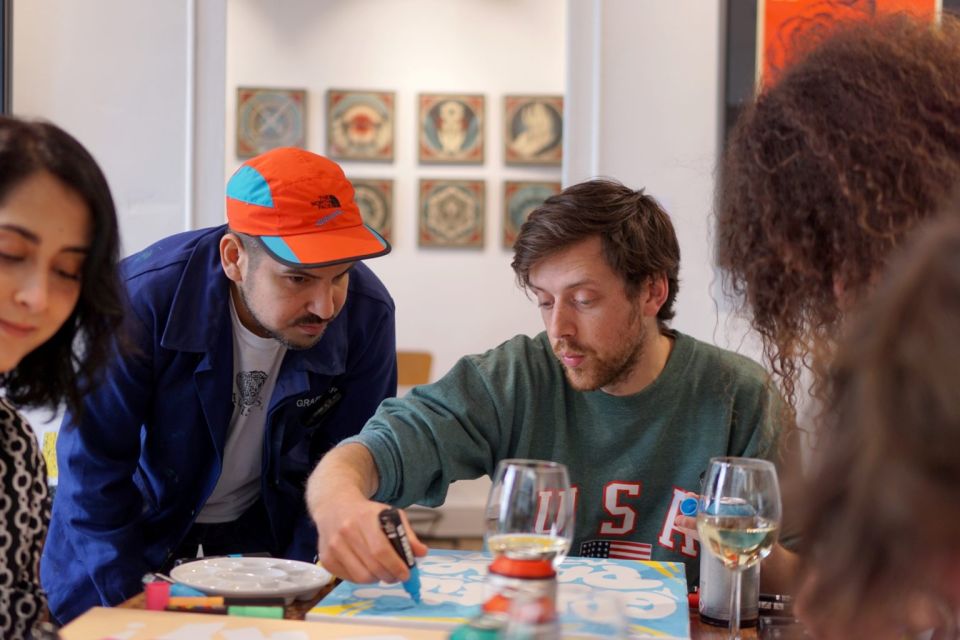
The session runs for about 2 hours, and it’s built around one clear goal: you create a graffiti-style design on canvas with guidance from a street artist. The timing matters because it shapes how you approach your ideas. Think of this as an active making session, not a leisurely art museum stroll.
Here’s the practical rhythm:
1) Meet the street artist at their gallery/studio space
You’ll meet the artist and get a feel for their approach. The instructor prepares an individual model for each participant based on the theme for the day. This is a big help if you’re not confident drawing or if you’re new to graffiti lettering.
2) Brainstorm first, then build
You’ll start with a quick concept phase—enough to get your design direction. After that, you move into learning techniques you’ll actually use on your canvas, instead of just hearing about them.
3) Learn the techniques you’ll apply immediately
You’ll cover stenciling, lettering, painting, and spray painting. The order is useful: it helps you build your design structure first (layout and lettering), then add color and texture with paint and spray.
4) Finish and take your canvas home
At the end, you walk away with the canvas you created. For many people, this is the best part: it turns a “do something fun in Paris” day into a physical souvenir you can display.
Because everything happens inside a tight timeframe, the studio pace is intentional. You’ll get direction, but you also need to be ready to make decisions. That’s where the workshop becomes more fun and less stressful.
The street-artist coaching that actually helps
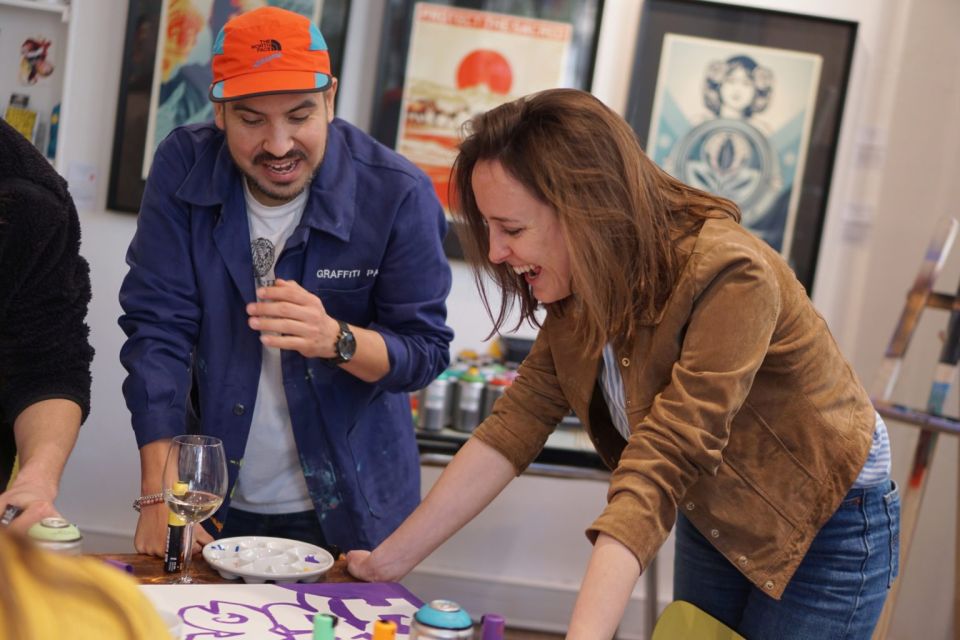
A lot of creative classes promise inspiration. This one focuses on technique and results. You’ll be working with a street artist instructor, and the guidance is practical—how to shape lettering, how to use stencils, and how to translate the look of street art into something that lands on canvas.
One thing I appreciate is the way the instructor supports beginners without taking over your design. Since you get an individual model aligned with the session theme, you’re not staring at a blank canvas wondering where to start. That means you spend your limited time creating, not stuck in “what should I do?” mode.
If you’re the type who likes structure, you’ll probably feel more confident as the session moves. If you’re more free-form, you’ll still have room to add your own twist—color choices and lettering style are usually the areas where personal taste shows up fast.
Stenciling and lettering: how you build a graffiti look fast
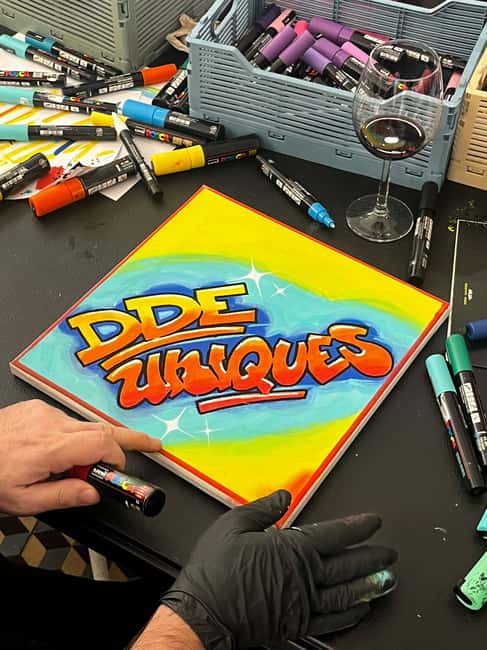
This workshop isn’t just about holding spray cans. You learn stenciling and lettering techniques, and that’s the heart of why your finished canvas looks like graffiti rather than just decorated paint.
Stenciling helps with clean shapes and quick repetition. Lettering is what gives graffiti its personality—those angled edges, the rhythm of lines, and the way a word becomes a design. Even if your handwriting isn’t great, you’re building from the artist’s model and technique instructions, so you can focus on style rather than starting from scratch.
Here’s the smartest way to think about it before you go: graffiti lettering looks best when your concept is simple. In a session like this, the fastest path to a satisfying outcome is usually:
- a single word or very short phrase
- 2–3 color directions you already like
- a rough idea of how you want it to feel (clean, bold, playful, dramatic)
If you show up with a giant multi-element scene, you might run out of time. The class moves quickly, and when time is tight, it’s better to nail the core lettering and composition.
Spray painting on canvas: feel the real process
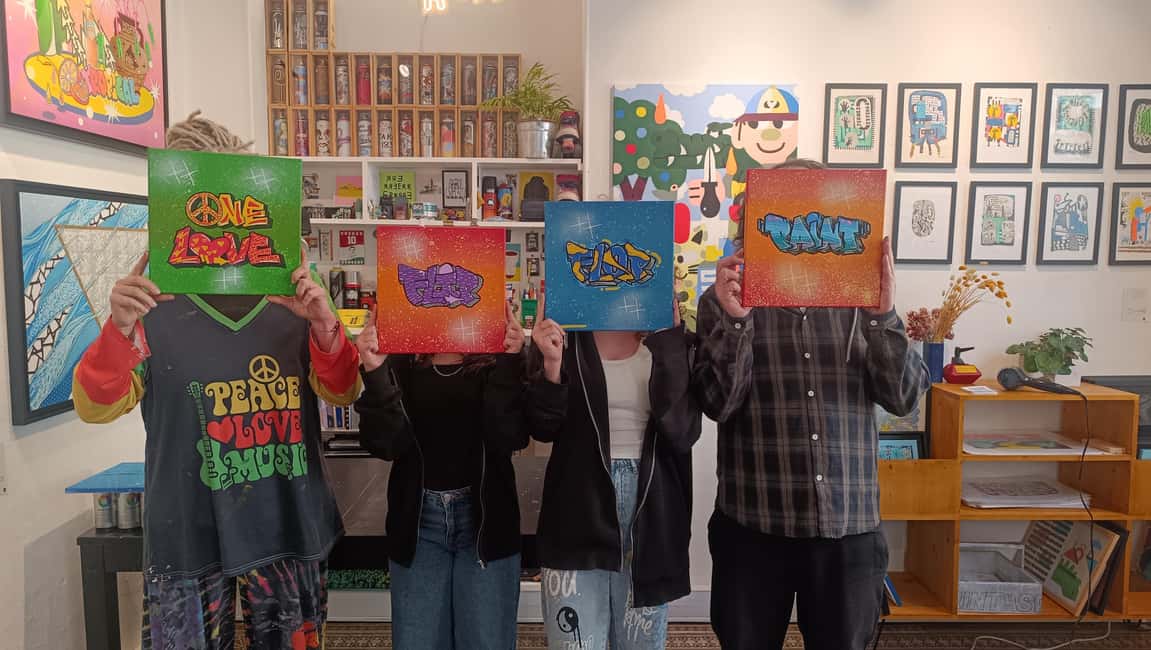
Once you’re set with your layout, you get to the part people talk about: spray painting your design on canvas. It’s one thing to see graffiti in the street. It’s another to handle the process yourself—controlling how the paint lays down, how lines look from a distance, and how color layers build.
Spray painting in a workshop setting also means you’re not working blind. The instructor is there to guide your technique so you get a recognizable result within the 2-hour window. You’ll learn enough to make your canvas look intentional, not accidental.
One practical note: spray time rewards preparation. If you already decided on your word and colors, you’ll enjoy the spray-paint phase more because you’re executing, not debating. And because you’re making a souvenir you’ll take home, the pressure stays friendly rather than stressful—your work is supported.





Drinks and comfort: small details that keep it fun
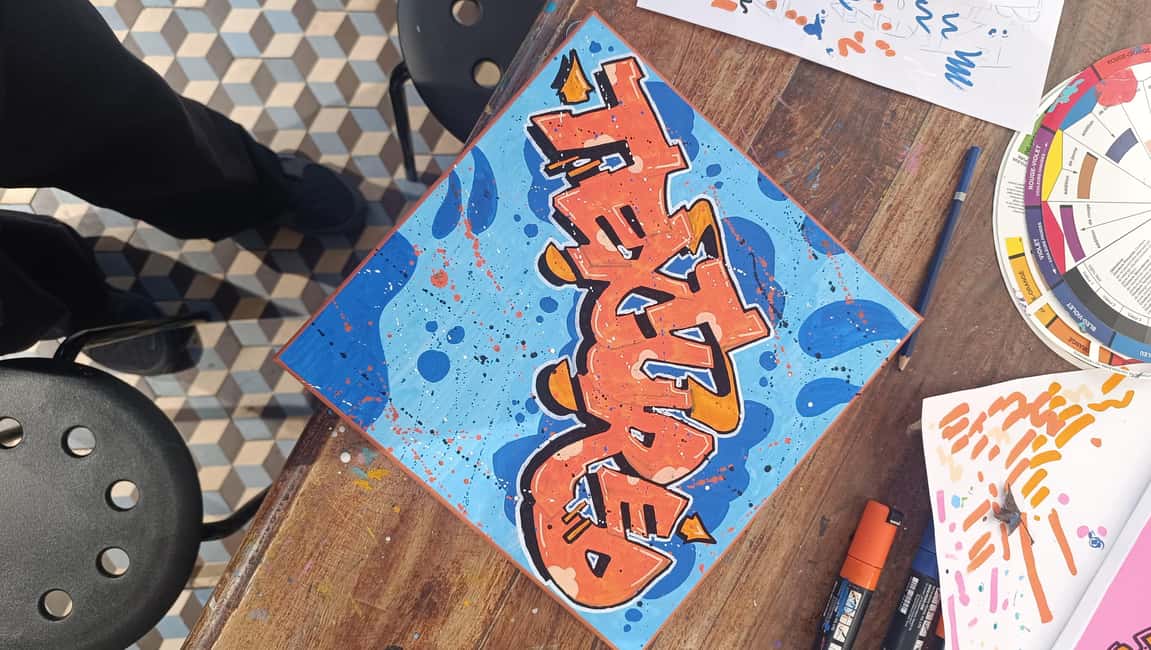
You get coffee, tea, and water, plus soft drinks are included as part of the workshop experience. It sounds small, but it matters in a hands-on class. You’ll be focused, moving around, and spending a couple hours making decisions. Having drinks ready helps the session feel relaxed instead of rushed.
The studio atmosphere also makes it feel social and welcoming. You’re not just walking into a room for a demonstration—you’re actively producing something, and that turns the energy into a positive, practical buzz.
Price and value: is $70 for two hours worth it?
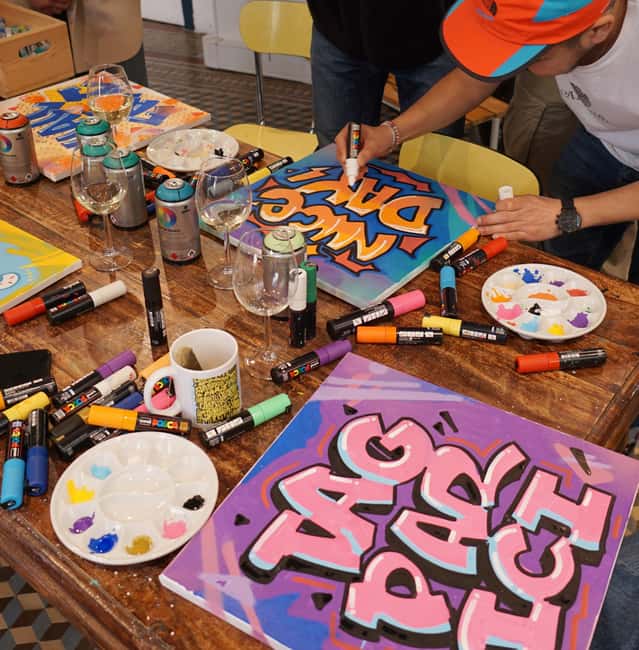
At $70 per person, you’re paying for more than “a fun activity.” You’re paying for:
- a street artist instructor (the technique and model matter)
- all materials
- drinks like coffee, tea, water, and soft drinks
- a finished canvas you take home
In Paris, a two-hour guided creative workshop often costs similarly, but what makes this one feel like good value is the all-in approach. You’re not expected to hunt down supplies, and you’re not leaving with just a lesson. You leave with a tangible piece of artwork.
Also, the individualized model reduces the biggest beginner risk: wasting time. If you’re new to graffiti, that alone can be the difference between leaving with something you’re proud to hang and leaving with something you wish you’d started differently.
So yes, $70 is a real price. But when the class includes materials, drinks, and results in a take-home canvas, it’s the kind of value that feels fair.
Who this workshop suits best (and who should skip it)
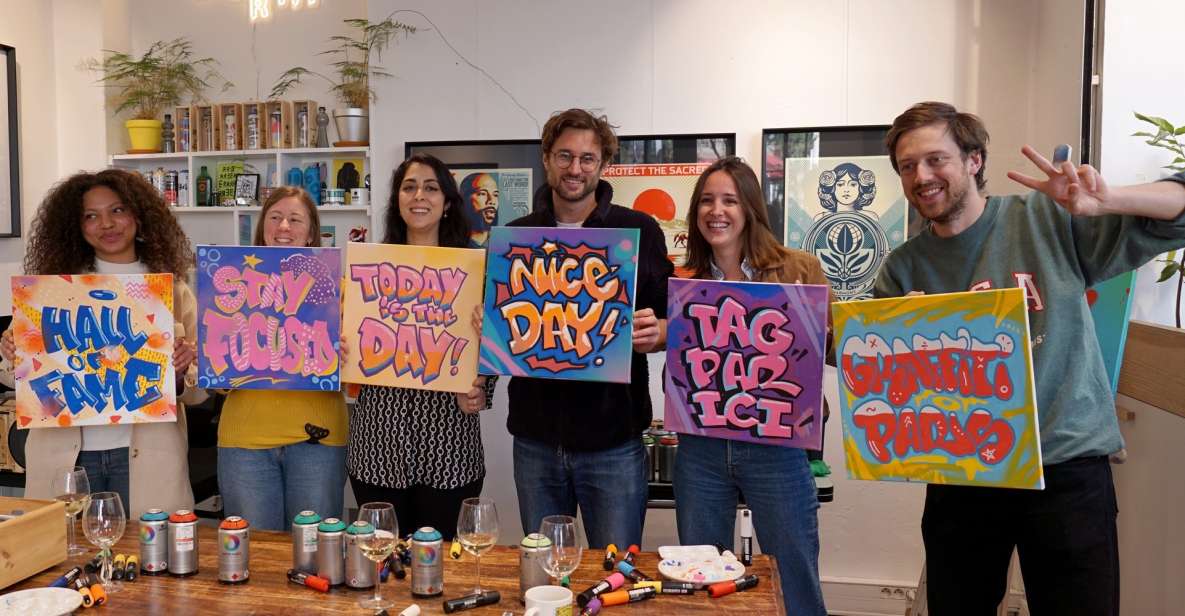
This is a great fit if you want a hands-on Paris experience that isn’t just sightseeing. You don’t need to be an artist. You do need to be willing to make choices and try.
Best match:
- first-timers who want street-art techniques with guidance
- people who enjoy lettering, design, or anything visual
- anyone who wants a real souvenir to take home
Not the best match:
- if you want a slow, contemplative class, this isn’t it
- if you’re traveling with a child under 10, the workshop isn’t suitable
- if you show up with a complex idea, the 2-hour limit can push you into compromises
Accessibility note: it’s wheelchair accessible, which is a strong plus for travelers planning creative activities without hassle.
Should you book this Paris graffiti workshop?
If you want a fun, guided creative class in Paris’s 14th arrondissement, I’d book it. The biggest reason is simple: you leave with a finished canvas, and the instructor support (including an individualized model) makes it realistic to produce something satisfying even if you’re starting from zero.
Book it now if you can show up with a straightforward concept—think a single word and your color direction. If that’s how you travel, you’ll likely get the most out of the spray-paint experience.
Skip it if you’re hoping for a long, unstructured artistic session. This is technique-driven and time-limited, so it rewards preparation and focus.
FAQ
FAQ
How long is the Paris graffiti workshop?
The workshop lasts 2 hours.
Where do I meet the instructor?
Meet in front of Graffiti Paris Atelier, at the studio with a black storefront.
What’s included in the price?
The price includes a street artist instructor, all materials, and drinks such as coffee, tea, and water (soft drinks are included as part of the workshop).
What techniques will I learn?
You’ll learn graffiti techniques including stenciling, lettering, painting, and spray painting.
What languages are available during the workshop?
The instructor offers English and French.
Is it suitable for children or wheelchair users?
The workshop is wheelchair accessible, but it’s not suitable for children under 10.