REVIEW · PARIS
Paris: Illuminated Walking Tour
Book on GetYourGuide →Operated by Paseando por Europa · Bookable on GetYourGuide
Paris at dusk feels staged, but it isn’t. This illuminated walking tour strings together the City of Lights at night, with an optional Seine boat ride to finish the story.
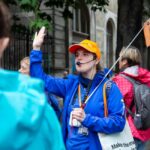
I love the mix of short walking stretches and stops for photos, so the evening doesn’t turn into one long slog. I also love the guide energy I’ve seen firsthand from guides like Maria or Marisela, who manage the group well, bring clear explanations, and add humor.
One catch: entrances aren’t included, so you’re mostly looking at the monuments from the outside (great for photos, less great if you want to go inside).
In This Review
- Key Highlights Worth Your Evening
- Paris at Dusk: Why This Walk Feels Like the Real Paris
- Price and Value: What $14 Really Buys You
- Meeting Up: Where You Start and Why It Matters
- The Opéra Garnier to La Madeleine Opening: Where the Story Begins
- Place de la Concorde and the Champs-Élysées at Night
- Grand Palais, Petit Palais, and the Bridge Connections
- Les Invalides: Napoleon’s Shadow in Evening Light
- Ending at Soul Bridge: The Perfect “Wrap It Up” Moment
- Optional Seine Cruise: Make It One Complete Paris Night
- Tour Guide Quality: What the Reviews’ Themes Tell You
- Practical Tips for the Best Evening Photos
- Who Should Book This Tour (and Who Might Not)
- Should You Add the Seine Cruise?
- Final Verdict: Book It If You Want Night Paris With Context
- FAQ
- How long is the Paris Illuminated Walking Tour?
- Where does the tour start?
- What monuments and areas do we see on the walk?
- Is entrance to the monuments included?
- What is included in the tour price?
- Is a Seine boat trip included?
- Does the Seine cruise have a covered option?
- What languages are the guides?
- What should I bring?
- Is the tour wheelchair accessible?
- What is the cancellation policy?
Key Highlights Worth Your Evening
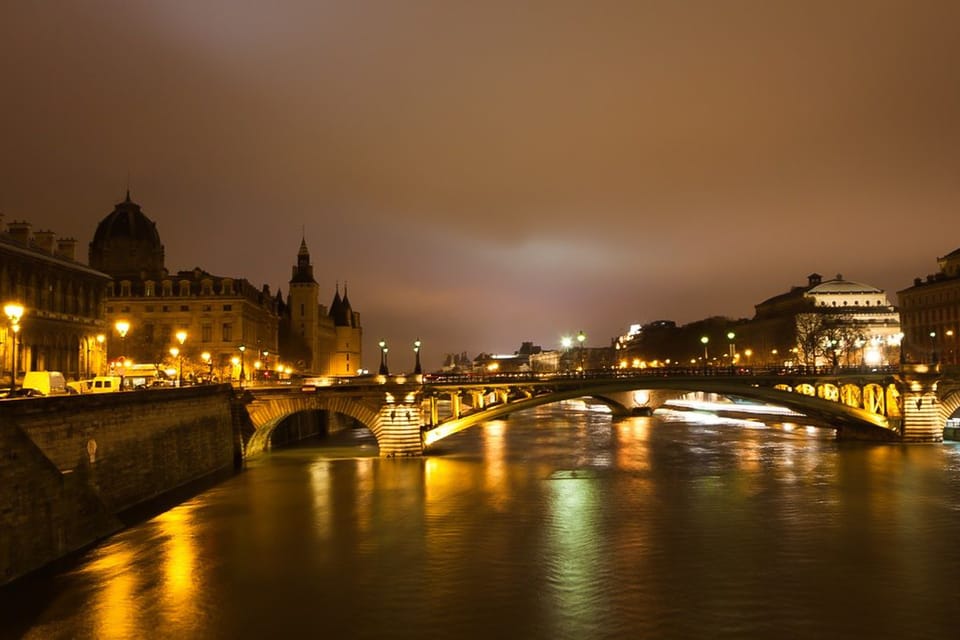
- Dusk lighting focus on the big landmarks, when Paris looks its most dramatic
- Opera Garnier start, with quick orientation where the action is
- Classic photo stops at Madeleine, Concorde, the Champs-Élysées, and more
- Elegant bridges and ceremonial Paris via Pont Alexandre III
- Invalides as a history anchor, tied to Napoleon’s remains
- Optional Seine cruise, including both covered and uncovered choices
Paris at Dusk: Why This Walk Feels Like the Real Paris
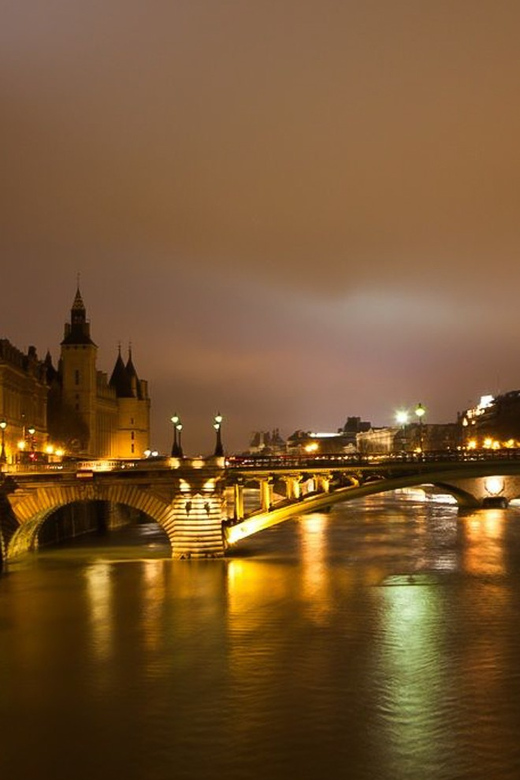
Paris is called the City of Lights for street lighting, yes, but at dusk it’s the visual side that wins your attention. That glow bounces off stone, domes, and façades, and suddenly “important monuments” turn into recognizable shapes you’ll remember later. Even if you’ve seen photos before, this is the moment when the details pop: contrast, symmetry, and those cinematic night angles.
The best part is the format. In 2–3 hours, you move through a sensible stretch of central Paris at an evening pace. You’re not stuck in traffic, and you’re not doing a “tour of facts” where you’re too tired to notice what’s in front of you. The walk is built for seeing Paris when it’s dressed up, not when it’s just… there.
If you add the Seine boat trip, your day ends the way Paris often feels meant to end: slow water, glowing banks, and views that don’t work from the street.
You can also read our reviews of more walking tours in Paris

Price and Value: What $14 Really Buys You
At about $14 per person, the value is strong for one simple reason: you’re paying for an official guide and a time-saving route through the most photogenic sights at the right hour. You’re not paying for monument tickets, transportation, or extra frills—so don’t expect this to replace a museum day.
That said, the tour still works as a smart “evening foundation.” It helps you understand what you’re looking at while you’re in the area, which means your future independent walks will make more sense. You’ll also know where to stand for photos, since the stops are timed for viewing rather than just marching through.
Bottom line: this is a good deal if you want the look of Paris at night plus guided context, not if you’re expecting entrances or an all-in-one entertainment package.
Meeting Up: Where You Start and Why It Matters
You start near Opéra Garnier. There are two starting location options listed, one at LOOKEVEN by 10 Pl. de l’Opéra, and the other at Palais Garnier itself. Meeting point can vary based on what you book, so check your exact confirmation before heading out.
Why it matters? Opéra Garnier is a helpful anchor. It sits right where you can fan out toward major central sights. Starting there also means the early part of the walk is already filled with architectural drama, so you’re not waiting around for the “good stuff” to begin.
Wear your walking shoes. This is a true walking tour, and in evening Paris you’ll feel every uneven sidewalk and curb change more than you would in daylight.
The Opéra Garnier to La Madeleine Opening: Where the Story Begins
The first stop is Palais Garnier (Opera Garnier), where you get a photo stop and then a short guided visit (about 15 minutes). This is your orientation moment. Your guide sets up what you’re about to see, then you move on with a clearer mental map.
From there, you head to La Madeleine, an impressive church with a Roman-style feel. In dusk lighting, La Madeleine looks especially crisp—columns and geometry read clearly, and the stone takes on warm tones. You get another photo stop plus guided explanation (again about 15 minutes).
What I like about this opening stretch: it’s a mix of grand landmark and readable architecture. You’ll likely walk away thinking less like a tourist and more like someone who understands why these buildings look the way they do.
Place de la Concorde and the Champs-Élysées at Night
Next up is Place de la Concorde, followed by time around the Champs-Élysées. This is prime Paris symbolism. These are not small “pretty squares”—they’re ceremonial, major, and built for scale.
In real life, the Champs-Élysées can feel busy in daytime, but in evening light it shifts. The avenue becomes a long corridor of illumination, with landmark edges catching the glow. Even when traffic noise is present, the lighting and sightlines help you “see” the avenue’s role in the city’s plan.
You’ll also get guided context while you stand there, not just after you’ve walked away. That matters because it turns your photos into something more useful than a snapshot. You start noticing how views line up between buildings and how public space is designed to direct your attention.


Grand Palais, Petit Palais, and the Bridge Connections
The tour then moves toward the Grand Palais area, with photo stops and guided time (about 15 minutes). You’ll also hear the conversation around the surrounding complex—parts of it connect to other major sites in the same stretch.
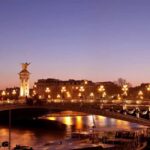
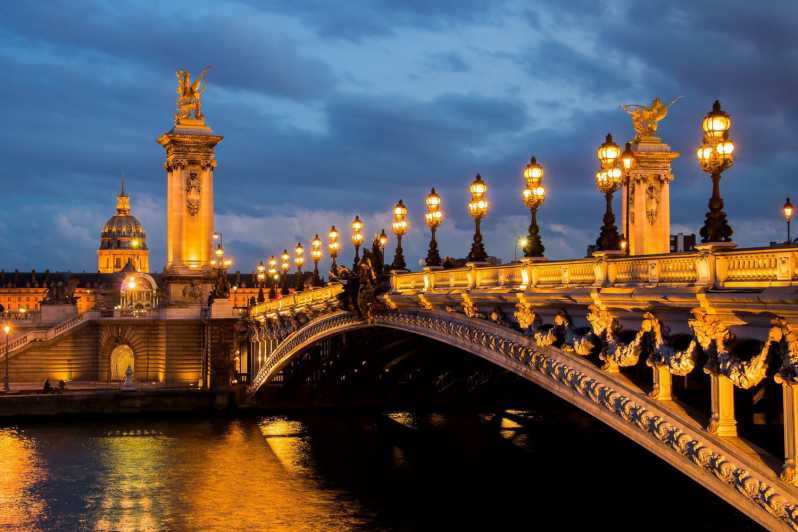
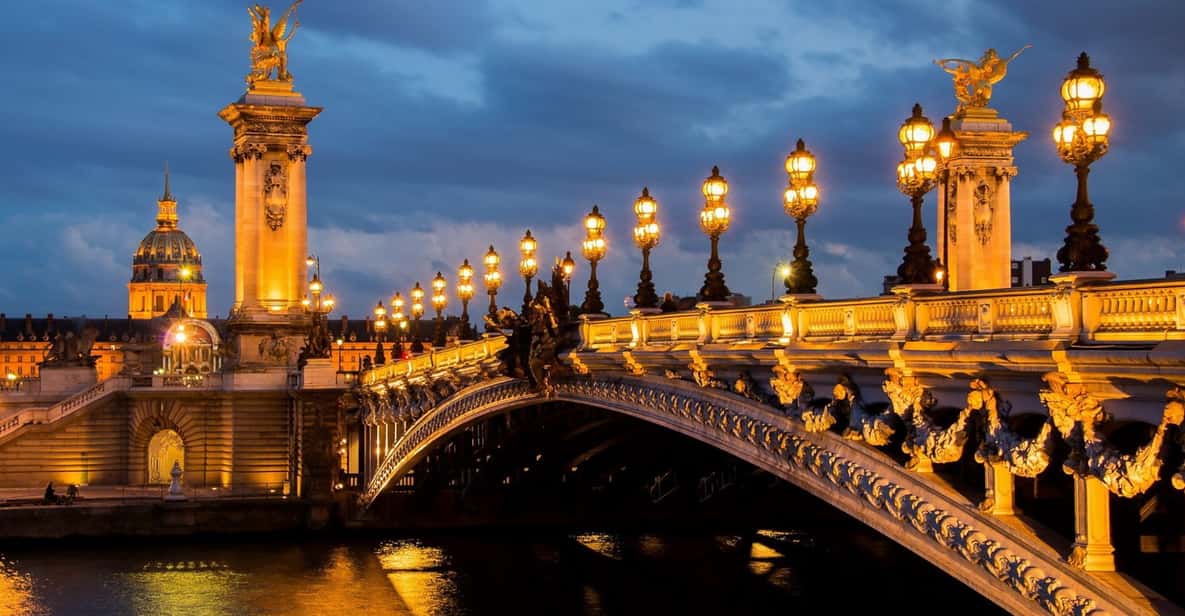
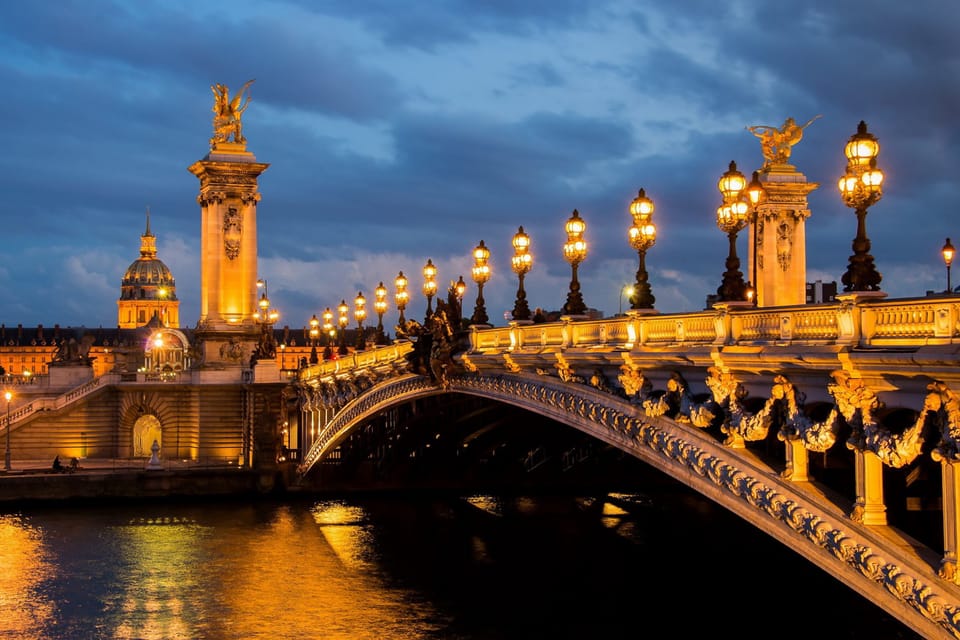
After that, you reach Pont Alexandre III, one of those bridges that looks like a monument even when you’re just passing over it. Guided time here is worth it because bridges are often about more than getting from A to B. The sculptures, the design choices, and the symbolism all become clearer when someone points out what you’re actually looking at.
This section is a strong example of why a guide helps. Without explanation, it’s easy to just “walk and photograph.” With explanation, you start recognizing motifs—why certain forms appear, and how the city shows prestige through public design.
Les Invalides: Napoleon’s Shadow in Evening Light
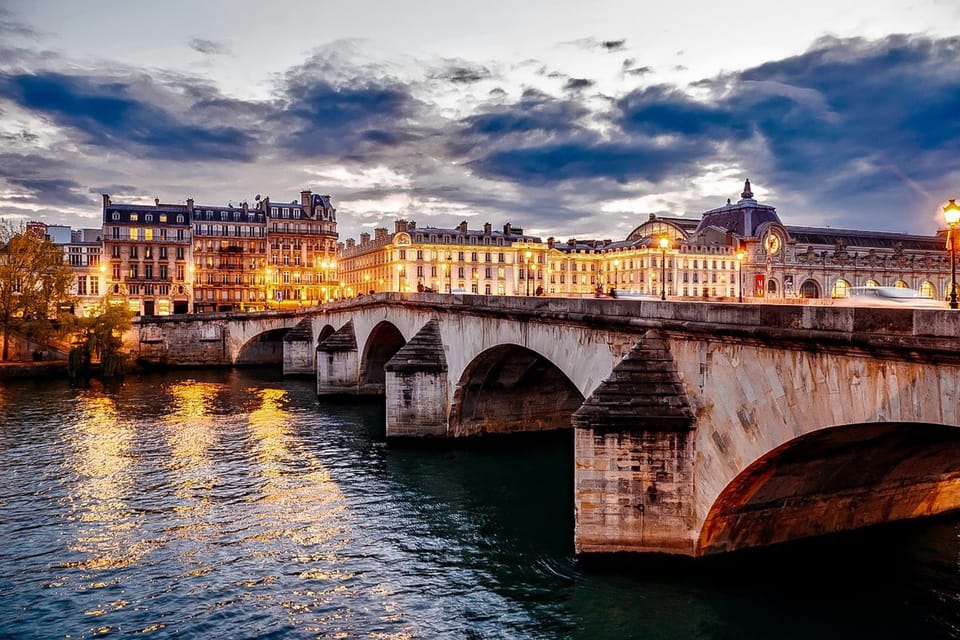
At Les Invalides, you get another photo stop plus guided tour time (about 15 minutes). This is a major pivot point on the walk because it connects the glowing “present Paris” to a specific, concrete historical anchor: the remains of Napoleon are associated with this site.
Even if you don’t go inside, the location lands differently at dusk. The exterior presence becomes more than decoration. It feels like a statement—one of those places where you can sense the weight of French history just by standing nearby.
If you’re the type who enjoys history but hates long museum schedules, this stop offers a good compromise. You get guided interpretation without needing entrance tickets.
Ending at Soul Bridge: The Perfect “Wrap It Up” Moment
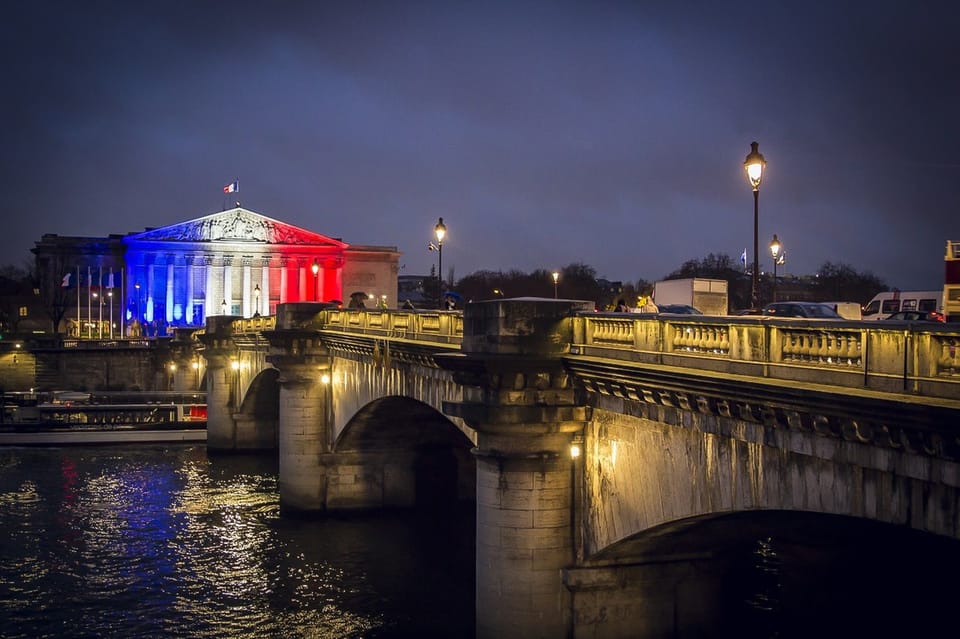
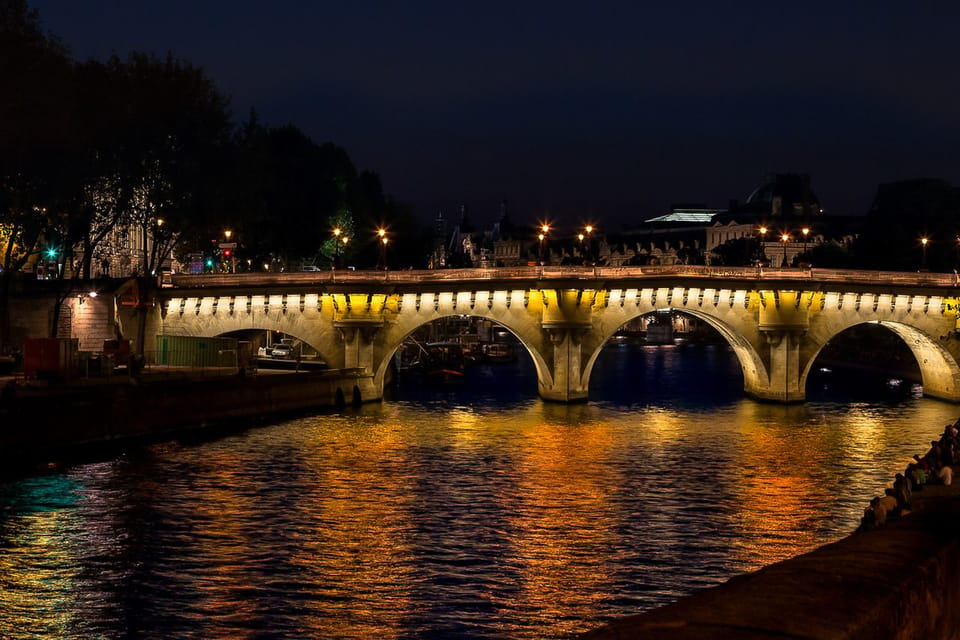
The walk ends at Soul Bridge, which crosses the Seine. Ending at the water is smart, because it naturally transitions you from “watching buildings” to “watching reflections.”
Even if you skip the Seine cruise, this is a good finish line. Bridges give you wide sight angles and a different sense of Paris than the street level view. If you’re adding the cruise, this ending sets you up for the best part of the evening.
Optional Seine Cruise: Make It One Complete Paris Night
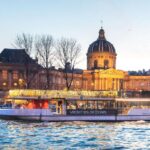
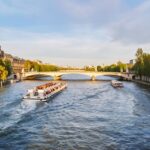
When you book with the boat option, the walking tour experience can continue with a Seine boat trip. The cruise is subject to availability after the tour, but if it can’t be done immediately, you’re offered the alternative to enjoy it at another time and day.
You can also choose between a covered and uncovered option. This is worth thinking about before you go. If you want photo angles and maximum open-air feeling, uncovered makes sense. If the weather looks risky, covered can save the evening mood.
Why the cruise is a good match here: the tour builds the “what am I looking at?” part. The Seine adds the “how does it all relate?” part. You’ll see how monuments sit along the river corridor and how the light changes when you’re moving rather than standing.
Tour Guide Quality: What the Reviews’ Themes Tell You
The strongest praise in the feedback centers on guide communication and personality. Guides such as Maria and Marisela come through as people who try hard to connect with the entire group, not just the loudest voices. You’ll also see emphasis on clear historical explanations and humor.
That matters more than it sounds. When you’re walking in low light, it’s easy to get spaced out. A guide who keeps the group together and explains what you’re seeing helps you catch the details even if you’re distracted by the scenery.
You’ll also be in good hands linguistically, since the tour runs with Spanish and English live guides.
Practical Tips for the Best Evening Photos
Here’s how to get the most out of this kind of tour—without slowing down everyone else.
- Bring comfortable shoes. You’ll want them for the full duration, not just the first hour.
- Have cash. It’s listed as what to bring, so I’d treat it as useful rather than optional.
- Plan for outside-only viewing. Since monument entrances aren’t included, your photos matter. Stand where the guide positions you for the best angle.
- Go for the right light. The tour is built around dusk. Don’t arrive too late thinking you’ll catch up on photos later.
If you’re traveling with kids or anyone who gets tired quickly, the 2–3 hour length is manageable. Just keep an eye on comfortable pacing, especially around busier streets like the Champs-Élysées area.
Who Should Book This Tour (and Who Might Not)
This tour is a great fit if you want:
- A guided evening route through major Paris monuments
- A low-stress way to see highlights without thinking through transit logistics
- Short guided explanations at each stop, rather than one long history lecture
- The option to add a Seine cruise for a complete night
You might think twice if you:
- Want museum-style access or interior visits (this tour does not include monument entrances)
- Prefer long, unscheduled wandering time with no structure at all
Should You Add the Seine Cruise?
If you can, I’d treat the Seine cruise as the natural “plus.” The walking tour sets up the monuments; the boat trip changes how you experience them. Also, because the cruise has covered and uncovered options, you can match it to weather and comfort.
Just know the cruise is subject to availability after the tour. The good news is you won’t be left empty-handed—you can typically use the option at another time if it can’t be done right then.
Final Verdict: Book It If You Want Night Paris With Context
If your goal is to see Paris lit up with a guide explaining what you’re standing in front of, this is a smart way to spend your evening. The $14 price is hard to beat for an official guide route centered on dusk viewing, and the ending at Soul Bridge sets you up nicely for the Seine.
My advice: book it if you want the City of Lights feel without the hassle of figuring out where to stand and what to look for first. Skip it only if you’re mainly seeking monument interiors or you don’t want any guided structure at all.
FAQ
How long is the Paris Illuminated Walking Tour?
It runs for 2 to 3 hours.
Where does the tour start?
It starts near Opéra Garnier. The exact meeting point can vary depending on the option booked, including options around LOOKEVEN, 10 Pl. de l’Opéra or Palais Garnier.
What monuments and areas do we see on the walk?
You pass by and stop near Opéra Garnier, La Madeleine, Place de la Concorde, the Champs-Élysées, the Grand Palais, Pont Alexandre III, Les Invalides, and the walk ends at Soul Bridge.
Is entrance to the monuments included?
No. The tour does not include entrance to monuments.
What is included in the tour price?
The tour includes an official live guide.
Is a Seine boat trip included?
A Seine boat trip is optional. It can be added when booking.
Does the Seine cruise have a covered option?
Yes. The Seine cruise has both covered and uncovered options.
What languages are the guides?
The tour offers live guides in Spanish and English.
What should I bring?
Bring comfortable shoes and cash.
Is the tour wheelchair accessible?
Yes, it is listed as wheelchair accessible.
What is the cancellation policy?
You can cancel up to 24 hours in advance for a full refund.