REVIEW · PARIS
Paris: Jewish Quarter & Museum of the Art and History Tour
Book on GetYourGuide →Operated by Lille Local Tours · Bookable on GetYourGuide
Paris hides Jewish Paris in plain sight. I love the focus on Jewish Quarter history with a Jewish History Expert Guide, and I love that the longer options include skip-the-line museum access. The only real catch is timing: reserved entry means you should arrive on time and re-check your email the day before.
You’ll connect the dots between old expulsions, emancipation, and the WWII deportations, all while staying in central spots like Le Marais and Île de la Cité. If you’re tight on time, the shortest route keeps things efficient; if you want more context and artifacts, the museum upgrade is the bigger payoff.
In This Review
- Key Things I’d Watch For
- Jewish Paris in Le Marais: what the route is really about
- Meeting Point and how to avoid the “wrong spot” problem
- The 2-hour tour: from Hôtel de Ville to Île de la Cité
- Hôtel de Ville area: expulsions and emancipation, in a nutshell
- Île de la Cité and the Deportation Martyrs Memorial
- Le Marais walk: synagogues, community places, and the everyday story
- Agoudas Hakehilos Synagogue: early-1900s roots
- Synagogue des Tournelles near Place des Vosges
- Museum of Jewish Art and History: the payoff in the 4-hour and 5.5-hour options
- Outside first: Alfred Dreyfus and a public memory anchor
- Inside the museum: artifacts, archives, and major artists
- The practical takeaway
- 5.5-hour option: why private car transfer can change everything
- Price and value: is $200 per person a good deal?
- Languages, accessibility, and who this works for
- Quick practical tips before you go
- Should you book this Paris Jewish Quarter and Museum tour?
- FAQ
- FAQ
- What’s the meeting point for the tour?
- Where does the tour end?
- How long is the tour?
- Does the 2-hour tour include the Museum of the Art and History of Judaism?
- Do I need to worry about reserved entry times?
- Are there pickup and drop-off options?
- What languages are offered?
- Is the tour wheelchair accessible?
- Is the group private?
Key Things I’d Watch For

- Expert guide + private group: You get a real human who can explain what you’re seeing, not just point at it.
- Le Marais street-level Jewish life: Shops, bookshops, and kosher spots are part of the story here.
- Holocaust memory at the Deportation Martyrs Memorial: It’s emotional, but it’s also explained clearly.
- Museum skip-the-line (4-hour and 5.5-hour options): You’ll spend your time inside, not in a queue.
- Two different tour depths: The 2-hour option is tight; the 4-hour and 5.5-hour options are more complete.
Jewish Paris in Le Marais: what the route is really about
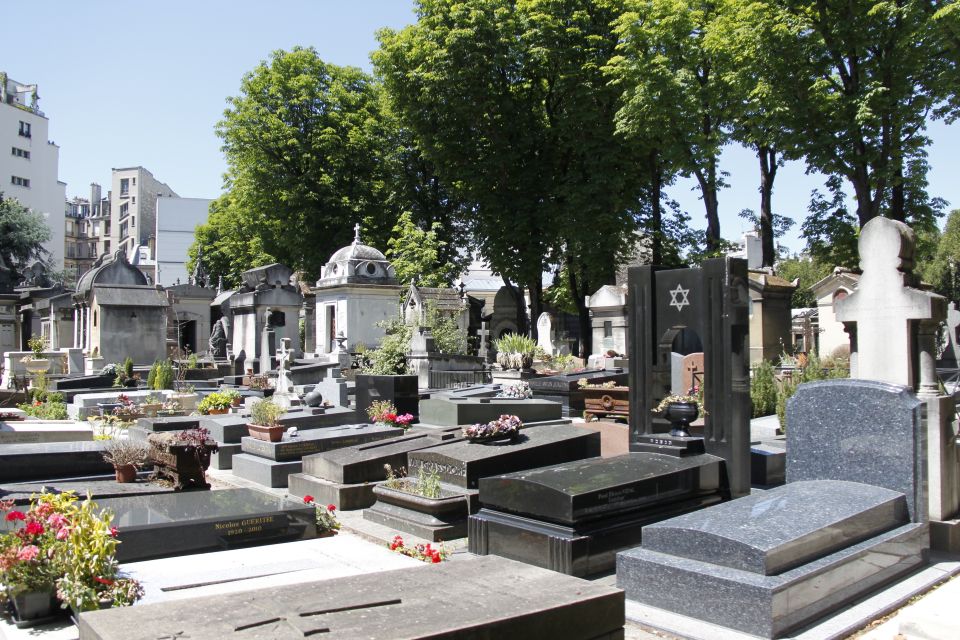
This tour is built around one idea: Jewish history in Paris isn’t locked in the past. It’s written into streets, buildings, and public memory—then carried forward in community life.
Most of the action happens in and around Le Marais, the area that became a major center of Jewish life after the French Revolution. That matters, because you’re not just seeing religious architecture. You’re also getting the social context: where people lived, where they shopped, and how community institutions grew.
And the tour doesn’t treat history as a neat timeline. You’ll move across centuries—from earlier persecutions, to changing rights, to the catastrophe of WWII—so the sites start to feel like cause-and-effect, not disconnected stops.
You can also read our reviews of more historical tours in Paris


Meeting Point and how to avoid the “wrong spot” problem
You meet your guide at Statue d’Étienne Marcel, 1341 Quai de l’Hôtel de ville, 75004 Paris. From there, the tour gets you oriented and into position for the first major cluster.
There’s one practical note that’s worth taking seriously: some parts of the experience depend on time slots reserved for entry, and the tour expects you to arrive on time. Also, check your email the day before the tour—your provider sends important details there. If you show up late or you’re working off an outdated time, you can end up with a shorter route than you planned.
If you like a smooth start, arrive a bit early, stand near the statue, and give yourself time to confirm you’re at the exact meeting point.
The 2-hour tour: from Hôtel de Ville to Île de la Cité
The 2-hour option is the “get the big picture fast” version. It typically starts in the area of the Courtyard of the Hôtel de Ville (from the listed meeting point), then moves you toward central landmarks.
Hôtel de Ville area: expulsions and emancipation, in a nutshell
You’ll begin with the history of French Jews through big political shifts—expulsions and later emancipation. The guide connects this to major turning points like the First Crusade, the French Wars of Religion, and the French Revolution.
Why this is a smart opening: it frames what you’ll see next. A memorial or synagogue stop feels much more meaningful when you understand what changed legally and socially over time.
Île de la Cité and the Deportation Martyrs Memorial
Next you head to Île de la Cité, home to Notre-Dame and a cluster of historic sites. Here you’ll visit the Deportation Martyrs Memorial, a place that commemorates people sent to Nazi concentration camps during WWII.
This is one of the most important stops on the tour because it turns “WWII” from a general fact into a specific community experience—what happened to French-Jewish residents, and how the community dealt with loss afterward.
One consideration: this portion is heavy. The tour keeps it clear and guided, but you’ll still want emotional headspace.
You can also read our reviews of more museum experiences in Paris




Le Marais walk: synagogues, community places, and the everyday story
After the memorial focus, the pace shifts into Le Marais. This is where the tour becomes more than monuments—it becomes neighborhood context.
You’ll see a practical side of Jewish life in Paris: Jewish shops, bookshops, and kosher restaurants. The tour uses those as clues, so you can understand the community as living culture rather than just heritage.
The guide also points you toward major synagogue landmarks.
Agoudas Hakehilos Synagogue: early-1900s roots
You’ll visit or pass the Agoudas Hakehilos Synagogue, built in the early 1900s by a wealthy group of Orthodox Jews who immigrated from Poland and Russia.
What I like about this stop is the immigration angle. It explains why certain styles and institutions took hold when they did—how movement of people shaped community architecture and leadership.
Synagogue des Tournelles near Place des Vosges
Another highlight is the Synagogue des Tournelles, located next to Place des Vosges, one of Paris’s oldest planned squares.
This pairing is useful for orientation: you get a recognizable square, then a religious site that adds depth. It’s the kind of detail that helps you “read” the neighborhood after the tour, when you’re wandering on your own.
Museum of Jewish Art and History: the payoff in the 4-hour and 5.5-hour options
If you choose the 4-hour (or 5.5-hour) option, the schedule includes the Museum of the Art and History of Judaism with skip-the-line tickets.
Skip-the-line matters here because museum entry timing can eat up your day. With reserved time slots and fast-tracked entry, you’re more likely to actually spend time looking instead of waiting.
Outside first: Alfred Dreyfus and a public memory anchor
Outside the museum, you’ll see a statue of Alfred Dreyfus, a French-Jewish officer convicted for treason in 1894.
This is a smart context step. The Dreyfus story is tightly linked to prejudice and public debate in France, and it helps tie Jewish history in Paris to broader national events.
Inside the museum: artifacts, archives, and major artists
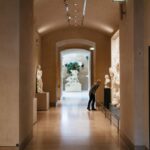
Inside, you’ll explore permanent and temporary exhibitions on the history of Jews in Europe and North Africa. The museum includes religious objects, archives, manuscripts, and works of art.
Two specific artist names called out in the tour description are Marc Chagall and Amedeo Modigliani. If you care about how art reflects identity and displacement, this is one of the most concrete ways to see it rather than just hearing it explained.
The practical takeaway
The museum option is the best choice if you want more than a walking history. The exterior stops give you locations; the museum gives you objects and documentation that make the story stick.
If your schedule is tight and you mainly want an orientation walk through the neighborhood, the 2-hour option can still work. Just know that the 2-hour version does not include skip-the-line museum entry.
5.5-hour option: why private car transfer can change everything

The 5.5-hour version adds two things: more time and transportation.
You get a walking tour of the Old Jewish Quarter plus the museum visit, and you also have private car transfers from your Paris accommodation. The description specifies a 5-star driver and a clean, air-conditioned vehicle, which is a real quality-of-life upgrade if you’re staying farther out or you’re traveling with luggage or mobility constraints.
Why this can be worth paying extra for: you reduce transit friction. Paris is great on foot, but timing matters when you have reserved entry slots. Private transport helps you stay on schedule without sprinting between neighborhoods.
Price and value: is $200 per person a good deal?

At about $200 per person, this tour sits in the “mid-range, pay for guidance” category. You’re not just buying sightseeing—you’re buying:
- a Jewish History Expert Guide who leads the story in your language (English, German, French, Italian, Spanish, Russian, Polish)
- a set route with reserved entry timing for key parts
- skip-the-line museum tickets in the 4-hour and 5.5-hour options
- private group experience (so you’re not competing with a crowd for attention)
So when is it good value?
- If you’re choosing the 4-hour or 5.5-hour option, the skip-the-line benefit is a meaningful part of the price.
- If you care about context around WWII and later Jewish community life, having a guided explanation is often the difference between seeing places and understanding them.
- If you prefer a calmer pace, the private group setup helps.
When might it feel less worth it?
- If you only book the 2-hour option, you’ll likely get fewer physical stops and less time for museum depth. That can work great for a short visit, but it’s not the “full story” option.
Languages, accessibility, and who this works for
Tours are offered in English, German, French, Italian, Spanish, Russian, Polish. That’s a big deal for historical topics, because you want nuance—not just facts.
The tour is also listed as wheelchair accessible, and it runs as a private group. The private setup matters if you’d like questions answered in real time, especially during heavier history moments.
This experience is a strong fit if you:
- want a guided history of Jewish Paris with named landmarks
- plan to visit the museum and want to avoid entry delays
- like walking tours but want the story explained properly
It’s less ideal if you:
- hate time-sensitive logistics and don’t want to pay attention to reserved slots
- need a very flexible schedule once you start
Quick practical tips before you go
A few habits make the experience smoother:
- Check your email the day before for important details.
- Arrive early at Statue d’Étienne Marcel. Don’t treat the meeting time like a suggestion.
- Wear shoes you can walk in for both the neighborhood portion and any museum entry timing.
- If the WWII memorial stop will be intense for you, consider the rest of your day afterward. This tour packs emotional weight into a short radius of central Paris.
Should you book this Paris Jewish Quarter and Museum tour?
Book it if you want the best version of Jewish history in central Paris—guided, landmark-based, and connected to how Jewish life shaped neighborhoods like Le Marais. The 4-hour and 5.5-hour options are the ones that feel most complete because of the skip-the-line museum access and the added time to see more.
Be extra cautious with the start time and meeting spot if you’re booking late or you’re juggling multiple tours that day. A smooth start helps you keep the schedule that the tour relies on.
If you want one takeaway: pick the length that matches your patience for walking versus your appetite for artifacts. Want the neighborhood story only? Go 2 hours. Want the full context with museum collections? Choose 4 or 5.5.
FAQ
FAQ
What’s the meeting point for the tour?
You meet your guide in front of Statue d’Étienne Marcel at 1341 Quai de l’Hôtel de ville, 75004 Paris.
Where does the tour end?
The activity ends back at the meeting point.
How long is the tour?
It runs from 2 hours up to 5.5 hours depending on the option you choose.
Does the 2-hour tour include the Museum of the Art and History of Judaism?
No. Skip-the-line museum tickets are included only in the 4-hour and 5.5-hour options.
Do I need to worry about reserved entry times?
Yes. Some attractions use reserved entry time slots, so arriving late may prevent you from getting the full experience.
Are there pickup and drop-off options?
Pickup and drop-off by private car are only included in the 5.5-hour option. Pickup is optional for that version; for the 2-hour and 4-hour options it is not included.
What languages are offered?
The live guide is available in English, German, French, Italian, Spanish, Russian, and Polish.
Is the tour wheelchair accessible?
Yes, the tour is listed as wheelchair accessible.
Is the group private?
Yes. It’s a private group experience.