
REVIEW · PARIS
Paris: Le Marais & Montmartre Jewish History Walking Tour
Book on GetYourGuide →Operated by Walks In Europe · Bookable on GetYourGuide
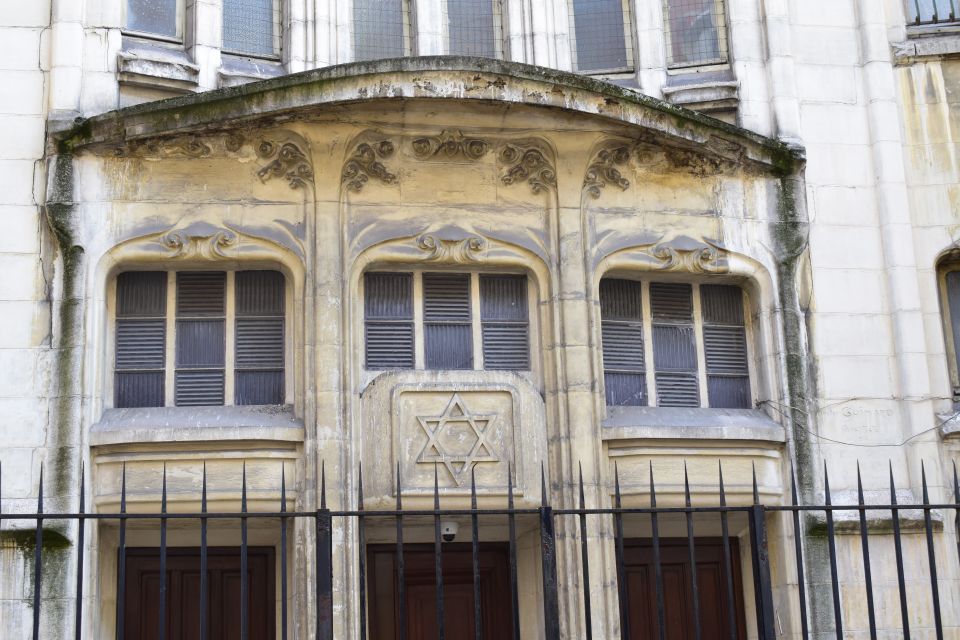
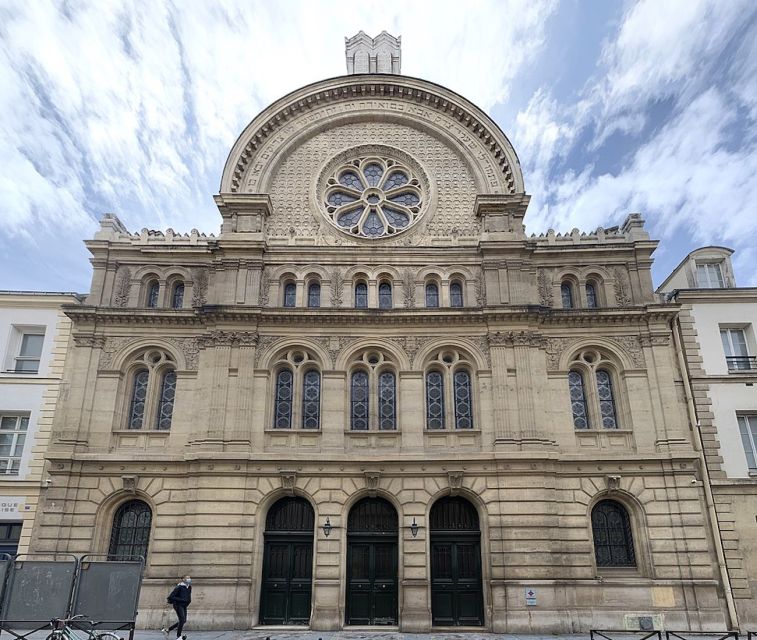
Jewish Paris turns ordinary streets into living memory. This small-group walk connects the Marais and Montmartre through stories of community, art, and survival, with stops you can spot on the map right away. I particularly like how it keeps the tone respectful while still making the history feel real and close. You also get an Art Nouveau highlight: the exterior of the Agoudas Hakehilos Synagogue by Hector Guimard.
I love the way the tour mixes big turning points with everyday neighborhood details in the Marais, where Jewish life shaped trade and community over centuries. I also like the switch to Montmartre, where Jewish artists and writers helped shape modern Paris, ending with wide views from Sacré-Cœur. One thing to keep in mind: this is a mostly walking-focused itinerary, and it is not suitable for wheelchair users or people with mobility impairments.
In This Review
- Key Points I Think You’ll Care About
- Jewish Paris by Foot: Why Le Marais + Montmartre Works
- Finding Your Start: BHV Marais or L’Elephant du Nil
- Le Marais (About 1.5 Hours): Old Streets, Jewish Institutions, and Real Context
- What to look for while walking
- Le Village Saint‑Paul: The Neighborhood Mood You Don’t Get from Photos
- Mémorial de la Shoah: A Serious Pause in the Middle of the City
- The Transition: Public Transport from Hôtel de Ville to Montmartre
- Montmartre (About 1.5 Hours): Artists, Writers, and a Different Kind of Jewish Paris
- 7 Rue Ravignan: Where creative life becomes personal
- Le Bateau‑Lavoir: The studio myth, made tangible
- Passing the Musée de Montmartre: When it’s worth it and when it isn’t
- 16 Rue du Mont‑Cenis: Streets as clues
- Sacré‑Cœur Panoramas and the Square Louise‑Michel Reflection
- Price and Value: What $80 Buys You (and What It Doesn’t)
- Who This Tour Fits Best
- Practical Tips to Make Your Walk Easier
- Should You Book This Jewish Paris Walk?
- FAQ
- How long is the Le Marais & Montmartre Jewish History Walking Tour?
- How much does it cost?
- Is the tour in English?
- Does the tour include entry into synagogues or monuments?
- Is public transport included?
- Is this tour suitable for wheelchair users or mobility impairments?
Key Points I Think You’ll Care About
- Two neighborhoods, one guided story from medieval Marais to creative Montmartre
- You’ll actually see Hector Guimard’s Art Nouveau synagogue exterior (no need to guess which building)
- A solemn stop at the Mémorial de la Shoah that’s handled with care and context
- Public transport bridges the tiring stretch so you don’t force it all on foot
- English-speaking local guides who can handle sensitive topics with tact (guides like Benjamin and Pierre‑Luis are repeatedly praised)
- A strong finish at Sacré-Cœur, plus a final reflection near Square Louise‑Michel
Jewish Paris by Foot: Why Le Marais + Montmartre Works

If you only hit one part of Paris, you miss how Jewish life here shifted over time. The Marais lets you understand the older heart of Jewish Paris—community institutions, neighborhood rhythms, and changing eras. Then Montmartre shows a different phase, where ideas and art pulled people into new circles.
This format also helps you connect dots without treating Jewish history like a list of monuments. You’re walking streets where layers of the city still show through: architecture, place names, and the mood of certain blocks. It’s a smart way to learn without turning Paris into a classroom.
You can also read our reviews of more walking tours in Paris



Finding Your Start: BHV Marais or L’Elephant du Nil
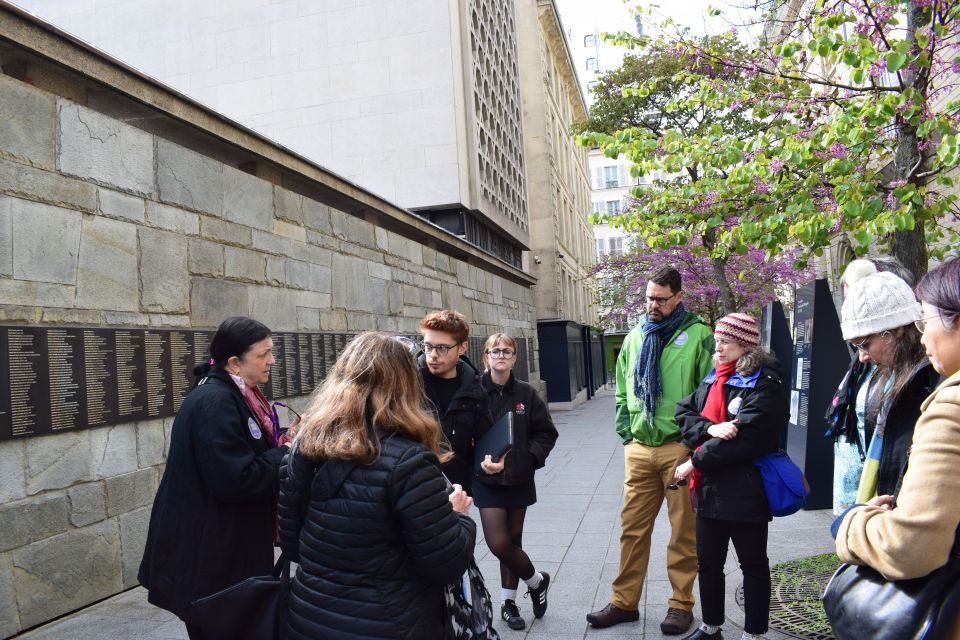
Your meeting point can vary depending on what option you book: BHV Marais (L’Elephant Du Nil is the other option listed). Plan to arrive about 15 minutes early so you can get your bearings and avoid last-minute stress.
One practical note: guides may not all use the same visible marker at the start. If you’re worried about scams or confusion at busy department-store areas, give yourself extra time and double-check the exact pickup spot in your confirmation. Paris is busy, and the earlier you arrive, the calmer your start will be.
Le Marais (About 1.5 Hours): Old Streets, Jewish Institutions, and Real Context
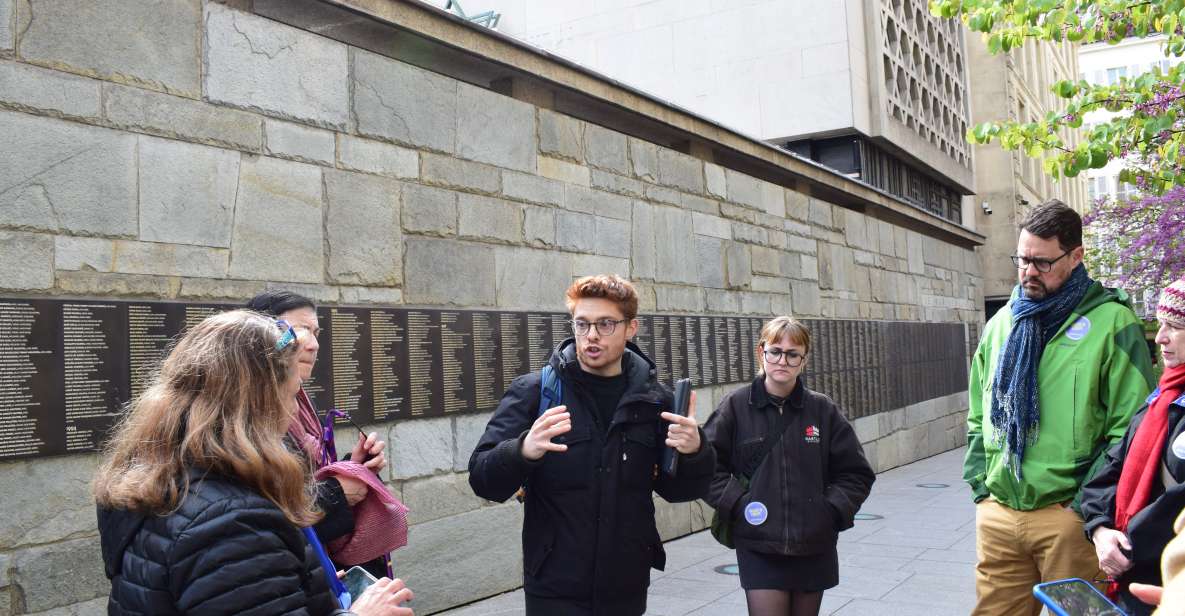
The tour starts with a focused walk through the Marais, often treated as Paris’s classic Jewish district. You get a guided path through places tied to community life from older centuries to today, with stories that explain what changed and why.
A key stop is Agoudas Hakehilos, known for the exterior design by Hector Guimard. Even if you’re not an architecture person, the building is worth seeing because it’s Art Nouveau in a context you might not expect. You’ll also learn how Jewish neighborhoods don’t form in a vacuum—they connect to migration, local institutions, and the city’s power structures.
What to look for while walking
Le Marais rewards slow attention. Watch for the way streets narrow, how storefronts cluster, and how blocks feel like they were built for daily life, not only tourism. Your guide’s job is to point out the meaning of those details, so you stop seeing it as just pretty streets.
Le Village Saint‑Paul: The Neighborhood Mood You Don’t Get from Photos
You’ll also spend time around Le Village Saint‑Paul, where the tour leans into atmosphere, not just facts. This part matters because it’s how you sense the lived experience of the community—trades, local movement, and the feel of a quarter that people inhabited, not just visited.
This is one of the best segments for first-time visitors who want something more than museum dates. If you like history that feels attached to real places, this stop helps you get oriented quickly.
You can also read our reviews of more historical tours in Paris





Mémorial de la Shoah: A Serious Pause in the Middle of the City
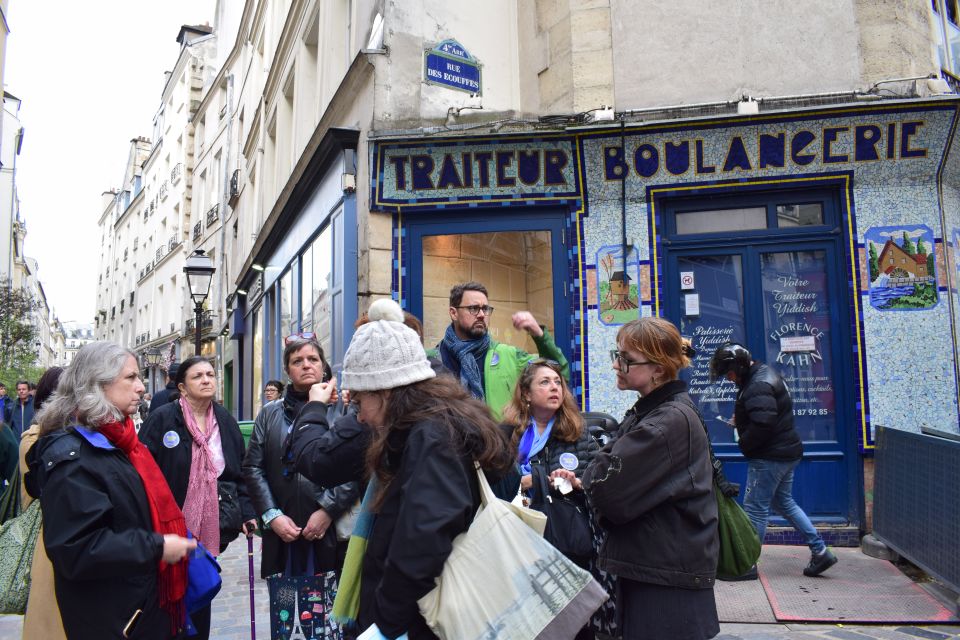
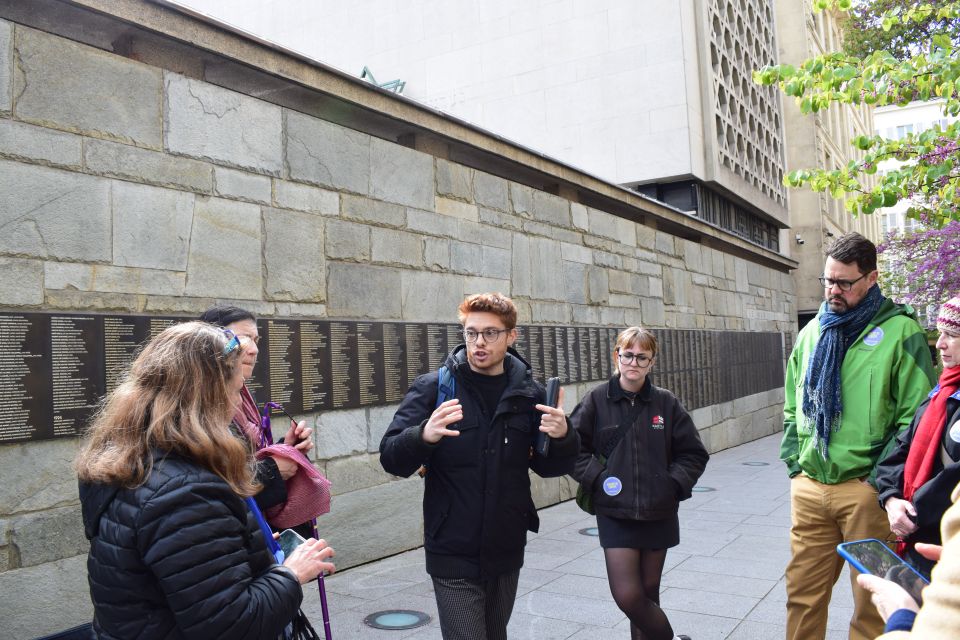
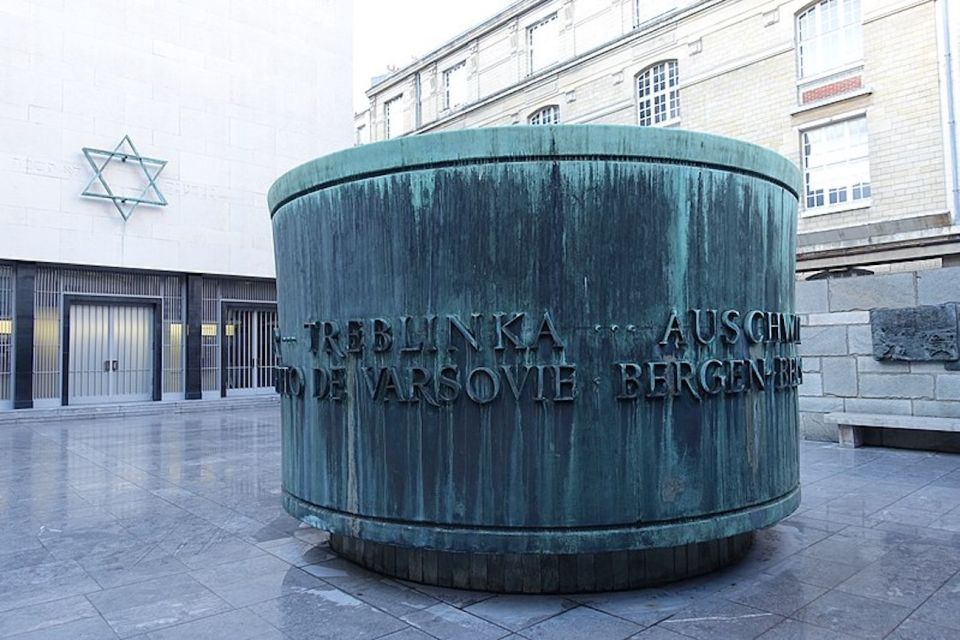
The tour includes a stop at the Mémorial de la Shoah. The key thing here is tone: this isn’t treated like a quick photo break. You’re given historical significance and context, and it lands differently when you’re standing in the city rather than reading about it at home.
Given that indoor entries to monuments are not listed as included, expect this to be a stop where you learn from the memorial’s exterior and nearby context. Still, the emotional weight is real, and the guide’s pacing matters a lot on this portion of the walk.
Guides on this tour are repeatedly praised for handling sensitive topics with tact. That matters because the subject is difficult, and you want a guide who can keep the discussion accurate without turning it into spectacle.
The Transition: Public Transport from Hôtel de Ville to Montmartre
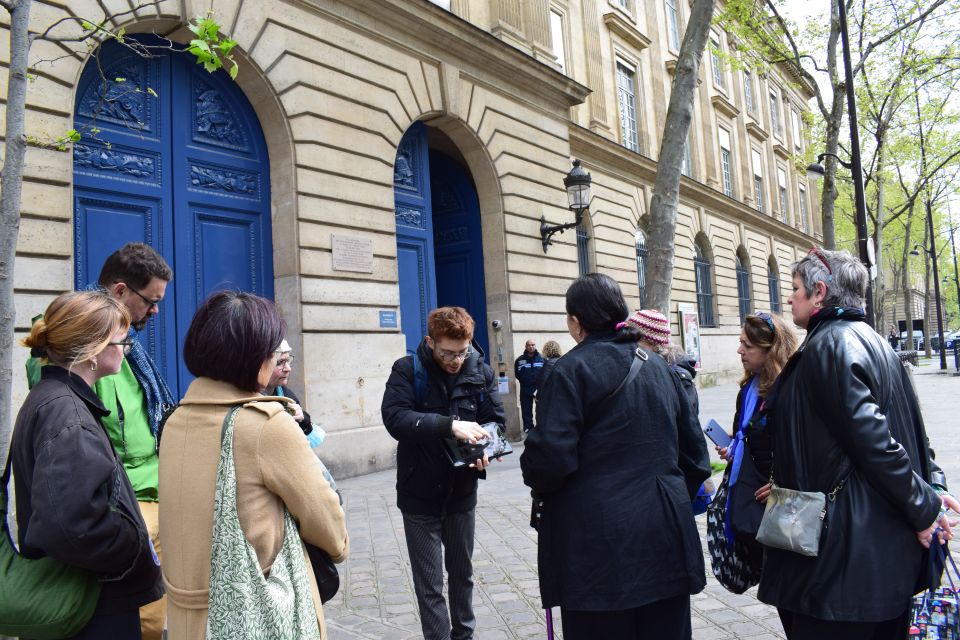
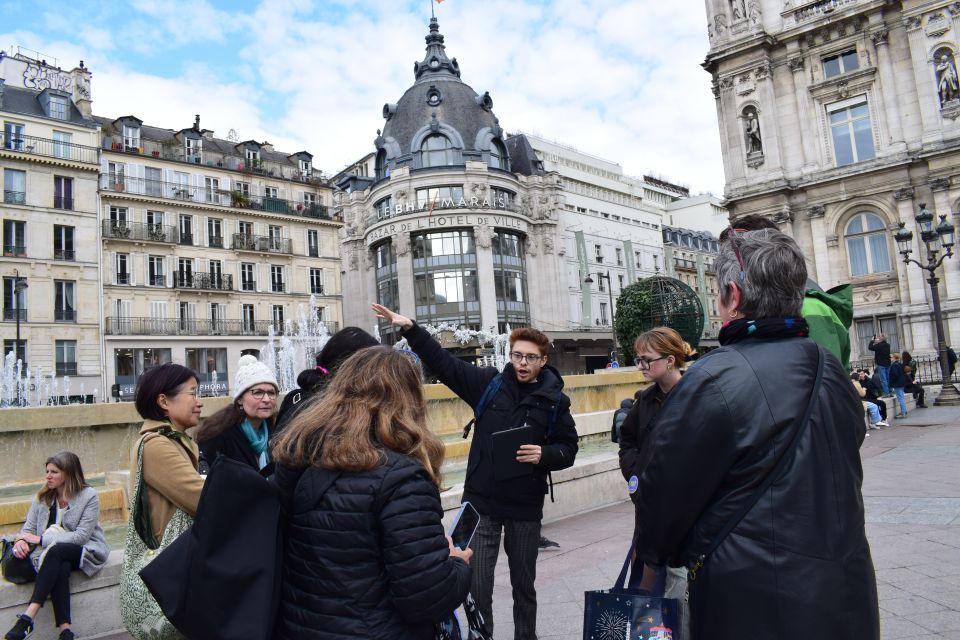
After the Marais portion wraps near Hôtel de Ville (Paris City Hall), you take public transport for about 30 minutes to reach Montmartre. This is a smart choice. Montmartre’s streets can be steep and stop-and-start busy, so using transit helps you keep the day comfortable and on schedule.
You should also expect some pace changes. In the city center, the walk may feel tighter and more crowded. Once you reach Montmartre, the vibe shifts, and the tour’s focus shifts with it.
Montmartre (About 1.5 Hours): Artists, Writers, and a Different Kind of Jewish Paris
Montmartre is where the tour becomes about creativity and ideas. Jewish artists, writers, and thinkers helped shape modern Paris here, and your guide ties those stories to specific corners and streets.
You’ll walk through Montmartre’s famous atmosphere and creative side—cafés, studios, and the energy of late 19th and early 20th century artistic life. This is not just about who lived where. It’s about how cultural freedom and ambition can coexist with hardship and resilience.
7 Rue Ravignan: Where creative life becomes personal
One of the listed stops is 7 Rue Ravignan. Your guide uses it to connect the neighborhood’s artistic identity to the Jewish presence within that story. Even if you don’t know the building’s backstory before the walk, you’ll leave with a clear sense of why this address matters.
Le Bateau‑Lavoir: The studio myth, made tangible
Next comes Le Bateau‑Lavoir. This stop tends to hit well because it represents the idea of artistic experimentation in real physical space. You’re given the meaning behind the name and how that space fit into the broader story of Montmartre as a magnet for creators.
Passing the Musée de Montmartre: When it’s worth it and when it isn’t
The itinerary includes time to pass by the Musée de Montmartre rather than a listed museum visit. That’s a good design choice if your goal is to keep moving while still understanding where key scenes took place.
If you’re the type who wants deeper museum time, you could return later. If you prefer walking-only discovery, the pass-by keeps the tour focused.
16 Rue du Mont‑Cenis: Streets as clues
Another specific address on the walk is 16 Rue du Mont‑Cenis. Stops like this are valuable because they turn Montmartre from a postcard neighborhood into a set of meaningful waypoints. You’re learning how Jewish identity showed up in cultural life, not just in historic records.
Sacré‑Cœur Panoramas and the Square Louise‑Michel Reflection
The tour ends with Sacré‑Cœur Basilica for sightseeing and the chance to take in panoramic views over Paris. The view part is more than a reward; it helps you reset after a day of heavy and human stories.
The tour then finishes at Square Louise‑Michel with a thoughtful final reflection. This kind of close works well because it gives you a place to absorb what you learned while you’re still surrounded by the neighborhood’s mood.
Price and Value: What $80 Buys You (and What It Doesn’t)
At $80 per person for 210 minutes (just under 3.5 hours), you’re paying for an expert, guided story through two big neighborhoods. You’re also getting small-group format (up to 9 people) plus public transport tickets.
What you’re not paying for is indoor entry to synagogues or monument interiors—those are listed as not included. That’s important. If you want fully guided indoor visits, this isn’t designed for that. But for street-level learning—architecture exteriors, neighborhood context, and memorial stops—it’s strong value.
In plain terms: if you want history you can walk through, this is a good spend. If you want ticketed museum-type access every step of the way, you may feel it’s lighter on entrances.
Who This Tour Fits Best
This works best for you if:
- You care about Jewish history in Paris and want it tied to places, not just timelines
- You like guides who handle sensitive topics with care and give room for questions
- You want the Marais and Montmartre contrast in one outing
It’s not a fit for wheelchair users or people with mobility impairments. Montmartre alone can be challenging, and the itinerary is designed around continuous walking.
Practical Tips to Make Your Walk Easier
- Bring rain gear. Several tours have happened in on-and-off rain, and the walk continues—good shoes help.
- Wear shoes you can trust. Two neighborhoods means a lot of pavement and stairs around Montmartre.
- Arrive early at your meeting point, and plan for confusion risk in busy zones. Give yourself time to confirm you’re in the right place.
- If you want food after the walk, ask your guide for nearby options. Many guides share where to go in the Jewish quarter, including classic choices like falafel.
- Keep questions ready. Guides on this topic tend to make time for thoughtful answers, especially when people ask for clarity.
Should You Book This Jewish Paris Walk?
Yes, if you want a guided way to see Jewish Paris through Le Marais + Montmartre with a local English guide, while also getting a respectful stop at the Mémorial de la Shoah and ending with Sacré‑Cœur views. The small-group size and the repeated emphasis on sensitive, careful storytelling make it the kind of tour you’ll feel for days after.
Skip it (or plan extra time elsewhere) if you specifically want synagogue or monument interiors, since those are not included. And if walking hills are a problem, look for a different format.
If you’re visiting Paris with even a modest interest in how culture, community, and memory shaped the city, this is a strong, practical choice—one that turns street corners into meaning.
FAQ
How long is the Le Marais & Montmartre Jewish History Walking Tour?
The tour duration is 210 minutes (about 3.5 hours).
How much does it cost?
It costs $80 per person.
Is the tour in English?
Yes. The guide leads in English.
Does the tour include entry into synagogues or monuments?
No. The tour lists no indoor visit to synagogues and no entry to monuments & historical sites.
Is public transport included?
Yes. You receive public transport tickets, and there is a transit segment (about 30 minutes) between the Marais and Montmartre.
Is this tour suitable for wheelchair users or mobility impairments?
No. It is not suitable for people with mobility impairments or wheelchair users.