REVIEW · PARIS
Paris: Latin Quarter Traditional Food Tour with Full Meal
Book on GetYourGuide →Operated by _Do Eat Better Experience · Bookable on GetYourGuide
The Latin Quarter feeds you fast. This Paris traditional food tour pairs a guided neighborhood walk with a real full meal format, not snack bites, so you learn the area while you eat. I love the small-group size and the way the guide ties food to place, plus the clear lineup of classic tastings like cheese, charcuterie, and bourguignon. One thing to plan for: it is not built for mobility challenges, since you’ll be on your feet for the whole 210 minutes.
Guides you might meet include Emy, Juliette, Jhovanna, Esther, and Catherine, and the common thread is their focus on food details and neighborhood stories along the route. You’ll start near Censier-Daubenton, work through streets like Rue Mouffetard and the area around Place de la Contrescarpe, then finish near Notre Dame, which makes it easy to keep your day going after you eat.
In This Review
- Key things that make this tour worth it
- Entering the Latin Quarter: where the tour starts and how it feels
- What you’ll do right away
- Rue Mouffetard and Place de la Contrescarpe: the walking portion that earns its place
- Why this route choice is smart
- Cheese stop: the mix of fromage concept (and why it works)
- How to approach it
- Charcuterie stop: an original French terroir tasting
- Pairing and drink
- The sit-down comfort: boeuf bourguignon, slow-cooked for a reason
- Timing note
- Sweet finale: crêpe options or chou with sugar pearls
- A practical tip for dessert choice
- The guide: stories that make the food make sense
- English and French during the tour
- Value check: why $99 feels fair for a 3.5-hour meal walk
- Who this price makes sense for
- Pacing, group size, and what you should expect from the schedule
- Who should book this Latin Quarter food tour
- Who should skip it
- Quick checklist before you go
- Should you book this Latin Quarter Traditional Food Tour?
- FAQ
- How long is the Paris Latin Quarter Traditional Food Tour?
- How many food stops are included?
- What food and drinks are included?
- What traditional dishes might I taste?
- Where does the tour start and where does it end?
- What language is the live guide?
- Is hotel pickup included?
- What’s the group size limit?
- What should I bring, and what’s not allowed?
Key things that make this tour worth it
- A full meal structure with at least 4 food stops and at least one serving at each stop
- Classic French hits like mix of fromage, charcuterie, boeuf bourguignon, and a sweet finale
- A local-led route through the Latin Quarter that gives you a different lens than the big-ticket sights
- Small groups (max 12) so the guide can keep the pace friendly and conversational
- Included water plus 1 alcoholic drink so you get a proper food-and-drink flow
Entering the Latin Quarter: where the tour starts and how it feels
You meet at the metro station entrance at Censier-Daubenton, near the newspaper kiosk. That matters because it puts you right at the neighborhood level of Paris, not at a landmark bus stop. From there, you’ll start walking and the guide sets the tone fast: short stories, recipe context, and a sense of why these places earned their reputations.
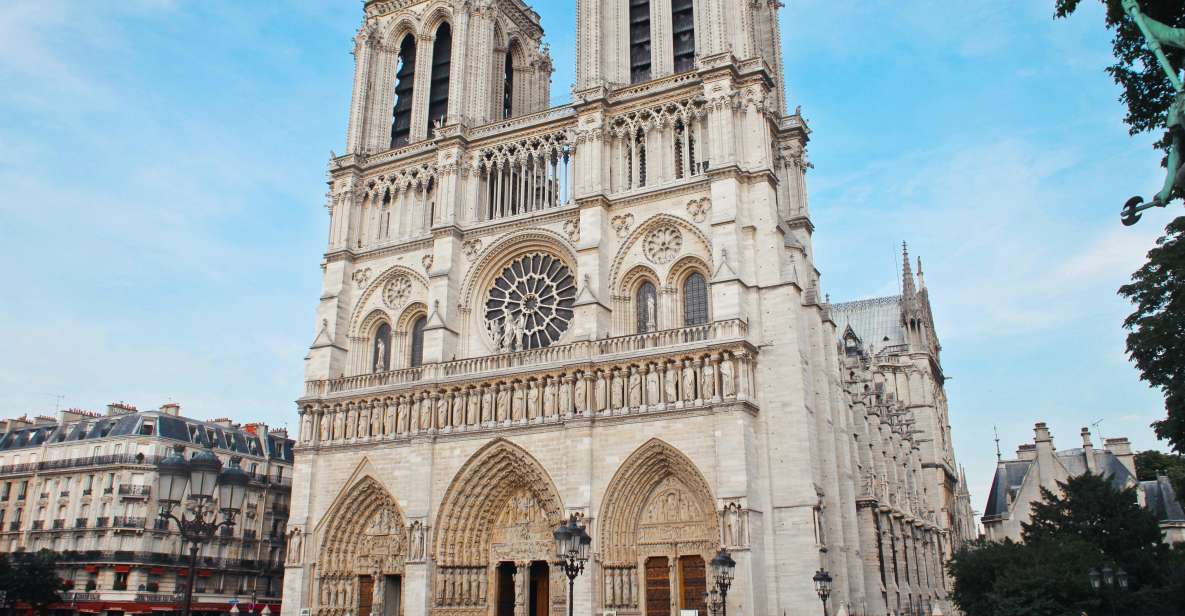
The tour’s timing works well for a first or second day in Paris. With 210 minutes on the clock, you get time to taste, learn, and still move through the Latin Quarter without feeling rushed. The route also ends at Notre Dame, which is a practical win. Even if you’re not planning to spend hours there, you’ll finish near the center of your sightseeing options.
You can also read our reviews of more food & drink experiences in Paris



What you’ll do right away
Within the first stretch, the guide helps you orient to the Latin Quarter by pointing out what to notice on the streets. Then the food stops begin—each one designed so you’re not just sampling, you’re eating. One serving at every stop is the difference between a cute foodie walk and a meal you actually feel the next time you see yourself in a mirror.
Rue Mouffetard and Place de la Contrescarpe: the walking portion that earns its place
Two route anchors are Rue Mouffetard and the area around Place de la Contrescarpe. Rue Mouffetard is one of those streets where the city feels like a living pantry—small shops, classic storefront energy, and lots of cues that you’re in a working neighborhood. On your walk, the guide’s job is to translate those cues into food logic: how markets, traditions, and local tastes shape what ends up on plates.
Place de la Contrescarpe is where the pace feels like it shifts from “getting oriented” to “getting hungry.” It’s a good mid-route moment to eat because you’ve already walked long enough to build appetite, but you haven’t worn yourself out. If you’re the type who gets grumpy when plans are too structured, you’ll appreciate that the tour uses walking to set the stage and the tastings to keep things fun.
Why this route choice is smart
This part of Paris is not only pretty. It’s practical for a food tour because you’re surrounded by the kind of eateries locals use all the time. Instead of bouncing across the whole city, you stay in one zone long enough to understand patterns—like how cheese shops and charcuterie counters coexist with older brasseries and newer cafés.
Cheese stop: the mix of fromage concept (and why it works)
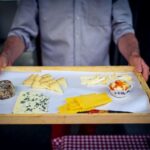
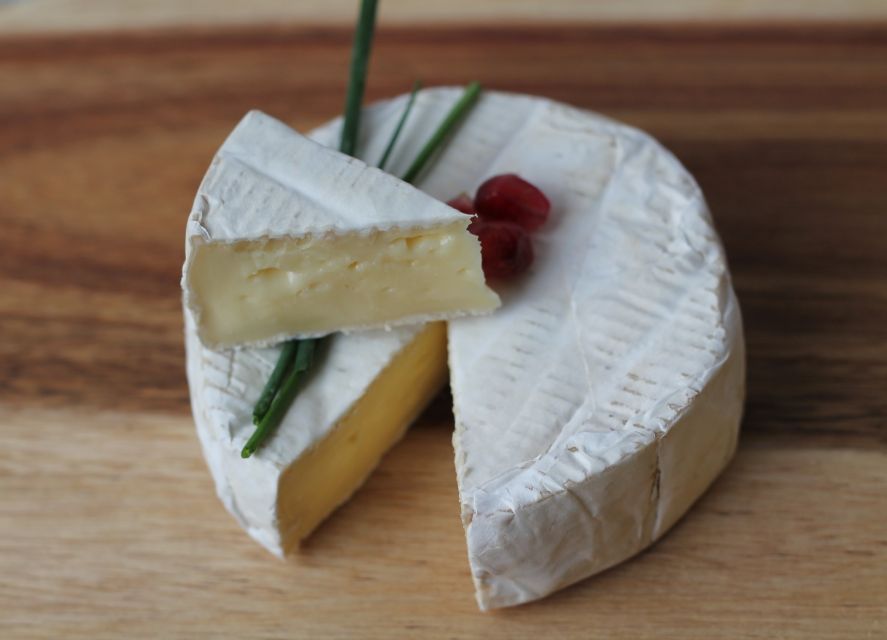
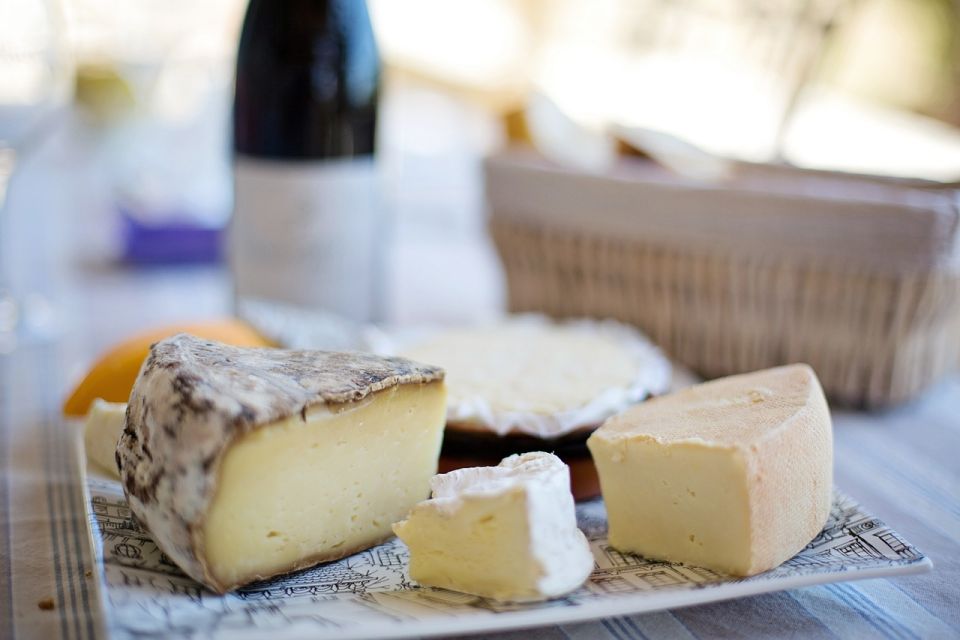
One of the signature tastings is the traditional mix of fromage. You won’t be stuck picking one cheese like a tourist. Instead, a cheese specialist selects a set of cheeses from the neighborhood, which is a smart way to learn flavor variety without needing a crash course in tasting.
What makes this stop satisfying is the structure: you get a small education with real food. The guide can point out what you’re tasting and why those choices fit the local palate. And since it’s part of a multi-stop meal, you’re tasting cheese in context, not as a standalone event.
You can also read our reviews of more tours and experiences in Paris

How to approach it
Go in ready to switch textures and strengths. The best cheese flights change pace: creamy then firm, mild then sharper, so you stay interested through the whole selection. If you’re worried about being overwhelmed, tell the guide your preferences—this style of tasting is meant to be guided.
Charcuterie stop: an original French terroir tasting
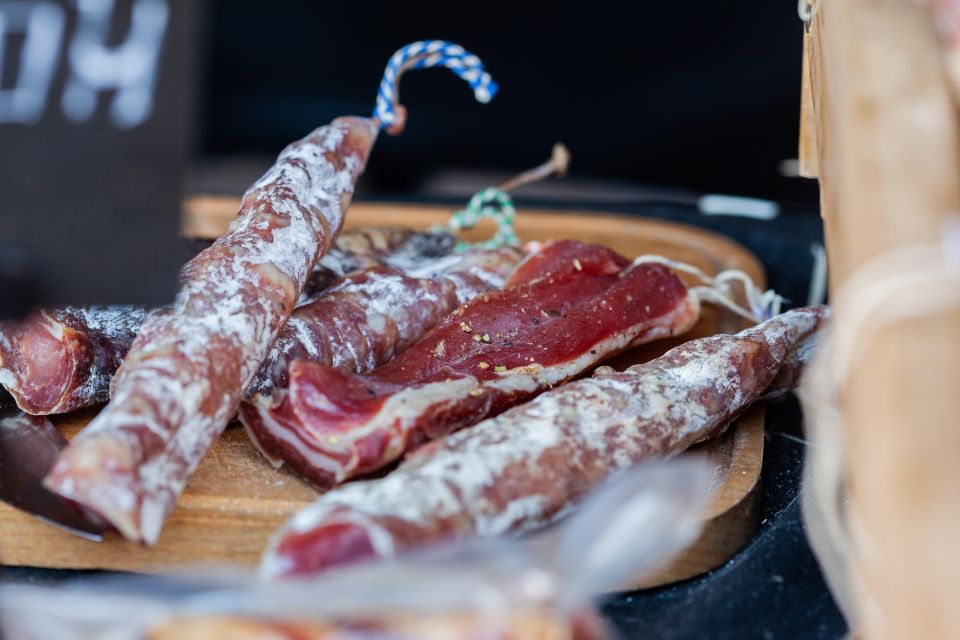
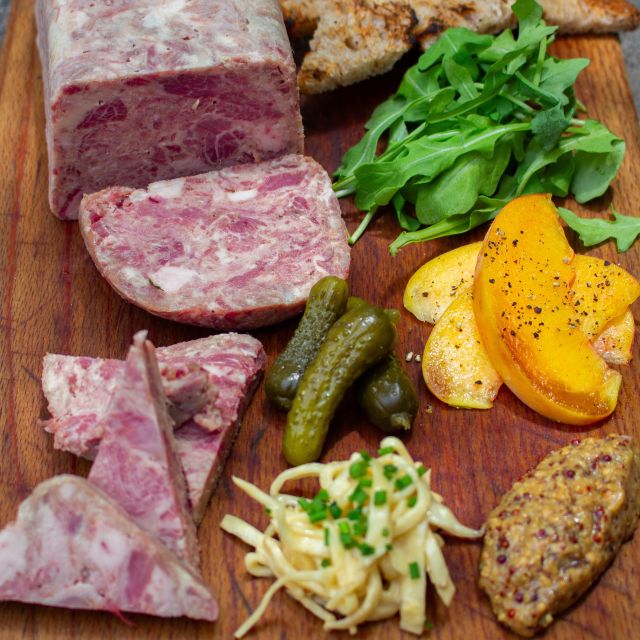
Next up is original charcuterie, a selection of classic French specialties that celebrates local traditions and terroir. This stop is usually where the tour shows its value. A charcuterie board can be a pricey thing in many areas of Paris, but here it’s built into the tour format with the guide helping you understand what you’re eating.
Because the tasting is designed as a selection, you’re not just relying on one item. You get variety—different cures, different textures, and a better sense of what “French charcuterie” actually means beyond generic slices.
Pairing and drink
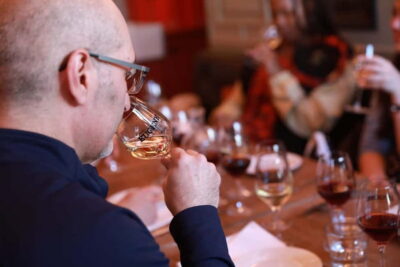
Water is included, and you also get 1 alcoholic drink as part of the included package. That matters because alcohol isn’t just a bonus. It’s part of how these foods are meant to be enjoyed, so the meal feels complete rather than piecemeal.
The sit-down comfort: boeuf bourguignon, slow-cooked for a reason
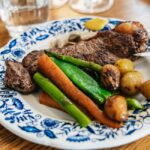
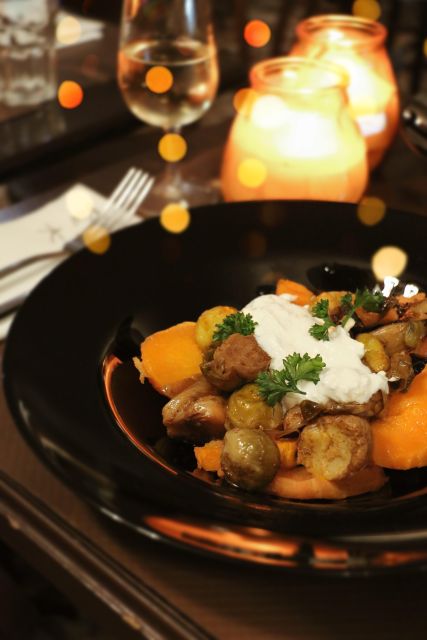
The classic centerpiece tasting is boeuf bourguignon. This is a slow-cooked beef stew braised in red wine, often Burgundy-style wine, with vegetables and herbs. Even if you’ve had bourguignon before, this stop tends to land differently when it’s served as part of a neighborhood sequence. You’ve already tasted cheese and charcuterie, so the stew feels like the warm, grounding middle of the meal.
Boeuf bourguignon is also a clue to French cooking style: patience, depth, and sauce that tastes like it took time. The guide’s stories often help you connect the dots between the dish and the region of origin, so you don’t just eat a plate—you understand why it became a classic.
Timing note
This is not a quick-whip-around kind of tour. The 210 minutes are built for real meals at real places, not a series of take-away stops. That also means you’ll want comfortable shoes, because you’re walking enough that your legs will feel it.
Sweet finale: crêpe options or chou with sugar pearls
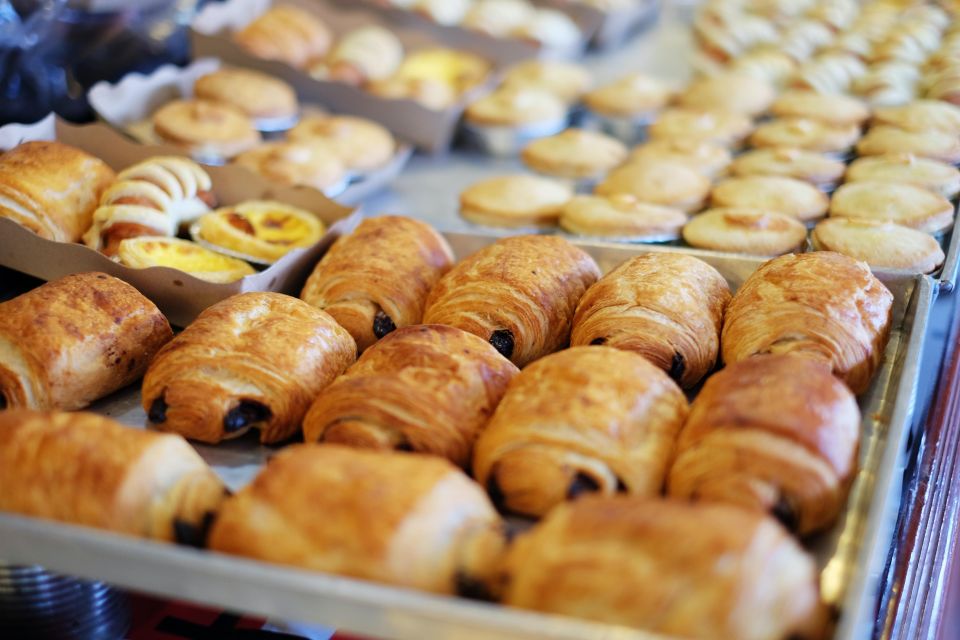
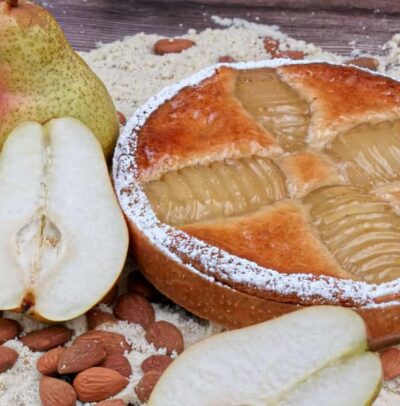
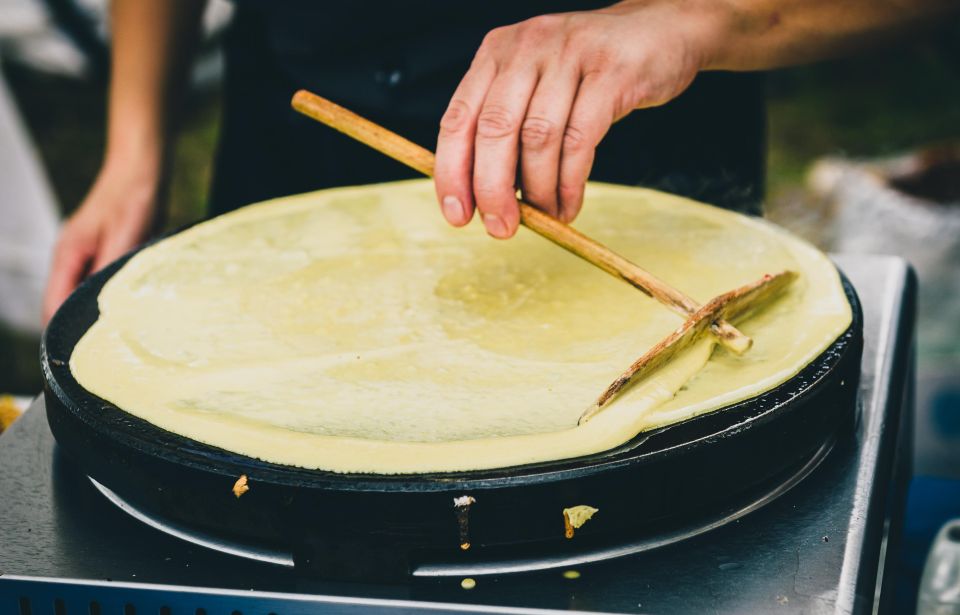
After the savory portion, you finish with dessert. Two possible sweet tastings show up depending on the season and what partner locations can offer: crêpe and chou.
A crêpe here is typically sweet but not heavy, thin and soft, with popular variants you can choose among. If you want a familiar French dessert that still feels special, this is usually the easiest pick.
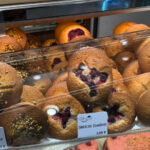
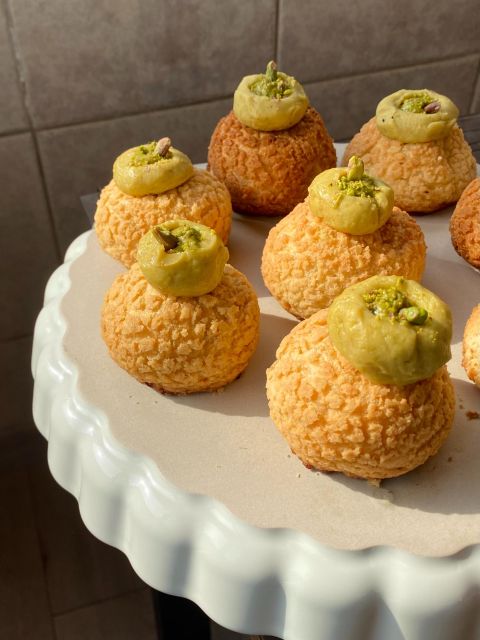
The other option is chou, a small puff pastry made from choux pastry with sugar pearls. This one leans more delicate and pastry-driven. It’s a good choice if you want something with light crunch or a more pastry-focused texture.
A practical tip for dessert choice
If you’ve had a lot of rich flavors already, crêpe can be a calmer finish. If you want contrast and a crispier note at the end, chou is a fun way to close. Either way, the tour format helps you avoid the common mistake of eating dessert too early and getting too full to enjoy it properly.
The guide: stories that make the food make sense
The heart of this experience is the local expert walking with you and explaining the recipes and the places. You’ll hear secrets and curiosities connected to what you’re tasting, and that’s what turns a food stop into a mini lesson you actually remember.
This is also where the guide names matter. Past groups have been guided by people like Emy, Juliette, Jhovanna, Esther, and Catherine, and the overall style is consistent: upbeat, organized, and focused on making the tastings enjoyable and not confusing.
English and French during the tour
Guides speak French and English, sometimes switching as needed. That keeps the pace smooth and helps you feel comfortable even if your French is basic. If you want to ask questions, this is one of those tours where a question usually turns into something useful for the whole group.
Value check: why $99 feels fair for a 3.5-hour meal walk
At $99 per person, you’re not paying only for walking and commentary. You’re paying for a structured meal experience: at least 4 food stops, water, and 1 alcoholic drink. Since each stop includes at least one serving, you’re getting enough food to treat this as a proper meal window, not a snack supplement.
Where you often find value on tours like this is the combination: the guide’s interpretation plus the selection quality. A random cheese shop stop can be fun, but it doesn’t give you the same tasting logic. Here, the guide helps you taste with a purpose—cheese specialist picks, charcuterie selection, stew as the comfort anchor, then dessert that completes the arc.
Who this price makes sense for
This price is especially fair if you know you want to eat multiple classic items and you also want local guidance. If your goal is only to see a few sights and you don’t care much about food, it may feel like more than you need.
Pacing, group size, and what you should expect from the schedule
This is an intimate tour with a minimum of 2 people and a maximum of 12. That small upper limit matters because you’re not getting pulled along behind the loudest group at the slowest pace. It supports the guide’s ability to keep everyone together while also making time for explanations.
The 210-minute duration also means there’s room to eat without turning into a sprint. The tour is designed so the stops are spaced through the Latin Quarter, and the finish near Notre Dame makes it easier to connect to other plans rather than ending far from everything.
Who should book this Latin Quarter food tour
Book it if you want a classic Paris food experience in the most practical style: walking plus a real sequence of tastings. It’s also a strong choice for first-timers who want to see Paris beyond big monuments and learn the rhythm of a neighborhood.
You’ll likely enjoy it most if you:
- Like traditional French food and want a guided taste path
- Want a small-group format
- Prefer eating as you explore, instead of fitting meals into a busy day
- Are visiting in a season where the cheese/charcuterie partners have a good selection
Who should skip it
Avoid this tour if you need step-free accessibility or you’re traveling with mobility limitations. The tour is not suitable for people with mobility impairments. Also, it’s not built for carrying luggage, and it doesn’t allow pets.
Quick checklist before you go
Bring comfortable shoes. Plan to walk for the whole 210 minutes. Because the tour includes food at every stop, I’d also skip a heavy breakfast beforehand so the meal feels enjoyable, not forced.
Should you book this Latin Quarter Traditional Food Tour?
Yes, if you want a structured, full-meal style food walk in Paris that combines tastings and local guidance in one neighborhood. The included water and alcohol, plus multiple guaranteed servings across at least 4 stops, makes it good value for the time.
Hold off only if walking is hard for you or you’re aiming for a light snack experience rather than eating a full sequence of classics. If you’re ready for cheese, charcuterie, boeuf bourguignon, and a sweet finish, this is a smart way to spend a half day in Paris.
FAQ
How long is the Paris Latin Quarter Traditional Food Tour?
The tour lasts 210 minutes (about 3.5 hours).
How many food stops are included?
You’ll have at least 4 food stops during the tour.
What food and drinks are included?
Water is included, plus 1 alcoholic drink. You’ll also get at least one serving of food at each stop.
What traditional dishes might I taste?
Possible tastings include mix of fromage (cheese selection), charcuterie, boeuf bourguignon, crêpe, and chou. Options can vary by season and availability.
Where does the tour start and where does it end?
You start by the metro station entrance at Censier-Daubenton (near the newspaper kiosk) and finish at Notre Dame.
What language is the live guide?
The live guide speaks French and English.
Is hotel pickup included?
No, hotel pickup and drop-off are not included.
What’s the group size limit?
The tour has a minimum of 2 people and a maximum of 12.
What should I bring, and what’s not allowed?
Wear comfortable shoes. Pets are not allowed, and luggage or large bags are not allowed.