REVIEW · PARIS
Paris Montmartre: 2-Hour City Tour in German
Book on GetYourGuide →Operated by HelpTourists · Bookable on GetYourGuide
Montmartre is Paris at its most artistic. This 2-hour walk through the hill’s famous artists’ quarter gives you an on-the-ground view of how bohemia formed in the early 1900s, and why the area still feels romantic today. I like that the route mixes big names with less-frequented corners, and I also like the human touch of a German-speaking guide who explains what you’re seeing and what makes the neighborhood tick. One thing to keep in mind: the tour is only offered in German, so if that’s a mismatch you may feel like you’re missing part of the point.
You’ll start in the Montmartre/Red Carpet zone near Place Blanche, then work your way toward the landmarks most people come for, including the gleaming white Sacré-Cœur basilica. Along the way, the guide keeps the focus on the neighborhood itself: winding, cobbled streets, creative energy, and everyday rhythm away from the loudest pockets. With a private group setup, it’s also easier to ask questions instead of just listening as you pass by.
At $91 per person, this is not a long tour, but it is a focused one. You’re paying for a guide, a walk that hits the core sights, and stories you can’t pick up as fast from a phone alone. If you want a deep history lecture, you might prefer something longer; if you want a smart, practical orientation to Montmartre in just two hours, this fits well.
In This Review
- Key highlights
- Starting at Place Blanche: Getting oriented fast
- Moulin Rouge and the walk toward Moulin de la Galette
- Place du Tertre: Where Montmartre’s artist energy shows up
- Sacré-Cœur basilica: The big view moment on the hill
- Lapin Agile and the Clos Montmartre vineyard area
- What makes the guide experience work (and why the language matters)
- Price and value: Two hours for $91
- Who should book this Montmartre tour
- Should you book this tour?
- FAQ
- Is this Montmartre tour only available in German?
- How long is the tour?
- Where do I meet the guide?
- What are the main sights included?
- Is this a private tour?
- Are entrance fees, food, or drinks included?
- Can children join?
Key highlights
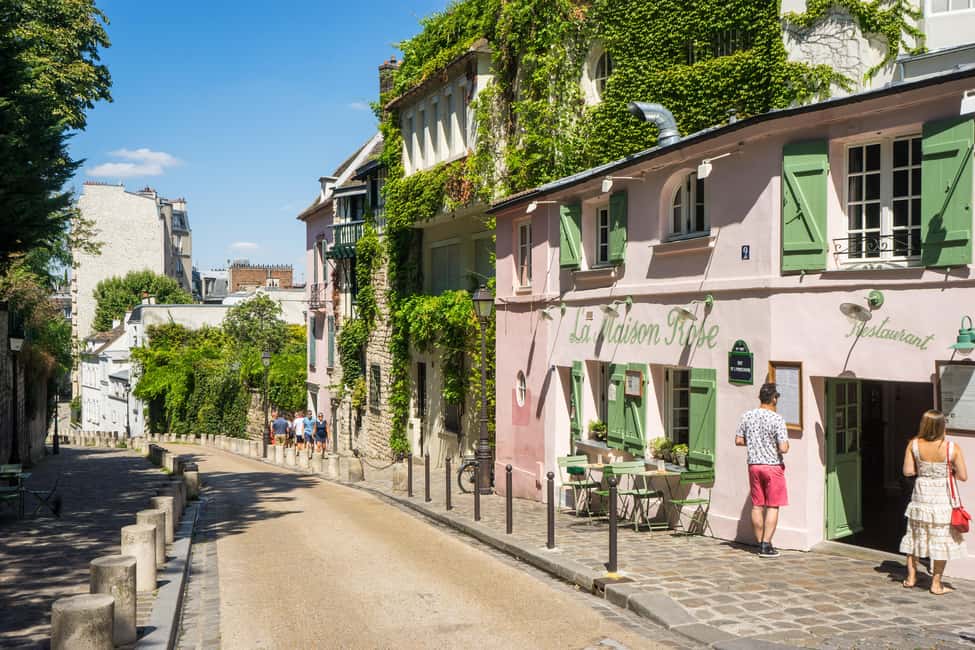
- German-only guided walk that keeps you connected to the stories behind each stop
- Private-group feel so you can move at a comfortable pace and ask questions
- Big sights plus quieter streets, so the area feels less like a parade
- Sacré-Cœur, Place du Tertre, and Moulin Rouge included on a tight route
- Offbeat stops like Lapin Agile and the Clos Montmartre vineyard area
Starting at Place Blanche: Getting oriented fast
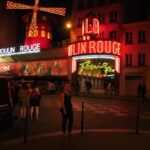
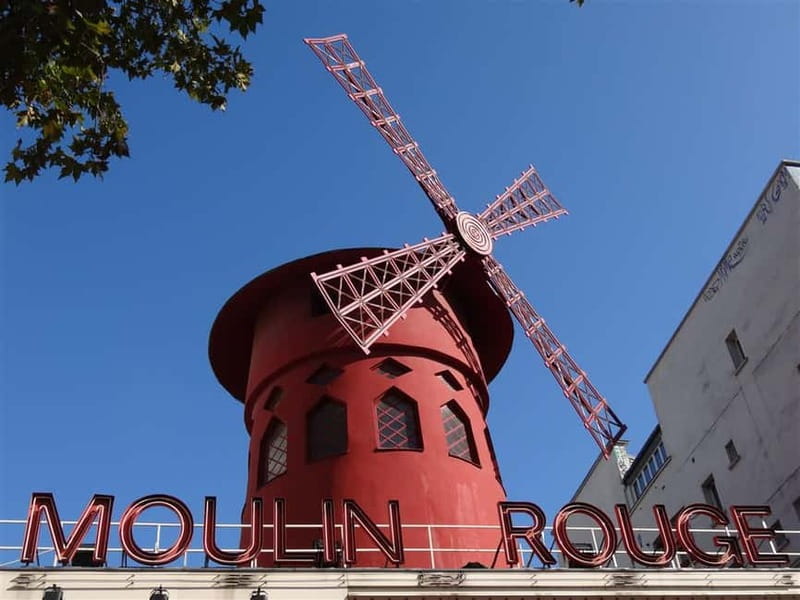
The tour begins at 1 Pl. Blanche, meeting at the Blanche metro station (M2). You’ll find the meeting point on the small traffic island in front of the Moulin Rouge cabaret, and the guide is easy to spot—carry an eye out for the bag with the HelpTourists logo.
That first step matters more than people think. Montmartre looks compact on a map, but the hill makes it easy to wander in circles if you’re trying to self-navigate while also squeezing in landmarks. Starting at Place Blanche sets you up for a logical flow up and around the artists’ quarter.
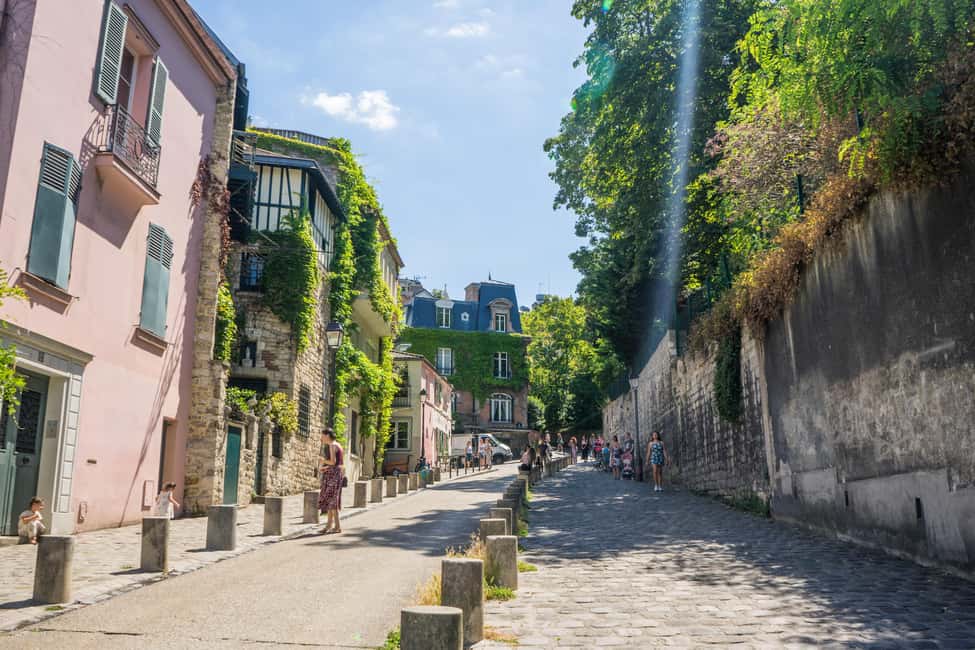
Once you meet your guide, the vibe shifts quickly from city-traffic Paris to Montmartre’s hillside character. The provided concept here is simple: the guide doesn’t just point at sights. You learn how this place went from a rural retreat just outside the city gates to the beating heart of Parisian bohemia in the early 20th century—and why that shift still shows in the streets, studios, cafés, and the way the hill performs for visitors.
Practical tip: because Montmartre is described as winding and cobbled, wear shoes that are comfortable for uneven ground. You’ll feel better within the first 10 minutes, and you’ll enjoy the photos more.
You can also read our reviews of more city tours in Paris



Moulin Rouge and the walk toward Moulin de la Galette
After you set off from the Place Blanche area, the first major landmark stop is Moulin Rouge. This is where you get the famous image most people picture—its legendary presence on the hill, with the well-known purple windmill look called out as part of what makes it iconic.
From there, the tour continues to Moulin de la Galette for another sightseeing stop. What’s valuable about including this stop (even though it’s not the only headline name on your route) is that it helps you read Montmartre as a whole neighborhood, not a checklist. You’re moving between famous spaces that shaped the area’s artistic reputation, not just standing in front of one monument.
If you’re traveling with someone who wants photos at the big markers but also wants context, this part is a good balance. You get the recognizable sight early, then the guide can start connecting it to the artistic legacy you’ll hear about across the walk—references to figures like Picasso, Renoir, and Toulouse-Lautrec are part of the experience framing.
Place du Tertre: Where Montmartre’s artist energy shows up
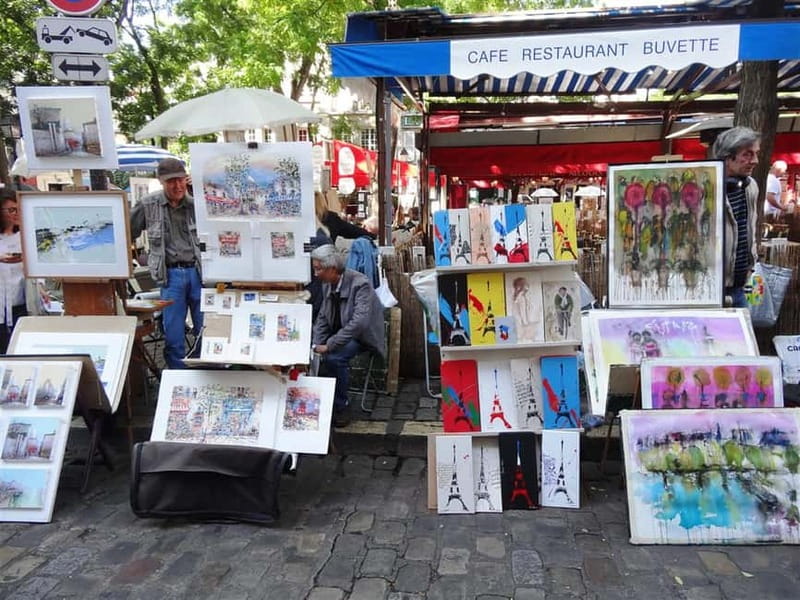
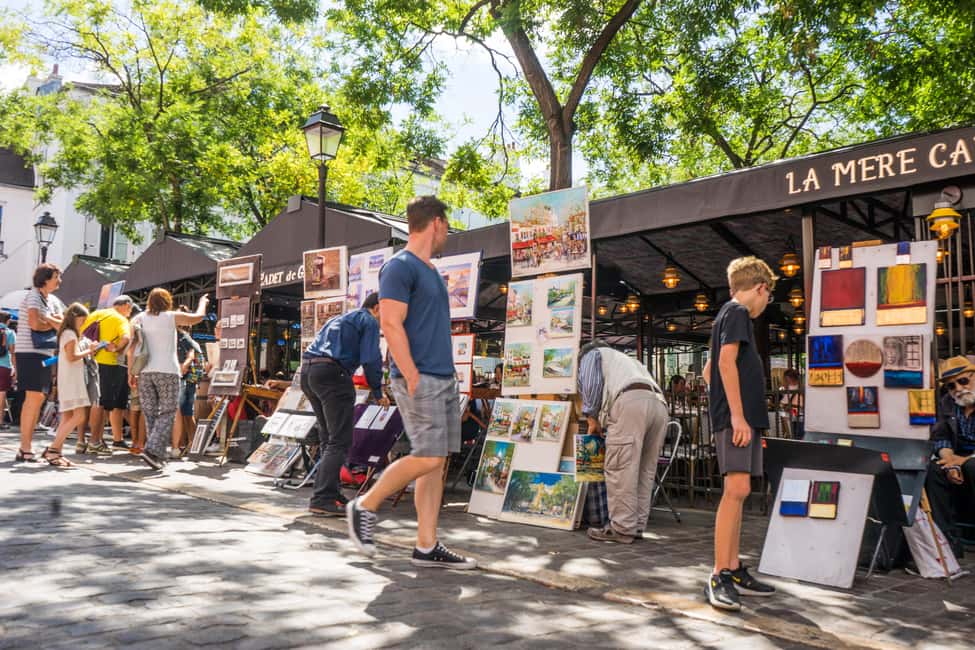
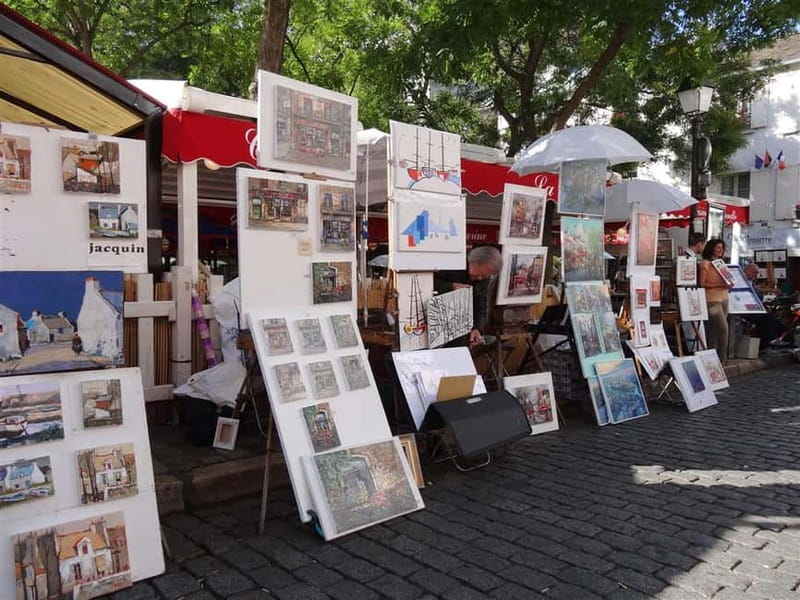
Next comes Place du Tertre, one of Montmartre’s best-known neighborhood squares. This is the place where you can feel the area’s performance side—lively energy, lots of people moving through the same space, and the sense that artists have always had a reason to be here.
What I like about having Place du Tertre in the itinerary is that it anchors the route. The guide can connect the square to the broader story: Montmartre became Parisian bohemia in the early 1900s, and today you still see that spirit in the cafés and studios you pass along the way.
Now, here’s a practical consideration. Even when a tour is designed to go beyond the most crowded spots, Place du Tertre is popular. If you’re sensitive to crowds, focus on timing and attention. Use your guide’s direction to stay engaged with what you’re looking at—signs, street corners, and the kind of details that make this more than a photo stop.
Sacré-Cœur basilica: The big view moment on the hill
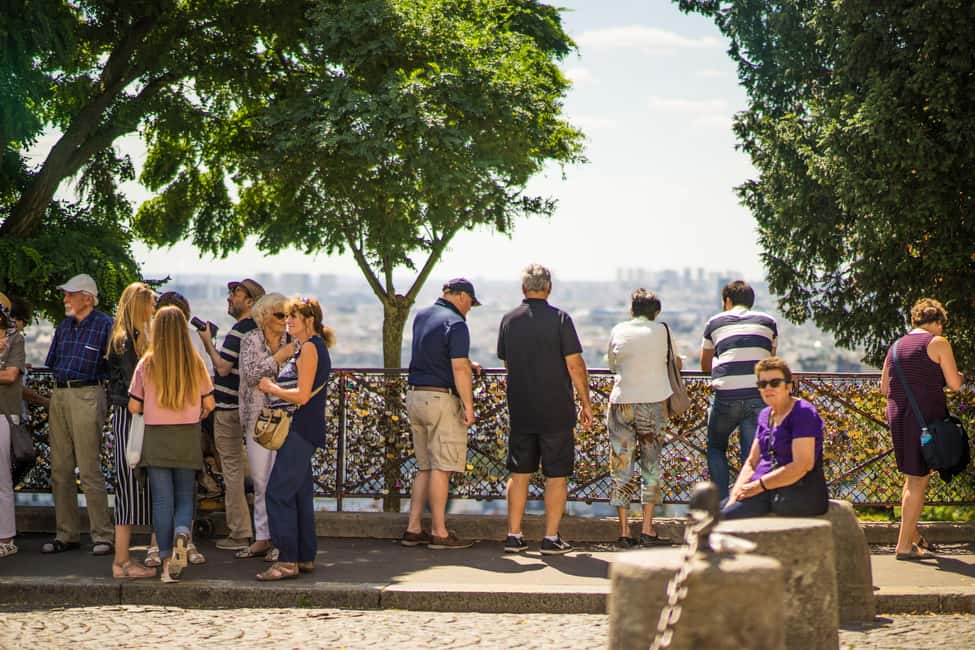
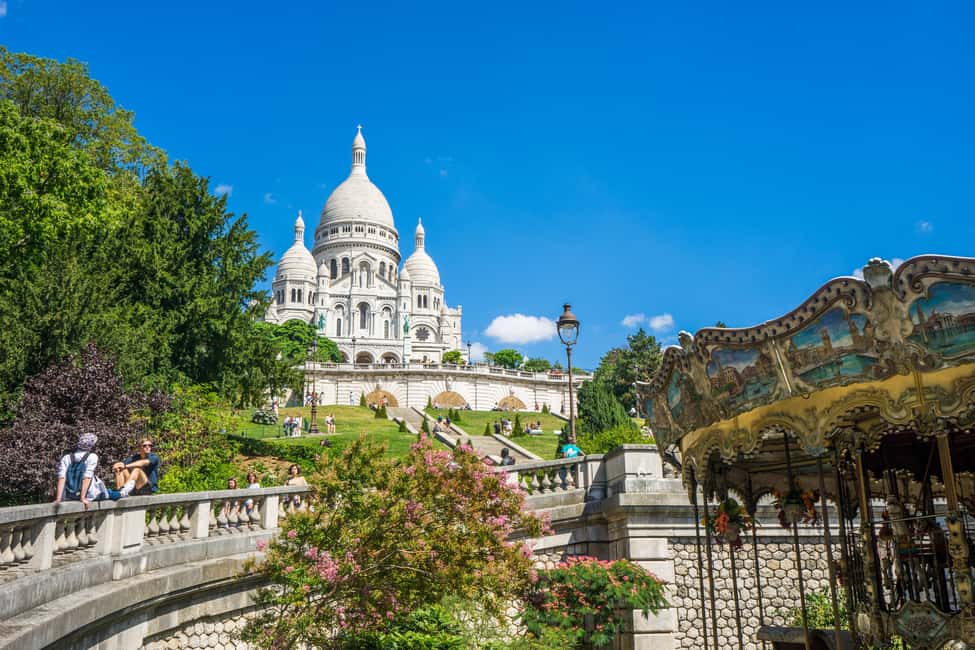
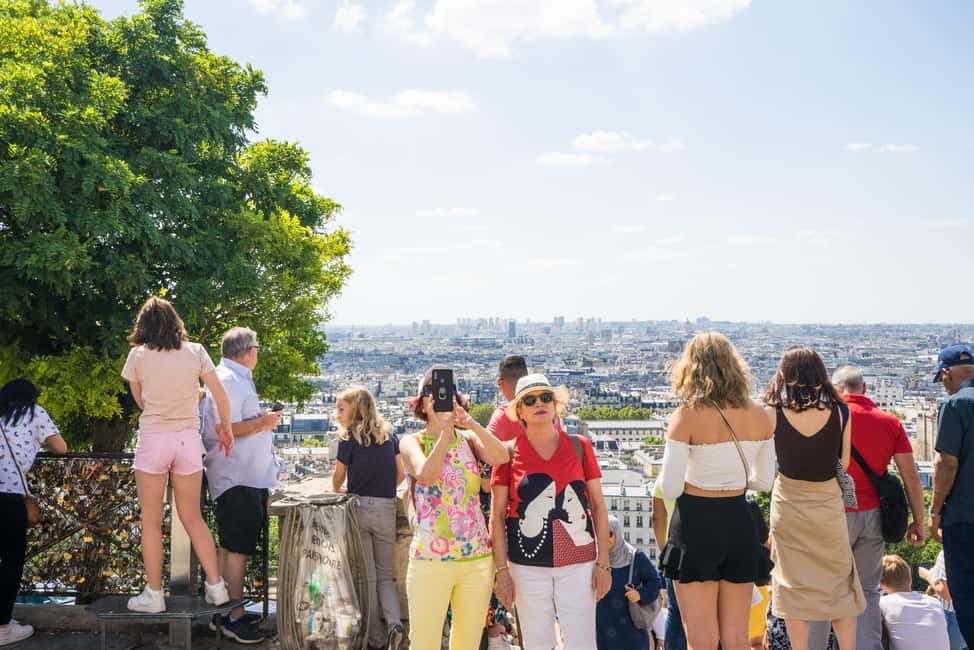
You’ll then reach Sacré-Cœur basilica, described as the gleaming white centerpiece of the area. This is the moment where Montmartre’s hillside position really matters. The tour positions it as a main sightseeing stop, so you’re not just walking past it—you’re getting time for the atmosphere.
This stop also acts like a natural narrative payoff. Earlier, you hear about Montmartre’s transformation—from just outside the city gates to an artists’ hub. Sacré-Cœur doesn’t replace that story, but it gives you the contrast you need to understand how Paris layers eras on top of each other. The hill isn’t only about 20th-century bohemia; it’s about how different identities coexist in the same space.
One more note: the itinerary list includes Sacré-Cœur as the last sightseeing point, while the tour description also states the activity ends back at the meeting point. Either way, treat Sacré-Cœur as your final landmark moment, and plan to finish still near the core Montmartre area.
Lapin Agile and the Clos Montmartre vineyard area
Not every Montmartre walk includes the stops that make the neighborhood feel lived-in. This one includes Lapin Agile and the Vigne du Clos Montmartre area, which is exactly why I think it’s a better value than a purely landmark-driven loop.
Lapin Agile is positioned as a sightseeing stop in the itinerary, and that alone tells you the tour wants to cover the kind of venues that fit the artistic legacy theme—not just the famous postcard buildings. It’s the kind of place where the guide’s storytelling approach helps you understand the atmosphere instead of just reading the name.
Then you finish with Vigne du Clos Montmartre. Even without a long lecture, having the vineyard area included gives you another angle on Montmartre: it’s not only art and architecture. It also has this sense of the neighborhood’s rural past and how that identity survived in small ways.
Also, the tour explicitly mentions hidden corners and details away from the crowds. Stops like Lapin Agile and Clos Montmartre are strong candidates for that side of the experience, because they don’t rely on everyone lining up at the same exact sight.
You can also read our reviews of more tours and experiences in Paris






What makes the guide experience work (and why the language matters)
This is a walking tour led by a live German-language guide. The activity is described as private-group, and the guides are presented as long-time residents who know Paris well and aim to show “their” Paris with unusual facets away from tourist crowds.
That all matters, because Montmartre can feel like a stage. If your guide can turn that stage into a story—how artists shaped cafés and studios, what the street layout signals, and why everyday life continues alongside the landmark economy—you get something more useful than a map of photo spots.
One extra detail from the experience information: a guide name Lucy appears in the feedback content tied to this tour, with a focus on showing great corners of the neighborhood and sharing engaging stories. If you meet a guide who matches that style, that’s the sweet spot you want.
If German isn’t your comfort zone, consider how much you want to rely on visuals. The tour’s structure is built around spoken explanation, not just passive sightseeing.
Price and value: Two hours for $91
Let’s talk money. The price is listed as $91 per person for a 2-hour walking tour. That can sound high if you compare it to free sightseeing, but that comparison misses the point.
You’re paying for:
- A professional guide
- A route designed to hit major landmarks and also include less obvious stops
- Spoken context tied to Montmartre’s artistic past and day-to-day rhythm
- A private-group experience format
Two hours is the right length for Montmartre if you’re also planning to enjoy the rest of Paris afterward. You won’t get exhausted by a long uphill slog, and you’ll still come away with enough orientation to explore on your own afterward.
Where the price might feel less justified: if you already know Montmartre well and only need a couple of photos. If that’s your situation, a self-guided approach could be cheaper. But if you want interpretation—how the hill’s bohemia story connects to what you see—this is the kind of experience that turns money into better memories.
Who should book this Montmartre tour
This tour makes the most sense for you if:
- You want Montmartre in 2 hours, not a half-day project
- You prefer a guided route that includes both headline sights and quieter corners
- You’re comfortable with German and want your understanding to come from a live guide
- You like artist-quarter energy and want context around the names tied to it, including Picasso, Renoir, and Toulouse-Lautrec
It may not be ideal if:
- You need an English-language guide
- You want long, slow pacing and extended time inside multiple attractions (this is a walking tour with no entrance fees included)
Should you book this tour?
Book it if you want a well-paced, German-led walking introduction to Montmartre that covers the core landmarks—Sacré-Cœur, Place du Tertre, and Moulin Rouge—while still trying to get you into the quieter, story-rich parts of the neighborhood. At $91 for two hours, you’re buying time, structure, and explanation, not just views.
Skip or reconsider if German is a barrier or if you already know every corner and you’d rather build your own route without a guide. Montmartre rewards both approaches, but this one is for people who want the stories in the moment—especially when you’re standing on the hill looking out over the Paris that shaped the artists.
FAQ
Is this Montmartre tour only available in German?
Yes. This activity is only available in German, and the guide speaks German.
How long is the tour?
The duration is listed as 2 hours. Exact starting times depend on availability.
Where do I meet the guide?
You meet at Blanche metro station (M2) at the small traffic island in front of the Moulin Rouge cabaret. The guide carries a bag with the HelpTourists logo.
What are the main sights included?
The tour includes stops at Moulin Rouge, Moulin de la Galette, Place du Tertre, Sacré-Cœur basilica, Lapin Agile, and the Vigne du Clos Montmartre area, with the route ending around Sacré-Cœur as the last sightseeing stop.
Is this a private tour?
Yes, it is listed as a private group.
Are entrance fees, food, or drinks included?
No. The tour includes the walking tour and the guide, but food, drinks, and entrance fees are not included.
Can children join?
Children up to 8 years can participate for free.