REVIEW · PARIS
Paris: Mixology Workshops
Book on GetYourGuide →Operated by Love Tonight · Bookable on GetYourGuide
A cocktail class that fits Paris in one hour. You get kosher ingredients and the option to make drinks with or without alcohol, all while a bartender guides you through three cocktails chosen by theme. One catch: there’s no food service, so plan your timing if you’re hungry.
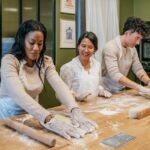
This is built for small groups (4 to 10) and a friendly, hands-on pace. You’ll shake, measure, and build real bartender habits, then taste what you made in a relaxed atmosphere.
One more consideration: the instruction is in French, so if you don’t speak it well, you’ll still follow along, but you may want to come ready for visuals and a little charm.
In This Review
- Key Things You’ll Do (and Why They Matter)
- A One-Hour Paris Cocktail Workshop That Actually Feels Personal
- How the Class Flows: Theme First, Then Three Cocktails, Then Tasting
- Kosher Cocktail Ingredients: What You Get and Why It’s Useful
- Alcohol or No Alcohol: How That Changes the Experience
- What You Actually Learn: Shaker Skills, Ingredient Secrets, Flavor Balance
- The Recipe Cards: Your At-Home Shortcut to Repeating Success
- Meeting Point: Find the Green Door and Keep Your Arrival Simple
- Who This Works Best For (and Who It Doesn’t)
- Price and Value: What $56 Gets You in Paris Time
- What the Instructor Style Feels Like (Based on Past Classes)
- Should You Book This Paris Mixology Workshop?
- FAQ
- How long is the Paris mixology workshop?
- How many cocktails will I learn to make?
- Can the cocktails be made without alcohol?
- Are the ingredients kosher?
- Do I get anything to take home?
- What is the meeting point?
Key Things You’ll Do (and Why They Matter)
- Choose a theme, not a menu so the class feels personal instead of pre-programmed.
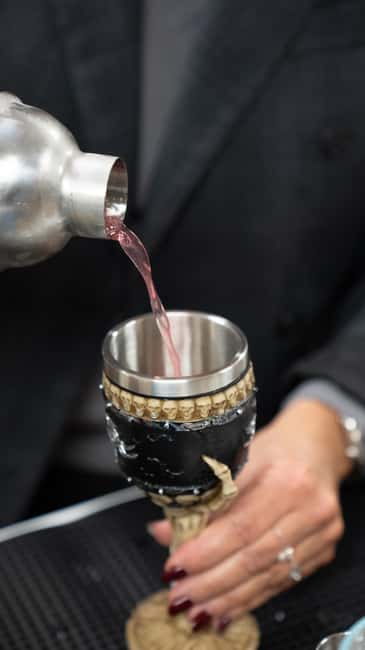
- Make three cocktails in one hour with step-by-step coaching and plenty of chances to participate.
- Use kosher ingredients for a clear, consistent flavor approach.
- Decide on alcohol or no alcohol depending on your night and your comfort.
- Leave with recipe cards so you can recreate the drinks at home.
- Work with full bar gear (shakers, dosers, colanders, and more), not just a few tools on a tray.
A One-Hour Paris Cocktail Workshop That Actually Feels Personal
In Paris, you’re always balancing time. This kind of 1-hour mixology class is a sweet spot: short enough to fit between museum time and dinner, long enough to learn something real.
What I like most about this workshop is that it doesn’t just show you a cocktail and move on. You build three cocktails yourself, and you do it as a small group, not as a crowded show. That small-group size (4 to 10) matters because you can ask questions and get corrections when your shaker technique needs tightening.
The other big reason this works is flexibility. The workshop lets you pick a theme, and then you’re coached through the recipes that match it. You can also make your cocktails with or without alcohol, which makes it easier to include friends who don’t want to drink—or who want a lighter night.
You can also read our reviews of more tours and experiences in Paris

How the Class Flows: Theme First, Then Three Cocktails, Then Tasting
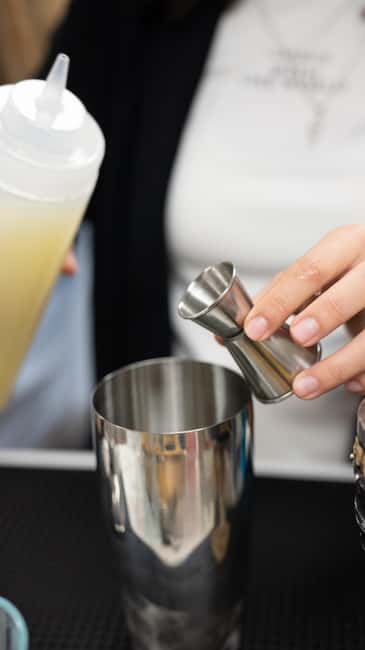
Here’s what the rhythm looks like once you’re in the workshop space. You start by choosing the theme of your choice—the organizer handles the details and you get the structured plan for the drinks that match. From there, the bartender walks you through the core steps of mixing, measuring, and shaking.
You’ll learn how to make three cocktails during the session, and the equipment is all set up for you. That includes the practical tools bar people use: shakers, dosers (measuring tools), colanders, and the rest of the bar kit. So instead of improvising with kitchen gear, you’re learning the same mechanics you’d use behind a real bar.
The tasting part is part of the design. Each participant gets to taste the cocktails they created, in a relaxed, interactive atmosphere. You’re not rushed out the door right after the last pour, and that makes it feel more like a group hang than a performance.
Kosher Cocktail Ingredients: What You Get and Why It’s Useful
The ingredients here are 100% kosher, including spirits, liqueurs, juices, and fresh fruit. That detail can matter more than you’d think, because it signals a consistent sourcing and ingredient approach.
For you, that means the workshop is built around a set of rules and standards. You aren’t just learning recipes; you’re learning how ingredients combine in a specific framework. Even if you’re not thinking about kosher rules day to day, this ingredient clarity can make the class easier to follow and easier to reproduce later.
It also helps with decision-making. When you’re mixing cocktails, the quality and type of ingredients drive everything: sweetness, acidity, aroma, and balance. Since everything is supplied, you can focus on technique instead of running around Paris trying to find the right bottle or juice for the exact flavor profile.
Alcohol or No Alcohol: How That Changes the Experience
You can make the cocktails with or without alcohol, and that’s one of the most practical features of the workshop.
If you choose alcohol-free, you still get real mixing technique: measuring, shaking, straining, and building flavor. Many alcohol-free drinks fail because they taste like flavored soda or juice. Here, you’re learning cocktail construction, not just mixing sweetness with water.
If you choose the alcoholic versions, you get the full bartender experience, including how the spirit base affects aroma and structure. Either way, the class is designed so you can personalize based on preferences, which is great if your group has different tastes.
One more smart tip: since you’re learning in a setting where you’ll be shaking and tasting, you’ll want to think ahead about transportation. The workshop itself suggests coming by cab or public transport so you’re not planning to drive afterward.
What You Actually Learn: Shaker Skills, Ingredient Secrets, Flavor Balance
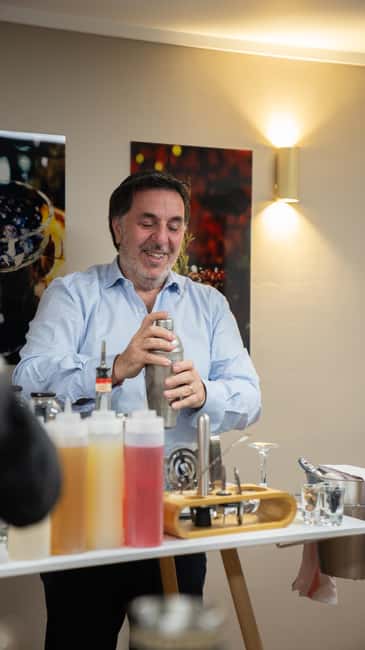
This is the part that makes a cocktail workshop worth your time. You’re not just collecting recipes; you’re practicing the mechanics.
You’ll work on shaker skills with the kind of hands-on guidance that helps you get consistent results. That includes basic technique that can make or break a drink, like how to combine ingredients and how to strain for a clean texture.
You’ll also learn about ingredients and how they behave. The workshop highlights the secrets of ingredients and teaches you how different components contribute to the final cocktail. In practice, this means you’re more likely to understand why a recipe tastes the way it does—so when you recreate it later, you can adjust with confidence.
And there’s personalized guidance. The bartender helps you adapt the drinks to your preferences, which is ideal if you prefer less sweet, more citrus, or a different balance. Small adjustments are where real cocktail mastery lives.






The Recipe Cards: Your At-Home Shortcut to Repeating Success
You get recipe cards for reproducing your cocktails at home. For me, this is the difference between a nice night out and a lasting skill.
When you have written instructions, you can recreate the exact method and ingredient structure instead of guessing from memory. That’s especially useful because the class is only one hour—meaning you’ll learn fast, but you’ll still want something to reference afterward.
The recipe cards also make it easier to share with friends. If you’re hosting, you can turn your experience into a mini cocktail night using the same proportions and process.
Meeting Point: Find the Green Door and Keep Your Arrival Simple
The meeting point is specific: the green door stuck to the France Assos Santé sign. Someone will come and get you.
That’s the kind of detail worth treating seriously, because it’s Paris and doorways blend together. If you arrive early, you’ll have time to confirm you’re at the right spot without rushing. Since there’s a person who comes for you, you don’t need to stress about figuring out every step on your own.
Also note what’s not allowed. Pets aren’t allowed, and you can’t bring food. The workshop experience is designed so everything edible and drink-related is handled by the organizers.
Who This Works Best For (and Who It Doesn’t)
This is a great fit if you want a social activity with real skill-building. Think of it as a fun plan for:
- groups of 4 to 10
- friends on a night out
- people celebrating something small and personal
- anyone who wants to learn cocktail technique without committing to a long class
It’s also well-suited for mixed drink preferences, since the cocktails can be made with or without alcohol.
On the other hand, it’s not suitable for certain people. It’s not allowed for children under 2, and the policy lists restrictions that effectively put young children out of range (it’s not suitable for children under 10). Wheelchair users aren’t accepted, and it also lists a maximum age of over 95.
If your group includes anyone who falls into those categories, you’ll want to choose a different activity so you don’t hit a wall at check-in.
Price and Value: What $56 Gets You in Paris Time
At $56 per person for a one-hour session, this isn’t a budget “grab a drink and go” activity. It’s priced like a guided workshop, and that makes sense because you’re paying for coaching plus everything you need to make the drinks.
Here’s the value logic I’d use:
- You’re making three cocktails, not one.
- The workshop includes quality ingredients, glassware, and all bar equipment (shakers, dosers, colanders, and more).
- You get recipe cards so you can repeat the experience later.
- You also get personalized guidance to adjust taste.
If you’ve ever tried to learn cocktails on your own, the cost of ingredients, proper tools, and trial-and-error adds up fast. This workshop compresses that learning into one evening and supplies the full toolkit.
The one place where the price can feel less fair is if your group expects a meal experience. There’s no catering or food accompaniment, and food can’t be included. So if you’re hungry, pair it with a proper dinner before or after the class.
What the Instructor Style Feels Like (Based on Past Classes)
The bartender guides you every step of the way, and the tone seems built for good vibes. Reviews specifically highlight Elie, with praise for a pleasant atmosphere and a kind, generous approach—people mention enjoying the experience and looking forward to returning.
That matters because cocktail-making can feel intimidating if you’re worried about messing up. When the instructor keeps things friendly and moving at a good pace, you’re more likely to relax, learn, and actually enjoy your own creations.
If your group likes a lively, hands-on session, this is the right kind of energy.
Should You Book This Paris Mixology Workshop?
I think you should book it if you want a short, skill-based activity in Paris that feels social and gives you something to take home—specifically recipe cards and technique you can use again.
Skip it if your plan depends on food included, or if you’re traveling with anyone who falls outside the age and accessibility rules. Also skip if you strongly need instruction in a language other than French—because the workshop provides French language instruction, so you’ll rely on guidance and demonstration more than detailed translation.
If you’re the kind of person who enjoys hands-on learning and you want a fun night that isn’t just walking around, this class is a solid bet.
FAQ
How long is the Paris mixology workshop?
It lasts 1 hour.
How many cocktails will I learn to make?
You’ll make three cocktails during the session.
Can the cocktails be made without alcohol?
Yes. Your cocktails can be made with or without alcohol.
Are the ingredients kosher?
Yes. All ingredients used are 100% kosher.
Do I get anything to take home?
You’ll receive recipe cards. However, alcohol, juices, and materials cannot be taken away.
What is the meeting point?
It’s at the green door stuck to the France Assos Santé sign, and someone will come to get you.