REVIEW · PARIS
Paris 6-Hour Private Guided Walking Tour
Book on GetYourGuide →Operated by Paris in person private tours · Bookable on GetYourGuide
Paris is best when you walk it with context. This 6-hour private guided tour is built for that: you cover major landmarks and a few less-obvious corners, with a guide keeping the story straight from medieval Paris through the late 1800s and into today. You also get a tour that can be customized around what you care about most.
I especially like how it pairs big-name sights with city texture. Yes, you’ll see Notre-Dame, but you’ll also move through areas tied to books, learning, markets, and civic life, so the route feels like a living timeline instead of a checklist.
One thing to keep in mind: if you’re not into extended church-focused commentary, it’s worth telling your guide what you want early. In a tour like this, the cathedral stops can take center stage, so you may want to steer the balance from the start (more on how to do that below).
In This Review
- Key things I’d plan around on this tour
- A 6-hour private loop that works as fast Paris orientation
- Meeting your guide: hotel pickup and the red tote bag
- Notre-Dame: why the Gothic design still feels like engineering
- Shakespeare and Co., the Latin Quarter, and Paris as a place of ideas
- Hotel de Ville, Tour St-Jacques, and Les Halles: the city’s civic pulse
- Saint Eustache: a different kind of church stop
- The Louvre’s Cour Carré: medieval and Renaissance logic in one glance
- Place Vendôme and Place de la Concorde: Paris through symmetry and power
- Champs-Élysées: the grand finish and the reality check
- Customization that actually helps: tell your guide your priorities early
- Price and value: why $285 per person can still make sense
- Who this tour fits best
- Should you book this 6-hour private guided walking tour?
- FAQ
- FAQ
- How long is the Paris private guided walking tour?
- What sights are included on the tour?
- Is this tour private or group-based?
- What’s included in the price?
- Are food and beverages included?
- Will the tour run in bad weather?
- What languages are available for the live guide?
- Do I get hotel pickup?
- Is the tour wheelchair accessible?
- What’s the cancellation policy?
Key things I’d plan around on this tour
- Private, hotel pickup means less hassle and more time walking
- Notre-Dame plus the Latin Quarter gives you both the icon and the neighborhood logic
- Cour Carré of the Louvre adds architecture history without committing to a museum visit
- Place Vendôme and Place de la Concorde show Paris as a design-minded capital
- Champs-Élysées finish helps you connect the dots to modern Paris
A 6-hour private loop that works as fast Paris orientation
If your Paris days are limited, this tour is designed to give you bearings quickly. Instead of bouncing between far-apart attractions, you follow a logical flow through central Paris landmarks that help you understand what you’re seeing. That matters because Paris landmarks are not just pretty. They’re tied to power, religion, commerce, and art choices that shaped Europe.
The private format is the real advantage. You can ask for more time in the places that click for you—architecture details, history, or how the city evolved. It also helps if you want a calm pace. The goal is a relaxed guided walk, not a sprint where you miss the point.
You can also read our reviews of more walking tours in Paris



Meeting your guide: hotel pickup and the red tote bag
The tour includes pickup in your hotel reception area, and your guide will be carrying a red canvas tote bag. That’s small, practical magic: you don’t spend your first hour in Paris hunting a meeting point or trying to decode street numbers.
The tour is also rain or shine, so plan like a local: a light layer, comfortable shoes, and something for wet weather if the forecast looks doubtful. Since you’re walking for about six hours, footwear matters more than you think—Paris sidewalks are lovely, but they’re not always forgiving.
Notre-Dame: why the Gothic design still feels like engineering
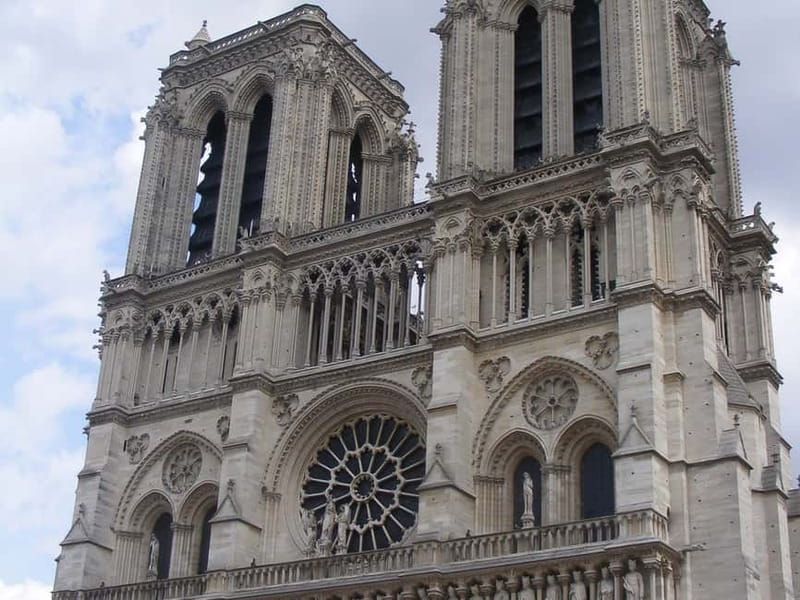
You start with Notre-Dame Cathedral, and the tour treats it as more than a photo stop. Gothic cathedrals work because of structural choices—how weight, height, and arches are managed so the building can look airy while still standing strong. Even if you’re not a church person, Notre-Dame is one of the best places in Paris to see how architecture communicates ambition.
You’ll also hear the story of why Paris became such a magnet for European attention. Notre-Dame sits at the core of that idea: the city built monuments meant to last, and people came to see them. When your guide connects the cathedral to the wider city story, it stops feeling like a standalone landmark.
Practical tip: look up. The details are a big part of why the place matters. If you keep your eyes at street level only, you’ll miss the design logic that makes it feel so distinctive.
Shakespeare and Co., the Latin Quarter, and Paris as a place of ideas
From Notre-Dame, you’ll move into the Latin Quarter area and stop at the Shakespeare and Co. bookstore. This is one of those Paris touches that feels like you’re stepping into the city’s cultural bloodstream. The Latin Quarter is linked with learning and debate, and a bookstore works as a shortcut to that mood.
I like this part because it changes the tone. After the scale and seriousness of a cathedral, you get streets that feel human-sized again. Your guide can tie it back to education, books, and the kind of thinking that shaped Paris writing and art culture.
If you enjoy walking through neighborhoods with a narrative, this is where the tour starts to feel less like sightseeing and more like understanding how people lived—and what they valued.
Hotel de Ville, Tour St-Jacques, and Les Halles: the city’s civic pulse
Next, you’ll pass by Hotel de Ville and spend time around Tour St-Jacques and Les Halles. These stops help you see Paris as a working city, not just a museum outside the museum.
Hotel de Ville represents civic identity. It’s where Paris shows how it wants to be seen: organized, authoritative, and proud. Tour St-Jacques is another reminder that Paris has always built landmarks with purpose, even when the city’s priorities changed over time.
Les Halles is especially useful if you want the “real Paris” angle. It connects the idea of markets and daily life to how central Paris functioned. When a guide frames Les Halles in the context of how the city supported commerce, you understand why this area stays so central even as tastes and buildings evolve.
If you love city history, ask your guide to explain the link between commerce, architecture, and how neighborhoods shift. It’s the kind of thread you can carry with you after the tour.
You can also read our reviews of more guided tours in Paris




Saint Eustache: a different kind of church stop
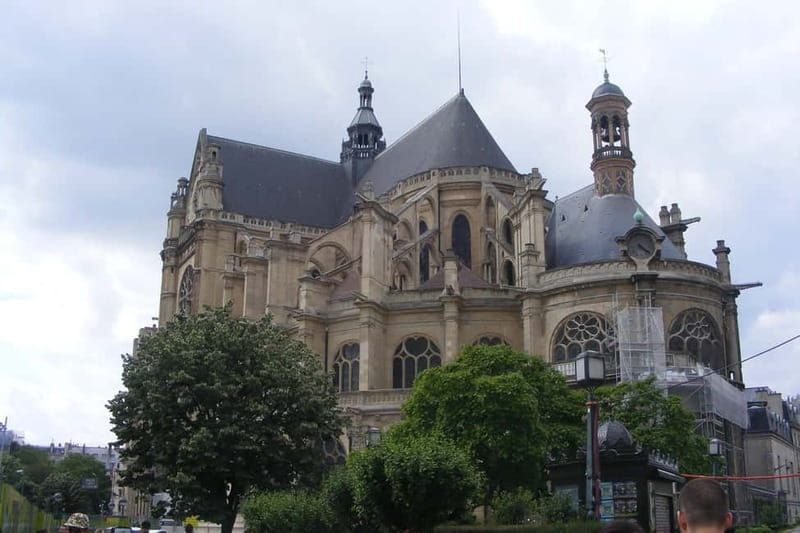
You’ll also visit the Cathedral of Saint Eustache. This is a good moment for a reset if you’re slightly tired of Notre-Dame comparisons. Different churches can change the way you read a skyline, because each place reflects different time periods and design preferences.
This is also where you can influence the balance. If your focus is architecture and broader urban history, tell your guide you want more of that lens here—less time on general religious context, more time on how the building fits the city’s timeline. The tour is private, so your preferences can actually steer what you get.
The Louvre’s Cour Carré: medieval and Renaissance logic in one glance
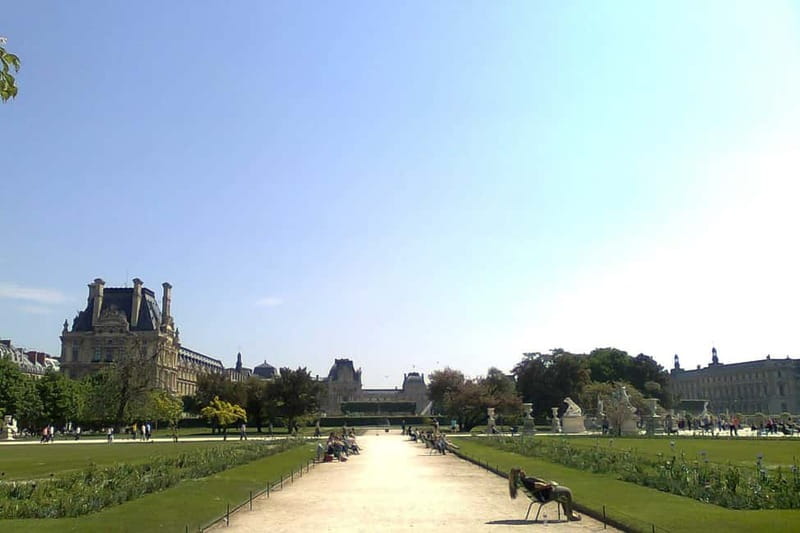
Later, you’ll explore the Cour Carré of the Louvre. Even if you never go inside the Louvre galleries, the Cour Carré is a strong architecture education. It’s where you can see how Paris projects power through design—how styles overlap, and how the complex grew into what it is today.
The Cour Carré matters because it sits at the intersection of Medieval/Renaissance architectural styles. Your guide can help you notice how older patterns influence newer forms, instead of treating the Louvre as one monolithic “big museum building.”
Practical tip: if you’re interested in photography, this is a place to pause. The geometry rewards a slower look. And since you’re walking, taking a moment here can make the rest of the tour feel more satisfying.
Place Vendôme and Place de la Concorde: Paris through symmetry and power
Place Vendôme is next, described as a jewel of 17th-century architecture. This part of the walk is useful if you want to understand Paris as a city that likes order. Vendôme gives you that sense of planned elegance—architecture as a statement.
Then comes Place de la Concorde. This is a major civic square with big-scale Paris drama. It helps you connect how the city planned public space for visibility and ceremony. Even without a lecture, a square like this makes you feel how Paris arranged space for public life.
I like these stops because they show Paris as design-minded. You start noticing how architects and planners used space to shape the way people move and gather.
Champs-Élysées: the grand finish and the reality check
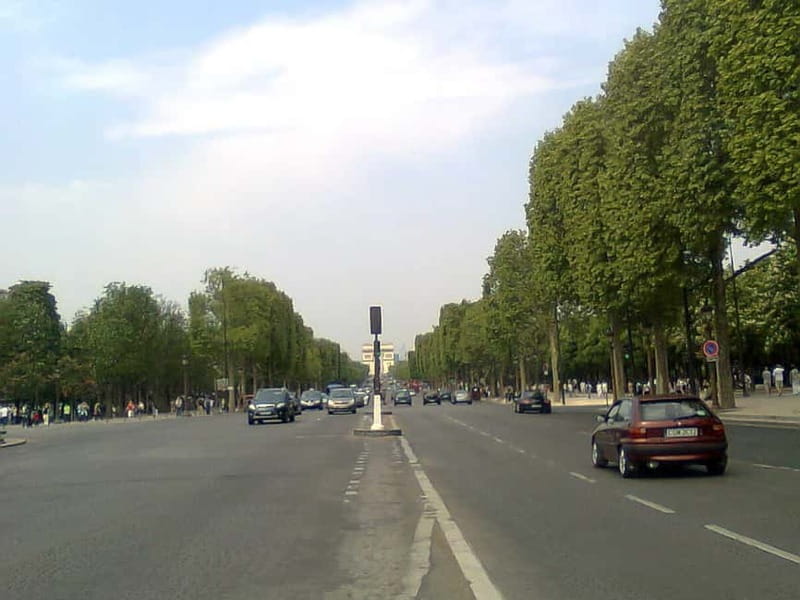
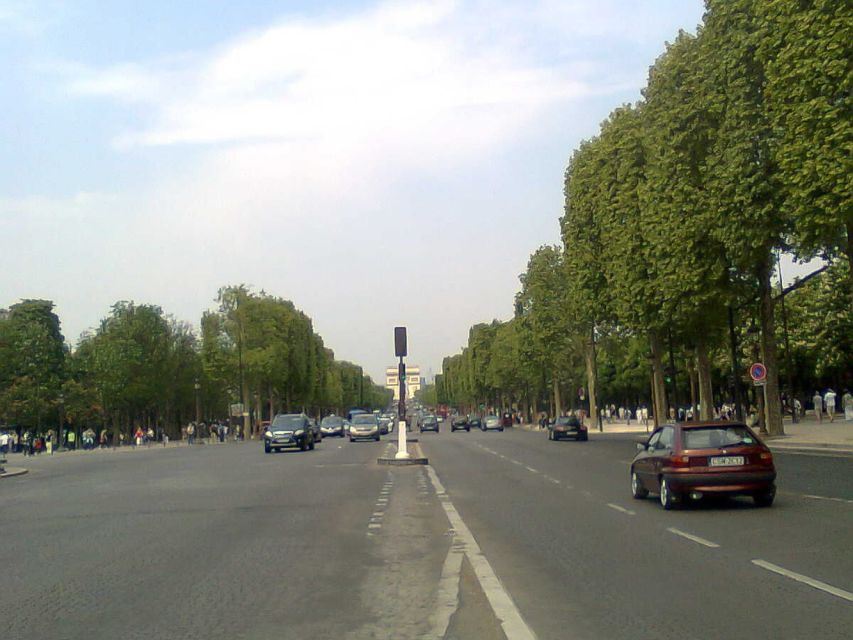
You’ll finish with time at the Champs-Élysées, described as the world’s most famous avenue. It’s famous for a reason, but it can also feel like just a branded boulevard unless you connect it back to the city story.
A good guide makes the avenue more meaningful by explaining how it fits into the broader Paris of today. You’re not just walking for views. You’re walking to understand how Paris uses scale and straight lines to create an urban “stage.”
If you want something practical here: use the Champs-Élysées moment to choose what you’ll do next. You’ll have a clearer sense of direction, and you’ll know which neighborhoods feel worth a return trip.
Customization that actually helps: tell your guide your priorities early
This tour can be customized around what interests you. That’s a big deal, because Paris history can go off in many directions: architecture, politics, art, literature, or the timeline from medieval streets to later urban development.
Here’s how I’d use the private format to get what you want:
- At the start, ask for a quick focus plan: architecture heavy, history heavy, or a balance.
- If you care about general city context, ask your guide to begin with a short orientation—like a basic map overview and how the city story connects to the route.
- If you want less church time, say so early, and request more time on civic spaces, markets, and architecture stops.
One of the best ways to make a walking tour feel personal is to set expectations before you hit the first major monument. Private tours are only flexible if you make the first ask.
Price and value: why $285 per person can still make sense
At $285 per person for a 6-hour private tour, this isn’t a budget move. But it can be good value if your goal is efficient orientation and you want a guide who can adapt.
Here’s what you’re getting that group tours often don’t include:
- Hotel pickup in your reception area
- A dedicated live guide for your group
- A route that hits major highlights plus context stops (including Cour Carré, Vendôme, Concorde, and Champs-Élysées)
- Private pacing, where you can spend extra time if something clicks
You’re not getting food or drinks included, so you’ll still need to budget for a snack break on your own. Still, having the guide for the walking time is what you’re paying for. For a short visit to Paris, that can be money well spent because it saves time and helps you enjoy the rest of your trip more confidently.
Who this tour fits best
This is a strong match if:
- You’re visiting Paris briefly and want to cover the strongest landmarks with context
- You like architecture and want to understand why buildings look the way they do
- You want a private guide who can shape the focus around your interests
- You value an easy start with hotel pickup and a structured route
It may not be ideal if you hate walking for hours or you only want museum interiors. This tour is centered on streets, squares, and key buildings from the outside or at accessible points. If your priority is deep museum time, you might pair this with a separate museum day instead of replacing it.
Should you book this 6-hour private guided walking tour?
I’d book it if you want a smart first-Paris foundation: Notre-Dame, Latin Quarter energy, Louvre Cour Carré architecture, and the big public spaces that define Paris. The private format with a live guide is what makes it feel like more than a list of stops, and the structure gives you a clear mental map for the rest of your trip.
I’d hesitate only if you strongly prefer a lighter church approach or you’re the type who needs very tightly pre-scripted routes with no flexibility. If that’s you, solve it upfront: tell the guide what to emphasize and what to skip at the beginning.
FAQ
FAQ
How long is the Paris private guided walking tour?
It runs for 6 hours.
What sights are included on the tour?
Key stops include Notre-Dame Cathedral, the Cour Carré of the Louvre, Place Vendôme, Place de la Concorde, the Champs-Élysées, and additional stops such as Shakespeare and Co., the Latin Quarter, Hotel de Ville, Tour St-Jacques, Les Halles, and the Cathedral of Saint Eustache.
Is this tour private or group-based?
It’s a private group tour.
What’s included in the price?
The tour guide is included.
Are food and beverages included?
No, food and beverages are not included.
Will the tour run in bad weather?
Yes, tours operate rain or shine.
What languages are available for the live guide?
English, French, and Serbo-Croatian are offered.
Do I get hotel pickup?
Yes. You’ll be picked up in the reception area of your hotel, and your guide will be carrying a red canvas tote bag.
Is the tour wheelchair accessible?
Yes, it’s listed as wheelchair accessible.
What’s the cancellation policy?
Free cancellation is available up to 24 hours in advance for a full refund.