REVIEW · PARIS
Paris: Old Town & Latin Quarter Guided Walking Tour
Book on GetYourGuide →Operated by Best Bits of Paris · Bookable on GetYourGuide
Follow Paris history one story at a time. This Saint-Germain des Prés to Latin Quarter walk connects famous Left Bank sights with quieter Roman-and-Royal district corners, guided by people like Johann and Claire. I especially like the small-group feel, where questions are welcome and the route stays easy to follow.
I also like how food is part of the story, not an add-on. You pass legendary spots such as Les Deux Magots and Café de Flore, get chances to try artisanal treats along the way, and end with crepes near Rue de la Huchette—plenty of time to wander after.
One consideration: it’s a real walking tour. You’ll be on your feet for about 2.5 hours, so wear comfortable shoes, bring water, and skip it if you have mobility needs (it’s not suitable for wheelchair users).
In This Review
- Key things that make this tour worth your time
- A smart first-day plan for the Left Bank
- Where you meet and how the tour starts on Saint-Germain des Prés
- Saint Germain des Prés church: the anchor stop for the whole walk
- Café legends: Les Deux Magots and Café de Flore
- Saint-Sulpice and pop-culture Paris (The Da Vinci Code connection)
- Hôtel de Luzy and the “quiet Paris” between big stops
- Luxembourg Gardens: a breather with meaning
- Pantheon and Sorbonne: where ideas get physical
- WWII soldier stories: how the walk turns from pretty to powerful
- Musée national du Moyen Âge – Thermes et hôtel de Cluny: Roman-to-medieval in one stretch
- The medieval Latin Quarter: streets, symbols, and the daily life angle
- The end point: Rue de la Huchette and crepes with time to spare
- Pacing, group size, and what 150 minutes really feels like
- Why the price makes sense for what you get
- What to bring so the walk stays pleasant
- Who should book this Left Bank walk
- Should you book this tour?
- FAQ
- How long is the Paris Old Town & Latin Quarter guided walking tour?
- Where does the tour meet?
- Is the tour guided in English?
- Do I need to buy snacks or lunch separately?
- What should I wear or bring?
- Is the tour suitable for wheelchair users or mobility impairments?
Key things that make this tour worth your time
- Left Bank focus that goes beyond the postcard with the medieval Latin Quarter, Roman baths area, and “royal” streets
- WW2 storytelling on the walk, including the track of soldiers and tales of heroes and villains
- Café culture stops at icons like Les Deux Magots and Café de Flore
- Tastes along the route, with a crepe finish giving you a sweet, practical end point
- Guides who shape the pace so small-group questions don’t get lost
- A strong first-day orientation: you’ll see major monuments plus side streets you can return to on your own
A smart first-day plan for the Left Bank
This is the kind of tour that helps Paris click into place. Instead of racing from landmark to landmark, you move through neighborhoods with a sense of time—medieval streets, classical monuments, and the cultural Paris that writers and musicians borrowed from every day.
I like that it’s built for first arrival: you get to see the icons and still leave with a list of places you’d want to revisit. The 150-minute length is long enough to feel like you covered real ground, but short enough that you’re not wiped out for the evening.
And the best part? The guide keeps the walking fun with stories. You’re not just hearing dates—you’re hearing how the city behaved: who belonged, who fought, and why certain buildings became magnets for ideas.
You can also read our reviews of more walking tours in Paris



Where you meet and how the tour starts on Saint-Germain des Prés
You’ll meet just outside the Saint Germain des Prés metro station (on the church side), with the guide waiting near the exits of the Boulevard. That matters because Paris metro signage can be confusing when you’re also watching for the right group.
Expect a start in the charm-heavy zone of Saint Germain des Prés. This is a good place to begin because the area still feels like a lived-in neighborhood, not a fenced-off museum district. You’ll quickly get oriented to the “shape” of the Left Bank before you start climbing toward the bigger monuments.
Saint Germain des Prés church: the anchor stop for the whole walk
The tour starts near the Church of Saint Germain des Prés for a short guided stop. This is where you get a first taste of the area’s deep layers—old religious roots, later cultural waves, and the kind of Paris identity that keeps returning in new forms.
From here, the tour sets a pattern you’ll see again and again: the guide points out what you’d miss if you were walking alone—architectural cues, street alignments, and why a building matters even when it doesn’t look “dramatic” from street level.
Café legends: Les Deux Magots and Café de Flore
One of my favorite parts is the way this tour treats cafés as historical objects. You don’t just stop for a photo—you learn why people kept coming back.
At Les Deux Magots and Café de Flore, the guide shares context that turns a simple street corner into something you can picture with real characters in it. Even if you’re not a café person, these stops help you understand why the Left Bank has always attracted artists, writers, and thinkers looking for conversation and continuity.
It’s also a practical benefit: after the tour, you’ll know where you can duck in for a drink or a quick bite without guessing.
Saint-Sulpice and pop-culture Paris (The Da Vinci Code connection)
Next up is Church of Saint-Sulpice, with a guided look that includes the popular-film connection people often bring up: The Da Vinci Code. Even if you saw that movie already, the church itself is worth your attention on the ground.
This is the moment the tour balances entertainment with architecture. The guide connects what you see today with why it became a recognizable stop in Paris, and how storytelling—fiction or not—helps people focus on the details they might otherwise skip.
You can also read our reviews of more guided tours in Paris

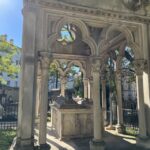



Hôtel de Luzy and the “quiet Paris” between big stops
Not every stop is a headline monument. Hôtel de Luzy is more of that “blink and you’ll miss it” kind of Paris, and that’s exactly the point.
This is where the tour earns its off-the-main-track promise. You get a feel for the kinds of buildings that give the Left Bank its texture—places where history sits behind gates, façades, and street-side rhythms rather than giant tourist signs.
If you like walking where the city feels like a city, not a set, you’ll enjoy these segments.
Luxembourg Gardens: a breather with meaning
The tour strolls through Luxembourg Gardens for about 30 minutes, including guided sightseeing. This is a break that still counts, because you’re not just resting—you’re learning how the space fits the Left Bank story.
I like that the guide gives you reasons to notice what you’re seeing: paths, sightlines, and the role of gardens in a city that always seems to be expanding and reinventing itself.
If you time it right, it’s also a great photo zone that doesn’t require climbing anything.
Pantheon and Sorbonne: where ideas get physical
Then you move toward the Pantheon and stop for the Sorbonne area. These are major institutions, but the tour keeps them from feeling distant.
The Pantheon stop gives you a sense of why the Left Bank built itself around learning and public memory. Then at the Sorbonne, you get another layer: not just a famous building, but the idea that students and scholars shaped the city’s daily mood for centuries.
This part is especially helpful if you plan to do more self-guided exploring afterward. Once you understand where the university zone “sits” on the map, you’ll navigate the Latin Quarter with more confidence.
WWII soldier stories: how the walk turns from pretty to powerful
One of the tour highlights is the chance to walk parts of the track of soldiers in World War II, with stories of heroes and villains. This is the section where the guide shifts tone, so the walk becomes more than sightseeing.
It’s also why the guided format matters. Streets can look similar in Paris, but context changes what you feel standing there. The guide helps you connect the physical route to events that shaped the city.
I’d suggest listening closely here—even if your feet are tired. This is the part that tends to stick.
Musée national du Moyen Âge – Thermes et hôtel de Cluny: Roman-to-medieval in one stretch
A key stop is the Musée National du Moyen Age–Thermes et Hotel de Cluny. Even with a guided outdoor/route-based approach, you’re pointed toward the Roman baths area and the medieval evolution of this zone.
This is where the tour makes its “Hidden Roman & Royal Districts” promise feel real. You’re not just hearing that Paris used to be Roman. You’re walking near areas where the Roman presence and later medieval rebuilding can be felt in the layout and the way neighborhoods evolved.
If you like history that’s grounded in streets, you’ll appreciate how the guide connects layers rather than treating them like separate chapters.
The medieval Latin Quarter: streets, symbols, and the daily life angle
You spend time in the Latin Quarter itself, guided through the medieval feel of the area. Here, the route does a good job of teaching you what to notice: street patterns, building styles, and the way institutions and hangouts fed into each other.
You’ll also get plenty of opportunities to ask questions as you go. Many of the best reviews talk about how guides kept the group engaged and adjusted to interests, and you can feel that when the tour stops feel conversational rather than lecture-only.
The end point: Rue de la Huchette and crepes with time to spare
The tour finishes on Rue de la Huchette, with the day’s sweet payoff: crepes at the guide’s favorite spot. This is a smart finish for two reasons.
First, Rue de la Huchette is easy to understand and easy to return to later. Second, crepes give you a natural reset after the walk—food that’s fast, shared, and perfect for planning your next move.
You’ll also have time to spare afterward, and there’s an option to continue with additional classic sites if you want more. That’s a nice bonus if you’re the kind of traveler who can’t stop after a first round.
Pacing, group size, and what 150 minutes really feels like
This is a 2.5-hour format that still moves at a steady walking pace. Many experiences are described as around 10,000 steps and “light walking,” which helps if you’re traveling with kids or you just want a guided morning that doesn’t destroy your afternoon.
One reason it works: the guide keeps the stops from dragging while still giving context at each location. In small groups (often around 8, based on guide-style feedback), you’re not shouting questions over a crowd.
If you want a tour that feels like a walk with a smart friend rather than a bus ride on foot, this fits.
Why the price makes sense for what you get
At $41 per person, this isn’t a “cheap and short” tour, but it also isn’t overpriced for what’s included. You’re paying for a local guide who strings together multiple neighborhood chapters—Saint Germain des Prés, Luxembourg Gardens, the Pantheon/Sorbonne area, Cluny/medieval streets, and a practical crepe ending.
Value comes from three places:
- Time on the ground: 150 minutes of guided walking is plenty to orient yourself.
- Story delivery: WWII-route details and pop-culture references make the stops memorable.
- Food moments: artisanal tastes plus crepes reduce guesswork on what to eat near the places you just learned.
If you’re only spending one or two afternoons in Paris and want your bearings fast, this is one of the better ways to use that time.
What to bring so the walk stays pleasant
Bring what keeps the tour fun rather than annoying. Plan for weather changes, because Paris can shift quickly.
You’ll want:
- Comfortable shoes (this is the biggest one)
- Water (snacks and water aren’t included)
- Weather-appropriate clothing
- A camera for photos
Also, note that smoking isn’t allowed on the walk.
If you’re thinking about the walking side: build in a little buffer the day of the tour. You’ll likely want a low-effort afternoon or a relaxed dinner afterward.
Who should book this Left Bank walk
This tour is a great fit for:
- First-timers who want icons plus neighborhood texture
- People who like history when it’s told with stories and details
- Travelers who want café culture stops and food guidance, not just monuments
- Solo travelers who appreciate a small group where introductions happen naturally
- Families who want an active morning that still includes teaching moments
If you’re looking for a tour that stays mostly inside museums, this may not be your best match. This one is built for streets, buildings you can see from the sidewalk, gardens, and guided walking segments.
Should you book this tour?
Yes—if you’re visiting the Left Bank soon and want a fast, friendly way to understand what you’re seeing. The mix of Saint Germain des Prés charm, Luxembourg Gardens breathing room, academic landmarks like the Sorbonne, Roman-to-medieval context around Cluny, and WWII storytelling makes it more memorable than a standard “see the highlights” walk.
Book it especially if:
- You want to return later on your own with a smarter route
- You’d rather be guided through side streets than lost in them
- You like tours that connect history to places where people actually sat, talked, ate, and moved through the city
Skip it if you need wheelchair access or you know long walking will be hard. For everyone else: it’s an efficient, high-value way to get your Paris bearings while still enjoying the city the way locals do—on foot, with good stops along the way.
FAQ
How long is the Paris Old Town & Latin Quarter guided walking tour?
It runs for about 150 minutes (around 2.5 hours).
Where does the tour meet?
Meet just outside the Saint Germain des Prés metro station exit. Your guide will be waiting just outside the exit, on the church side.
Is the tour guided in English?
Yes. The live tour guide speaks English.
Do I need to buy snacks or lunch separately?
Food and drinks are not included. The tour mentions that lunch/snacks/water are not included, so plan to bring water.
What should I wear or bring?
Wear comfortable shoes and bring water. Also dress for the weather, since conditions can vary, and bring a camera if you want photos.
Is the tour suitable for wheelchair users or mobility impairments?
No. It’s not suitable for people with mobility impairments or wheelchair users.