REVIEW · PARIS
From Paris: WWI Somme Battlefields Full-Day Tour
Book on GetYourGuide →Operated by Paris' TRIP · Bookable on GetYourGuide
Somme is heavy history, packed into one day. This full-day tour from Paris takes you into Hauts-de-France to see major WWI sites in person, then gives you the context to understand what you’re looking at.
I especially like the battlefield hit list: Delville Wood (Longueval), Pozières and Mouquet Farm, Mametz Wood’s Welsh Memorial, Thiepval and the Ulster Tower, Beaumont-Hamel, and the Lochnagar Crater at La Boisselle. I also like the Historial Museum in Péronne, where you connect the memorials to the bigger story of WWI through exhibits built around original objects and documents.
One thing to plan for: it’s an 11-hour day with lots of stops, and lunch and drinks aren’t included, so you’ll want to handle meals yourself.
In This Review
- Key points to know before you go
- A practical way to reach the Somme from Paris
- How the day is stitched together across the Somme front
- Delville Wood at Longueval: a front-line place you can feel
- Pozières and Mouquet Farm: where names become history
- Mametz Wood Welsh Memorial, Thiepval, and the Ulster Tower
- Beaumont-Hamel and the Newfoundland Memorial: trenches you can actually see
- Lochnagar Crater at La Boisselle: a mine hole you can measure
- Historial Museum in Péronne: why the context is built around everyday objects
- Guide quality makes or breaks the Somme day
- Comfort, pace, and what to do about lunch (since it’s not included)
- Price and value: what you’re paying for at $293 per person
- Who this tour fits best
- Should you book this Paris to Somme full-day tour?
- FAQ
- How long is the WWI Somme battlefields tour from Paris?
- What group size is this tour?
- Is the tour guided in English?
- Where is the meeting point in Paris?
- Are lunch and drinks included?
- Does the tour offer hotel pickup?
- Which major sites are included?
- Is the tour wheelchair accessible?
- What’s the cancellation policy?
- Is there a reserve & pay later option?
Key points to know before you go
- Small group (up to 8) means more room for questions and a calmer pace than big coach tours
- Lochnagar Crater is one of those rare sights you feel in your chest: a mine hole about 100 meters wide and 30 meters deep
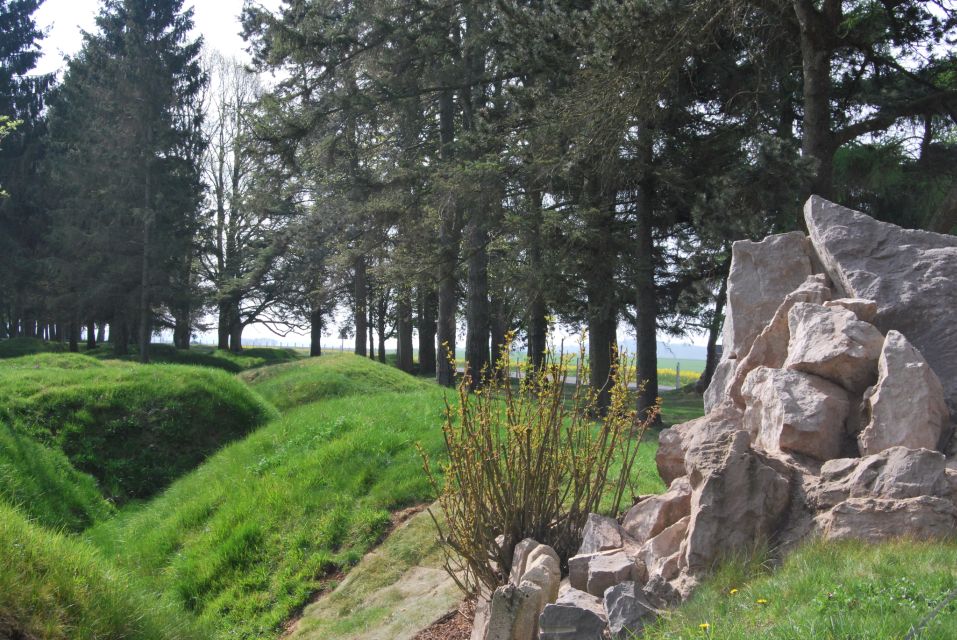
- Newfoundland Memorial shows a remarkably well-preserved trenches system, not just stone plaques
- Historial Museum in Péronne uses original wartime objects and documents (over 50,000) to explain the war’s origins and consequences
- Multiple memorials and cemeteries across the Somme region help you understand the front line as a network, not one battlefield
A practical way to reach the Somme from Paris
This tour is built for people who want the Somme without playing logistics roulette for a full day. You start from Club le Duplex 2, bis avenue Foch Paris 75116, and you travel by minivan with a live English guide. If you choose it, hotel pickup can save you time and stress.
What makes this format work is the rhythm. You don’t just hop between places; the guide links each stop to the next, so the day feels like a guided walk through the same war, told from different angles. And because the group is capped at 8 participants, it’s easier to ask questions instead of waiting for the guide to finish a lecture for the whole bus.
Also, this tour is not for anyone who needs wheelchair access. It’s listed as not suitable for wheelchair users or people with mobility impairments, so make sure your body can handle a full day of standing and walking.
You can also read our reviews of more tours and experiences in Paris


How the day is stitched together across the Somme front
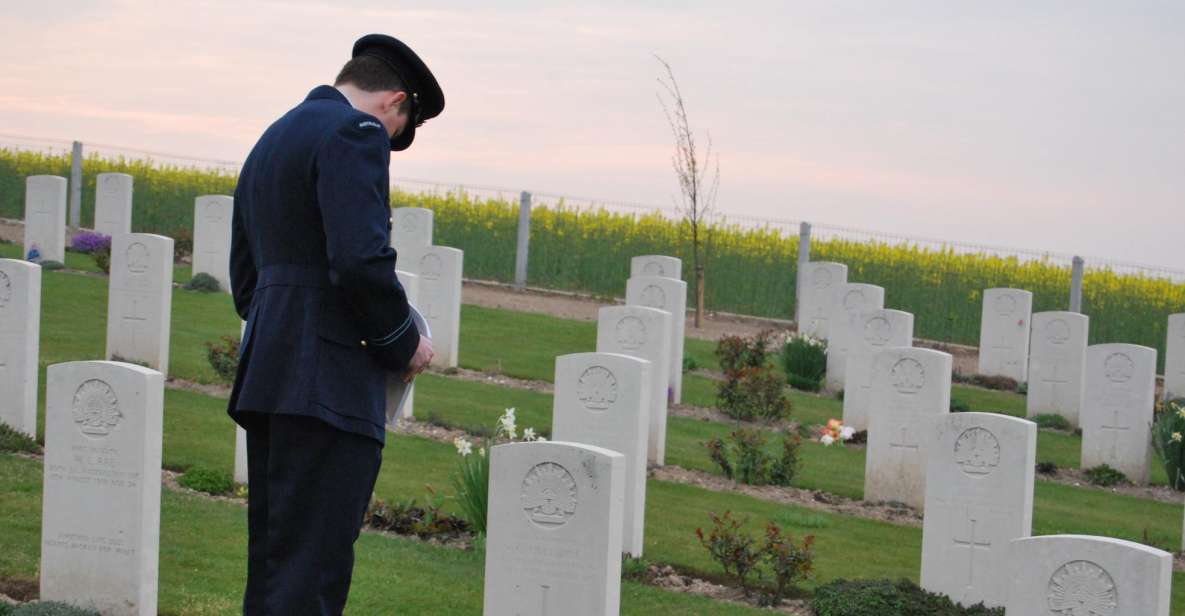
The route is designed around the Somme’s most recognizable WWI sites. You’ll visit battlefield areas, plus memorials, cemeteries, and traces of fighting. The itinerary focuses on a mix of Commonwealth remembrance and major landmark locations, so you can see both the human cost and the scale of the battles.
A typical flow goes something like this:
- Longueval and the Delville Wood area
- Pozières and Mouquet Farm
- Mametz Wood and its Welsh Memorial
- Thiepval and the Ulster Tower
- Beaumont-Hamel
- La Boisselle and the Lochnagar Crater
- The Newfoundland Memorial
- Then Historial Museum in Péronne for context
Exact timing can vary by the day, but the idea stays the same: you’ll see key sites first, then pull back to understand the whole war.
Delville Wood at Longueval: a front-line place you can feel
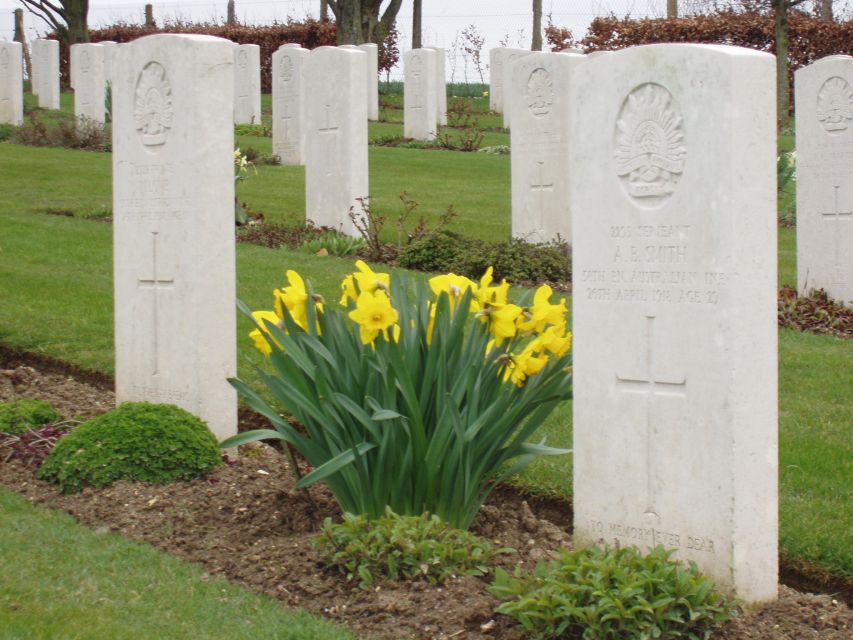
Delville Wood (Longueval) is one of those stops that doesn’t work like sightseeing. You’re there to see the battlefield ground and the remembrance built around it, and you’ll likely spend time absorbing how the landscape held fighting and how later generations marked it.
I like Delville Wood because it anchors the day emotionally. Even if you’ve read about the Somme, standing at a named battlefield area is different—you start to grasp why people remember places by name rather than by map coordinates. The guide’s job here is to keep you from treating it like a checklist.
If you’re sensitive to heavy sites, this is the part where you’ll want to slow down mentally. Bring your questions, but also be ready for silence.
Pozières and Mouquet Farm: where names become history
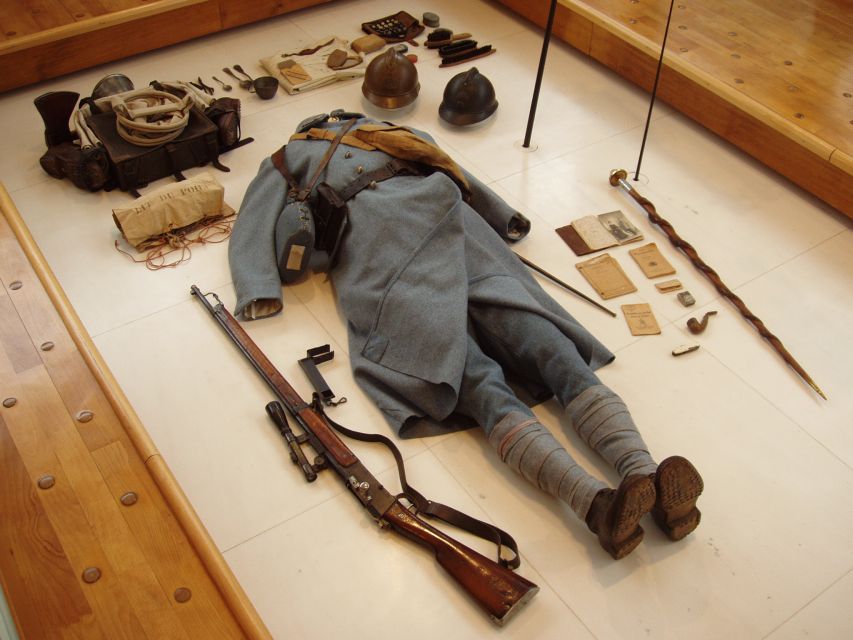
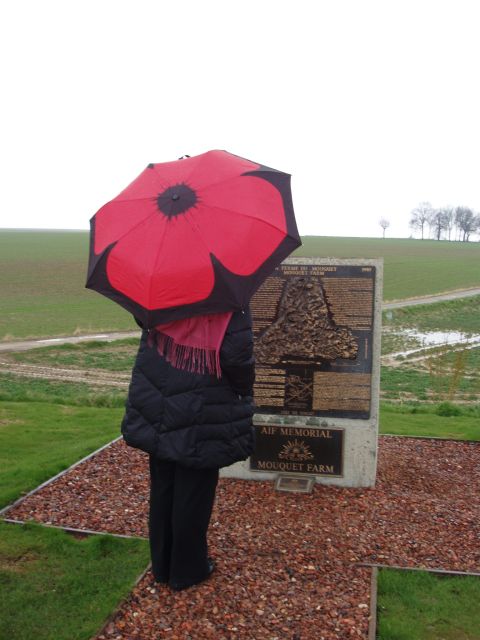
From Delville Wood, the route continues to Pozière and Mouquet Farm. These are included because they’re part of the Somme’s brutal story—places that suffered severely in the violent battles of the Great War.
What I take away from stops like these is how the Somme isn’t one moment. It’s a chain of locations tied together by movement, supply, and sheer endurance. The guide’s explanations matter here, because the “why this place” is easier to understand when you connect it to nearby sites.
If you like your history with details, this is where the day starts clicking. You’ll see traces and memorials, then your brain starts building a map of the campaign.
Mametz Wood Welsh Memorial, Thiepval, and the Ulster Tower
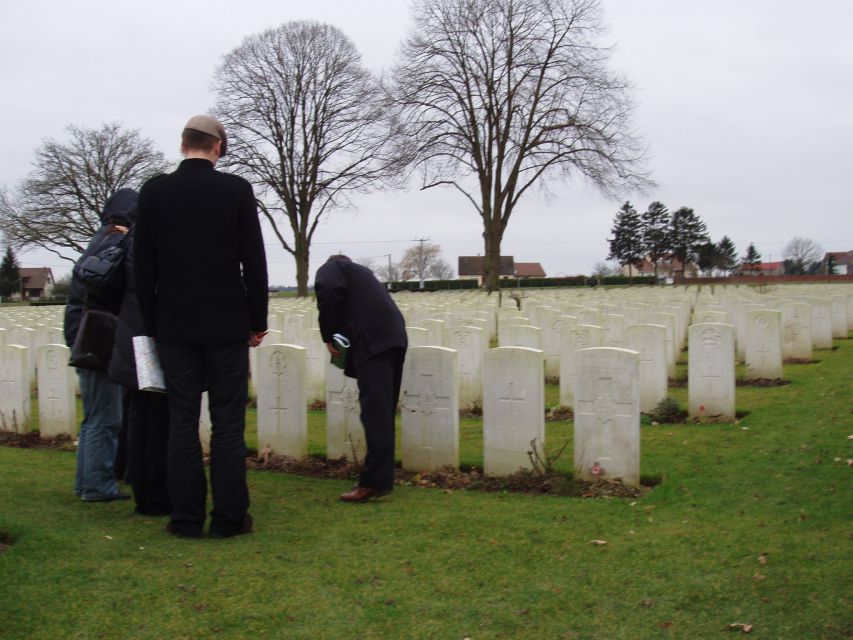
The tour then shifts to Mametz Wood, where you’ll visit the Welsh Memorial. After that you’ll head to Thiepval and see the Ulster Tower.
These stops are less about reading one-page facts and more about understanding how different communities marked the same war. Memorials and towers give you visual landmarks, and the guide ties what you’re seeing back to the fighting and the aftermath.
I like this trio because it breaks up the emotional tone of the day while still keeping it respectful. You’re not just wandering through cemeteries; you’re seeing how remembrance is built—through architecture, inscriptions, and place names.
One practical tip: bring a small notebook or use your phone notes. When you’re at Thiepval and then at the Ulster Tower, the names and areas can start to blur. A couple of quick notes help you keep the campaign clear later.






Beaumont-Hamel and the Newfoundland Memorial: trenches you can actually see
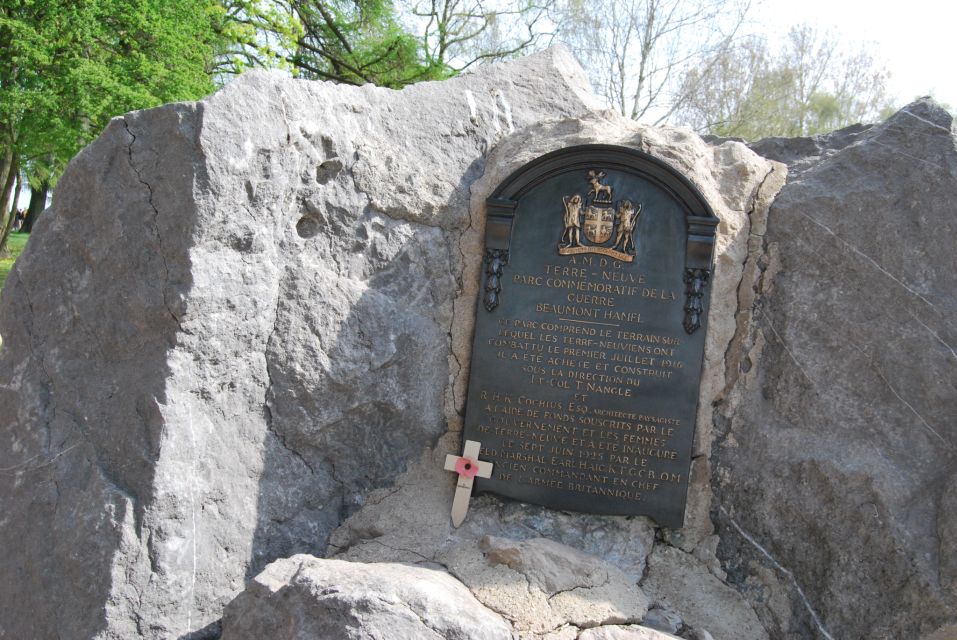
Next up is Beaumont-Hamel, followed by the Newfoundland Memorial. This is a major highlight because the Newfoundland Memorial offers a realistic and moving view of the battles with a remarkably well-preserved trenches system.
This is the difference-maker on the whole tour for many people. You’re not only looking at monuments; you’re seeing a trenches layout that helps you understand how people moved, lived, and fought in a space shaped by mud, wire, and constant danger. Even if you’re not the type to read exhibits, the trenches visual does the work for you.
I also like that this stop connects emotion to comprehension. The guide can point out what you’d otherwise miss. For example, one guide (Oliver) was able to work with a Canadian guide at the Newfoundland Memorial to help locate a relative for someone in the group. That kind of moment is why a guided day matters.
Lochnagar Crater at La Boisselle: a mine hole you can measure
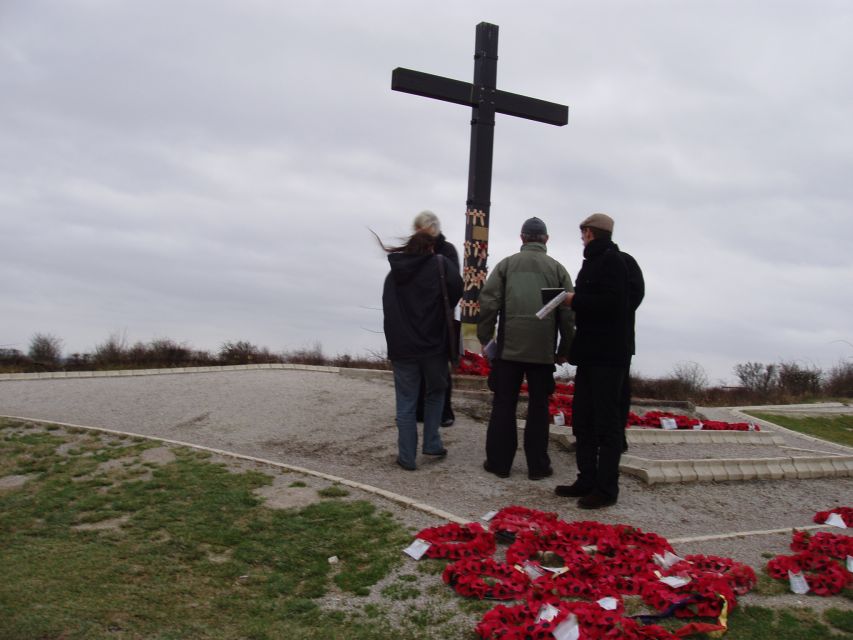
At La Boisselle, you’ll visit the Lochnagar Crater, described as an impressive mine hole about 100 meters wide and 30 meters deep.
That size is hard to absorb until you’re standing near it. The crater doesn’t just represent an event; it shows how the war used engineering and geology to change the battlefield. If you’re someone who likes a visual anchor, this is it.
Also, the crater gives you a break from purely memorial-focused stops. It’s not about names etched in stone—it’s about the physical shock of the conflict.
Historial Museum in Péronne: why the context is built around everyday objects
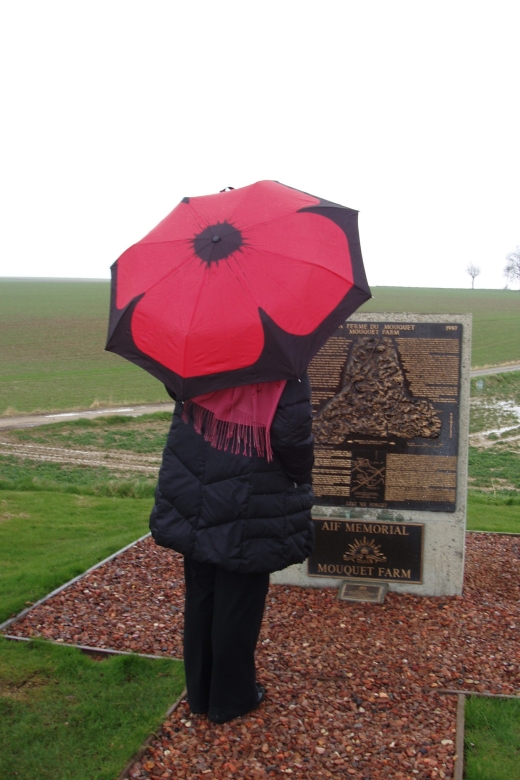
The day culminates with the Historial Museum in Péronne. This museum is an international and cultural space dedicated to WWI, and it explains the conflict, its origins, and its consequences.
What I like here is that it doesn’t rely only on big-picture narration. The Historial has a unique collection of over 50,000 original objects and documents, including material tied to everyday life during the war. That helps you stop seeing soldiers as abstract figures and start seeing them as people living through an industrialized nightmare.
If the earlier stops felt overwhelming, the museum is the place where you can reset. You’ll leave with a clearer sense of how the campaign fits into the war as a whole.
Guide quality makes or breaks the Somme day
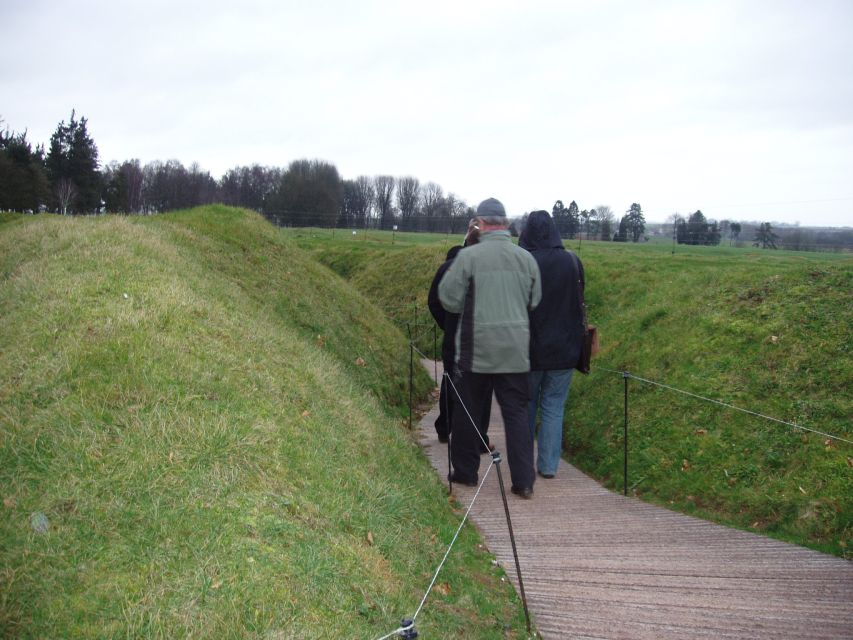
The guides seem to be a big reason this tour earns such strong marks. You may meet guides such as Regis Piteux, Oliver, Julian, Bertrand, or Justin—and the consistent theme in their approach is clear, practical explanation paired with real passion for the subject.
I like that some guides actively make room for questions and extra time. In one case, a guide let the group take extra time at sites as needed. In another, a guide was professional and organized while still answering questions thoroughly.
One caution: because there are many sites on the route, you might feel a bit rushed at certain locations if your group moves quickly. That’s not a reason to avoid the tour, but it is a reason to choose how you want to experience it. If you prefer slow contemplation at just a couple of places, you may have to be more assertive about timing.
If you care about family history, say so early. A good guide will try to help you connect what you’re seeing to names and records, especially around major memorial sites.
Comfort, pace, and what to do about lunch (since it’s not included)
This is an 11-hour outing. That means you should treat it like a full-day commitment, not a quick excursion.
Two practical things to plan:
- Lunch and drinks aren’t included, so you’ll want to either pack something or plan to buy food when there’s time.
- The tour is not suitable for mobility impairments, so it’s best for people who can stand and walk for extended periods.
Bring comfortable walking shoes and dress for weather changes. In northern France, conditions can shift during the day, and you’ll be outside near memorials and battlefield terrain.
Also, consider pacing your expectations. The Somme is emotional. If you go in expecting a fun day trip, you’ll be disappointed. If you go in expecting a meaningful, structured remembrance with strong context, you’ll get exactly what you came for.
Price and value: what you’re paying for at $293 per person
At $293 per person for an 11-hour guided tour, the price isn’t bargain-basement. But it makes sense when you break down what’s included:
- Guided touring by minivan
- Hotel pickup if you select that option
- Live English guide
- Entrance-to-the-day support for multiple major sites, including memorials, cemetery areas, trenches views, and the museum visit
Where you can save money is limited because the core experience is built around guided time and transport. Where you might spend extra is obvious: lunch and drinks.
For me, the value comes down to this: the Somme is not a “drive and guess” destination. Without a guide, a lot of the names and structures can feel like disconnected stops. With an organized route and explanations, the day turns into a coherent understanding of what happened and why it mattered.
Who this tour fits best
This tour is a strong match if you:
- Want one full day to cover major Somme sites and come away with real context
- Prefer a small group and a live guide who can answer questions
- Are interested in both memorials and the human-scale look of the trenches at the Newfoundland Memorial
- Want to visit the Historial Museum in Péronne to connect battlefield stops to the wider story of WWI
It’s less of a match if you need wheelchair access or mobility support, since it’s not suitable for that.
If your ideal trip is slow, with long stays at fewer sites, you might feel pressured by the number of stops. Still, you can reduce frustration by setting your own priorities before you go: decide which site you want to linger at, and which ones you just want to understand on a first pass.
Should you book this Paris to Somme full-day tour?
I’d book it if you want a guided, efficient, small-group introduction to the Somme that doesn’t leave you guessing. The combination of battlefield sites plus the Newfoundland Memorial’s trenches view and the Historial Museum gives you both the emotional impact and the historical framework.
I’d think twice only if you know you struggle with a packed schedule or you strongly prefer to explore at your own pace. In that case, consider whether a day with many stops fits how you like to travel.
If you do book, go in with two attitudes: be ready for weight, and ask questions. When a guide is passionate and responsive, the Somme day becomes more than sightseeing—it becomes understanding.
FAQ
How long is the WWI Somme battlefields tour from Paris?
It runs for 11 hours.
What group size is this tour?
It’s a small group limited to 8 participants.
Is the tour guided in English?
Yes. The tour includes a live English guide.
Where is the meeting point in Paris?
You meet in front of Club le Duplex 2, bis avenue Foch Paris 75116.
Are lunch and drinks included?
No. Lunch and drinks are not included.
Does the tour offer hotel pickup?
Hotel pick-up is available if the option is selected.
Which major sites are included?
The tour includes stops such as Delville Wood (Longueval), Pozière and Mouquet Farm, the Welsh Memorial (Mametz Wood), Thiepval and the Ulster Tower, Beaumont-Hamel, the Lochnagar Crater (La Boisselle), the Newfoundland Memorial, and the Historial in Péronne.
Is the tour wheelchair accessible?
No. It’s listed as not suitable for wheelchair users and people with mobility impairments.
What’s the cancellation policy?
There is free cancellation up to 24 hours in advance for a full refund. Also, no cancellation, modifications, or refunds are allowed 5 days prior to the scheduled date.
Is there a reserve & pay later option?
Yes. It offers Reserve now & pay later, so you can book and pay nothing today.