REVIEW · PARIS
Paris: Side-Car Tour of Paris’s most Beautiful Monuments
Book on GetYourGuide →Operated by Wild Side Tour · Bookable on GetYourGuide
Sidecar Paris is a fast way to see the big moments. I love the vintage, open-air feel and the “move-through-the-city” energy that makes landmarks feel close instead of far. I also like that the guide keeps things practical, with story bits and strong photo-stop timing.
One thing to consider: with only about an hour, traffic can eat time, especially at early evening. And if someone in your group doesn’t handle riding safely but close to the wind and road noise, it may not feel comfortable.
In This Review
- Key things I’d zero in on
- Why a vintage sidecar is such a good way to see Paris highlights
- Price and who the $283 private ride really suits
- Meeting up: hotel pickup, helmet and gloves, and the first ride minute
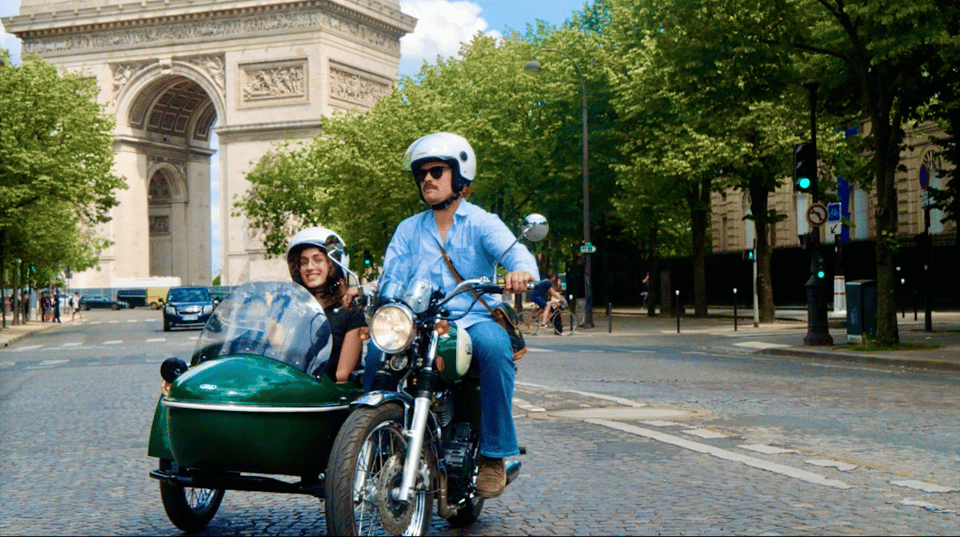
- The big-photo route: Eiffel Tower, Arc de Triomphe, and Champs-Élysées
- Louvre area and the trick of seeing without waiting
- Invalides: where the ride gets more “Paris city” and less postcard
- The guide makes the difference: Raphael’s style and fast storytelling
- Comfort and safety: what helmets and gloves change, plus the traffic factor
- Photo tips from an open-air sidecar (so you don’t waste the stop)
- Logistics reality: private group ride, limited time, and how to plan your day
- Should you book this Paris sidecar tour?
- FAQ
- How long is the sidecar tour?
- What does the tour cost?
- Is this a private tour?
- What’s included in the price?
- What languages are offered?
- What is the cancellation policy?
Key things I’d zero in on
- Vintage open-air ride: you feel the city, not just look at it
- Hotel pickup: fewer logistics problems before you even start sightseeing
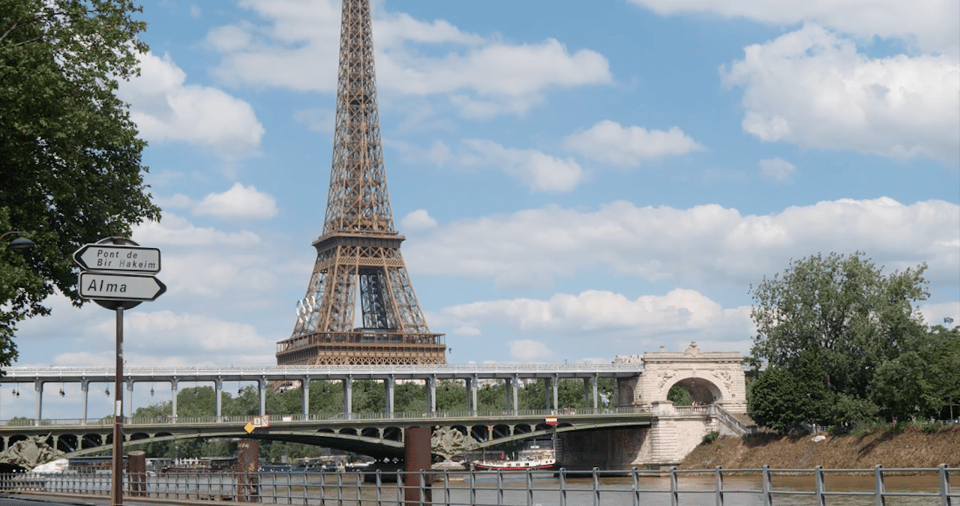
- Photo stops at Paris icons: Eiffel Tower, Arc de Triomphe, Champs-Élysées, Louvre, Invalides
- Private group of up to 2: one person in the sidecar, one behind the driver
- Pro driver and provided gear: helmet plus gloves for a more comfortable ride
- Guide who adds color fast: strong local storytelling, including Notre-Dame context when it comes up
Why a vintage sidecar is such a good way to see Paris highlights
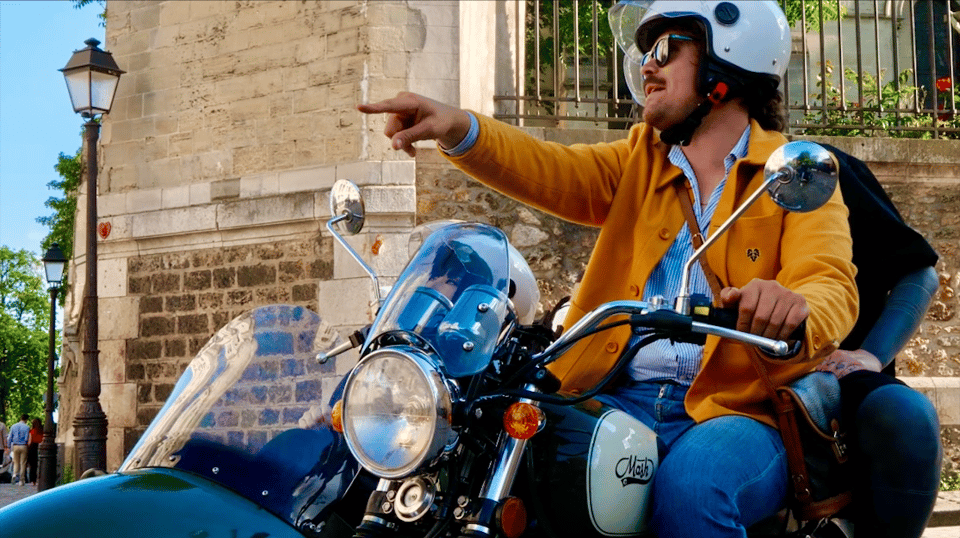
Paris looks great from a car window. Paris looks even better when you’re riding in a sidecar with the wind in your face and the streets rushing past. This tour is built for momentum. In a short time, you get multiple “name-on-the-map” monuments plus a feel for how Paris flows between them.
The biggest win is that you’re not stuck walking long distances or losing time to crossing problems. You’re rolling through the city while keeping your eyes up for the next photo-worthy angle. That matters on a first visit, and it also helps if you want a quick hit on the classics before dinner, a museum, or a night out.
You can also read our reviews of more tours and experiences in Paris.

Price and who the $283 private ride really suits
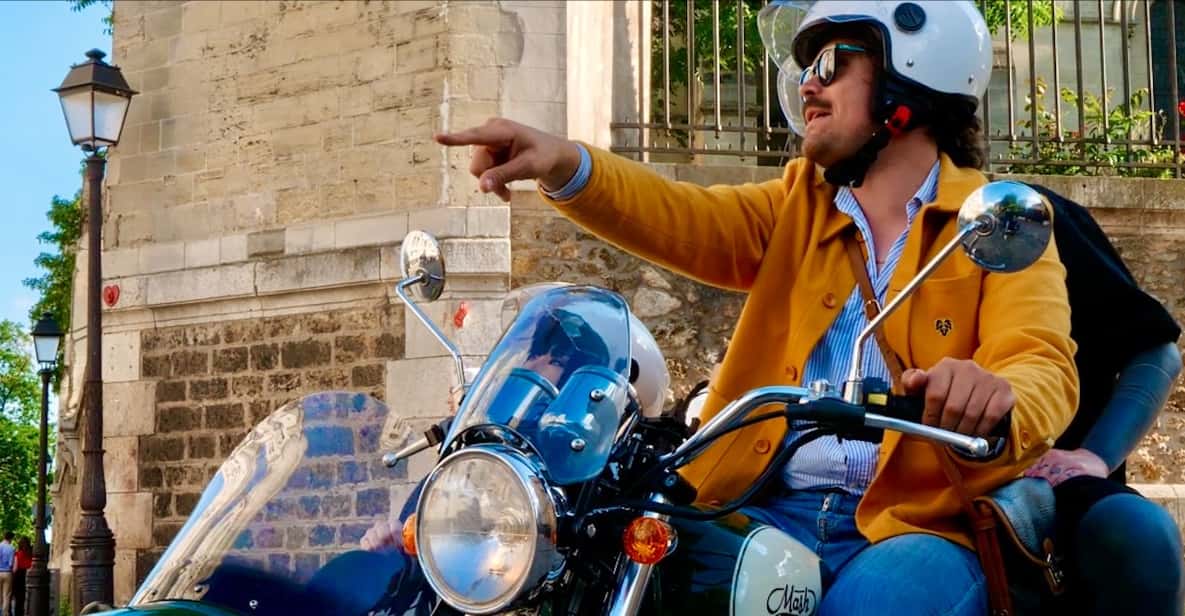
The cost is $283 per group for up to 2 people. That’s not cheap if you compare it to a bus tour. But sidecars aren’t mass transit. You’re paying for privacy, a professional driver, the guide’s time, and the fact that this is a compact “two-person” experience.
So the value makes the most sense if:
- You’re traveling as a couple or a friend pair
- You want a memorable way to cover several major sights without spending your whole day on transportation
- You’d rather pay more to reduce friction (pickup, gear, planning, route decisions)
If you’re solo, you may find better value with group tours. If you’re a big monument walker who loves slow exploring, you may prefer a self-guided route. But if your goal is: cover Paris highlights efficiently and have fun doing it, this price can feel fair.
Meeting up: hotel pickup, helmet and gloves, and the first ride minute
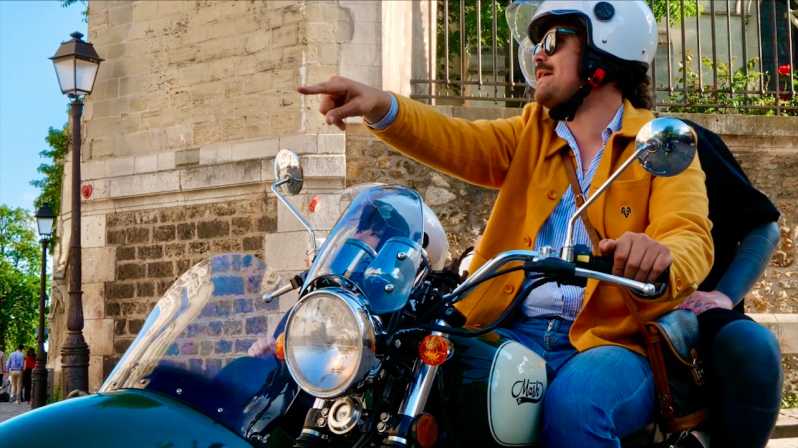
The tour starts with pickup at your hotel, and that single detail changes your morning or afternoon. No metro shuffle. No figuring out the closest meeting point. Once you’re picked up, you’re basically already “in Paris mode.”
You’ll be riding with a professional driver, and you get helmet and gloves. That doesn’t make the experience feel like a theme park. It just helps you handle the open-air ride with more comfort and confidence.
Also note the seating setup: one passenger rides in the sidecar and the other sits behind the driver. That split matters. The behind-the-driver seat can feel more intense for some people, since it’s closer to road noise and the motion of the bike. If someone in your group gets nervous with surprise rides, plan for that.
The big-photo route: Eiffel Tower, Arc de Triomphe, and Champs-Élysées
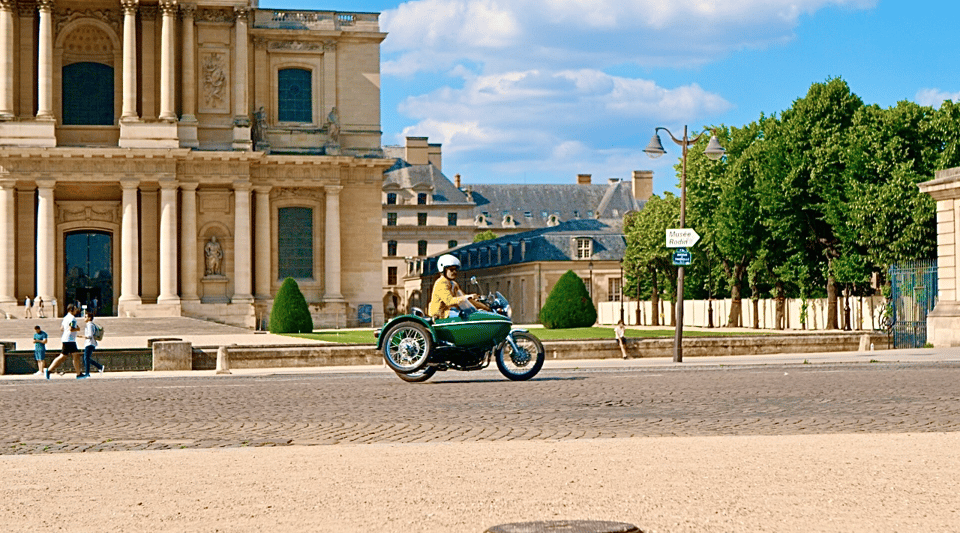
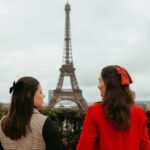
This tour is designed around Paris’s most recognizable landmarks, with photo stops built in so you’re not just driving past at full speed. The classic sweep includes the Eiffel Tower, the Arc de Triomphe, and the Champs-Élysées.
Here’s why these stops work well from a sidecar:
- Eiffel Tower area: you see it from a different height and angle than most walking viewpoints. The key is quick framing. You’ll want to have your camera ready when you’re near major sightlines.
- Arc de Triomphe: it’s an instant “wow” monument. Even if you’ve seen photos, seeing the scale up close is the point. Photo stops help you catch the monument head-on without sprinting through crowds.
- Champs-Élysées: you don’t just get a landmark name. You get the boulevard experience: long sightlines, landmark facades, and the sense of movement that makes Paris feel like Paris.
One practical reality: the Eiffel and Arc areas can be traffic-heavy. A smooth driver helps. Still, this is the kind of tour where you’ll feel delays as the clock ticks. If you care more about wandering on your own than about short photo stops, time pressure might be the trade-off.
Louvre area and the trick of seeing without waiting
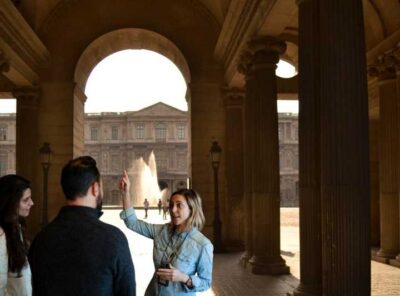
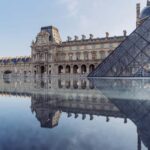
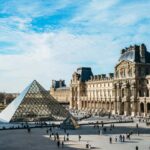
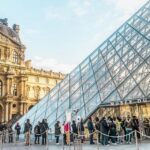
You’ll also cover the Louvre area. Even when you don’t go inside, this stop is about orientation. In a short ride, you get a sense of where major museums sit in the city’s layout, and you can decide later what deserves your walking time.
From a sidecar, the Louvre zone can feel different from a typical sightseeing bus. You tend to get more street-level context. You’re closer to façades and street corners, which helps you connect the building to the surrounding boulevards and bridges you’ll notice later.
This is also where I think the guide’s role matters. A good guide can help you see what to look at quickly: the angles, the alignment, and the little sightlines that don’t pop from a distance. One guest specifically called out Raphael for steering them toward strong photo spots, which tells you this isn’t a random drive-by approach.



Invalides: where the ride gets more “Paris city” and less postcard
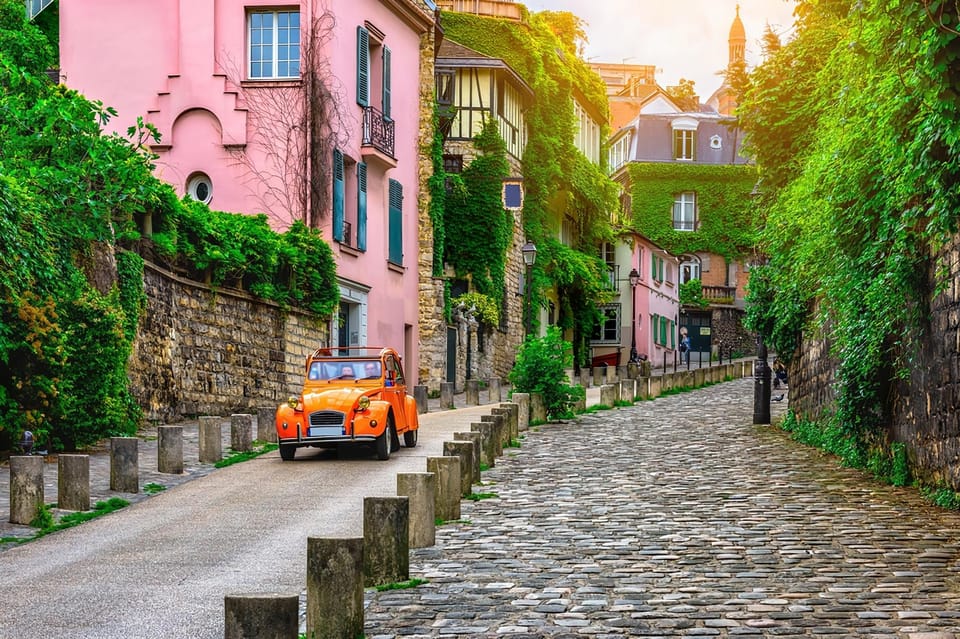
Invalides adds a different flavor to the tour. Yes, it’s still famous. But it doesn’t feel like the same kind of mega-monument rush as the Eiffel Tower. It’s more “city fabric” and monumental presence at the same time.
Why this stop is worth squeezing into a tight schedule: Invalides helps balance your mental map. You connect grand government and military history spaces with the commercial and touristic center. After the ride, you’ll usually have a clearer idea of where this part of Paris sits relative to other landmarks you plan to visit later.
It also gives you variety in your photos. You won’t only shoot skyline landmarks. You’ll get something more architectural and structured, which is a nice change if your other day includes museums and Seine views.
The guide makes the difference: Raphael’s style and fast storytelling
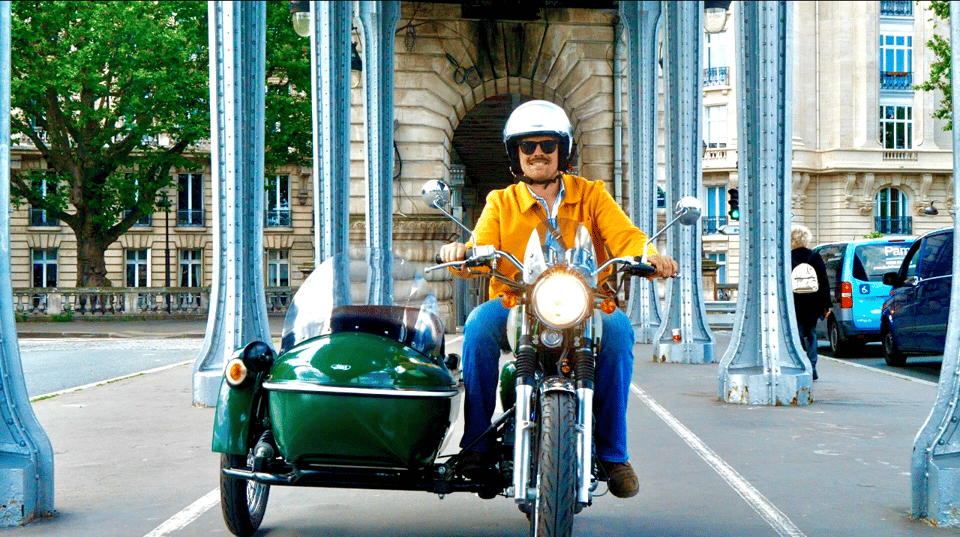
The tour includes a local guide and a professional driver. The guide is what keeps the ride from feeling like a drive-through checklist.
A standout name from past experiences is Raphael. People praised him for being both friendly and serious about guiding, with stories that landed in real time. One guest highlighted his impressive context around Notre-Dame. Even if Notre-Dame isn’t the headline in the tour’s main list, a guide who can connect monuments across neighborhoods makes the city feel more coherent instead of scattered.
You can also pick up practical photo guidance. More than once, people mentioned best photo spots. That usually means two things:
- you’re stopped where the monument looks best, not just where it’s convenient
- the timing is good enough that you can actually get shots without feeling rushed
And yes, there’s a personal touch too. One review thanked Raphael for cakes, which suggests the vibe isn’t purely transactional. It can feel like a warm, local experience wrapped around a classic Paris ride.
Comfort and safety: what helmets and gloves change, plus the traffic factor
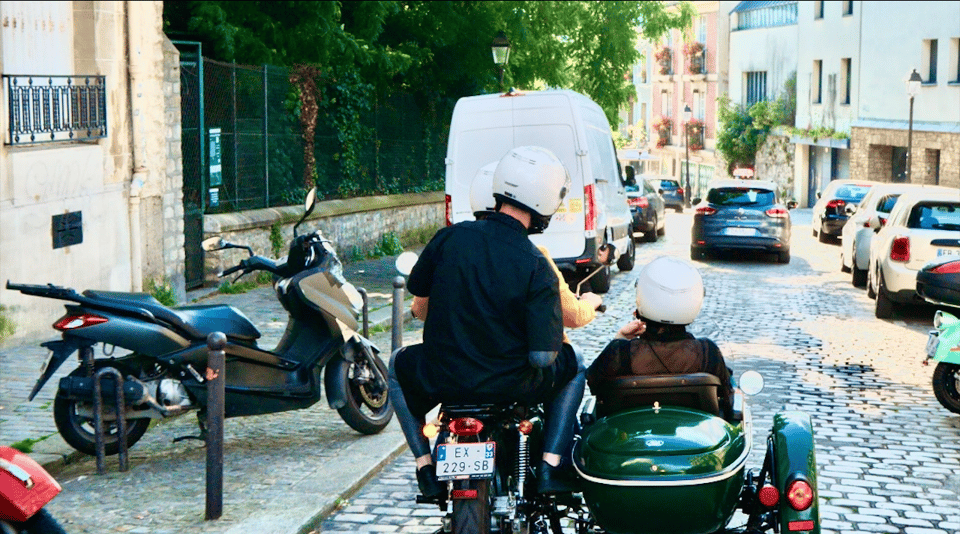
With helmet and gloves, you’re not just dressed for sightseeing. You’re dressed for motion. That matters in an open-air sidecar where wind and vibration are part of the deal.
Still, you should think about motion comfort. One experience described how the ride was calm and handled traffic well. Another experience pointed out that early evening can mean being stuck in traffic and having the hour feel shorter than expected. Both things can be true:
- A pro driver can ride smoothly.
- Traffic can still slow everything down.
My advice: if you’re sensitive to road noise, sudden movement, or close-up seating motion, pick the seat situation wisely and don’t treat it as a casual “sit anywhere” ride. If you’re the kind of person who likes excitement but hates stress, plan for patience and keep your expectations realistic about a one-hour window.
Photo tips from an open-air sidecar (so you don’t waste the stop)
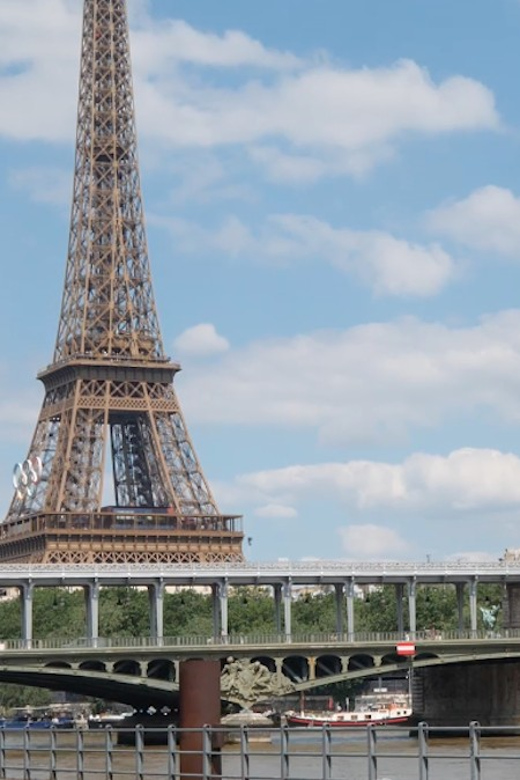
This tour gives you photo stops, but you still want to show up ready. A sidecar stop is short by nature.
Here’s how to make your photos better:
- Use your camera app before you arrive at the monument area, not during
- If you wear glasses or a hat, consider how wind affects them in an open-air ride
- Keep your phone strap or camera strap secure. The wind is real.
- Point your lens at the monument first, then adjust your framing. Sidecar angles are unique, so experiment quickly.
- Wear clothing you don’t mind getting kissed by street spray. It’s Paris, not a studio.
Also, the sidecar itself can create natural depth in photos. The perspective difference is part of why this tour feels fun compared to standing on a sidewalk like everyone else.
Logistics reality: private group ride, limited time, and how to plan your day
This is a private group experience for up to 2 passengers. That keeps conversations easy and reduces the “herding cats” feeling you get with bigger tours. It also means you can pay more attention to what your guide says instead of scanning for where your group is standing.
The duration is about 1 hour, and that’s the key constraint. You’re getting a lot of icons in a short time, which means you’ll do best if you treat this as a highlight sampler. If you want deep museum time or long neighborhood wandering, schedule those separately.
I’d pair this with a day that has:
- a museum you can enjoy slowly (Louvre day, for example)
- a Seine walk or dinner near one of the monument areas
- time buffers for traffic so you don’t feel rushed afterward
If you already know Paris really well and you’re hunting for deep cuts, you might find the format too fast. But for first-timers, or for anyone returning with limited time, it’s a smart way to get the major landmarks lined up in your head.
Should you book this Paris sidecar tour?
Book it if you want a fun, efficient way to see Paris’s headline monuments with hotel pickup, a pro driver, provided gear, and a guide who adds context like a person, not a script.
Don’t book it if you:
- hate the idea of traffic slowing a tight timeline
- need long stops or extended walking time at each monument
- are looking for only new discoveries and not just the big-photo classics
My bottom line: this is a high-energy, photo-friendly way to cover a lot of Paris quickly, and the private sidecar format makes it feel personal. If you go in with realistic expectations about time, you’re likely to have a memorable ride.
FAQ
How long is the sidecar tour?
The tour duration is listed as 1 hour, with starting times based on availability.
What does the tour cost?
The price is $283 per group, up to 2 people.
Is this a private tour?
Yes. It’s described as a private group for up to 2 passengers.
What’s included in the price?
Included items are hotel pickup, a local guide, a professional driver, helmet and gloves, plus seating for 2 passengers (one in the sidecar and one behind the driver).
What languages are offered?
The live tour guide is available in English and French.
What is the cancellation policy?
You can cancel up to 24 hours in advance for a full refund.