REVIEW · PARIS
Paris: Jewish Marais District Walking Tour
Book on GetYourGuide →Operated by Cognosimo Tours · Bookable on GetYourGuide
Walking the Jewish Marais in Paris feels personal fast, because the streets tell stories. This 2-hour route connects community life, persecution, and survival in one focused walk through the Marais. You’ll see key sites such as the Shoah Memorial and the Memorial of the Martyrs of the Deportation.
What I like most is how the tour ties local places to bigger historical turning points, from medieval expulsions to the 20th century. I also like the hands-on street-level feel: historic synagogues are shown from outside, kosher shops are part of the walk, and the Anne Frank Garden area gets attention without turning it into a checklist.
The main drawback is the emotional weight. You’ll be close to memorial spaces like the Shoah Memorial, so this isn’t a light, fluffy history stroll. Also, the walking is moderate, so it’s not suitable for wheelchair users or people with mobility impairments.
In This Review
- Key highlights you’ll care about
- Why the Jewish Marais is the right setting for this story
- Starting at Synagogue des Tournelles: your orientation point
- Le Marais lanes: synagogues, kosher shops, and visible community life
- What’s especially useful here
- The centuries stitched together: from early presence to expulsions and return
- Anne Frank Garden and the Museum of Jewish History: viewpoints that hit harder than you expect
- Why I think the outside-only timing works
- Shoah Memorial: where the tour’s tone changes
- Memorial of the Martyrs of the Déportation: ending with closure, not silence
- Guide quality: asking good questions and getting flexible pacing
- Price and value: what $160 buys you in Paris time
- Timing, pace, and what to bring so the walk stays enjoyable
- Who this tour is best for (and who should skip)
- Should you book this Paris Jewish Marais walking tour?
- FAQ
- Where does the tour start and end?
- How long is the Jewish Marais walking tour?
- Is the guide available in multiple languages?
- Is this a private tour or a group tour?
- What’s included in the price?
- Are meals and drinks included?
- What should I bring for the walk?
- Are there any rules about photography?
- Is the tour suitable for wheelchair users?
Key highlights you’ll care about
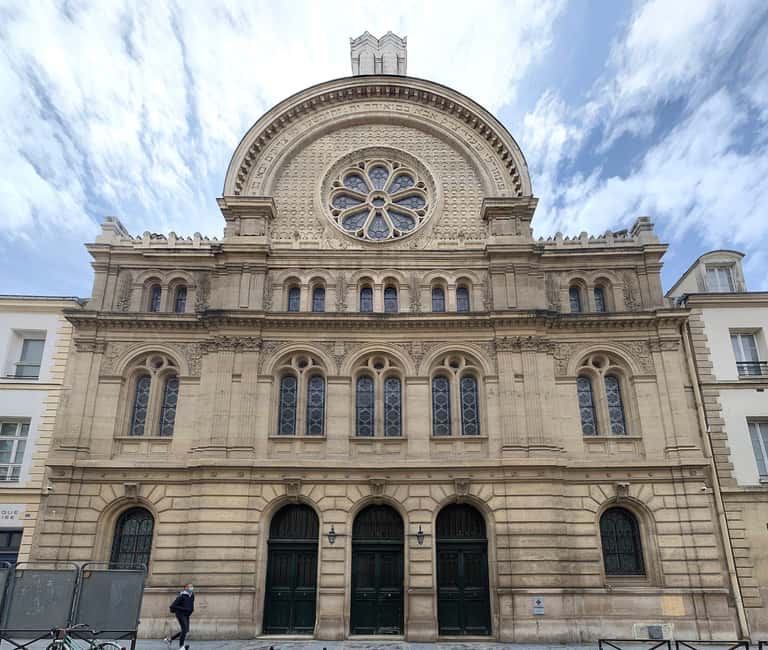
- Meet at Synagogue des Tournelles and start with the Marais as your “map”
- Historic synagogues from outside plus kosher shops that ground the history in real neighborhoods
- Anne Frank Garden and Museum of Jewish History viewpoints without needing museum hours
- Shoah Memorial included, so the tour goes beyond earlier centuries into the Holocaust
- Finish at the Memorial of the Martyrs of the Déportation with strong closure
- Private group with English/French guides, so you can ask questions and pause to regroup
Why the Jewish Marais is the right setting for this story
The Jewish Marais isn’t just “an area to visit.” It’s a living neighborhood where layers of history overlap: community institutions, everyday commerce, and later, the scars of persecution. What makes this tour work is that it doesn’t treat Jewish history as a separate exhibit. It treats it as part of Paris—because that’s how it lived here.
I like that the tour’s framing stretches across centuries, from very early Jewish presence in France to later upheavals tied to antisemitism and French politics. You’ll hear how communities shifted over time—by law, by force, and by migration—then watch how the Marais keeps those traces in street form.
The route also keeps the pace realistic for a 2-hour walk. You’re not asked to do research before arriving. Instead, your guide gives you the threads, and the neighborhood gives you the evidence.
You can also read our reviews of more walking tours in Paris



Starting at Synagogue des Tournelles: your orientation point
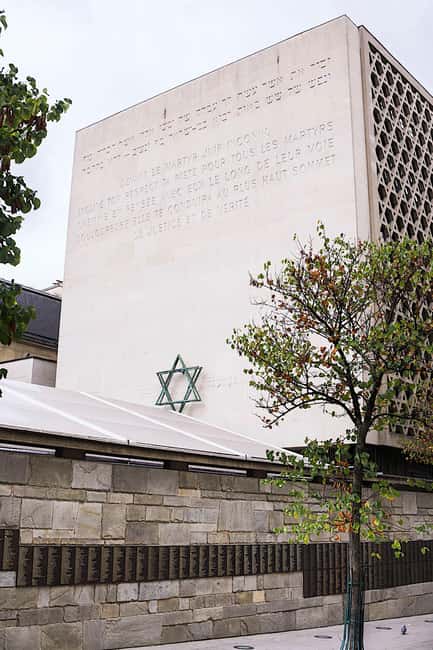
The tour begins at Synagogue des Tournelles, which is smart. A starting synagogue helps you get oriented before you drift into narrow lanes and side streets where landmarks can blur together.
In the first stretch, you also get something practical: context. You’ll learn how old Jewish presence in France connects to bigger European patterns, including periods of relative prosperity and long eras of worsening conditions. That’s important because the Marais can look “old Paris” on the surface—but the tour helps you read the neighborhood as a historical timeline.
If you’re the type who gets overwhelmed by dates, don’t worry. The guidance is designed for a walking format, so you’ll get the story in digestible chunks instead of a lecture that makes you want coffee mid-sentence.
Le Marais lanes: synagogues, kosher shops, and visible community life
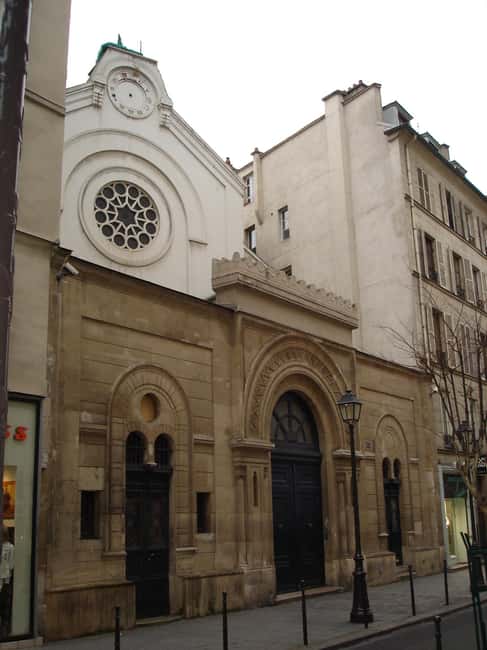
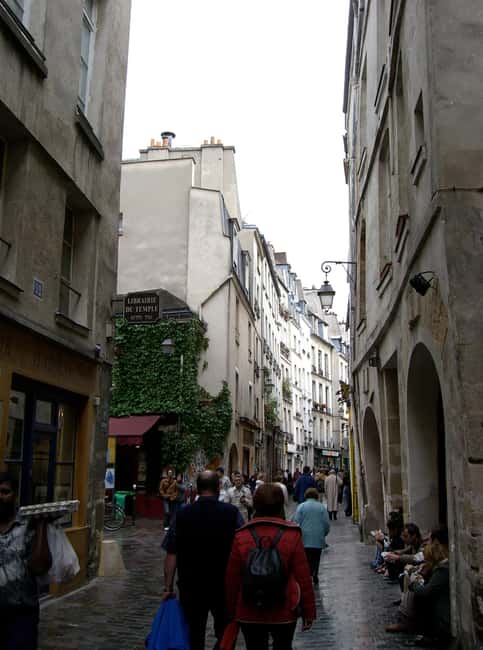
After the meetup, the walk focuses on the neighborhood core: you’ll move through the Jewish quarter of the Marais and learn what shaped everyday life there. Historic synagogues are part of the route, but you’ll see many of them from outside. That’s not a downgrade—it’s a different kind of experience.
Street-facing viewing keeps your attention on location. You start noticing how institutions fit into the neighborhood fabric: proximity to commerce, density of streets, and the way Parisian architecture surrounds places of worship. Even without going inside every site, you still get a strong sense of where community life was centered.
Kosher shops and related sites also show up as stops. This matters because Jewish history in the Marais isn’t only about cathedrals and memorials. It’s about food, daily needs, and local continuity—then about rupture when persecution tightened its grip.
What’s especially useful here
- You’ll hear the “why” behind the changes: laws, expulsions, and shifting identities across centuries
- You’ll connect big events to neighborhood consequences instead of treating history like a distant timeline
- You’ll see how the Marais holds memory in urban form, not only in plaques
The centuries stitched together: from early presence to expulsions and return
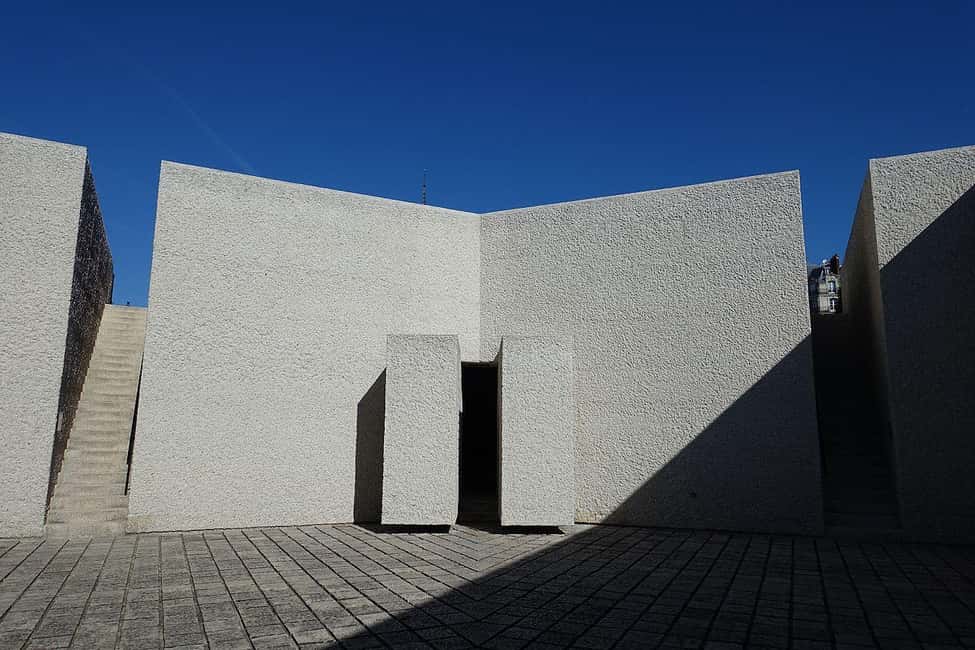
One of the tour’s strongest choices is the historical sweep. You’ll hear how Jewish life in France has roots that go back very far, then you’ll move through major shifts tied to medieval eras.
The story line covers events like trials of the Talmud, periods of temporary and then definitive expulsions, and edicts such as those associated with Philippe le Bel (1304) and Charles VI (1394). Hearing those names while you’re walking the Marais helps the facts feel less abstract. It’s harder to mentally “skip past” centuries when you’re surrounded by the streets that outlasted them.
Then the tour transitions to later eras—crypto-Jewish communities in places connected to Bordeaux and Bayonne, and 17th-century developments tied to Alsace and Lorraine. That sets you up for the modern Paris story, which becomes especially important later on when memorial spaces enter the route.
You’ll also hear how French identity and antisemitism collided over time, including intensifying persecution during events like the Dreyfus affair, the 1930s, and then institutionalization under the Vichy regime. The human weight of that section lands differently when you’re in the Marais rather than sitting in a classroom.






Anne Frank Garden and the Museum of Jewish History: viewpoints that hit harder than you expect
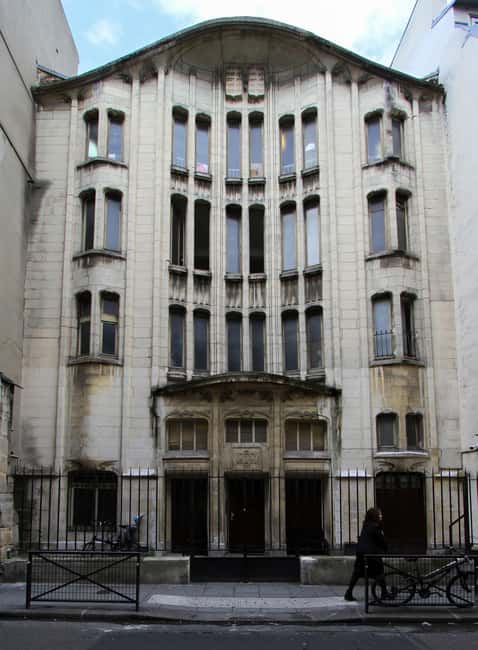
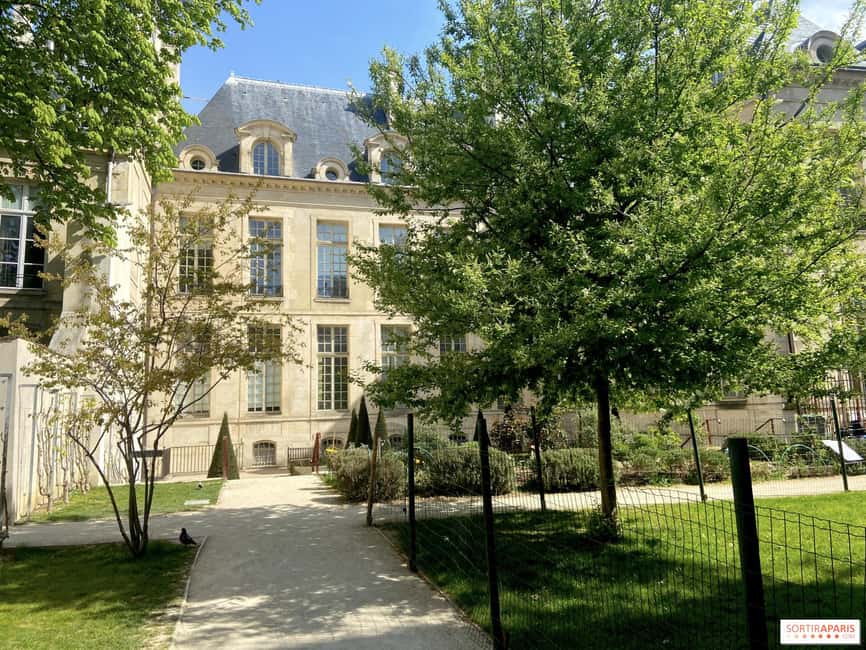
The tour includes the Anne Frank Garden and the Museum of Jewish History, but you’ll see them from outside. That approach is useful for most people because it keeps the tour moving and avoids turning the walk into a day-long museum plan.
Still, these stops carry serious emotional gravity. The Anne Frank Garden area is tied to memory of persecution and survival, and the guide’s framing helps you understand why the space exists where it does. Instead of treating it like a photo spot, you learn what it’s meant to hold.
Why I think the outside-only timing works
- It keeps the tour focused and coherent within a 2-hour window
- It lets the memorial portion feel connected rather than disconnected
- It’s easier to manage for people who might not want additional ticket lines or time commitments
If you prefer sites with less walking inside buildings and more time interpreting what you see around you, this format is a good fit.
Shoah Memorial: where the tour’s tone changes
The Shoah Memorial is one of the tour’s most important stops. This is where the walk shifts from “community history” into “the Holocaust as a lived reality,” and the difference in tone can be noticeable.
You’ll come here as part of a guided route, not on your own. That matters, because memorial spaces need context to be understood properly. The guide’s role is to keep you from turning your attention into a quick sight-and-go moment. You’re nudged to take in meaning, not only architecture.
It’s also a place where emotions can come up fast. Plan your mindset accordingly. If you’re traveling with someone who prefers upbeat history only, this stop could feel like a hard turn. On the other hand, if you want Paris to explain itself honestly, this is where the tour does that.
Memorial of the Martyrs of the Déportation: ending with closure, not silence
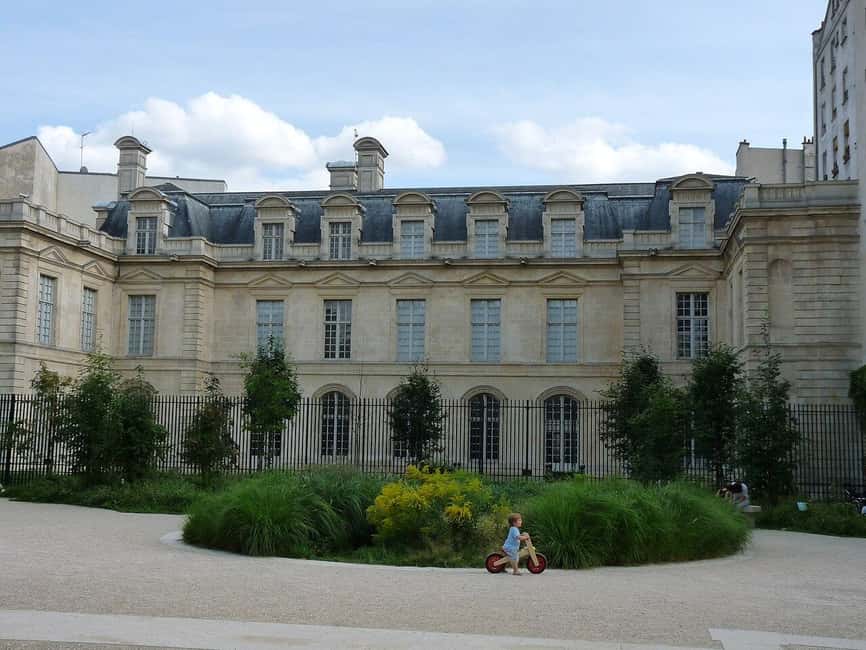
The tour finishes at the Mémorial des martyrs de la Déportation. Finishing here is practical—you’re not left hunting your own way after the most intense part of the story. And it’s also meaningful: the ending feels intentional, like the tour has given you enough background to stand in front of the memorial and understand what it represents.
This final stretch often gives you the sense that the tour wasn’t only about where events happened. It was also about what deportation meant and how that trauma continues to shape memory.
If you like tours that give a full arc—setup, conflict, and conclusion—this ending works well.
Guide quality: asking good questions and getting flexible pacing
This is a private group experience, so the guide’s style matters. The format is set up for conversation, not just reciting text from a distance. You can ask questions, and the guide can steer the level of detail toward your interests.
From what I’ve seen in guide-focused feedback, guides such as Simón and Camille get praised for being friendly and patient, including when timing gets disrupted. One note that stood out: a guide making extra time for breaks for an older couple. That’s a big deal on a moderate-walking route. It means the tour can work even if you need to stop and reset for a few minutes.
If you want the most out of your money, come with at least two questions:
- What was the most important change for Jewish life in Paris during the period you care about most?
- How should I interpret what I’m seeing—especially the memorials—without reducing it to slogans?
A good guide will answer those and still keep you moving on schedule.
Price and value: what $160 buys you in Paris time
At $160 per person for about 2 hours (160 minutes), the price is clearly premium. But it’s not just paying for walking.
You’re paying for:
- a live guide in English or French
- a tightly planned route through high-meaning sites in the Marais
- interpretation that connects laws, migrations, antisemitism, and memorialization
- kosher-shop and synagogue-area stops that anchor the story in real neighborhood life
- a format designed for questions, not a rigid script
Also, several key places are viewed from outside, so you’re not paying “museum ticket style” for admissions that aren’t part of the package. The value comes from context and sequencing—getting the right ideas before you stand in front of the memorials.
If your travel style is guided routes with big context, this is a reasonable fit. If you prefer independent wandering with a guidebook only, you might not feel the same value. But if you want someone to connect the dots for you while you’re walking, the cost starts to make sense.
Timing, pace, and what to bring so the walk stays enjoyable
This tour involves a moderate amount of walking, and it lasts 2 hours. That matters because Paris can drain you fast if you’re not prepared, especially if you’re also dealing with heat or long outdoor waits.
Bring:
- comfortable shoes
- a hat
- a head covering or kippah (some sites may require modest dress)
- sunscreen and water
Know also:
- Smoking isn’t allowed.
- Flash photography is not allowed, and photography may be restricted in certain areas. Follow posted signs.
One more practical note: if modest dress and head coverings make you nervous, treat it like part of the respectful experience. Pack something simple and you’ll feel at ease.
Who this tour is best for (and who should skip)
This tour is ideal if you:
- want a walking route that links community life and tragedy in a single arc
- like interpretation tied to real neighborhoods, not only museum rooms
- plan to spend most of your day in central Paris and want a compact, meaningful outing
It’s not a great match if you:
- use a wheelchair or have mobility impairments, since it’s not suitable
- want strictly upbeat history only
- dislike emotional memorial spaces like the Shoah Memorial
If you’re traveling with teenagers, it can still work—just be ready for a serious topic handled at a guided, respectful pace.
Should you book this Paris Jewish Marais walking tour?
I think you should book if you want a focused, emotionally honest route that connects Paris streets to Jewish history from earlier centuries through the Holocaust. The blend of synagogue-area viewing, kosher shops, Anne Frank Garden viewpoints, and the Shoah Memorial plus deportation memorial ending makes the experience more than a neighborhood walk.
Skip it if you need an accessible route, or if a memorial-heavy itinerary would feel too intense for your travel mood. And if you’re hoping for lots of indoor museum time, remember that major sites here are included from outside, which changes the feel.
If you’re on the fence, ask yourself this: do you want interpretation that helps you read what you’re seeing? If yes, this tour is a strong choice.
FAQ
Where does the tour start and end?
The tour starts at Synagogue des Tournelles and finishes at Mémorial des martyrs de la Déportation.
How long is the Jewish Marais walking tour?
It runs 2 hours (160 minutes).
Is the guide available in multiple languages?
Yes. The live guide is available in English and French.
Is this a private tour or a group tour?
It’s a private group experience.
What’s included in the price?
Included are the guided walking tour and visits to kosher shops and sites.
Are meals and drinks included?
No. Meals and drinks are not included.
What should I bring for the walk?
Bring comfortable shoes, a hat, a head covering or kippah, sunscreen, and water.
Are there any rules about photography?
Flash photography is not allowed. Photography may be restricted in certain areas, so follow posted signs.
Is the tour suitable for wheelchair users?
No. It is not suitable for people with mobility impairments or wheelchair users.