REVIEW · PARIS
Private Orsay Museum Tour: 2h Highlights w/ Monet & Van Gogh
Book on GetYourGuide →Operated by Dayin · Bookable on GetYourGuide
Two hours, zero museum stress. This private Musée d’Orsay highlights tour zooms in on Monet and Van Gogh with an expert, story-led guide, and it’s set up to feel smooth rather than chaotic. I like the way the guide connects the art to what you’re looking at in the moment, and I also love the calm, intimate pace of a private group. One drawback to plan around: in just 2 hours, you’ll see the essentials, not every corner of the museum.
You’ll meet your guide next to the Elephant statue by the museum entrance, with a blue Dayin sign held up, then head inside with pre-reserved tickets. Even then, you should expect there may still be a wait at security, so I’d build in a little patience and arrive a touch early.
If you want the big Impressionist moments without spending your whole trip figuring out which room comes next, this format is built for you. It’s also wheelchair accessible, and it runs in several languages, including English, French, Spanish, and Chinese.
In This Review
- Key highlights I’d prioritize
- Why the Orsay works well for a 2-hour highlights plan
- Meeting at the Elephant statue and getting inside fast
- The 2-hour route: Monet, Van Gogh, Degas, and Manet
- How the guide keeps Impressionism from feeling random
- What “skip the ticket line” really means in practice
- After the guided 2 hours: keep exploring at your own pace
- Price and logistics: is $261 per person worth it?
- Practical dos and don’ts before you go
- Should you book this private Orsay highlights tour?
- FAQ
- How long is the private Orsay museum highlights tour?
- Where do I meet the guide?
- Is the museum ticket included?
- Does it really skip the ticket line?
- What languages are available for the live guide?
- What should I bring, and what is not allowed?
Key highlights I’d prioritize
- Monet and Van Gogh focus in a tight 2-hour plan that respects your time
- Story-driven guidance that helps paintings make sense while you’re standing in front of them
- Skip-the-ticket-line with pre-reserved entry, plus practical tips on moving through the museum
- A private, intimate setting so you’re not stuck following a loud group plan
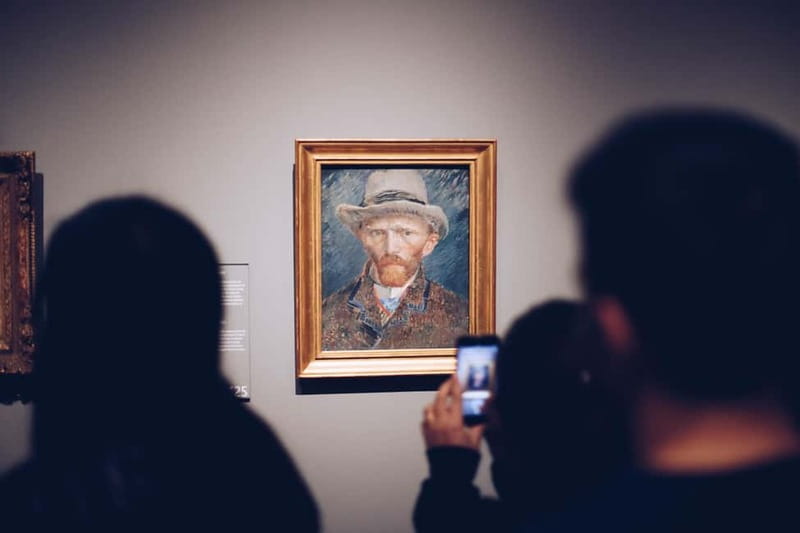
- Photo stop included, so you get a quick chance to grab a moment without racing ahead
Why the Orsay works well for a 2-hour highlights plan
Musée d’Orsay is one of those Paris museums where you can lose an entire morning if you’re roaming freely. It’s popular, it’s visually rich, and the hardest part is often not the ticket—it’s deciding what to see first. A short highlights tour fixes that.
This tour is designed for the “just show me the important stuff” traveler, but with more intelligence than a checklist. You’re not just walking room to room. You’re getting guided context for the works that matter most to most people, starting with Monet and Van Gogh and then expanding to other key names like Degas and Manet.
And because it’s private, you can steer the emphasis. If you’re brand-new to Impressionism, you’ll likely get more framing. If you already know the basic story of the movement, you can ask for sharper art-and-technique connections. That’s the difference between seeing paintings and actually understanding what you’re seeing.
The other reason this museum works for a short tour: many of the most famous works are close enough together that a good guide can create a logical path without sending you cross-town through time. You still get the feeling of a full museum visit, even if the clock is moving.
You can also read our reviews of more private tours in Paris


Meeting at the Elephant statue and getting inside fast
The first win is the meeting point clarity. You meet your guide next to the Elephant statue in front of the Musée d’Orsay entrance, and your guide holds a blue Dayin sign. That’s an underrated detail in Paris, where entrances can be confusing and signs can be easy to miss.
You’ll also want to plan your arrival around the realities of getting into a museum in Paris. Even with skip-the-ticket-line access using pre-reserved tickets, security can still create a wait. I treat this as normal museum physics, not a problem with the tour, and I arrive with extra time so it doesn’t stress my whole day.
If you’re using public transit, you’ve got a couple of convenient options: metro line 12 or RER train C to get you to the museum area. Once you’re there, your only job is finding the Elephant statue and the blue sign.
One more practical point: the tour doesn’t include hotel pickup or drop-off. So you’ll want to already have your day’s location figured out. Think of this as a “show up at the museum, let the guide handle the rest” experience.
The 2-hour route: Monet, Van Gogh, Degas, and Manet
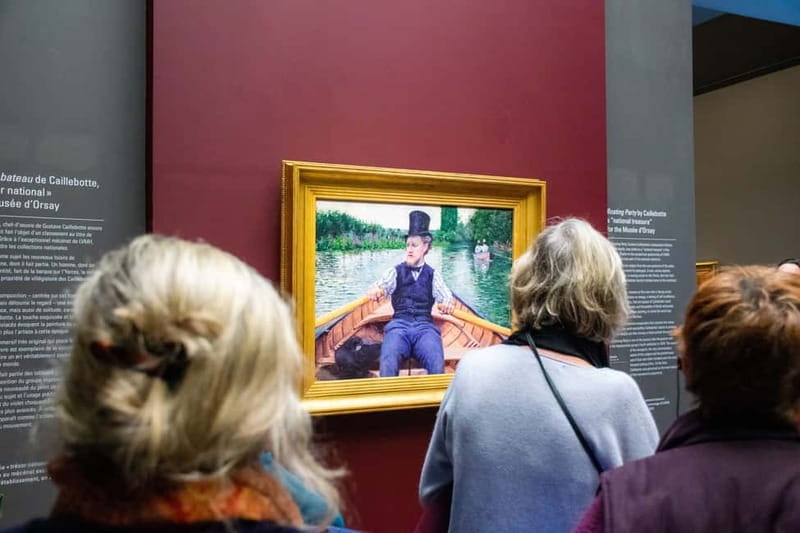
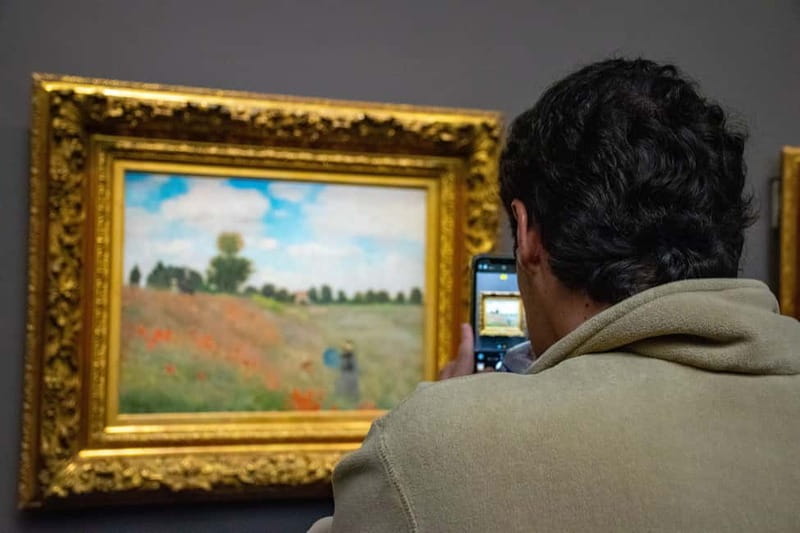
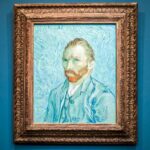
This is a highlights tour, which means it’s built around maximum impact per minute. In your guided walk through the museum, you’ll head directly toward the key Impressionist treasures—Monet and Van Gogh are the headline acts, with Degas and Manet also on the must-see list.
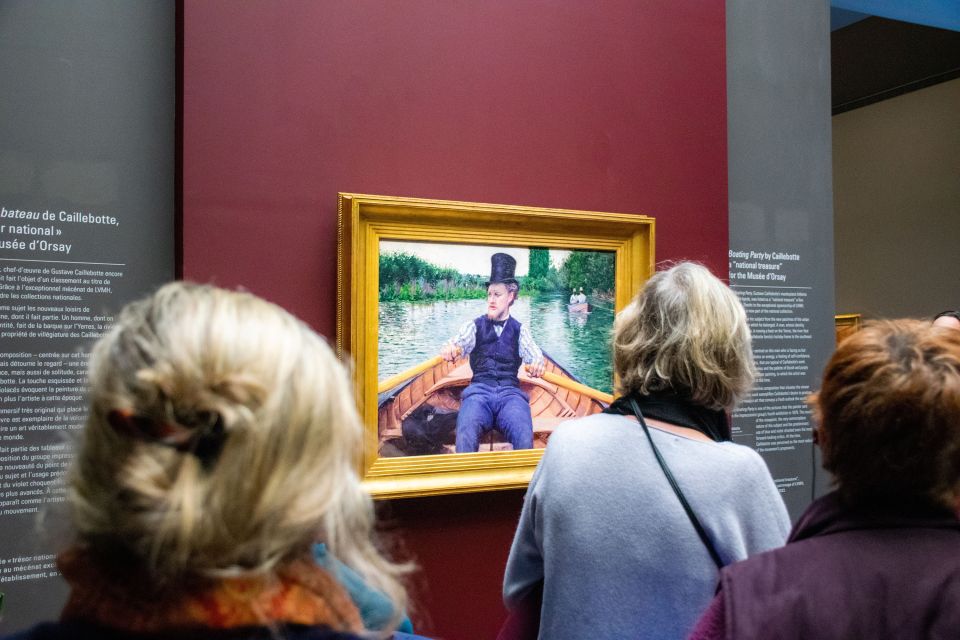
What I like about this approach is that it doesn’t treat paintings like isolated photos you scroll past. A good guide helps you read the art from the right distance and at the right time. You’ll typically pause in front of works long enough to notice details that you’d miss if you were rushing through.
There’s also a photo stop during the experience. That matters because museum visits often turn into a tug-of-war between wanting a picture and keeping the tour pace. A planned photo moment keeps it from becoming a distraction.
Because the tour is tailored to your interests, you can usually adapt the emphasis. That might look like spending a little more time where you’re most curious or getting extra explanation where you’re a bit lost. The goal is to leave you with a clear mental map: which artists you saw, why they’re famous, and what makes each painting feel different.
One thing to keep in mind: particular galleries can close without notice, and pieces can be removed for restoration or loan. So if you have one single must-see artwork on your mind, don’t assume it will always be on view. A strong guide can still redirect you to the closest available alternatives.
How the guide keeps Impressionism from feeling random
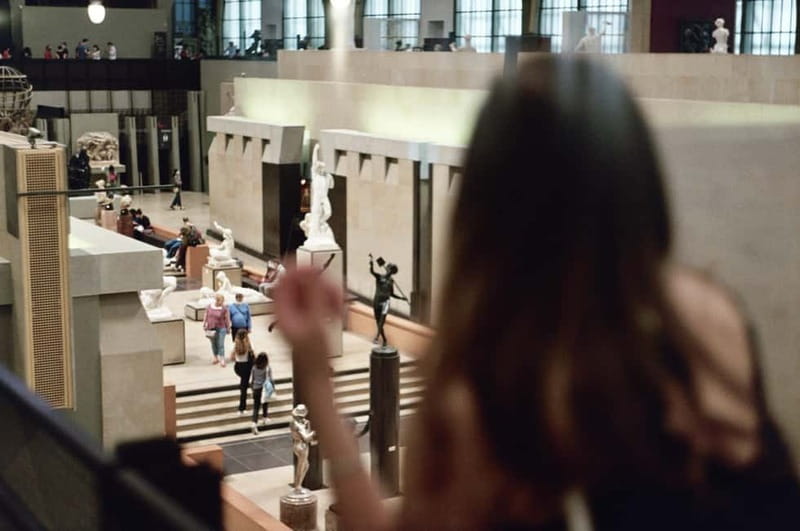
Plenty of museum tours cover facts. This one’s built around storytelling and navigation. The guides are described as local and deeply familiar with the Orsay’s galleries, which is exactly what you want for a museum that can feel overwhelming.
I love tours like this because they reduce decision fatigue. You’re not staring at signs wondering where to go next, and you’re not spending energy comparing every painting to another painting in your head. Your guide gives you a simple path, then fills the pauses with context you can actually use.
This format is also useful if you’re new to art. The guide can explain what you’re seeing without making it feel like a lecture. You get the sense of why these artists were changing art in their time, but without drowning in academic wording.
If you’re already an Impressionism fan, you’ll likely appreciate the emphasis on how the paintings work visually—how color, brushwork, and subject choices contribute to the feeling of the scene. And since it’s private, you can ask follow-up questions as you go instead of waiting for the group to catch up.
There’s a small but important added value here: tour tips to help you navigate the city. Even though your focus is the museum, that kind of practical knowledge can smooth the rest of your day in Paris—how to move, when to use which transport, and how to avoid unnecessary backtracking.
What “skip the ticket line” really means in practice
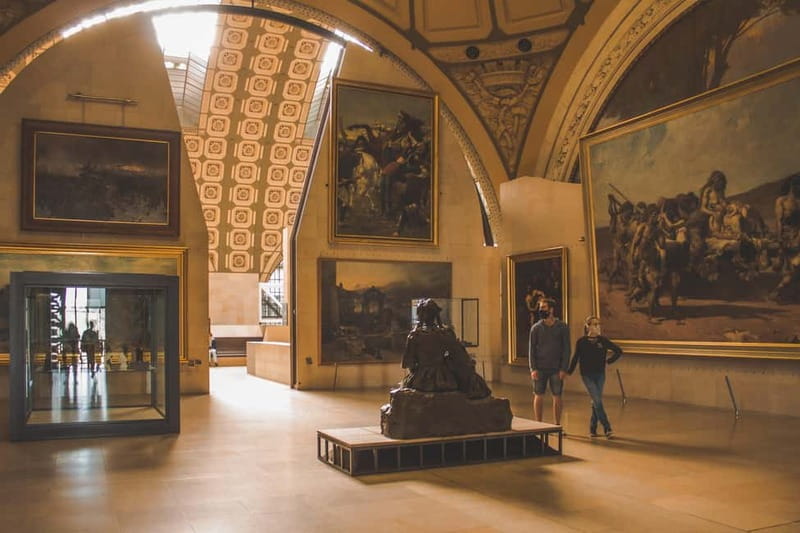
Let’s talk expectations, because this is where people get disappointed if they’re not careful. The tour includes pre-reserved tickets and skip-the-ticket-line access with your guide. That means you avoid the ticket counter line.
But you should still expect a possible wait at security once you’re inside the entry flow. That’s very normal in big museums, and it isn’t something a tour operator can magically cancel. If you show up on time and you’re mentally prepared for security checks, the experience stays stress-free.
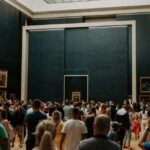
Another practical win: the tour is designed to be smooth and stress-free with an efficient highlights route. That helps because the Orsay can be crowded at peak times, and crowd pressure makes even the best museum plans feel harder than they should.
What you’re not dealing with here is the chaos of large-group pacing. A private group means your guide can adjust to your speed, your questions, and your attention span. If you like to slow down for details, you won’t feel guilty for it. If you prefer to move briskly, you can still keep things moving.
Also, note what’s not allowed. Selfie sticks are off-limits, and luggage or large bags aren’t allowed. If you’re traveling light, you’ll glide through more easily. If you’re carrying bigger baggage, you’ll want a plan for it before you head to the museum.
You can also read our reviews of more museum experiences in Paris


After the guided 2 hours: keep exploring at your own pace
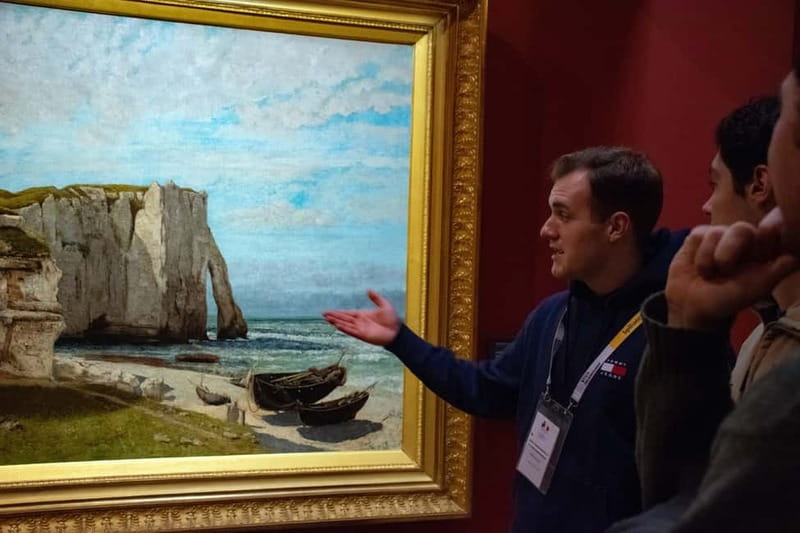
The tour structure is smart: you get the highlights with guidance first, then you’re free to continue exploring on your own. After the 2-hour session, you can linger where you felt something click.
This is the best of both worlds. In the guided portion, you get direction and context. After, you get freedom to match your mood—maybe you want to go back to one painting you can’t stop thinking about, or maybe you want to branch out into areas the guide didn’t have time for.
The tour ends back at the meeting point, so you don’t have to worry about getting lost at the end of a route. You can then stay inside and roam, as long as the museum’s current access hours and gallery openings allow it.
A small reality check: because galleries can close or works can be temporarily unavailable, your post-tour experience might differ from what you expected. If that happens, don’t see it as a failure. Use what the guide gave you—the names, the themes, and the artists you now recognize—to choose what to see next.
Price and logistics: is $261 per person worth it?
At $261 per person for a 2-hour private highlights tour, the question isn’t just whether it’s “expensive.” It’s whether it buys you time, clarity, and comfort.
Here’s what you’re getting that drives value:
- A licensed professional guide focused on highlights
- Orsay entry ticket included
- Skip-the-ticket-line access via pre-reserved entry
- A private, intimate experience so you’re not locked into a big-group script
- Practical navigation tips so you spend less energy figuring out the museum
If you hate wasting hours wandering without a plan, you’re paying to avoid that. In a museum like the Orsay, a guided highlights route can turn a stressful “I have no idea what to do next” afternoon into a confident, satisfying one.
If, however, you love slow, self-led museum exploring and you already know exactly what you want to see, you might feel the price more sharply. This tour isn’t trying to replace a full day at the Orsay. It’s trying to compress the best hits into two focused hours with context.
My rule of thumb: it’s a great value when you want guidance and you’re time-limited. If you’re staying in Paris for days and you can visit at a relaxed pace, you could save money and go self-guided later. But if your schedule is tight, private + skip-line + storytelling is a strong bundle.
Practical dos and don’ts before you go
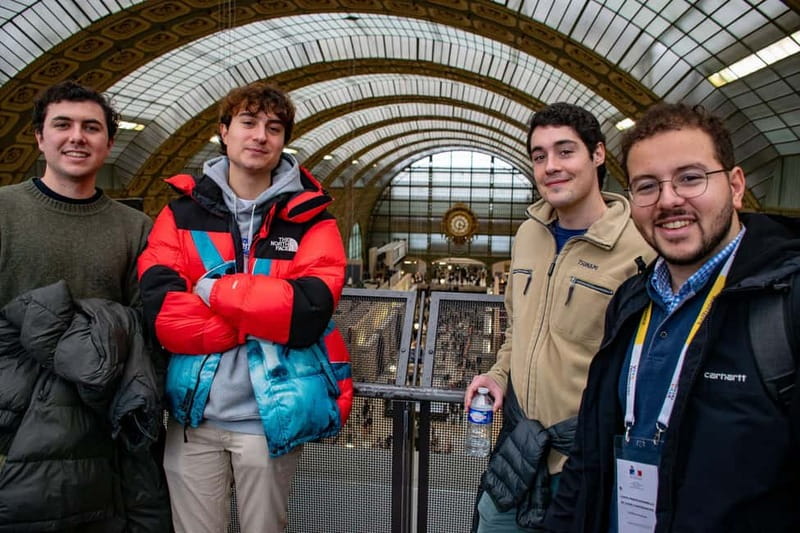
To keep things smooth, plan around the museum rules and bring what you need.
Do bring:
- Passport or ID card (you’ll need it for the experience)
Don’t bring:
- Selfie sticks
- Luggage or large bags
Also, be aware that while skip-the-ticket-line is included, security can still slow you down. Arrive with enough buffer time, especially if your morning plans run slightly late.
Language coverage is solid. The live guide is available in English, French, Spanish, Chinese, and Traditional Chinese, which makes it easier to get the most out of the storytelling.
Wheelchair accessibility is noted, so this is a useful option if you need an accessible experience. Still, since you’ll be moving through museum spaces, it’s smart to go in with calm expectations about how any museum layout affects movement.
Finally, traffic in Paris can surprise you. The tour notes that you should consider traffic and leave early. Even if you’re not doing hotel pickup, that advice still applies to when you plan to reach the museum area.
Should you book this private Orsay highlights tour?
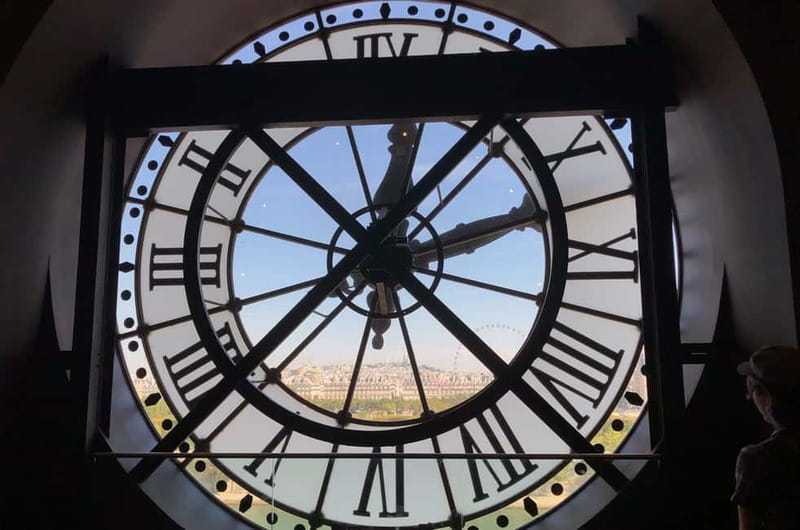
I’d book it if you want a high-impact Musée d’Orsay visit without the usual planning headache. You’re getting a private guide, a focused route built around Monet and Van Gogh, and streamlined entry designed to keep your day moving.
I’d also book it if you care about explanation. The best part of this kind of tour isn’t just seeing famous art. It’s learning how to look—then using that understanding while you keep exploring afterward.
Skip it if you’re the type who prefers going fully on your own, lingering all day, and building your own order of rooms. Also skip it if your goal is a complete Orsay walkthrough. This is two hours of essentials, not every gallery.
If you’re in the middle—wanting the big Impressionist moments, needing a plan, and hoping to feel confident once you’re inside—this is the kind of tour that tends to pay off quickly.
FAQ
How long is the private Orsay museum highlights tour?
The tour lasts 2 hours. It’s designed as a highlights experience focused on major works like Monet and Van Gogh.
Where do I meet the guide?
Meet your guide next to the Elephant statue in front of the Musée d’Orsay entrance. The guide will be holding a blue Dayin sign. The tour ends back at the meeting point.
Is the museum ticket included?
Yes. The experience includes the Musée d’Orsay entry ticket, and your tickets are pre-reserved.
Does it really skip the ticket line?
The tour includes skip-the-ticket-line access with pre-reserved tickets. You may still experience a wait at security after entering.
What languages are available for the live guide?
The tour is offered in English, French, Spanish, Chinese, and Traditional Chinese.
What should I bring, and what is not allowed?
Bring your passport or ID card. Selfie sticks are not allowed, and luggage or large bags are not allowed.