REVIEW · PARIS
Rodin Museum Guided Tour
Book on GetYourGuide →Operated by Babylon Tours LLC · Bookable on GetYourGuide
Rodin hits different when someone explains the why. This guided Rodin Museum tour is built for you to grasp his ideas fast, from the human form to the drama of The Gates of Hell. I especially love the skip-the-line access, and how a professional art historian guide helps the masterpieces feel less intimidating and more personal.
One thing to plan for: there’s a moderate amount of walking, and the tour doesn’t allow large bags. If you’re bringing a suitcase or hate museum-paced stairs, you’ll want to adjust expectations before you go.
In This Review
- Key highlights to look for
- Rodin Museum guided tour: why 2 hours feels like the right length
- What skip-the-line really buys you (and how the small group matters)
- Inside the museum: Rodin’s methods, hands, and human studies
- The contemporaries angle: Balzac in clay and why it matters
- The Gates of Hell and The Thinker: how the guide turns masterpieces into meaning
- Garden of Sculptures: seeing Rodin in a different light
- Price and value: is $128 worth it?
- Guide-led storytelling: what I’d watch for while you’re there
- What you’ll need to bring (and what you can’t bring)
- Who should book this Rodin Museum tour
- Should you book? The quick decision guide
- FAQ
- How long is the Rodin Museum guided tour?
- Is skip-the-line access included?
- What’s the group size?
- Which languages are available?
- What will I see during the tour?
- Are large bags allowed?
- Do I need identification?
- Is wheelchair access available?
- Are temporary or special exhibitions included?
Key highlights to look for

- Small groups up to 8 guests per guide for a more personal pace and real Q&A time
- Art historian guidance that connects Rodin’s life, methods, and contemporaries to what you’re seeing
- The Gates of Hell and The Thinker explained with specific attention to details and meaning
- Rodin’s studies of the human form, including famous focus on hands and the life-sized The Walking Man
- Garden of Sculptures stroll after the museum, so his work lands in both indoor and outdoor light
- Skip-the-line entry included, so you spend time inside the galleries instead of waiting
Rodin Museum guided tour: why 2 hours feels like the right length

A Rodin museum visit can balloon in time because his work spreads across many rooms, studies, and themes. This tour keeps things tight—about 2 hours—so you get the big ideas and the standout pieces without turning it into a marathon.
The key is the structure: you’re not just moving from room to room. You’re following an expert guide who ties Rodin’s subjects back to the way he worked, the world he lived in, and the artists around him. That turns a list of sculptures into a story you can actually hold onto.
You can also read our reviews of more guided tours in Paris



What skip-the-line really buys you (and how the small group matters)
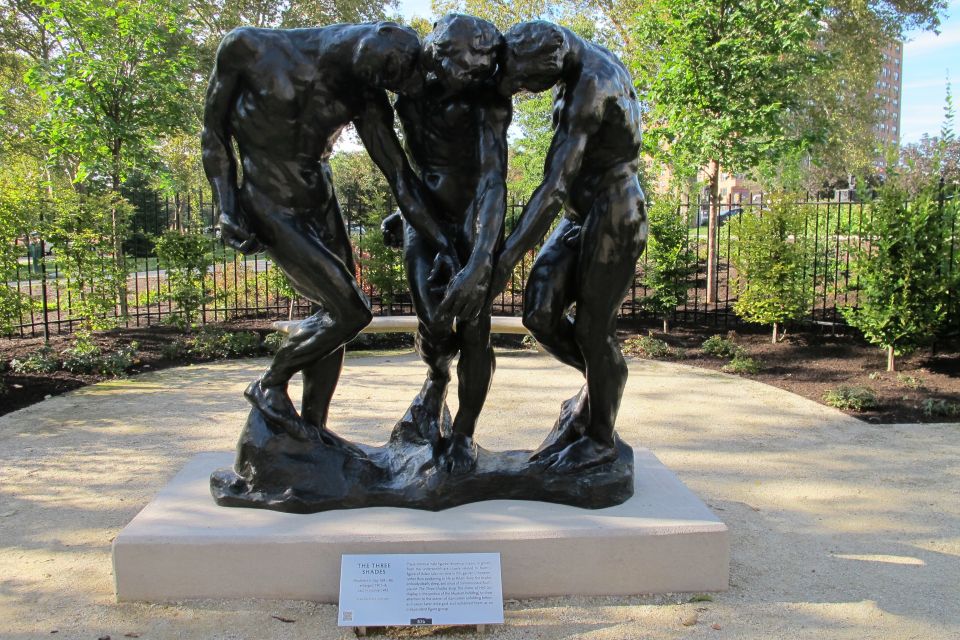
Skip-the-line entry isn’t just a convenience. It changes the mood of the whole visit. You can start with focus, instead of wasting energy at the front door while your attention drains.
Then there’s the group size. This experience is designed for up to 8 guests per guide, which usually means you can actually ask questions and get answers that fit your interests. That’s a big deal at a museum like this, where people often wonder the same things: why Rodin exaggerated anatomy, how he built forms, and what all the gestures are doing.
Inside the museum: Rodin’s methods, hands, and human studies
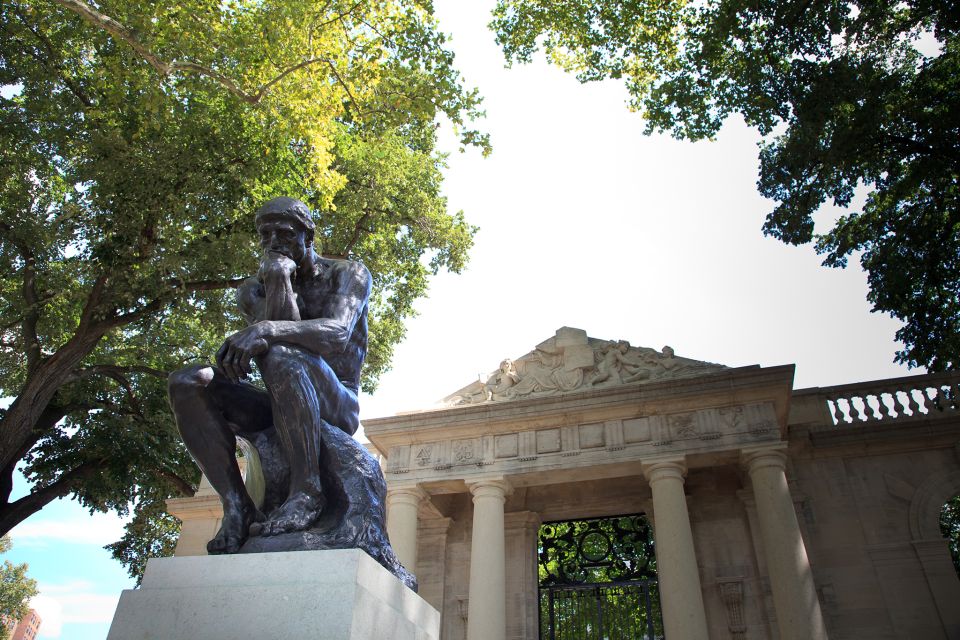
Once you’re in, expect rooms filled with sculptures and selections of more than 200 paintings that Rodin accumulated over his lifetime. That detail matters more than it sounds. It gives you a fuller sense of how he saw the world—painting and sculpture were part of the same thinking process for him.
Your guide walks you through Rodin’s repeated obsession with the human form. You’ll see studies that emphasize hands, plus other approaches to form and movement. Even if you think you already understand sculpture, those close studies often reset how you notice posture, weight, and expression.
One standout you’ll hear about is the life-sized The Walking Man. It’s not just a famous title; it represents Rodin’s interest in capturing motion as a living moment, not a frozen pose. The guide also connects Rodin’s “making” to what he was watching and learning in his world.
The contemporaries angle: Balzac in clay and why it matters
Rodin didn’t work in a vacuum. Part of what makes this tour satisfying is that it brings in his contemporaries—people he depicted and studied, often through clay models.
A specific example is the French writer Balzac. Seeing a famous literary figure through Rodin’s process helps you understand what was at stake for him. He wasn’t only sculpting faces and figures. He was trying to capture personality and presence—how a person seems before they even speak.
If you’re the kind of museum visitor who likes the human side of art, this section is where the tour becomes more than just visual appreciation. It becomes cultural context you can actually feel.
The Gates of Hell and The Thinker: how the guide turns masterpieces into meaning
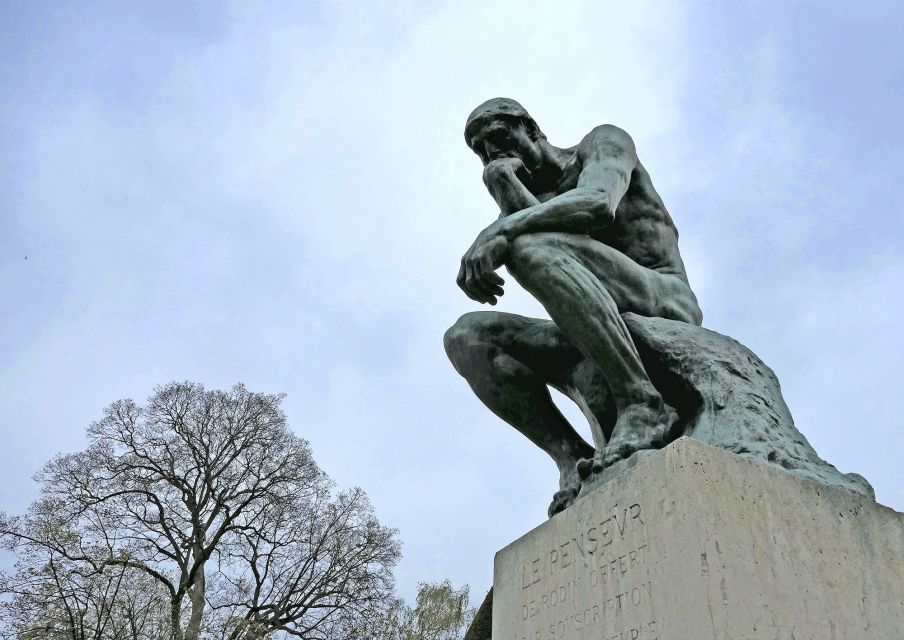
Two works anchor the experience: The Gates of Hell and The Thinker. These are iconic names, but icons can turn into wallpaper if nobody gives you a framework.
Here, the guide goes beyond what they look like and helps you grasp the design and symbolism behind The Gates of Hell—including why The Thinker became Rodin’s most recognizable creation. You’re guided to notice details rather than just admire the overall form, and that is where the time pays off.
A useful way to think about it: Rodin’s art rewards slow looking, but you don’t get slow looking in a packed museum. This is where having a focused guide helps. You get pointed attention to the parts that make the whole piece click, so you leave with more than a photo and a vague sense of intensity.
You can also read our reviews of more museum experiences in Paris




Garden of Sculptures: seeing Rodin in a different light
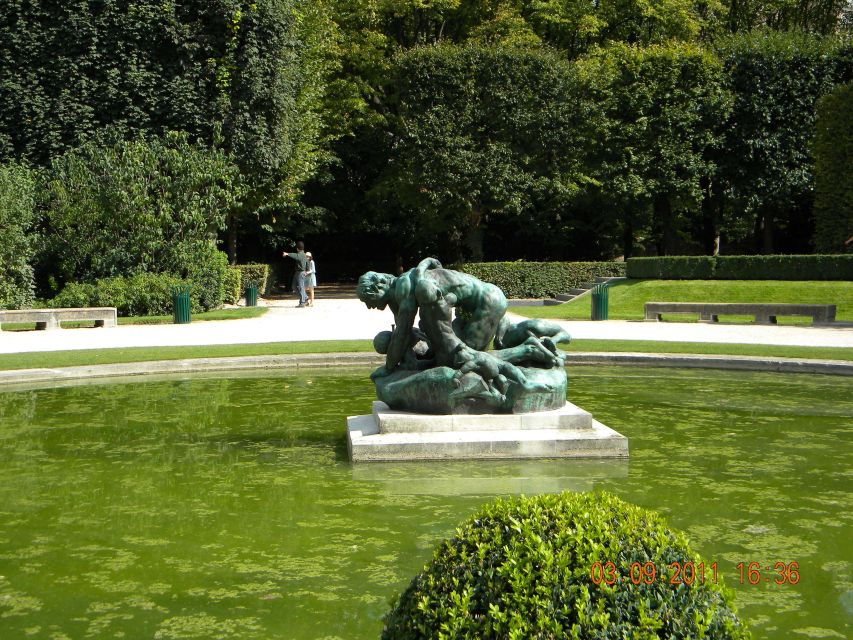
After the indoor galleries, you’ll stroll through the garden, where more sculptures are displayed. This is the second half of the magic because Rodin’s work often looks different depending on how light and shadow land on it.
The garden also changes your pace. Indoors, you’re surrounded by walls and rooms; outdoors, the work interacts with space and sky. That makes the sculptures feel less like objects trapped behind glass and more like living forms.
For me, this is one of the best parts of any Rodin visit, because his themes—movement, tension, human presence—often feel more believable when you’re walking past them instead of looking at them from a single angle.
Price and value: is $128 worth it?
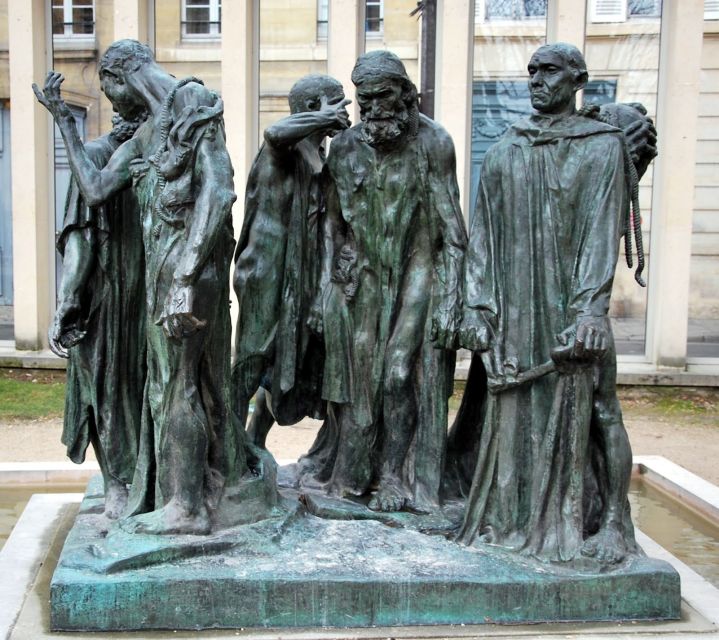
$128 per person for a 2-hour guided tour sounds like a splurge until you map what’s included.
Here’s what you’re paying for:
- Skip-the-line access (you save time and stress)
- Entrance fees
- A professional art historian guide (the real value is interpretation)
- Small group sizing (up to 8 guests per guide)
- A walking tour format across indoor galleries and the garden
- Languages offered, so you can match your comfort level (Spanish, German, Italian, French, Russian, English)
If you’re the type who usually reads a quick sign and moves on, you’ll likely feel underwhelmed at the end. But if you like knowing what to look for—why Rodin sculpted in a particular way, what a clay study meant, how The Thinker fits into the grand idea of The Gates of Hell—then this price starts to make sense.
In other words: the cost is tied to guidance. You’re not just buying entry. You’re buying a faster route to understanding.
Guide-led storytelling: what I’d watch for while you’re there
This tour succeeds when the guide’s explanations help you see patterns. You’ll get that, and you’ll also benefit from a guide who can adapt to your preferences.
There are examples of guides like Marcel, praised for storytelling that makes it feel like you’re watching Rodin’s process unfold. Another guide, Sunday, has been noted for making guests feel welcome and for being professional while steering attention toward what people want to see. You don’t get to choose a guide listed here, but those comments point to the tour’s best strength: the human delivery of the art history.
As you walk, keep an eye out for moments where the guide connects:
- Rodin’s life and the 20th-century art world context
- A specific artwork to a technique or study (like hands or motion)
- A masterpiece to repeated motifs across the collection
That’s the stuff that makes the tour feel worth paying for.
What you’ll need to bring (and what you can’t bring)
Plan light. The tour does not allow luggage or large bags, so leave the big bag at your hotel if you can.
Bring a passport or ID card, since it’s listed as required. Also, expect moderate walking—this is a museum-and-garden route, not a sit-down lecture.
Language support is a plus if you want comfort rather than translation. The guide can work in Spanish, German, Italian, French, Russian, or English depending on the option you book.
Also note: some rooms may have quiet or restricted rules where speaking may be limited. Museum collections can vary during the year, so your exact room mix can shift a bit.
Who should book this Rodin Museum tour
This experience is a strong match if you want:
- A focused museum visit that hits major works like The Thinker and The Gates of Hell
- More understanding of Rodin’s method (especially studies and hands)
- Context about contemporaries like Balzac
- A blend of indoor sculpture galleries and an outdoor Garden of Sculptures stroll
- The comfort of a small group where you can ask questions
It’s not the best match if you want a slow solo wandering day. The guide pace is efficient, and the route is built to cover key themes in a short window.
And on accessibility: wheelchair tours are available only on request, but this semi-private option isn’t available for wheelchair users and isn’t intended for those with walking disabilities. If mobility is a factor, you’ll want to contact the provider before booking to see what can be arranged.
Should you book? The quick decision guide
Book this Rodin Museum Guided Tour if you want a smart, time-efficient way to understand Rodin’s genius—especially if you care about why his sculptures look the way they do and how his studies connect to the big masterpieces. The skip-the-line setup and the small group size make it feel calm and purposeful, not rushed.
Skip it (or consider a different format) if you prefer to wander without guidance, or if moderate walking and no large bags are dealbreakers for your day.
If you’re aiming for maximum meaning per hour, this tour is one of the easier ways to get there.
FAQ
How long is the Rodin Museum guided tour?
The tour duration is about 2 hours.
Is skip-the-line access included?
Yes. Entrance fees and skip-the-line access are included.
What’s the group size?
This tour is designed for small groups with a maximum of 8 guests per guide.
Which languages are available?
The guide can be provided in Spanish, German, Italian, French, Russian, or English.
What will I see during the tour?
You’ll see major works including The Gates of Hell and The Thinker, plus Rodin’s studies of the human form (including hands and The Walking Man) and you’ll also visit the Garden of Sculptures.
Are large bags allowed?
No. Luggage or large bags are not allowed.
Do I need identification?
Yes. You should bring a passport or ID card.
Is wheelchair access available?
Wheelchair tours are available only on request, but the semi-private tour is not available for wheelchair users. If you need accessibility support, ask the provider first.
Are temporary or special exhibitions included?
No. Temporary or special exhibitions are not included, and some collections may vary during the year.