REVIEW · PARIS
Paris: Montmartre Hill & Sacré-Cœur Guided Walking Tour
Book on GetYourGuide →Operated by Z-Ocean Tours LLC · Bookable on GetYourGuide
Paris rewards people who slow down. Montmartre gives you that feeling fast: winding streets, quirky art history, and the big view from Sacré-Cœur all in a short walk. I especially like how the guide ties the neighborhood to real characters—Picasso, Van Gogh, Toulouse-Lautrec, plus saints and singers—so the places make sense.
One possible drawback is the climb. The route is uphill and can mean lots of stairs, and while the tour notes a funicular option, how much walking you’ll do can vary.
In This Review
- Key things you’ll notice on this Montmartre walking tour
- First steps in Montmartre: from the Moulin Rouge area to uphill old streets
- Walking Rue Abbesses and the artist streets: why these lanes feel different
- Place du Tertre: the famous square and what the guide does with it
- Sacré-Cœur at the top: the big view payoff, plus the rules that affect photos
- What makes the guide matter: pacing, stories, and photo help
- The uphill reality: stairs, the funicular option, and knee-friendly strategy
- Price and value: is $50 worth it for Montmartre?
- Who should book this Montmartre guided tour (and who should skip it)
- Should you book this Paris: Montmartre Hill & Sacré-Cœur guided walking tour?
- FAQ
- Where is the meeting point for the Montmartre Hill & Sacré-Cœur walking tour?
- How long is the tour?
- Is the tour in English?
- Are tickets included for Sacré-Cœur?
- Can I take photos inside Sacré-Cœur?
- What should I bring?
Key things you’ll notice on this Montmartre walking tour
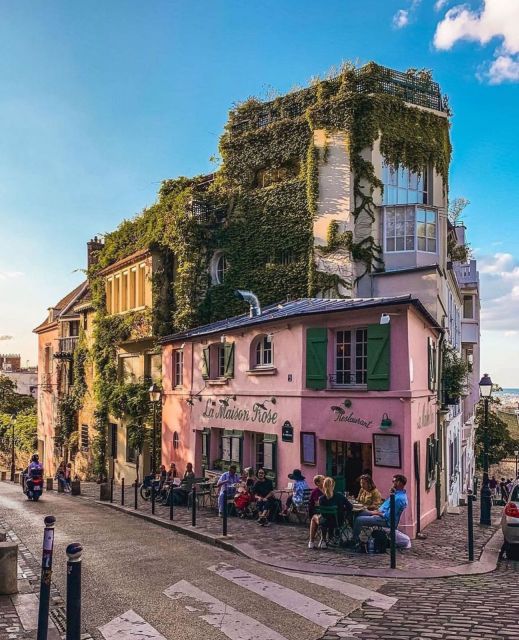
- Small group size (10 max) keeps the pace human and the questions flowing
- Rue Abbesses + Place du Tertre help you see the “artist neighborhood” beyond the postcards
- Stories of Picasso, Van Gogh, and Toulouse-Lautrec turn street corners into context
- Panoramic Sacré-Cœur views are the payoff, even if you stop for photos outside
- Uphill walking with optional funicular means you should plan based on your legs, not just your curiosity
First steps in Montmartre: from the Moulin Rouge area to uphill old streets
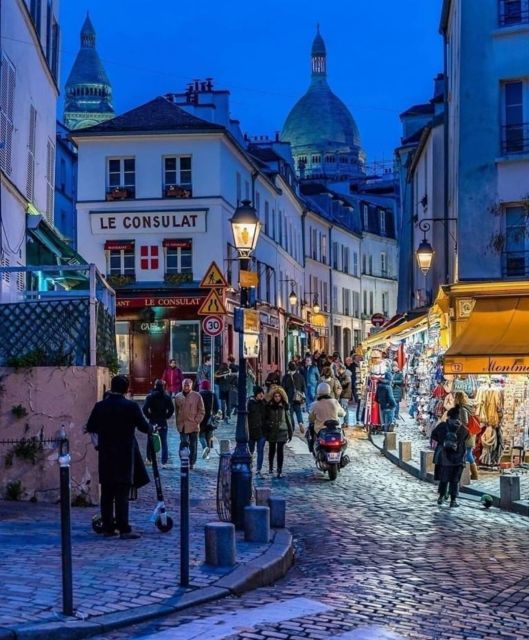
The tour meets near Exit Via Blanche on the metro, with the guide meeting you out in front of the Moulin Rouge area. That’s a smart starting point because Montmartre often feels like a maze the first time you’re here. Having someone point you in the right direction saves time and keeps you from missing the small lanes that actually define the neighborhood.
From the start, you’re not doing a “big bus” highlights loop. You’re walking into the local geometry—narrow streets, stair breaks, and sudden sightlines toward the hill. You’ll start uphill right away, so wear shoes with grip and expect the rhythm of short climbs and pauses.
Two quick practical notes I’d keep in mind:
- The tour is designed as a 2-hour walking experience, so it moves with purpose.
- You’ll get far more value if you’re open to the guide’s storytelling style—because this is the main ingredient.
If you’re the type who just wants photos, you’ll still get them. But the real point is understanding why this part of Paris looks the way it does.
You can also read our reviews of more walking tours in Paris



Walking Rue Abbesses and the artist streets: why these lanes feel different
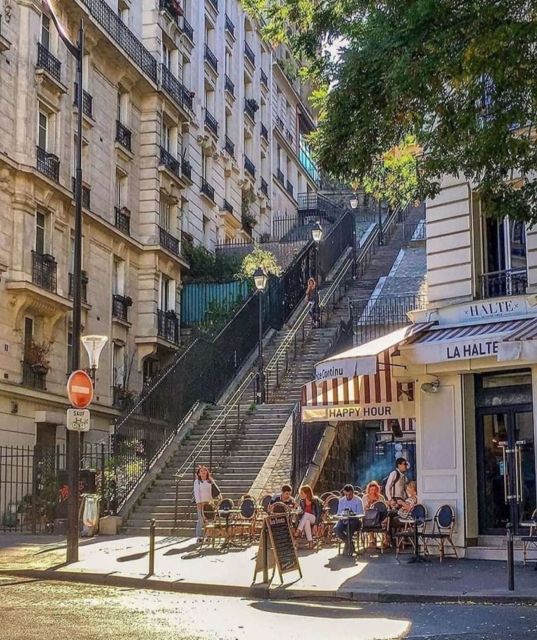
As the walk climbs, the guide connects the neighborhood to some heavy hitters from the art world—Van Gogh, Toulouse-Lautrec, and Picasso—including the wild, oddball side of their lives that made Montmartre famous beyond paint.
The best part of doing this with a guide is that street names and building facades stop being random. When someone explains what Rue Abbesses and surrounding streets mean in the Montmartre story, you start noticing details you would otherwise gloss over: how streets bend uphill, how views open and close, and how the neighborhood’s layout shaped how artists worked and lived.
Rue Abbesses is a key stop. It’s one of those places where the vibe is instantly recognizable, even if you can’t name why. With guidance, you’ll get historical anecdotes that give the area personality instead of just atmosphere.
You also get a sense of why Montmartre draws people: it’s tied to creators, but it’s also tied to saints and singers—the mix of sacred and showy that makes the hill feel like its own world. That contrast matters here. Paris has plenty of art museums. This tour is about the streets that inspired the art and the legends that grew from it.
Place du Tertre: the famous square and what the guide does with it
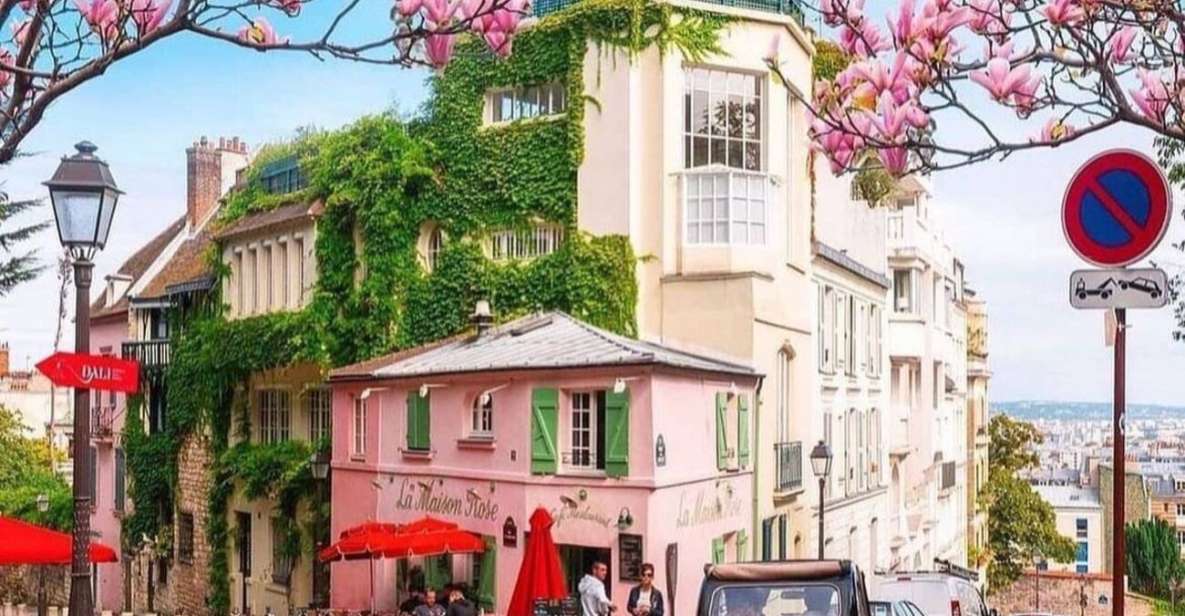
You’ll stop at Place du Tertre, one of the best-known squares in Montmartre. This is the area most people photograph because it’s iconic: the open space, the artist atmosphere, and the streets that funnel toward it.
Here’s where a good guide changes everything. Instead of treating Place du Tertre as a single photo stop, the guide uses it as a storyline checkpoint. You’ll hear how Montmartre’s identity formed—artists setting up shop, reputations spreading, and the neighborhood becoming a stage where real life and showbiz overlap.
If you like learning by seeing—by standing where the story happened—this moment usually lands well. You can walk the edges of the square, look down the surrounding streets, and suddenly recognize where you’ve been heading.
There can be a small reality check too: Place du Tertre is popular, so if you’re hoping for total quiet, you won’t get that. But you will get a strong sense of place, especially if you let the guide show you which corners matter.
Sacré-Cœur at the top: the big view payoff, plus the rules that affect photos
Reaching Sacré-Cœur Basilica is the whole reason people do this tour. Once you’re near the top, the city view does what all good viewpoints do: it reorganizes your mental map of Paris. From up here, streets look smaller, landmarks look more connected, and the climb feels worth it.
If the hill feels too steep, the tour notes that you can take the funicular for the steepest part. That’s huge for practical reasons. Paris is walkable, but Montmartre is a specific kind of walk—short distance, big vertical effort. If you’ve got any leg tightness or knee sensitivity, plan to use that option rather than white-knuckling it.
One important rule: photography is not allowed inside Sacré-Cœur. That means you should aim to take pictures outside first and save your attention for the inside experience itself. It’s the kind of detail that can make or break your mood if you’re counting on getting interior shots.
Also, keep your expectations about “skipping the ticket line” realistic. The tour includes that promise, but in practice, you might still find yourself waiting at entry points depending on crowd flow. I’d treat the guide’s help as “time-saver,” not “no waiting, ever.”
The upside is that once you’re in position and guided well, the view and the basilica setting make a strong finish to a short tour.
What makes the guide matter: pacing, stories, and photo help
This experience lives or dies by the guide’s ability to connect history to streets while keeping everyone moving uphill.
The strongest compliments you’ll see about this tour point to guides who are:
- Personable and willing to answer questions
- Able to explain why specific spots matter
- Good at finding “special spots” for photos
One guide name that comes up is Farhan. The feedback highlights that he moved at the group’s pace, guided people to photo points, and answered lots of questions. That’s exactly the kind of pacing you want on a steep walk—especially when the group is small and you can stop briefly without slowing everything down.
Another guide name you may hear about is Robin. In one case, Robin was described as sweet and well prepared with stories and local context. In another case, the experience sounds less smooth: short shifting of the meeting details, difficulty hearing, and a shorter walk time than promised. The lesson for you: if your main goal is a full 2 hours, arrive on time and stay flexible—but also pay attention to whether the guide is clearly communicating with the group.
Photo quality is also a factor. Some people said their guide helped them capture the moment well; others reported average results. If photography matters a lot to you, I’d suggest using your own camera for key frames, then let the guide help with framing ideas rather than assuming perfect composition every time.
Bottom line: the guide is part history teacher, part route manager, part storyteller. If that balance is right, the tour feels like more than the sum of its stops.
You can also read our reviews of more guided tours in Paris





The uphill reality: stairs, the funicular option, and knee-friendly strategy
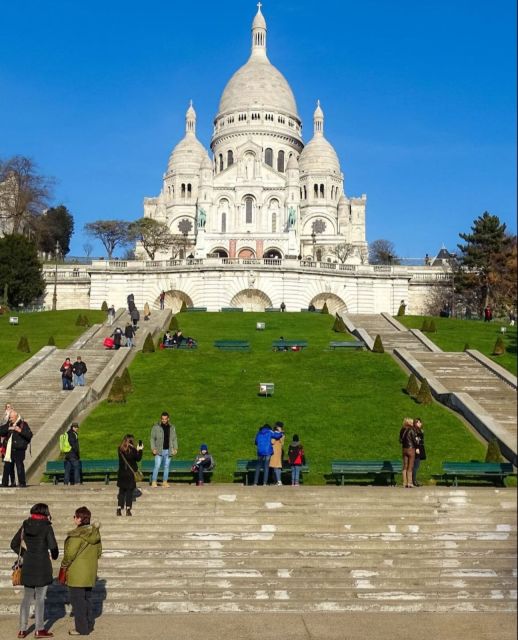
This tour is designed for walking, and that means you’ll be climbing. The route includes uphill segments that can translate into a lot of stairs. The funicular option exists specifically for that reason, but how it’s used in practice can affect your total effort.
So here’s how to make the experience kinder on your body:
- Use the funicular if you feel even slightly nervous about stairs. Don’t wait until you’re already at the steepest section.
- Take breaks. Even short pauses keep you from losing your pace and breath.
- Keep expectations flexible if you’re traveling with any mobility limitations.
One review account described a knee issue afterward when stairs became a bigger part of the walk than expected. That doesn’t mean you should avoid the tour entirely—but it does mean you should treat the hill as real, not optional scenery.
If you’re in good shape and love walking, the climb can feel energizing. If you’re not, the tour still can work, but you’ll want a plan for the steep parts.
Price and value: is $50 worth it for Montmartre?
At $50 per person for a 2-hour guided walking tour, the value depends on what you want from Montmartre.
If you’re the type who likes:
- Context (why the area matters and who lived where),
- A guided route that prevents wandering in circles,
- Short stops that turn into meaningful moments,
…then $50 can feel fair. Montmartre’s top sights are close, but the “story layers” are not automatic. Without guidance, you can see the streets and the view. With guidance, you understand what those places represent.
If your priority is mostly photos and you’re comfortable exploring on your own, you may decide you can create a similar route without paying. The difference is that this tour is built to connect the dots quickly—especially the links to major artists and the neighborhood’s religious and theatrical flavors.
Also, the tour’s small group size (10 participants max) helps value. Smaller groups generally mean fewer delays, more room to ask questions, and a pace that can adjust to the group.
So here’s the straight call: pay if you want a guided Montmartre story in a compact timeframe. Save money if you want a free-form wander and don’t care much about the historical connections.
Who should book this Montmartre guided tour (and who should skip it)
This tour is a strong fit if you:
- Want an organized way to explore Montmartre Hill in about two hours
- Enjoy hearing real-world anecdotes about artists and legends
- Like viewpoints, especially with someone guiding you to the best moments
It’s less ideal if you:
- Have knee or mobility concerns and don’t want stairs involved
- Need long, slow time at each stop for photos (this tour is structured and moving)
- Are very sensitive to hearing the guide—because clear communication matters on narrow streets and during climbs
If you’re visiting for the first time and want your bearings fast, this tour gives you an “anchor.” You’ll walk away with a mental map of Montmartre that helps the rest of your trip.
Should you book this Paris: Montmartre Hill & Sacré-Cœur guided walking tour?
I’d book this tour if you want a guided, story-led Montmartre experience with the Sacré-Cœur view as the payoff and you’re comfortable with uphill walking. The best versions of the tour sound genuinely fun: personable guides, history that connects to street corners, and photo stops that help you work the angles.
I’d hesitate only if stairs are a deal-breaker for you or if you need guaranteed, trouble-free timing. The route is short, but vertical effort is real, and crowd flow near Sacré-Cœur can affect how smooth entry feels.
If you go in with the right expectations—comfortable shoes, climb-aware mindset, and a willingness to let the guide drive the narrative—you’ll likely come away feeling like Montmartre made sense, not just like you walked it.
FAQ
Where is the meeting point for the Montmartre Hill & Sacré-Cœur walking tour?
The guide meets you at Exit Via Blanche metro station, in front of the Moulin Rouge area.
How long is the tour?
The tour lasts 2 hours.
Is the tour in English?
Yes, the tour is a live guide in English.
Are tickets included for Sacré-Cœur?
No. Funicular tickets are not included (optional). The tour includes a guide and the walking tour, and it also notes skipping the ticket line, but you should still be prepared for some waiting at Sacré-Cœur.
Can I take photos inside Sacré-Cœur?
No. Photography is not allowed inside the Sacré-Cœur church.
What should I bring?
Bring comfortable shoes, since the tour includes uphill walking.
If you want, tell me your fitness level and whether you prefer stairs or funicular, and I’ll help you decide if this route will feel enjoyable or exhausting for your day.