REVIEW · PARIS
Skip-the-Line Louvre Museum Tour with Artist
Book on GetYourGuide →Operated by That Time in Paris · Bookable on GetYourGuide
If you love art, the Louvre can still feel like a maze. This small-group tour pairs skip-the-line entry with a certified artist-guide who explains masterpieces through how they’re made.
I especially like the focus on looking—how you should see works like Mona Lisa, Venus de Milo, and Nike. And I like the “painter’s eye” approach, where techniques matter as much as the famous name. A possible drawback: it’s only 2 hours, so you’ll leave wanting more if you’re the type who likes to linger room by room.
In This Review
- Key Things That Make This Louvre Tour Different
- Meeting at the Kiosque des Noctambules: Get Oriented Fast
- Getting In: Skip the Line via Reserved Tickets and a Separate Entrance
- A 2-Hour Museum Plan That Actually Feels Manageable
- The Stops That Matter: Mona Lisa, Venus de Milo, and Nike
- Mona Lisa: Learn What to Look For
- Venus de Milo: The Body as an Idea
- Nike: Read the Motion and the Fabric
- How the Painter-Artist Explains Technique (Without Making It Feel Complicated)
- Pacing and Q&A: A Guided Visit You Can Adjust
- What You Get for $246: Value vs. Doing It Alone
- Practical Notes That Affect Your Day
- Who This Tour Suits Best (and Who Might Prefer Something Else)
- Should You Book This Louvre Artist Tour?
- FAQ
- Where is the meeting point?
- How long is the tour?
- Does this tour include skip-the-line entry?
- What languages are offered?
- How big is the group?
- What’s included in the price?
- Is pickup or drop-off included?
- What should I bring?
- Is it suitable for wheelchair users?
- What items are not allowed?
Key Things That Make This Louvre Tour Different
- Tiny group size (up to 6) keeps the experience from turning into crowd-watching.
- Reserved tickets + separate entrance helps you get in fast and start seeing instead of waiting.
- Certified artist-guide (painter) teaches how artists build images, not just what to memorize.
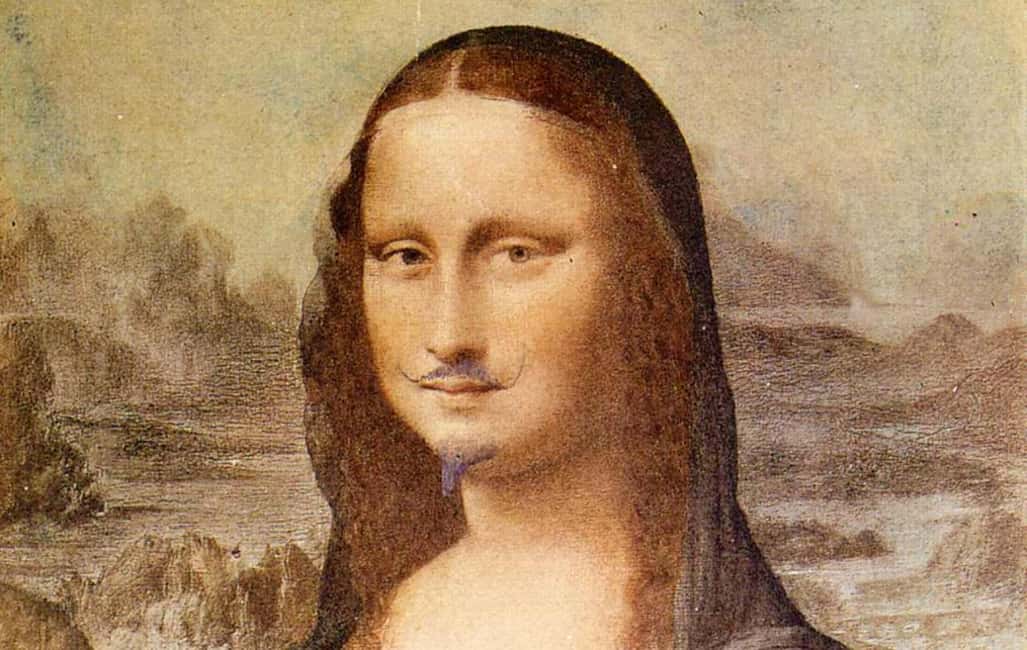
- Close encounters with Mona Lisa, Venus de Milo, and Nike with practical viewing tips.
- A guided path that connects Greek Antiquity to the Italian Renaissance, giving you a timeline you can actually use.
- Audio headsets when available help you hear your guide clearly in noisy galleries.
Meeting at the Kiosque des Noctambules: Get Oriented Fast
This tour doesn’t meet at the Louvre. Instead, you meet at the Kiosque des Noctambules by Jean-Michel Othoniel, a Murano glass beads sculpture across from the Comédie Française.
If you’ve ever shown up to the Louvre and immediately felt confused, this “start outside” choice helps. You get your bearings before you hit the security lines and the museum’s endless corridors. And because it’s near Palais Royal – Musée du Louvre metro (Place Colette exit), it’s usually easy to reach by public transit.
Quick practical tip: wear comfortable shoes and bring a reusable water bottle. The tour itself is short, but the Louvre approach and the walking inside add up.
You can also read our reviews of more museum experiences in Paris


Getting In: Skip the Line via Reserved Tickets and a Separate Entrance
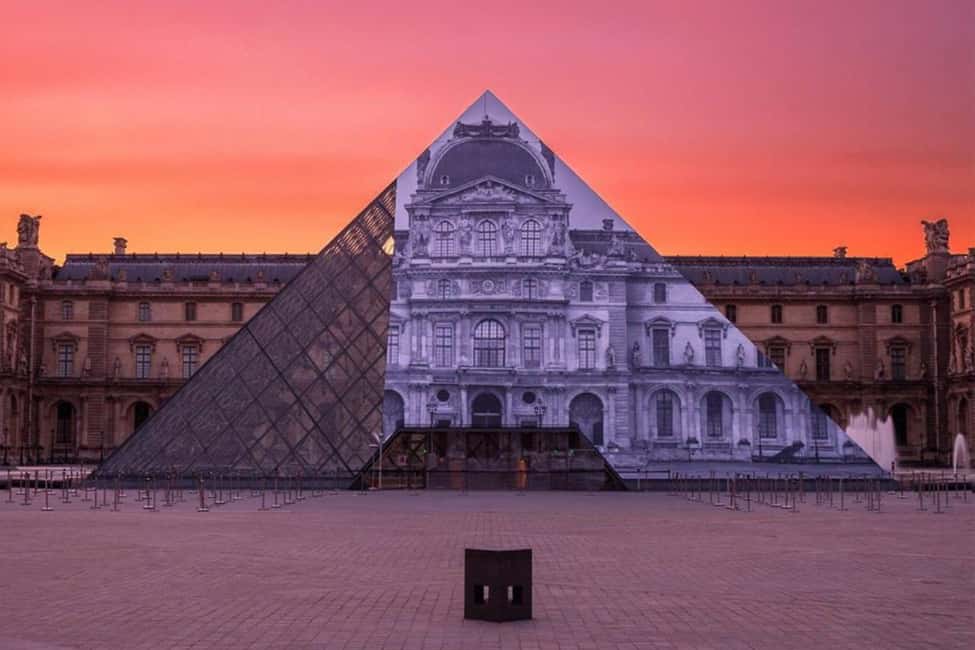
Once you’re through the meeting point, you head to the Louvre Pyramid for the guided start. The big win here is that you’re using reserved entry tickets and a separate entrance, which matters in the real world.
The Louvre can run on queues and bottlenecks. Cutting that part out gives you something more valuable than time: momentum. You spend your energy looking at art, not staring at stanchions.
You’ll also have a guide who keeps the group moving smartly. One of the common complaints about the Louvre is that it’s too big for your brain to handle. This format fights that problem by choosing what to see and why.
A 2-Hour Museum Plan That Actually Feels Manageable
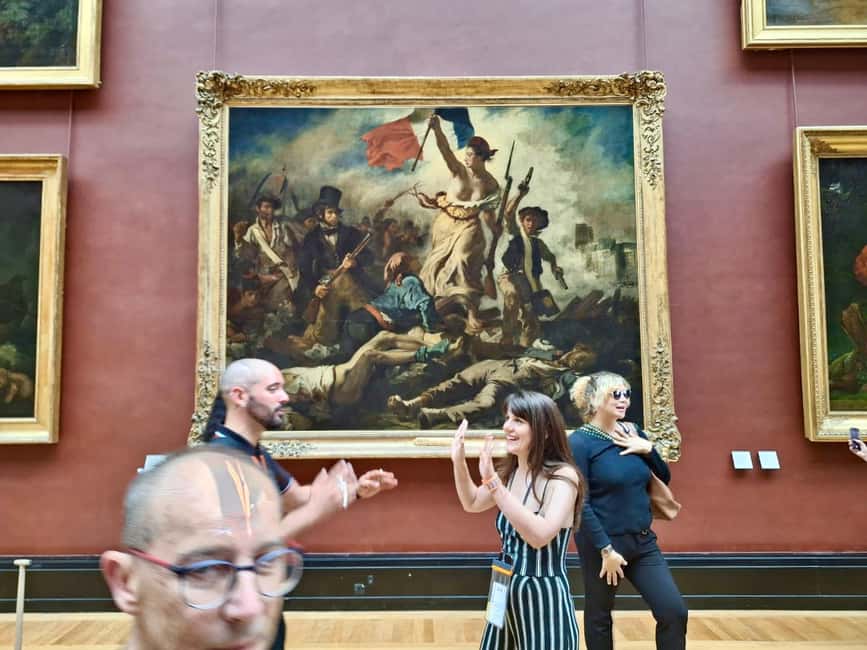
The core experience is a shared guided tour for about 2 hours inside the museum. In that time, the guide keeps you anchored on the most important highlights and the connections between them.
Here’s what that means for you: you’re not trying to cover everything. Instead, you’re building a framework that helps you understand what you’re seeing. That includes themes in Western art and how different periods communicate through form, light, pose, and surface detail.
You’ll get audio headsets when available, which is a small detail that pays off. In galleries, other visitors are loud. Clear audio means you don’t keep guessing what the guide said—so you stay focused on the artwork itself.
Also, the group is intentionally small (no more than 6). That matters more than people expect. In a large group, you feel like you’re watching the guide. In this one, you can ask questions and adjust your pace.
The Stops That Matter: Mona Lisa, Venus de Milo, and Nike
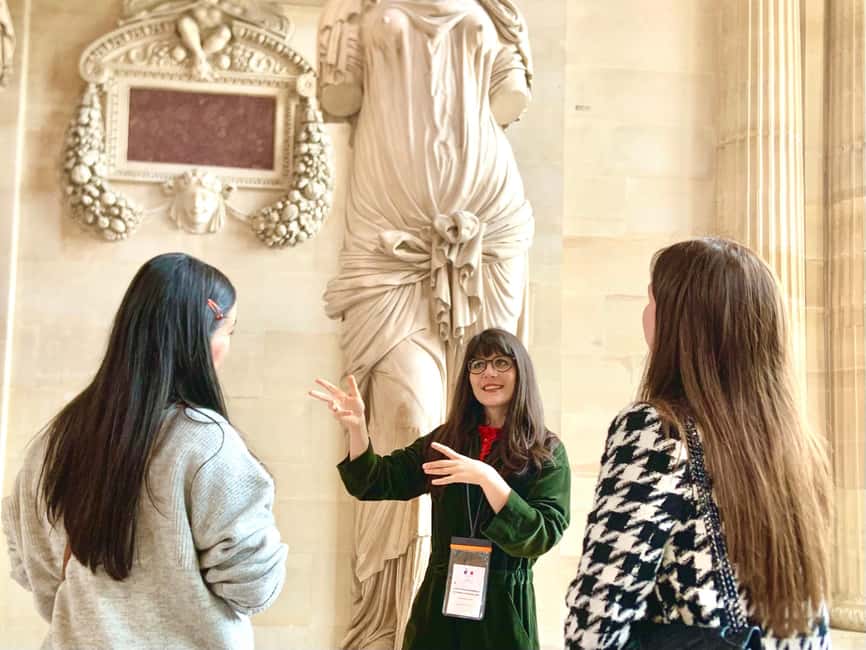
This is the kind of Louvre tour where the famous pieces aren’t just name-drops. The guide brings you close and gives you a way to interpret what you’re seeing.
Mona Lisa: Learn What to Look For
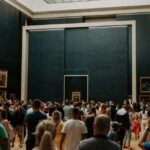
The Mona Lisa stop isn’t only about spotting the painting. The guidance focuses on how the image works—what artists did to create the feeling of depth and expression. You’ll learn how to look at the details that most people miss when they only glance and move on.
Practical tip for your first minutes at the painting: don’t stare at everything at once. Use the guide’s cues to focus on a small set of features. That turns the Mona Lisa from a crowd photo moment into a real visual experience.
You can also read our reviews of more tours and experiences in Paris




Venus de Milo: The Body as an Idea
With Venus de Milo, the emphasis is on how the sculpture communicates through pose and proportion. This isn’t just about the statue’s fame. You’ll get help reading what the figure expresses and how Greek sculptural style aims for balance and impact.
If you’re new to sculpture, this is a good place to start. The guide’s explanations help you translate shape into meaning without turning it into homework.
Nike: Read the Motion and the Fabric
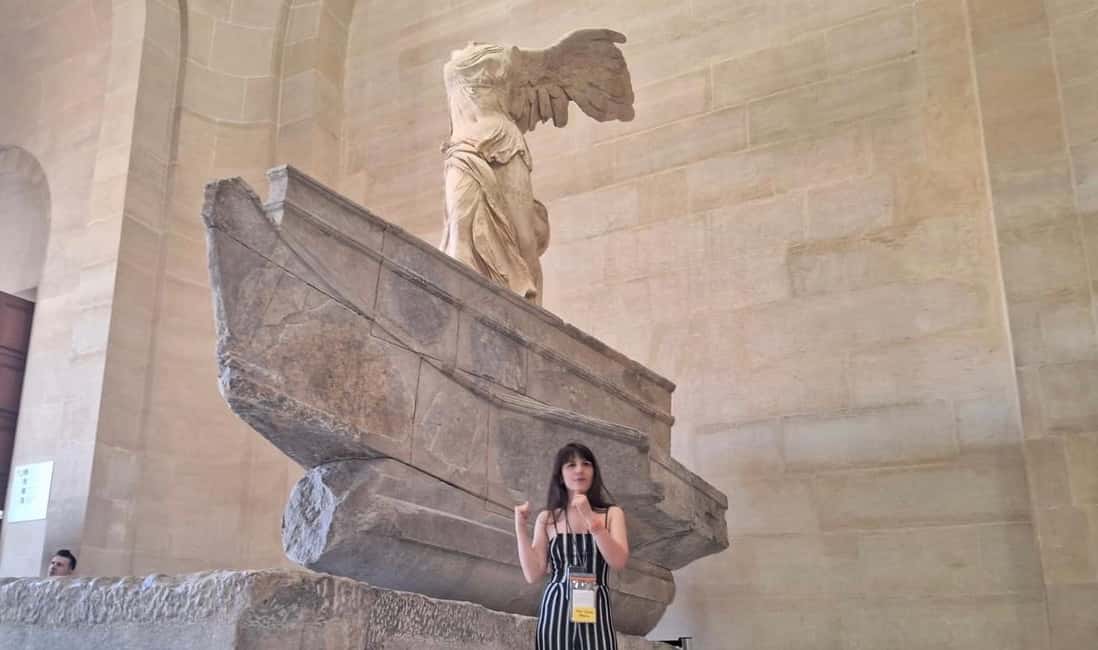
Nike is where the painter-artist approach really clicks, especially with guidance around the feeling of movement and the look of drapery. Even if you’re not an art expert, you can learn to notice how folds create rhythm and how surface treatment guides your eye.
If you love motion in art—sports energy, drama, movement in film-like poses—you’ll probably find Nike one of the tour’s most memorable stops.
How the Painter-Artist Explains Technique (Without Making It Feel Complicated)
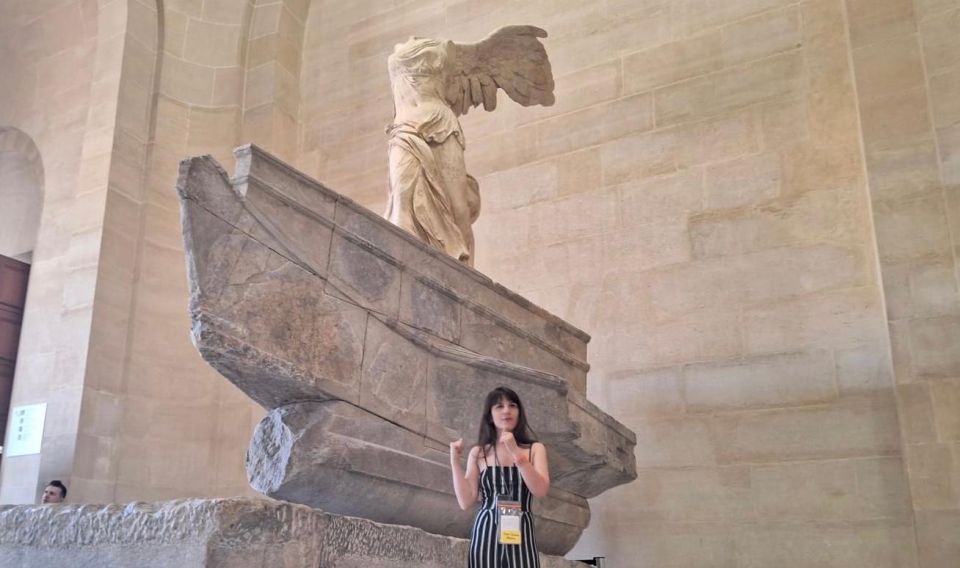
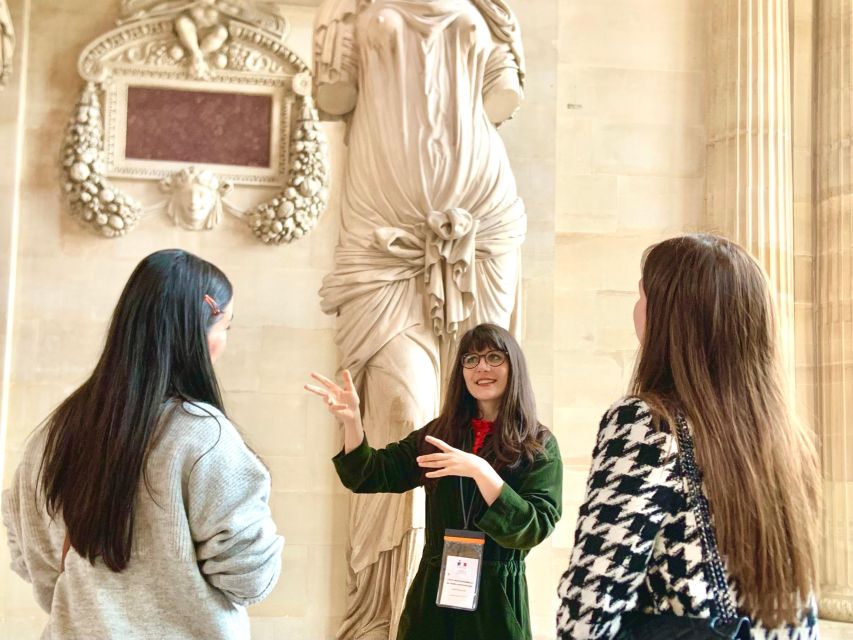
This tour’s signature is the fact that your guide is not only a guide. They’re a certified artist and a painter, which changes the whole tone of the visit.
You’re shown the artistic logic behind the “wow” moments: how artists build realism, suggest emotion, and control attention. It’s art history as a set of tools, not a list of dates.
The tour also connects the dots across periods, helping you see how the Western canon evolves—from Greek Antiquity through to the Italian Renaissance. That’s useful because the Louvre can feel like separate worlds. With this structure, it starts to feel like one long conversation.
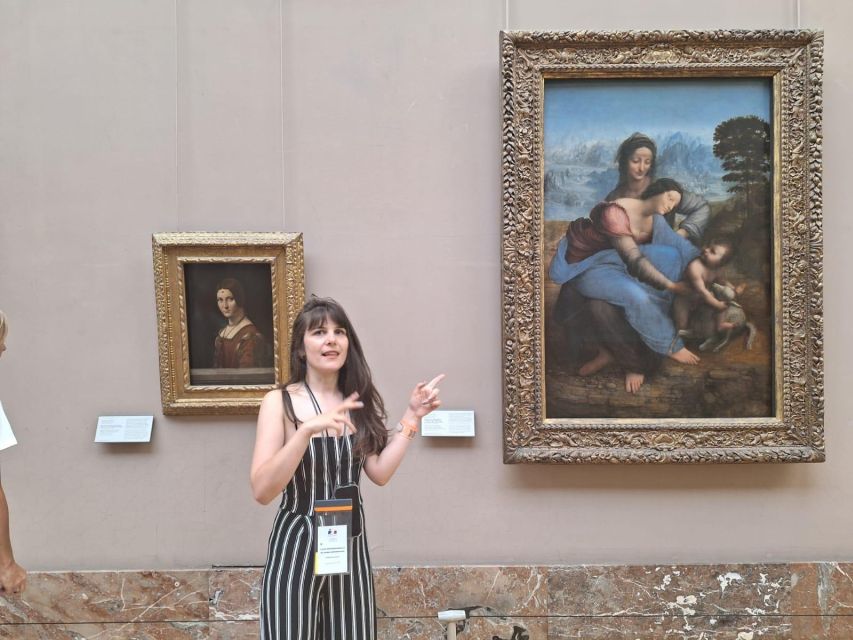
And yes, the guide also brings in context from famous masters like Da Vinci, not as trivia, but as a way to understand choices artists made. If you’ve ever wondered why a painting feels believable or unsettling, this kind of technique talk gives you a pathway to answers.
Pacing and Q&A: A Guided Visit You Can Adjust
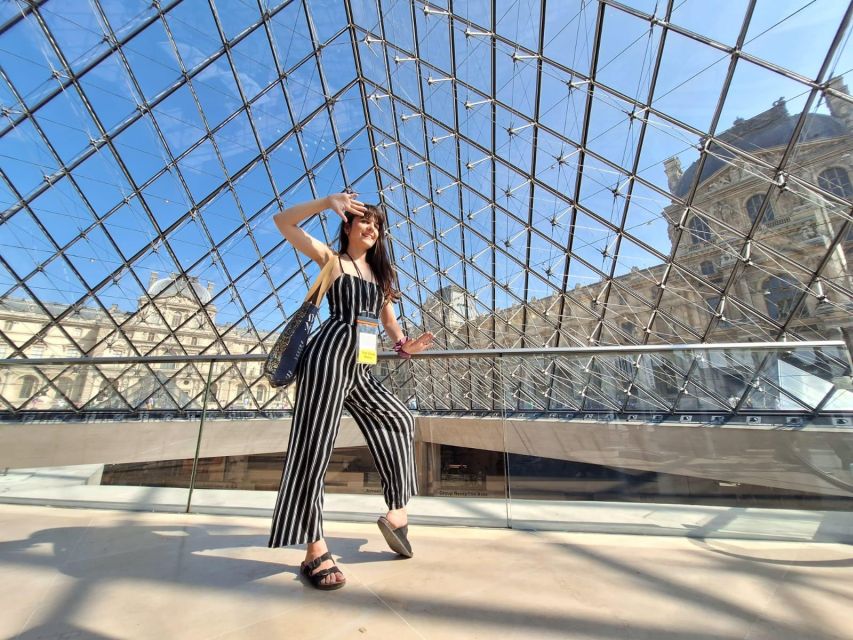
A 2-hour tour can go two ways: either it rushes you, or it teaches you how to see fast. This one aims for the second.
The small group size helps the guide keep a human pace. Many people also appreciate that the guide can respond to questions about specific works. If you want to ask about symbolism, technique, or even how to compare two famous objects, you’re in the right format for it.
From the variety of guide experiences you might encounter, names you could meet include Blerta, Arianna, and Assgan. The style is consistent—high focus on looking and interpreting—but the personal touch can feel different depending on the guide.
What You Get for $246: Value vs. Doing It Alone

At $246 per person for a 2-hour guided experience, this isn’t the cheapest way into the Louvre. The question is: what are you buying?
You’re buying three things that cost time and mental energy if you do it yourself:
- Skip-the-line entry and a smoother start
- A guide who can translate what you’re seeing into something you understand
- A small group format that makes the experience feel personal rather than chaotic
If you only have a limited amount of time in Paris—or you don’t want to spend your precious museum hours figuring out where to stand—this price can make sense. The cost is essentially paying for focus, speed, and explanation.
That said, if you love wandering with zero structure, or you plan to spend 4–6 hours deep in one section, you may find the 2 hours too short. This tour is built for impact, not for endless exploration.
Practical Notes That Affect Your Day
A few details matter because they shape how the experience feels in real life.
You’ll need passport or ID (a copy is accepted). Bring comfortable shoes because you’ll move through galleries and corridors. You can bring a reusable water bottle, but food and drinks aren’t allowed in the museum.
You should also know it’s not suitable for wheelchair users. There’s no mention of assisted access for mobility needs, so plan accordingly. If you have mobility concerns, confirm details before you go.
Finally, there’s no pickup or drop-off. That’s normal for a city-center museum tour, but it means you should plan your own transit to the meeting spot near the Palais Royal – Musée du Louvre metro.
Who This Tour Suits Best (and Who Might Prefer Something Else)
This is a strong fit if you want:
- The Louvre highlights without getting lost
- Explanations you can use immediately while you’re standing in front of the work
- A personal, small-group experience with an artist’s eye
It’s also a great choice if you’re visiting with teens or friends who get bored easily. The guide’s approach helps people stay engaged instead of drifting into “just another museum” mode.
You might consider a different format if:
- You need full wheelchair accessibility
- You want to spend long hours in a single wing
- You’re fine with self-guided discovery and don’t mind sorting it out yourself
Should You Book This Louvre Artist Tour?
If you’re aiming for the most satisfying Louvre experience in the least time, I’d book it. The combination of reserved entry, a small group, and a painter-artist guide is exactly the kind of structure that turns overwhelm into understanding.
I’d skip it only if you’re planning a very slow, solo wandering day, or if mobility/access needs make the route a concern. For most people, though, this is a smart way to get the classics—Mona Lisa, Venus de Milo, Nike—while learning how to look like you actually care.
FAQ
Where is the meeting point?
You meet at the Kiosque des Noctambules by Jean-Michel Othoniel, across from the Comédie Française. It’s accessible via metro at Palais Royal – Musée du Louvre (Place Colette exit).
How long is the tour?
The tour lasts 2 hours.
Does this tour include skip-the-line entry?
Yes. It includes reserved tickets and skip-the-line entry through a separate entrance.
What languages are offered?
The live tour guide is available in Albanian, English, and French.
How big is the group?
The tour is a tiny group, limited to no more than 6 visitors per tour.
What’s included in the price?
Included are the Louvre Museum tour (shared), Louvre entry tickets, an artist guide, and audio headsets when available.
Is pickup or drop-off included?
No. Pickup and drop-off are not included.
What should I bring?
Bring your passport or ID card (a copy accepted), comfortable shoes, and a reusable water bottle.
Is it suitable for wheelchair users?
No, it is not suitable for wheelchair users.
What items are not allowed?
Weapons or sharp objects are not allowed, and food and drinks aren’t allowed.